Introduction: The Art and Science of Artisanal Broths
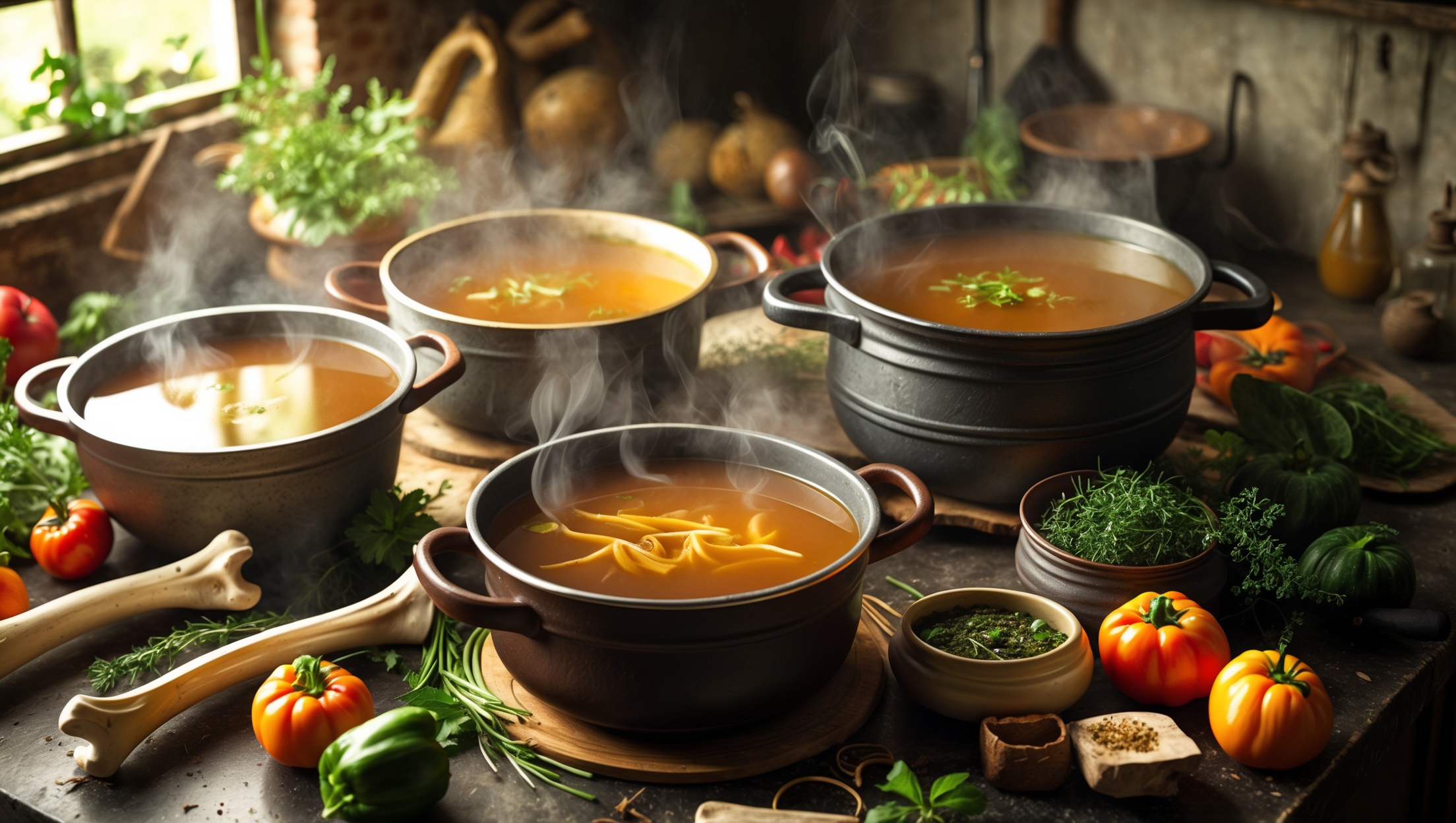
In the world of refined home cooking, few elements are as transformative as a well-crafted broth. Far from being just a humble base for soups and stews, a true artisanal broth is the backbone of sauces, risottos, braises, and even grains. Its slow-simmered essence captures the soul of ingredients—vegetables, bones, herbs, and spices—melding them into a liquid that delivers depth, body, and subtlety. Yet, despite its foundational role, broth is often misunderstood, rushed, or relegated to a store-bought afterthought. Crafting an exceptional broth is both an art and a science, requiring patience, intentional ingredient selection, the right tools, and a keen understanding of seasonal opportunities. In this comprehensive guide, we’ll demystify the process of making artisanal broths at home. You’ll learn how to select and use specialized equipment, source and layer seasonal flavors, avoid common mistakes, and adopt maintenance practices that ensure every batch is as rich and nuanced as a professional chef’s. Whether you’re a curious beginner or a seasoned home cook looking to elevate your kitchen repertoire, this journey into the craft of broth-making will unlock new realms of culinary inspiration—and flavor.
Broth vs. Stock: Clarifying the Foundation
Before diving into the craft, let’s clarify terms: stock and broth are often used interchangeably, but there are subtle differences. Stock is typically made with bones (sometimes with a little meat attached) and is simmered for a long time to extract collagen, resulting in body and mouthfeel. Broth, on the other hand, usually incorporates more meat, vegetables, and aromatics, and is seasoned. For the purpose of artisanal home cooking, the lines blur—in practice, you can craft a hybrid that delivers both the gelatinous texture of a stock and the deep, layered flavors of a broth. The techniques and strategies in this guide will apply to both, but our focus is on maximizing flavor, clarity, and versatility.
Essential Tools and Equipment for Broth Perfection
Stockpots: Size, Material, and Shape Matter
The foundation of any great broth is a heavy, non-reactive stockpot. Stainless steel and enamel-coated cast iron are top choices, as they won’t impart off-flavors or react with acidic ingredients. For most home kitchens, a 12- to 16-quart pot offers ample space for bones, vegetables, and water, allowing ingredients to circulate for even extraction. Wide pots with a larger surface area encourage gentle evaporation, which concentrates flavors.
Strainers and Skimmers: Clarity and Texture
- Fine-mesh strainers: Essential for removing fine particles and achieving a clear broth.
- Spider skimmers or ladles: Useful for periodically skimming foam and fat from the surface, crucial for both clarity and flavor.
Thermometers and Timers
Maintaining a gentle simmer (typically 185–200°F/85–93°C) ensures maximum flavor extraction without clouding the broth. An instant-read thermometer helps monitor temperature. Timers keep your simmering schedule on track, especially for longer-cooking stocks.
Storage Solutions: Preserving Your Liquid Gold
- Glass jars or BPA-free plastic containers: For refrigerating or freezing finished broth.
- Ice cube trays: Ideal for freezing small portions for quick use in sauces or grains.
- Vacuum sealers: Advanced, but excellent for long-term storage and flavor preservation.
Optional Upgrades
- Pressure cookers: Drastically reduce cooking time while extracting deep flavors. Modern electric models (like the Instant Pot) are game-changers.
- Chinois or bouillon strainer: For ultra-smooth, chef-quality broths.
- Large measuring jugs: For portioning and decanting.
Building Flavor: Ingredient Selection and Layering Secrets
Bones, Meats, and Plant-Based Foundations
- Poultry (chicken, duck, turkey): Wings, backs, necks, and feet offer both meat and collagen for body.
- Beef and veal: Knuckle bones, oxtails, shanks, and marrow bones add richness and depth.
- Fish and seafood: Use only fresh bones and shells, simmered briefly (30–45 minutes) to avoid bitterness.
- Vegetarian/Vegan: Dried mushrooms, seaweed (kombu), tomatoes, and root vegetables create umami-rich bases.
Seasonal Vegetables: Maximizing Freshness and Complexity
Seasonality is key to crafting broths that reflect the time of year and local bounty. Here’s a seasonal approach:
- Spring: Leeks, green garlic, asparagus trimmings, peas, and fresh herbs like chervil and tarragon.
- Summer: Sweet corn cobs (after kernels are removed), zucchini ends, tomato scraps, basil, and dill.
- Autumn: Carrot tops, parsnips, squash skins, celery root, sage, and thyme.
- Winter: Onion skins, turnip peels, dried mushrooms, hearty greens, rosemary, and bay leaves.
Aromatics and Umami Boosters
- Classic aromatics: Onion, carrot, celery (the “mirepoix” trio), enhanced with garlic, ginger, or shallots.
- Umami enhancers: Dried porcini, kombu, tomato paste, soy sauce, fish sauce, or miso (for vegetarian broths).
- Spices: Peppercorns, star anise, clove, allspice, and coriander can add subtle complexity. Use sparingly.
Salt: When and How Much?
Season lightly during cooking; you can always adjust at the end. Remember, broths often reduce further in recipes, concentrating saltiness.
Step-by-Step: Crafting a Signature Artisanal Broth
1. Prepare and Roast (Optional)
Roasting bones and vegetables at 425°F (220°C) for 30–45 minutes caramelizes natural sugars, deepening flavor and color—especially in brown stocks (beef, poultry). For lighter broths (chicken, fish, vegetable), skip roasting for a more delicate profile.
2. Simmer Gently
- Combine bones, vegetables, aromatics, and cold water in your stockpot. Use 1 part solids to 2 parts water by volume.
- Bring to a bare simmer over medium heat, then immediately reduce to low. Avoid boiling, which clouds the broth and emulsifies fat.
- Skim foam and impurities that rise to the top during the first hour—this step is crucial for clarity and clean flavor.
3. Timing: How Long to Simmer?
- Poultry: 4–6 hours (bones with meat or skin), or 2–3 hours for lighter broths.
- Beef/veal/lamb: 8–12 hours for maximum gelatin extraction.
- Fish/seafood: 30–45 minutes only.
- Vegetable: 1–2 hours—overcooking can lead to bitterness.
4. Strain and Cool
- Strain through a fine-mesh sieve or chinois.
- Cool quickly to avoid bacterial growth. Set pot in an ice bath or transfer to shallow pans.
- Once cool, refrigerate overnight. The fat will rise and solidify, making it easy to remove for a clean finish or reserve for cooking.
5. Storage and Preservation
- Store in airtight containers in the fridge for up to 5 days, or freeze for up to 6 months.
- For long-term storage, reduce the broth to a concentrated demi-glace and freeze in small cubes.
Seasonal Broth Craft: Creative Variations and Additions
Spring: Bright and Herbal
Add tender greens, spring onions, and lemon zest for a broth that pairs beautifully with poached fish or risotto primavera.
Summer: Sweet and Savory
Simmer sweet corn cobs, basil stems, and tomato scraps for a broth that forms the foundation for chilled soups and summer grain bowls.
Autumn: Earthy and Robust
Incorporate roasted squash skins, sage, and dried mushrooms for a base that brings depth to hearty stews and braises.
Winter: Warming and Umami-Rich
Choose root vegetables, alliums, and hearty herbs. Add a touch of kombu or dried seaweed for extra umami in vegetarian broths.
Common Mistakes and Myths Debunked
- Boiling is better than simmering: False. Boiling agitates fat and particulates, resulting in cloudy, greasy broth.
- All scraps are fair game: Not all vegetable peels or trimmings are suitable; avoid bitter or sulfurous items (e.g., brassica stems, potato skins).
- Longer is always better: Overcooking delicate broths (fish, vegetables) leads to off-flavors and bitterness.
- Salt at the start: Season lightly early on, finish to taste at the end. Reduction concentrates saltiness.
Craft Maintenance: Cleaning, Fat Handling, and Batch Consistency
Cleaning and Odor Control
- Thoroughly clean stockpots and strainers with hot, soapy water to prevent residue and persistent aromas.
- Occasionally simmer a solution of water, vinegar, and baking soda in your pot to neutralize odors.
Handling Fat and Gelatin
- Remove surface fat after chilling for a clearer, lighter broth, or keep some for added richness in certain recipes.
- Don’t be alarmed if your broth gels in the fridge—this is a sign of successful collagen extraction and will liquefy when reheated.
Consistency Across Batches
- Keep a simple broth journal: note your ingredient ratios, simmer times, and any seasoning adjustments to fine-tune future batches.
- When scaling up, maintain the same solids-to-water ratio to ensure consistent flavor and body.
Broth as a Culinary Canvas: Beyond Soups
- Sauces and gravies: Use as a base for pan sauces, reductions, and classic gravies.
- Risotto and grains: Cook rice, farro, or barley in broth for deeper flavor.
- Braises and stews: Add complexity and body to slow-cooked dishes.
- Sipping broths: Season and serve clear, delicate broths as nourishing beverages.
- Deglazing: Use a splash to lift flavorful browned bits from pans after roasting or sautéing.
Conclusion: Elevate Your Kitchen with the Craft of Broth
The journey to exceptional home cooking begins with the simple, ancient act of simmering bones, vegetables, and aromatics into a nourishing broth. By embracing the tools, techniques, and seasonal inspiration outlined in this guide, you unlock a new dimension of flavor and creativity in your kitchen. Artisanal broths are more than just a culinary building block—they are a reflection of your care, attention to detail, and connection to the rhythms of the seasons. With each batch, you’ll develop a deeper understanding of ingredient synergy, patience, and the subtle artistry that transforms humble scraps into liquid gold. As you refine your broth-making craft, you’ll find your sauces brighter, your grains more flavorful, and your soups impossibly soulful. The knowledge you gain here will ripple throughout your cooking, emboldening you to experiment with new variations, support local producers, and savor the process as much as the result. So gather your best pot, seek out the freshest seasonal ingredients, and let the gentle simmer inspire your next culinary masterpiece. The world of artisanal broths awaits—rich, rewarding, and endlessly customizable.