
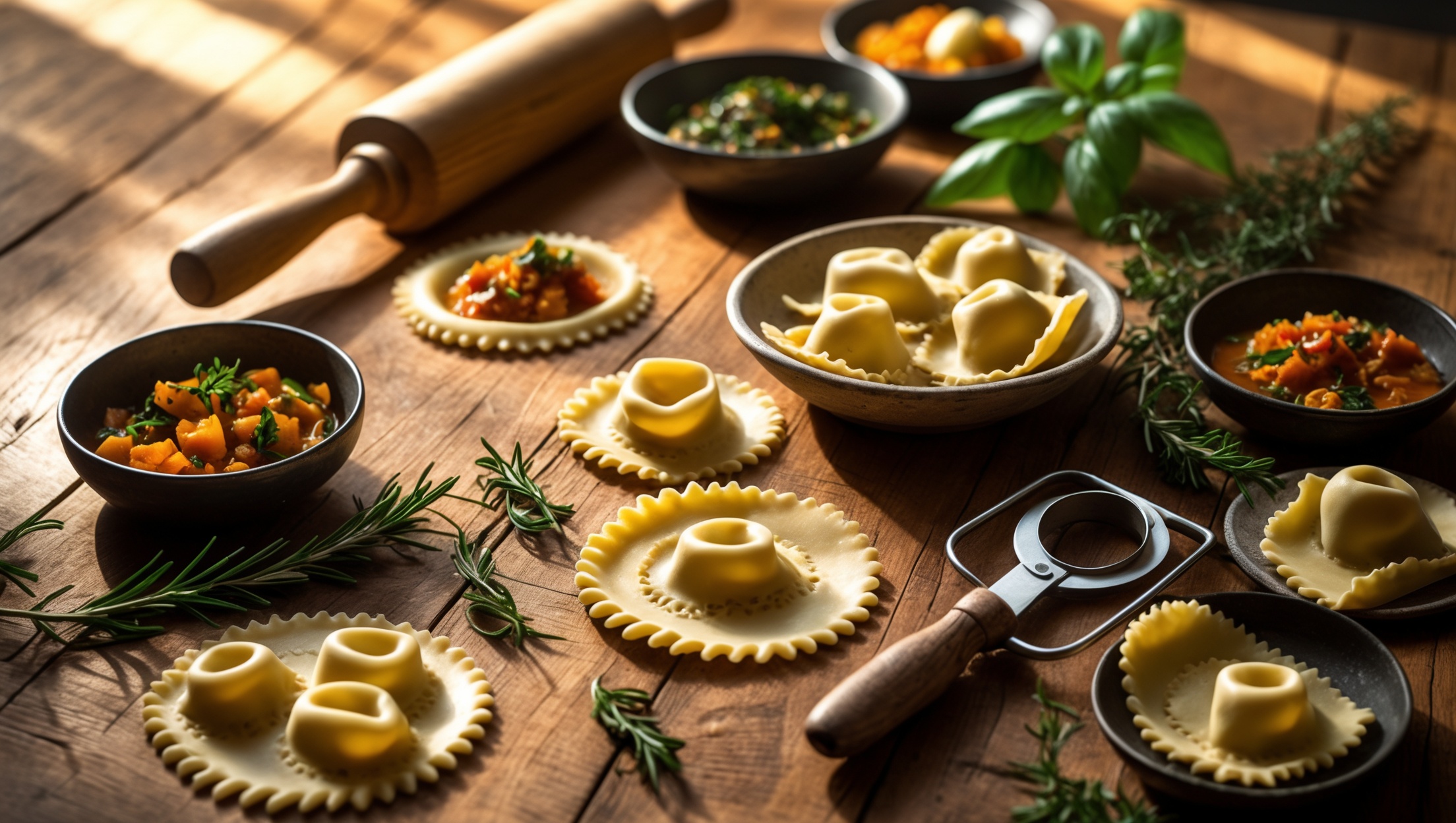
Introduction: The Allure and Artistry of Gourmet Stuffed Pastas
Stuffed pastas like ravioli, tortellini, agnolotti, and cappelletti have long enchanted food lovers worldwide, embodying both tradition and culinary innovation. Their delicate dough, tender bite, and explosion of flavors make each bite a testament to craft and creativity. Unlike simple noodles, stuffed pastas are a canvas—inviting you to blend artisan technique with the bounty of each season. For passionate home cooks and culinary explorers, mastering stuffed pasta unlocks a world of refined taste, from mushroom and ricotta-filled pillows to vibrant squash and sage parcels. In this comprehensive guide, we’ll journey through the essential tools, ingredient selection, seasonal inspiration, cost-savvy strategies, and expert techniques that transform humble dough into gourmet masterpieces. Whether you’re hoping to avoid rookie mistakes or elevate your existing skills, this deep dive is your roadmap to stuffed pasta perfection. Prepare to embrace both the science and soul of this cherished culinary craft.
Essential Tools and Equipment for Stuffed Pasta Success
Foundational Tools: What You Truly Need
- Rolling Pin or Pasta Machine: For silky, even sheets of dough. Manual pasta rollers offer consistency, but a classic rolling pin suffices for artisans who prefer a hands-on approach.
- Bench Scraper: Indispensable for dividing dough, scraping surfaces, and lifting delicate sheets.
- Pasta Wheel or Cutter: Zig-zag wheels create sealed, decorative edges, while straight cutters offer a classic finish.
- Pastry Brush: To moisten edges for a perfect seal.
- Small Cookie or Biscuit Cutters: For shaping round or square ravioli and agnolotti.
- Fine Mesh Strainer/Cheesecloth: For draining ricotta or pureed vegetables, ensuring fillings don’t weep or split the dough.
- Mixing Bowls and Piping Bags: Bowls for combining fillings, and piping bags (or zip-top bags) for precise portioning, especially with softer fillings.
Optional (But Game-Changing) Upgrades
- Pasta Drying Rack: Useful for air-drying pasta before filling to prevent sticking.
- Ravioli Press or Stamp: For uniform size and professional finish, especially helpful for batches.
- Digital Scale: Ensures exact dough and filling ratios for consistent results.
- Specialty Molds: Tortellini boards or agnolotti trays streamline shaping and sealing.
Maintenance Best Practices
- Clean pasta machines immediately after use to prevent dough buildup—never submerge; brush and wipe only.
- Keep wooden tools dry and oiled; periodically condition rolling pins and boards with food-grade mineral oil.
- Sharpen cutters and check for nicks to ensure clean pasta edges, preventing unraveling during cooking.
The Building Blocks: Dough Fundamentals and Avoiding Common Mistakes
Classic Egg Dough: Ratios and Technique
For most stuffed pastas, a classic northern Italian egg dough yields silky, elastic sheets. The standard ratio is 100g of 00 flour per large egg, plus a pinch of salt. For every 400g flour, add 4 eggs. Knead until smooth and let rest for at least 30 minutes before rolling. If the dough is dry, add water by the teaspoon; if sticky, dust with flour sparingly. Overworking can make the dough tough, while under-kneading leads to tears—aim for a satiny, supple finish.
Beginner Mistakes to Avoid
- Dough Too Thick: Resulting in leaden, chewy pasta. Roll sheets to 1-1.5mm thick for delicate but sturdy parcels.
- Over-Filling: Causes bursting during cooking. Use a teaspoon-sized mound and leave ample border for sealing.
- Wet Fillings: Excess moisture splits dough. Always drain ricotta, roasted vegetables, or purees thoroughly.
- Poor Seals: Air pockets lead to floating, bursting, or waterlogged pasta. Press out air and use a damp brush for a tight seal.
- Rushing Rest Times: Dough that hasn’t rested will shrink and resist rolling, leading to uneven sheets.
Filling Inspirations: From Classic to Creative
Classic Fillings and Regional Signatures
- Ricotta & Spinach: A timeless combo, seasoned with nutmeg and Parmesan.
- Butternut Squash & Sage: Sweet, earthy, and aromatic—ideal for autumn.
- Pork & Prosciutto: For Emilia-Romagna’s iconic tortellini.
- Mushroom & Truffle: Deep umami, perfect with brown butter sauces.
- Lemon & Herb Ricotta: Bright and zesty, ideal in spring.
Modern and Seasonal Innovations
- Spring: Pea and mint, asparagus and goat cheese, or wild garlic and ricotta.
- Summer: Roasted red pepper and feta, corn and mascarpone, or heirloom tomato confit.
- Autumn: Roasted pumpkin and sage, caramelized onion and pecorino, or wild mushroom and thyme.
- Winter: Slow-cooked beef and red wine, ricotta and preserved lemon, or roasted chestnut and Gruyère.
Balancing Texture and Flavor
- Always combine creamy elements (ricotta, mascarpone) with firmer binders (Parmesan, breadcrumbs) for stability.
- Season generously—fillings should taste slightly bolder than you’d expect, as the pasta dough will mellow flavors.
- Test-cook a teaspoon of filling in the microwave to check seasoning and texture before stuffing the pasta.
Step-by-Step: Shaping and Sealing Stuffed Pastas
Ravioli
- Roll dough into long, even sheets.
- Place filling mounds in two-inch intervals on one sheet.
- Brush edges with water, lay another sheet on top, and press out air.
- Cut with a wheel or stamp; press edges to seal firmly.
Tortellini
- Cut dough into 3-inch rounds.
- Pipe or spoon a small amount of filling in the center.
- Fold into a half-moon, press edges, then bring corners together to form a ring and press to seal.
Agnolotti
- Pipe a long log of filling along one side of a dough sheet.
- Fold dough over the filling, seal edge, and pinch at intervals.
- Cut between pinches for individual agnolotti.
Pro-Tips for Success
- Work quickly—cover dough and shaped pasta with a damp towel to prevent drying.
- Dust finished pasta with semolina to keep pieces separate and prevent sticking.
- Freeze in a single layer on trays, then transfer to bags for long-term storage; cook from frozen without thawing.
Budgeting and Cost Breakdown: Gourmet Results Without the Gourmet Price
Ingredient Sourcing
Homemade stuffed pasta is surprisingly cost-effective, especially when compared to restaurant prices or high-end delis. Key savings come from:
- Bulk Buying: Purchase 00 flour, eggs, and cheeses in larger quantities for cost efficiency.
- Seasonal Produce: Base fillings on what’s abundant and in-season for better flavor at lower cost.
- Stretching Proteins: Use small amounts of premium ingredients (truffle, prosciutto, Gruyère) for impact, bulked out with vegetables or cheese.
Sample Cost Breakdown (Per Dozen Ravioli)
- 00 flour (100g): $0.30
- Eggs (2 large): $0.50
- Ricotta (100g): $0.75
- Spinach (50g): $0.40
- Parmesan (20g): $0.60
- Butter/Sage for sauce: $0.50
- Total: $3.05 (approx. $0.25 per raviolo)
Compare this to artisanal store-bought ravioli, which easily run $8–$12 per dozen.
Equipment Investment
Basic tools (rolling pin, cutters, bench scraper) can be sourced for under $30. Pasta machines range from $35–$100 and last decades with care. Specialty molds or stamps are optional and often under $20 each.
Seasonal Checklist: Maximizing Flavor Year-Round
- Spring: Source young greens, wild herbs, and fresh cheeses. Experiment with peas, asparagus, and lemon zest.
- Summer: Use ripe tomatoes, corn, sweet peppers, and basil. Make fillings in small batches to avoid excess moisture from juicy produce.
- Autumn: Embrace squash, mushrooms, chestnuts, and sage. Roast or caramelize vegetables for concentrated flavor.
- Winter: Opt for hearty cheeses, preserved lemons, or slow-cooked meats. Add warming spices like nutmeg and black pepper.
Adjust dough hydration and filling moisture based on humidity—drier climates may require more water in dough, while wet fillings need extra draining in humid seasons.
Myths Debunked: The Realities of Crafting Stuffed Pasta at Home
- Myth: “You need a pasta machine to make stuffed pasta.”
Reality: A rolling pin and steady hand work beautifully for small batches. - Myth: “Homemade stuffed pasta is too time-consuming.”
Reality: With practice, a dozen ravioli can be shaped in under 15 minutes. Freeze extras for instant gourmet meals. - Myth: “Fillings must be traditional.”
Reality: Creative flavor pairings—think roasted beet and goat cheese or caramelized apple and pecorino—are both delicious and authentic to the evolving craft.
Safety and Quality Checklist
- Use pasteurized eggs if serving to children, elderly, or immunocompromised guests.
- Keep fillings refrigerated until use; discard any filling left at room temperature for more than 2 hours.
- Cook stuffed pasta to an internal temperature of at least 165°F/74°C, especially if using raw meats or eggs in fillings.
- Sanitize surfaces and tools before and after handling raw dough and fillings.
Conclusion: Bringing Gourmet Stuffed Pastas to Your Table
Crafting gourmet stuffed pastas at home is not just a culinary skill—it’s an invitation to taste, creativity, and the timeless joy of hands-on food craft. Whether you’re a novice aiming to avoid common pitfalls or an experienced cook seeking new inspiration, the right tools, seasonal ingredients, and thoughtful technique pave the way to exceptional results. Stuffed pastas offer endless room for personalization, drawing on local produce, heritage flavors, and your own inventive spirit. With each fold, seal, and bite, you connect with a global tradition—one that celebrates resourcefulness, artistry, and the shared pleasure of a beautifully crafted meal. Gather your tools, embrace the seasons, and elevate your home kitchen with the soulful elegance of hand-crafted stuffed pastas. The journey is as rewarding as the destination, and every batch brings you closer to culinary mastery. Bon appétit!



I often make pasta with my kids on weekends, but I only have a basic rolling pin and a dull pasta cutter. How important is it to invest in a pasta machine or high-quality cutter if we just want to enjoy making stuffed pastas at home?
If you and your kids are having fun making stuffed pastas together, a basic rolling pin and cutter are absolutely fine for home cooking. Investing in a pasta machine or sharper cutter can make things easier and neater, but they’re not essential for enjoying the process or delicious results. Focus on the joy of making pasta together—upgrade tools only if you feel it would add to your experience.
You mention using a fine mesh strainer or cheesecloth for draining ricotta and pureed veggies. How important is this step if I’m short on time, and will skipping it really affect the texture of the filling?
Draining ricotta and pureed veggies is quite important because excess moisture can make your filling runny, which affects both texture and how well the pasta seals. If you’re short on time, you could try letting them drain for just 10–15 minutes or gently pressing out extra liquid with a spoon or paper towel. Skipping this step entirely could lead to soggy pasta and a less satisfying bite.