
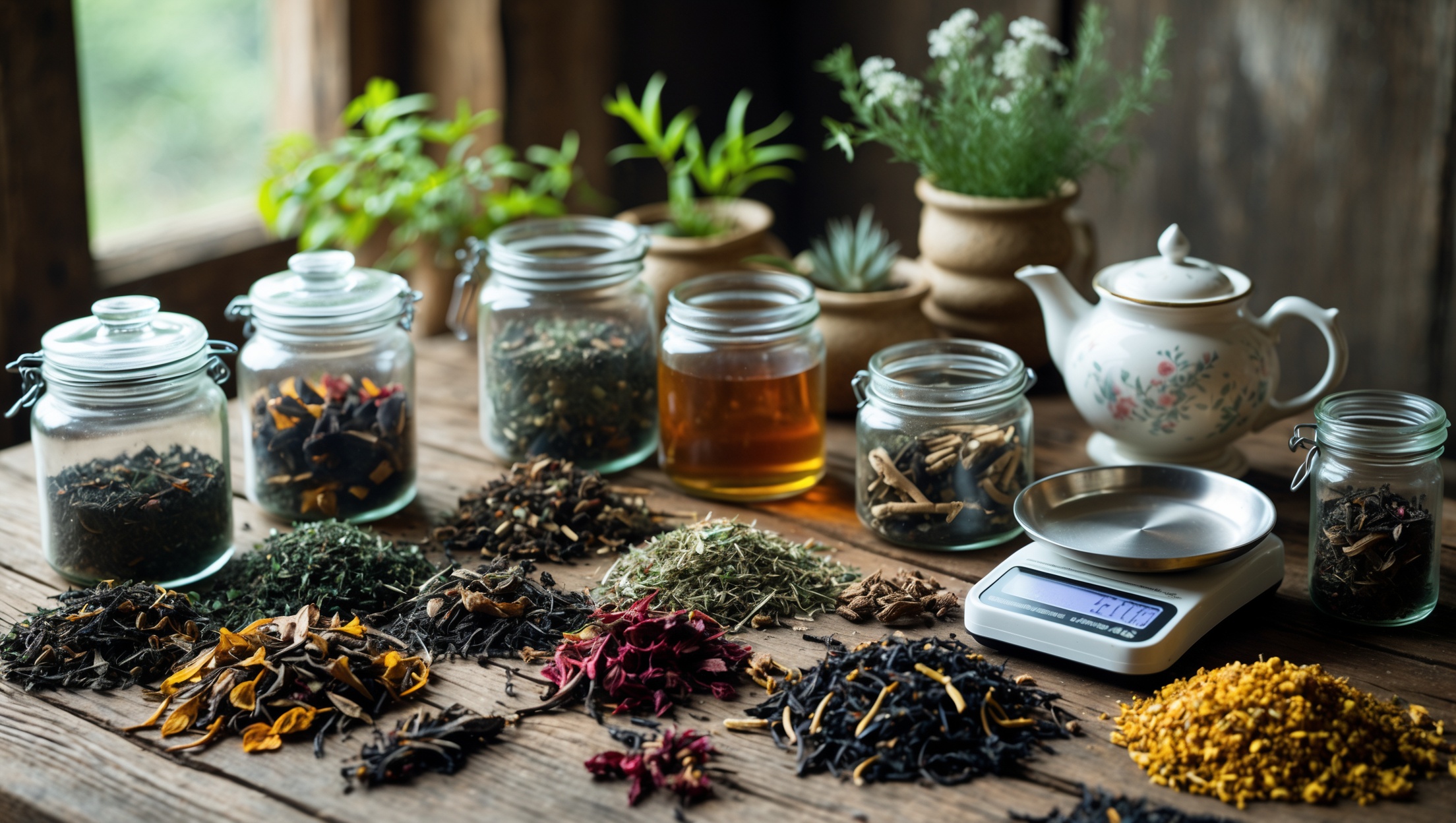
Tea is more than a beverage; it is a centuries-old ritual, a canvas for creativity, and a bridge between cultures. For the home culinary enthusiast, tea blending offers a unique intersection of taste, craft, and sensory exploration. Yet, many believe artisanal tea blending is the domain of tea masters or requires elaborate equipment and obscure ingredients. In reality, with the right knowledge and a thoughtful approach, any home cook can craft signature blends that reflect the seasons, personal tastes, and even cultural heritage. This guide moves beyond the basics, offering a step-by-step journey through tools, seasonal sourcing, flavor design, and myth-busting wisdom to unlock a new dimension of home-crafted culinary culture.
Why Artisanal Tea Blending?
Home-blended teas invite you to personalize your daily ritual, experiment with flavor pairings, and highlight seasonal ingredients in a simple yet meaningful way. Unlike commercial blends, which favor consistency and shelf stability, home blending lets you spotlight fleeting tastes—like fresh spring herbs or late-summer fruit peels—while controlling quality and supporting sustainability.
Essential Tools and Equipment for Home Tea Blending
1. Precision Scale
Consistency is key to repeatable blends. Invest in a digital scale accurate to at least 0.1 grams for precise measurements. This ensures balanced flavors and helps document successful recipes for future batches.
2. Mixing Bowls and Spoons
Use glass or stainless steel bowls to avoid flavor transfer. Dedicated mixing spoons (ideally non-reactive) help preserve the subtle notes of delicate botanicals.
3. Airtight Storage Jars
Light and air are enemies to tea freshness. Use glass jars with rubber seals or specialty tea tins. Label each blend with ingredients, date, and tasting notes.
4. Sifters and Fine Mesh Strainers
For blends containing powders (like matcha or powdered spices), fine mesh sifters ensure even distribution and prevent clumping. These also help remove dust from dried herbs or petals.
5. Mortar and Pestle or Spice Grinder
Freshly crushed spices and herbs release more vibrant aromas. A dedicated mortar and pestle or an electric grinder (used only for botanicals) helps unlock essential oils without cross-contamination.
6. Quality Water Kettle
While not for blending itself, precise water heating (with variable temperature settings) is essential for testing and tasting blends, as different teas and botanicals brew best at specific temperatures.
Seasonal Ingredient Sourcing: Beyond the Grocery Aisle
Great tea blends begin with great ingredients. Seasonality impacts both flavor and aroma, so sourcing with the seasons not only enhances taste but supports local growers and sustainability.
Spring
- Fresh Herbs: Mint, lemon balm, and chamomile are vibrant and aromatic in spring.
- Edible Flowers: Lilac, violet, and cherry blossoms offer delicate floral notes.
- Young Green Teas: Seek out first flush or newly harvested green teas for a grassy, sweet profile.
Summer
- Fruit Peels: Citrus, peach, or apple peels add brightness.
- Lavender & Rose: Peak season for these classic floral botanicals.
- Lemon Verbena & Basil: Lend herbal freshness and complexity.
Autumn
- Spices: Cinnamon, clove, and cardamom evoke warmth.
- Dried Fruits: Apple, pear, and cranberry deepen blends.
- Black & Oolong Teas: Heavier teas pair well with seasonal spices.
Winter
- Roots & Barks: Ginger, licorice root, and cinnamon bark offer comfort.
- Evergreen Elements: Pine needles or rosemary (used sparingly) add foresty undertones.
- Vanilla Bean: Luxurious sweetness for cold months.
Sourcing Tips
- Visit local farmers’ markets for fresh, pesticide-free herbs and edible flowers.
- Grow your own herbs—mint, lemon balm, and rosemary thrive on windowsills or balconies.
- Order specialty teas and botanicals from reputable online purveyors with transparent sourcing and freshness guarantees.
Flavor Layering: Building a Balanced Blend
Creating an artisan blend is more than mixing ingredients. It’s about balancing top, middle, and base notes, much like perfume or wine. Here’s how to approach flavor architecture:
Top Notes
These are the first aromas and flavors detected—often citrus peels, mint, or delicate florals like chamomile. Use sparingly to avoid overwhelming the blend.
Middle Notes
The heart of the blend, typically formed by the base tea (green, black, oolong, or herbal), plus supporting botanicals like dried fruit, rose, or lemongrass.
Base Notes
Provide depth and longevity, anchoring the blend. Think spices, roots, or robust black teas.
Practical Steps
- Start small: Blend in 10–20g batches to allow for easy adjustments.
- Document each trial with precise ingredient weights and tasting notes.
- Brew test cups using recommended brewing temperatures/times for the base tea.
- Adjust ratios based on flavor balance and desired intensity.
Cost Breakdown & Budgeting for Home Blending
Artisanal tea blending at home can be surprisingly affordable, especially compared to premium retail blends. Here’s a practical budget analysis:
- Starter Equipment: $35–$80 (scale, jars, bowls, strainers)
- Base Teas: $10–$25 per 100g (quality loose-leaf green, black, or oolong)
- Botanicals & Spices: $1–$7 per 10g (dried flowers, herbs, spices, citrus peels)
- Optional Specialty Ingredients: $5–$15 per 10g (vanilla bean, saffron, rare flowers)
Most blends use 2–4g of tea and botanicals per serving. A 100g batch yields 25–50 cups, making each cup cost-effective while offering luxury and personalization not found in off-the-shelf brands.
Step-by-Step: Crafting Your First Signature Blend
- Define Your Concept: Choose a season, mood, or flavor inspiration (e.g., “Spring Garden,” “Winter Spice”).
- Select a Base: Decide on green, black, oolong, or herbal as your foundation.
- Layer Botanicals: Add 1–3 complementary herbs, flowers, or spices, balancing top, middle, and base notes.
- Weigh Precisely: Use your scale for accurate measurement (e.g., 70% base tea, 20% secondary, 10% accents).
- Mix Gently: Combine in a glass bowl, mixing by hand or with a spoon to avoid bruising delicate leaves and petals.
- Store & Rest: Place in an airtight jar. Let the blend rest 2–3 days before tasting so flavors meld.
- Brew & Adjust: Taste, record notes, and tweak ratios until the blend matches your vision.
Common Myths Debunked
- Myth 1: Only experts can blend great tea.
Reality: Blending is accessible to anyone with patience, curiosity, and a willingness to experiment. - Myth 2: You need rare, expensive ingredients.
Reality: Everyday spices, garden herbs, and standard loose-leaf teas can yield extraordinary results. - Myth 3: More ingredients mean better flavor.
Reality: Simplicity often wins; two or three well-chosen botanicals can create a harmonious cup. - Myth 4: Herbal and true teas can’t be blended.
Reality: Blending herbal botanicals with green, black, or oolong teas adds depth and complexity. - Myth 5: All botanicals are safe to use in tea.
Reality: Some plants are toxic or cause allergic reactions; always research and source from reputable suppliers.
Maintenance Best Practices: Keeping Blends Fresh
- Cool, Dark Storage: Avoid heat and sunlight to preserve aroma and prevent oxidation.
- Airtight Containers: Always use containers with proper seals. Avoid plastic, which can leach odors.
- Small Batches: Blend in quantities you’ll use within 2–3 months for optimal freshness.
- Labeling: Date each jar and list ingredients. Note any unique preparation instructions.
- Periodic Tasting: Sample older blends monthly to monitor changes in flavor and aroma.
Safety Checklist for Home Tea Blenders
- Research all botanicals for culinary safety and potential interactions with medications.
- Source ingredients from food-grade, reputable suppliers.
- Wash and thoroughly dry fresh herbs and edible flowers before use to prevent mold.
- Store finished blends away from strong-smelling foods (like coffee or spices) to prevent flavor contamination.
- If using foraged ingredients, positively identify each plant and avoid areas treated with pesticides.
Case Study: The Evolution of a Signature Blend
Concept: “Early Autumn Orchard”
- Base: 70% oolong tea
- Secondary: 15% dried apple pieces
- Accents: 10% cinnamon chips, 5% calendula petals
The initial blend was overly dominated by cinnamon. Adjusting to 7% cinnamon and increasing apple to 18% brought balance. Letting the blend rest for a week allowed the oolong and apple to harmonize, while calendula contributed subtle honeyed notes. The result was a comforting, layered tea that evoked orchard strolls and crisp autumn air.
Creative Inspiration: Seasonal Blend Ideas
- Spring: Green tea, lemon verbena, dried strawberry, violet petals
- Summer: White tea, dried peach, basil, lemon peel
- Autumn: Oolong, apple, cinnamon, calendula
- Winter: Black tea, ginger, orange peel, vanilla bean
Conclusion: Elevate Your Ritual, One Blend at a Time
Home tea blending is a journey of discovery—an invitation to connect with the seasons, savor the artistry of flavor, and create moments of beauty in everyday life. With just a handful of tools, mindful ingredient sourcing, and a willingness to experiment, you can transcend the limitations of packaged blends and curate a personal tea library that evolves with your tastes. The process need not be intimidating; start with what’s fresh, local, and inspiring. Remember, the most memorable blends are those that tell your story—rooted in your experiences, favorite aromas, and culinary curiosity. As you practice, you’ll develop an intuitive sense for balancing flavors, pairing botanicals, and crafting blends that surprise and delight. Whether you’re seeking quiet introspection or sharing with friends, each cup becomes a celebration of taste, craft, and culture. So gather your tools, explore the bounty of each season, and let your creativity steep. The world of artisanal tea blending is waiting—one leaf, one aroma, one cup at a time.
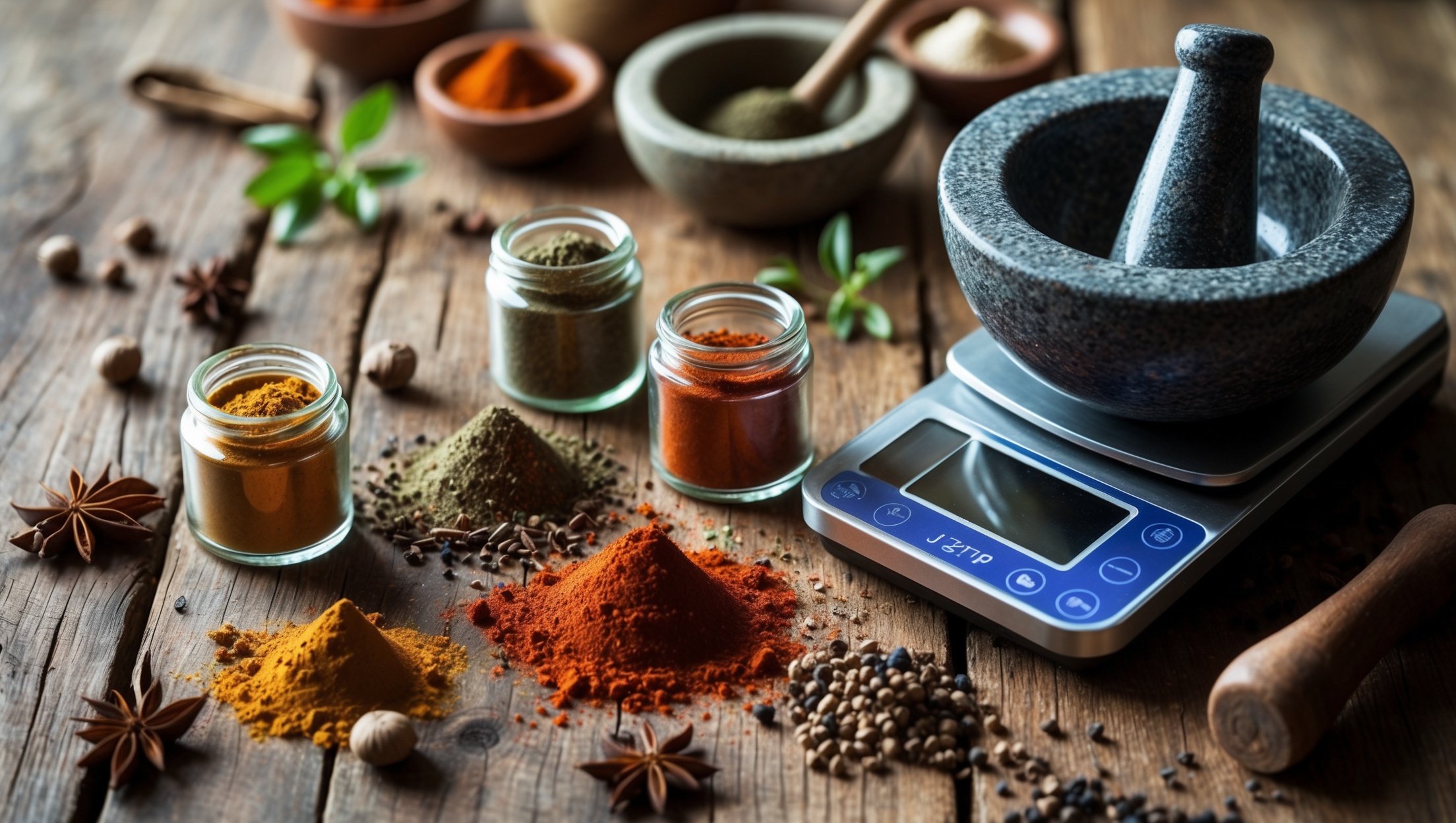
You mention using a precision scale accurate to 0.1 grams for consistent blends. For someone just starting out, is that level of accuracy truly necessary, or could I get by with a basic kitchen scale until I get more serious?
A basic kitchen scale is perfectly fine when you’re just starting out with tea blending. The 0.1-gram precision is more helpful for experienced blenders working with small quantities and fine-tuning their recipes. For now, focus on getting comfortable with the process and ingredients. If you find yourself wanting more consistency later on, you can always upgrade to a more precise scale.