
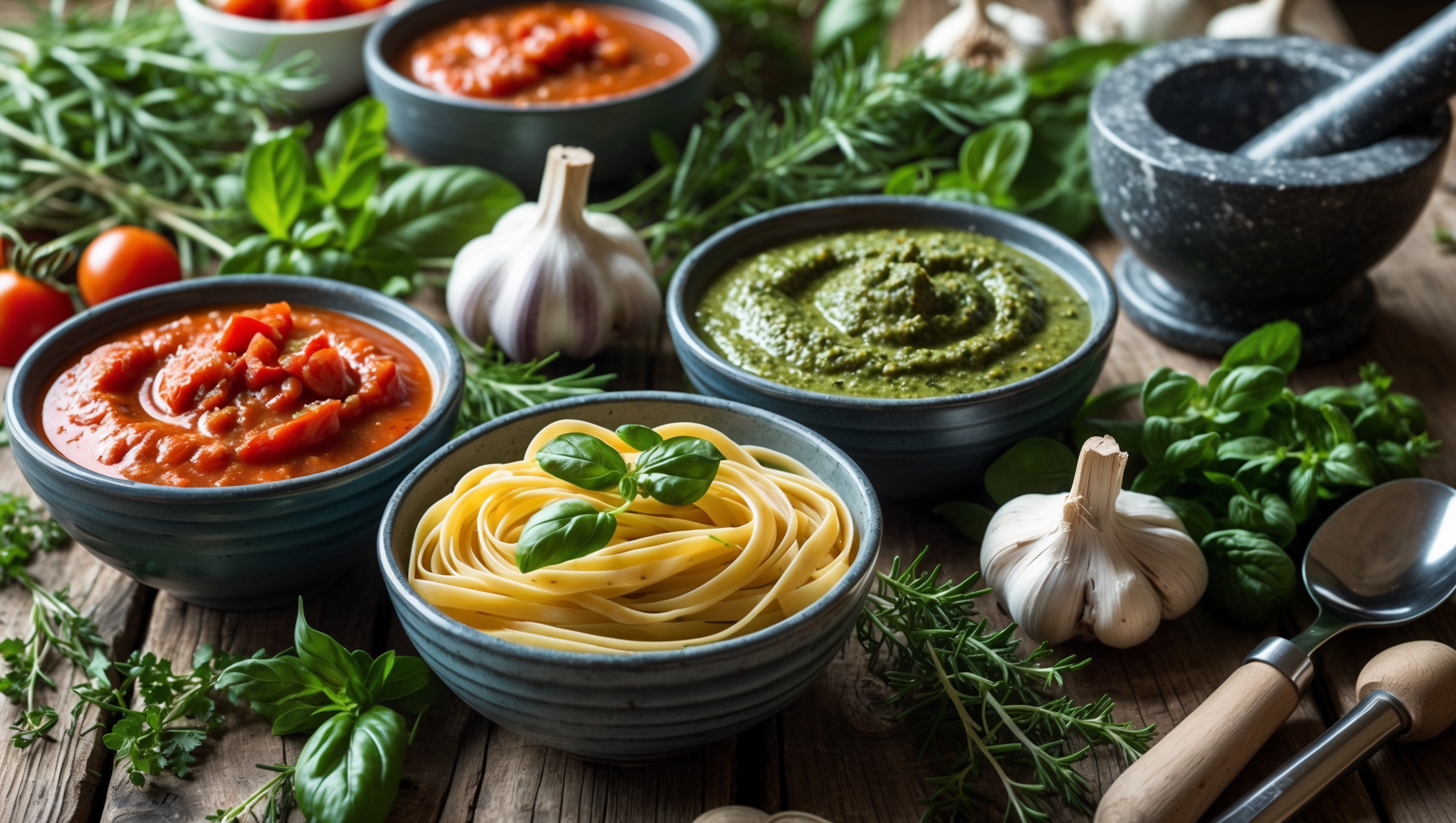
Pasta sauce is more than just an accompaniment—it’s a canvas for culinary creativity, cultural expression, and seasonal flavor. For those who relish the craft of food, mastering the art of artisanal pasta sauces at home opens a world of possibilities. Unlike the jarred varieties lining supermarket shelves, homemade sauces offer unparalleled control over flavor, texture, and nutrition. But getting started can be daunting. Which ingredients matter most seasonally? Are specialized tools necessary, or can you achieve greatness with basics? And what flavor wisdom is fact vs. fiction? In this in-depth guide, we’ll unravel the secrets of crafting pasta sauces that truly sing, drawing inspiration from both tradition and innovation. Whether you’re a weekend cook or an aspiring gourmand, you’ll find practical advice, myth-busting insights, and step-by-step strategies for every level. Let’s embark on a journey that celebrates taste, craft, and culinary culture—one simmering pot at a time.
Understanding the Foundations: What Makes an Artisanal Pasta Sauce?
At its core, an artisanal pasta sauce is defined by thoughtful ingredient selection, careful technique, and a respect for both tradition and seasonality. Whether you’re stirring a classic pomodoro or experimenting with wild nettle pesto, the secret lies in the details.
- Freshness: Use the best ingredients you can source, prioritizing local, seasonal produce.
- Balance: Acidity, sweetness, fat, and umami should play in harmony.
- Technique: Slow simmering, gentle sautéing, and layering flavors are hallmarks.
- Personal Touch: Infuse your sauces with unique flavor twists or heritage techniques.
Seasonal Ingredient Sourcing: The Heart of Flavor
Spring: Brightness and Fresh Herbs
Spring brings tender greens, young garlic, peas, and fresh herbs such as basil, mint, and parsley. Consider:
- Pesto with wild garlic or ramps
- Lemony cream sauces with fresh peas and mint
- Pasta primavera with asparagus and chives
Summer: Peak Tomatoes and Vibrant Vegetables
Summer is the golden age for classic tomato sauces. Look for:
- Heirloom tomatoes for slow-cooked sugo or quick pan sauces
- Roasted red pepper and eggplant blends (Sicilian caponata-inspired)
- Fresh basil, oregano, and thyme
Autumn: Earthy, Robust Flavors
With the arrival of mushrooms, squash, and nuts, autumn sauces turn hearty:
- Porcini mushroom ragù with sage
- Brown butter and toasted hazelnut sauces
- Roast pumpkin with rosemary and nutmeg
Winter: Comfort and Depth
Winter invites slow-braised sauces and preserved flavors:
- Rich tomato passata-based ragù
- Anchovy, caper, and olive puttanesca
- Creamy gorgonzola and walnut sauces
Essential Equipment: What You Actually Need
While professional kitchens have a dizzying array of gadgets, the home cook can achieve remarkable results with just a few essentials.
Must-Have Tools
- Heavy-bottomed Saucepan: For even heat and slow simmering.
- Large Sauté Pan: For quick-cooking pan sauces and finishing pasta.
- Wooden Spoon: Gentle on pots, great for scraping fond and stirring without breaking down ingredients.
- Fine Mesh Strainer or Food Mill: For silky smooth sauces, especially tomato-based.
- Immersion Blender: For pureeing roast vegetables or emulsifying creamy sauces.
Nice-to-Have Upgrades
- Mortar and Pestle: Ideal for pesto and crushing garlic or spices the traditional way.
- Microplane Grater: For zesting citrus, grating cheese, or adding nutmeg.
- Mandoline Slicer: For paper-thin vegetables in primavera or caponata.
Step-by-Step: Building a Signature Sauce
1. Mise en Place: Prepping Ingredients
Chop aromatics (onion, garlic, celery, carrot), measure oils and fats, and set out herbs and spices. For tomato sauces, blanch and peel tomatoes or use high-quality canned San Marzanos if out of season.
2. Layering Flavors
- Sauté aromatics in oil or butter until just golden.
- Add main vegetables or proteins and cook to develop caramelization.
- Deglaze with wine, stock, or pasta water to lift fond.
- Simmer with tomatoes, cream, or other liquids, adding herbs midway for maximum extraction.
- Finish with a drizzle of olive oil, fresh herbs, or grated cheese.
3. Taste and Adjust
Season gradually. Remember, pasta water is salty and can impact the final flavor. Adjust acidity with a splash of vinegar or lemon juice, balance bitterness with a pinch of sugar if needed, and finish with freshly ground pepper.
4. Marrying Sauce and Pasta
Always combine pasta and sauce in the pan, tossing over heat with a splash of reserved pasta water to create an emulsion. This step is non-negotiable for a truly Italian texture and flavor.
Cost Breakdown and Budgeting
Ingredient Choices: Premium vs. Everyday
Not all ingredients need to be top-shelf. Here’s where to splurge and where to save:
- Splurge: Olive oil, Parmigiano Reggiano, high-quality canned tomatoes, fresh herbs
- Save: Onions, garlic, dried pasta, pantry spices
Seasonal vegetables are often cheaper and more flavorful at peak harvest. Join a local CSA or visit farmers’ markets for deals on bulk produce.
Batch Cooking for Savings
- Make large batches of tomato or cream-based sauces and freeze in portions.
- Preserve summer tomatoes as passata or confit for winter sauces.
Common Myths Debunked
- Myth: Only Italian tomatoes make great sauce. While San Marzanos are iconic, ripe local tomatoes (or good-quality canned) can be equally delicious.
- Myth: Sugar always belongs in tomato sauce. Add sugar only if needed to balance acidity—never by default.
- Myth: Cream ruins authenticity. Many regional Italian sauces use cream or butter. Use dairy judiciously and with purpose.
- Myth: Simmering longer always means better flavor. Overcooking can mute brightness. Most fresh sauces need less than an hour.
- Myth: Pasta should be rinsed. Never rinse pasta; the starch helps sauce adhere and emulsify.
Flavor Innovations: Beyond the Basics
Infused Oils and Compound Butters
For a twist, finish sauces with oil infused with chili, citrus zest, or fresh herbs. Compound butters—blended with roasted garlic, anchovy, or herbs—add richness and complexity.
Umami Boosters
- Anchovy fillets (melted into oil at the start)
- Miso paste for depth in vegan sauces
- Sun-dried tomatoes for concentrated flavor
Texture Play
Combine smooth and chunky elements. Top creamy sauces with toasted breadcrumbs or fried sage. Add roasted nuts for crunch.
Safety Checklist: Smart Practices in Home Sauce Craft
- Use clean, dry utensils and pots to prevent contamination.
- Cool sauces quickly before refrigerating or freezing; portion into shallow containers.
- Label and date frozen sauces; use within 3-4 months for best quality.
- When reheating, bring to a rolling boil or 165°F (74°C) to ensure safety.
- Discard sauces with off-smells, mold, or separation after storage.
Case Studies: Signature Sauces from Around the Globe
Southern Italy: Classic Marinara
- Simple ingredients: tomatoes, garlic, olive oil, basil
- Short cook time preserves tomato brightness
- Pairs with long pasta shapes or gnocchi
Northern Italy: Walnut and Gorgonzola Cream
- Toasted walnuts blended with cream and gorgonzola
- Rich, nutty, and ideal for stuffed pastas
Japan: Wafu Shoyu Butter
- Soy sauce and butter emulsified with dashi
- Umami-rich, savory, and pairs with spaghetti or udon
California: Roasted Pepper and Almond Romesco
- Charred peppers, toasted almonds, garlic, sherry vinegar
- Bright, smoky, and vegan-friendly
Maintenance Best Practices: Ensuring Sauce-Making Success
- Sharpen knives regularly for safe, efficient prep.
- Descale pans as needed; tomato acids can cause discoloration.
- Store oils and nuts in dark, cool places to prevent rancidity.
- Regularly check expiration dates on spices and pantry staples.
Conclusion: Elevate Your Table, One Sauce at a Time
Artisanal pasta sauce craft is a journey, not a destination. The more you experiment with seasonal produce, invest in a few quality tools, and trust your senses, the more rewarding your results will be. Embrace mistakes as learning opportunities and let curiosity guide your choices—whether you’re discovering a new herb at the market or riffing on a classic ragù. Remember, the best sauces are those that tell your story and reflect your palate. With the insights from this guide, you’re empowered to create vibrant, delicious sauces that go far beyond the basics. From the first sizzle of garlic in olive oil to the final swirl of pasta in pan, every step is an invitation to savor the art of flavor. Gather your ingredients, fire up your pans, and let your kitchen become a stage for culinary creativity. Your next signature sauce awaits.
I’m new to making pasta sauces from scratch and noticed the article mentioned using the best local, seasonal produce. If I can only find regular supermarket vegetables, will my sauce still stand out, or does it really make a big difference to hunt down specialty ingredients?
You can absolutely make delicious pasta sauces with regular supermarket vegetables. Fresh, seasonal produce can give an extra burst of flavor, but what matters most is using vegetables that are as fresh as possible and preparing them well. Just be sure to taste as you cook and adjust your seasonings—you’ll still end up with a sauce you can be proud of.
You mention balancing acidity, sweetness, fat, and umami in the sauce. Could you give an example of how to troubleshoot if a sauce tastes too sharp or flat at the end of cooking? What small adjustments usually help bring everything into harmony?
If your sauce tastes too sharp, it’s likely too acidic. Try stirring in a small pinch of sugar, a knob of butter, or a splash of cream to round out the flavors. If the sauce tastes flat, add a pinch of salt or a dash of grated cheese like Parmesan to boost umami. Often, a drizzle of good olive oil at the end can also smooth and harmonize the sauce.