
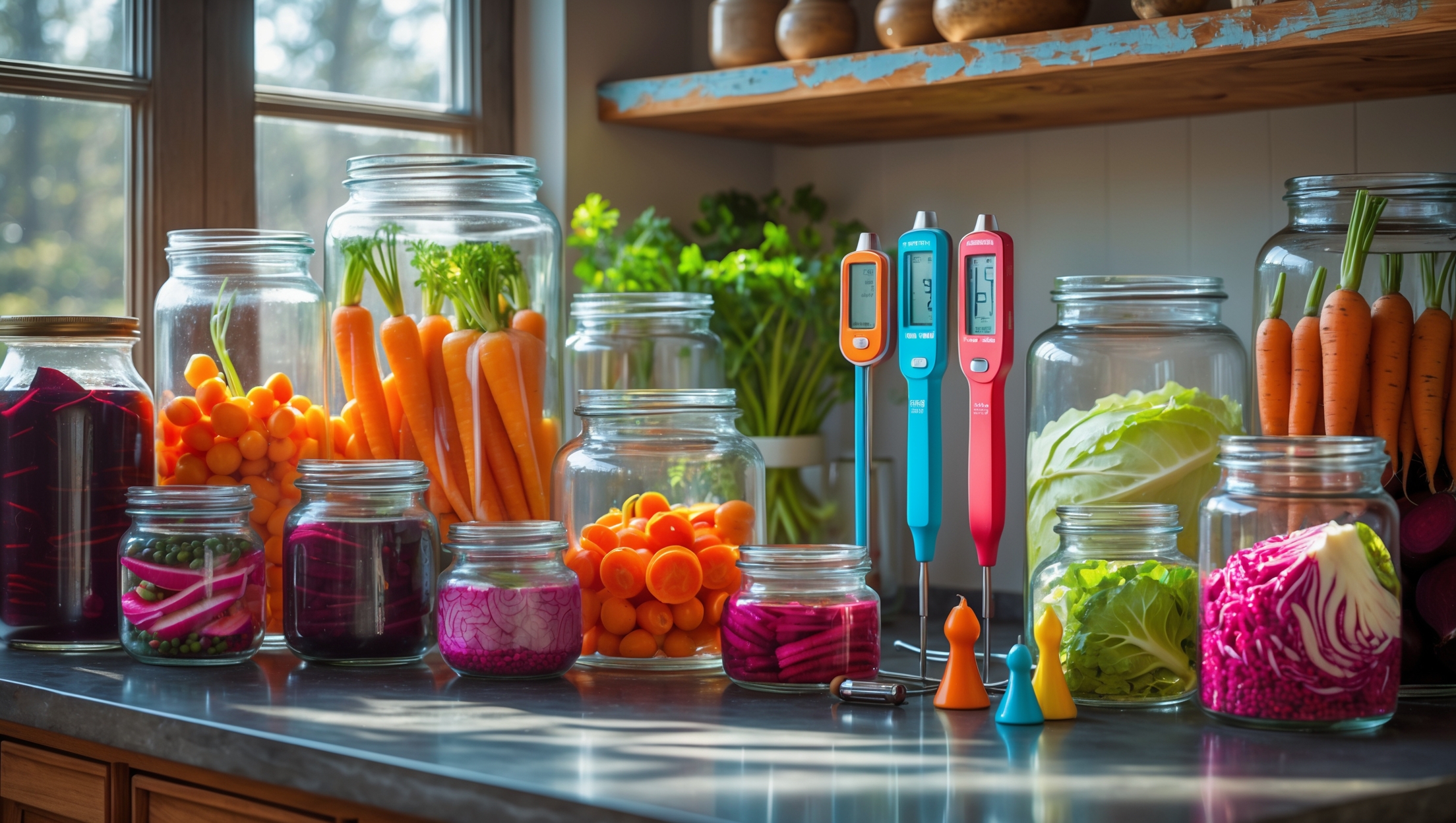
Introduction: The New Frontier of Culinary Fermentation
Fermentation has long been a cornerstone of global culinary culture, transforming simple ingredients into complex, flavor-rich wonders like kimchi, kefir, miso, and artisanal cheese. While many home cooks are familiar with basic sauerkraut or yogurt, a new wave of culinary artisans is pushing the boundaries of fermentation, using advanced tools and techniques to craft extraordinary creations and preserve culinary heritage. This guide dives deep into the world of advanced fermentation, offering a practical roadmap for enthusiasts ready to move beyond the basics. From selecting specialized equipment and understanding the science behind microbial cultures to ensuring food safety and troubleshooting complex ferments, you’ll learn how to elevate your kitchen craft and flavor creativity. Whether you dream of developing your own signature hot sauce or perfecting a centuries-old miso recipe, this comprehensive resource will equip you with the knowledge and confidence to master fermentation at the highest level.
Understanding Advanced Fermentation: Beyond Sauerkraut and Yogurt
The Science of Microbial Cultures
At its core, fermentation is the transformation of food by beneficial microbes—bacteria, yeasts, and molds. Advanced fermentation projects often require specific starter cultures, such as Lactobacillus plantarum for dry-cured sausages or Aspergillus oryzae for koji and miso. Understanding microbial behavior, temperature ranges, and pH requirements is crucial for achieving consistent results and developing desired flavors.
Flavor Development and Complexity
Advanced fermenters experiment with multi-stage processes and ingredient layering to build depth and nuance. Examples include double-fermented chili sauces, koji-aged vegetables, or wild-caught sourdough starters that impart unique terroir. Each project demands precise control and monitoring to encourage beneficial microbes while discouraging spoilage organisms.
Essential Advanced Fermentation Tools and Equipment
Core Equipment for Precision and Safety
- pH Meter: Accurate pH measurement is vital for food safety, especially in low-salt or meat-based ferments. Invest in a high-quality digital pH meter with auto-calibration and replaceable probes.
- Fermentation Vessels: Glass, ceramic, or food-grade plastic vessels are ideal. For advanced projects, consider fermentation crocks with water-sealed lids or specialized airlock jars to control oxygen exposure.
- Temperature Controllers: Many ferments require strict temperature ranges. Use seedling heat mats, fermentation chambers, or sous vide immersion circulators connected to thermostats for precise control.
- Fermentation Weights and Springs: Keep ingredients submerged to prevent mold growth. Stainless steel springs or food-safe glass weights fit most jars and crocks.
- Food-Grade Vacuum Sealer: For anaerobic ferments like charcuterie, vacuum sealing can dramatically improve safety and consistency.
- Sanitizing Supplies: Star San, food-grade hydrogen peroxide, or boiling water are essential for maintaining a clean environment and preventing contamination.
Specialized Tools for Unique Ferments
- Koji Incubator: For miso, sake, or shoyu, koji spores must be grown under controlled humidity and temperature. A homemade or commercial incubator offers consistent results.
- Cheese Press: For hard cheeses like cheddar or gouda, a calibrated press applies even pressure during curd formation.
- Humidity Sensors: Dry-cured meats and certain cheeses require precise humidity. Digital hygrometers and humidifiers/dehumidifiers are invaluable.
- Microbial Culture Storage: Small refrigerators or wine coolers keep starter cultures and rennet fresh and potent.
Ingredient Sourcing and Preparation: The Foundation of Success
Choosing the Right Ingredients
Ingredient quality directly impacts fermentation outcomes. Seek out organic, pesticide-free produce, non-iodized salt, and filtered water to avoid inhibiting microbial activity. For dairy, use unhomogenized milk when possible; for grains, freshly milled whole grains yield superior sourdough. Sourcing specific cultures—like mesophilic or thermophilic starter packets, koji spores, or heirloom SCOBYs—can open new flavor horizons.
Preparation Techniques
- Thoroughly clean all produce and equipment to prevent contamination.
- Chop, grate, or shred vegetables for even salt distribution and quicker fermentation.
- Pre-cook grains or beans when required by recipes (e.g., miso, natto).
- Hydrate dried cultures or spores according to manufacturer instructions for best viability.
Step-by-Step: Setting Up Your Advanced Fermentation Station
1. Designate a Dedicated Fermentation Area
Choose a spot with stable temperatures, low direct sunlight, and enough space for your vessels and tools. A spare pantry, basement, or insulated cabinet works well. Install shelving, power strips for incubators or temperature controllers, and non-porous surfaces for easy cleaning.
2. Organize Tools and Supplies
- Store pH meters, thermometers, and scales together in a clean, dry drawer or toolbox.
- Label jars and containers with batch dates and recipes using waterproof markers or removable tape.
- Keep sanitizers and cleaning brushes within arm’s reach for quick turnarounds between projects.
3. Establish a Record-Keeping System
Track every batch in a physical notebook or digital spreadsheet. Include details like ingredient sources, salt percentages, temperatures, pH readings, and tasting notes. Over time, this database becomes invaluable for troubleshooting and recipe refinement.
Safety Protocols for Complex Fermentation Projects
Understanding and Managing Risks
Advanced fermentation sometimes involves higher stakes, especially with animal-based products or low-salt recipes. Key safety concerns include botulism, Listeria, and mold toxins. Strict adherence to tested recipes, proper sanitation, and monitoring of pH and salt levels are non-negotiable.
Critical Control Points
- pH Monitoring: For vegetable ferments, ensure pH drops below 4.6 within 48 hours. For meats and dairy, follow specific guidelines for your recipe type.
- Salt Concentration: Use digital scales for accurate brine preparation. Most vegetable ferments require 2–3% salt by weight; meat ferments may need up to 3–4%.
- Temperature Control: Avoid temperatures above 75°F (24°C) for most lactic acid ferments to prevent pathogen growth.
- Visual and Olfactory Checks: Discard any ferments with fuzzy, pink, or black mold, or foul odors (rotten egg, ammonia).
When to Discard and When to Salvage
- Safe to Remove: White yeast (kahm yeast) on brine surface can be skimmed; adjust salt and monitor closely.
- Unsafe: Any pink, orange, or black growth—discard immediately. Never taste questionable ferments.
Innovative Techniques and Trending Ferments
Wild Fermentation with Controlled Inoculation
Many artisans blend wild and starter cultures for nuanced flavors. For example, mixing wild-caught sourdough with commercial yeast can speed up fermentation while retaining complex notes. Always balance creativity with safety by monitoring acidity and temperature.
Koji-Aged Foods
Koji (cultured rice or barley) is increasingly used to ferment vegetables, grains, and proteins, imparting savory umami and tenderizing tough ingredients. Experiment with shio koji marinades, amazake sweeteners, or koji-aged steak for unique results.
Fermented Hot Sauces and Condiments
Advanced fermenters often create multi-stage chili ferments, blending smoked or roasted peppers with wild or lacto cultures, then aging and blending for layered heat and flavor. Use pH meters to confirm shelf-stability before bottling.
Low-Salt and Alternative Brines
Health-conscious trends have inspired innovations like low-salt fermentation using calcium chloride or starter cultures that acidify rapidly. Always test pH and follow guidelines to ensure food safety.
Troubleshooting Advanced Ferments: Expert Solutions
Common Issues and How to Fix Them
- Ferment Stalls: If activity slows, check temperature and pH. Gently warm the vessel or add a small amount of starter culture to restart fermentation.
- Off-Flavors: Musty or bitter notes may stem from improper sanitation or oxygen exposure. Discard and sanitize equipment thoroughly before the next batch.
- Texture Problems: Mushy vegetables may indicate over-fermentation or too little salt. Next time, monitor more closely and increase salt slightly.
- Surface Growths: Skim off kahm yeast and add more brine if needed. Prevent recurrence by ensuring all solids remain submerged.
Maintaining and Calibrating Your Fermentation Equipment
Regular Cleaning and Sanitizing
Disassemble tools like pH meters and thermometers after each use. Rinse with distilled water and store dry. Clean jars, crocks, and weights with hot, soapy water and periodic sanitizing soaks. Replace gaskets and seals as needed to prevent leaks.
Calibration and Upkeep
- Calibrate pH meters monthly using standard buffer solutions.
- Test thermometers in boiling and ice water to verify accuracy.
- Inspect fermentation vessels for cracks or chips—replace damaged items promptly.
Ethics and Culture: Preserving Culinary Heritage and Innovation
Honoring Traditional Methods
Many advanced fermentation techniques originate from centuries-old cultural practices. Whenever possible, study and respect the traditions behind your projects, sourcing authentic ingredients and using time-honored processes. Connect with local or online communities to share knowledge and honor the roots of each ferment.
Innovating Responsibly
Experimentation is at the heart of culinary progress, but always prioritize safety and transparency. Document your methods, share your results, and encourage others to build on your successes and learn from your mistakes. Sustainable sourcing, minimal waste, and mindful sharing keep the spirit of fermentation alive and thriving.
Conclusion: Unlocking the Next Level of Flavor and Craft
Embracing advanced fermentation is a journey of curiosity, patience, and profound reward. With the right tools, scientific knowledge, and unwavering attention to safety, you can create extraordinary flavors that surprise and delight. The process not only preserves ingredients but also connects you to generations of culinary artisans who came before, blending tradition with innovation in every jar. Record your triumphs and setbacks, refine your techniques, and share your discoveries with fellow enthusiasts. As you master the nuances of pH, temperature, and microbial cultures, you’ll unlock new dimensions in taste—whether crafting a miso that matures over months or a wild-fermented hot sauce that becomes the talk of your table. The world of fermentation is vast and ever-evolving; your next great culinary adventure is waiting, one bubbling vessel at a time.


For someone looking to experiment with double-fermented sauces or koji-aged vegetables, what are some early signs that beneficial microbes are struggling versus spoilage organisms taking over? Understanding the troubleshooting steps would be really helpful before attempting a more complex recipe.
When beneficial microbes struggle, you might notice sluggish or uneven bubbling, off smells (like rotten eggs or ammonia), unusual textures (slimy or mushy), or visible mold (fuzzy, pink, black, or green growth). To troubleshoot, check your salt concentration, temperature, and ensure all equipment is sanitized. Stirring ferments, removing any visible mold, and adjusting environmental conditions can help restore healthy microbial balance before spoilage takes hold.
When moving beyond basic ferments like yogurt, what are the main safety protocols you recommend for beginners tackling projects like koji or wild sourdough starters, particularly regarding pH monitoring or preventing contamination?
When working with advanced ferments like koji or wild sourdough, it’s essential to keep all equipment meticulously clean and sanitized to reduce contamination risks. Regularly monitor pH levels—koji should stay around pH 5-6, and sourdough below pH 4.5 for safety. Use clean utensils, watch for off smells, and discard any batches with mold (except expected surface molds, like on some koji). Good airflow and temperature control are also important for consistent, safe results.
When experimenting with layering ingredients or using multi-stage fermentation, how do you determine the right timing to introduce each stage or microbial culture? Is there a guideline for optimal flavor development without risking contamination?
Timing in multi-stage fermentation depends on the specific microbes and ingredients involved. Generally, you introduce each stage or culture when the previous one has created a suitable environment—such as a certain acidity or sugar level. Monitoring pH, taste, and aroma helps guide when to proceed. For safety, always use sanitized equipment and keep detailed notes. If you’re working with recipes, follow their timelines, but don’t hesitate to adjust based on how your ferment develops.
If I want to start offering signature fermented products like miso or wild-caught sourdough in my business, what specialized equipment from the advanced tools you mention would be the most budget-friendly to invest in first?
For starting out with signature fermented products like miso or sourdough, a reliable digital thermometer and pH meter are the most budget-friendly advanced tools to consider first. These help you monitor safety and consistency without a big investment. Food-safe fermentation vessels (like glass or food-grade plastic containers) are also affordable and essential for small batches. You can add more specialized equipment as your business grows.
For someone interested in layering flavors with multi-stage fermentation, how do you keep track of changing pH and temperature throughout the process? Are there specific monitoring tools you’d consider essential, versus nice-to-have for an advanced home fermenter?
For multi-stage fermentation, consistently monitoring pH and temperature is key. An essential tool is a reliable digital pH meter with calibration solutions for accurate readings. For temperature, a digital probe thermometer or data-logging thermometer is very helpful. Optional but nice-to-have upgrades include Bluetooth-enabled devices that track data over time, and fermentation chambers with built-in temperature controls. Keeping a detailed logbook of your readings at each stage also helps you refine your process.
I’m just starting to get into more advanced fermentation and I’m curious about selecting the right starter cultures. How do I know when to use something like Lactobacillus plantarum versus wild cultures, especially for things like sausages or miso?
Choosing between specific starter cultures like Lactobacillus plantarum and wild cultures depends on the level of control you want. For foods like sausages, using a defined starter culture is safer and helps ensure consistent results, especially in terms of flavor and safety. For miso, traditional recipes often use wild cultures or koji, which foster complex flavors. If you’re just starting, defined starters are recommended for meat fermentations, while wild fermentation can be explored with vegetables and grains where risks are lower.
When experimenting with multi-stage ferments or ingredient layering as described, are there particular safety steps or precautions you’d suggest beyond standard food safety practices to avoid spoilage and harmful bacteria?
When working with multi-stage ferments or ingredient layering, pay extra attention to cross-contamination. Use thoroughly sanitized utensils and containers at each stage. Make sure ingredients added later are prepped in sterile conditions, and always monitor pH and temperature closely, since layering can create pockets where harmful bacteria might grow. Regularly check for off-odors, mold, or unexpected textures, and discard any batch that raises concerns.
If I’m interested in using wild-caught sourdough starters to capture local flavors, what are the main safety and troubleshooting tips for avoiding unwanted microbes or spoilage during those early stages? Sometimes my starters don’t take off as expected.
To safely use wild-caught sourdough starters, start by using clean utensils and filtered or dechlorinated water. Stir the starter daily and discard part of it to control alcohol buildup and acidity. If you see pink, orange, or fuzzy growth, or smell anything rotten, it’s best to discard and start over. Sometimes starters are slow due to cold temperatures or low-quality flour, so keep them warm (around 75°F) and use unbleached flour for best results.
When you mention using specific starter cultures like Lactobacillus plantarum or Aspergillus oryzae for advanced ferments, are those something you can reliably source online or do you recommend making your own starters from scratch for better results?
Starter cultures like Lactobacillus plantarum and Aspergillus oryzae can definitely be sourced from reputable online suppliers, and this offers convenience and consistent results, especially for advanced fermentation projects. While making your own starter can be rewarding and allows for more unique flavors, it also introduces greater variability and potential safety concerns. For most enthusiasts seeking reliability and control, purchasing pure cultures online is a solid choice.
When experimenting with double-fermented chili sauces or koji-aged vegetables, how do you know when you’re encouraging the right microbial cultures and not accidentally introducing unwanted mold or bacteria? Are there any specific visual or smell cues you rely on?
When working with double-fermented chili sauces or koji-aged vegetables, you want to see vibrant, uniform colors and consistent textures—no fuzzy growths, dark spots, or odd streaks. A pleasant, tangy, or umami-rich aroma is a good sign; avoid anything that smells musty, rotten, or strongly chemical. Surface molds that are white and powdery are sometimes normal (especially with koji), but green, black, or pink molds should be discarded immediately. Always trust your senses and err on the side of caution.
When it comes to multi-stage fermentation and ingredient layering, like in double-fermented chili sauces, how do you fit something that takes days or weeks into a busy family schedule? Do you have tips for managing these projects alongside everyday meals and kids’ activities?
Managing multi-stage fermentation with a busy family schedule is definitely possible with a bit of planning. Use large jars or containers that can be tucked away while fermenting. Prep ingredients in advance, perhaps over a weekend, and set reminders for each stage. Label the jars with dates and steps to keep track. Involve the kids with simple tasks, making it a fun family activity, and schedule your fermentation steps to coincide with quieter moments in your week.
You mentioned experimenting with multi-stage fermentation, like double-fermented chili sauces. For someone who has only made simple sauerkraut and yogurt before, what would be a good intermediate project to bridge the gap before trying these advanced techniques?
A great intermediate project between basic ferments and multi-stage fermentation would be making kimchi or fermented pickles. Kimchi introduces you to brining, seasoning, and fermenting vegetables together, while fermented pickles offer a chance to practice maintaining salt concentrations and monitoring fermentation times. Both projects help build confidence with new flavors and techniques without being overly complex.
When experimenting with multi-stage fermentation and ingredient layering as mentioned, what are some common pitfalls or signs that your ferment isn’t developing as it should? Are there particular safety protocols you recommend for troubleshooting complex ferments with unusual ingredients?
When working with multi-stage fermentation or layering ingredients, watch out for unexpected odors (rotten or unpleasant), slimy textures, or unusual discoloration—these are signs something may be wrong. Mold growth is a clear warning to stop and discard the batch. For safety, always sterilize your equipment, use precise salt concentrations, and document ingredient additions. If using unusual ingredients, research their behavior in fermentation and monitor pH frequently to ensure it stays in a safe range, usually below 4.5 for most ferments.
I noticed you mention using specific starter cultures such as Lactobacillus plantarum and Aspergillus oryzae. How do you suggest sourcing these cultures for home use, and are there any best practices for maintaining their purity through multiple fermentation batches?
You can source pure starter cultures like Lactobacillus plantarum and Aspergillus oryzae from reputable online suppliers that specialize in fermentation or scientific products. For home use, choose freeze-dried or powdered forms for easier storage. To maintain purity across batches, always use sanitized equipment, avoid cross-contamination by working with one culture at a time, and periodically start fresh from your original purchased culture rather than repeatedly back-slopping batches.
I’m interested in making koji-aged vegetables but have concerns about ensuring proper food safety, especially with kids in the house. What safety protocols or warning signs should I be most aware of when trying new fermentation techniques beyond the basics?
When making koji-aged vegetables, keep everything meticulously clean—wash hands, tools, and surfaces thoroughly. Use sterilized containers, and monitor temperature and humidity closely to avoid harmful bacterial growth. Watch for unusual smells, sliminess, or unexpected mold colors (black, green, pink), as these indicate spoilage. If you’re ever unsure about the safety of a batch, it’s best to discard it. Label containers with start dates and keep ferments out of reach of children to prevent accidental tasting before they’re ready.
When working with specific starter cultures like Lactobacillus plantarum or Aspergillus oryzae, how do you recommend sourcing high-quality, reliable strains for home use? Are there trusted suppliers, or is it feasible to cultivate your own starter safely at home?
For home fermentation, it’s best to source starter cultures like Lactobacillus plantarum and Aspergillus oryzae from reputable suppliers specializing in fermentation products or scientific supply companies. These sources provide pure, well-identified strains and clear handling instructions. While cultivating your own starter is possible, it carries a higher risk of contamination and inconsistent results, especially with molds like Aspergillus oryzae. For safety and reliability, purchasing from trusted suppliers is the recommended approach.
For someone moving beyond basic yogurt or sauerkraut, what are some recommended specialized tools that make monitoring temperature and pH more precise, and do you have any tips for sourcing them affordably?
For precise fermentation, a digital probe thermometer helps track temperature closely, while a handheld pH meter is much more reliable than test strips for pH monitoring. Look for food-safe models. To save money, check restaurant supply stores, online marketplaces for gently used lab equipment, or even local fermentation groups where members may sell or trade gear. Always calibrate your tools before use for the best accuracy.
When trying advanced ferments like koji-aged vegetables or dry-cured sausages, how can I accurately monitor and maintain the ideal temperature and pH if I only have basic home kitchen equipment? Are there affordable tools you recommend to help with this?
You can successfully monitor advanced ferments at home using some affordable tools. For temperature, a digital probe thermometer is inexpensive and reliable for tracking the environment or food temperature. To monitor pH, handheld pH meters made for food (not pool test strips) are now widely available online and reasonably priced. Keeping your fermentation area in a cooler, oven (turned off), or insulated bag can also help maintain steady temperatures.
I’m really interested in the advanced tools mentioned for precise monitoring—are there specific types of pH meters or temperature controllers you recommend for home fermenters that balance accuracy and affordability?
For home fermenters, look for digital pH meters designed for food applications; brands like Apera and Hanna offer models that balance accuracy, reliability, and price. For temperature control, plug-in digital temperature controllers, such as Inkbird or Johnson Controls, work well with heating mats or fridges, offering precise adjustments without breaking the bank. Always choose tools with good calibration options and clear instructions for best results.
I’m a little worried about discouraging spoilage organisms during multi-stage fermentations like koji-aged vegetables. Are there specific safety protocols or equipment upgrades you consider essential for reducing risk at home compared to more basic ferments like sauerkraut?
Multi-stage ferments like koji-aged vegetables do carry higher risks than simpler ones like sauerkraut. For added safety, it’s important to use precise temperature and humidity controls, keep everything meticulously sanitized, and monitor pH levels regularly with a reliable meter. A dedicated fermentation chamber or incubator can help maintain stable conditions. Always use clean, food-grade containers, and consider vacuum-sealing to limit oxygen exposure. These steps really help lower the risk of unwanted organisms taking hold.
I’m interested in trying koji-aged vegetables, but I’m concerned about controlling temperature and humidity at home. Are there specific tools or setups you recommend for keeping conditions consistent during these advanced ferments?
For koji-aged vegetables, maintaining steady temperature and humidity is key. Many home fermenters use a temperature-controlled fermentation chamber, like a modified wine fridge with an external thermostat. For humidity, placing a small humidifier inside or using humidity packs can help. Hygrometers and thermometers allow you to monitor conditions closely. Regular checks and adjustments will help you achieve consistent, safe results with your koji ferments.
If I want to move from basic sauerkraut to something like miso or dry-cured sausage, what’s the minimum set of specialized equipment you’d recommend to get started safely and consistently? Do you have suggestions for first-time upgrades that won’t break the bank?
For moving beyond sauerkraut to projects like miso and dry-cured sausage, I recommend investing in a reliable scale (for precise salt and ingredient measurements), pH meter (for safety), fermentation weights or bags, and temperature/humidity control options like a small fridge or fermentation chamber. For sausages, a meat grinder and sausage stuffer are helpful. Focus on quality basics first—many home models are affordable and make a big difference in results and safety.
The article talks about flavor complexity in double-fermented sauces and koji-aged vegetables. Are there particular safety protocols or testing tools you’d recommend for small commercial kitchens to minimize contamination risk during multi-stage fermentations?
For small commercial kitchens handling multi-stage fermentations, it’s important to monitor pH levels and salt concentration regularly using pH meters and refractometers. Always sterilize all equipment before use, and consider using clean-room practices when transferring batches between stages. Regular lab testing for pathogens like Listeria or Salmonella can add another layer of safety, especially for products with lower acidity. Keeping detailed batch logs helps track any deviations and ensures traceability in case of issues.
You mention using specific starter cultures like Lactobacillus plantarum for dry-cured sausages and Aspergillus oryzae for koji and miso. Are there any tips for sourcing these cultures domestically in the US, and how critical is freshness or storage method to their success in advanced fermentation projects?
Sourcing starter cultures domestically is quite manageable; reputable suppliers for home and small-scale producers include specialty food or brewing stores and online retailers focused on fermentation. Freshness is important—look for cultures with recent manufacture dates, and always store them according to the label, typically in the refrigerator or freezer. Proper storage helps maintain viability, which is crucial for reliable and safe fermentation results, especially in advanced projects.
When you talk about ensuring food safety, especially with advanced methods, what are the biggest risks for someone working in a typical home kitchen who doesn’t have a fancy setup? Are there some projects I should avoid as a beginner even if I want to experiment?
In a home kitchen, the main risks with fermentation are contamination by harmful bacteria, improper temperature control, and inaccurate salt measurements. Starting with simple ferments like sauerkraut or yogurt is safest, as they’re more forgiving. Avoid advanced projects like meat or fish fermentation until you gain more experience and can monitor conditions closely. Always use clean equipment, follow tested recipes, and watch for signs of spoilage.
When working with more advanced fermentations like koji or double-fermented sauces, what are the most critical safety checks I should have in place at home to avoid harmful bacteria or spoilage?
For advanced fermentations like koji or double-fermented sauces, it’s essential to monitor temperature and humidity closely, as these affect microbial growth. Always use sterilized equipment, start with fresh, high-quality ingredients, and check for any off smells, discoloration, or unexpected textures. Regularly inspect your ferments for signs of mold or sliminess, and keep detailed notes so you can catch changes early. Trust your senses, and when in doubt, discard questionable batches to stay safe.
Could you elaborate on the recommended safety protocols for experimenting with multi-stage processes, especially when layering ingredients or working with wild-caught sourdough starters? I am curious how to ensure I am not encouraging unwanted microbes during these advanced methods.
When working with multi-stage fermentation or wild-caught sourdough starters, it’s important to sterilize all equipment before use and maintain a clean workspace. Use filtered water to prevent contamination, and closely monitor temperature and pH during fermentation. For layered ingredients, ensure each layer is properly salted or acidified to discourage harmful microbes. Regularly check for off smells, discoloration, or mold, and discard any batches that seem suspect to stay safe.
I’ve been successful with sauerkraut, but when moving to double-fermented chili sauce like you mentioned, what is the biggest challenge most first-timers face? Is there a common mistake to watch out for in the multi-stage process?
When making double-fermented chili sauce, the biggest challenge is keeping the fermentation environment consistent and safe throughout both stages. Many first-timers either introduce contamination during the transfer to the second fermentation or don’t monitor pH and temperature closely. A common mistake is not thoroughly cleaning utensils and containers between stages, which can spoil the batch. Always work with sanitized tools and keep an eye on any off smells or mold development.
For busy families trying to move beyond basic yogurt or sauerkraut, does the article have recommendations on specialized starter cultures that are lower-maintenance but still produce more complex flavors? I’m looking for something that doesn’t require a ton of extra monitoring.
Yes, the article does mention a few specialized starter cultures that suit busy schedules. It highlights mesophilic cultures for cheeses and water kefir grains as great options—they require less temperature control and monitoring than some other fermentations. These starters can yield more complex flavors than basic yogurt or sauerkraut, while still being relatively hands-off once you get the process started.
I’m curious about troubleshooting—if a multi-stage ferment like a koji-aged vegetable doesn’t develop the expected flavors or shows signs of spoilage, what are your first steps to diagnose and fix the problem?
When troubleshooting a multi-stage ferment like koji-aged vegetables, start by checking temperature, humidity, and cleanliness, as these factors can affect both flavor and safety. Examine the appearance and smell: off-odors, unusual colors, or sliminess can indicate spoilage. Review your timing and ingredient measurements, since deviations can impact results. If contamination is suspected, it’s safest to discard the batch. Adjust your process for future batches by keeping detailed notes on environmental conditions and step timing.
I noticed you mentioned using specific starter cultures like Aspergillus oryzae for miso. If I want to try making koji-aged vegetables, how can I ensure I’m creating the right environment for the koji to thrive, especially in a typical US kitchen?
To create the right environment for koji in a typical US kitchen, keep your workspace very clean and maintain a warm, humid environment—ideally 85-90°F with 80-90% humidity. A proofing box or a small, clean cooler with a heating pad and damp towel works well. Spread the inoculated grains thinly, allow air circulation, and monitor for uniform, white mycelium growth. Avoid cross-contamination with other microbes by keeping tools and hands sanitized.
For someone interested in using koji to ferment vegetables at home, how important is investing in specialized equipment versus adapting what I already have in the kitchen? Are there certain tools that really make a difference for safety or flavor development?
Investing in specialized equipment for fermenting vegetables with koji isn’t strictly necessary, especially when starting out. You can adapt common kitchen items like glass jars, clean towels, and mixing bowls. However, a reliable thermometer and a kitchen scale can really help with both safety and consistent flavor—accurate temperatures and measurements are key for koji fermentation. If you want to refine your process over time, consider a fermentation chamber or humidity controller, but they’re not essential for beginners.
I’m really interested in trying double-fermented chili sauces, but I’m a bit worried about unwanted molds or spoilage. What are the earliest signs that a ferment has gone wrong, and are there any troubleshooting steps you recommend before tossing a batch?
With double-fermented chili sauces, early signs of spoilage include fuzzy or colored mold (especially if it’s green, black, or pink), strong off smells (like rotten eggs or ammonia), and unexpected sliminess. If you notice only a small white film (kham yeast), that’s usually harmless, but anything else is a red flag. If something seems off, move the batch to a cooler spot, check your salt levels, and make sure everything stays submerged in brine. If bad smells or mold persist, it’s safest to compost that batch.
As a small business owner interested in developing a unique fermented hot sauce, how do I determine the best temperature and pH ranges for the specific microbial cultures mentioned, like Lactobacillus plantarum? Are there affordable tools you recommend for reliably monitoring these conditions in small batches?
For Lactobacillus plantarum, optimal fermentation typically occurs between 68–86°F (20–30°C) and a pH range of 4.0–4.5. For small batch monitoring, digital probe thermometers are affordable and precise for checking temperature, while pH test strips or pocket digital pH meters are good choices for pH readings. Be sure to clean tools between uses to keep cultures consistent and safe.
I’m curious about double-fermented sauces and koji-aged vegetables. How do you know whether you’ve successfully encouraged the right microbial cultures rather than unwanted spoilage, especially when working with wild starters?
When working with double-fermented sauces or koji-aged vegetables, signs of healthy fermentation include pleasant sour, savory, or fruity aromas, steady bubbling, and the absence of fuzzy mold or off smells. Using clean equipment and monitoring temperature helps favor beneficial microbes. If you notice sliminess, discoloration, or strong rotten or ammonia odors, it’s best to discard the batch. Keeping detailed notes and tasting small samples during the process also helps you recognize when fermentation is on the right track.
Could you explain more about troubleshooting complex ferments? For example, if a double-fermented chili sauce develops a strange smell halfway through the process, how do you determine if it’s a harmless aroma or a sign of contamination?
When troubleshooting complex ferments like double-fermented chili sauce, pay attention to changes in color, texture, or the development of visible mold in addition to any unusual smells. Some strong, funky aromas are normal due to natural microbes, but sharp, putrid, or rotten odors often signal contamination. If you’re unsure, err on the side of caution—discard any batch with foul smells, visible mold, or unexpected sliminess to ensure safety.
When layering ingredients in multi-stage fermentation projects like koji-aged vegetables, is there a recommended sequence or timing to add ingredients to maximize flavor complexity without increasing the risk of spoilage? I’d love a bit more detail on how to approach this safely.
For multi-stage fermentations like koji-aged vegetables, it’s best to add ingredients in stages based on their fermentation time and microbial compatibility. Start with the main substrate and koji, allowing initial fermentation. Introduce additional flavoring ingredients, such as spices or secondary vegetables, after the first phase when the environment is acidic and less prone to spoilage. Always ensure tools and hands are clean when adding layers, and keep everything submerged in brine to reduce contamination risks.
I’m really intrigued by the idea of double-fermented chili sauces and koji-aged vegetables. Do you have any advice on how to control cross-contamination between different microbial cultures when working on multiple complex fermentations in the same kitchen?
To control cross-contamination, dedicate separate utensils, containers, and workspaces for each fermentation project. Always clean and sanitize everything thoroughly between uses. Label your batches clearly and keep them physically apart, ideally on different shelves or in separate areas. Work on one ferment at a time to avoid transferring spores or bacteria unintentionally. This keeps your microbial cultures pure and your results more predictable.
When you talk about multi-stage processes, like double-fermented chili sauces, how do you monitor which microbes are active at each stage? Are there affordable testing kits or indicators you’d recommend for home cooks to ensure safety throughout these more complicated ferments?
Monitoring specific microbes at each stage of multi-stage ferments like double-fermented chili sauces can be tricky at home. While professional labs use microbial testing, for home cooks it’s best to focus on pH strips or meters to track acidity, which generally indicates a safe, lactic acid-driven fermentation. Also, observe visual signs (like bubbles and lack of mold) and smell. Affordable pH test kits are widely available and can greatly increase your confidence in safety during complex ferments.
You mention specialized equipment for advanced fermentation projects. For someone who’s already made basic sauerkraut but wants to try koji or miso, what’s the minimum set of tools you recommend investing in, especially if I’m on a tight budget?
For moving into koji or miso fermentation, you can start with a few essentials: a reliable kitchen scale for accurate measurements, a rice cooker or steamer for prepping grains, a thermometer to monitor temperatures, and clean glass or food-grade plastic containers for fermenting. If your budget allows, a dedicated incubator or proofing box helps keep koji at the right temperature, but a warm spot in your home can work with some creativity.
The article highlights the importance of discouraging spoilage organisms during complex ferments. Could you elaborate on common signs of spoilage to look for, especially in multi-stage or wild-fermented recipes, and what safety protocols should be prioritized to minimize risks in a home kitchen?
In multi-stage or wild ferments, watch for fuzzy mold (white, blue, green, or black), strong unpleasant odors (like rot or sulfur), slimy textures, or unexpected discoloration—these are classic spoilage signs. To minimize risks, always use sanitized utensils and containers, maintain proper salt concentrations, keep produce submerged in brine, and ferment at recommended temperatures. Regularly check progress and discard anything that shows spoilage to keep your ferments safe.
When selecting specialized starter cultures like Lactobacillus plantarum or Aspergillus oryzae, are there trustworthy sources or brands you recommend for home fermenters in the US? Also, how do you verify their purity or quality before starting a batch?
For home fermenters in the US, reputable sources for specialized starter cultures include suppliers like Cultures for Health, The Fermentation School, and GEM Cultures. These brands are well-known for providing high-quality, pure strains suitable for home use. To verify purity or quality, check that the packaging is sealed, labeled with the strain and expiration date, and ideally comes with a certificate of analysis or lab testing details. Always store cultures as directed to maintain their viability.
I see you mentioned layering ingredients for multi-stage fermentations, like double-fermented chili sauces. Could you walk through an example of how timing and ingredient order impact the final flavor? I’m trying to figure out where beginners usually go wrong with this.
Absolutely, timing and ingredient order are key in multi-stage fermentations. For a double-fermented chili sauce, you might first ferment just chilies and salt for a week to develop sourness. After that, blending in garlic, spices, or sugar and fermenting again deepens complexity. Beginners often add everything at once, which can muddy flavors or overwhelm the ferment. Staging lets you build layers—start simple, then add bolder ingredients in the second stage for a brighter, more balanced sauce.
You mention using specific starter cultures like Aspergillus oryzae for koji—can you explain how home fermenters can source and maintain these cultures over time, and what precautions are necessary to avoid contamination with unwanted molds?
Home fermenters can purchase starter cultures like Aspergillus oryzae from reputable online retailers specializing in fermentation supplies. Once you have the culture, store it in a cool, dry place and use sterile utensils when handling it. To maintain purity, always work in a clean environment, sanitize equipment before use, and avoid cross-contamination by keeping other mold and yeast sources away during the fermentation process.
When experimenting with multi-stage ferments like double-fermented chili sauces, how do you monitor for unwanted spoilage organisms throughout the process? Are pH and visual cues sufficient, or do you use more advanced testing tools?
For multi-stage ferments like double-fermented chili sauces, monitoring for spoilage is crucial. While pH measurements and visual cues (like mold, off-colors, or unexpected textures) provide good first indicators, many advanced fermenters also use microbial test strips or lab culture kits to check for harmful bacteria and yeasts. If you’re aiming for maximum safety and consistency, incorporating periodic microbial testing is recommended in addition to regular sensory and pH checks.
When selecting starter cultures for more advanced projects like koji and miso, what factors should be considered in terms of sourcing or quality, and how does this impact the final flavor or safety of the ferment?
When choosing starter cultures for koji or miso, look for strains specifically intended for your ferment, as different Aspergillus oryzae strains can produce distinct flavors and aromas. Make sure the cultures are from reputable suppliers to ensure purity and avoid contamination. High-quality, fresh cultures help ensure consistent fermentation, better flavor development, and minimize risks of unwanted microbes, all of which are essential for both taste and safety.
When experimenting with multi-stage fermentations for sauces or miso in a small business environment, how do you monitor microbial cultures to prevent spoilage? Are there affordable testing kits or protocols you suggest for maintaining safety without taking on huge lab costs?
For small businesses, maintaining clean equipment and strict sanitation routines is key to preventing spoilage in multi-stage fermentations. You can regularly monitor pH and temperature with affordable meters to catch early signs of contamination. Simple microbial testing kits—such as dip slides or agar plates—are available and economical, letting you screen for unwanted bacteria and yeasts. Keeping detailed batch records also helps you spot patterns and address issues promptly.
I’m a bit concerned about monitoring the right temperatures and pH for more complex ferments. Do you have recommendations for simple and reliable tools that won’t break the bank but help ensure these more advanced projects are safe for my kids to eat?
For monitoring temperature, a digital kitchen thermometer is affordable and accurate—look for one with a probe for easy use. For pH, simple pH test strips or a basic digital pH meter work well and are inexpensive. Both tools help you track crucial safety points without a major investment, ensuring your ferments are safe for everyone, including kids.
I am just getting into fermentation and your mention of using specific starter cultures like Lactobacillus plantarum or Aspergillus oryzae has me wondering, where is the best place to find these more specialized cultures in the US as a beginner? Are there any starter kits you recommend for someone trying these advanced ferments for the first time?
You can find specialized starter cultures like Lactobacillus plantarum and Aspergillus oryzae at reputable online retailers that cater to fermentation enthusiasts, such as fermentation supply websites or stores focused on home brewing and cheesemaking. For beginners, starter kits designed for making miso, natto, or sauerkraut often include these cultures along with clear instructions. Look for kits that specify the organisms included and prioritize those with beginner-friendly guides to help you get started safely and confidently.
When using specialized starter cultures like Lactobacillus plantarum or Aspergillus oryzae, how do you make sure they do not get contaminated by wild microbes during the fermentation process? Is there a best practice for home kitchens to avoid unwanted cross-contamination?
To keep your starter cultures pure, start by cleaning and sanitizing all equipment, containers, and surfaces thoroughly before use. Always wash your hands well and consider wearing gloves. Work in a draft-free area to limit airborne microbes, and cover your fermentation vessels with tight lids or clean cloths. Avoid opening containers unnecessarily and don’t use utensils that have touched other foods. These steps significantly reduce the risk of unwanted cross-contamination at home.
I’m interested in trying multi-stage ferments and ingredient layering for more complex flavors, as described here. Would you suggest starting with a specific vegetable or project that’s easier to control for someone who is new to advanced fermentation methods?
For someone new to advanced fermentation, starting with layered or multi-stage sauerkraut using cabbage and carrots is a good choice. These vegetables are forgiving, easy to find, and their flavors work well together. You can experiment with adding spices or other root vegetables in layers to observe how the flavors develop without the risks of more delicate or tricky ingredients.
I’m really interested in trying koji-aged vegetables, but I’m a little worried about contamination. What are the best safety protocols to follow when working with molds like Aspergillus oryzae at home?
When working with Aspergillus oryzae for koji-aged vegetables, cleanliness is crucial. Always sanitize your equipment, hands, and workspace before starting. Use high-quality, fresh spores and keep your fermentation environment warm (around 30°C) and humid, but well-ventilated. Cover your vegetables to protect from airborne contaminants, and monitor for unusual smells or colors, discarding any batch that looks off. Keeping good notes will help you refine your process and spot potential issues early.
When experimenting with multi-stage processes and ingredient layering for depth of flavor, like in double-fermented chili sauces or koji-aged veggies, what are some signs that a ferment isn’t developing as intended, and how should you troubleshoot if the flavors seem off?
When using multi-stage fermentations or layering ingredients, watch for unexpected odors (sulfur, rot, strong bitterness), slimy textures, or discoloration, as these can indicate spoilage or unwanted microbial activity. If flavors seem off—too sour, bitter, or musty—try adjusting salt levels, lowering fermentation temperatures, or changing vessel cleanliness. Removing suspect batches early can prevent off-flavors from spreading. Keeping detailed notes on timing, temperature, and ingredient order helps pinpoint what may need adjustment in future batches.
You mentioned layering ingredients and multi-stage processes for more complex flavors. Are there any particular tools or techniques you suggest for tracking changes in flavor development throughout these advanced fermentation stages?
To monitor flavor changes during advanced fermentation, consider using tools like pH meters and refractometers, as these help track acidity and sugar levels. Sensory journals are also valuable for recording tasting notes at each stage. For more detailed tracking, you might use small sample jars to test at intervals, allowing you to observe and compare changes without disturbing the main batch.
The article mentions troubleshooting complex ferments. What are the most common mistakes you’ve seen when people move beyond basic ferments like sauerkraut, and how do you usually identify and correct them before the batch is ruined?
When moving to more complex ferments, common mistakes include improper temperature control, using the wrong salt concentration, or failing to maintain anaerobic conditions. These can lead to off-odors, odd textures, or discoloration. To catch issues early, I recommend daily visual and smell checks, monitoring pH if possible, and keeping detailed notes. If you notice mold, sliminess, or persistent foul smells, it’s usually best to discard the batch and review your process for improvements.
For a small business looking to start making signature hot sauces or koji-aged vegetables, what specialized equipment would you consider absolutely essential versus nice-to-have, especially if we’re watching our budget at the beginning?
For starting out, essential equipment includes food-safe fermentation vessels (like glass jars or food-grade plastic buckets), accurate digital thermometers, a reliable kitchen scale, and pH meters for safety. Airlocks or lids that allow gases to escape are also important. Nice-to-have items are vacuum sealers, fermentation chambers with precise temperature control, and specialized mixing equipment. Begin with the basics to ensure quality and safety, then upgrade as your production scales.
As a small food business interested in creating a signature fermented hot sauce, how can I make sure I’m selecting the right starter cultures and monitoring pH to ensure food safety and flavor consistency at a commercial scale?
To select the right starter cultures for your hot sauce, consider strains known for their safety and consistent acid production, like Lactobacillus plantarum. Source them from reputable suppliers and test small batches for flavor profiles. For pH monitoring, use commercial-grade meters for accuracy, checking pH daily to keep it below 4.6 for safety. Document each batch’s process and results to help maintain consistency as you scale up.
If I want to try wild-caught sourdough starters for unique flavor, are there extra safety protocols I need to follow, compared to standard fermentation? I’d love to avoid any issues as I experiment with new products.
When working with wild-caught sourdough starters, it’s important to be extra attentive to cleanliness. Sterilize your equipment, use filtered water, and monitor the starter daily for unusual smells, colors, or mold. Discard anything that looks off. Introducing new flours or ingredients may also affect fermentation, so keep notes on changes. These steps help minimize risk as you explore unique flavors safely.
If a fermentation batch starts showing signs of spoilage while using complex starter cultures like Aspergillus oryzae, what are the first troubleshooting steps you recommend before considering a complete restart?
If you notice spoilage in a batch using Aspergillus oryzae, first check temperature and humidity to ensure they’re within recommended ranges. Examine your equipment and workspace for possible contamination. Next, assess the starter culture’s freshness and quality, as compromised cultures often lead to problems. If only part of the batch is affected, remove the spoiled section and monitor the rest closely. If spoilage continues or spreads, it’s safer to discard the batch and sanitize all tools before restarting.
Could you elaborate on common safety challenges when experimenting with wild-caught sourdough starters or double-fermented hot sauces, and what protocols help reduce the risk of unwanted microbes?
When working with wild-caught sourdough or double-fermented hot sauces, contamination with harmful bacteria or molds is a key safety challenge. To reduce these risks, always use sanitized vessels and utensils, keep hands and surfaces clean, and monitor for off smells or visible mold. For sourdough, maintain regular feedings and proper hydration. For hot sauces, use enough salt and maintain acidic conditions to deter pathogens. If you notice unusual colors, textures, or odors, discard the batch.
If I want to branch out from basic sauerkraut and try working with wild-caught sourdough starters or miso, is there a preferred sequence for learning these advanced ferments? Would it be better to get comfortable with certain microbial cultures or equipment before moving to more complex recipes?
It’s definitely helpful to approach advanced ferments in stages. After sauerkraut, trying wild-caught sourdough is a great next step, as it lets you become familiar with handling wild yeasts and maintaining a starter. Once comfortable, miso can be tackled, since it involves unique microbes (like koji) and longer fermentation times. Gaining confidence with basic equipment and monitoring techniques first will make the transition to more complex recipes much smoother.
When working with more advanced ferments like koji-aged vegetables or double-fermented hot sauces, how do you monitor and adjust the pH levels over time? Are there affordable tools you recommend for home use to keep things consistent and safe?
For advanced ferments like koji-aged vegetables or double-fermented hot sauces, monitoring pH is key for both flavor and safety. A simple, affordable digital pH meter designed for food use works well for home fermenters. Test strips are another budget-friendly, though less precise, option. Check pH every few days, especially during the early stages, and aim for a pH below 4.6 to ensure safety. Always clean your tools before testing to avoid contamination.
Could you give some examples of specialized equipment that would really make a difference when trying to maintain the right temperature or pH for more complex ferments like koji or miso? I’m trying to figure out which tools are worth the investment for a small business setup.
For precise temperature control in complex ferments like koji or miso, a temperature-controlled fermentation chamber or incubator is extremely helpful. Digital thermostats and heating mats can also maintain steady warmth in smaller setups. For monitoring pH, a high-quality digital pH meter ensures accuracy and consistency, especially with larger batches. Investing in these tools can help you achieve reliable results and meet safety standards in a small business environment.
When experimenting with things like koji-aged vegetables or multi-stage hot sauces at home, what are some reliable ways to monitor pH and temperature without commercial equipment? Are there affordable tools you recommend for parents who want precision but have a tight budget?
For home fermentation projects like koji-aged vegetables or hot sauces, you can use affordable digital pH meters, which are available online for around $15–$30 and offer reasonable precision. For temperature, a simple digital kitchen thermometer (often under $20) works well. Both tools are easy to clean and safe to use around kids, letting you track your ferments accurately without professional gear.
You mention the importance of understanding the specific temperature ranges and pH levels needed for different microbial cultures, like Lactobacillus plantarum and Aspergillus oryzae. Could you elaborate on how home fermenters can practically monitor and adjust these variables without commercial equipment?
Home fermenters can monitor temperature using affordable digital thermometers or temperature strips placed on jars or fermentation vessels. For pH, pH test strips or handheld digital pH meters are both practical and inexpensive ways to check acidity during fermentation. To adjust temperature, use a heating mat, warm spot in your home, or an insulated box. For pH, if needed, you can slightly alter recipes with safe acidifiers (like lemon juice) or bases (like calcium carbonate), but usually, correct fermentation techniques maintain proper pH.
If I’m planning to experiment with koji-aged vegetables, what are some common pitfalls to watch out for when introducing Aspergillus oryzae into my kitchen? Any tips for preventing cross-contamination or off flavors during the process?
When working with koji and Aspergillus oryzae, keep your equipment and workspace meticulously clean to prevent unwanted microbes from interfering. Use separate tools and containers dedicated to koji projects, and avoid fermenting other foods nearby to minimize cross-contamination. Control temperature and humidity according to your recipe, since fluctuations can cause off flavors. Always source your koji spores from reputable suppliers for best results.
You mentioned that flavor complexity can come from multi-stage processes and ingredient layering, like in double-fermented chili sauce. Could you give an example of how to layer ingredients in an advanced ferment, and how to tell if the flavors are developing as expected without lab equipment?
Layering ingredients in an advanced ferment, like double-fermented chili sauce, often means fermenting base ingredients (like chilies and garlic) first, then adding other elements—such as fruits, herbs, or spices—midway through or after the initial ferment. This creates depth as different microbes process each layer. To track flavor development without lab tools, rely on sensory cues: taste and smell the ferment regularly. You should notice evolving flavors—more complexity and a balanced acidity. Any off smells, sliminess, or unexpected colors can signal problems, so keep an eye on those as well.
I’m really interested in experimenting with koji and miso at home, but I live in a pretty dry climate. Are there any specific humidity controls or hacks you recommend for maintaining optimal conditions for Aspergillus oryzae during fermentation?
Humidity is key when working with koji. In a dry climate, you can create a mini-humid chamber using a large plastic container with a tight lid and a shallow tray of water inside to boost moisture. Covering your koji trays with damp (not wet) cloths also helps. Aim for 80–90% humidity, and remember to monitor with a hygrometer for best results.
If I wanted to start experimenting with multi-stage ferments, like double-fermented chili sauces or koji-aged vegetables, how much additional time should I expect these processes to take compared to basic ferments? Do you have tips for fitting these longer projects into a busy family schedule?
Multi-stage ferments like double-fermented chili sauces or koji-aged vegetables usually take at least twice as long as basic ferments—sometimes adding a week or more, depending on the recipe and ambient conditions. To fit these into a busy schedule, prepare components in advance and use the waiting periods between stages for other tasks. Keeping a fermentation calendar and batching prep work on weekends can also help you stay organized without feeling overwhelmed.
For someone who has only made basic sauerkraut and yogurt so far, which advanced fermentation project would you recommend tackling first to build confidence, ideally using equipment that’s accessible and affordable for a home kitchen?
Given your experience with sauerkraut and yogurt, I’d suggest trying a batch of kimchi as your next project. It’s a bit more complex than sauerkraut but still approachable for home fermenters. Most of the equipment you’ll need—large mixing bowls, jars, and basic kitchen scales—are standard in most kitchens. This project will introduce you to seasoning blends and fermentation time management, helping you build skills without major investment.
I’m interested in trying double-fermented chili sauces, like you mentioned, but I’m not sure how to monitor for potential spoilage throughout the multi-stage process. What are the main signs that something’s gone wrong or might be unsafe to eat?
When making double-fermented chili sauces, keep an eye out for off smells like rotten eggs, ammonia, or an unusually sour odor, which can indicate spoilage. Watch for fuzzy mold (especially colors like green, black, or pink) on the surface, as well as unusual slime or a drastic color change. If the brine gets cloudy or bubbly in an unexpected way, that’s another warning sign. When in doubt, it’s safest to discard the batch and start fresh.
When experimenting with wild-caught sourdough starters or other ferments that rely on naturally occurring microbes, what troubleshooting tips do you suggest if the flavor profile is off or if I notice unexpected changes in the appearance of the ferment?
If the flavor of your wild-caught sourdough starter or ferment is off, first check for any odd smells—sour and tangy are normal, but rotten or chemical odors are a bad sign. If you notice unusual colors or fuzzy growths, especially pink, green, or black, discard the batch. For flavor issues, try adjusting the feeding ratio, using filtered water, or reducing temperature fluctuations. Always use clean utensils and containers to minimize contamination.