
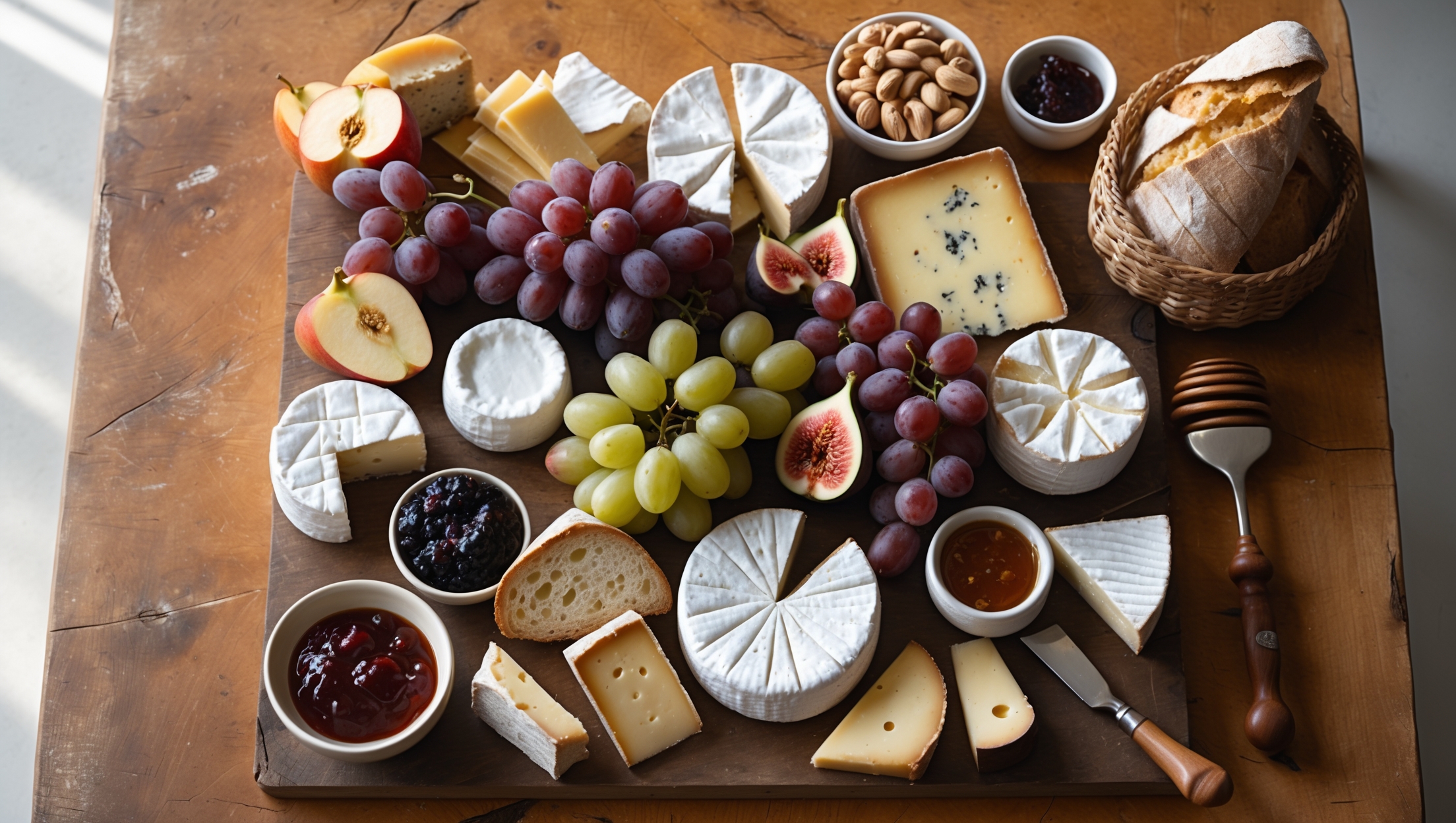
Introduction: Elevating Cheese Boards Beyond the Basics
Cheese boards have become a centerpiece for gatherings, celebrations, and even quiet evenings at home. Yet, crafting a truly memorable cheese board requires more than simply placing random wedges and crackers on a platter. The artistry lies in thoughtful selection, adept pairing, strategic budgeting, and cultural awareness. Unfortunately, many hosts and aspiring culinarians fall victim to common mistakes that can compromise taste, presentation, and the overall experience. Whether you’re a beginner or an experienced entertainer, understanding what not to do is just as crucial as knowing best practices.
This guide will walk you through the frequent pitfalls of cheese board curation—covering everything from overloading with too many flavors to underestimating seasonality, from neglecting proper storage to overlooking the storytelling aspect of cheese. You’ll gain actionable advice on budgeting for premium ingredients, learn why certain tools matter, and discover how to weave local and global culinary culture into your spread. By the end, you’ll not only avoid blunders but also gain the confidence to create cheese boards that delight, educate, and inspire every guest.
Common Cheese Board Mistakes and How to Avoid Them
1. Overcrowding or Underwhelming the Board
One of the most frequent mistakes is either packing the board so full that individual elements are lost, or leaving it sparse and uninviting. A cluttered board makes it hard for guests to identify cheeses and pairings, while a sparse one feels uninspired. The key is balance—presenting a curated selection that allows each ingredient to shine, with enough space for guests to serve themselves comfortably.
- Tip: For a medium board (serving 6-8), aim for 3-5 cheeses and 3-6 accompaniments. Leave at least a finger’s width of space between each element.
2. Lack of Variety in Cheese Types and Textures
Sticking to similar cheeses (all hard, all mild, or all from one milk type) is a common misstep. This limits the tasting experience and fails to showcase the breadth of cheese craft.
- Tip: Select cheeses with different textures (soft, semi-soft, hard, blue) and milk sources (cow, goat, sheep, or buffalo). For example, combine a creamy triple crème, a tangy chèvre, an aged Gouda, an Alpine-style, and a blue cheese.
3. Ignoring Seasonality and Locality
Many hosts overlook the importance of seasonality in cheese and accompaniments. Just like fruits and vegetables, cheese has a season—certain varieties are best enjoyed at specific times of year due to the animal’s diet and aging process.
- Tip: In spring, look for young goat cheeses and fresh sheep’s milk cheeses. In autumn, aged Alpine cheeses and nutty hard cheeses shine. Pair with seasonal fruits like figs, apples, cherries, or pears for a local touch.
4. Poor Budgeting: Overspending or Underspending
It’s easy to get carried away and blow your budget on rare cheeses, or conversely, cut corners with supermarket basics that underwhelm. Neither approach delivers the best value or experience.
- Tip: Allocate roughly 60% of your cheese board budget to the cheese itself, 25% to accompaniments (fruit, nuts, condiments), and 15% to bread/crackers. Choose one or two standout cheeses and complement with more affordable, high-quality local selections.
5. Skipping Proper Storage and Serving Temperatures
Serving cheese straight from the fridge mutes its flavor and aroma, while improper storage can cause spoilage or off-flavors.
- Tip: Remove cheeses from the fridge at least one hour before serving to reach room temperature. Wrap leftovers in wax paper, not plastic wrap, to let the cheese breathe.
6. Neglecting the Role of Accompaniments
Cheese boards aren’t just about cheese. Ignoring the supporting cast—fruits, nuts, jams, honey, and bread—can make the tasting monotonous. But overdoing accompaniments can overshadow the cheese.
- Tip: Offer a range of textures and flavors—something sweet (fig jam), something crunchy (roasted almonds), something savory (olives), and something fresh (grapes or berries). Each accompaniment should have a purpose and pair with at least one cheese.
7. Not Considering Dietary Restrictions
Forgetting about allergies or dietary preferences alienates guests and can lead to awkward situations.
- Tip: Include at least one lactose-free or vegan cheese, gluten-free crackers, and nut-free options. Clearly label each item to keep everyone informed.
8. Using the Wrong Tools and Serving Pieces
Improper tools—like using only one knife for all cheeses, or serving on a slippery plate—can mar the experience and make serving difficult.
- Tip: Use a sturdy wooden or slate board. Provide a separate knife for each cheese type: a wide blade for soft cheeses, a narrow one for hard, and a cheese fork for blue cheeses. Small spoons for jams and ramekins for runny or crumbly cheeses keep things tidy.
9. Overlooking the Story: Culture and Provenance
Cheese is a product of craft, place, and people. Failing to communicate the story behind each cheese misses an opportunity to educate and inspire guests.
- Tip: Include small cards or a printed menu with the name, origin, milk type, and a fun fact or anecdote about each cheese. This adds a personal, cultural touch and sparks conversation.
10. Presentation Pitfalls: Color, Shape, and Arrangement
Even great cheeses can look unappealing if plopped on a board haphazardly. Uniform shapes, bland colors, or awkward arrangements lessen the visual and sensory impact.
- Tip: Vary shapes (wedge, round, block, crumble), layer colors (white, yellow, blue-veined, orange), and arrange in a loose spiral or grouped by milk type. Garnish with fresh herbs or edible flowers for seasonal flair.
Budget Breakdown: Getting the Most Out of Your Cheese Board
Smart Cheese Selection
Quality over quantity is the golden rule. Splurge on one or two exceptional cheeses (like a locally aged blue or an imported washed-rind), then fill out your board with approachable, budget-friendly options. Visit local cheese shops or farmers’ markets—mongers often suggest deals or offer sample tastes, helping you stay within budget while maximizing flavor.
- Sample budget for 8-person cheese board:
- 2 premium cheeses (~$10-15 each): $20-30
- 2-3 supporting cheeses (~$6-8 each): $12-24
- Accompaniments (fruit, nuts, honey, olives): $10-18
- Bread/crackers: $5-10
- Total: $47-82
Seasonal Shopping Tips
Buying in season not only ensures the best flavor but also lowers costs. Fruits like apples, pears, and grapes are less expensive at their peak. For accompaniments like honey or jams, local producers may offer bulk deals or discounted jars at farmers’ markets.
Seasonal Cheese Board Checklist
- Spring: Young goat cheeses, fresh herbs, strawberries, radishes, asparagus spears, lemon zest.
- Summer: Fresh mozzarella or burrata, cherry tomatoes, peaches, basil, marcona almonds.
- Autumn: Aged Goudas, Alpine cheeses, figs, apples, walnuts, quince paste.
- Winter: Blue cheeses, triple crème bries, dried fruits, roasted nuts, honey, hearty breads.
Essential Tools & Equipment for Cheese Board Success
- Boards: Choose wood, slate, or marble for aesthetics and practicality. Avoid plastic or metal.
- Knives: Soft cheese knives, hard cheese knives, cheese wires, and spreaders. At least one knife per cheese type.
- Small bowls and ramekins: For jams, olives, honey, or runny cheeses.
- Labels or cards: For cheese names and notes.
- Serving utensils: Small forks, spoons, and tongs for accompaniments.
- Napkins and plates: Enough for guests to sample comfortably.
Maintenance Best Practices: Keeping Cheese Fresh and Flavorful
Proper storage maintains cheese quality and safety. Always rewrap cheeses after serving in wax paper or specialty cheese paper, then place in a loose plastic bag or airtight container in the fridge.
- Fresh cheeses (like chèvre or ricotta): Eat within 3-5 days.
- Semi-soft and aged cheeses: Last 2-3 weeks if properly wrapped.
- Hard cheeses: Can be stored for 4-6 weeks in the vegetable drawer.
If mold appears on hard or semi-hard cheeses, cut off at least 1 inch around and below the mold. Discard soft cheeses if moldy.
Case Study: A Seasonal Cheese Board for a Holiday Gathering
Let’s apply these principles to a real-world scenario. For a winter holiday gathering (10 guests), the host budgeted $80 for the cheese board. They selected:
- One premium blue cheese (local farm, $16)
- One triple crème brie (imported, $12)
- Two supporting cheeses: aged cheddar ($7) and smoked gouda ($8)
- Accompaniments: dried apricots, roasted hazelnuts, fig preserves, local honey, crusty baguette ($22 total)
- Tools: wooden board, four cheese knives, three ramekins, labeled cards ($15, reusable)
They avoided overcrowding by spacing items and used a spiral arrangement. Each cheese had its own knife, and accompaniments were grouped to encourage pairing. Seasonal dried fruits and nuts brought warmth, while labeled cards shared fun facts about each cheese. The result: guests lingered, sampled confidently, and repeatedly asked for pairing suggestions—a testament to both the practical and cultural value of careful curation.
Safety Checklist for Cheese Board Preparation
- Wash hands thoroughly before handling cheese or accompaniments.
- Sanitize cutting boards and knives before and after use.
- Keep cheeses refrigerated until one hour before serving.
- Check cheese for spoilage (off-odors, unusual mold) before serving.
- Label allergens (nuts, gluten, dairy, etc.) clearly for guests.
Conclusion: Cheese Boards as a Canvas for Taste, Craft, and Connection
Curating a cheese board is more than a culinary exercise—it’s an opportunity to tell a story, foster connection, and celebrate culture through taste. By avoiding the common mistakes outlined in this guide, you can transform a simple platter into an experience that delights the senses and sparks conversation. Thoughtful selection, mindful budgeting, cultural awareness, and seasonal sensibility are the pillars of a truly refined cheese board.
Each element, from the cheeses and their accompaniments to the tools and arrangement, contributes to the narrative you share with your guests. Investing in quality ingredients, respecting tradition while embracing new flavors, and presenting with care all show your commitment to the craft. Most importantly, a well-curated cheese board creates memories—reminding us that food is a language of generosity and creativity.
So, the next time you gather friends or family, approach your cheese board with intentionality and curiosity. Celebrate the makers, honor the seasons, and savor every bite. The difference between a forgettable platter and a memorable tasting experience often comes down to the details and the stories you choose to tell.



As a small cafe owner, I wonder if you have tips on budgeting for premium cheeses. Are there certain types or sources that provide the best quality for the cost when building a cheese board for customers?
Balancing quality and cost is key for small cafes. Consider including a mix of premium and local cheeses—local dairies often offer excellent quality at a lower price than imports. Choose cheeses with bold flavors, as smaller amounts go a long way. Seasonal selections can also be more affordable. Buying in bulk or forming partnerships with distributors may help secure better pricing on premium varieties.
I always struggle with knowing how far in advance I can assemble a cheese board without the cheeses losing their texture or flavor. Do you have recommendations on proper storage or timing for prepping ahead before guests arrive?
You can assemble your cheese board about 1 to 2 hours before guests arrive. To keep the cheeses fresh, cover the assembled board tightly with plastic wrap and store it in the fridge. Around 30 to 60 minutes before serving, take it out so the cheeses reach room temperature and develop their best texture and flavor.
You mention the importance of balance and leaving space between elements on a cheese board, especially for a medium board serving 6-8 people. How do you recommend adjusting these guidelines if you’re working with a much larger crowd or a very limited surface area?
For larger crowds, consider creating multiple cheese boards or platters instead of overcrowding a single board. This makes it easier for guests to access everything and keeps items visually appealing. If you have a very limited surface area, focus on fewer, high-quality cheeses and accompaniments, and replenish them as needed rather than trying to fit everything at once. This helps maintain the suggested balance and prevents your board from looking cluttered.
I’m interested in the suggestion to avoid overcrowding or underwhelming the board. Is there a guideline for portion sizes per guest, especially if I want to offer a memorable variety without creating too much waste?
A useful guideline is to provide about 2 to 3 ounces of cheese per person for an appetizer cheese board, or 4 to 5 ounces if it’s the main feature. Aim for 3 to 5 types of cheese for variety, and supplement with fruits, nuts, and crackers. This balance lets guests sample without overwhelming the board or generating excessive leftovers.
When you talk about budgeting for premium ingredients, do you have any tips for prioritizing which items to splurge on versus where you can save a little without sacrificing quality or presentation on the cheese board?
When budgeting for a cheese board, it’s smart to splurge on one or two standout cheeses that will impress your guests, such as a well-aged cheddar or a creamy brie. You can save by choosing more affordable accompaniments like seasonal fruits, simple crackers, or nuts. For meats, select one premium option and supplement with less expensive varieties. This way, you maintain both quality and visual appeal without overspending.
The guide suggests leaving space between cheese board elements, but in a small business setting where table space is limited, how can I still achieve an inviting presentation without overcrowding? Any advice for adapting these principles to compact platters?
You can create an inviting cheese board on a small platter by using vertical elements like stacked crackers, small bowls for spreads, and neatly fanned slices of cheese. Select fewer but complementary items and group similar foods together, leaving just enough space for separation. Layering ingredients and using mini utensils can help maintain a tidy, accessible look without overcrowding the arrangement.
When you mention budgeting for premium ingredients, do you have any tips on where to splurge versus where it’s okay to save a bit without sacrificing too much quality or presentation on a cheese board?
Splurge on your main cheeses—go for high-quality varieties in different textures and milks, as they’re the centerpiece. You can save by choosing seasonal fruits, simple crackers, and local breads rather than imported options. For extras like nuts and spreads, store brands often work well. Focus your budget where flavor and texture matter most, and use affordable accompaniments to fill out the board without compromising on style.
When you suggest budgeting for premium ingredients, do you have any recommendations for keeping costs down while still offering a good mix of local and imported cheeses for a small business event?
To balance quality and budget, focus on selecting a few standout imported cheeses and complement them with high-quality local varieties, which are often more affordable. Buy cheeses in bulk when possible, and consider seasonal selections that might be less expensive. Mixing familiar local favorites with one or two unique imports can create an impressive board without overspending.
In terms of avoiding overcrowding, is it better to start with fewer items and add more if needed, or should I plan the full board layout in advance? I sometimes worry about my boards looking too sparse or too busy.
Planning your board layout in advance is usually more effective because it lets you balance variety and spacing from the start. Sketch or visualize the placement of cheeses, accompaniments, and garnishes before arranging them. This helps prevent both overcrowding and sparseness. You can always adjust by adding small touches—like extra nuts or fruit—if the board still looks a bit empty once assembled.
The section on balance between overcrowding and underwhelming the board makes sense, but what advice do you have for storing leftovers after the event? Are there best practices to keep cheeses fresh for the next few days if they weren’t all eaten?
To keep leftover cheeses fresh after your event, wrap each cheese separately in wax or parchment paper, then place them in a loose plastic bag or airtight container. Store them in the fridge’s vegetable drawer, where humidity is higher. Avoid wrapping cheese directly in plastic, as it can trap moisture and affect flavor. Soft cheeses should be eaten within a few days, while harder cheeses can last up to a week or more.
When you mention budgeting for premium ingredients, do you have any tips for prioritizing which cheeses or accompaniments are worth spending more on versus where it makes sense to save?
When working with a budget, it’s smart to invest most in one or two standout cheeses, like a high-quality aged cheddar or artisan blue, since these provide memorable flavors. For accompaniments, splurge on a good honey or preserves, but save by choosing seasonal fruits or simple crackers. Mix in affordable cheeses for variety and balance, so your board feels special without overspending.
You mention budgeting for premium ingredients as a key part of building a great cheese board. Are there particular cheeses or accompaniments where it makes sense to splurge versus save, especially when working with limited funds?
When working with a limited budget, it’s usually worth spending a bit more on one or two standout cheeses—like an aged gouda or a high-quality blue—and then filling out your board with more affordable options such as young chèvre or a mild cheddar. For accompaniments, fresh fruit and good bread can be budget-friendly, while you might want to splurge on a small jar of artisan honey or a specialty jam for added impact.
Regarding your budgeting tips for premium ingredients, how can someone prioritize where to spend more versus save when it comes to cheese versus accompaniments? Are there certain splurges you think elevate the experience most for guests?
When curating a cheese board, it’s smart to invest most of your budget in a few outstanding cheeses, as they’re the centerpiece. Choose one or two premium varieties that stand out in flavor and texture. For accompaniments, you can opt for more affordable items like fresh fruit, nuts, or simple crackers. Splurging on one unique cheese or high-quality honey or preserves can make the experience feel extra special for guests.
I’m curious about the part where you talk about incorporating local and global culinary culture. Do you have suggestions on how to balance supporting local dairies with including international cheeses on the same board?
Balancing local and international cheeses can be fun and thoughtful. Try starting with a few standout local cheeses to support your area’s dairies, then choose one or two international varieties for contrast. You might pair a regional goat cheese with a French Brie or Spanish Manchego. This way, local products are highlighted, but guests also enjoy a sense of global variety.
You mention the importance of budgeting for premium ingredients. Do you have any advice on how small businesses can offer impressive cheese boards without overspending, especially when premium cheeses can be quite expensive?
Absolutely, small businesses can balance quality and cost by mixing premium cheeses with thoughtfully chosen, more affordable options. Focus on seasonal or local cheeses, which can be both distinctive and budget-friendly. Add interest with creative pairings like nuts, fruits, or homemade spreads that elevate the board without adding much expense. Buying in bulk or partnering with local producers may also help reduce costs while maintaining a premium feel.
Can you clarify what you mean by weaving local and global culinary culture into a cheese board? Are there common mistakes to watch out for when combining cheeses from different regions or traditions?
Weaving local and global culinary culture into a cheese board means thoughtfully mixing cheeses and accompaniments from your own area with those from around the world. This might involve pairing a regional cheddar with an imported Manchego or adding local fruits alongside international olives. A common mistake is choosing flavors that clash or overwhelm each other; it’s best to aim for balance in textures and tastes so nothing dominates the board.
When it comes to leaving space between items, you suggest a finger’s width for comfort and presentation. If I have a larger crowd or odd-shaped cheeses, how do you decide when the board is full enough without overcrowding?
If you’re serving a larger group or working with unusual cheese shapes, try arranging the biggest or oddly shaped cheeses first, then fill in with smaller items. Leave a little space between groups so guests can easily reach each type. Once items begin touching too closely or it’s hard to see each variety, that’s usually a sign the board is full enough. Consider using multiple boards if you need more space.
I noticed the article mentions weaving local and global culinary culture into a cheese spread. How do you recommend introducing multicultural cheeses and accompaniments without confusing younger kids’ palates?
Introducing multicultural cheeses and accompaniments to kids works best with a gentle approach. Start with mild cheeses from different regions—like a young Gouda or creamy French brie—rather than very sharp or intense varieties. Pair with familiar sides such as apple slices, crackers, or honey. Gradually add new flavors, offering small samples and letting kids choose favorites. This way, they can explore without feeling overwhelmed.
I noticed you suggest 3-5 cheeses and 3-6 accompaniments for a medium board. How do you decide which accompaniments best complement different cheese types, especially if some guests have dietary restrictions or allergies?
When choosing accompaniments, consider the flavors and textures of your cheeses—pair sharp cheeses with sweet or fruity items, and creamy cheeses with crisp or tangy foods. For dietary needs, include a mix: some nuts and fruit, some pickles or olives, and allergy-friendly options like gluten-free crackers. Always label items and keep allergens separate to ensure everyone can enjoy the board safely.
You talk about budgeting for premium ingredients—do you have any tips on how to prioritize spending if you’re trying to keep costs reasonable? For example, is it better to splurge on the cheeses themselves or the accompaniments?
If you’re working with a limited budget, it’s usually smarter to prioritize spending on high-quality cheeses since they’re the main attraction. You can then choose more affordable accompaniments like fresh fruit, nuts, or simple crackers, which still complement the flavors nicely. Even a few well-selected cheeses can make a memorable board, especially if you vary types and textures.
I see the article talks about strategic budgeting for premium cheese board ingredients. Do you have any tips on balancing cost with quality, especially when shopping at regular grocery stores versus specialty shops?
To balance cost and quality, try mixing a few standout specialty cheeses with more affordable options from your regular grocery store. Look for store brands or cheeses on sale for your basics, and then pick one or two unique varieties from a specialty shop to elevate your board. Including seasonal fruits, nuts, or fresh bread also adds value without breaking your budget.
For those new to cheese board curation, are there particular tools you recommend investing in right away, or can most boards be created with standard kitchen utensils? How much of a difference do specialty tools make in presentation or guest experience?
You can absolutely start with standard kitchen utensils—like regular knives and a small serving fork—when building your first cheese boards. Specialty tools such as cheese knives or wire cutters do make slicing easier and look impressive, but they’re not essential at the beginning. As you curate more boards or host larger gatherings, investing in a set of cheese knives and a wooden board can elevate both presentation and the ease for guests to serve themselves.
Could you give some examples of how to incorporate local and global culinary culture into a cheese board without making it feel disjointed or crowded, especially for smaller gatherings?
To blend local and global flavors on a cheese board for a small gathering, try choosing one local cheese and one or two international selections with complementary textures. Pair them with accompaniments that match both styles, like local honey for a regional cheese and imported olives or fruit preserves for the global options. Arrange everything neatly in separate but connected clusters, so the board feels balanced and not crowded.
I noticed you mention leaving at least a finger’s width of space between each item for presentation. In practice, do you find that guests really use the space to serve themselves, or do things still get jumbled once people dig in? Any suggestions for keeping the board neat throughout a party?
Leaving space between items does help initially, making both serving and selection easier, but it’s true that boards can get a bit jumbled as guests start helping themselves. To keep things neat, consider setting out small tongs or cheese knives for each type, gently rearrange items periodically, and replenish sections as needed. Offering small plates nearby also encourages guests to serve themselves rather than hover over the board.
When budgeting for premium cheese board ingredients as mentioned, do you have any tips for balancing cost without sacrificing quality, especially for a small business ordering in bulk versus smaller quantities?
For a small business, consider partnering with local cheesemakers or distributors who may offer better rates for bulk orders. Focus your selection on a few standout cheeses rather than a large variety, and incorporate quality accompaniments like fresh fruit or nuts to stretch portions. Buying seasonal cheeses and negotiating directly with suppliers can also help maintain quality while managing costs.
I sometimes struggle with storing leftover cheeses properly after a party. Can you explain the best practices for keeping different types of cheese fresh, especially if I want to use them again within a few days?
After your party, wrap soft cheeses like Brie or Camembert in wax or parchment paper, then loosely in plastic wrap to keep them moist but not soggy. For hard cheeses such as Cheddar or Gouda, wax or parchment paper followed by foil works best. Store blue cheeses in parchment, then a sealed container to prevent odor transfer. Always refrigerate cheese in the vegetable drawer where humidity is higher. Avoid airtight plastic wrap alone, as it can trap moisture and promote mold.
When assembling a cheese board in advance for a busy night, what are some storage or presentation mistakes to watch out for so the ingredients stay fresh and visually appealing by the time customers are ready to enjoy them?
When preparing cheese boards in advance, avoid wrapping cheese too tightly in plastic, as it can affect flavor and texture. Use wax or parchment paper, then loosely cover with plastic wrap. Keep fruit and nuts separate until serving to prevent sogginess or staleness. Store boards in the fridge but let cheese come to room temperature before serving for best taste and appearance. Arrange delicate items like crackers just before serving to maintain crunch.
I noticed the article talks about the importance of storytelling in your cheese board. Could you share some practical ways to incorporate cultural or local stories into the presentation, especially if your guests aren’t very familiar with different cheeses?
You can add cultural or local stories by labeling each cheese with its place of origin and a short description of its history or how it’s traditionally enjoyed. Arrange cheeses by region or pair them with accompaniments that highlight their background, like Spanish manchego with quince paste or Vermont cheddar with apple slices. Sharing a quick anecdote as you introduce each cheese can make the tasting more engaging and memorable for guests.
If I want to incorporate both local and global cheese selections but avoid overwhelming my guests with too many flavors, how do I pick combinations that complement each other? Are there any classic pairings you’d recommend for someone just starting out?
To build a balanced cheese board with both local and global options, choose 3 to 5 cheeses with a mix of textures—such as a soft cheese, a semi-firm, and a hard cheese. For classic pairings, you might try brie (soft, French), a mild cheddar (semi-firm, local), and manchego (firm, Spanish). These styles usually work well together without overwhelming guests. Offer simple accompaniments like fresh fruit, nuts, and plain crackers to let the cheese flavors shine.
When you talk about avoiding overcrowding the board, what are some visual cues or rules of thumb to help ensure there’s enough space between items, particularly when using a smaller platter?
When arranging a cheese board on a smaller platter, try to leave a finger’s width of space between different cheeses and main items. Each cheese should be easy to cut without bumping into others. Fill in gaps with smaller items like nuts or dried fruit, but keep the main pieces separate so they’re easy to see and reach. Aim for a balanced look, not a packed one.
You talked about balancing the board so it’s not overcrowded or too empty. If I’m curating a cheese board for a smaller group, like just two or three people, how should I adjust the cheese and accompaniment quantities?
For a small group of two or three, you can offer three cheeses—choose different textures or milk types—and about 1 to 2 ounces of each cheese per person. For accompaniments, select a couple of options like a small bunch of grapes, a handful of nuts, and a few slices of bread or crackers. This keeps the board balanced, visually appealing, and avoids waste.
You mention that using the right tools is important for cheese boards. If I’m just starting out and don’t want to overspend, which tools would you say are truly essential versus nice-to-have extras?
For beginners, the essential tools for a cheese board are a good cheese knife or two—one for soft cheeses and one for hard cheeses—and a sturdy board or platter. Optional extras like cheese markers, spreaders, or wire slicers can be nice, but you can add those over time as you explore more varieties and styles.
Could you elaborate a bit on how to incorporate seasonality when selecting cheeses and accompaniments? For someone who wants to highlight local farmers’ market finds, what are some examples of pairings that work especially well for different times of year?
Seasonality can really elevate your cheese boards! In spring, try pairing fresh goat cheese with radishes and early strawberries. Summer is great for creamy bries with ripe tomatoes, basil, and peaches. For autumn, aged cheddars go well with apples, pears, and walnuts. In winter, blue cheese paired with roasted root vegetables, dried figs, and honey is delicious. Visiting your local farmers’ market will help you discover cheeses and accompaniments that are at their peak each season.
The article mentions weaving local and global culinary culture into cheese boards. For a shop in a diverse neighborhood, how do you suggest balancing international selections with showcasing local cheeses, especially when introducing new products to customers who may be unfamiliar with them?
To strike the right balance, feature both local favorites and a few international cheeses on your boards. Introduce new local products by pairing them with familiar global options, and offer tasting notes or brief stories about their origins. This approach can spark curiosity while making customers feel comfortable trying something new.
Could you elaborate on the proper storage methods before serving, especially if I have to prepare the cheese board a few hours in advance? I’m worried about certain cheeses losing their flavor or texture if they sit out too long.
To keep cheeses fresh before serving, store your prepared board in the fridge, but cover it loosely with wax paper or plastic wrap to prevent the cheeses from drying out or absorbing other odors. Take the board out about 30 to 60 minutes before serving to let the cheeses reach room temperature, which helps preserve their flavor and texture. Softer cheeses should be added last, just before serving, to avoid them getting too runny.
If I make cheese boards ahead of time for catering orders, what are the best practices for proper storage to maintain both freshness and presentation, especially when prepping several hours before an event?
To keep your cheese boards fresh and appealing, assemble them as close to serving time as possible. Wrap each board tightly with plastic wrap to prevent the cheeses and accompaniments from drying out. Store them in the refrigerator, but take them out about 30 minutes before serving so the flavors can develop. Keep any crackers or breads separate to avoid sogginess, and add them right before the event starts.
Could you give some examples of how to incorporate both local and global culinary culture into a cheese board? I want my boards to tell a story but I’m not sure where to start with sourcing and pairing.
To create a cheese board that reflects both local and global culinary culture, you might pair a regional cheese like Vermont cheddar with an international one such as Manchego from Spain. Add local honey or jams alongside imported olives or fig spreads. For charcuterie, try local cured meats with international classics like prosciutto. Incorporate breads and crackers from your area as well as something unique, like French baguette slices, to showcase a blend of cultures.
When it comes to cheese storage before serving, what are the main things to watch out for? I’m worried about my cheese drying out or losing flavor if I prep the board too far in advance for a party.
To keep your cheese tasting its best before serving, store it wrapped in wax or parchment paper inside the fridge to prevent drying out, then cover loosely with plastic wrap. Avoid airtight containers, as cheese needs to breathe. Try to assemble the board no more than a couple of hours before your party and let the cheese come to room temperature 30–60 minutes before serving for optimal flavor and texture.
I often struggle with knowing how much space to leave between cheeses and accompaniments. You mention at least a finger’s width, but is there a trick to arranging everything so it looks full but not overcrowded?
A helpful trick is to start by placing your cheeses first, leaving about a finger’s width between each piece. Then, build around them by tucking accompaniments like nuts or dried fruit into the gaps, but avoid piling items directly on top of each other. Grouping items in small clusters can make your board look abundant, while still keeping everything accessible and visually pleasing.
When it comes to avoiding overcrowding, how far in advance can you prepare and arrange a cheese board without compromising the taste or appearance? Are there any storage tips, especially if you have to prep several hours before guests arrive?
You can prepare and arrange your cheese board up to 2-3 hours in advance without compromising quality. To maintain taste and appearance, cover the board loosely with plastic wrap and store it in the fridge. About 30-45 minutes before serving, take it out so the cheeses reach room temperature, which enhances their flavors. Keep any crackers or bread separate until just before guests arrive to prevent them from getting soggy.
You talk about leaving space between elements and not overcrowding the board, but how do you determine the right size of the board or platter to use if you’re only serving two or three people? Is there a rule of thumb for scaling down while still looking balanced?
For two or three people, a small board about 8 to 10 inches across is usually ideal. Aim for 2–3 cheeses, each with a small pile of accompaniments, and arrange them with visible space between each element. A good rule of thumb is to fill 60–70% of the board, leaving enough empty space so it looks inviting but not sparse. Small ramekins or folded parchment can help make the layout look intentional and balanced.
I saw you touched on weaving both local and global cultures into a cheese board. Could you give an example of how you’d combine cheeses and accompaniments from different regions without making the board feel mismatched or overwhelming the flavors?
You can create a balanced board by picking a theme, like ‘Old World meets New World.’ For example, pair a classic French Brie with a sharp Vermont cheddar, then add Italian prosciutto and locally made honey. Choose accompaniments that complement both, such as fresh grapes and crusty bread. This way, each item has a role, and the flavors enhance each other without clashing.
Could you give more guidance on what kinds of accompaniments pair best with different cheese textures? I’m worried about either repeating flavors or making the board too overwhelming for guests who might not be adventurous eaters.
Pairing accompaniments with cheese is all about balance. For soft cheeses like brie or goat cheese, offer simple crackers and fresh fruit like grapes or pears. Semi-firm cheeses such as cheddar or gouda pair well with nuts and apple slices. Hard cheeses like parmesan benefit from savory pairings like olives or cured meats. Keep flavors mild and textures varied, so guests have options without feeling overwhelmed.
How far in advance can I prep a cheese board without sacrificing freshness or texture? As a busy parent, I’m hoping to get as much done ahead of time as possible for our next gathering.
You can prep most elements of your cheese board up to a day ahead. Slice harder cheeses and prep fruits, storing them separately in airtight containers in the fridge. Arrange everything on the board just before serving to keep crackers crisp and soft cheeses at their best. For convenience, you can lay out the board an hour before guests arrive, letting the cheeses come to room temperature for optimal flavor and texture.
I noticed you mention budgeting for premium ingredients. As a small business owner trying to control costs, do you have any recommendations for where to source quality cheeses without overspending? Are there specific types or regions that generally give the best value for a cheese board?
If you’re looking to balance quality and cost, consider sourcing cheese from local creameries or farmers’ markets, as they often offer fresh options at reasonable prices. Semi-hard cheeses like Gouda and Manchego, or cheeses from regions such as Spain or the Midwest US, usually provide excellent value. Buying in bulk or opting for less-aged varieties can also help stretch your budget without sacrificing flavor.
You mention the importance of budgeting for premium ingredients in cheese boards. Do you have any specific tips for prioritizing which items are worth the investment if I’m working with a limited budget but still want to impress my guests?
When working with a limited budget, focus your investment on one or two standout cheeses—something unique or high-quality, like an aged gouda or a creamy blue. Pair these with more affordable but flavorful accompaniments, such as fresh fruit, nuts, and crusty bread. You can also add colorful, budget-friendly garnishes like grapes or seasonal veggies to make the board visually appealing without extra cost.
When you mention budgeting for premium ingredients, could you elaborate on which specific cheese types or accompaniments are worth splurging on versus where it’s okay to save without sacrificing quality or guest experience?
It’s smart to spend a bit more on standout cheeses like aged gouda, Parmigiano-Reggiano, or a well-crafted blue cheese—they offer complex flavors that really impress. For accompaniments, high-quality cured meats, artisanal crackers, and seasonal fruits are worth the investment. On the other hand, you can save on fresh cheeses like mozzarella or brie, as well as on nuts and basic breads, which tend to be tasty even at lower price points.
The article talks about weaving local and global culinary culture into a cheese board. Could you give an example of how to combine cheeses and accompaniments from different cultures without it feeling random or overwhelming?
To blend local and global flavors seamlessly, pick a unifying theme—like Mediterranean or harvest season. For example, pair a French Brie, an Italian Pecorino, and a local aged cheddar. Add accompaniments that complement all three, such as fig jam, Marcona almonds, and fresh pears. This way, each element feels intentional and the board tells a cohesive culinary story.
I’m planning my first cheese board for a small get-together, and I’m worried about not overcrowding the board. How do you decide which accompaniments are most essential so everything fits without it looking too empty?
When choosing accompaniments, focus on balance and variety without adding too many items. Pick two or three cheeses with different textures and flavors, then select 2–3 accompaniments like a type of cured meat, a small bunch of grapes, and some nuts or olives. Arrange them with a bit of space around each item. It’s better to start simple and fill gaps with fresh herbs or crackers if needed, so the board looks inviting but not crowded.
Regarding seasonality, how far in advance should I plan and shop for cheeses to ensure they’re at their peak flavor, and how does proper storage factor into keeping them fresh before serving?
To enjoy cheeses at their peak, plan your shopping about a week in advance, focusing on seasonal varieties that are freshest at your chosen time. Buy softer cheeses only a few days before serving for best flavor, while harder cheeses can be bought up to a week ahead. Store all cheeses in the refrigerator, wrapped in wax or parchment paper, then loosely in plastic wrap or a container to allow them to breathe and stay fresh until you serve them.
When it comes to budgeting for premium ingredients as mentioned in the article, how do you recommend striking a balance between cost and quality without compromising the overall impact of the cheese board?
To balance cost and quality, try mixing a few standout premium cheeses with more affordable but flavorful options. Focus your budget on one or two specialty items, then fill in with accessible accompaniments like fresh fruits, nuts, or baguette slices. This way, you create a visually appealing and delicious board without overspending. Also, buying cheeses in smaller portions allows for variety without a big price tag.
When budgeting for premium ingredients, do you have advice for striking a balance between cost and quality, especially if I want to feature a mix of imported and local cheeses?
To balance cost and quality when featuring both imported and local cheeses, choose a few standout premium cheeses and complement them with more affordable local options. Bulk up the board with seasonal fruits, nuts, and breads, which offer great value and variety. Ask your cheesemonger for recommendations on lesser-known cheeses that deliver quality without the high price tag.
The article talks about weaving local and global culture into a cheese board. Could you give some examples of how to introduce a storytelling aspect when I don’t know much about cheese origins yet?
You can add a storytelling touch by focusing on the context or memories behind each cheese, even if you don’t know their full history. For example, mention where you bought the cheese, why you chose it, or a fun fact about its flavor or texture. You could also include local breads or fruits and explain their significance to you, making the board more personal and engaging for your guests.
Regarding your point about incorporating both local and global culinary culture into the cheese board, could you give an example of how to do this effectively without overwhelming guests with too many unfamiliar flavors?
You could include a couple of well-known local cheeses that most guests will recognize, such as a sharp cheddar or a creamy brie. Then, add one or two international options, like a mild Spanish manchego or a French comté, which are flavorful but not too intense. This keeps things approachable while introducing variety, so guests can enjoy both comfort and discovery without feeling overwhelmed.
You mention weaving storytelling and cultural awareness into the cheese board experience. Can you share examples of how to make this aspect engaging but not overwhelming, especially when hosting guests who are new to artisanal cheeses?
You can make storytelling and cultural context fun by highlighting just one or two interesting facts about each cheese rather than sharing too much information. For example, mention a cheese’s origin or a quirky tradition behind it as you introduce it, or place small cards with bite-sized stories by each cheese. This keeps things light and sparks curiosity, letting guests enjoy learning without feeling overwhelmed.
You talk a lot about balance and having 3-5 cheeses for a group. If I’m on a tight student budget, what’s the best way to choose affordable cheeses that still give enough variety and make my board seem interesting?
To keep your cheese board affordable but interesting, try picking one basic cheese like cheddar or mozzarella, then add a tangy option like goat cheese or a wedge of blue, and maybe a creamy brie or camembert. Many stores offer small pieces or cheese ends at a lower price—mixing these can offer variety without overspending. Adding budget-friendly extras like nuts, fruit, or crackers can also make your board feel complete.
The article mentions budgeting for premium ingredients—do you have any specific strategies for keeping costs reasonable while still offering guests a memorable mix of cheeses and accompaniments, especially when working with seasonal options?
To create a memorable cheese board on a budget, try mixing one or two premium cheeses with more affordable, high-quality options such as local varieties or crowd-pleasers like cheddar. Incorporate seasonal fruits, nuts, or preserves, which are often less expensive and at their best flavor. Consider buying smaller portions of pricier cheeses and bulk accompaniments. Shopping at farmers’ markets or specialty stores for in-season deals can also help keep costs down while adding unique touches.
When it comes to avoiding overcrowding, is there an ideal amount of space or layout you recommend for the accompaniments besides cheeses, like fruits or nuts, so the board looks balanced but not sparse?
Aim to leave a little space between each item so every cheese and accompaniment is easily visible and accessible. Think of arranging items in small, distinct groups rather than spreading everything thinly or piling them together. Typically, leaving about a finger’s width between groups keeps the board looking inviting without overcrowding or feeling sparse. Use small bowls for loose items like nuts or jams—it helps contain them and adds visual structure.
You mention the importance of avoiding both overcrowding and underwhelming the board. Is there a specific guideline for the amount of accompaniments per person, especially if I don’t know how much my guests typically eat?
A helpful rule of thumb is to offer 2–3 ounces of cheese and about 1–2 ounces of accompaniments (like crackers, fruit, or nuts) per person if your cheese board is an appetizer. If it’s the main feature, plan on a bit more—around 4–5 ounces of cheese and 2–3 ounces of accompaniments per guest. Adjust based on your guests’ appetites and the length of your event.
I noticed the article talks about being culturally aware when selecting cheeses. How do you suggest blending local and global cheese options on one board without making it feel mismatched or clashing in terms of flavors and presentation?
Blending local and global cheeses works well when you focus on balance and a common thread. Choose a mix of textures and milk types from each region, and pair cheeses with complementary accompaniments like breads, fruits, or nuts that tie the flavors together. Arrange them thoughtfully, grouping similar styles or colors, to create a cohesive, inviting board rather than one that feels scattered.
I’m interested in the point about weaving local and global culinary culture into the cheese board. Do you have suggestions for balancing regional American cheeses with imported ones, especially in areas where certain imports might be hard to find?
To balance regional American cheeses with imported ones, try starting with a few standout local cheeses—like a Vermont cheddar or a California goat cheese—then add one or two imported varieties that offer a contrast, such as a French brie or Spanish manchego. If imports are hard to source, look for American-made cheeses inspired by European traditions. This way, you keep the international flair while supporting local producers.
I’m interested in the practical side—when you say proper storage is often neglected, what are the biggest mistakes people make with cheese storage before an event? Are there simple steps I can take to keep cheeses at their best if we prepare boards a day in advance?
One common mistake is storing all cheeses together in airtight plastic wrap or containers, which can trap moisture and cause spoilage. Instead, wrap each cheese loosely in wax or parchment paper, then place them in a breathable container in the fridge. Take cheeses out about an hour before serving so they reach room temperature, which brings out their flavors and textures.
You mention budgeting for premium ingredients when putting together a cheese board. Do you have any advice on where it makes sense to spend more versus where you can save without sacrificing quality or variety?
It’s smart to prioritize your budget on a few standout cheeses—maybe a unique aged cheese or an imported variety for a special touch. For accompaniments like crackers, nuts, or fruits, you can usually save by choosing store brands or seasonal produce. Also, classic cheeses like cheddar and gouda often offer great quality without a high price tag, so you can mix those in with premium selections to balance cost.
Could you expand on how to tell a ‘story’ with your cheese board choices? I’m curious about specific examples of weaving local or global culture into the selection and presentation, especially when hosting guests from diverse backgrounds.
To tell a story with your cheese board, choose cheeses and accompaniments that connect to a region, theme, or cultural moment. For example, you might feature cheeses from your guests’ home countries, pairing them with traditional breads or fruits from those places. Alternatively, create a journey—start with a local cheese, then include selections from other continents, each with a brief note or small flag explaining its origin. This sparks conversation and celebrates everyone’s backgrounds through the flavors you offer.
The article mentions being strategic with budgeting for premium ingredients. Do you have any tips for finding high-quality cheeses on a budget, especially when trying to include some imported options without overspending?
When looking for high-quality cheeses on a budget, consider shopping at local markets or specialty cheese shops that offer small cuts or sample sizes, letting you include premium cheeses without buying large quantities. Look for imported cheeses that are in season or on sale, and try lesser-known European cheeses, which can offer great flavor at lower prices than more famous varieties. Mixing these with locally made cheeses is a smart way to balance cost and quality.
I’m curious about the budgeting advice for premium ingredients. Are there particular types of cheeses or accompaniments that can give a high-end feel to a cheese board without going over budget?
You can achieve a premium look on your cheese board by selecting a few standout cheeses, such as a small wedge of aged cheddar or a creamy brie, instead of splurging on large quantities. Add visual interest with affordable accompaniments like dried fruits, nuts, and fresh herbs. Simple artisan crackers and seasonal fruits can also elevate the presentation without raising costs significantly.
If I’m preparing a cheese board ahead of time for an event, how far in advance can I arrange and store the cheeses without risking them drying out or losing flavor, considering the article’s point about proper storage?
To keep cheeses fresh and flavorful, arrange your cheese board just a few hours before your event. Store the cheeses covered in wax paper or parchment, then loosely wrap them in plastic wrap or place them in an airtight container in the fridge. Take them out about 30 to 60 minutes before serving to let them reach room temperature, as recommended in the article.
When you mention budgeting for premium ingredients, do you have any strategies for balancing cost and quality, especially if I want to include a few artisan cheeses without overspending for a medium-sized gathering?
To balance cost and quality, try combining a few standout artisan cheeses with more affordable, high-quality options. Buy smaller portions of premium cheeses and fill out the board with seasonal fruits, nuts, and breads. Shopping at local markets or cheese shops often lets you buy just what you need, so you don’t overspend or waste. This way, your board feels special without breaking the budget.
When it comes to budgeting for premium ingredients, how do you suggest prioritizing which items to spend more on? For example, is it better to splurge on the cheese itself or the accompaniments like charcuterie and fruit if I’m trying to keep costs down?
If you’re working with a limited budget, it’s best to prioritize spending on the cheese itself. The cheese is the centerpiece of any board and will have the biggest impact on flavor and variety. You can complement it with more affordable accompaniments like seasonal fruit, nuts, or simple crackers. If you want to include charcuterie, consider adding just one type or looking for sales, but let the cheese shine as your main investment.
I noticed you mention budgeting for premium ingredients when building cheese boards. As a small business with a tight budget, what are some affordable yet impressive cheeses or accompaniments you recommend that still provide that curated feel?
You can create a curated cheese board without breaking the bank by choosing cheeses like aged cheddar, manchego, or goat cheese, which are often affordable and crowd-pleasing. For accompaniments, try seasonal fresh fruit, toasted nuts, olives, or sliced baguette. Mixing a few high-quality staples with local finds or store-brand options can still deliver an impressive and well-crafted presentation.
You mention budgeting for premium ingredients—do you have any tips on where it makes sense to splurge versus save when assembling a cheese board for clients with limited budgets?
Splurging on one or two standout cheeses can make a big impact, as these are often the focal point of the board. For accompaniments like crackers, nuts, and fruits, you can choose more affordable, high-quality options without sacrificing taste or presentation. Also, consider seasonal or locally sourced items, which can offer better value and freshness.
I noticed you talked about budgeting for premium ingredients. For someone trying to keep costs reasonable, are there any supermarket cheese options that can still help create a memorable board without sacrificing too much on taste or variety?
Absolutely, you can create a delicious and attractive cheese board with supermarket selections. Look for classics like aged cheddar, brie, or gouda—they’re widely available and offer great flavor. Supermarkets often carry store-brand versions of European cheeses, such as manchego or camembert, at a fraction of the price. Adding interesting accompaniments like nuts, fruit, and crackers can elevate your board without adding much cost.