
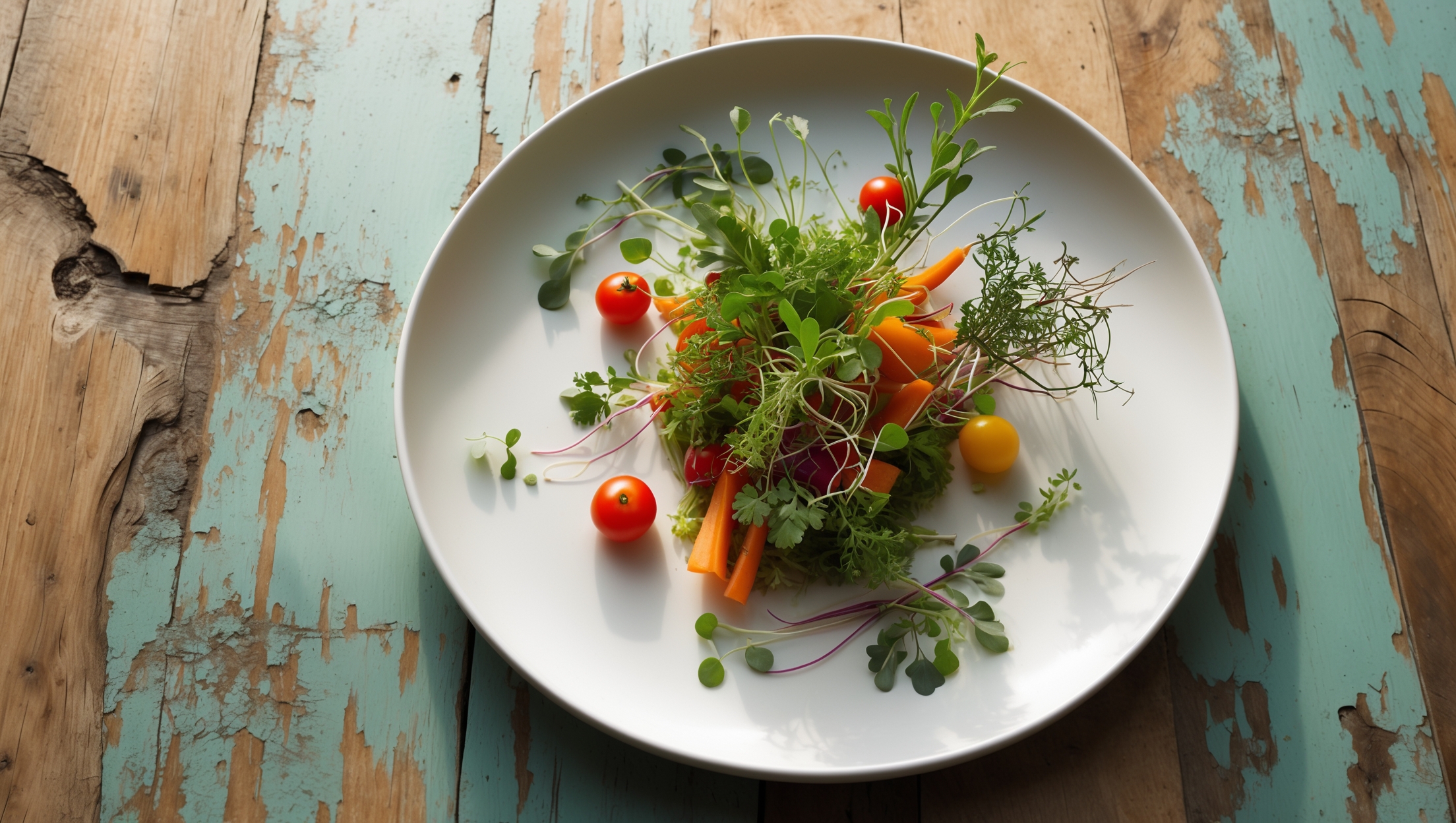
Introduction: Why Plating Matters in the Culinary World
Food is a multisensory experience. While taste and aroma are often the stars of the show, the visual appeal of a dish can elevate an ordinary meal into a memorable event. Plating—how you arrange food on a plate—is not just the domain of professional chefs. Home cooks, too, can harness the power of presentation to delight guests, inspire family, and even change the way food tastes. Research shows that people perceive beautifully plated food as more flavorful and satisfying. Whether you’re crafting a romantic dinner, hosting friends, or seeking to enhance your everyday meals, mastering the art of plating can transform both your cooking and your culinary confidence.
This in-depth guide demystifies plating, breaking down the essential principles, tools, and step-by-step techniques that turn ingredients into edible art. We’ll explore how to use color, shape, texture, and height to create visually striking dishes, share practical tips for sourcing and preparing garnishes, and provide actionable strategies for adapting professional tricks to the home kitchen. Along the way, you’ll discover how seasonal inspiration and mindful plating can foster creativity and a deeper appreciation for the craft of cooking. Let’s embark on this culinary journey to make every meal a feast for the eyes—and the palate.
The Fundamentals of Plating: Foundation for Success
Understanding the Plate as a Canvas
Before you begin arranging your food, consider the plate itself. The color, size, and shape of your plate set the stage for your creation. White plates are favored for their ability to make colors pop, but don’t be afraid to experiment with darker or textured ceramics for rustic dishes. Choose a plate large enough to allow negative space; crowding diminishes impact and can muddle flavors.
Balancing Color and Contrast
Vibrant dishes draw the eye. Aim to incorporate at least three colors on each plate, using vegetables, sauces, or garnishes to add visual interest. Contrast is essential—think of a pale fish fillet atop a green pea puree, or bright orange carrots next to a deep brown steak. Use seasonal produce to naturally vary your color palette throughout the year.
Height, Structure, and Symmetry
Flat, sprawling plates rarely excite. Build height by layering ingredients, stacking proteins atop grains, or perching greens on roasted vegetables. Odd numbers, like three shrimp instead of four, tend to be more visually appealing. Asymmetry can be dynamic—try offsetting your focal element for a modern touch, or keep it centered for classic elegance.
Texture: The Secret Ingredient
A well-plated dish should hint at the textures that await. Use crispy elements (fried shallots, toasted nuts), smooth sauces, and fresh herbs to create a tactile feast for the eyes. Texture adds depth and excitement, signaling variety before the first bite.
Essential Tools for Home Plating
Must-Have Plating Tools
- Offset Spatula: For precise placement of proteins or delicate components.
- Fine-Tipped Tweezers: Ideal for setting microgreens, edible flowers, or small garnishes.
- Ring Molds: Shape grains, salads, or tartares into perfect circles for structure and height.
- Squeeze Bottles: Dispense sauces or purees in controlled dots, swirls, or lines.
- Microplane or Grater: Add zest, cheese, or chocolate shavings for a final flourish.
- Brushes: Swipe sauces artfully for a contemporary look.
Budget-Friendly Alternatives
Professional tools are wonderful, but don’t let their absence hold you back. Small spoons, cookie cutters, clean paintbrushes, or even sturdy drinking glasses can substitute in a pinch. The key is precision and a gentle hand.
Maintaining Your Tools
Keep tweezers and spatulas clean between uses to avoid flavor transfer. Clean squeeze bottles thoroughly after each use to prevent clogs. Sharpen your microplane as needed to ensure fine, even shavings. Store tools together for easy access during plating.
Step-by-Step Plating Strategies for Every Home Cook
Step 1: Prepping Ingredients for Presentation
Start with clean, evenly cut ingredients. Trim proteins and vegetables with care, removing ragged edges. Par-cook or blanch vegetables to maintain vibrant color and crispness. Pat dry proteins and greens to prevent soggy spots on the plate.
Step 2: Sauce as a Foundation
Apply sauces first. Use a spoon or squeeze bottle to create a base—either a swoosh, a pool, or artful dots. This anchors your plate and provides a burst of flavor with each bite. For thicker purees, spread with the back of a spoon or a brush.
Step 3: Protein Placement
The main element—usually a protein—should be the focal point. Place it off-center for a modern look or centered for classic symmetry. Angle the protein slightly to showcase sear marks or natural curves. Avoid stacking everything in the center unless intentionally going for a tower effect.
Step 4: Vegetables and Sides
Add sides and vegetables next, staggering their placement for depth. Lean asparagus spears against a steak, or nestle roasted potatoes alongside fish. Use ring molds for grains or salads to create neat mounds and maximize height.
Step 5: Garnish With Intent
Finish with thoughtful garnishes: microgreens, edible flowers, crispy shallots, or citrus zest. Garnishes should be fresh, edible, and purposeful, offering complementary flavor or texture. Place them with tweezers for precision, avoiding overloading the plate.
Step 6: Final Check and Clean
Wipe the rim of the plate with a clean towel to remove any drips or smudges. Step back and view the plate from above and the side—does it look balanced and inviting? Adjust as needed before serving.
Seasonal Plating: Harnessing Nature’s Palette
Spring and Summer Inspiration
Celebrate the renewal of spring with peas, radishes, asparagus, and edible flowers. In summer, use tomatoes, corn, zucchini, and bright herbs. Arrange ingredients to mimic garden abundance—layered, colorful, and lively.
Autumn and Winter Warmth
In cooler months, turn to root vegetables, squashes, mushrooms, and hearty greens. Earthy colors like orange, gold, and deep green evoke warmth. Use roasted elements and smooth purees to reflect the season’s coziness.
Adapting Plating to Seasonal Themes
- Incorporate leaves, petals, and herbs that are in season for garnish.
- Use warm or cool colored plates to accentuate seasonal ingredients.
- Arrange components to evoke seasonal imagery (e.g., summer salad as a wildflower meadow).
Creative Plating Techniques From the Pros
The Swoosh
Drag a spoonful of puree or sauce across the plate in one swift motion. This adds motion and draws the eye toward the main element.
Dotting and Swirling
Use squeeze bottles to place small dots of different sauces or purees. Try alternating colors for contrast, then drag a toothpick through them for a marbled effect.
Stacking and Layering
Stack proteins atop grains or vegetables to create height. Layer elements with intention, placing crisp textures alongside smooth or creamy ones.
Negative Space
Resist the urge to fill every inch of the plate. Purposeful empty space can highlight your food and make colors pop.
Deconstructed Elements
Instead of mixing everything together, keep components separate but related. This lets each ingredient shine and lends a modern, artistic feel.
Common Plating Mistakes and How to Avoid Them
- Overcrowding: Less is more. Leave space for each element to stand out.
- Too Many Garnishes: Stick to one or two thoughtful additions; avoid clutter.
- Ignoring Color: Always include a pop of color, even with neutral dishes.
- Messy Rims: Always clean the rim before serving.
- Imbalanced Portions: Keep protein, sides, and garnishes proportional for visual harmony.
Building Your Plating Practice: Exercises and Inspiration
Daily Plating Challenge
Once a week, select a meal to plate with extra care. Photograph your work for progress tracking. Focus on one new technique each time—swirls, stacks, or dotting.
Study Restaurant Dishes
Browse cookbooks, food magazines, or social media for plating inspiration. Note how professionals use color, space, and garnish. Try to replicate a favorite style with your own meals.
Seasonal Ingredient Exploration
Visit local markets for inspiring seasonal produce. Challenge yourself to build a plate around an ingredient you’ve never used before.
Plate Pairings: Choosing the Right Dishware
Classic White vs. Artisanal Ceramics
White plates are versatile, but handmade ceramics can add rustic charm or modern edge. Match the plate style to your meal: delicate porcelain for light dishes, heavier pottery for hearty fare.
Shapes and Sizes
Round plates are traditional, but rectangular or oval dishes can make presentations unique. Small bowls or cups are perfect for soups and amuse-bouches. Use large plates for dramatic negative space or smaller ones for intimate, concentrated presentations.
Conclusion: Elevating Everyday Meals Into Memorable Experiences
The art of plating is within every home cook’s reach. By understanding color, structure, texture, and the power of negative space, you can turn even the simplest ingredients into a visual masterpiece. The tools you need are often already in your kitchen, and with a bit of practice, your eye for design will sharpen. Don’t be afraid to draw inspiration from the seasons, experiment with new techniques, and embrace the occasional mistake as part of your creative process.
Ultimately, plating is about more than impressing guests or taking beautiful photos. It’s a celebration of the ingredients you choose, the care you take in preparation, and the joy of sharing food that delights all the senses. Whether you’re serving a weeknight dinner or a special occasion feast, let your plate tell a story—of taste, craft, and your unique culinary culture. Start small, stay curious, and remember: every meal is an opportunity to create art on a plate.
Could you give some examples of how to create interesting height on a plate using ingredients that are common in a typical home kitchen? I’m still getting comfortable with presentation and worry about things toppling over.
Absolutely! To add height using common ingredients, try stacking sliced vegetables or layering components like mashed potatoes topped with roasted veggies and a protein. Pile salad greens loosely rather than pressing them flat. Place a piece of toast or grilled bread at a slight angle under your main item. Spoon sauces or purees in a base circle, then build upwards. For stability, keep heavier items on the bottom and don’t stack too high—balance is key.
I liked the suggestion about using seasonal inspiration for plating, but as a small restaurant owner, I sometimes struggle to find vibrant produce during the off-season. Are there any tips for keeping plates colorful and visually appealing when options are limited?
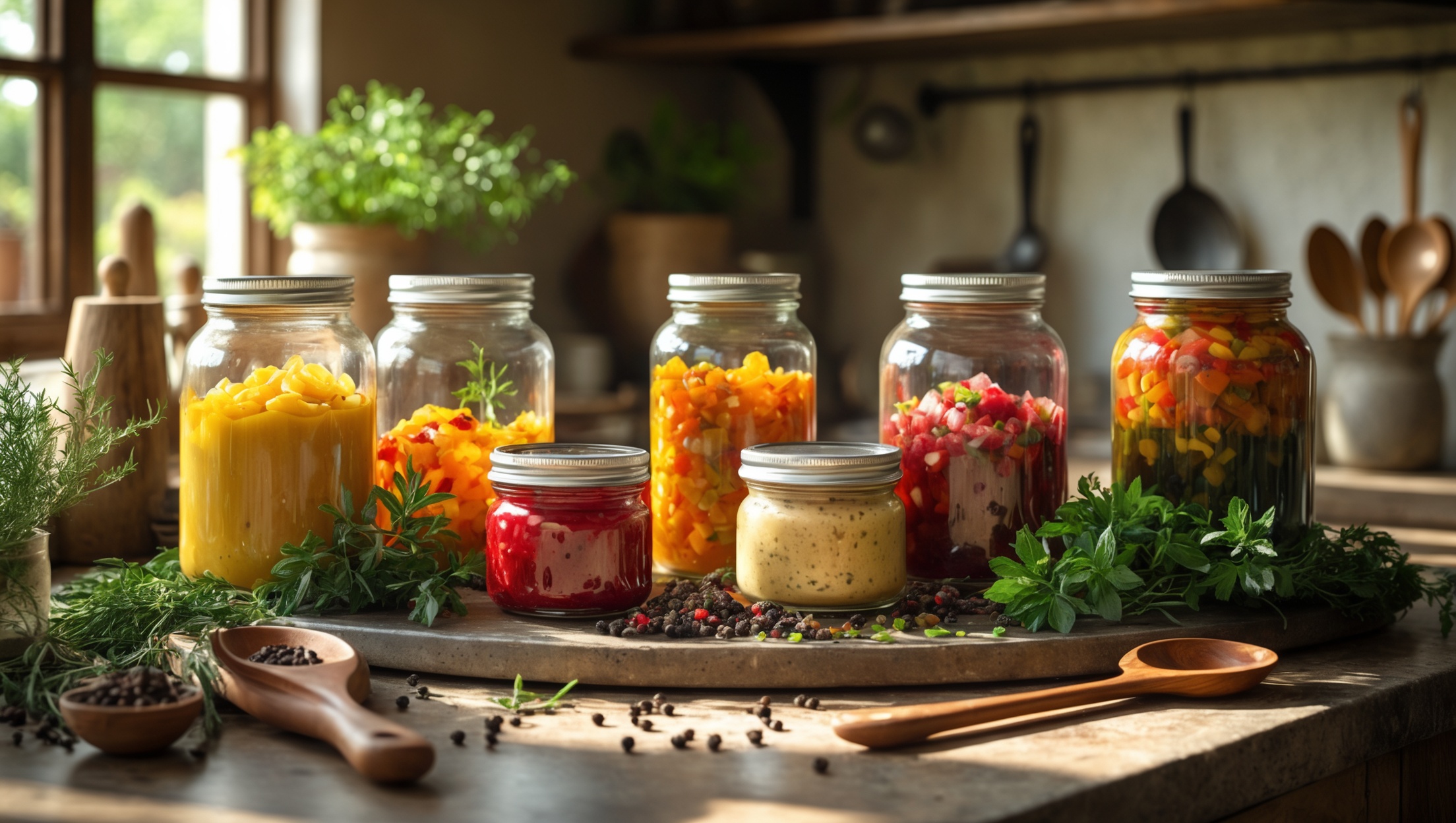
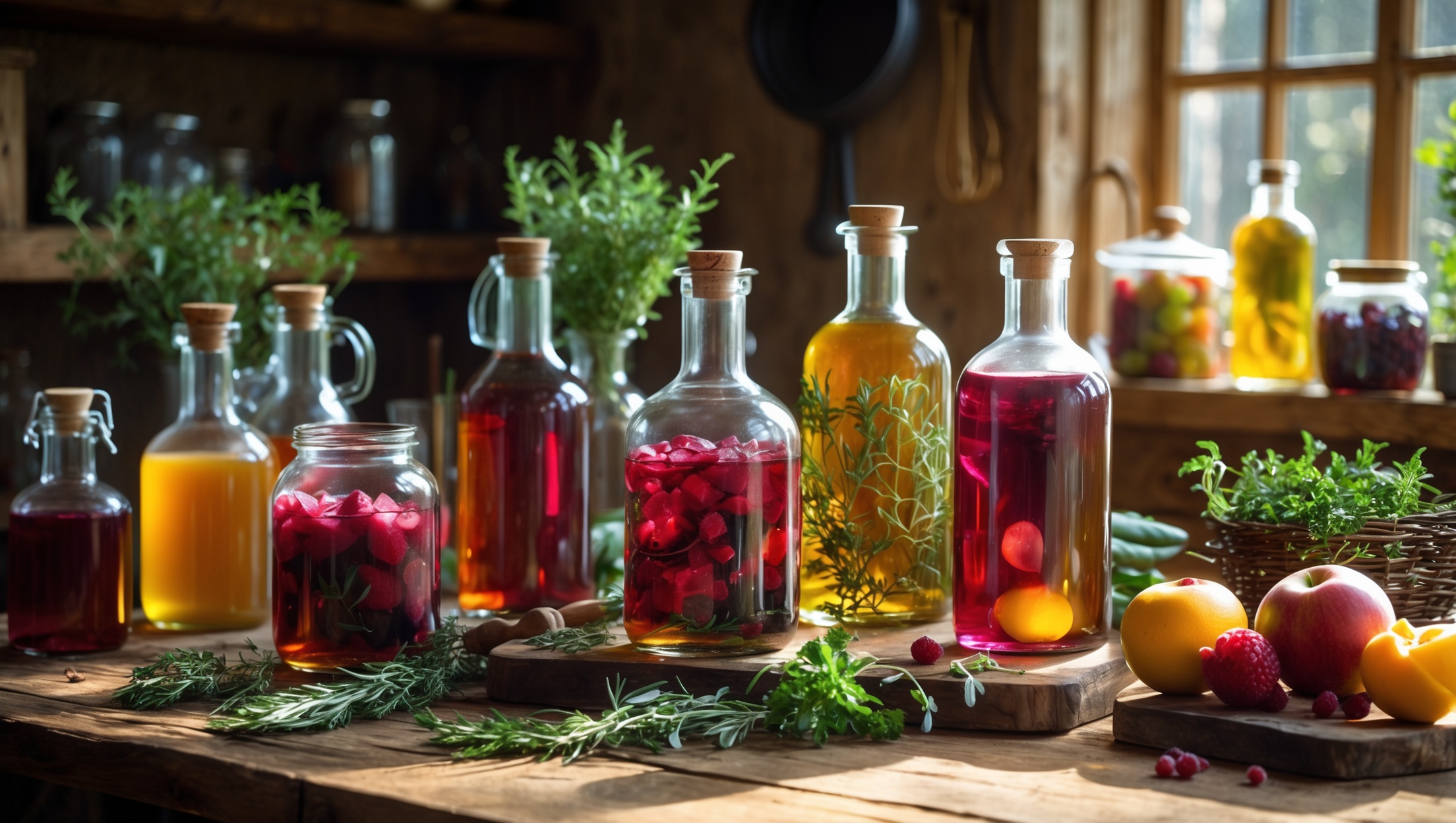
When fresh, colorful produce is limited, you can try using techniques like pickling or roasting vegetables to enhance their color and flavor. Edible flowers, microgreens, or even herb oils can add brightness year-round. Consider using colorful sauces or purees as a base or garnish to bring vibrant contrast to your plates, even when produce options are less varied.
Once I’ve picked out my plate and arranged the food, how far in advance can I finish plating before serving without affecting the temperature or texture? I’m worried about food cooling off or getting soggy if I try to make it look nice ahead of time.
To keep your food at its best, try to plate just before serving. Most hot dishes should be plated no more than 5–10 minutes ahead to avoid cooling or sogginess. If you need to prep in advance, arrange garnishes or cold items first, and add hot components last. For crisp textures, wait until the last minute to add sauces or crunchy toppings.
I usually cook for my family of four and don’t have a lot of fancy plates. Can you share some suggestions for affordable plate types or materials that still help everyday meals look more impressive, even if I can’t use pure white porcelain?
You don’t need expensive porcelain to make meals look appealing! Simple ceramic or stoneware plates in neutral tones like gray, beige, or soft pastels can create a lovely backdrop for your food. Matte finishes add a modern touch, and even wooden boards or slate tiles work well for casual dishes. Mix and match different textures or shapes for added interest while keeping things affordable.
When you mention using at least three colors on each plate for visual appeal, do you have any tips for home cooks working with picky eaters or limited seasonal produce? Sometimes I struggle to make my dishes look vibrant in winter.
It can be tricky to create colorful plates during the winter or for picky eaters. Try using simple garnishes like fresh herbs, citrus zest, or even a sprinkle of paprika or seeds to add pops of color. Roasted root veggies like carrots and beets are often available year-round and add great hues. Even a small amount of colorful pickles or a bright sauce can make a big difference.
I’m curious about experimenting with different plate colors besides white. Are there types of dishes or cuisines where darker or textured plates work especially well, or is it mostly a personal style choice?
Darker or textured plates can really enhance certain dishes, especially those with vibrant colors or lighter ingredients, as the contrast makes the food pop visually. For example, Mediterranean or Japanese dishes with fresh greens, seafood, or sushi often look striking on dark plates. Earthy, rustic cuisines also benefit from textured or stoneware plates. Ultimately, it’s a mix of personal style and how the plate complements the food’s colors and textures.
I’m curious about the suggestion to experiment with darker or textured ceramics for rustic dishes. Are there certain types of meals or cuisines where you’ve found dark plates actually work better than traditional white ones, or is it mostly a matter of personal preference?
Dark or textured ceramics often enhance the presentation of hearty or rustic dishes, such as stews, roasts, or Mediterranean cuisine. They help colors pop, especially with foods like roasted vegetables, grilled meats, or rich sauces. While it is partly personal preference, some meals—like comfort foods or anything with deep, vibrant colors—can look more inviting on dark plates compared to traditional white ones.
The article says that leaving negative space on the plate is important for impact and flavor. I’m wondering if you have tips for gauging the right amount of empty space versus plated food, especially when serving larger portions or family-style meals.
When plating, aim to leave about a third of the plate empty for individual servings—this helps highlight each element without crowding. For larger portions or family-style meals, use platters and group foods in neat sections, allowing enough space between each item so nothing looks cramped. You can also use height or stacking to fit more food while preserving some negative space around the edges.
The guide talks about using three different colors on each plate for visual appeal. Do you have recommendations for easy-to-find, budget-friendly garnishes or produce that home cooks can use year-round to achieve this effect without a lot of extra prep?
Absolutely, you can add color with simple, readily available ingredients. Try using cherry tomatoes, baby carrots, or red bell peppers for red or orange. For green, fresh herbs like parsley or cilantro, sliced cucumber, or baby spinach work well. Yellow bell peppers, corn, or lemon zest can brighten a plate too. These options require minimal prep—just wash, slice, or sprinkle them on before serving.
I noticed the article mentions using at least three colors on each plate for visual appeal. As someone who mostly cooks with pretty basic ingredients, do you have any specific tips for adding more color without making the meal complicated or expensive?
You can add more color to your plates easily by including affordable vegetables like carrots, spinach, or cherry tomatoes, even in small amounts. Try adding herbs like parsley or cilantro for a pop of green. Frozen mixed vegetables are another budget-friendly way to brighten up dishes. Even something as simple as a sprinkle of paprika or turmeric can liven up the look of your meal without extra cost or complexity.
I like the idea of using different shaped and colored plates, but is there a recommended plate style that works well for most types of meals, especially for a family with kids? Sometimes my kids are picky about how their food looks.
For families with kids, white or light-colored plates in simple round or oval shapes tend to work best. They make food colors look more appealing and help highlight the meal without overwhelming picky eaters. Choose plates with a slightly raised rim to help keep food separated, which can be helpful for children who prefer their foods not to touch.
When sourcing garnishes and extra elements for plating, do you have suggestions for budget-friendly options or ways to use everyday pantry items instead of specialty ingredients?
You can absolutely use everyday pantry items as garnishes or plating elements. Fresh herbs like parsley or green onion tops are great if you have them, but you can also try toasted seeds, chopped nuts, or even a sprinkle of spices like paprika or black pepper. For pops of color, thinly sliced raw vegetables such as carrots or radishes work well, and a drizzle of olive oil or a swirl of yogurt can add visual appeal without extra cost.
I noticed the article talks about using white plates for making colors pop, but also mentions experimenting with darker or textured ceramics. Do you have any recommendations for affordable plate sets that would give a home cook some variety for different plating styles?
Mixing white plates with a few darker or textured ceramic pieces is a smart way to add versatility to your plating. For affordable options, consider looking at stores like IKEA or Target, where you can often buy plain white sets and supplement them with individual accent plates in darker tones or interesting textures. Thrift stores are also a great place to find unique ceramics at low prices.
The article suggests using at least three colors on each plate for visual appeal. Are there any tips for achieving this with minimal ingredients, especially on a college student’s budget?
You can create colorful plates on a budget by using affordable ingredients like carrots, bell peppers, spinach, or canned corn for pops of color. Frozen mixed vegetables are another budget-friendly option that covers multiple colors. Even adding herbs or a sprinkle of cheese can make a difference. Try arranging your food neatly and varying shapes to make your plate look even more appealing without extra cost.
You mention using height and negative space when arranging food, but I’m not sure how to do that without my meal looking sparse or unfinished. Could you share some simple tricks or examples for beginners to get this balance right?
To create height, try stacking components, like placing sliced vegetables on mashed potatoes or setting protein atop a small bed of greens. For negative space, leave some plate area empty, but group the food neatly rather than spreading it out. Adding a sauce swoosh or a sprinkle of herbs can help fill space without crowding. Start with small portions and adjust until the plate feels balanced, not bare.
The article talks about using at least three colors on the plate, but I usually stick to pretty basic ingredients. What are some budget-friendly ways to add more color and contrast to everyday meals without making things complicated?
You can add a lot of color to your meals without spending much or complicating things. Try using colorful vegetables like carrots, red cabbage, bell peppers, or frozen mixed veggies—they’re usually affordable and easy to find. Garnish with a sprinkle of chopped fresh herbs or even a few slices of fruit, like oranges or tomatoes, to boost both color and contrast on your plate.
You mentioned that white plates help colors pop, but that rustic dishes can look good on darker ceramics. Are there certain foods or cuisines where using a non-white plate would actually improve the overall presentation or flavor perception?
Absolutely, non-white plates can elevate the presentation of certain foods. For example, foods with earthy tones like roasted vegetables, grilled meats, or Mediterranean dishes often look more inviting on darker or textured plates. Asian cuisines, such as sushi or Korean barbecue, are sometimes served on black or slate ceramics to create dramatic contrast and highlight colors. The plate color can subtly influence flavor perception by enhancing visual appeal and setting an appropriate mood for the cuisine.
Could you suggest affordable or easily accessible garnishes that home cooks can use to add color and texture, especially for people who might not have access to specialty ingredients?
Absolutely, many everyday items can make great garnishes. Fresh herbs like parsley or cilantro add color and freshness. Thinly sliced green onions or radish give a nice crunch. Toasted seeds, crushed nuts, or even a sprinkle of paprika or black pepper can boost both texture and appearance. Edible flower petals from herbs like basil or chives also work if you have them in your garden. All of these are affordable and widely available.
You mention that white plates are generally preferred for making colors stand out, but also suggest experimenting with darker ceramics for rustic dishes. How do you decide which type of plate works best for a specific recipe, especially when cooking at home with limited options?
When choosing a plate for a specific dish at home, think about the colors and textures of your food. White plates highlight vibrant ingredients and give a clean, modern look. Darker or rustic plates work well with earthy, hearty dishes like stews or roasted vegetables. If you have limited options, consider what you want to emphasize—if the food is colorful, a simple plate works best, but don’t be afraid to try what you have and see which makes your dish most appealing.
You mention that white plates make colors stand out, but also suggest experimenting with darker or textured ceramics. For a small catering event on a budget, do you find it’s worth investing in different plate types for different dishes, or should I stick with just one style to simplify things?
For a small catering event on a budget, it’s perfectly fine to stick with one plate style—white plates are a versatile and classic choice that work well with most dishes and make food colors pop. If you want a bit of variety without stretching your budget, consider adding a few accent pieces, like smaller textured bowls or serving platters, for certain courses or displays. This way, you balance visual interest and cost-effectiveness.
The article talks about leaving negative space on the plate to avoid crowding. Is there a rule of thumb for how much space to leave, especially when plating for larger family-style portions at home?
When plating for family-style portions, aim to leave about a quarter of the platter or dish as open space. This helps keep the presentation tidy and prevents ingredients from blending together. For larger servings, group items together but avoid piling them up; use the extra space to create visual contrast and make each component stand out.
If I don’t have special plating tools at home, what are some practical alternatives or household items I can use to achieve a similar effect when arranging my meals?
You can create beautiful plating with simple household items. For spreading sauces or purées, try using the back of a spoon. Cookie cutters or even jar lids can help shape rice or vegetables. Tongs or chopsticks are great for placing delicate items. For drizzling, use a small zip-top bag with a corner snipped off. Get creative with what you have—the key is to arrange thoughtfully and keep your plate tidy.
I usually just use whatever plates I have, but you mentioned that the size and color of the plate can really affect how food looks. If I only have small, patterned plates, what can I do to still make my meals look visually appealing?
Small, patterned plates can still make for beautiful presentations. Try to keep your portions neat and centered, and use the plate’s pattern as part of the visual interest. Leave a little space around the food if possible to avoid overcrowding. Choose foods with colors that complement or contrast the plate’s design for extra appeal. Simple garnishes like fresh herbs can also help make your dishes pop.
I’m interested in the step-by-step plate arrangement techniques you talked about. Could you give an example of how to plate a basic meal, like chicken and veggies, using those principles at home?
Certainly! For chicken and veggies, start by placing the chicken slightly off-center as your main focal point. Arrange the vegetables in a neat cluster or fan them around the protein, keeping colors grouped for visual appeal. Add a swipe or small pool of sauce to one side, and leave some empty space to avoid crowding. Finish with a sprinkle of fresh herbs for a pop of color and freshness.
I’m curious about the types of plates you recommend for everyday home use. You mention white plates make colors pop, but do you find certain shapes or materials work better for different types of dishes, especially for someone with limited cabinet space?
Round white plates are a versatile choice because they suit most dishes and help colorful foods stand out. If your cabinet space is limited, consider stackable plates with a slight rim to help with saucy dishes. Porcelain or stoneware are both durable for daily use. Oval or square plates can be fun for special presentations, but round ones tend to be the easiest to store and most flexible for different meals.
As a student on a budget, I’m wondering if there are affordable tools or household items you recommend for trying out professional plating techniques at home, or is it mostly about practicing with what you already have?
You can definitely get started with professional plating using items you already have at home. Things like teaspoons, chopsticks, and small bowls work well for arranging food or creating shapes. If you want to invest in a few affordable tools, squeeze bottles for sauces and a set of basic ring molds can be handy, but they’re not essential. Practicing with your current utensils and being creative is really the key.
I don’t have a lot of special garnishing tools at home—are there any everyday kitchen items that can help me achieve some of these plating techniques without buying new equipment?
Absolutely, you can use plenty of common kitchen items for plating. For example, a spoon works well for drizzling sauces or making swooshes, and a zip-top bag with a corner snipped off can act as a makeshift piping bag. Tongs or forks can help you place small components delicately. Even a drinking glass can be used as a ring mold for shaping rice or salads.
You talk about the importance of negative space and plate size—how does this work for family-style meals or when serving dishes like casseroles that don’t lend themselves to individual plating?
For family-style meals or casseroles, you can still use negative space by choosing larger serving dishes and not overfilling them. This helps the food stand out and look appealing. Leaving a border around the food, even in a shared dish, creates a sense of intention and elegance. You can also garnish the edges or use contrasting serving utensils to enhance presentation.
I’m curious about choosing the right plate. Besides the classic white option, can you recommend situations where a darker or textured plate would enhance the meal, and what kinds of dishes pair well with those choices?
Darker or textured plates can add drama and contrast, making vibrant foods like salads, colorful vegetables, or desserts really stand out. For example, a matte black plate highlights bright ingredients, while a slate or stoneware plate pairs beautifully with rustic dishes like grilled meats or earthy stews. Just ensure the plate’s texture doesn’t compete visually with the food—let it complement instead.
You mention that white plates help colors pop, but that textured ceramics can work well for rustic dishes. Are there certain foods or cuisines where using a non-white plate is definitely preferable, or is it more a matter of personal taste?
Non-white plates can be especially effective with foods or cuisines that feature earthy tones or traditional, rustic styles—think Mediterranean, Middle Eastern, or hearty stews. Stoneware or darker plates can help highlight golden breads, grilled meats, and richly colored sauces. Ultimately, it’s a blend of personal taste and how well the plate complements the dish’s colors and mood.
When plating at home, how do you decide if a colorful, modern plate or a rustic, textured plate will work better for a dish? Are there certain types of meals that suit one style over the other?
Choosing between a colorful, modern plate and a rustic, textured one often depends on the style and ingredients of your dish. Fresh, vibrant meals like salads or fusion cuisine tend to stand out on modern plates, while hearty comfort foods—think stews, roasts, or farmhouse-style dishes—look more inviting on rustic plates. Consider whether you want your food to pop with contrast or blend into a cozy, homey setting.
The article mentions using different plate colors and shapes for effect. For someone with a limited collection of plates, what are the most versatile plate types to invest in first to make everyday meals look more appealing?
White round plates are the most versatile choice, as they create a clean backdrop for any type of food and help colors stand out. If you want a bit of variety, a few oval or rectangular white plates can add interest and work for both casual and special occasions. Start with medium-sized dinner plates, as they suit most meals and allow for creative plating without overwhelming the table.
You mention using color, shape, texture, and height for visually striking dishes. Can you give examples of how a home cook could add more height or texture to something simple like a weeknight pasta dish without making it too fussy or time-consuming?
To add height to a pasta dish, you can twist the noodles into a small mound using tongs before placing them on the plate. For texture, sprinkle toasted breadcrumbs, crushed nuts, or a handful of fresh herbs on top. A dollop of ricotta or a few shavings of parmesan add both height and visual appeal without much extra effort.
As a college student on a budget, I’m interested in learning how to incorporate these plating techniques without buying special tools or expensive garnishes. Are there any affordable or DIY options for making everyday meals look more professional?
Absolutely, you can make your meals look professional without any special equipment or pricey ingredients. Try using everyday kitchen items, like a spoon to create sauce swirls or a small glass to shape rice or mashed potatoes. Arrange food thoughtfully by stacking components or fanning out sliced vegetables. Fresh herbs from the grocery store or even a sprinkle of pepper can elevate a dish. Focus on neatness and balance on the plate—these little touches make a big difference.
I sometimes struggle with finding the right balance between leaving negative space and making sure the plate looks full and satisfying. Are there any simple rules or visual cues you use when deciding how much space to leave between the different elements of a dish?
A helpful approach is to aim for about one-third negative space on the plate, which keeps things looking elegant without appearing sparse. Try to avoid overcrowding by grouping elements, leaving some clean plate visible between them. Arranging food in odd numbers (like three main components) and slightly off-center can also make the presentation feel balanced and inviting.
You talked about using at least three colors on each plate for better visual appeal. Sometimes I struggle to add variety, especially in fall and winter when produce options are limited where I live. Any advice for bringing more color to meals during those seasons without using fancy ingredients?
In fall and winter, try using colorful root vegetables like carrots, beets, and sweet potatoes, which are usually easy to find and add vibrant tones. Roasted red onions, purple cabbage, and winter squash can also bring natural color without needing specialty items. Even simple garnishes, like chopped herbs or a sprinkle of seeds, can make a big difference in presentation.
You mention that white plates help colors pop, but I have a collection of patterned and colored dishes at home. Are there any tips for making food stand out on more decorative plates, or should I stick to plain ones for best results?
Patterned or colored dishes can absolutely be used to create beautiful presentations. Try to choose foods that contrast with your plate’s main color or pattern so the food doesn’t blend in. Simple garnishes or arranging your food with extra care can also help highlight the meal. If your plate is very busy, keeping the food arrangement simple and neat makes it stand out more. No need to switch to plain plates unless you want a totally neutral background.
You mention that white plates are great for making food colors pop, but that darker or textured plates can work for rustic dishes. How do you decide which type of plate best matches different cuisines or meal types?
When choosing plate types, consider the cuisine and the mood you want to create. White plates enhance bright or colorful dishes, making them ideal for fresh salads or modern presentations. Dark or textured plates add warmth and depth, matching hearty or rustic meals like stews or roasted vegetables. For each meal, think about whether you want to highlight vibrant colors or evoke a cozy, rustic feel.
You talk about adapting professional plating tricks at home. Are there any beginner-friendly techniques that work well for kids’ meals, or does fancy plating tend to make picky eaters more hesitant?
Simple plating techniques can actually make kids’ meals more appealing, not intimidating. Try arranging foods in fun shapes, using colorful ingredients, or creating smiley faces with fruits and veggies. Keep portions small and familiar, focusing on playful presentation rather than anything too elaborate. This approach often encourages picky eaters to try new foods because the meal looks inviting and fun.
You talk about experimenting with different plate colors and textures besides basic white. As someone with mostly mismatched plates at home, will that be a downside, and are there tricks for making food look good on whatever dishes I already have?
Having mismatched plates isn’t a downside at all—it can actually add personality to your presentation. To make food look appealing, try to keep the arrangement tidy and use garnishes or colorful ingredients to create contrast with the plate. If a plate is patterned or brightly colored, opt for simpler food layouts so the dish doesn’t look too busy. Ultimately, confidence and creativity matter more than matching your dishes.
After reading about the importance of negative space on a plate, I’m wondering how to balance that with serving hearty meals for a hungry family. How can I make sure the portions are satisfying without over-crowding the plate?
You can strike a balance by using plates that are appropriately sized for your meals—slightly larger plates give you space to play with negative space while still accommodating hearty portions. Arrange food in tidy clusters rather than spreading everything out, and stack or layer elements where possible. This keeps the plate looking intentional and appealing, without making it feel overcrowded or skimpy.
Could you elaborate on how to choose between white plates and darker, textured ceramics for different types of dishes? I run a small café and want to refresh our plating but need to balance cost with the visual impact.
Choosing between white plates and darker, textured ceramics depends on the type of food and the atmosphere you want to create. White plates are versatile and make colorful dishes—like salads or desserts—pop visually. They’re also usually budget-friendly and easy to replace. Darker, textured ceramics add a rustic or modern touch and work well with lighter foods, contrasting nicely with grilled meats or vibrant vegetables. For a café, consider mixing both: use white plates for your most colorful or delicate dishes and reserve ceramics for signature items to create variety without a full overhaul.
I’m intrigued by the idea of using different plate colors and textures for rustic versus modern dishes. Is there a simple rule of thumb for choosing the right plate style for a specific type of food, or is it mostly trial and error?
A simple rule of thumb is to match the plate style to the mood of your dish. For rustic foods—think hearty stews or roasted vegetables—go with earth-toned, textured, or handmade-looking plates. For modern dishes, choose smooth, minimalist white or black plates to highlight vibrant colors and clean lines. This approach usually works well, but don’t be afraid to experiment and trust your eye.
If you’re working with limited kitchen tools at home, which basic tools would you recommend starting with to achieve some of the professional plating tricks described here without a big investment?
You can achieve impressive plating with just a few basic tools. Start with a small offset spatula or butter knife for spreading sauces, a pair of regular kitchen tweezers or tongs for precise placement, and a squeeze bottle or spoon for drizzling. Round cookie cutters can help with shaping portions, but a drinking glass can work in a pinch. With these simple items, you can try most plating techniques described in the article.
You mention that white plates are great for making colors pop, but I only have some darker and patterned dishes at home. Will those detract from the overall look, or are there certain types of meals that actually look better on non-white plates?
Darker or patterned dishes can actually enhance the presentation of many meals. Rich, vibrant foods like colorful salads, grilled meats, or creamy pastas often stand out beautifully on darker plates, creating a dramatic effect. Just try to avoid overly busy patterns, as they can compete with the food. If your dishes have subtle designs, consider plating simpler meals to let both the food and the plate shine.
I’m curious about experimenting with plate colors like you mentioned. If I were to use darker or textured ceramics instead of plain white, are there certain types of foods or cuisines where that works better, or is it just a matter of personal preference?
Using darker or textured ceramic plates can really enhance certain foods, especially those with vibrant colors like salads, grilled vegetables, or dishes with rich sauces, as the contrast makes them pop visually. Earthy cuisines like Mediterranean or rustic Italian often look especially appealing on these plates. While there are no strict rules, it’s worth considering both the color and texture of your food and plate to find combinations that visually complement each other.
The article mentions using at least three colors on a plate for visual appeal. For someone who doesn’t usually keep a ton of fresh produce on hand, what are some affordable or pantry-friendly options to add more color without a lot of extra prep?
You can easily add color to your plates with pantry staples like canned corn, jarred roasted red peppers, pickled beets, or olives. Frozen vegetables such as peas, carrots, or mixed veggies also work well and require minimal prep. Even a sprinkle of dried herbs or a swirl of sriracha or mustard can boost both the color and flavor of your dishes.
I’d love some tips on sourcing affordable but visually appealing garnishes for everyday family dinners. What are some budget-friendly options you recommend that still achieve that pop of color and texture you mention?
A few affordable garnishes that add great color and texture are thinly sliced green onions, fresh herbs like parsley or cilantro, and shredded carrots. You can also use lemon or lime zest, a sprinkle of paprika, or even toasted seeds like sesame or sunflower. These are easy to find, inexpensive, and really brighten up everyday dishes.
I’m interested in how plate color impacts the overall presentation. The article mentions white plates making colors pop, but are there certain types of food or cuisines where darker plates might actually be a better choice for highlighting the dish?
Darker plates, such as slate or deep blue, can create a striking contrast for lighter foods and vibrant ingredients, making them stand out visually. They’re especially effective for presenting colorful salads, seafood, or desserts with bold sauces. Certain cuisines—like modern Asian or Mediterranean dishes—often look dramatic on dark plates, enhancing the overall visual appeal. Just be mindful that very dark plates can sometimes mute earthy or brown-toned foods, so use them when you want to create a visual pop with brighter elements.
Could you elaborate on how to adapt professional plating tools or techniques for someone who doesn’t own specialty kitchen equipment? Are there any common household items that can be used as substitutes for garnishing or adding height to dishes?
You can definitely achieve attractive plating at home without specialty tools. For example, use a spoon or the back of a soup ladle to create sauce swirls. A zip-top bag with a corner snipped off works well as a piping bag for purees or creams. Tongs or even clean tweezers can help place delicate garnishes. To add height, stack ingredients using a drinking glass as a mold or shape with a cookie cutter. Everyday items can be surprisingly effective for creative plating.
I really like the idea of using height and negative space, but I usually cook family-style and serve everything together. Do you have suggestions for how to add some of these plating ideas when plating individual servings from a big shared dish?
You can absolutely bring in height and negative space, even when serving family-style dishes. When plating individual servings, try stacking or layering elements—like placing a protein on a bed of grains or vegetables. Use a large plate and leave some empty space around the food to highlight each portion. Garnish with fresh herbs or a drizzle of sauce to add visual interest without overcrowding the plate.
The excerpt mentions adapting professional plating tricks at home. Could you give some examples of affordable or common kitchen tools that help with plating, especially if I do not have specialized equipment like ring molds or squeeze bottles?
You can get creative with everyday items for plating. For example, use a clean, empty can (with both ends removed) as a ring mold to shape rice or salads. For sauce drizzling, try a resealable plastic bag—just snip a tiny corner. Spoons can create swooshes or dots of puree, and even chopsticks work well for placing delicate garnishes. No need for fancy tools to achieve attractive presentations!
I noticed you mention that white plates can make colors pop, but also encourage experimenting with darker or textured ceramics. Are there any guidelines for choosing plate colors based on the type of food or cuisine, or is it just personal preference?
There are some helpful guidelines when choosing plate colors for different foods. White plates are versatile and make most foods stand out, especially colorful dishes. Darker plates can create drama and work well with light or vibrant foods, like bright salads or desserts. Earthy, textured ceramics tend to suit rustic or comfort foods, adding warmth. Some cuisines, like Japanese or Mediterranean, often use traditional plate styles that complement their dishes, but personal preference and creativity are always welcome.
I noticed you mentioned using negative space on the plate to avoid crowding, but sometimes with larger family meals or potlucks, it feels wasteful to serve small portions. How do you balance generous serving sizes with effective plating for a visually pleasing result?
For larger gatherings or potlucks, you can still use negative space by serving food family-style on large platters. Arrange items in neat, intentional groups with some space between different dishes, rather than piling everything together. This gives each dish room to stand out while still offering generous portions. You can also use garnish or small bowls for sauces to add visual interest and avoid crowding the main platter.
The article mentions using the plate as a canvas and experimenting with different colors, sizes, and shapes. How do you suggest approaching plating when serving family-style meals where everything is shared from larger dishes instead of individual plates?
For family-style meals, you can still apply plating techniques by arranging food attractively in the serving dishes. Use large platters or bowls and group ingredients to highlight colors and textures. Layer items rather than mixing them all together, and garnish with fresh herbs or colorful vegetables. Vary the shapes of your serving pieces for added visual appeal, and leave some space around the edges to keep things tidy and inviting.
When trying to balance color and contrast for visually striking dishes, do you have any suggestions for picky eaters or kids who may not eat a wide variety of colorful vegetables?
For picky eaters or kids, try using colorful fruits like berries, grapes, or mandarin oranges, which can add visual appeal without relying solely on vegetables. You can also use vibrant foods they already enjoy, such as sweet corn, red bell pepper strips, or even a sprinkle of shredded cheese. Arranging foods in fun shapes or patterns can make the plate inviting and encourage them to try new colors.
You mentioned that white plates make colors pop, but also suggested trying darker or textured ceramics for rustic dishes. How do you decide which type of plate works best for certain cuisines or meal types? Are there any general rules for matching plates to dishes?
Choosing the right plate depends on the mood and style you want to convey. White plates highlight vibrant, colorful dishes and look clean and modern. Darker or textured ceramics add warmth and create a rustic feel, especially for hearty, comfort foods like stews or roasted vegetables. Generally, use lighter plates for delicate or brightly colored meals, and darker or patterned ones for earthy, rustic dishes. Think about contrast and what best showcases your food.
You mention adapting professional plating tricks to a home kitchen—are there specific, affordable tools you suggest starting with for someone who’s never really focused on plating before?
Absolutely! You don’t need expensive equipment to get started with plating at home. A simple set of tongs, a squeeze bottle for sauces, and a few spoons (both large and small) can make a big difference. A ring mold or even a cookie cutter can help with shaping foods, and a small offset spatula is great for spreading. All of these are affordable and easy to find.
The article suggests that beautifully plated food can actually taste better. Have you come across any strategies for making simple weeknight dinners look more special without adding a lot of extra prep time? I’m curious how to balance visual appeal with practicality on busy evenings.
Absolutely, there are some quick ways to elevate the look of your meals without extra fuss. Try using a larger plate to give food space, adding a pop of color with chopped herbs or a sprinkle of spice, and arranging components in neat sections instead of piling everything together. Even wiping the plate rim before serving makes a big difference. These small touches can make weeknight dinners feel a little more special with minimal effort.
You mentioned how white plates help the colors of food stand out, but I have a bunch of patterned and dark plates at home. Do you have any tips for making meals look attractive on those types of dinnerware?
Patterned and dark plates can definitely work for beautiful plating—you’ll just want to approach them a bit differently. Try serving lighter-colored foods or dishes with vibrant veggies to create contrast. Keep the food arrangement simple so the plate doesn’t look too busy. You can also use garnishes or sauces in colors that pop against the plate. Positioning the food toward the center and leaving some negative space helps highlight your dish, even with a bold plate.
The article mentions using at least three colors on the plate for visual impact. Are there any tips for achieving this with limited ingredients, especially for college students who might not have access to a wide variety of produce?
Absolutely! Even with limited ingredients, you can mix colors by using what you have creatively. Try combining items like rice or pasta (white or brown) with a canned vegetable like corn or peas (yellow or green), and add a protein like beans or eggs. You can also use sauces or spices—paprika, sriracha, or parsley—for pops of color. Small amounts make a big difference.
When you mention using white plates to make colors pop, are there affordable brands or types of plates you recommend for home cooks who want to start experimenting with plating, but don’t want to spend a lot upgrading their dishware?
Absolutely, you don’t need to spend much to get great-looking white plates for plating at home. Many home cooks find simple, classic white plates at stores like IKEA, Target, or even discount retailers. Look for plain, porcelain or stoneware plates without patterns or rims, as these really highlight your food. Dinnerware from brands like Corelle or AmazonBasics is also affordable, durable, and works well for everyday plating experiments.
When experimenting with different plate shapes and sizes, how do you decide which one works best for a specific dish? Is there a general rule for matching plate style to certain types of meals or cuisines?
When choosing plate shapes and sizes, consider the style and portion of your dish. Generally, larger plates offer space for creative arrangement, while smaller plates suit more delicate servings. Round plates are versatile for most cuisines, while rectangular or oval plates can highlight modern or Asian-inspired dishes. Think about the colors and textures of your food, too—contrasting backgrounds can make ingredients pop. Use the plate to frame your dish, ensuring it doesn’t look overcrowded or sparse.
I noticed the article suggests white plates help colors stand out, but I only have dark stoneware at home. Are there adjustments I should make in terms of ingredient choices or plating style to get a similar visual impact?
You can still achieve striking presentations with dark stoneware by using ingredients that provide strong color contrast, such as vibrant greens, bright reds, or yellow sauces. Consider arranging lighter-colored foods or garnishes on top to make them pop. Also, neat plating and keeping enough negative space will help your dishes stand out beautifully against the dark background.
For home cooks on a tight budget, what are some affordable but impactful garnishes or elements that can make simple meals look more elegant without adding a lot of extra cost or prep time?
You can elevate your dishes easily with low-cost garnishes like fresh herbs (parsley, cilantro, or green onions), a sprinkle of toasted seeds or nuts, or a zest of lemon or orange. A drizzle of olive oil or a swirl of yogurt also adds a professional touch. Sliced radishes or thin cucumber ribbons are both inexpensive and visually appealing.
The article talks about using negative space to avoid crowding food on the plate. If I’m cooking for a big group and need to serve lots of food at once, do you have advice for maintaining good plating principles without sacrificing portion size?
When plating for a large group, try using larger platters or serving boards to give each dish enough space. Arrange foods in neat clusters or piles rather than spreading them out flat, which helps maintain visual appeal without making the plate look crowded. If possible, serve components separately—like sauces or garnishes on the side—so everyone can assemble their own plate while keeping presentation tidy.
The article talks about sourcing and preparing garnishes to enhance presentation. How do you recommend storing garnishes in a home kitchen so they stay fresh but don’t require daily prep?
To keep garnishes fresh without daily prep, store herbs like parsley or cilantro upright in a glass of water in the fridge, covering them loosely with a plastic bag. For sliced veggies or citrus, keep them in airtight containers lined with a damp paper towel. Edible flowers or delicate greens should be gently wrapped in a slightly damp towel and placed in a sealed container. This approach helps most garnishes stay vibrant for several days.
You mention that white plates help make colors pop, but also suggest experimenting with darker or textured ceramics. Can you share examples of which types of dishes work better on non-white plates, and how to prevent the presentation from looking too busy or muted?
Darker or textured plates work especially well for light-colored dishes, like seared scallops, creamy risottos, or desserts with bright fruits, as they create a striking contrast. To keep the presentation from looking too busy, keep the plating simple—use fewer garnishes and avoid overly patterned plates for complex dishes. Let the plate complement, not overpower, the food’s natural colors and shapes.
You mention that plate size and negative space are important for presentation, but what do you suggest for someone who only has smaller plates or mismatched dishware? Are there any hacks for getting a similar effect without investing in new plates?
Absolutely, you can still achieve beautiful plating with small or mismatched plates. Focus on arranging food neatly and deliberately, using the center or a focal point on the plate. Leave a border around the food for negative space, even if it’s smaller. Stagger or layer items for visual interest. Mixing plate shapes or colors can add charm—just keep the arrangement tidy and intentional to create a cohesive look.
You mention that white plates help colors pop, but that experimenting with darker or textured ceramics can work for rustic dishes. Are there any guidelines on which types of plates pair best with specific cuisines or ingredients, especially for home cooks who want to build versatility without buying a lot of new dishes?
For home cooks aiming for versatility, start with simple white plates—they highlight most foods and work with all cuisines. If you want to expand, consider adding a few dark or earth-toned plates for hearty, rustic dishes like stews or roasted meats. Matte and textured ceramics pair nicely with comfort foods, while glossy, minimalist plates suit refined or colorful dishes like salads and seafood. Keeping just these basics gives you flexibility without needing a huge collection.
I noticed you mentioned experimenting with different plate colors and shapes to enhance presentation. For someone with a limited set of dishes at home, are there particular plate styles that are most versatile when starting to improve plating?
White, round plates are usually the most versatile for plating, as they allow the colors and shapes of your food to stand out. If you have a few white dishes, focus on those for now. Smaller side plates or bowls can also be useful for playing with portion size and arrangement, even if your dish set is limited.
You mention that white plates help colors pop, but also suggest experimenting with darker or textured plates for rustic dishes. Are there certain dishes or cuisines where you actually prefer non-white plates, or does it depend mostly on personal preference?
Non-white plates can definitely enhance the presentation of certain dishes and cuisines. For example, earthy, rustic plates work beautifully with hearty stews, grilled meats, or Mediterranean cuisine, as they complement the natural colors and textures. Asian foods, like sushi or stir-fries, often look striking on dark or slate plates. Ultimately, it does come down to personal preference, but matching the plate style to the dish can elevate the visual appeal.