Introduction: The Allure of Home-Grown Gourmet Mushrooms
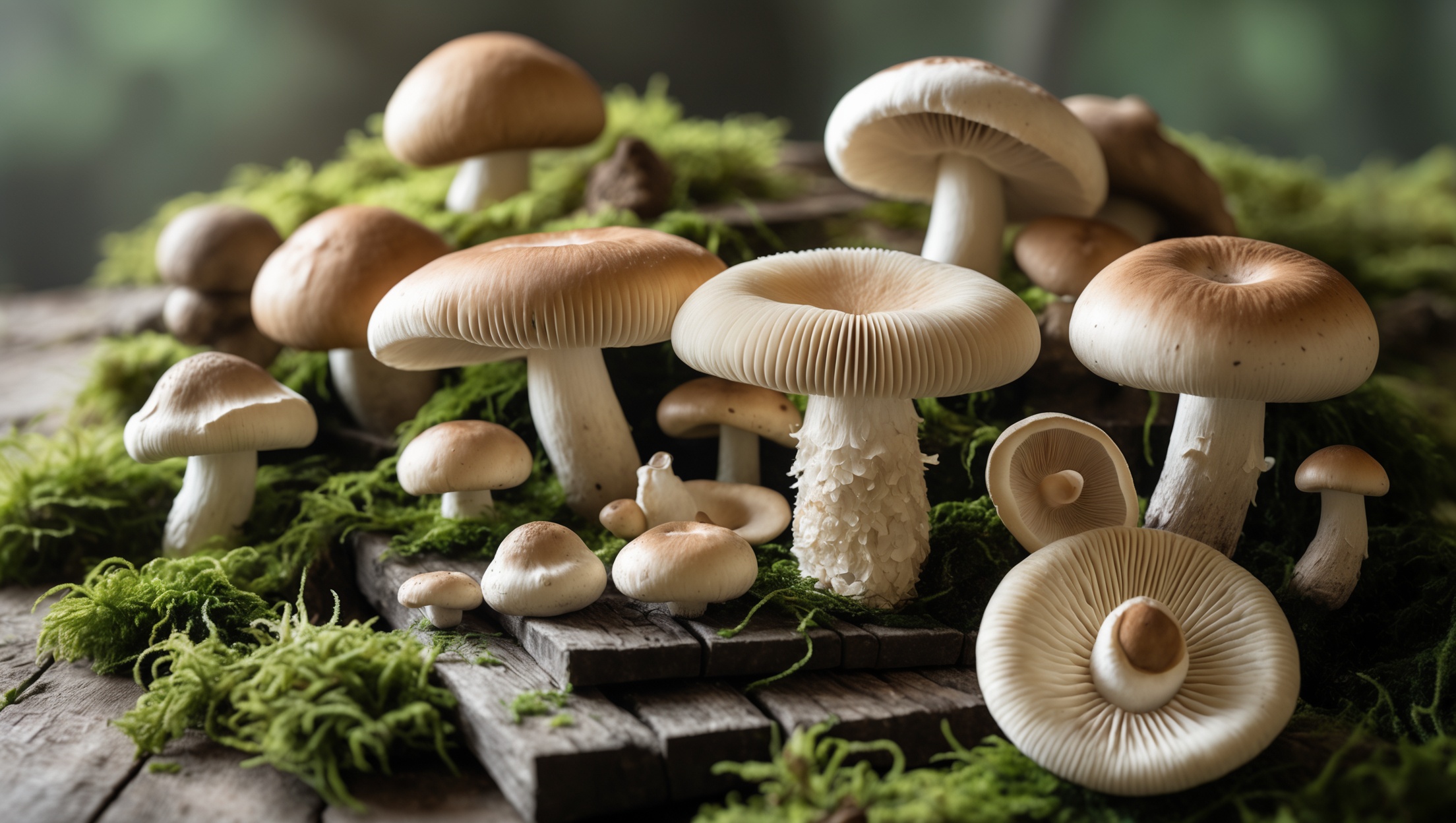
Few culinary experiences rival the pleasure of savoring freshly harvested gourmet mushrooms. Their earthy aromas, delicate textures, and savory depths elevate everything from rustic pastas to refined risottos. Yet, for many home cooks, cultivating mushrooms remains shrouded in mystery—a practice reserved for seasoned mycologists or commercial growers. In reality, home mushroom cultivation is a rewarding craft accessible to anyone with curiosity, patience, and the right guidance. Whether you’re drawn by the prospect of harvesting velvety oyster mushrooms from your kitchen shelf, or dreaming of earthy shiitake grown on your own logs, this guide delivers practical, insider advice.
We’ll demystify the essential tools (no expensive laboratories required!), break down the subtle art of seasonally timed cultivation, and debunk persistent myths that keep many would-be growers on the sidelines. You’ll learn how to select the right species for your climate and taste, set up a safe and productive growing environment, troubleshoot common pitfalls, and unlock the full flavor potential of your home-grown harvest. If you’re ready to bring craft and culinary adventure together, read on—your kitchen may soon be home to a thriving mini-farm of gourmet delights.
Understanding Gourmet Mushroom Varieties
Popular Species for Home Cultivation
- Oyster Mushrooms (Pleurotus spp.): Fast-growing, forgiving, and available in a rainbow of colors and flavors. Ideal for beginners.
- Shiitake (Lentinula edodes): Renowned for their umami punch; thrive on hardwood logs or sawdust blocks.
- Lion’s Mane (Hericium erinaceus): Unique for its crab-like texture and subtle sweetness; valued for both culinary and nootropic uses.
- Maitake (Grifola frondosa): A prized delicacy known for its layered, frond-like appearance and rich, woodsy aroma.
- Pioppino, Enoki, Wine Cap, and More: Each brings distinct flavor and growing requirements—advanced growers can experiment.
Flavor Profiles and Culinary Uses
Each mushroom variety offers unique gastronomic qualities. Oyster mushrooms sauté to a silky finish and absorb marinades beautifully. Shiitake offer dense, savory notes ideal for broths and stir fries. Lion’s mane, shredded and roasted, mimics shellfish—a vegan favorite. Understanding these profiles helps you select the right species for your table and season.
Essential Tools and Equipment: Setting Up for Success
Must-Have Tools for Home Mycology
- Sterile Work Area: A clean table, disinfectant spray, and basic hygiene (gloves, masks) are crucial for inoculation.
- Substrate Containers: Food-grade buckets, grow bags, or plastic bins depending on species and scale.
- Substrate Materials: Straw, hardwood sawdust, coffee grounds, or cardboard—each suited for specific mushroom types.
- Inoculation Tools: A sharp knife or scalpel, alcohol wipes, and a spray bottle for misting.
- Humidity and Temperature Control: A simple spray bottle, humidity tent (plastic sheeting or mini-greenhouse), and thermometer/hygrometer.
- Lighting: Indirect window light or a basic LED grow light; most gourmet mushrooms need low to moderate light to fruit.
Optional Upgrades for Enthusiasts
- Pressure Cooker: For sterilizing substrate, especially if using grains (more important for advanced growers).
- Laminar Flow Hood: Advanced air filtration for sterile work—desirable but not essential for hobbyists.
- Automated Humidifiers: For those scaling up or seeking ease of maintenance.
Seasonal Strategies: Timing Your Cultivation for Maximum Yields
Matching Mushrooms to the Seasons
Choosing the right species for your local climate and season maximizes success and flavor:
- Spring: Oyster mushrooms and Pioppino thrive as temperatures warm and humidity rises.
- Summer: Pink and golden oyster mushrooms excel in heat; lion’s mane prefers cooler indoor spots.
- Autumn: Shiitake and maitake perform best as temperatures cool and air becomes moist.
- Winter: Indoor setups with controlled humidity/temperature allow year-round oyster mushroom production.
Consult local climate data and adjust your setup accordingly—outdoor log cultivation works best in spring/fall, while indoor projects can be managed any time.
Crafting a Seasonal Cultivation Calendar
- Plan substrate preparation and inoculation for 2-4 weeks before the ideal fruiting season.
- Allow for incubation time: oysters (2 weeks), shiitake (4-8 weeks on logs), lion’s mane (3-4 weeks).
- Monitor weather or indoor conditions and adapt humidity and light exposure to mimic natural triggers.
Step-by-Step Setup: From Spore to Savory Harvest
Step 1: Selecting and Sourcing Quality Spawn
Purchase mushroom spawn (live mycelium on grain or sawdust) from reputable suppliers. Avoid starting from spores unless you have advanced sterile technique—spawn is faster, more reliable, and far less prone to contamination.
Step 2: Preparing the Substrate
- Oysters: Pasteurize straw or hydrated cardboard in hot water (160°F/70°C for 60 minutes). Drain and cool.
- Shiitake: Drill and fill hardwood logs, or pack supplemented sawdust blocks; sterilization is ideal for the latter.
- Lion’s Mane: Grows well on pasteurized hardwood sawdust or ready-made grow kits.
Step 3: Inoculation
Work quickly and cleanly in your sterile area. Mix spawn evenly through cooled substrate, or inject into drilled log holes. Seal bags or log holes with wax to retain moisture and prevent contamination.
Step 4: Incubation
Store inoculated substrate in a dark, warm (65–75°F/18–24°C), humid environment. Mycelium will colonize the substrate over 2–8 weeks depending on species. Watch for strong white growth—discard any with green, black, or foul-smelling contamination.
Step 5: Fruiting
Once fully colonized, expose the substrate to fresh air, indirect light, and higher humidity (85–95%). Mist regularly or use a humidity tent. Mushrooms will begin forming “pins” within days to weeks. Harvest when caps are fully formed but before edges flatten or curl upwards.
Common Beginner Mistakes and How to Avoid Them
- Inadequate Sterility: Most failures stem from contaminated substrate. Always clean tools, surfaces, and hands before inoculation.
- Poor Moisture Management: Substrate too dry or too wet can stall growth. Substrate should feel like a wrung-out sponge.
- Improper Ventilation During Fruiting: Stale air causes weak or misshapen mushrooms. Ensure regular air exchange during fruiting.
- Neglecting Temperature and Humidity: Each species has a preferred range. Use a simple thermometer/hygrometer to monitor.
- Harvesting Too Late: Overripe mushrooms lose flavor and texture. Harvest promptly for peak quality.
Cost Breakdown: What to Expect for Home Cultivation
Initial Setup Costs
- Spawn (per bag/block): $15–$25
- Substrate Materials: $5–$20 (often free or recycled—straw, cardboard, coffee grounds)
- Containers/Grow Bags: $10–$20
- Basic Tools (gloves, spray bottle, knife): $10–$25
- Optional Upgrades (pressure cooker, tent, lights): $30–$200
Running Costs and Output
- Once established, ongoing costs are minimal—mainly fresh substrate and spawn.
- A single bag of spawn and substrate can yield 2–5 lbs (1–2.5 kg) of mushrooms over several flushes.
- Home-grown gourmet mushrooms generally cost 50–75% less per pound than store-bought organic varieties.
Debunking Flavor Myths: The Truth About Home-Grown Mushrooms
- Myth: “Home-grown mushrooms are bland compared to wild or store-bought.”
Fact: Freshly harvested mushrooms have superior flavor and texture. Home cultivation allows you to control substrate and timing for optimal taste. - Myth: “You can’t grow exotic mushrooms without expensive equipment.”
Fact: Many gourmet species need only basic supplies and a clean environment. Kits and simple substrates make cultivation accessible. - Myth: “All mushrooms taste the same.”
Fact: Each species and even growing method (log vs. bag) produces unique flavors and textures—experiment and taste for yourself. - Myth: “Mushrooms grown indoors lack nutrition.”
Fact: Properly cultivated mushrooms are rich in protein, fiber, B vitamins, and minerals. Light exposure can even enhance vitamin D content.
Flavor Pairing and Culinary Inspiration
Harvest Timing for Peak Flavor
Harvest mushrooms just as caps unfurl and before they fully flatten. This stage concentrates flavor and delivers the optimal texture for grilling, roasting, or sautéing.
Pairing Suggestions by Variety
- Oyster Mushrooms: Pair with garlic, thyme, and sherry; excellent in stir fries, risottos, or on toast.
- Shiitake: Enhance with soy, ginger, and sesame; ideal in broths, dumplings, and braises.
- Lion’s Mane: Roast and serve with lemon zest, olive oil, and fresh herbs; remarkable as a crab cake alternative.
- Maitake: Sauté with butter and sage; winsome as a pizza topping or in fall grain salads.
Maintenance and Safety Checklist
- Always clean and sanitize tools and surfaces before each new batch.
- Monitor for contamination—discard any substrate showing green, black, or pink mold, or foul odors.
- Keep substrate moist but not waterlogged; daily misting is usually sufficient.
- Harvest promptly and refrigerate mushrooms if not using immediately; most varieties keep 3–7 days when stored dry in paper bags.
- Never consume wild mushrooms unless positively identified by an expert; stick to known cultivated strains for safety.
Advanced Tips: Scaling Up and Experimenting
Expanding Your Home Mycology Practice
- Try outdoor log cultivation for shiitake or wine cap—logs fruit for years with minimal input.
- Experiment with different substrates (sawdust, coffee grounds, spent brewing grains) for unique flavors and sustainability.
- Invest in a pressure cooker or small flow hood if you wish to propagate your own spawn from tissue cultures.
- Join local mycology clubs or online communities for advanced tips and troubleshooting.
Conclusion: Bringing the Craft of Mushrooms Home
Growing gourmet mushrooms at home is more than a culinary experiment—it’s a journey into flavor, sustainability, and craft. With just a few essential tools and a thoughtful approach to seasonality, you can unlock a world of taste possibilities from your own kitchen or backyard. Whether you seek the buttery softness of oyster mushrooms, the meaty umami of shiitake, or the delicate sweetness of lion’s mane, the rewards are both delicious and deeply satisfying. Perhaps most importantly, home cultivation fosters a deeper connection to your food and its origins, offering a sense of pride with every flush and harvest.
Start small, learn from each batch, and don’t be discouraged by early hiccups—mycology is as much about patience as precision. Over time, you’ll refine your technique, experiment with new species and substrates, and surprise yourself and your guests with dishes that are truly farm-to-table. So gather your tools, pick your spawn, and embrace the craft of gourmet mushroom growing. Your palate—and your sense of culinary adventure—will thank you.