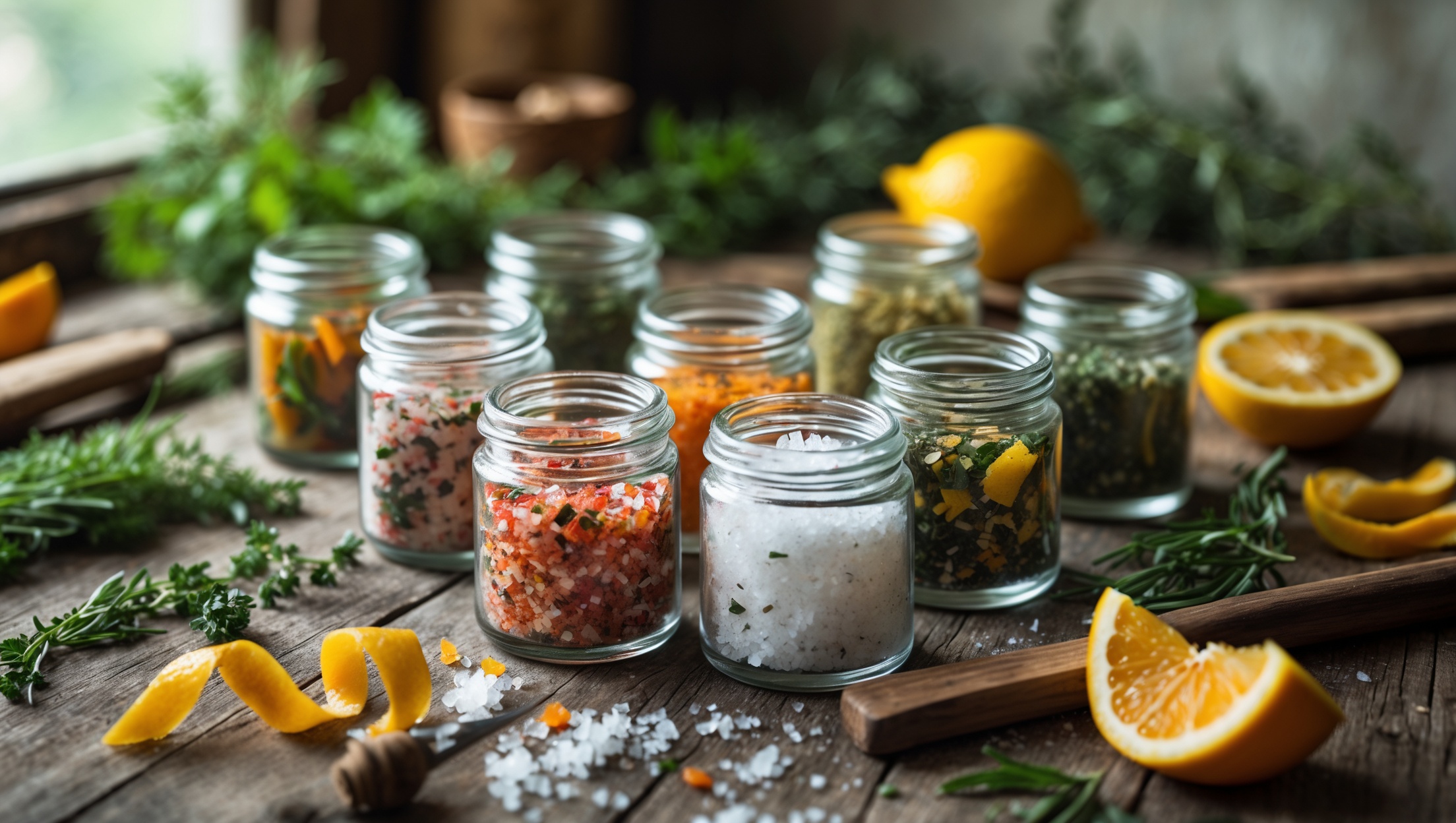
Introduction: Elevating Everyday Flavor with Infused Gourmet Salts
Salt, the world’s most ancient seasoning, is a kitchen essential—but it can also be a canvas for culinary creativity. Infused gourmet salts are not just a finishing touch for chefs and foodies; they’re an accessible, transformative ingredient that brings new dimensions of aroma, color, and taste to homemade meals. Whether you want to brighten vegetables with citrus zest, add herbal complexity to roasted meats, or craft a finishing salt that’s utterly unique, infusing salts at home is both an art and a science. Yet, beyond the basic sprinkle, there’s a world of craft to explore: the right base salts, the best infusion techniques, ideal pairings, and the secrets to maintaining peak freshness and aroma. This detailed guide dives into the craft of infusing gourmet salts from scratch, with a focus on practical tools, inspired pairings, and storage mastery, so your creations stay vibrant and delicious—batch after batch.
Choosing Your Canvas: Selecting the Right Base Salts
Understanding Salt Varieties
Not all salts are created equal. Your choice of base salt is foundational to the flavor, texture, and appearance of your infused blends. Here are the most versatile options for home infusion:
- Coarse Sea Salt: Rich in trace minerals, this salt provides a satisfying crunch and a robust texture for infusions, making it ideal for finishing dishes.
- Fleur de Sel: Delicate and flaky, this premium salt dissolves quickly, ideal for subtle, aromatic blends meant to be sprinkled just before serving.
- Kosher Salt: With its clean, pure flavor and coarse crystals, kosher salt is easy to handle and infuses evenly.
- Himalayan Pink Salt: Adds a touch of visual flair and mild minerality, perfect for show-stopping blends.
Best Practices for Base Selection
Choose salts with minimal additives—avoid anti-caking agents and iodized varieties, as these can cloud flavors and disrupt infusion. For infusions featuring delicate aromatics, opt for lighter, flakier salts; for robust, hearty blends, coarse sea salt is your best friend.
Essential Tools: Setting Up Your Salt Infusion Station
Must-Have Equipment
- Mortar and Pestle or Spice Grinder: For breaking down dried ingredients and blending them evenly with salt.
- Microplane or Zester: Essential for extracting fine citrus zest or shaving hard spices for maximum aromatic impact.
- Baking Sheet and Parchment Paper: For drying fresh infusions in the oven and for spreading salt blends evenly for airflow.
- Fine Mesh Sieve: To sift out larger particles or achieve uniform crystal size in the final blend.
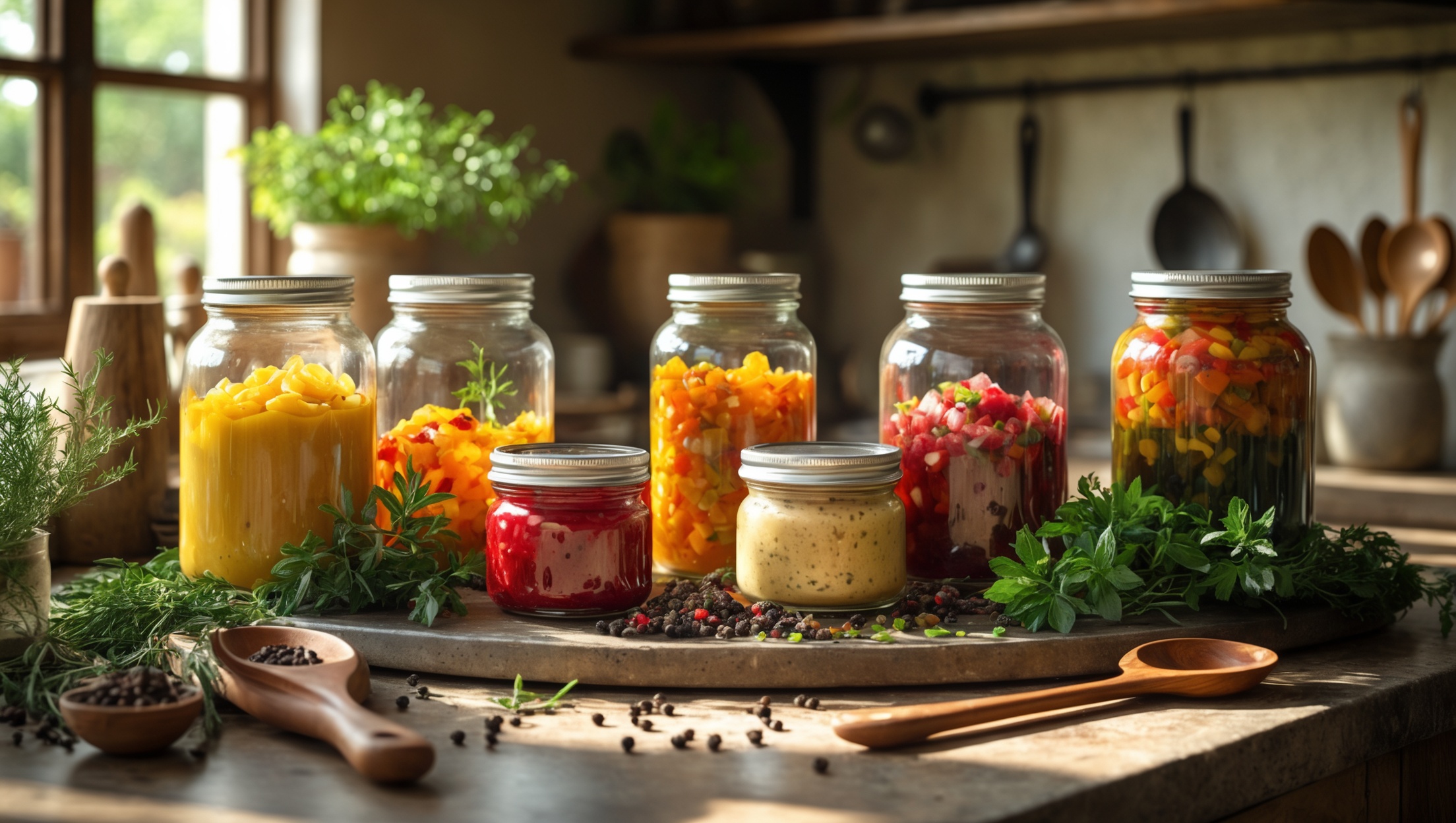
- Glass Jars with Airtight Lids: For storing completed salts, maintaining freshness, and preventing moisture.
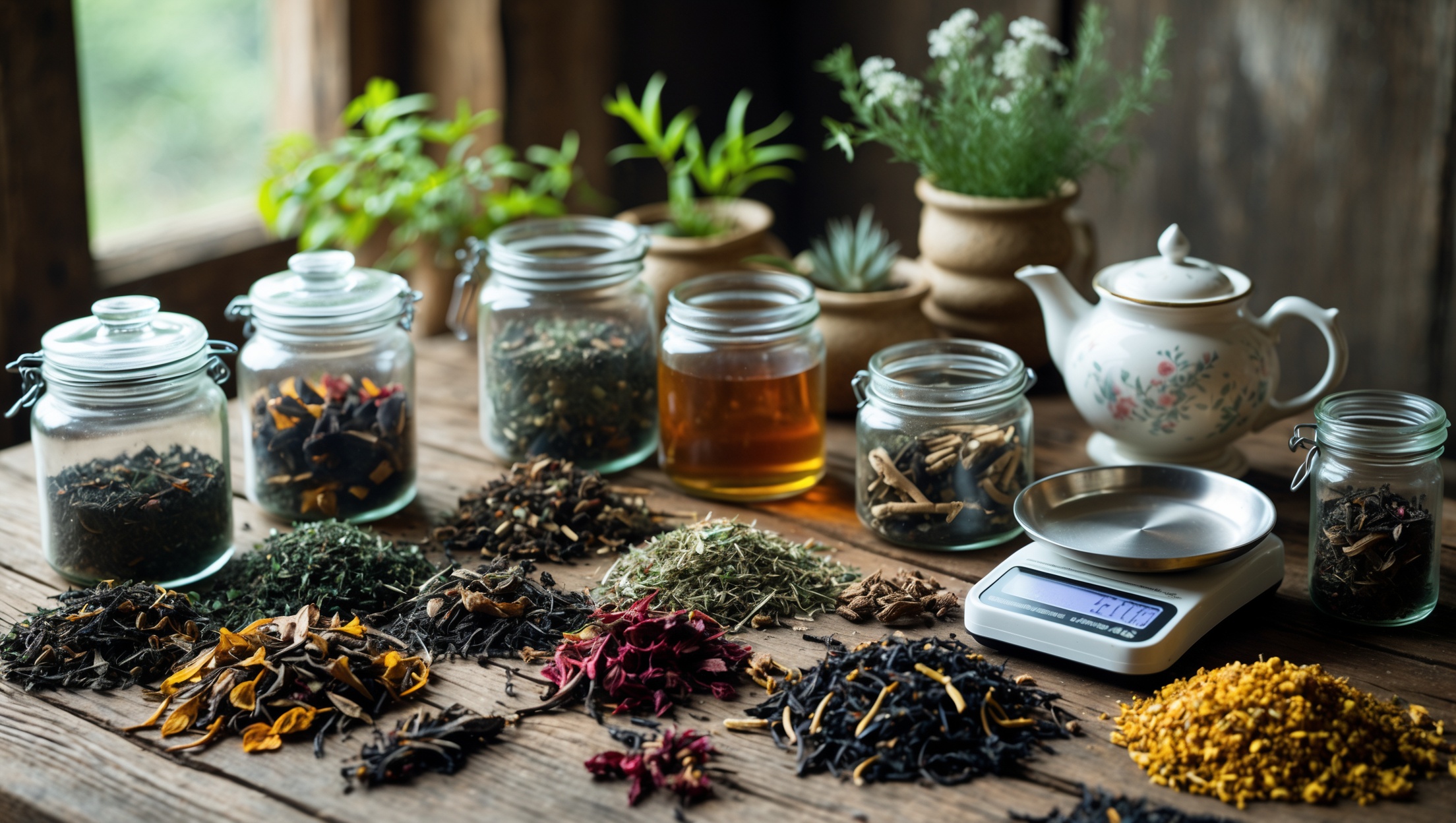
- Measuring Spoons and Digital Scale: For accuracy and repeatability, especially if developing your own signature blends.
Optional Tools for Advanced Craft
- Dehydrator: Ideal for drying fresh herbs, citrus, or vegetables before incorporating into salt, preserving maximum flavor.
- Vacuum Sealer: For long-term storage or giving gourmet salts as gifts with optimal shelf life.
Flavor Inspirations: Pairing Ideas for Every Palate
Herbal Infusions
Fresh or dried herbs offer endless possibilities. Consider these classic combinations:
- Rosemary-Lemon Salt: Perfect for poultry, potatoes, or focaccia.
- Thyme-Garlic Salt: Adds depth to roasted meats and vegetables.
- Basil-Chili Salt: A lively twist for grilled seafood or sweet corn.
Citrus and Spice Blends
Citrus zests add brightness, while spices bring warmth and complexity:
- Lime-Chili Salt: A must for rimming cocktail glasses or seasoning grilled shrimp.
- Orange-Cardamom Salt: Incredible on roasted carrots or sprinkled over dark chocolate desserts.
- Lemon-Pepper Salt: A versatile classic for fish, eggs, and fresh vegetables.
Umami-Rich and Smoky Blends
Add bold, savory flavors with these ingredients:
- Porcini Mushroom Salt: Earthy, perfect for risotto or finishing steaks.
- Smoked Paprika Salt: For grilled meats, roasted nuts, or popcorn.
- Black Garlic Salt: Adds deep, caramelized notes to vegetables and noodles.
Floral and Sweet Accents
For finishing desserts or delicate cheeses, consider:
- Lavender-Vanilla Salt: Lovely on shortbread or goat cheese.
- Rose-Pistachio Salt: Exotic on dark chocolate or fruit salads.
Infusion Techniques: Step-by-Step Methods for Maximum Flavor
Dry Infusion (with Dried Ingredients)
- Combine dried herbs, spices, or citrus zest with salt in a mortar and pestle or spice grinder.
- Grind until evenly mixed and desired texture is achieved.
- Spread the blend on parchment and let it air dry for 24 hours to prevent clumping.
- Sift through a fine mesh sieve to remove large particles if needed.
Fresh Infusion (with Fresh Ingredients)
- Finely chop or zest fresh herbs or citrus. Toss with coarse salt until evenly coated.
- Spread the mixture in a thin layer on a parchment-lined baking sheet.
- Dry in a low oven (180°F/80°C) for 1–2 hours, stirring occasionally until completely dry.
- Cool, then break up any clumps in a mortar and pestle.
Cold Infusion (for Subtle Aromatics)
- Layer salt and aromatics (such as fresh bay leaves, citrus peels) in a sealed jar.
- Allow to infuse for 2–4 weeks, shaking occasionally. Remove aromatics before use.
Balancing Flavor: Ratios, Tasting, and Troubleshooting
General Ratios
- For dried ingredients: 1 tablespoon flavoring per 1/2 cup salt.
- For fresh infusions: 2–3 tablespoons fresh ingredient per 1/2 cup salt (to account for moisture loss).
Tasting and Adjusting
After blending, taste a pinch of your salt on a neutral base (plain bread or rice). Adjust ratios incrementally, as flavors intensify over time. For assertive spices (like chili or pepper), start with less and build up.
Common Mistakes and Fixes
- Clumping: Ensure ingredients are fully dried before storage. If clumps form, re-dry and re-grind.
- Muted Flavors: Use fresher, more potent aromatics, or increase the ratio slightly and re-infuse.
- Bitter Notes: Remove bitter pith from citrus, avoid burning herbs in the oven.
Storage Mastery: Preserving Aroma and Texture
Choosing the Right Container
Use small, airtight glass jars. Mason jars, spice jars, or Weck jars with rubber gaskets work well. Avoid plastic, as it can absorb aromas and transfer off-flavors.
Optimal Storage Conditions
- Store in a cool, dry place away from direct sunlight to prevent clumping and color fading.
- Label jars with blend and date. Most infused salts are best used within 6 months for peak flavor, though they remain safe and usable much longer.
- For humid environments, add a few grains of uncooked rice or a food-safe desiccant packet to each jar to absorb moisture.
Gift and Presentation Tips
- Small glass jars or test tubes make elegant gifts. Include a label with suggested uses and a best-by date.
- Layered salts with visible herbs or spices are visually appealing—choose coarser salts for maximum effect.
Seasonal Inspiration: Crafting Salts for Every Occasion
Spring and Summer
- Lemon-Basil Salt: Ideal for seasonal greens, grilled vegetables, or garden tomatoes.
- Dill-Cucumber Salt: Refreshing for cold salads and seafood.
Autumn and Winter
- Sage-Orange Salt: Perfect for roast turkey, root vegetables, or savory baking.
- Rosemary-Smoked Salt: Adds warmth to hearty stews and winter roasts.
Creative Uses: How to Elevate Everyday Cooking
- Finish grilled meats, roasted vegetables, or fresh salads with a specialty salt for instant flavor lift.
- Rim the glass of cocktails (like margaritas or Bloody Marys) with a custom blend for added aroma and color.
- Sprinkle over chocolate, caramel, or ice cream for a sweet-salty twist.
- Mash into butter or olive oil for a quick, flavored spread or dipping oil.
- Add to homemade bread doughs, crackers, or flatbreads for a gourmet touch.
Compliance and Food Safety Considerations
While homemade infused salts are generally low-risk, always:
- Use only food-safe, clean equipment and containers.
- Thoroughly dry fresh ingredients to prevent microbial growth.
- Label jars with all ingredients, especially if gifting (allergy awareness).
- For professional or commercial sales, check local food safety regulations and cottage food laws regarding shelf-stable flavored salts.
Conclusion: A Flavorful Journey Worth Mastering
Infusing gourmet salts at home is more than a DIY project—it’s an invitation to discover new flavors, connect with the seasons, and personalize your cooking with effortless elegance. By selecting the right base salts, equipping your kitchen with the proper tools, and mastering infusion techniques, you can transform simple meals into memorable culinary experiences. The beauty of infused salts lies in their versatility and adaptability: you can tailor blends to highlight the freshest herbs from your garden, capture the zest of citrus at its peak, or layer in the earthy complexity of wild mushrooms and spices. With proper storage and a bit of creativity, your kitchen will always be stocked with vibrant, aromatic blends ready to elevate any dish. Whether you’re seeking practical, everyday upgrades or crafting beautiful, edible gifts, the art of infused salts is a gateway to refined, flavorful living. Embrace the process, experiment boldly, and let your taste tell the story. Your next meal—and your guests—will thank you.