
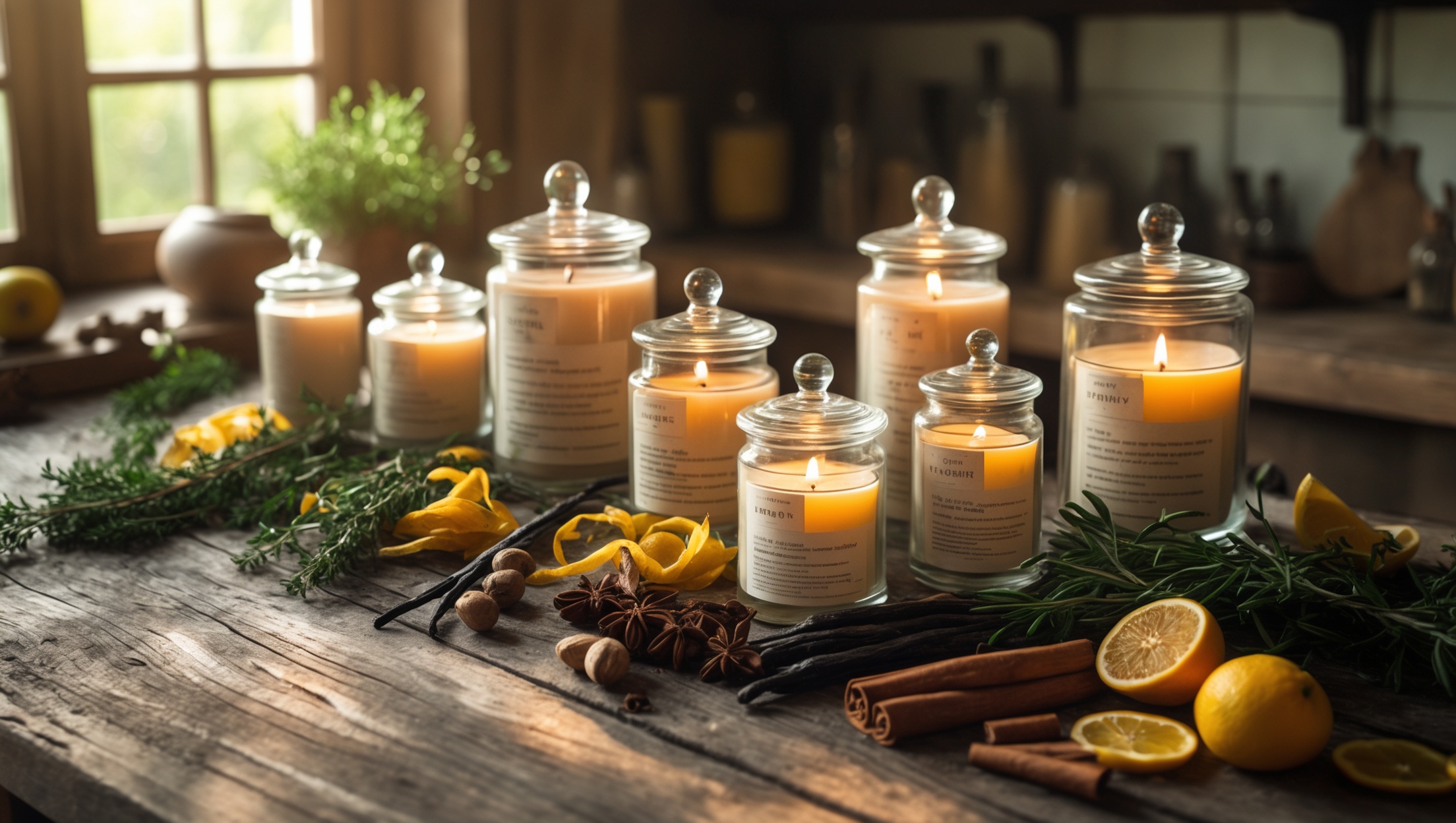
Introduction: Scented Storytelling—Bringing Kitchen Aromas into Candle Craft
Imagine stepping into a home where the air is laced with the comforting warmth of freshly baked bread, the zest of lemon peel, or the soothing herbal notes of rosemary and basil—without a single pan on the stove. Culinary candle making is a rising craft that transforms beloved kitchen scents into beautiful, hand-poured wax creations, allowing food lovers to evoke favorite culinary memories and moods with a simple flicker of a flame. This creative pursuit bridges the gap between the culinary and artisan worlds, offering both a sensory journey and a sophisticated lifestyle accent for kitchens, dining rooms, and entertaining spaces.
In this comprehensive guide, we’ll explore the art and science of infusing natural food aromas into handcrafted candles, from essential tools and cost considerations to expert scent-blending techniques, compliance tips, and creative inspiration. Whether you’re a passionate home cook seeking to extend your love of food beyond the plate, or a craft enthusiast searching for a new aromatic adventure, culinary candle making delivers endless opportunity for self-expression, gifting, and even micro-business startups. Let’s dive into the delicious world where kitchen culture meets wax artistry.
Why Culinary Candles? The Allure of Edible-Inspired Scents
Candles have long been used to create mood and ambiance, but culinary-inspired candles add a new dimension, evoking nostalgia, warmth, and appetite. These candles do more than scent a room—they tell a story. Imagine a candle that smells of fresh basil and sun-ripened tomatoes, reminiscent of an Italian trattoria, or one that captures the cozy comfort of cinnamon, clove, and vanilla, transporting you to holiday baking sessions. Culinary candles are perfect for:
- Elevating kitchen and dining spaces: Complement mealtimes and gatherings with matching or contrasting aromas.
- Gifting: Homemade culinary candles make thoughtful, personal presents for food lovers.
- Event ambiance: Set the scene for dinner parties, tastings, or wine nights with themed scents.
- Micro-business opportunities: Unique candle scents cater to specialty markets and food-centric audiences.
But crafting candles that truly capture the nuance of kitchen aromas requires more than just adding a few drops of oil to wax. Let’s examine the building blocks of culinary candle artistry.
Essential Tools and Ingredients for Culinary Candle Making
Wax Selection: The Foundation of Scent Throw
The type of wax you choose impacts scent throw (how well a candle disperses aroma), burn time, and artistic finish. For culinary candles, prioritize natural waxes that pair well with essential oils and food-safe fragrance additions:
- Soy wax: Clean-burning, excellent scent throw, easy to work with.
- Coconut wax: Holds fragrance exceptionally well, luxurious creamy texture.
- Beeswax: Subtle honey scent, pairs beautifully with herbal and spiced aromas.
Wicks: Choosing the Right Size and Material
Wick choice affects how evenly your candle burns and how much fragrance is released. Choose:
- Cotton wicks: Natural, reliable, widely compatible.
- Wood wicks: Add a gentle crackle and rustic visual appeal—great for kitchen-themed ambiance.
Always match wick size to the diameter of your vessel for optimal performance.
Vessels: From Mason Jars to Vintage Glassware
Culinary candles look best in kitchen-inspired containers. Consider:
- Mason jars for farmhouse charm.
- Vintage tea cups or ramekins for refined, one-of-a-kind gifts.
- Recycled glass jars for eco-friendly appeal.
Fragrance Sources: Culinary Grade Scents
For the safest and most authentic kitchen-inspired aromas, use:
- Essential oils: Pure extracts from citrus peels, herbs, and spices (e.g., lemon, rosemary, clove, cinnamon, basil).
- Food-grade flavor oils: Used sparingly—ensure they are safe for candle use and free of synthetics that release toxins when burned.
- Whole botanicals: Dried citrus peel, herbs, or spices can infuse wax or be used decoratively, but check for safe burning compatibility.
Other Must-Have Tools
- Candle thermometer (precise temperature control is key for scent retention)
- Pouring pitcher (heat-resistant, with a spout for easy filling)
- Stirring utensils (dedicated for candle making)
- Wick centering tools or sticks
- Digital scale (for measuring wax and fragrance accurately)
- Labels and warning stickers (for compliance and gifting)
Cost Breakdown: Budgeting for Artisan Culinary Candles
One-Time Investments
- Starter candle kit: $40–$80 (includes wax, wicks, thermometer, pouring pitcher, and basic tools)
- Reusable vessels: $2–$8 each, or free if upcycling jars from your own kitchen
Ongoing Ingredient Costs (Per Batch of 4–6 Candles)
- Wax: $8–$12
- Essential oils and/or flavor oils: $10–$20 (varies by quality and quantity)
- Wicks: $1–$2
- Labels and packaging: $2–$5 (optional, for gifting/business)
On average, homemade culinary candles cost $4–$8 each—significantly less than specialty store-bought candles, which can retail for $18–$40 per candle. Bulk buying and upcycling vessels further reduce costs. If selling, factor in local craft fair fees, e-commerce platform charges, and shipping materials.
Step-by-Step Tutorial: Crafting Your First Culinary Candle
1. Prepare Your Workspace
Work in a well-ventilated area. Cover surfaces with newspaper or parchment. Gather all ingredients and tools before starting.
2. Measure and Melt Wax
- Determine the volume needed for your chosen vessel(s).
- Weigh the wax (e.g., 1 pound fills four 8-oz jars).
- Melt wax in a double boiler or dedicated pouring pitcher over gentle heat.
- Monitor temperature with a thermometer—most soy and coconut waxes melt between 120–180°F (49–82°C).
3. Prepare Vessels and Wicks
- Secure wicks to the bottom center of each container using a dab of melted wax or adhesive sticker.
- Center the wick at the top using a wick holder, chopstick, or clothespin.
4. Blend Fragrance
- Allow melted wax to cool slightly (to 140–160°F / 60–71°C) before adding fragrance—hotter temperatures can burn off delicate aromas.
- Add essential oils or culinary flavor oils. General ratio: 1 oz fragrance per 1 lb wax. Adjust for strength and safety—check manufacturer guidelines for maximum safe load.
- Stir gently but thoroughly for even distribution.
5. Pour and Set
- Carefully pour scented wax into prepared containers, leaving 1/2 inch at the top.
- Let cool undisturbed. Avoid moving candles during setting to prevent cracks or uneven surfaces.
6. Cure and Finish
- Allow candles to cure for 48–72 hours for optimal scent throw.
- Trim wicks to 1/4 inch before first lighting.
- Add labels with scent notes and safety instructions.
Expert Scent Blending: Culinary Combos That Work
Classic Kitchen Pairings
- Lemon & Thyme: Bright and herbal, perfect for kitchens and summer tablescapes.
- Orange & Clove: Warm, spicy, and reminiscent of mulled cider.
- Basil & Tomato Leaf: Evokes late summer gardens and rustic Italian cuisine.
- Vanilla & Cinnamon: Comforting, homey, and universally appealing.
Modern, Refined Blends
- Fig & Black Pepper: Fruity with a peppery twist—sophisticated and unexpected.
- Cardamom & Pear: Sweetly spiced, elegant for dinner parties.
- Grapefruit & Rosemary: Zesty, herbal, and energizing.
- Sage & Brown Butter: Rich, savory notes for autumn and winter ambiance.
Tips for Successful Blending
- Start with a base note (e.g., vanilla, sandalwood), add a middle (herb or spice), and a top note (citrus or fruit).
- Keep total fragrance load below 10% of wax weight for safety and optimal burning.
- Test scent strength by making small sample candles before large batches.
Compliance and Safety: What Every Culinary Candle Maker Must Know
Ingredient Safety
Never use extracts, oils, or botanicals that are not specifically labeled as safe for candle use. Some food extracts (e.g., pure vanilla extract or high-sugar botanicals) can combust or produce harmful fumes. Rely on essential oils and food-grade oils tested for candle making.
Labeling and Liability
- Include warning labels (“Burn within sight. Keep away from flammable objects. Keep out of reach of children and pets.”).
- List all fragrance ingredients if selling or gifting, in case of allergies.
- For sales, check local regulations on candle labeling and fire safety compliance.
Fire Safety Checklist
- Use only non-flammable, heat-resistant containers.
- Never overfill vessels—leave space at the top to prevent spills.
- Test-burn each scent and vessel combination to ensure even melting and safe flame height.
Creative Presentation: Elevating the Culinary Candle Experience
Decorative Touches
- Garnish the tops with dried citrus slices, sprigs of rosemary, or star anise (ensure safe burning—keep decorations away from the wick).
- Wrap vessels with twine, wax paper, or fabric scraps for a rustic, artisanal feel.
- Attach handwritten tags with scent descriptions and pairing suggestions (e.g., “Pairs beautifully with Sunday brunch”).
Pairing Candles with Meals and Occasions
- Brunch: Grapefruit-rosemary or lemon-thyme candles to brighten morning tables.
- Holiday gatherings: Orange-clove or cinnamon-vanilla candles for cozy, festive vibes.
- Dinner parties: Fig-black pepper or sage-brown butter for sophisticated, layered ambiance.
Maintenance and Best Practices: Keeping Your Craft Safe and Satisfying
- Store unused wax and oils in cool, dark places to preserve aroma integrity.
- Clean utensils and pouring vessels thoroughly between batches to prevent scent contamination.
- Test-burn each new blend and vessel combination—note burn time, scent throw, and appearance for future reference.
- Rotate your scent selection seasonally to reflect fresh culinary inspiration (e.g., citrus in spring, baking spices in winter).
Conclusion: Savoring the Craft—From Kitchen to Candlelight
Culinary candle making is more than a hobby—it’s a new way to celebrate the stories, traditions, and flavors that fill our kitchens and lives. Each candle you craft becomes a vessel for memory, mood, and artistry, inviting you—and those you share them with—to savor the essence of home, heritage, and creativity. Whether you love the herbal freshness of your summer garden, the comforting sweetness of winter baking, or the bright zest of fresh citrus, the possibilities for aromatic storytelling are endless.
As you experiment with scent pairings, vessel designs, and presentation, you’ll not only enhance your own living spaces but also cultivate a deeper appreciation for the craftsmanship behind every culinary and aromatic experience. With attention to detail, safety, and creative flair, you can craft culinary candles that are as unique and memorable as your favorite recipes. Light a wick, breathe in, and let your kitchen’s story unfold in wax and flame.
Ready to scent your world the gourmet way? Gather your favorite kitchen aromas, embrace the process, and become a storyteller—one candle at a time.
I’m really interested in trying out culinary candle making, especially with scents like rosemary and basil, but I’m wondering if there are any food-based fragrances that don’t work well with wax or might go bad over time? Are there certain kitchen aromas you’ve found to be tricky or best avoided?
When making culinary candles, it’s best to avoid using actual food items or extracts containing water or perishable oils, as these can spoil or go rancid in the wax. Scents like garlic, onion, or dairy-based aromas tend to be unpleasant when burned and don’t translate well to candles. Stick with high-quality, oil-based fragrance oils or essential oils for herbs like rosemary and basil, and always test a small batch first to ensure the scent holds up over time.
I’m curious about the scent-blending process you mentioned. Are there any food aromas that don’t work well when infused into candles, or that might react strangely with wax? How do you test which kitchen scents are safe and pleasant to burn?
Some kitchen aromas, like fish, cabbage, or strong garlic, tend to produce unpleasant or overpowering scents when infused into candles and can even interact oddly with wax. We generally avoid these and focus on more universally appealing scents like vanilla, citrus, or herbs. To test safety and enjoyment, we make small test batches and burn them in a controlled environment, evaluating both the cold and hot throw and checking for any off-putting smells or wax discoloration.
When it comes to sourcing natural food aromas for candle making, is it more cost-effective to use essential oils or should I consider making my own infusions? I’m curious about the budget differences for beginners.
For beginners, using essential oils can be more straightforward but sometimes costly, especially with specialty food scents. Making your own infusions from kitchen herbs, spices, or citrus peels is often cheaper and lets you experiment with unique aromas. However, infusions require extra time and a bit of trial and error. If your budget is tight and you enjoy DIY projects, homemade infusions could be the more cost-effective option.