
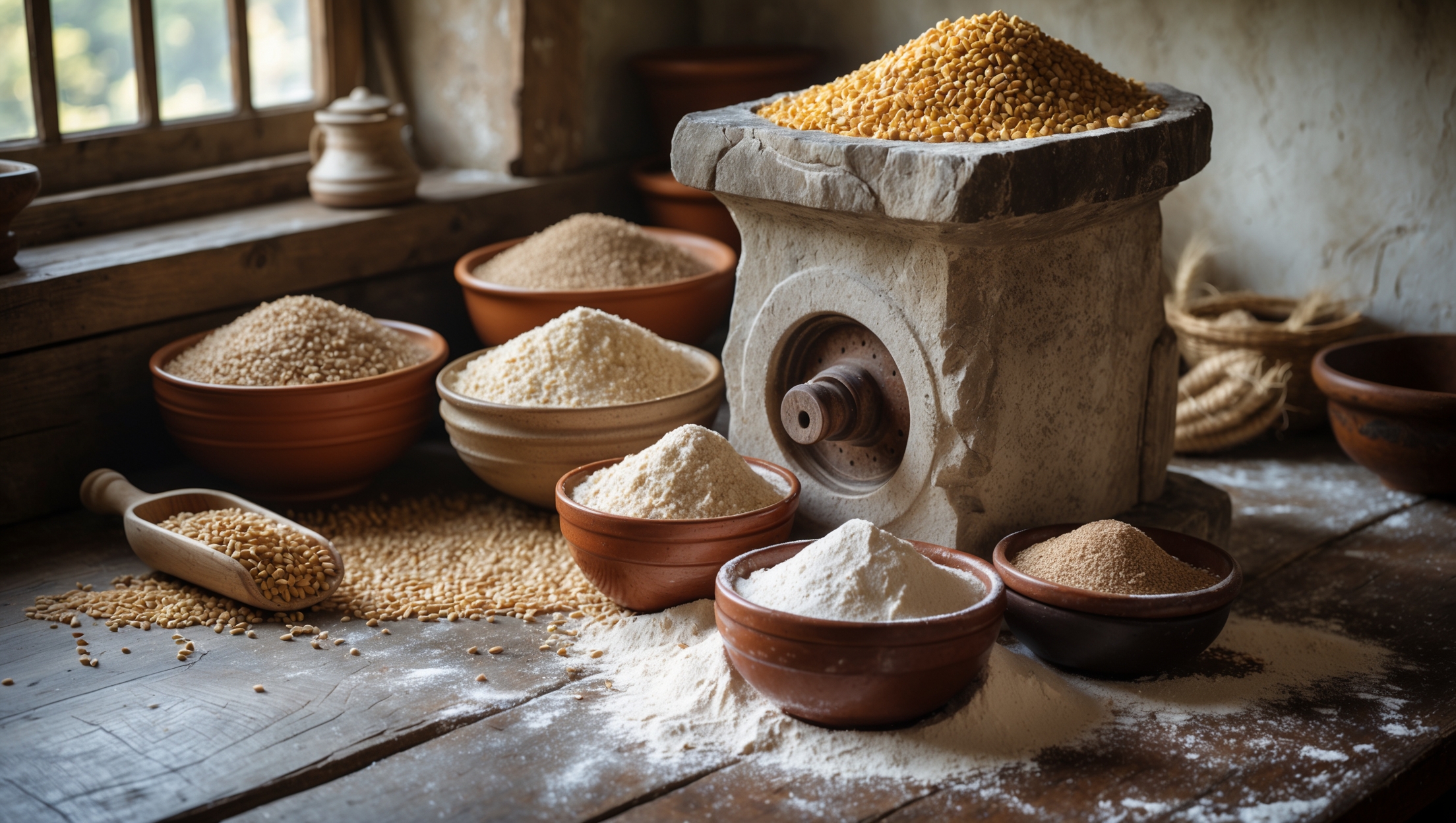
Introduction: Rediscovering the Craft of Home Flour Milling
In an era where convenience foods dominate supermarket shelves, a quiet revolution is taking place among passionate home bakers and culinary explorers: the art of home flour milling. Milling your own flour isn’t just a nod to tradition—it’s a powerful way to elevate the flavor, nutrition, and creativity of your baking. Whether you’re striving for the perfect sourdough crumb, seeking to experiment with ancient grains, or simply want to know exactly what goes into your bread, home-milled flour offers a world of possibility. But mastering this craft takes more than curiosity; it requires the right tools, knowledge of grain varieties, awareness of seasonal sourcing, and smart budgeting. In this comprehensive guide, we’ll walk you through everything you need to know to start or refine your home flour milling journey, from selecting your first mill to sourcing grains at their seasonal peak and integrating cost-saving strategies without compromising quality. Unlock the secrets that professional bakers and culinary artisans have cherished for centuries, and discover how home milling can transform your baking and deepen your connection to the foods you create.
Why Mill Your Own Flour? Flavor, Nutrition, and Creative Control
The Freshness Factor
Freshly milled flour contains volatile oils and nutrients that begin to degrade within days of milling. Commercial flours are often months old by the time they reach your pantry, leading to diminished flavor and nutritional value. Milling at home lets you unlock the complex, aromatic notes of wheat, rye, spelt, and other grains—notes often lost in pre-milled flour.
Nutritional Advantages
Whole grains are packed with vitamins, minerals, and fiber. Home milling ensures the bran and germ remain intact, maximizing the flour’s health benefits. In contrast, many store-bought flours strip away these components for longer shelf life.
Creative and Culinary Freedom
With your own mill, you can experiment with blends, adjust coarseness, and incorporate unique grains—emmer, einkorn, buckwheat, and more—into your recipes. This flexibility opens doors to new textures and flavors, letting you tailor your flour to each bake.
Essential Tools: Choosing the Right Mill for Your Kitchen
Manual Mills
- Pros: Affordable, reliable, no electricity required. Ideal for small batches or occasional milling.
- Cons: Labor-intensive, may not achieve ultra-fine results. Not ideal for high-volume bakers.
- Best for: Experimenters, hikers, off-grid bakers, and those with limited kitchen space.
Electric Mills
- Pros: Fast, efficient, consistent results. Can handle larger quantities with ease.
- Cons: More expensive, require electricity, take up more counter space.
- Best for: Frequent bakers, families, and those looking to mill a variety of grains regularly.
Attachment Mills
- Some stand mixers (e.g., KitchenAid) offer grain mill attachments. These are convenient for small-batch milling and save space.
- Performance varies, especially with hard grains.
Stone vs. Burr vs. Impact Mills
- Stone Mills: Traditional and gentle, ideal for preserving nutrients and flavor. Require periodic cleaning.
- Burr Mills: Use steel or ceramic burrs for even grinding. Durable and versatile.
- Impact Mills: Very fast, produce fine flour, but can heat the grain and affect flavor.
Recommended Tools & Accessories
- Sifter: For customizing flour texture and removing large bran particles.
- Airtight storage containers: To keep flour and grains fresh.
- Digital scale: For precise recipe measurements.
- Brushes: For cleaning mill mechanisms and preventing buildup.
Seasonal Grain Sourcing: Finding the Best Grains All Year
Understanding Grain Seasons
Grains, like fruits and vegetables, have seasons. Wheat is generally harvested in late summer, while rye and spelt can vary by region. Buying freshly harvested grains ensures maximum freshness and flavor in your flour.
Where to Source Whole Grains
- Local Farms & Farmers’ Markets: Build relationships with growers for unique heirloom varieties and fresher product.
- Regional Mills: Many offer direct-to-consumer whole grains, often organically grown.
- Online Retailers: Specialty shops like Azure Standard, Breadtopia, and Barton Springs Mill offer diverse grain options and ship nationwide.
- Cooperatives & CSAs: Some food co-ops and Community Supported Agriculture programs offer bulk grains in season.
Storing Whole Grains
Once purchased, store grains in a cool, dry place in airtight containers. For long-term storage, consider food-grade buckets with oxygen absorbers. Proper storage prevents rancidity and pest infestation, preserving grain quality until you’re ready to mill.
Seasonal Grain Checklist
- Wheat: July–September (peak harvest)
- Rye: Late summer to early fall
- Spelt: Early fall
- Barley: Late summer
- Oats: Summer to early fall
- Buckwheat: Late summer
Cost Breakdown: Budgeting for Home Flour Milling
Initial Setup Costs
- Manual Mills: $50–$160
- Electric Mills: $200–$700+
- Attachments: $90–$250
- Accessories (sifters, containers): $20–$60
Ongoing Costs
- Whole Grains: $1–$4 per pound, depending on variety and source. Bulk purchases offer savings.
- Maintenance: Occasional replacement of stones/burrs or minor repairs ($20–$80 every few years).
- Electricity: Minimal for home use (typically less than $5/month even for frequent bakers).
Cost-Saving Strategies
- Buy grains in bulk during harvest season for discounts.
- Share large orders with friends or neighbors.
- Choose versatile mills that can handle multiple grain types to reduce future upgrades.
- Maintain your mill properly to extend its lifespan (see maintenance section below).
Comparing to Store-Bought Flour
Premium whole grain flours cost $4–$8 per pound at retail, while home-milled flour (from bulk grain) often comes in at $1–$2 per pound, even after factoring in equipment amortization over several years. The flavor and nutritional upgrade: priceless.
Step-by-Step: Milling and Baking with Freshly Milled Flour
1. Select and Prepare Your Grains
- Inspect grains for stones or debris.
- Rinse and dry if needed (some grains may have dust or chaff).
2. Set Up Your Mill
- Read the manufacturer’s instructions for assembly, grain type, and coarseness settings.
- Ensure the mill is clean and dry.
3. Mill the Grain
- Add whole grains to the hopper.
- Adjust settings for desired fineness (bread flours are finer, while rustic loaves or polenta may use a coarser grind).
- Collect flour in a clean, dry bowl. Sift if desired.
4. Store or Use Immediately
- Use flour within 24–48 hours for peak flavor and nutrition.
- If storing, seal in an airtight container and refrigerate or freeze to prevent rancidity.
5. Adjust Your Recipes
Freshly milled flour absorbs more water. Start with 10–15% more hydration in bread recipes, and be prepared to experiment. Flavor may be more pronounced—enjoy the difference!
Beginner Mistakes to Avoid When Home Milling
- Overloading the mill: Milling too much at once can strain the motor or clog manual mills.
- Skipping cleaning: Residual grains can go rancid or attract pests.
- Ignoring grain quality: Old, musty, or buggy grains yield poor flour and flavor.
- Using the wrong settings: Milling too fine with hard grains can overheat the flour and the mill.
- Failing to adjust recipes: Fresh flour behaves differently from commercial flour—hydration and proofing times may need tweaking.
Maintenance Best Practices: Keeping Your Mill in Top Shape
- Follow the manufacturer’s cleaning instructions after every use.
- Store mills in a dry area to prevent rust or mold.
- Periodically check stones or burrs for wear and replace as needed.
- Lubricate moving parts if recommended by the manufacturer.
- Run a small batch of rice through the mill to help clean out lingering oils or flavors from previous grains.
Safety Checklist for Home Flour Milling
- Keep fingers and utensils away from moving parts.
- Unplug electric mills before cleaning.
- Secure the mill on a stable, flat surface to prevent tipping.
- Inspect grains for foreign objects before milling.
- Allow the mill to cool between large batches if it becomes warm to the touch.
Myths and Misconceptions About Home Milling
- Myth: Home-milled flour is always gritty or coarse.
Reality: Modern mills can produce fine, cake-quality flour with the right settings. - Myth: Milling is only for bread bakers.
Reality: Fresh flour improves everything from pancakes and pasta to cookies and cakes. - Myth: It’s not worth the effort unless you bake daily.
Reality: Even occasional bakers can benefit from fresher, tastier results.
Advanced Tips: Blending Grains and Experimenting with Recipes
- Try blending two or three grains for unique flavors (e.g., wheat and rye, spelt and einkorn).
- Mill small amounts of herbs or seeds (like flax or sesame) for custom flour blends.
- Adjust hydration and fermentation times; whole grain flours often ferment faster due to increased enzyme activity.
- Document your experiments—note which blends and settings yield your favorite results.
Conclusion: Embracing the Flour Power of Home Milling
Home flour milling is more than a kitchen hobby—it’s a meaningful return to the roots of culinary craft. By taking control of the humble grain, you empower yourself to create breads, pastries, and pastas that truly reflect your tastes and values. You’ll taste the difference in every loaf and discover a new appreciation for the nuances of grain, season, and terroir. The up-front investment in a quality mill and whole grains quickly pays off, both in cost savings and in the satisfaction of nourishing yourself and your loved ones with food made from the freshest possible ingredients. Whether you’re a seasoned baker or just starting your journey, milling at home lets you join a lineage of artisans who prize flavor, health, and creativity. So source some freshly harvested grains, choose your mill, and start experimenting—the world of flour is richer and more rewarding than you ever imagined. Happy milling, and happy baking!




As a parent new to baking from scratch, I’m overwhelmed by the variety of grain mills available. For a family that bakes a couple times a week, what should I prioritize when choosing my first mill—ease of use, price, or the types of grains it can handle?
For a family baking a few times a week, ease of use and versatility are key. Look for a mill that’s simple to clean and operate, and can handle a range of common grains like wheat, spelt, and rye. Electric mills save time and effort. While price matters, investing a bit more in a reliable, user-friendly model will pay off in convenience and better baking results.
I’m curious about the cost-saving strategies mentioned for sourcing grains at their seasonal peak. Have you found certain times of year or specific outlets in the US where high-quality grains are significantly more affordable?
Yes, the article highlights that buying grains right after harvest, usually late summer to early fall, can yield better prices due to peak supply. Local farmers’ markets, regional grain co-ops, and even some farm supply stores often offer fresh, high-quality grains at lower costs during this period. Bulk purchasing directly from growers or community-supported agriculture (CSA) programs is another way to save money while ensuring freshness.
I am really interested in the nutritional benefits you mention, but I am wondering how home-milled flour compares to commercial whole wheat flour in terms of shelf life and storage. Do you have recommendations for how to properly store freshly milled flour and for how long it stays fresh before losing quality?
Home-milled flour is more perishable than commercial whole wheat flour because it retains the natural oils from the bran and germ, which can cause it to spoil faster. For best results, store freshly milled flour in an airtight container in the refrigerator for up to 2 weeks or in the freezer for up to 3 months. This helps preserve freshness and prevent rancidity. Ideally, grind only what you need for short-term use to maximize its nutritional value and flavor.
I’m curious about the process of integrating cost-saving strategies for home milling without sacrificing quality. What are some practical tips or mistakes to avoid when budgeting for the necessary equipment and grain purchases?
When budgeting for home milling, buy grains in bulk from local farms or co-ops—they’re often fresher and cheaper. Prioritize a reliable, mid-range grain mill rather than the most expensive model, as quality doesn’t always rise with price. Avoid buying trendy but unnecessary accessories at first. Also, store grains properly in cool, dry places to prevent spoilage and waste, which directly affects your overall costs.
I’m interested in experimenting with ancient grains, as mentioned here. Are there any particular varieties you recommend starting with for beginners, especially in terms of flavor profile and ease of milling?
For beginners, spelt and einkorn are excellent ancient grains to try. Spelt has a mild, slightly nutty flavor and is relatively easy to mill. Einkorn offers a delicate, sweet taste and works well in breads and pastries. Both are less dense than some other ancient grains, making them easier to work with and a good introduction to home milling.
When it comes to sourcing grains at their seasonal peak like the article suggests, are there certain types of grains that are easier to find fresh in the US, especially if you’re just starting out?
Wheat is typically the easiest grain to source fresh in the US, especially for beginners. Hard red winter wheat and hard white wheat are widely grown and often available soon after harvest, which is usually in midsummer. Other grains like rye and spelt can also be found seasonally, but wheat is the most accessible through local mills, farmer’s markets, and co-ops.
I’m curious about the different types of home mills you recommend for beginners. Are there certain features or brands that are better suited for someone who wants to experiment with a few different grains without spending a ton upfront?
For beginners, hand-crank mills and small electric mills are both solid choices. Hand-crank models like the Victoria or WonderMill offer affordability and let you try grinding small batches of different grains. If you prefer electric, the NutriMill Mini or Mockmill 100 are popular for their ease of use and ability to handle various grains. Look for models with adjustable grind settings and easy cleaning. Starting with an entry-level model helps you experiment without a big investment.
I’m new to home milling and trying to figure out which mills are best for beginners who want to experiment with ancient grains as well as standard wheat. Are there certain models or features you’d suggest prioritizing for someone on a moderate budget?
For beginners interested in both ancient grains and standard wheat, look for mills with adjustable settings for different textures and the ability to handle harder grains. Burr or stone mills are often recommended for versatility. Models like the Mockmill 100 or NutriMill Harvest are user-friendly and work with a range of grains, while staying moderately priced. Prioritize a mill with easy cleaning and good durability for hassle-free experimenting.
When picking out a first home mill, what should a beginner prioritize? I’m torn between electric and manual options and want to make sure I’m not missing anything important for flavor retention and everyday use.
For a beginner, consider how often you’ll be milling and how much effort you want to invest. Electric mills are faster and more convenient for regular use, while manual mills offer more control and are quieter but require more effort. Both types can produce flavorful flour, but electric models often have adjustable settings for texture. Prioritize ease of cleaning, durability, and how fine or coarse you want your flour. Also, think about storage space and budget.
As someone who tries to buy grains seasonally, I’m wondering how much that really impacts the final bread flavor. Have you noticed any significant differences in taste or texture when using grains sourced at their peak compared to off-season options?
Seasonally sourced grains can make a noticeable difference, especially in flavor. Grains harvested at their peak are usually fresher and may retain more of their natural oils and subtle flavors, which can come through in your bread. You might notice a slightly sweeter or richer taste and sometimes a softer crumb. Off-season grains tend to lose some of these qualities, resulting in milder flavors and potentially a drier texture.
I’m really interested in the idea of seasonal grain sourcing mentioned here. How do you find local or regional grain suppliers throughout the year, especially if you live somewhere without many options? Is there a best time to buy in bulk for better prices or freshness?
To find local or regional grain suppliers year-round, check farmers markets, food co-ops, and community-supported agriculture groups. Many small mills and farms will ship directly, so it’s worth contacting them online. For the freshest and sometimes most affordable grains, late summer through early fall is best, as that’s when most harvests happen and bulk buying is often available. Some suppliers also offer bulk discounts right after harvest.
I’d love to know more about the practical side of seasonal sourcing for grains. Are there specific times of year when certain grains are freshest or more affordable? How do small business owners usually handle storage for seasonally sourced grains to keep them from spoiling?
Seasonal sourcing for grains often means the freshest options are available just after harvest—wheat is typically harvested in late summer to early fall, while rye and barley may vary by region. Prices can be lower during harvest when supply peaks. Small business owners usually manage storage by using cool, dry, airtight containers or bins, sometimes with food-safe oxygen absorbers, and keeping grains in a dedicated, climate-controlled area to prevent spoilage from heat, pests, or moisture.
I’m just starting to look into home flour milling, and I’m a little unsure about how to actually find good grains when they’re in season. Does the article have tips on how to track what grains are at their seasonal peak and where to source them locally?
The article does touch on seasonal sourcing. It suggests connecting with local farmers markets, co-ops, or community-supported agriculture (CSA) programs to find freshly harvested grains. It also recommends talking directly with local growers, as they can tell you when different grains are harvested in your region. Keeping an eye on harvest calendars for your area can help track when specific grains are at their peak.
You mentioned the importance of seasonal sourcing for grains. Could you explain how a small bakery can build reliable relationships with local growers to ensure consistent supply throughout the year?
Small bakeries can start by reaching out directly to local grain farmers at markets or through agricultural cooperatives. Establishing regular communication and visiting the farms helps build trust and understanding of each other’s needs. Setting up forward contracts or agreements for specific types and quantities of grain ensures both parties can plan ahead. Collaborating with more than one grower and staying flexible with grain varieties can also help smooth out any seasonal shortages.
If I start milling my own flour at home, how long does the freshly milled flour stay at peak freshness and flavor? Should I mill enough just for each baking session, or can you store it for a few days without losing the benefits?
Freshly milled flour is at its best flavor and nutritional value right after milling, but you can store it for up to two or three days at room temperature in an airtight container before you start to notice a decline. For optimal freshness, it’s ideal to mill only what you need each time. If you want to store it longer, refrigerating or freezing the flour can help preserve its quality for about a week.
You mention that the nutritional benefits of home-milled flour come from keeping the bran and germ intact. For someone new to milling, are there specific types of mills or techniques that best preserve these parts of the grain?
To make sure the bran and germ stay intact, look for stone mills or high-quality burr mills designed for home use. Both types crush the whole grain gently, keeping all parts together. Avoid impact or steel blade mills, which can heat up and separate components. Sift only if a lighter texture is needed, but remember that sifting removes some nutrients.
You mentioned budget-friendly strategies for home milling—are there specific mills or grain types that are better choices for someone just starting out who doesn’t want to invest a lot of money upfront?
For beginners on a budget, manual hand-crank mills are a cost-effective choice—they’re affordable and work well for small batches. In terms of grains, wheat berries (especially hard red or hard white wheat) are widely available and inexpensive, making them ideal for starting out. You can experiment with small quantities first before deciding if you want to invest in an electric mill or try other specialty grains.
As someone considering milling my own flour for our bakery, I’m wondering what type of mill you’d recommend for balancing commercial reliability with a manageable upfront investment. Do certain mills work better for producing larger quantities without sacrificing the benefits you mentioned?
For a bakery setting, a good balance is often found with a robust electric stone mill like the Mockmill Professional series or the Komo XL, which handle higher volumes reliably but aren’t as costly as large industrial models. These mills can run continuously for longer periods and preserve the fresh flavor and nutrients you’re after. Burr mills are another option, but stone mills generally produce a finer, more consistent flour for artisanal baking.
Can you elaborate on what types of mills are best for someone starting out without a huge budget? I’d love to know if there are manual options that still produce a fine enough flour for sourdough baking, or if an electric mill is really necessary.
For beginners with a limited budget, manual mills like the WonderMill Junior or the Country Living Grain Mill can be great options. They do require some effort but can produce a fine flour suitable for sourdough, especially if you run the grain through twice. Electric mills are more convenient and faster, but manual mills are perfectly sufficient for small batches and hands-on artisanal baking.
Once you start milling your own flour, how long does it stay fresh if stored properly, and do you have recommendations on the best way to store freshly milled flour to preserve those volatile oils and nutrients you referenced?
Freshly milled flour is at its best within 1–2 weeks, since the oils and nutrients start to break down quickly. For storage, use an airtight container and keep it in a cool, dark place—ideally in the fridge or freezer if you won’t use it right away. This helps slow down oxidation and preserves both flavor and nutritional value.
I’m interested in starting home flour milling but concerned about upfront costs. Are there affordable mills that still produce good results, or is it worth investing more in the beginning? Also, how do ongoing grain costs compare to buying pre-milled flour?
You can definitely find budget-friendly home mills that deliver good results, such as hand-crank models and some entry-level electric mills. These are great for beginners and small batches. If you plan to mill often or need higher output, a pricier model might be worth it long-term. As for ongoing costs, buying whole grains is usually cheaper per pound than quality pre-milled flour, and you can store grains longer, which reduces waste. It balances out over time, especially if you bake regularly.
You mention that sourcing grains in season can help with both quality and cost control. How do I find out when specific grains like wheat or rye are in season in the US, and where is the best place for a home baker to buy them?
To find out when wheat or rye are in season in the US, check your state’s cooperative extension service or local farm bureau—they often share harvest calendars. Generally, wheat is harvested in late spring or early summer, while rye is usually in late summer. For buying, local grain mills, farmers’ markets, and regional co-ops are excellent sources. Some online retailers also specialize in freshly harvested grains from specific regions.
You mentioned that freshness and nutritional value are key benefits to milling at home. I’d love to know, from a business standpoint, how long home-milled flour actually stays at its peak flavor and nutrition before those benefits start to fade—especially if I need to prep flour in batches for the week.
Home-milled flour starts to lose both flavor and nutrients quickly because the natural oils in the grain oxidize once exposed to air. Ideally, use freshly milled flour within 24 to 48 hours for peak flavor and nutrition. If you need to prep flour batches, store them in an airtight container in the fridge or freezer and try to use them within a week. After that, some of the key benefits will start to diminish noticeably.
The article mentions seasonal sourcing of grains. Can you explain how the time of year affects the quality or availability of certain grains for home milling? Should I adjust my baking or sourcing habits based on seasonal changes to get the freshest grain?
Seasonal sourcing matters because grains are typically harvested once a year, meaning the freshest grains are available shortly after harvest—usually late summer or early fall, depending on the type and region. Over time, stored grain may lose moisture or flavor. Adjusting your sourcing to buy soon after harvest can give you fresher grain, and you might adjust your baking to use up older grain before the new crop arrives for best results.
You mention the importance of sourcing grains at their seasonal peak—can you give tips on where busy families might find fresh and affordable grains locally, or is it usually better to buy online in bulk for cost savings?
For busy families, checking local farmers’ markets, food co-ops, or even speaking directly with regional grain farmers can help you find fresh, in-season grains at reasonable prices. If local options are limited or time is tight, buying grains online in bulk often offers better cost savings and consistent availability. A mix of both approaches—local for freshness, bulk online for value—might work best depending on your baking needs and storage space.
For bakers trying to achieve the perfect sourdough crumb, do you have any tips on adjusting hydration or fermentation when switching from store-bought to fresh home-milled flour? I’ve heard freshly milled flour absorbs water differently.
You’re right—freshly milled flour tends to absorb more water than store-bought flour because its bran and germ are intact. When switching, start by increasing your dough’s hydration by 5–10%, but add water gradually and watch the dough’s texture. You may also notice faster fermentation, so keep an eye on proofing times. Consider extending autolyse to help the flour fully hydrate and develop gluten. Adjust as needed based on feel.
You mention the importance of seasonal sourcing for grains—could you give some tips on how to find the best local or seasonal grains, especially for someone living in a suburban area without easy access to farmers’ markets?
To find local or seasonal grains in a suburban area, try reaching out to nearby farm co-ops or community-supported agriculture (CSA) programs, as many now offer grain shares or can recommend regional growers. Local health food stores sometimes stock grains from nearby farms, especially in the fall after the harvest. You can also look online for regional grain directories or contact your state’s agricultural extension office for producers in your area.
Does home milling require any special adjustments when baking for kids, like with texture or flavor, especially if they’re used to store-bought bread? Any suggestions for easing picky eaters into breads made with freshly milled flour?
Home-milled flour can taste nuttier and have a heartier texture than store-bought bread, which some kids may notice. For a smoother transition, try mixing freshly milled flour with some store-bought white flour at first, or sift out some of the bran for a softer crumb. You can also start with milder grains like white wheat and use familiar flavors, such as honey or cinnamon, to make the bread more appealing.
I know freshly milled flour keeps more nutrients, but I’m curious: how much of a difference does it really make in the taste and texture of breads compared to good quality commercial whole wheat flours? Have you found it’s worth the extra effort if you’re mostly baking simple loaves?
Freshly milled flour can make a noticeable difference in both taste and texture, even in simple loaves. Many bakers find the flavors are more vibrant, with nutty and aromatic notes that fade in commercial flours. The texture can be a bit denser due to the extra bran, but also moist and tender. If you enjoy experimenting and value stronger wheat flavors, it’s often worth the effort. For everyday baking, some people blend fresh and commercial flours to balance convenience with those fresh qualities.
Can you clarify what the initial investment looks like for a good quality home flour mill, and whether there are any budget-friendly options that still preserve most of the flavor and nutrition advantages you mention?
A good quality home flour mill typically costs between $200 and $500, depending on features and build quality. Manual mills are more budget-friendly, often ranging from $60 to $150, and while they require more effort, many still deliver excellent flavor and nutrition benefits. Electric mills are more convenient and consistent, but if you’re looking to save money, a well-reviewed manual model is a solid choice for artisanal baking.
For someone on a student budget, what are some practical cost-saving strategies when buying a grain mill or sourcing grains without sacrificing too much quality? Are there certain mills or sources you’d recommend for beginners?
For a student budget, consider starting with a manual hand-crank grain mill, which is usually more affordable than electric models and still delivers good results for small batches. Look for used mills online or at local thrift stores to save more. When sourcing grains, buying in bulk from local co-ops or farmers’ markets often lowers the price per pound, and some local bakeries might even sell small amounts of high-quality grain. Focus on common varieties like wheat or rye to keep costs manageable as you get started.
You highlighted the flavor advantages of home-milled flour, but I’m curious if there’s a noticeable difference in baking results between different types of home mills, like stone versus impact? Any brands or specs you’d recommend based on your experience?
Yes, there is a difference between stone and impact mills. Stone mills tend to produce flour with a slightly coarser texture and can help retain more of the wheat’s natural oils, which can enhance flavor and moisture in baked goods. Impact mills grind finer and faster but may generate more heat, potentially affecting flavor. For home use, brands like Mockmill (stone) and NutriMill (impact) are reliable. If you bake rustic, artisan breads, a stone mill is often preferred, while impact mills suit softer pastries or cakes.
You mentioned that freshly milled flour has more nutrients and flavor compared to commercial flour, but I’m wondering how long home-milled flour actually stays fresh once it’s milled. Is there an ideal way to store it, or should it be used immediately for the best results?
Freshly milled flour is at its peak in terms of flavor and nutrients right after milling, so using it immediately is ideal, especially for delicate bakes. However, if you need to store it, keep it in an airtight container in a cool, dark place for up to a week. For longer storage, refrigerate or freeze the flour to slow down nutrient loss and prevent rancidity. Just bring it back to room temperature before baking for the best results.
You mention that freshly milled flour has more volatile oils and nutrients. How long can I realistically store the flour I’ve milled at home before those benefits start to fade, and is there a best way to keep small batches fresh for a week or two if I mill ahead?
Freshly milled flour starts losing its volatile oils and nutrients within a day or two, especially if left at room temperature. For best results, store your flour in an airtight container, preferably in the fridge or freezer. This slows nutrient loss and keeps the flavors fresh for up to two weeks. If you plan to use it within a week, refrigeration is usually enough.
I noticed the article talks about seasonal sourcing for grains. Can you explain how the time of year affects grain quality or price, and whether there are signs I should look for when choosing grains at their seasonal peak for the best baking results?
The time of year does affect grain quality and price. Right after harvest, grains are freshest, often more affordable, and retain optimal flavor and nutrients. As they age, texture and taste can decline, and prices might rise due to storage costs or limited supply. Look for plump, unbroken kernels with a clean, earthy aroma and no signs of mold or moisture. These are good indicators that the grain is at its seasonal peak for baking.
You mention that freshly milled flour has more volatile oils and nutrients compared to store-bought flour. Does that mean I need to change the way I store home-milled flour, and if so, what’s the best way to keep it fresh if I can’t use it right away?
Yes, freshly milled flour does need special storage because its natural oils can spoil more quickly than store-bought flour. If you can’t use it right away, store it in an airtight container in the refrigerator for up to a week, or in the freezer for longer periods. This helps preserve freshness and slows down nutrient loss and rancidity.
You mention that home milling allows for more creative and culinary freedom compared to commercial flours. Can you share a few specific examples of recipes or baked goods where home-milled flour really makes a noticeable difference in flavor or texture?
Home-milled flour truly shines in recipes like sourdough bread, rustic country loaves, and whole grain pancakes, where the fresh flavors and unique textures of different grains come forward. You’ll notice a richer, nuttier taste in whole wheat sandwich breads and a heartier crumb in muffins or scones. Even pasta or pizza doughs benefit, gaining a depth of flavor and chewy texture that’s hard to achieve with standard store-bought flour.
You mention that flavor and nutrition can degrade within days of milling. How do you recommend storing freshly milled flour at home if I want to mill in larger batches ahead of time without losing too much quality?
To preserve the flavor and nutrition of freshly milled flour for larger batches, store it in airtight containers right after milling. Keep these containers in the refrigerator for up to a week, or in the freezer for longer storage—up to several months. This helps slow oxidation and keeps the flour fresh. Always bring the flour back to room temperature before baking for the best results.
You mention that home-milled flour begins to lose its nutrients and flavor within days. How far in advance do you recommend milling flour before baking, and are there any effective ways to store it and slow down that loss of quality?
It’s best to mill your flour right before baking or within 24 hours for the freshest flavor and highest nutrient content. If you need to store it, keep the flour in an airtight container in the fridge or freezer to slow down deterioration. This helps preserve both its freshness and nutritional value for up to a week, though using it sooner is always preferable.
You mention that freshly milled flour has more nutrients and volatile oils than store-bought flour, but how long can I realistically store home-milled flour before it starts to lose those benefits, and what’s the best way to keep it fresh?
Freshly milled flour is best used within a week to preserve its nutrients and flavor, as the oils can quickly go rancid. For the freshest results, store your flour in an airtight container in the refrigerator, where it will keep for up to a month. If you need longer storage, the freezer can extend freshness even more, but try to mill only what you’ll use soon for optimal quality.
You mentioned there’s a difference in flavor and nutrition between freshly milled and store-bought flour. How noticeable is this difference when baking for a family—will picky kids really taste or benefit from it, or is it mostly appreciated by serious bakers?
The difference in flavor and nutrition is definitely present, but how noticeable it is can depend on the recipe and your family’s tastes. Freshly milled flour often has a richer, nuttier flavor and retains more nutrients, which can be a subtle but welcome change. While serious bakers might appreciate these qualities more deeply, many families find that even picky eaters enjoy the fresher taste, especially in simple breads or pancakes. You might want to start by mixing some freshly milled flour with store-bought to see how your family reacts.
You mentioned various types of mills for home flour milling. How do manual mills compare to electric mills in terms of both performance and long-term cost if I plan to bake a few times a week?
Manual mills are generally less expensive up front and have no ongoing electricity costs, but they require more time and physical effort, especially if you’re milling flour several times a week. Electric mills are faster and more convenient, producing consistent flour with less effort, but they cost more initially and add some to your electricity bill. For frequent baking, most people find electric mills more practical despite the higher price, as they save significant time and effort in the long run.