
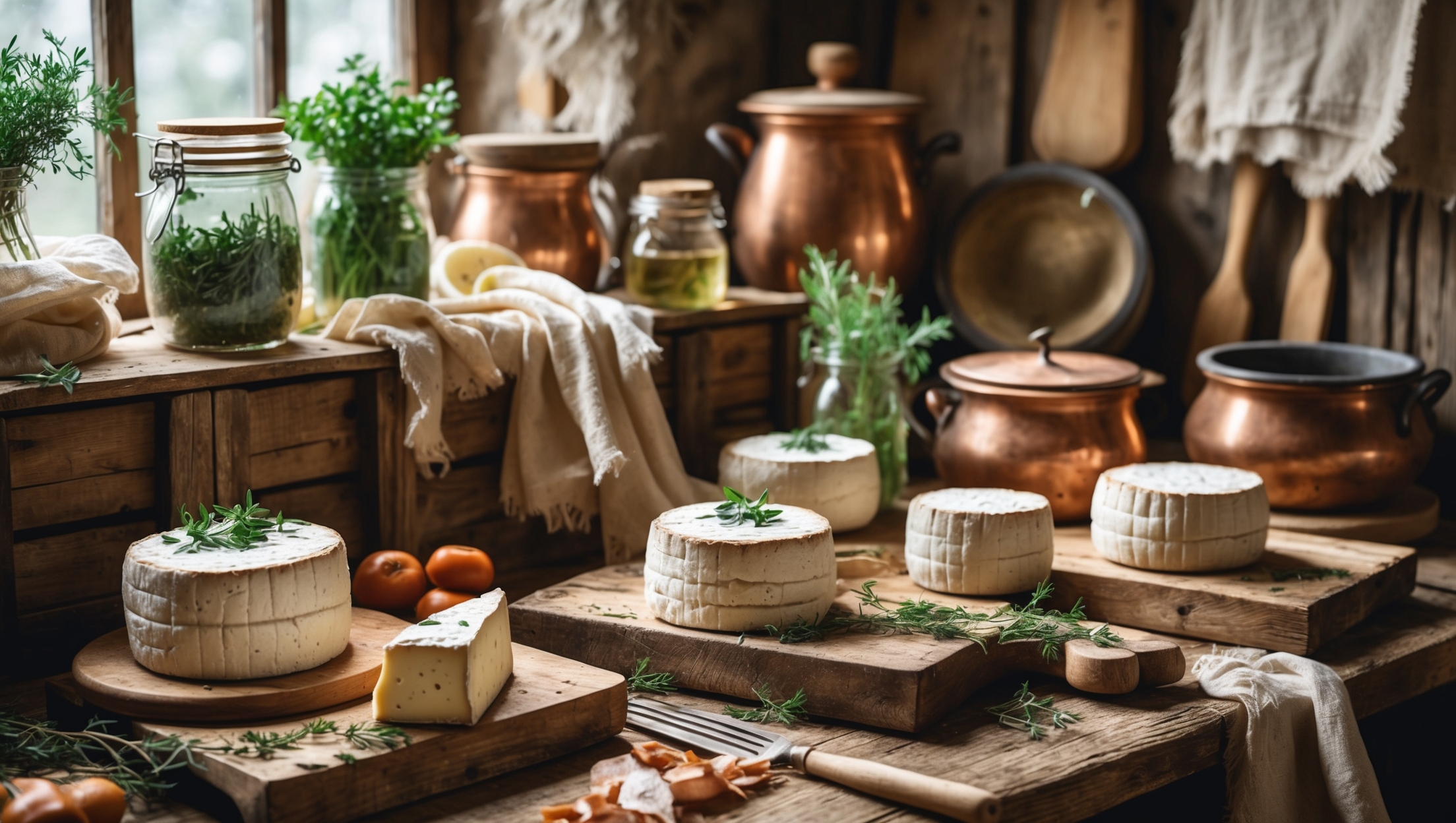
Introduction: The Timeless Allure of Home-Crafted Cheese
There’s a certain magic in transforming humble milk into a wheel of flavorful, handmade cheese—a process steeped in both tradition and science. Home cheesemaking invites you to slow down, observe, and savor the transformation that occurs through careful craft and patience. For those passionate about culinary exploration, crafting artisan cheese at home opens up a world of taste and texture that far surpasses most store-bought varieties. Beyond the satisfaction of creation, making your own cheese can be surprisingly cost-effective and endlessly customizable, whether you crave delicate fresh ricotta or a robust, nutty tomme aged for months. Yet, as with any craft, success hinges on knowledge: understanding the tools required, mastering safe and effective aging, and budgeting wisely for ingredients and equipment. This guide will lead you through each step, sharing expert tips and techniques to help you build a home cheesemaking practice that’s both rewarding and refined.
Essential Tools for the Home Cheesemaker
The Foundation: Must-Have Equipment
- Heavy-Bottomed Stainless Steel Pot: Even heat is key. Choose a 6-8 quart pot for most small-batch recipes. Avoid aluminum, which can react with acid from the cultures.
- Accurate Dairy Thermometer: Precision is crucial for curd formation and aging. Invest in a high-quality digital or dial thermometer with a range of 0–100°C (32–212°F).
- Cheese Molds and Followers: These shape and press your cheese. Start with a few basic sizes—basket molds for soft cheeses, cylindrical molds for hard cheeses.
- Cheesecloth (Fine Weave) or Butter Muslin: Essential for draining whey and forming curds. Butter muslin, with its finer weave, is ideal for delicate cheeses and easier to wash and reuse.
- Cheese Press: For hard and semi-hard cheeses, a press ensures even texture and proper whey expulsion. Homemade lever presses can suffice, but a small spring press offers the most control.
- Slotted Spoon and Long Blade Knife: For cutting curds evenly. Stainless steel is best for hygiene and durability.
- pH Strips or Meter: Monitoring acidity is essential for advanced cheeses. Start with high-quality pH strips before investing in a digital meter.
Optional but Valuable Additions
- Draining Trays and Mats: Provide airflow and prevent sticking during the aging process.
- Ripening Box: A simple plastic box with a lid and rack can create a controlled microclimate for aging soft cheeses in your fridge.
- Waxing Supplies: Beeswax or cheese wax for finishing hard cheeses, plus a dedicated brush or small crockpot for melting.
Ingredient Sourcing and Budgeting: Quality Without Excess
Milk: The Heart of Cheese
Great cheese starts with great milk. Whenever possible, source pasteurized, non-homogenized milk from local dairies—homogenization disrupts fat globules and can affect curd formation. Raw milk offers unparalleled flavor but requires strict attention to cleanliness and safety. Always check local regulations regarding raw milk use.
- Goat, Sheep, or Cow: Each brings unique flavors. Cow’s milk is most versatile and cost-effective for beginners.
- Budget Tip: Buy milk in bulk directly from producers, or form a buying club with friends to split costs.
Starter Cultures, Rennet, and Additives
- Direct-Set Starter Cultures: These freeze-dried packets are easy and reliable. Expect to pay $5–$10 per packet (enough for several batches).
- Rennet: Available in animal or vegetarian forms. Liquid rennet is easiest for beginners; tablets have a longer shelf life.
- Calcium Chloride: Useful for pasteurized milk to improve curd firmness. Inexpensive and shelf-stable.
- Salt: Use cheese salt (non-iodized), which won’t inhibit bacterial cultures.
Budgeting Breakdown
- Initial Equipment Investment: $80–$150 for a comprehensive starter kit. Look for used or vintage equipment at culinary supply stores or online marketplaces.
- Ongoing Ingredient Costs: Approximately $2–$4 per pound of finished cheese, depending on milk source and style.
- DIY Savings: Homemade cheese often costs half as much as artisanal store-bought varieties. Aging your own cheeses adds even more value and flavor depth.
Step-by-Step: Crafting Your First Wheel of Cheese
Preparation and Sanitation
Sanitation is non-negotiable. Wash all equipment with hot, soapy water and rinse well. Sanitize with a food-safe solution (such as diluted bleach or Star San). Let air dry completely to avoid introducing unwanted bacteria.
Basic Process Overview
- Warm the Milk: Heat milk slowly to the temperature specified in your recipe (typically 30–32°C/86–90°F for most cheeses), stirring gently to prevent scorching.
- Add Starter Culture: Sprinkle culture over the milk’s surface. Let rehydrate for 1–2 minutes, then stir in thoroughly.
- Add Rennet: Dilute rennet in cool, non-chlorinated water, then add to the milk. Stir with an up-and-down motion for 30 seconds.
- Coagulate: Allow the milk to sit undisturbed until it sets into a gel-like curd (30–60 minutes).
- Cut the Curd: Use a long knife to cut the curd into even cubes (usually 1/2 to 1-inch). This releases whey and controls moisture content.
- Cook and Stir: Gradually raise the temperature while gently stirring, as required by your cheese style. This further expels whey and shapes texture.
- Drain and Mold: Transfer curds into a cheesecloth-lined mold. Fold cloth over the top and press per recipe instructions.
- Press and Salt: Apply pressure for several hours to compact curds. Remove from mold and salt the cheese, either by rubbing or brining.
Beginner Mistakes to Avoid
- Overheating Milk: High heat can denature proteins and ruin texture. Always heat slowly and monitor carefully.
- Poor Sanitation: Even minor lapses can introduce spoilage organisms and off-flavors.
- Incorrect Rennet Use: Too much or too little rennet leads to crumbly or rubbery cheese. Measure precisely.
- Skipping pH Checks: Especially for aged cheeses, ignoring acidity can result in poor flavor and shelf life.
The Craft of Aging: Unlocking Complex Flavor
Creating a Home Cheese Cave
Aging (affinage) is what elevates simple curds into exquisite cheese. The ideal aging environment maintains a temperature of 10–13°C (50–55°F) and relative humidity of 75–85%. While dedicated cheese caves are rare in most homes, a wine fridge set to the proper range or a converted mini-refrigerator makes an excellent alternative. Place a bowl of water or damp sponge inside to maintain humidity, and use a hygrometer to monitor conditions.
Common Aging Techniques
- Natural Rind: Allowing the cheese to form its own rind through regular turning and brushing. Brush off excess mold and keep surfaces clean.
- Waxing: Dipping or brushing cheese in food-grade wax to prevent moisture loss and contamination. Ideal for beginners aging hard cheeses.
- Washed Rind: Periodically wiping the cheese with a brine or alcohol solution to encourage specific flavor-producing bacteria.
- Bloomy Rind: Spraying or sprinkling with Penicillium candidum to develop a soft, white exterior (as in Brie and Camembert).
Ripening and Maintenance
- Turning: Flip cheese every 1–2 days to ensure even aging and prevent unwanted mold growth.
- Surface Care: Wipe away unwanted molds with a clean cloth dampened with brine. Some molds are harmless, but blue or pink patches should be removed immediately.
- Patience: Aging times vary: soft cheeses mature in days, while hard cheeses may require 2–12 months. Taste periodically to monitor development.
Flavor Innovations: Personalizing Your Artisan Cheese
Infusing Herbs, Spices, and More
Once you’re comfortable with the basics, experiment with flavor additions:
- Fresh Herbs: Chives, tarragon, or dill folded into curds before molding.
- Spices: Cracked peppercorns, cumin, or smoked paprika for depth and complexity.
- Edible Flowers: Nasturtiums or violets for a visual and aromatic flourish.
- Wine, Beer, or Spirits: Soak finished wheels or wash rinds to impart subtle notes.
- Roasted Vegetables or Nuts: Folded into soft cheeses for texture and flavor.
Pairing and Serving Tips
- Cheese Boards: Present a variety of textures and ages—pair with raw honey, dried fruits, and homemade preserves.
- Beverage Pairings: Match fresh cheeses with crisp white wines or herbal teas; hard, aged cheeses shine with robust reds or craft beers.
- Storage: Wrap finished cheeses in waxed paper, then plastic wrap for fridge storage. Allow to come to room temperature before serving for full flavor.
Compliance, Safety, and Best Practices
Understanding Local Regulations
Home cheesemaking for personal use is legal in most regions, but selling cheese—especially raw-milk varieties—often requires permits and periodic inspection. If you plan to share your creations beyond friends and family, research your state or country’s dairy laws and licensing requirements before proceeding.
Food Safety Checklist
- Use only fresh, quality milk from reputable sources.
- Maintain strict sanitation throughout all stages.
- Monitor temperatures and pH at each step.
- Discard any cheese with off-smells, slimy surfaces, or unusual coloration.
- Label and date each batch for traceability and aging management.
Maintenance and Care of Cheesemaking Tools
Cleaning and Storage
Immediately after each session, rinse all equipment in cold water to remove milk residues, then wash with hot, soapy water. Air dry thoroughly before storage. Cheesecloth and butter muslin should be boiled for several minutes and dried in sunlight, if possible, to prevent lingering bacteria or odors.
Long-Term Maintenance
- Inspect wooden molds and boards regularly for cracks or mold. Treat with food-grade mineral oil if needed.
- Sharpen knives and replace worn thermometers as needed.
- Store cultures and rennet in the freezer or refrigerator to preserve potency.
Conclusion: Crafting a Lasting Culinary Legacy
Homemade artisan cheese is more than a culinary project—it’s an invitation to connect with centuries of food tradition and to savor the rewards of mindful craft. With the right tools and a commitment to detail, home cheesemaking becomes a deeply satisfying journey of flavor, texture, and creativity. By mastering essential equipment, sourcing quality ingredients, and understanding the principles of safe aging, you create more than just cheese; you build a foundation for memorable meals and shared experiences with friends and family. Each wheel or wedge you produce tells a story of patience and transformation, a story that deepens with every batch you age and every flavor you innovate. Start simply, celebrate small successes, and keep exploring. Your home kitchen can be a place where time slows down, taste is honored, and the ordinary becomes extraordinary through the timeless craft of artisan cheese.



I’m curious about the initial investment required for decent equipment. For someone just starting out, which tools from your list are absolutely essential, and which ones could wait until I’ve tried a few batches to see if cheesemaking sticks?
For beginners, the essential tools are a large stainless steel pot, a good thermometer, cheesecloth, and a long knife or curd cutter. A slotted spoon and a colander are also very helpful and likely already in your kitchen. Specialty items like cheese presses and aging mats can wait until you’re sure you want to keep making cheese. Starting simple helps you decide if you enjoy the process before investing more.
Could you provide more details on what kind of homemade lever presses work best for beginners who aren’t ready to invest in a commercial cheese press? I want to ensure consistent results without overspending on equipment initially.
For beginners, a simple homemade lever press can be made using a sturdy wooden board as the base and another board as the lever arm. You can use bricks or water jugs as adjustable weights. Place the cheese mold under the lever arm and adjust the weight to control the pressure. This setup allows you to achieve consistent pressing without investing in expensive equipment. Make sure all surfaces that contact the cheese are food-safe and easy to clean.
I’m just getting started with home cheesemaking and noticed you recommend a 6–8 quart stainless pot instead of aluminum. Is there a noticeable difference in the final cheese if I use an enameled stock pot instead, since that’s what I already have?
You can definitely use an enameled stock pot for home cheesemaking. The key is that the pot should be non-reactive, so enameled surfaces work well and won’t affect the flavor or texture of your cheese. Just make sure the enamel coating isn’t chipped, as exposed metal could react with the milk or acids used in cheesemaking.
I noticed you recommend using a heavy-bottomed stainless steel pot and to avoid aluminum. Is there a specific reason aluminum reacts poorly with the cheese cultures, or are there safe coatings that make it usable for beginners trying to use what they already have?
Aluminum can react with the acids in milk and cheese cultures, which may give your cheese a metallic taste and could even affect the texture. While some aluminum pots come with non-reactive coatings like anodized surfaces, these coatings can wear off over time, especially with frequent stirring and heating. For best results and consistent flavor, a heavy-bottomed stainless steel pot is safest for beginners.
I’m concerned about using the right cheesecloth or butter muslin for draining whey. Is there a risk of losing too much curd or affecting the final texture if I choose the wrong type, and are there any affordable options you’d recommend for beginners?
Using the right cloth is important for good cheese texture. Standard cheesecloth with large weave can let curds slip through, leading to curd loss and a grainy cheese. Butter muslin, which has a tighter weave, is better for soft cheeses and helps hold more curd. For beginners on a budget, look for butter muslin online or in kitchen stores, or use a new, clean cotton dish towel as a substitute. Just be sure it’s lint-free and thoroughly washed.
I noticed you mention both butter muslin and regular cheesecloth for draining whey. If I am only planning to make a few types of cheese at home, is butter muslin really worth the extra cost, or can regular cheesecloth do the job just as well for beginners?
Butter muslin is a finer, more tightly woven fabric compared to regular cheesecloth, which means it does a better job of retaining the curds, especially for softer cheeses. If you’re just starting out and making firmer cheeses, regular cheesecloth should be sufficient. For soft or delicate cheeses, butter muslin is helpful but not absolutely necessary for beginners. You can always upgrade later as you gain experience.
When budgeting for starter equipment, do you have tips for sourcing fine butter muslin or quality molds without breaking the bank, especially for someone just getting started with a few small-batch cheeses?
For butter muslin, consider checking local fabric stores for 100% cotton, unbleached fabric—often labeled as cheesecloth or muslin—which you can cut to size yourself. For molds, look for food-safe plastic containers like deli cups with holes poked in them, or repurpose small colanders. Online cheese supply shops sometimes offer beginner kits that are more affordable than buying items separately.