
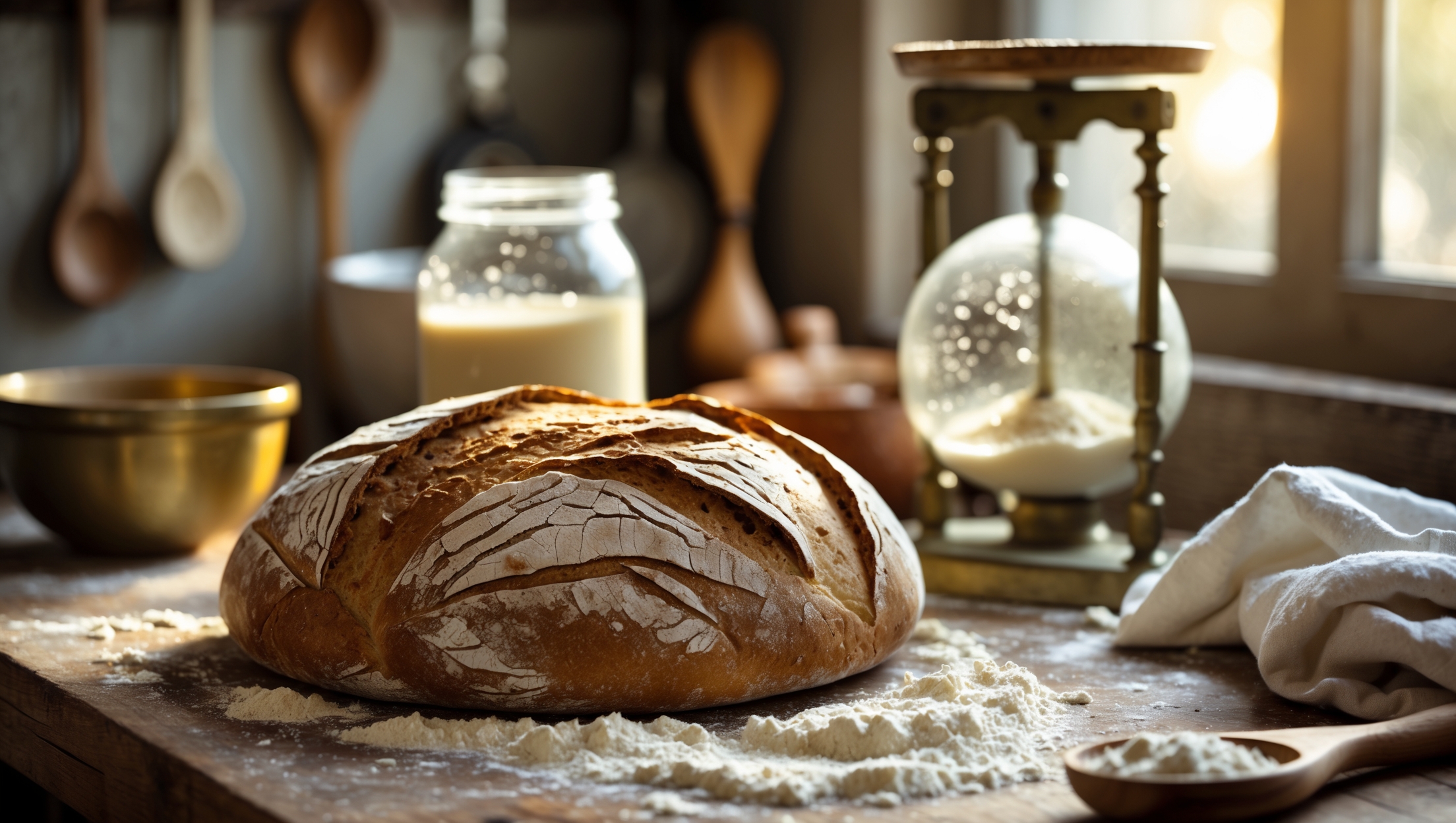
Few foods ignite the passion, debate, and creativity of culinary enthusiasts quite like sourdough. Once the humble staple of ancient civilizations, today’s sourdough has become the centerpiece of modern artisan kitchens and refined home bakeries. The craft of sourdough is more than mixing flour and water—it’s a living, evolving relationship with wild yeast and bacteria, a journey of patience, science, and sensory delight. Yet, beneath its rustic crust and chewy crumb lies a world of myths, practicalities, and behind-the-scenes strategies that often go unspoken. How do you cultivate a resilient starter? How can you manage costs when premium flours and specialty gear beckon? What does true craft maintenance look like in the day-to-day life of a home baker? This guide goes beyond the basic loaf, diving deeply into the science of fermentation, the economics of artisan baking, and the nuanced maintenance routines that separate merely good sourdough from truly unforgettable bread. Whether you’re new to the sourdough scene or ready to refine your practice, you’ll discover actionable tips, troubleshooting strategies, and inspiration to elevate your craft and savor every slice.
The Science of Sourdough: Understanding Wild Fermentation
The Microbial Symphony: Wild Yeast and Lactic Acid Bacteria
At the heart of sourdough lies its microbial culture—a harmonious blend of wild yeast (primarily Saccharomyces cerevisiae and Candida milleri) and lactic acid bacteria (Lactobacillus species). Unlike commercial yeast breads, sourdough fermentation relies on this unique partnership:
- Wild Yeast: Responsible for leavening, producing CO2 that creates the signature airy crumb.
- Lactic Acid Bacteria: Ferment sugars into lactic and acetic acids, imparting complex tang, enhancing digestibility, and improving shelf life.
Factors influencing your sourdough’s flavor and texture include flour type, hydration, temperature, and fermentation time. Mastering these variables is the foundation of sourdough craft.
Flour Science: Selecting and Blending Grains
Not all flours are created equal. Sourdough responds dramatically to protein content, enzymatic activity, and mineral presence (ash content). Key choices include:
- Bread Flour: High protein (12–14%), strong gluten development, classic sourdough structure.
- Whole Wheat and Rye: More minerals and enzymes, resulting in richer flavors and faster fermentation.
- Ancient Grains (spelt, einkorn, emmer): Nutrient-dense, unique flavors, sometimes lower gluten.
Experimenting with blends—such as 75% bread flour and 25% whole wheat—yields nuanced loaves. Track your ratios for consistent results.
Starter Culture: Cultivation, Care, and Troubleshooting
Establishing a Resilient Starter
Creating a robust starter is the first milestone. Begin with equal parts flour and water, preferably unbleached bread or whole wheat flour for microbial diversity. Ferment at room temperature, feeding daily. Signs of success include:
- Active bubbling within 5–7 days
- Pleasantly tangy, not sharp or musty aroma
- Starter doubles in size within 4–6 hours of feeding
Discarding a portion before each feeding prevents excessive acidity and maintains vigor. Use glass jars for visual tracking; avoid metal containers that can react with acids.
Common Pitfalls and Recovery Tactics
- Pink, Orange, or Fuzzy Growth: Discard immediately—contamination has occurred.
- Sluggish Rise: Increase feedings, use warmer water, and ensure flour is fresh.
- Overly Sour Smell: Feed more frequently; reduce whole grain proportion temporarily.
For frequent bakers, keep a portion of starter refrigerated, feeding at least weekly. For infrequent bakers, dry and store as flakes or freeze small portions for revival later.
Cost Breakdown: Budgeting for Artisan Sourdough
Ingredient Costs: Quality vs. Affordability
Premium flours and filtered water can elevate bread, but costs accumulate. Here’s a realistic breakdown for a weekly home baker producing two loaves per week:
- Bread Flour (1kg, $3–$6): Approx. 600g per 2 loaves = $1.80–$3.60
- Whole Wheat/Rye (250g, $1–$2): $0.25–$0.50
- Salt (10g, $0.05): Negligible for weekly baking
- Filtered Water: Typically under $0.10 per batch
Total per week: $2.20–$4.20 for 2 loaves (excluding energy and equipment). Annually, this ranges from $114–$218 for basic ingredients alone. Buying in bulk and joining local mill co-ops can reduce costs further.
Energy and Equipment: Hidden Expenses
- Electricity/Gas (baking at 450°F/230°C, 45 min): $0.50–$1 per bake depending on oven efficiency.
- Equipment Investment:
- Digital Scale: $15–$40 (essential for accuracy)
- Dutch Oven/Baking Stone: $30–$100
- Bannetons (proofing baskets): $10–$30 each
- Lame (scoring blade): $5–$15
- Dough Scraper, Mixing Bowls: $10–$20
Most equipment is a one-time purchase. Reliable tools yield more consistent results and reduce frustration in the learning curve.
Essential Tools and Equipment: What Matters Most
Choosing the Right Gear
While Instagram-worthy setups abound, you don’t need a professional bakery to make exceptional sourdough. Focus on essentials:
- Digital Scale: Precision prevents under- or over-hydrated dough.
- Mixing Bowls: Stainless steel or glass; wide and deep for easy folding.
- Bench/Dough Scraper: For clean handling and shaping.
- Banneton: For proofing; optional, but supports structure and crust.
- Dutch Oven or Baking Stone: Traps steam for crackling crusts.
- Lame: For controlled scoring and oven spring.
Optional upgrades include thermometers (dough and oven), spray bottles for steam, and specialized flour sifters. Avoid nonstick or coated pans at high temps—they degrade quickly and affect flavor.
Maintenance and Longevity
- Clean bannetons with a stiff brush; avoid soap and never soak.
- Season cast iron Dutch ovens lightly with oil after use.
- Replace lame blades regularly for clean scores.
Proper care extends tool lifespan and maintains bread quality.
Craft Maintenance: Daily, Weekly, and Seasonal Routines
Starter Feeding and Storage Schedules
Consistency is key. For daily bakers, feed starter at the same time each day. For occasional bakers, refrigerate after feeding and bring to room temperature 12 hours before use. In hot summer months, reduce feeding ratio (more flour, less water) to slow fermentation. In cold winters, keep starter on a warm shelf or use a proofing box.
Oven and Equipment Checks
- Monthly: Run a hot, empty bake to clear oven residue. Check oven thermometer accuracy.
- Quarterly: Inspect and replace worn bannetons or cracked Dutch oven lids.
- Annually: Deep clean all surfaces and sharpen dough tools.
Regular maintenance prevents off-flavors and ensures safety.
Flavor and Texture: Troubleshooting and Fine-Tuning
Common Baking Issues and Solutions
- Dense Loaf: Under-proofed dough or weak starter. Extend bulk fermentation or refresh starter more frequently.
- Flat Loaf: Over-proofed, excess hydration, or weak gluten. Reduce bulk fermentation time or adjust water ratio.
- Sourness Too Strong or Mild: Manipulate fermentation time and temperature; cooler, longer ferments increase acetic (sharp) notes, while warm, short ferments favor lactic (mild) tang.
- Thick, Hard Crust: Increase initial steam, bake at slightly lower temp, or tent with foil after oven spring.
Keep a bread journal to note changes and outcomes. Photographs and detailed notes accelerate your learning curve.
Innovative Flavor Additions
Try incorporating seasonal herbs (rosemary, sage), seeds (sesame, sunflower), or roasted garlic for variety. Fold additions during second stretch-and-fold or just before final shaping for even distribution. Avoid high-sugar or high-fat ingredients, which can inhibit fermentation.
Modern Sourdough Myths Debunked
- Myth: Sourdough is too time-consuming for busy lifestyles.
Reality: With pre-mixed dough and overnight cold fermentation, you can fit baking into any schedule. - Myth: You must discard starter daily.
Reality: Adjust feeding ratios or refrigerate to reduce waste. - Myth: Premium flour is always necessary.
Reality: Great bread can be made with quality supermarket bread flour—technique matters most. - Myth: Sourdough is always sour.
Reality: Flavor is adjustable—mild, sweet, or tangy depending on fermentation choices.
Case Study: Transforming a Home Baking Routine
Consider the journey of Maria, a home baker who started with supermarket all-purpose flour, a basic mixing bowl, and a thrifted Dutch oven. By investing in a digital scale and experimenting with local whole wheat, she improved loaf consistency and flavor. Maria began refrigerating her starter during busy weeks, reducing waste and daily feeding stress. She tracked each bake in a journal, noting water ratios and fermentation times. After three months, her loaves boasted open crumb, complex flavor, and golden crusts—without breaking the bank or sacrificing her busy schedule. Her story demonstrates that the real key to modern sourdough mastery is not expensive gear, but knowledge, routine, and mindful experimentation.
Conclusion: The Joy of Sustainable, Flavorful Sourdough Craft
Sourdough is more than a bread—it’s a living testament to culinary patience, curiosity, and creativity. By understanding the science of wild fermentation, making mindful ingredient choices, and maintaining your craft tools and routines, you unlock a world of flavor, nutrition, and satisfaction. Budgeting wisely ensures you enjoy artisan quality without extravagance, while regular maintenance preserves the integrity of both your starter and your equipment. As you troubleshoot challenges, experiment with seasonal flavors, and refine your methods, you become part of a global community united by a love of simple, soulful food. Every loaf is a new beginning, a chance to savor the journey as much as the destination. Embrace the rituals, celebrate your progress, and let your kitchen become a laboratory of taste, texture, and tradition. Whether you bake weekly or only on special occasions, your sourdough practice will reward you—and those you share it with—with endless inspiration and delicious, memorable moments.


You mention that premium flours and specialty gear can add up when baking sourdough at home. Are there certain areas where it’s worth investing a bit more versus places where budget-friendly options work just as well? I’d love some advice on balancing craft with cost.
Investing in high-quality flour, especially for the main component of your sourdough, can make a noticeable difference in flavor and texture, so it’s often worth spending a bit more there. However, you can save on gear—basic tools like a sturdy bowl, a kitchen scale, and a Dutch oven work just as well as more expensive, specialized equipment. Focus your budget on ingredients, and keep your tools simple but reliable.
I’m just starting out with sourdough and I’m a little confused about how to manage the costs. Are there affordable flour options that still give good results, or do you really notice a big difference with premium flours when you’re new to baking?
You can definitely start sourdough baking with regular all-purpose or bread flour from the grocery store—these are both affordable and reliable for beginners. While premium flours can offer more nuanced flavors or texture, you won’t miss out on great bread at the start. Once you’re comfortable, you can experiment with different flours to see what you prefer.
For someone who’s already built a resilient starter, what are some craft maintenance routines you recommend for day-to-day care? Are there signs that the balance of wild yeast and lactic acid bacteria is off before problems show up in the final bread?
For daily care of a resilient starter, it’s helpful to feed it consistently at the same time each day, use clean utensils to avoid contamination, and keep the jar loosely covered. Watch for changes in aroma—sourness or unpleasant odors can indicate an imbalance. If your starter starts to separate or develops a pinkish hue, it may need more frequent feedings or a refresh. Observing activity and bubbles can also help you spot issues before they affect your bread.
You mention managing costs when premium flours and specialty tools can get expensive. Do you have recommendations for budget-friendly flours or equipment that still produce high-quality sourdough, especially for home bakers just starting out?
Absolutely—many home bakers achieve delicious sourdough with basic, affordable ingredients and tools. Look for unbleached all-purpose or bread flour from your local grocery store; many generic brands work surprisingly well. For equipment, a Dutch oven or heavy oven-safe pot creates great crusts, but you can also use a preheated baking sheet. Instead of a banneton, try a bowl lined with a floured towel. These simple swaps help you get started without a big investment.
I’m curious about maintaining a resilient starter as highlighted here. What are the day-to-day routines or warning signs that your starter’s microbial balance might be off, and how quickly can small changes in temperature or feeding schedule impact the flavor and rise?
For a resilient sourdough starter, daily routines include regular feedings at consistent times and keeping the jar clean. Watch for warning signs like off smells (like rotten eggs), pink or orange streaks, or sluggish rise—these indicate microbial imbalance. Even a small change in temperature or feeding frequency can shift the balance quickly, often within a day or two, affecting both the flavor (more sour or bland) and how well your bread rises.
When you talk about balancing wild yeast and lactic acid bacteria, do you have any tips for dialing in the tanginess versus mildness of a loaf? Specifically, are there adjustments to fermentation time or temperature that tend to make the most noticeable difference in flavor?
Yes, you can influence the tanginess or mildness of your sourdough by adjusting fermentation conditions. Longer, cooler fermentations (especially in the fridge) encourage lactic acid bacteria, resulting in a more tangy flavor. Shorter, warmer fermentations tend to produce a milder loaf. You can experiment with these variables to find the balance that suits your taste.
When it comes to maintaining a resilient sourdough starter, how often should I be feeding it if I bake just once a week? I want to keep waste and cost down but still ensure my starter stays healthy.
If you bake just once a week, you can store your sourdough starter in the refrigerator and feed it only once a week, ideally the day before you plan to bake. This approach minimizes waste and cost while keeping your starter healthy. Just remember to give it a good feeding before using it in your recipe to ensure it’s active and ready.
I’m really interested in the economics you touched on, especially managing costs as a home baker when high-quality flours and tools can add up. Do you have specific tips for sourcing affordable yet effective ingredients or equipment without sacrificing the quality of the bread?
Balancing quality and cost is definitely possible for home sourdough baking. Try buying flour in bulk from local mills or co-ops, which often offer discounts for larger quantities. For tools, consider starting with just the essentials—a sturdy mixing bowl, a bench scraper, and a cast iron pot. Thrift stores or online marketplaces sometimes have quality equipment at lower prices. Prioritize flour quality, but look for local brands, which can be both fresh and affordable.
I noticed you mentioned the cost factor with premium flours and specialty gear. For someone trying to manage a family budget, which ingredients or tools are actually essential for quality sourdough, and what can I skip or substitute without sacrificing too much flavor and texture?
For great sourdough on a family budget, all you truly need are quality bread flour (even store-brand is fine), water, salt, and a reliable oven. You can skip pricey specialty flours and gear—no need for fancy proofing baskets or Dutch ovens. Use a clean kitchen towel in a bowl for proofing, and a baking tray or casserole dish instead. Invest in a kitchen scale if possible for consistent results, but everything else is optional.