
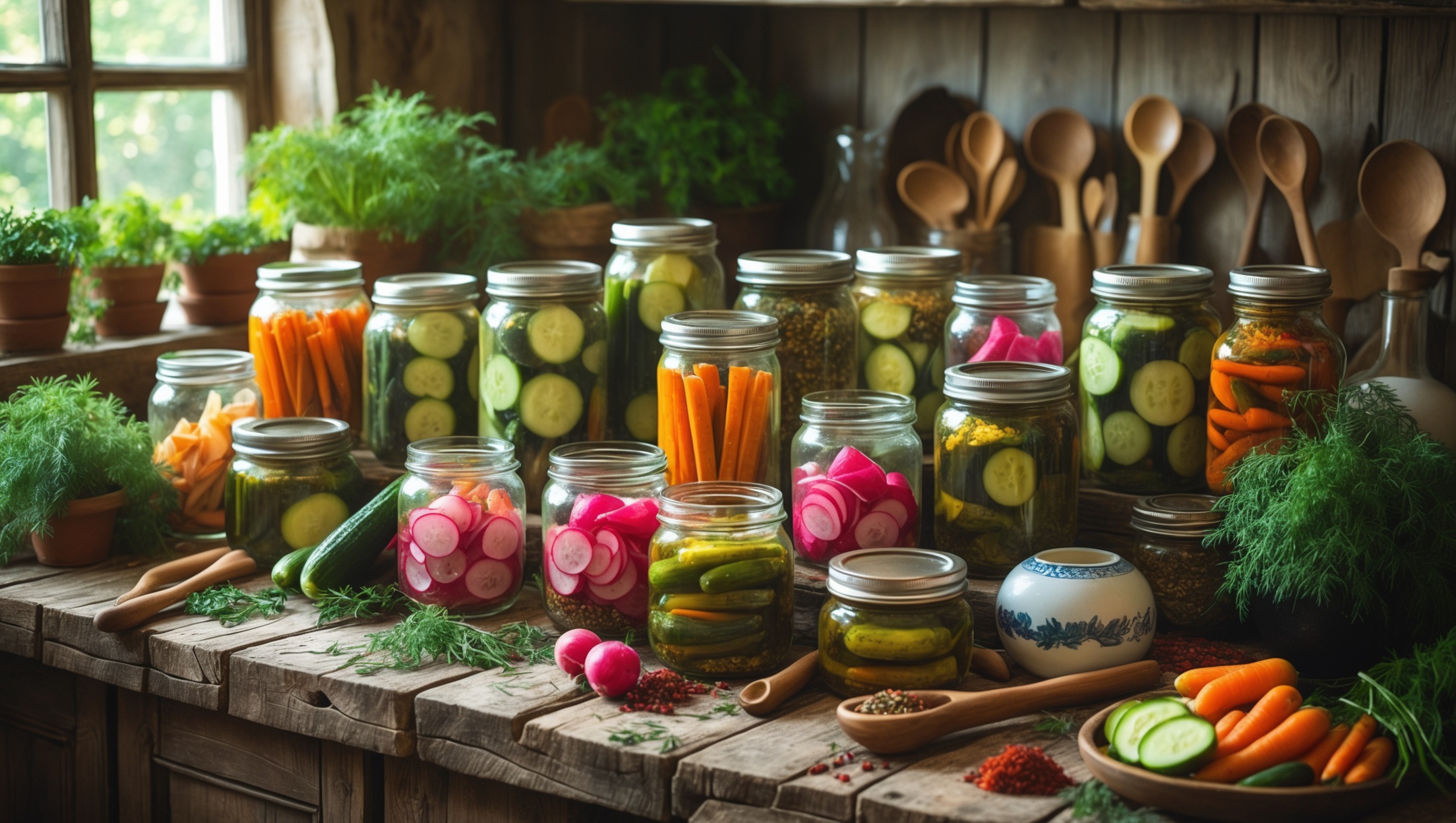
Introduction: The Resurgence of Artisanal Pickling
In recent years, the humble pickle has undergone a dramatic transformation. Once relegated to a supporting role beside sandwiches and burgers, pickles now take center stage in gourmet kitchens and home pantries alike. This renaissance owes much to the growing appreciation for craft, flavor complexity, and the personal satisfaction of transforming fresh produce into tangy, crunchy delights. Whether you’re a seasoned home cook or a culinary explorer, mastering the art of pickling offers an accessible entry into fermentation, flavor science, and global culinary traditions.
But elevating homemade pickles beyond basic brine requires more than just vinegar and cucumbers. True artisanal pickling is a symphony of technique, equipment, and creative flavor strategies. The process is both scientific and artistic—balancing salt, acid, time, and innovative ingredient pairings. With the right tools and knowledge, your kitchen can become a small-batch pickle atelier, yielding jars that burst with character and complexity. In this comprehensive guide, we’ll walk you through the nuances of brining, demystify fermentation equipment, and share professional secrets for layering flavors that will make your pickles the star of any charcuterie board or dinner table.
Understanding the Foundations: Brining Science Demystified
What is Brining?
Brining is the process of soaking produce in a solution of salt and water (sometimes with added acid) to initiate flavor development and preservation. Brining can be divided into two primary categories: quick pickling (vinegar-based) and fermentation (saltwater-based). Both methods draw out moisture, enhance texture, and provide a medium for flavors to infuse.
Salt Selection: Not All Salts Are Created Equal
- Kosher Salt: Preferred for its pure flavor and easily dissolvable crystals. Avoid brands with anti-caking agents.
- Sea Salt: Offers subtle mineral notes but can vary in salinity. Weigh your salt for consistency.
- Table Salt: Generally avoided due to additives and iodine, which can cause cloudiness and off-flavors.
Salinity and Texture: Getting the Ratio Right
The salt-to-water ratio is crucial. Too little, and you risk spoilage; too much, and the flavor can become harsh or the texture rubbery. A standard brine is 5% salt by weight (50g salt per 1 liter of water). For extra crunch, add a small amount of tannin-rich leaves like grape or bay, which slow enzymatic softening.
Acidity and pH: The Safety Factor
For quick pickles, vinegar (at least 5% acidity) creates a hostile environment for pathogens. For fermented pickles, lactic acid bacteria lower pH over time, producing a safe, tangy product. Always test pH with strips; safe fermented pickles should be below 4.6.
Essential Tools and Fermentation Equipment
Glass Jars: The Backbone of Home Pickling
- Mason Jars: Classic, reusable, and non-reactive. Opt for wide-mouth jars for easy packing and removal.
- Fermentation-Specific Jars: Jars with built-in airlocks prevent oxygen exposure, reducing mold risk.
Weights and Lids: Keeping Produce Submerged
- Glass Weights: Designed to fit inside jars and keep vegetables below the brine.
- DIY Solutions: Use a zip-top bag filled with brine as a makeshift weight.
- Fermentation Lids: Silicone or water-sealed lids let gases escape while blocking air entry.
Brine-Making Tools
- Non-Reactive Mixing Bowls: Glass, stainless steel, or ceramic to prevent chemical reactions.
- Digital Kitchen Scale: For precise salt measurements—essential for reliable fermentation.
- pH Strips: To monitor acidity in fermented pickles for safety.
- Mandoline Slicer: For even, professional-looking cuts that ferment uniformly.
Sanitation: The Often Overlooked Essential
- Always sterilize jars and tools with boiling water or a dishwasher’s sanitize cycle.
- Wash produce thoroughly—dirt can harbor unwanted microbes.
Seasonal Produce and Sourcing for the Best Pickles
Why Seasonality Matters
Peak-season produce has superior texture, flavor, and nutrient density. Crisp, freshly harvested cucumbers, radishes, carrots, beets, or green beans hold up better in brine and ferment with fewer issues.
How to Source High-Quality Ingredients
- Farmers Markets: Ideal for fresh, local, and sometimes unique varietals.
- Grow Your Own: Even a small garden can yield pickling cucumbers or peppers.
- Specialty Stores: For heirloom vegetables or unusual spices.
Seasonal Pickling Inspiration
- Spring: Asparagus, ramps, radishes.
- Summer: Cucumbers, green beans, okra, carrots.
- Fall: Beets, cauliflower, cabbage (for kraut), turnips.
- Winter: Daikon, carrots, onions, preserved lemons.
Flavor Layering: Creative Strategies for Artisan Pickles
Understanding the Flavor Matrix
Great pickles are more than just sour and salty—they’re a canvas for complex flavor layering. Consider balancing:
- Sourness: Vinegar, citrus peel.
- Sweetness: Sugar, honey, maple syrup, sliced fruit.
- Heat: Chili flakes, fresh peppers, ginger.
- Earthiness: Garlic, horseradish, turmeric, bay leaf.
- Herbal/Fresh: Dill, tarragon, coriander, mint, lemongrass.
- Spice: Mustard seeds, allspice, cloves, cinnamon, star anise.
Signature Flavor Pairings
- Classic Dill Cucumber: Garlic, dill, black peppercorns.
- Spicy Carrot & Ginger: Fresh ginger, chili, coriander.
- Sweet Beet & Orange: Orange zest, cinnamon, clove.
- Asian-Inspired Daikon: Rice vinegar, sesame, ginger, scallion.
- Moroccan Carrots: Cumin, coriander, preserved lemon, olive oil (added after pickling).
Infusion Timing: When to Add What
Delicate herbs (like dill or tarragon) can lose their flavor if pickled too long—consider adding a fresh sprig just before serving. Spices and root aromatics are best added at the start, allowing their flavors to bloom in the brine.
Step-by-Step: Crafting Your First Batch of Artisanal Pickles
1. Choose Your Base
Pick your vegetable(s) and wash thoroughly. Trim stems and blossom ends from cucumbers to prevent softening.
2. Prepare the Brine
- Calculate salt for a 5% solution by weight (example: 50g salt per 1L water).
- Dissolve salt in lukewarm, filtered water—avoid chlorinated water, which can inhibit fermentation.
- For quick pickles, add vinegar to reach desired acidity (at least 50% of brine volume).
3. Pack the Jars
- Add spices and aromatics to the bottom of the jar.
- Pack vegetables tightly but without crushing.
- Pour in cooled brine to cover completely.
- Place a glass weight or brine-filled bag to submerge produce.
4. Seal and Ferment
- For fermented pickles, use an airlock or fermentation lid.
- Store jars at 18-22°C (65-72°F) out of direct sunlight.
- Bubbles and cloudiness indicate fermentation is underway.
5. Taste and Adjust
- Begin tasting after 3-5 days for quick ferments, 7-14 days for full flavor.
- Once desired tang and crunch are achieved, refrigerate to halt fermentation.
6. Storage and Shelf Life
- Fermented pickles last up to 6 months refrigerated.
- Quick pickles (vinegar-based) can be water-bath canned for shelf stability.
Troubleshooting: Common Pickling Mistakes and How to Avoid Them
Mushy Pickles
Often caused by overripe produce, too little salt, or not removing cucumber blossom ends. Always use freshest produce and measure salt carefully.
Cloudy Brine
Normal in fermented pickles due to lactic acid bacteria. However, slimy or foul-smelling brine means spoilage—discard immediately.
Mold Growth
Usually a sign that vegetables weren’t fully submerged. Always use weights and remove surface scum daily during active fermentation.
Lack of Flavor
Don’t be afraid to use more aromatics, and allow enough time for flavors to develop. Consider layering fresh herbs when serving for a flavor boost.
Cost Breakdown and Budgeting for Artisan Pickling
Initial Investment
- Jars and Lids: $20–$40 for a starter set.
- Fermentation Weights/Lids: $10–$30.
- Mandoline Slicer: $15–$30 (optional, but handy).
- Salt, Vinegar, Spices: $10–$20.
Ongoing Costs
- Produce: Varies by season and source. Homegrown or market seconds can be very cost-effective.
- Replacement Lids/Bands: $5–$10 per batch (for canning-style pickles).
- Spices and Herbs: Most are used in small amounts and last for many batches.
Budget Tips
- Reuse jars and weights; invest once for years of pickling.
- Buy produce in bulk at peak season.
- Share spice purchases with friends to expand your flavor palette without breaking the bank.
Creative Applications: Serving and Enjoying Your Pickles
Beyond the Side Dish
- Charcuterie Boards: Artisanal pickles provide contrast to rich cheeses and cured meats.
- Sandwiches and Wraps: Add crunch and acidity to balance flavors.
- Salads and Grain Bowls: Chop and scatter over greens or grains for a flavor punch.
- Cocktails: Pickled vegetables or brine (especially from spicy varieties) make unique garnishes and mixers.
- Cooking Liquid: Leftover brine can be used in vinaigrettes, marinades, or even bread doughs for tangy complexity.
Conclusion: The Art and Joy of Home Pickling
Artisanal pickling isn’t just a kitchen project—it’s a journey into the heart of food culture, flavor engineering, and sensory delight. When you craft your own pickles, you’re engaging with traditions that span continents and centuries, while also adding your unique signature to every batch. From selecting peak-season produce to experimenting with unexpected spice blends and crafting brines that coax out the best in each ingredient, the process is endlessly rewarding. The right tools and a little know-how transform pickling from a humble preservation technique into a showcase of creativity and taste.
Embracing the science of brining, investing in quality fermentation equipment, and learning to layer flavors with confidence will help you avoid common pitfalls and produce pickles that are as beautiful as they are delicious. The versatility of homemade pickles—whether starring on a cheese board, brightening up a salad, or lending their tang to a cocktail—means you’ll always find new ways to share and savor your creations. Most importantly, this hands-on craft offers a deep sense of connection: to the seasons, to global foodways, and to the everyday magic of transforming simple ingredients into something extraordinary. So gather your jars, sharpen your palate, and explore the infinite world of artisanal pickling. Your next batch might just become your new signature flavor.
You mention layering flavors to elevate homemade pickles. Could you give some examples of ingredient pairings that work especially well together for balancing tanginess without overpowering the natural taste of the vegetables?
Certainly! For balanced tanginess that lets the vegetables shine, try pairing dill with lemon zest for a fresh, subtle lift, or coriander seeds with mild garlic for gentle warmth. Mustard seeds with a touch of honey can soften acidity, while bay leaves and peppercorns add complexity without being dominant. These combinations enhance flavor without masking the veggies’ natural taste.
In the section about salt selection, you mention avoiding brands with anti-caking agents in kosher salt. Could anti-caking agents negatively impact the fermentation process or just the flavor, and how can I tell if my salt has these additives?
Anti-caking agents in salt can do more than just affect flavor; they sometimes interfere with the natural fermentation process by inhibiting the beneficial bacteria needed for pickling. To check if your kosher salt contains additives, look at the ingredients list on the packaging—pure salt should list only ‘salt,’ while anti-caking agents might appear as calcium silicate or yellow prussiate of soda.