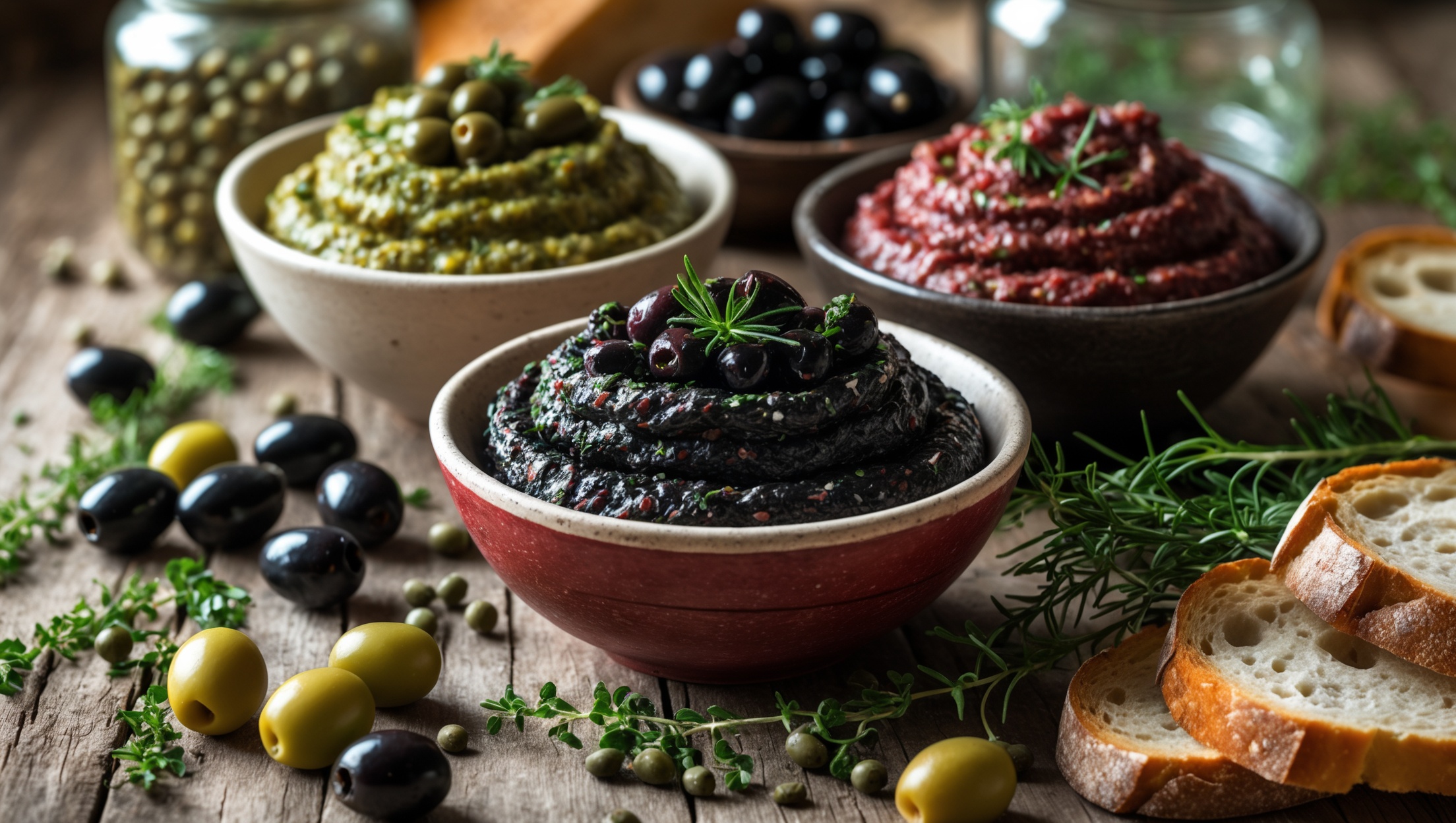
Introduction: The Art & Allure of Gourmet Tapenade
Few Mediterranean delicacies capture the imagination of food lovers quite like tapenade. This robust olive-based spread, often punctuated by capers, anchovies, and aromatic herbs, offers a symphony of flavors that can elevate any meal—from a rustic picnic to the most refined appetizer platter. While tapenade enjoys a centuries-old heritage rooted in Provençal cuisine, its resurgence among home cooks and culinary creatives is no surprise. With its versatility, relatively simple preparation, and capacity for endless customization, tapenade has become a staple for those who value both tradition and innovation in their kitchens.
Yet, crafting a truly exceptional tapenade is more than just blitzing ingredients in a food processor. It’s about understanding the nuances of olive varieties, balancing flavors, investing in the right tools, and mastering storage to preserve freshness and vibrancy. Whether you’re looking to impress at your next dinner party or seeking a cost-effective way to bring Mediterranean flair to your everyday meals, this in-depth guide will walk you through the essential steps, from ingredient selection and equipment breakdown to budget planning, seasonal variations, and expert pairing strategies. Unlock the secrets of gourmet tapenade and transform your culinary repertoire with confidence and creativity.
Understanding Tapenade: Origins, Styles & Modern Appeal
Historical Roots
Tapenade traces its origins to the sun-drenched Provence region of southern France, where olives have flourished for millennia. The word “tapenade” derives from the Provençal word for capers, “tapenas,” highlighting the ingredient’s central role in traditional recipes. Historically, tapenade was a way to preserve the bounty of the olive harvest, combined with regional herbs and preserved fish for added depth and shelf life.
Classic & Contemporary Variations
- Traditional Black Olive Tapenade: The most iconic, made with Niçoise or Kalamata olives, capers, anchovies, garlic, olive oil, and lemon juice.
- Green Olive Tapenade: Brighter, often milder, featuring Castelvetrano or Picholine olives, sometimes with almonds or fresh herbs.
- Red Pepper or Sun-Dried Tomato Tapenade: Modern twists incorporate roasted red peppers, tomatoes, nuts, or even citrus zest for a punchier flavor.
- Vegan Tapenade: Omits anchovies, instead amping up umami with miso, nutritional yeast, or extra capers.
The beauty of tapenade lies in its adaptability. It can be bold or subtle, rustic or refined, depending on your choice of ingredients and technique.
Essential Tools & Equipment Guide
Must-Have Tools
- Food Processor or High-Powered Blender: For quick, even chopping and mixing. Choose a model with a pulse function to avoid over-processing.
- Chef’s Knife & Cutting Board: For prepping ingredients and, if you prefer a chunkier, rustic tapenade, hand-chopping is the gold standard.
- Microplane or Fine Grater: For zesting citrus or grating garlic directly into your mix.
- Glass Jars with Tight-Fitting Lids: Essential for storing your tapenade safely and maintaining its vibrant flavor.
- Rubber Spatula: For scraping every last bit of goodness from your mixer or bowl.
Nice-to-Haves for Advanced Craft
- Olive Pitter: If using whole, unpitted olives, this speeds up prep and preserves olive flesh.
- Mortar & Pestle: For purists, this traditional method coaxes out deep, layered flavors and a more rustic texture.
- Digital Scale: Ensures precision, especially when scaling up for larger batches or gifting.
Ingredient Selection & Sourcing: Quality Matters
Olives: The Foundation
Your choice of olives will profoundly shape the flavor profile of your tapenade. Opt for high-quality, brined olives—ideally pitted, but whole olives (pitted at home) often boast superior flavor and texture. Here’s a breakdown:
- Niçoise: Small, dark, and intensely flavored; best for classic black tapenade.
- Kalamata: Meaty, tangy, and widely available.
- Castelvetrano: Bright green, buttery, and mild—perfect for green tapenade.
- Picholine: Fruity and crisp, adding freshness to blends.
Supporting Cast: Capers, Anchovies & More
- Capers: Salt-packed or brined; rinse well before using to control saltiness.
- Anchovies: Packed in oil and free from off-smells. For vegan versions, substitute with extra capers or a teaspoon of white miso paste.
- Garlic & Herbs: Fresh garlic, thyme, parsley, or basil add aromatic depth.
- Olive Oil: Use extra virgin for its grassy, peppery notes.
- Lemon Juice or Zest: Adds brightness and balance.
- Optional Additions: Sun-dried tomatoes, roasted peppers, toasted nuts, or even a splash of cognac for a gourmet twist.
Whenever possible, source ingredients from reputable grocers, specialty stores, or farmers’ markets. Quality directly impacts the final product.
Cost Breakdown & Budgeting for Gourmet Tapenade
Ingredient Costs
Making tapenade at home can be remarkably cost-effective, especially when compared to gourmet store-bought versions. Here’s an estimated breakdown for a classic batch (yields about 1.5 cups):
- Olives (200g): $4–$7 (high-quality, pitted)
- Capers (2 tbsp): $0.80–$1.20
- Anchovies (2 fillets): $0.50–$0.80
- Garlic (1 clove): $0.10
- Lemon (zest & juice): $0.50
- Olive oil (1/4 cup): $1.00–$2.00
- Fresh herbs: $0.50–$1.00
- Optional add-ins (sun-dried tomatoes, nuts): $0.50–$1.50
Total per batch: $7–$14 (roughly $1.50–$3 per serving). Premium tapenade in stores often retails for $8–$16 per small jar, so making it at home delivers significant savings—especially when scaling for gatherings or gifting.
Tool & Equipment Investment
- Food processor: $40–$150 (one-time investment)
- Olive pitter: $10 (optional)
- Glass jars: $1–$3 each (reusable)
Most home cooks already own the necessary tools, making tapenade an accessible and budget-friendly gourmet project.
Step-by-Step: Crafting Tapenade Like a Pro
Classic Black Olive Tapenade Recipe
- 200g pitted Niçoise or Kalamata olives
- 2 tbsp capers, rinsed
- 2 anchovy fillets (optional)
- 1 garlic clove, minced
- 1/4 cup extra virgin olive oil
- 1 tbsp fresh lemon juice
- 1 tsp lemon zest
- 2 tbsp fresh parsley or thyme (optional)
Method
- Prep Ingredients: If pitting olives at home, use an olive pitter or carefully slice and remove pits. Rinse capers to control saltiness.
- Combine: Place olives, capers, anchovies, garlic, herbs, and lemon zest in a food processor. Pulse 3–5 times until coarsely chopped.
- Add Olive Oil & Lemon Juice: With the motor running, slowly drizzle in olive oil and lemon juice. Pulse until the mixture is finely chopped but not a paste—texture is key.
- Taste & Adjust: Season with additional lemon juice, herbs, or olive oil as desired.
- Serve or Store: Transfer to a glass jar, smoothing the top. Pour a thin layer of olive oil on top to preserve freshness.
Pro Tips for Texture & Flavor
- Texture Control: For chunkier tapenade, hand-chop ingredients or use a mortar and pestle.
- Flavor Layering: Let tapenade rest for an hour before serving to allow flavors to meld.
- Customization: Add sun-dried tomatoes, roasted red peppers, or toasted nuts for seasonal twists.
Seasonal Inspiration: Unique Flavor Variations
Spring: Herbaceous & Bright
- Use green olives, fresh basil, parsley, and a touch of mint.
- Add blanched asparagus tips or fava beans for texture.
Summer: Sun-Ripened & Zesty
- Incorporate roasted red peppers, sun-dried tomatoes, and lemon zest.
- Try a splash of sherry vinegar or orange zest for brightness.
Autumn: Earthy & Warm
- Add toasted walnuts, rosemary, and oven-dried cherry tomatoes.
- Try a hint of smoked paprika for depth.
Winter: Rich & Umami-Driven
- Blend in black garlic, preserved lemon, and a touch of cognac.
- Serve with roasted root vegetables or hearty breads.
Expert Storage & Preservation Techniques
Short-Term Storage
- Store tapenade in sterilized glass jars, topped with a thin layer of olive oil.
- Keep refrigerated; it will stay fresh for up to two weeks.
Freezing for Longevity
- Transfer tapenade to small, airtight containers or silicone ice-cube trays. Cover surface with olive oil.
- Freeze for up to three months. Thaw overnight in the refrigerator before use.
Smart Storage Tips
- Always use a clean spoon to prevent contamination.
- If separation occurs, simply stir before serving.
- Label jars with preparation date and ingredients for easy tracking.
Flavor Pairing: How to Serve Tapenade with Style
Classic & Creative Serving Ideas
- Bread & Crackers: Serve on toasted baguette slices, flatbreads, or artisanal crackers.
- Cheese Boards: Complements soft cheeses (chèvre, brie) and hard cheeses (manchego, pecorino).
- Vegetable Platters: Pair with roasted or raw vegetables—think carrots, fennel, or artichoke hearts.
- Sandwiches & Wraps: Spread on hearty breads or inside wraps for a flavor punch.
- Pasta & Grains: Swirl into hot pasta, risotto, or grain bowls for an instant upgrade.
- Proteins: Use as a topping for grilled fish, roasted chicken, or even steak.
- Eggs: Spoon over poached, scrambled, or baked eggs for a Mediterranean twist.
Pairing by Season
- Spring: Pair green tapenade with goat cheese and radishes.
- Summer: Serve alongside grilled vegetables and fresh mozzarella.
- Autumn: Match with roasted squash, blue cheese, and toasted nuts.
- Winter: Combine with braised meats, root vegetables, or hearty soups.
Common Myths Debunked
- Myth: “Tapenade must always include anchovies.”
Fact: Many regional and modern recipes omit anchovies or substitute for dietary needs. - Myth: “Only black olives are authentic.”
Fact: Green olive tapenade is traditional in many areas and offers unique flavors. - Myth: “Tapenade is just a dip.”
Fact: It’s a multipurpose condiment, marinade, and even a pasta sauce base. - Myth: “Tapenade spoils quickly.”
Fact: Properly stored, it lasts up to two weeks in the fridge, and even longer frozen.
Maintenance Best Practices: Keeping Your Tapenade Fresh
- Sanitize Jars: Before storing, sterilize glass jars in boiling water and dry thoroughly.
- Oil Barrier: Always top tapenade with a thin layer of olive oil to minimize air contact.
- Monitor for Spoilage: Discard if you notice off smells, mold, or significant color change.
- Batch Size: Make smaller batches if not consuming frequently; freeze excess.
Conclusion: Elevate Your Culinary Craft with Tapenade
Gourmet tapenade is more than a simple appetizer—it’s an invitation to explore, experiment, and savor the flavors of the Mediterranean in your own kitchen. By investing in quality ingredients, understanding the interplay of olives, capers, and herbs, and mastering storage and pairing, you can craft tapenade that rivals the finest delis or bistros. The journey from humble olive to vibrant tapenade is a study in culinary craft: it’s about respecting tradition while embracing innovation, and about transforming everyday meals into memorable feasts.
As you experiment with seasonal variations, unique flavor combinations, and creative pairings, you’ll discover that tapenade isn’t just a recipe—it’s a canvas for your culinary imagination. Share it at gatherings, give it as a thoughtful homemade gift, or savor it quietly with a crusty loaf and a glass of wine. With the practical guidance and expert tips in this guide, you’re now equipped to avoid common missteps, maximize freshness, and wow your guests with your newfound expertise. Embrace the craft of gourmet tapenade, and let your kitchen become a celebration of taste, tradition, and artistry.