
Introduction: The Allure of the Home Tasting Room
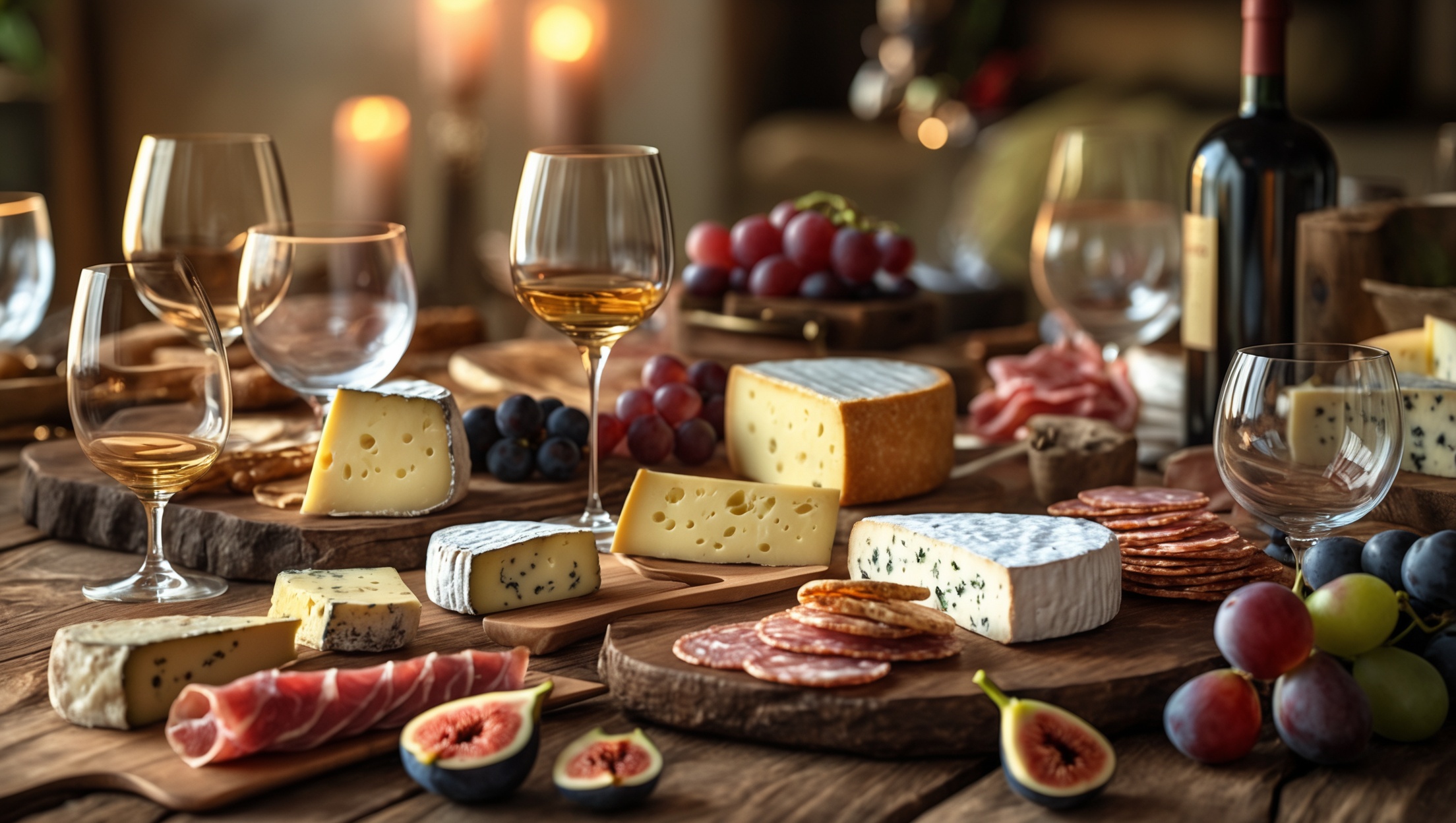
Imagine stepping into a cozy, thoughtfully curated space in your own home where flavors come alive, conversation flows easily, and every bite and sip is an exploration. Setting up a dedicated home tasting room bridges the gap between fine dining and at-home comfort, letting you savor culinary experiences on your own terms. Whether you’re an aficionado eager to showcase your favorite finds or a curious host wanting to delight friends, a home tasting room is a celebration of taste, craft, and culture. It’s not just about putting out some cheese and wine—it’s about intentional design, strategic equipment selection, and the art of pairing flavors for every season. In this guide, we’ll break down everything you need to transform a corner of your home into a space that stimulates all the senses. From essential tools and ambiance design to seasonal pairing strategies and maintenance best practices, this comprehensive resource will ensure your home tasting room rivals even boutique wine bars and gourmet food shops. Let’s unlock the secrets to creating unforgettable tasting journeys right at your own table.
Choosing the Right Space: Foundations for Flavor
Assessing Your Home’s Potential
The first step is selecting a location that both inspires and serves practical needs. Look for a spot that is:
- Free from strong cooking odors (avoid proximity to the main kitchen if possible)
- Protected from direct sunlight, which can affect temperature-sensitive foods and drinks
- Well-ventilated but not drafty
- Quiet, away from high-traffic areas for a focused experience
Small Spaces, Big Impact
Don’t have a dedicated room? A corner in your dining room, a converted pantry, or even a repurposed alcove can work. The key is intentionality—set boundaries with screens, bookcases, or curtains to define the area. Consider wall-mounted racks or compact carts to maximize space.
Essential Tools & Equipment: Building Your Tasting Toolkit
Glassware and Drinkware
- Wine Glasses: Universal tulip-shaped glasses work for both reds and whites. For enthusiasts, consider adding flutes for sparkling and small glasses for fortified wines.
- Spirits Glasses: Glencairn glasses for whiskey, copitas for sherry, and neat glasses for other spirits.
- Beer Glasses: Tulip, pint, and snifter glasses for different beer styles.
- Water Carafes: Hydration and palate cleansing are crucial.
Serving Boards and Plates
- Wooden Boards: Ideal for cheeses, charcuterie, and breads.
- Slate or Marble Slabs: Stay cool for butter, chocolate, and delicate pastries.
- Small Plates and Bowls: For individual samplings; ceramic or stoneware add artisanal flair.
Cutlery and Tools
- Cheese Knives: Soft, hard, and crumbly varieties each need their own blades.
- Spreaders and Forks: For spreads, jams, and pickles.
- Wine Opener: Invest in a sommelier’s corkscrew or lever model.
- Decanter: Enhances the bouquet of full-bodied reds.
- Ice Bucket: For chilling whites, bubbles, or craft beers.
Preservation and Storage
- Wine Fridge or Cooler: Keeps bottles at optimal temperature.
- Covered Domes/Cloche: Protects foods from drying out during longer tastings.
- Resealable Containers: For storing leftovers without flavor transfer.
Ambiance Essentials
- Adjustable Lighting: Dimmer switches, candles, or battery-powered lanterns for mood control.
- Music System: A discreet speaker for background jazz or classical playlists—never intrusive.
- Textiles: Linen napkins, woven runners, or soft cushions to add comfort and sensory richness.
Designing the Perfect Ambiance: Setting the Scene
Lighting for Mood and Function
Lighting should flatter both your food and your guests. Avoid harsh overhead bulbs; instead, opt for table lamps, fairy lights, or candles. Keep lighting warm (2700–3000K) to enhance colors and create intimacy. Use layered lighting: a combination of ambient (general), task (focused on the table), and accent (for features like a bottle display).
Soundscapes for Savoring
Curate playlists to match your tasting theme—French bistro jazz for a cheese flight, classic Italian for olive oil samplings, or ambient sounds for contemporary sessions. Keep volume low enough for conversation but present enough to mask distracting background noise.
Scents and Sensory Balance
Avoid strong floral or perfumed candles which can interfere with tasting. Instead, keep scents neutral or use unscented beeswax candles. Fresh flowers should be fragrance-free if used at all. If you want a subtle aroma, try simmering citrus peels and herbs in a small pot an hour before guests arrive—but remove it before the tasting begins.
Decor and Personal Touches
- Natural Elements: Wood, stone, and ceramic materials ground the space and warm the visual palette.
- Seasonal Details: Use branches, autumn leaves, or spring blossoms to reflect the time of year.
- Display: Open shelving for glassware or a curated tray of tasting tools signals the room’s intent.
Stocking Your Tasting Room: Seasonal and Artisanal Selections
Curating Your Core Selection
- Cheese: Mix textures and milk types (cow, goat, sheep); rotate in seasonal local cheeses.
- Charcuterie: Include both cured and cooked meats, with plant-based options for variety.
- Breads and Crackers: Offer a range of bases—think baguette slices, seeded crackers, and rye crisps.
- Condiments: Chutneys, mustards, preserved fruits, local honey, and artisan jams.
- Fresh Fruits and Nuts: Adjust for seasonality—figs and grapes in fall, berries and stone fruit in summer.
Beverage Pairings and Rotation
- Wine: Stock a balance of reds, whites, rosés, and sparkling from different regions; explore orange and natural wines for contemporary flair.
- Beer and Cider: Include a range of styles—farmhouse ales, sours, and ciders for seasonality.
- Non-Alcoholic Options: Craft sodas, shrub syrups, and herbal infusions for inclusive experiences.
Supplier Relationships
Build connections with local cheese shops, bakeries, and farmers’ markets to source peak-season ingredients. Explore online purveyors for specialty products not found locally. Many offer sampler packs perfect for home tastings.
Seasonal Pairing Strategies: Elevating Every Experience
Spring: Freshness and Renewal
- Cheese: Young goat cheese with fresh herbs
- Bread: Lemon-thyme focaccia
- Fruit: Strawberries, asparagus tips
- Beverage: Sauvignon Blanc or dry cider
Summer: Bright, Juicy, and Chilled
- Cheese: Burrata drizzled with olive oil
- Charcuterie: Prosciutto, bresaola
- Fruit: Peaches, melon, cherries
- Beverage: Rosé, pét-nat, or farmhouse saison
Autumn: Richness and Depth
- Cheese: Aged gouda, blue cheese
- Charcuterie: Smoked meats, pâté
- Condiments: Fig jam, spiced nuts
- Beverage: Pinot Noir, nutty brown ale, or spiced cider
Winter: Comfort and Spice
- Cheese: Triple-cream brie, aged cheddar
- Charcuterie: Salami, coppa
- Bread: Walnut loaf
- Condiments: Quince paste, honeycomb
- Beverage: Full-bodied reds, sherry, or warming herbal teas
Tips for Seamless Pairings
- Always taste from mild to bold: lighter flavors first, stronger last.
- Palate cleansers—like apple slices or plain bread—reset taste buds between rounds.
- Offer tasting notes cards for guests to jot impressions and favorites.
- Rotate selections based on guest preferences and available ingredients.
Step-by-Step Tasting Room Setup Tutorial
- Define Your Space: Clear out non-essential items, deep clean, and set physical boundaries.
- Install Storage: Add shelving or wine racks. Set up a mini-fridge if possible.
- Arrange Lighting: Place adjustable lamps and candles. Test the effect at different times of day.
- Set Out Core Equipment: Organize glassware, plates, utensils, and boards in easy reach.
- Stock Ingredients: Fill your fridge and pantry with seasonal cheeses, charcuterie, and beverages.
- Curate Decor: Add textiles and natural accents for warmth. Keep clutter to a minimum.
- Test Run: Host a mini tasting with your household. Adjust layout and flow as needed.
Maintenance Best Practices: Keeping It Pristine
Cleaning and Upkeep
- Wash glassware with fragrance-free soap and air dry to avoid streaks.
- Sanitize boards and tools after each use. Oil wooden boards monthly to prevent cracking.
- Clean textiles—napkins, runners, and cushions—promptly after spills.
- Empty and wipe down the fridge/cooler weekly.
Restocking and Rotation
- Check expiration dates and rotate perishables first in, first out.
- Keep a tasting room log to track favorites, guest feedback, and seasonal ideas to revisit.
- Schedule monthly ‘refresh’ sessions to deep clean and update decor for the season.
Safety and Food Compliance Checklist
- Keep raw and ready-to-eat foods separate at all stages.
- Store all perishable foods at safe temperatures (below 40°F/4°C).
- Use a food thermometer for cooked items served warm.
- Label homemade condiments with preparation dates.
- Allergies: Always ask guests about food sensitivities in advance and provide clear labeling.
- Clean hands and surfaces before and during tastings.
Marketing Your Tasting Room Experience: Inviting Community
Creating Buzz
- Use social media to share sneak peeks of your setup, seasonal pairings, and behind-the-scenes prep.
- Collaborate with local producers for themed tasting nights and cross-promotion.
- Send digital invitations and create a simple online RSVP form to manage guest lists and preferences.
- Encourage guests to share their experiences and tag your tasting room on social platforms.
Building a Loyal Guest Community
- Offer loyalty cards or stamp programs for repeat guests.
- Rotate themes—cheese flights, chocolate and spirit pairings, or regional food explorations—to keep things fresh.
- Host educational sessions, such as ‘Pairing 101’ or ‘Meet the Maker’ virtual chats with local artisans.
Conclusion: Your Culinary Salon Awaits
Creating a home tasting room is about far more than assembling a few bottles and nibbles. It’s a curated journey into the heart of flavor, craft, and connection—a space where the everyday is elevated and the senses are celebrated. With the right tools, a thoughtful approach to ambiance, and a rotating palette of seasonal pairings, your tasting room becomes a personal salon for discovery. You’ll not only cultivate your own palate and culinary knowledge but also foster a community of friends and fellow enthusiasts who look forward to each new experience you host. Remember, the most memorable tastings aren’t the ones with the rarest ingredients or the fanciest glassware, but those where every detail comes together with intention and heart. From sourcing the best local cheeses to perfecting your lighting, every decision shapes the stories you and your guests will savor for years to come. So, set your table, uncork something special, and let the flavors lead the conversation. Your culinary adventure starts right at home.
I’m trying to set up a tasting area in my small apartment, so I really liked the suggestion about using bookcases or curtains to define the space. Do you have any tips for making a space still feel special and cozy if I can only use a corner of my living room?
Using a corner of your living room can work beautifully for a tasting area. Try adding a small rug or a unique lamp to visually separate the space. Soft, warm lighting and a few personal touches like framed art or a favorite tray can make it feel inviting. Even a couple of dedicated tasting glasses and a small plant can elevate the corner and give it a cozy, special vibe.
You mention avoiding spaces near kitchens due to strong odors, but what if my only available spot is close to the kitchen? Are there specific tips or products for minimizing unwanted smells that could affect the tasting experience?
If your tasting area is close to the kitchen, try running a good-quality air purifier with a carbon filter to help absorb odors. Keep the kitchen well-ventilated, and avoid cooking aromatic foods just before tastings. Scented candles or diffusers with neutral notes (like bamboo or linen) can also help mask residual smells without overpowering the tasting experience.