
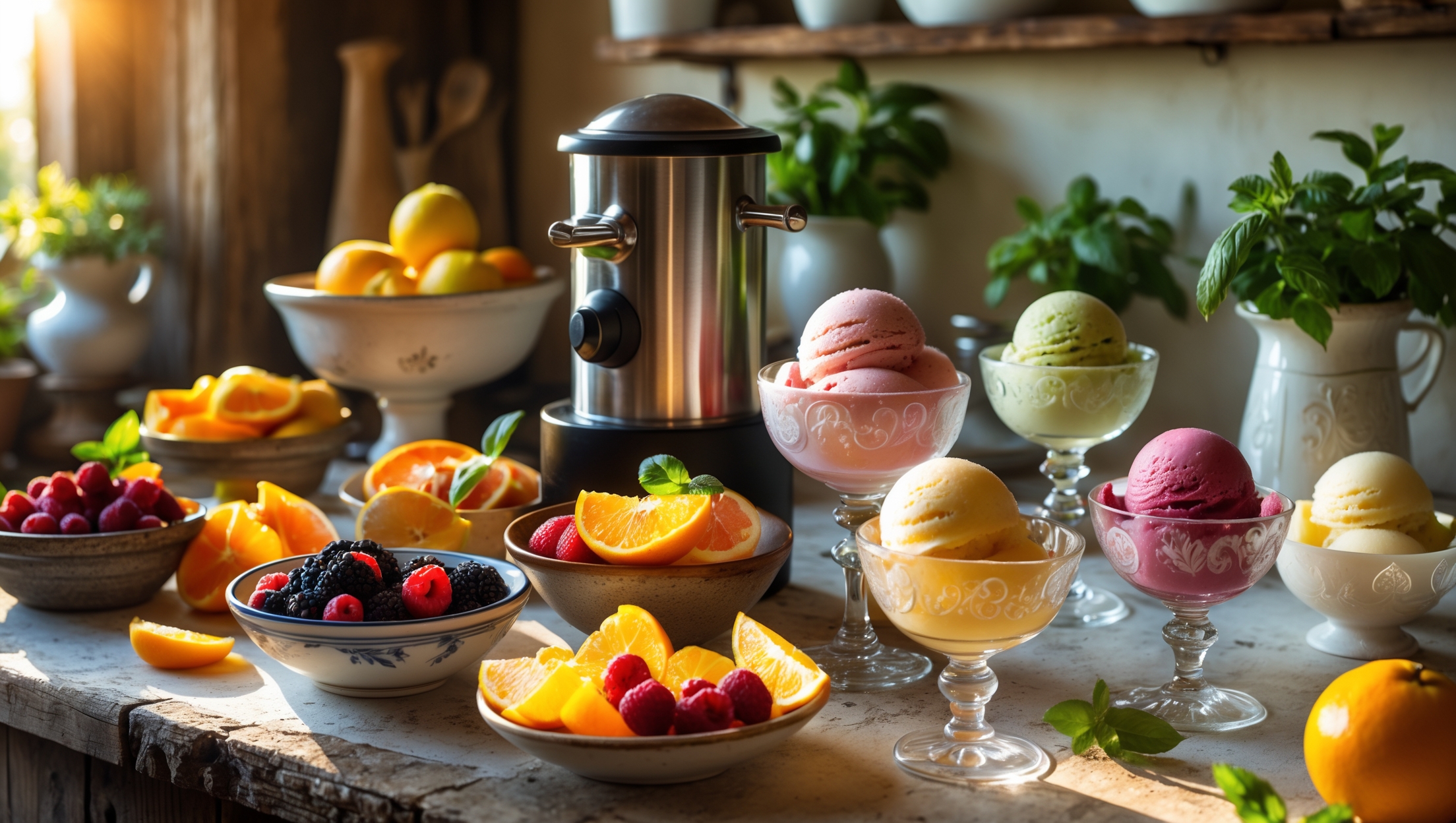
Introduction: The Art (and Joy) of Homemade Sorbet
There’s a singular pleasure in plunging a spoon into a vibrant, freshly churned sorbet on a hot afternoon—a pleasure heightened when that sorbet is crafted from seasonal fruit at its peak ripeness. Sorbet, with its simple composition and bold flavors, is a canvas for culinary creativity and a celebration of the best that each season offers. While store-bought options abound, nothing compares to the clarity of flavor, texture, and satisfaction that comes from making your own. However, many home cooks shy away from sorbet craft, believing it requires expensive equipment or advanced techniques. The truth is, with a thoughtful approach to tools, an understanding of ingredient pairings, and a few cost-savvy strategies, anyone can create showstopping sorbets at home. In this comprehensive guide, we’ll explore the essential equipment (from hand tools to full-fledged sorbetieres), delve into inspired seasonal and botanical flavor pairings, and reveal practical tips for keeping your sorbet craft accessible and budget-friendly. Whether you’re a first-timer or a seasoned kitchen experimenter, you’ll find everything you need to bring the magic of seasonal sorbet into your culinary repertoire.
Essential Equipment Guide: Sorbet Tools for Every Kitchen
Understanding Your Options: Manual, Electric, and Beyond
Sorbet can be made with a range of equipment, from basic to specialized. Here’s what you need to know about each option:
- Blender or Food Processor: Vital for pureeing fruit and combining ingredients. High-powered blenders yield the silkiest textures, but any sturdy model will do.
- Ice Cream Maker (Sorbetiere): The gold standard for smoothness and consistency. Options range from freezer-bowl models (affordable, manual freezing) to compressor machines (higher cost, faster results).
- Hand Mixer & Mixing Bowls: If you don’t have an ice cream maker, a hand mixer and patience can create sorbet through the freeze-and-stir method.
- Fine Mesh Sieve: Essential for straining purees and removing seeds or pulp, resulting in a refined texture.
- Silicone Spatula: For scraping down bowls and transferring mixtures without waste.
- Digital Kitchen Scale: Accuracy is crucial in sorbet craft for balancing sugar and liquids.
- Thermometer: Optional, but helpful in monitoring sugar syrup temperatures for certain recipes.
Choosing the Right Ice Cream Maker: Cost, Capacity, and Performance
Ice cream makers vary widely in price and capability. Here’s a breakdown:
- Freezer Bowl Models (e.g., Cuisinart ICE-21): $50–$100. Bowl must be pre-frozen; great for occasional use and small batches.
- Compressor Models (e.g., Breville Smart Scoop): $300–$500. No pre-freezing required; ideal for frequent makers or larger quantities.
- Manual Churners: $25–$60. Old-fashioned hand cranks; fun for kids and purists, but labor-intensive.
- No-Churn Method (Freeze-and-Stir): $0 (uses existing kitchen tools). Laborious, requires attention every 30–60 minutes but works in a pinch.
Consider your budget, batch size, and how often you’ll use the equipment. For most beginners, a freezer-bowl model strikes the best balance between cost and results.
Pro Tip: Maintenance and Longevity
Regardless of your chosen tool, thorough cleaning after every use is crucial. Avoid harsh detergents on freezer bowls, always dry components thoroughly, and store electrical parts away from moisture. A well-maintained machine can last for years, making it a smart investment for dessert lovers.
Seasonal Flavor Pairings: From Orchard to Bowl
Spring: Freshness and Floral Notes
- Strawberry + Rhubarb: The tang of rhubarb balances strawberry’s sweetness. Add a touch of vanilla or orange zest for depth.
- Lemon + Elderflower: Zesty, refreshing, and lightly floral. Elderflower syrup is available at many specialty shops.
- Apricot + Chamomile: Sweet-tart apricots with a subtle herbal undertone.
Summer: Peak Fruit and Herbal Accents
- Peach + Basil: Juicy stone fruit meets aromatic herbs for a sophisticated twist.
- Watermelon + Mint: Ultra-hydrating, with a cooling finish.
- Blueberry + Lemon Verbena: Deep berry flavor elevated by citrusy, floral notes.
Autumn: Richness and Spice
- Pear + Ginger: Sweet, mellow pear with a warm, spicy kick.
- Apple + Cardamom: Classic flavors that evoke cozy, autumnal days.
- Concord Grape + Rosemary: Intense grape flavor with a savory edge.
Winter: Citrus and Exotic Inspirations
- Blood Orange + Star Anise: Vibrant color and a subtle licorice finish.
- Pomegranate + Rosewater: Jewel-toned, fragrant, and festive.
- Kumquat + Honey: Sweet-tart citrus balanced with delicate honey.
Botanical and Spiced Enhancements
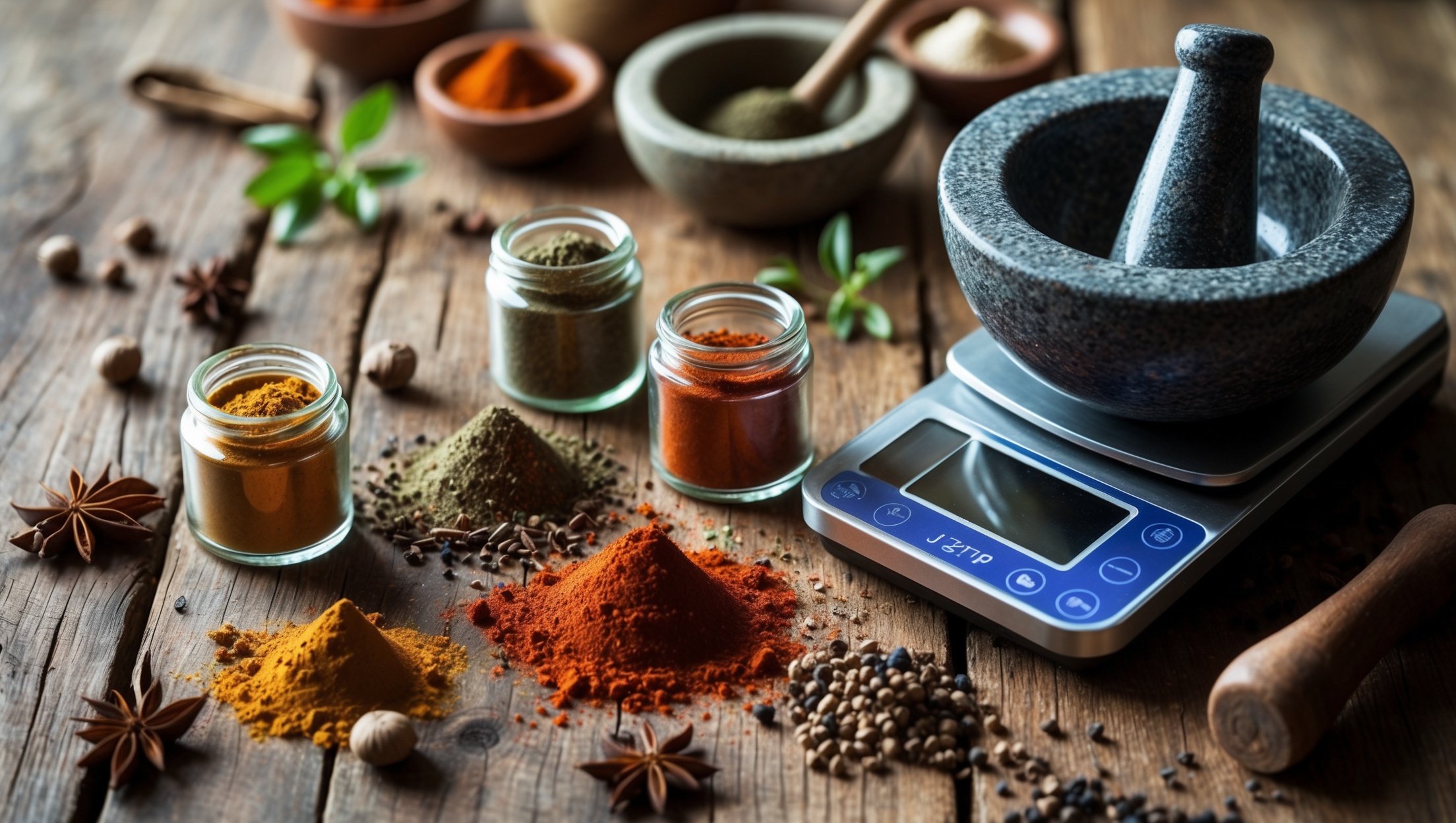
Don’t hesitate to experiment with infusions: steep fresh herbs (thyme, lemongrass, basil) in your simple syrup, or add ground spices (cinnamon, cardamom) to fruit bases. A few drops of high-quality floral waters (orange blossom, rose) transform simple fruit into a gourmet experience. Always start with a light hand—these flavors are potent.
Budget Breakdown: Making Sorbet Without Breaking the Bank
Smart Sourcing: Fruit and Flavor on a Budget
- Shop Seasonally: Buy fruit at its peak; it’s not only cheaper but also more flavorful.
- Farmers’ Markets and U-Pick Farms: Great for bulk deals and ultra-fresh produce.
- Frozen Fruit: Off-season berries and mangoes are often more affordable (and just as tasty) frozen. Ensure there’s no added sugar.
- Reduce Waste: Overripe or slightly blemished fruit is perfect for purees.
Cost Comparison: Homemade vs. Store-Bought
- Homemade (per quart): $4–$8 (depending on fruit and sugar costs)
- Store-Bought Premium Sorbet (per pint): $5–$8
Homemade sorbet not only costs less per serving but also yields superior freshness and customizable flavors.
Ingredient Efficiency: Making the Most of Each Batch
- Simple Syrup: Use a 1:1 ratio of sugar and water. Make in advance and store in a jar for up to 2 weeks.
- Citrus Zest: Zest fruits before juicing to maximize flavor; freeze extra zest for future batches.
- Herbs: Grow your own or buy small bunches; freeze extras in ice cube trays with water.
Step-by-Step: Crafting the Perfect Sorbet
Core Recipe Structure
- 2–3 cups fruit puree (fresh or thawed frozen)
- 1 cup simple syrup (adjust to taste and fruit sweetness)
- 2–3 tablespoons lemon or lime juice
- Optional: 1–2 tablespoons liqueur (vodka, elderflower, etc.) for texture and flavor
Method: With an Ice Cream Maker
- Prepare the Base: Puree fruit and strain if needed. Combine with simple syrup, citrus juice, and any infusions or liqueurs.
- Chill Thoroughly: Refrigerate the mixture for at least 2 hours, ideally overnight. Colder base = smoother sorbet.
- Churn: Pour into your ice cream maker and churn according to manufacturer instructions (usually 20–30 minutes).
- Freeze: Transfer to a container, press plastic wrap directly onto the surface, and freeze until firm (2–4 hours).
No-Churn Method (Freeze-and-Stir)
- Pour the chilled base into a shallow metal pan and freeze for 1 hour.
- Scrape and stir vigorously with a fork or hand mixer to break up ice crystals.
- Return to freezer; repeat every 30–60 minutes, 4–5 times, until smooth and scoopable.
This method is more labor-intensive, but yields respectable results for those without machines.
Texture Troubleshooting
- Too Icy? Add a tablespoon of alcohol or invert sugar (like corn syrup or honey) to improve scoopability.
- Too Soft? Reduce sugar slightly or increase churn time.
- Gritty? Strain purees carefully and ensure thorough chilling before freezing.
Safety and Storage: Keeping Sorbet Fresh and Food-Safe
Food Safety Essentials
- Always wash and dry fruit thoroughly before pureeing.
- Ensure all equipment is clean and dry before use.
- Use pasteurized juice when possible, especially for citrus used in raw applications.
Storage Best Practices
- Store sorbet in airtight, freezer-safe containers; press plastic wrap or parchment directly onto the surface to minimize ice crystals.
- Label batches with date and flavor.
- Best enjoyed within 2 weeks for optimal texture and flavor, though it remains safe for up to 1 month.
Creative Serving and Pairing Ideas
Plating Like a Pro
- Serve sorbet in chilled glassware or hollowed citrus halves for a dramatic effect.
- Garnish with fresh herbs, candied citrus peel, or edible flowers.
- Pair with crisp cookies, meringues, or a drizzle of infused honey.
Beyond Dessert
- Add a scoop to sparkling wine for a festive aperitif.
- Serve alongside cheese boards, especially with tangy goat cheese or aged parmesan.
- Use savory sorbet (think tomato-basil or cucumber-lime) as a palate cleanser between courses.
Conclusion: The Joy of Sorbet Craft, Season by Season
Homemade sorbet is more than just a refreshing dessert—it’s an invitation to celebrate seasonality, experiment with flavor, and elevate everyday ingredients into something truly memorable. With the right tools (which need not break the bank), a bit of planning, and a willingness to embrace the bounty of each season, anyone can master the craft of sorbet at home. Whether you’re sourcing strawberries in spring, peaches in summer, apples in autumn, or citrus in winter, the possibilities are as endless as your imagination. The process encourages creativity: try new combinations, infuse syrups with herbs or spices, and let the market’s offerings guide your next batch. Sorbet craft is also a study in balance—of sweetness, acidity, and texture—offering a rewarding blend of science and artistry for cooks of all skill levels.
As you embark on your own sorbet adventures, remember that the best results come from honoring the fruit’s natural character, using what’s fresh and available, and enjoying the learning process. With the practical equipment and cost-saving tips in this guide, you’ll discover that gourmet, seasonal sorbet is well within reach. So clear out a freezer shelf, dust off that blender, and let the flavors of the season inspire your next frozen creation. Happy churning!
When using the freeze-and-stir method with a hand mixer, how frequently do you recommend stirring during the freezing process, and about how long does it usually take for the sorbet to reach the right consistency compared to using a compressor ice cream maker?
When using the freeze-and-stir method, it’s best to stir the sorbet every 30 to 45 minutes as it freezes. This helps break up ice crystals for a smoother texture. Typically, it takes about 3 to 5 hours to reach the right consistency. In comparison, a compressor ice cream maker usually finishes the job in 30 to 45 minutes, so the hand mixer method is slower but still effective.
I’m curious about the freeze-and-stir method with just a hand mixer and bowls. How much extra time does it take compared to using an ice cream maker, and are there any tips to make the process less labor intensive for bigger batches?
The freeze-and-stir method typically takes several hours longer than using an ice cream maker because you need to freeze the sorbet mixture and stir it every 30–45 minutes until it sets, usually over 3–4 hours. For bigger batches, try splitting the mixture into several shallow containers to speed up freezing and make stirring easier. Using a cold metal bowl and pre-chilling your hand mixer attachments can also help reduce effort.
You mention that a high-powered blender makes for smoother sorbet, but can you still get good results using just a basic blender or food processor? Are there specific fruits that work better than others if you have more limited equipment?
You can definitely make sorbet with a basic blender or food processor, though the texture might be a bit less silky. Softer fruits like mangoes, berries, peaches, and bananas tend to blend more smoothly without needing powerful equipment. Just be sure to cut fruit into small pieces and freeze them first for best results. You might need to blend in smaller batches and stop occasionally to scrape down the sides.
The article mentions using seasonal and botanical flavor pairings for sorbet. As a beginner, do you have specific examples of pairings that are both easy to find and forgiving if I haven’t made sorbet before?
Absolutely, some beginner-friendly flavor pairings include strawberry and basil, lemon and mint, or peach and lavender. These ingredients are usually easy to find and result in refreshing, balanced flavors. They’re also forgiving if you’re new to making sorbet—just add a small amount of the herb or botanical at first, taste, and adjust as needed to suit your preference.