
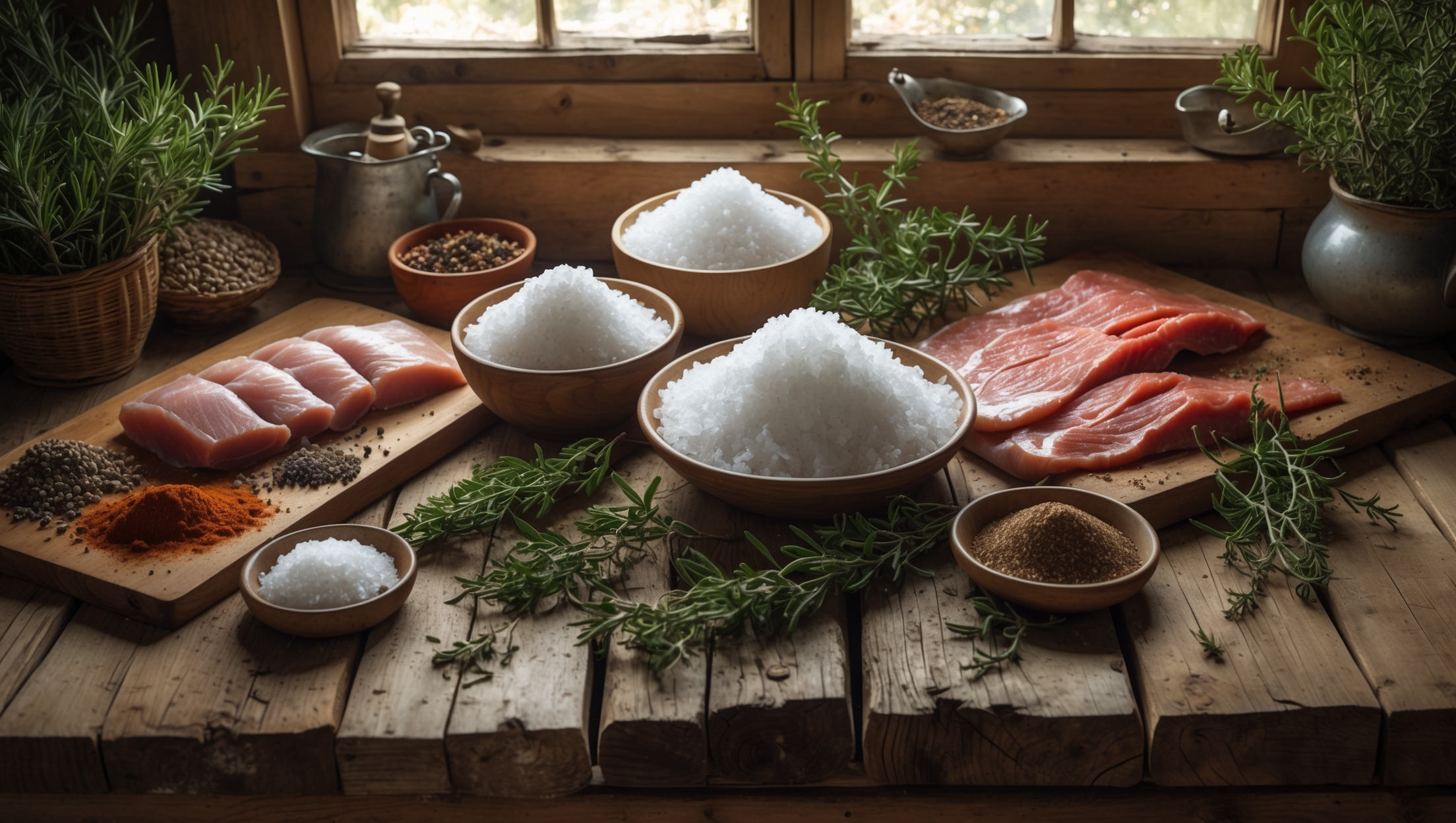
Introduction: Rediscovering the Art of Salt Curing at Home
The ancient technique of salt curing stands as one of the culinary world’s most enduring and transformative crafts. Revered for both its power to preserve and its capacity to concentrate flavor, salt curing has shaped food cultures across continents and centuries. Today, as home cooks and culinary enthusiasts seek deeper engagement with their ingredients and techniques, gourmet salt curing offers a rewarding opportunity for hands-on experimentation, creative flavor development, and an authentic connection to food history. However, the mystique of salt curing is often shadowed by concerns about safety, ingredient selection, and the nuances of technique. This comprehensive guide aims to demystify the process—empowering you with the practical knowledge, safety protocols, and flavor inspiration needed to embark on your own home-cured culinary adventures. Whether you’re drawn by the allure of silky gravlax, robust pancetta, or even salt-cured egg yolks, mastering salt curing will elevate your kitchen craft and unlock new dimensions of taste and texture.
Understanding Salt Curing: Foundations and Science
The Role of Salt in Preservation
Salt curing works by drawing moisture out of foods through osmosis, creating an inhospitable environment for spoilage-causing microbes. This ancient method not only prolongs shelf life but also transforms texture and intensifies flavors. The amount of salt, duration of cure, and choice of complementary seasonings all influence the final result.
Types of Salt Curing
- Dry curing: Rubbing salt and spices directly onto food, often used for meats, fish, and egg yolks.
- Wet curing (brining): Submerging foods in a saltwater solution, ideal for larger cuts and delicate proteins.
- Equilibrium curing: Precisely measuring salt as a percentage of the food’s weight, offering more control and consistency.
Key Ingredients
- Salt: Use non-iodized, high-quality salts such as kosher, sea, or Himalayan pink salt. Avoid table salt, which may contain anti-caking agents and iodine that can affect flavor and color.
- Sugar: Optional, but often included to balance saltiness and promote desirable textures and flavors.
- Seasonings: Fresh or dried herbs, spices, citrus zest, and aromatics can impart signature flavors to your cured foods.
Essential Tools and Equipment for Home Salt Curing
- Digital scale: Precision is crucial—especially for equilibrium curing. A reliable scale ensures accurate salt-to-food ratios.
- Non-reactive containers: Choose glass, ceramic, or food-grade plastic for curing. Avoid metals (except stainless steel) to prevent off-flavors and reactions.
- Vacuum sealer or sealable bags: Helpful for even curing and minimizing contamination.
- Wire racks: For air circulation during drying stages.
- Sharp knives: For trimming, portioning, and slicing cured products.
- Refrigerator or dedicated curing fridge: Consistent, cool temperatures are essential for safe curing.
- Food thermometer: Monitoring temperature is key to safety, particularly for meats and fish.
Safety First: Critical Protocols for Safe Salt Curing
Mitigating Food Safety Risks
Salt curing can be perfectly safe at home, but only if you follow strict safety protocols. Here’s how to minimize risk:
- Start with fresh, high-quality ingredients: Don’t attempt to cure food that’s past its prime.
- Maintain clean work surfaces and utensils: Sanitize everything before and after handling raw proteins.
- Monitor temperatures: Cure in the refrigerator or at controlled temperatures (generally below 40°F / 4°C) to inhibit bacterial growth.
- Use curing salts (when needed): For meats, especially pork, consider using a measured amount of curing salt (such as Prague Powder #1) to prevent botulism. Follow package instructions carefully.
- Time accurately: Don’t over- or under-cure; follow tested recipes or calculate cure times using established guidelines.
- Inspect finished products: Discard anything with off-odors, unnatural colors, or slimy textures.
Common Mistakes and How to Avoid Them
- Guessing salt quantities: Always weigh both the food and the salt. Inaccurate measurements can lead to unsafe or overly salty results.
- Improper storage: Store curing foods away from strong-smelling items and always below 40°F (4°C).
- Neglecting cross-contamination: Never reuse curing salt mixtures or brines on new batches. Wash hands and tools thoroughly.
Step-by-Step Home Salt Curing: A Practical Tutorial
1. Choosing Your Food for Curing
- Meats: Pork belly (for pancetta, bacon), duck breast (prosciutto), beef (bresaola), or chicken breasts.
- Fish: Salmon (gravlax), tuna, mackerel, or cod.
- Egg Yolks: For grating over dishes as a umami-rich condiment.
- Vegetables: Tomatoes, mushrooms, and even lemons for preserved lemons.
2. Preparing the Cure
- Weigh your main ingredient and calculate the required salt (typically 2–3% of total weight for equilibrium curing).
- Mix salt with any additional sugar and aromatics as desired.
3. Applying the Cure
- Dry Cure: Rub the cure mixture evenly over all surfaces of the food. Place in a non-reactive container or vacuum-seal bag.
- Wet Cure (Brine): Dissolve the measured salt and sugar in water. Submerge food fully in the brine.
4. Curing and Monitoring
- Refrigerate immediately. Rotate or massage food daily for even curing, if appropriate.
- Monitor time carefully: fish may cure in 24–48 hours, meats can take days to weeks depending on thickness and recipe.
- Check for firm texture, color change, and aroma development.
5. Post-Cure Steps
- Rinse off excess cure under cold water, if directed by the recipe.
- Pat dry thoroughly.
- Optionally, air-dry on a wire rack in the refrigerator for added texture and flavor concentration.
Flavor Innovations: Going Beyond Basic Salt Cures
Creative Seasoning Combinations
- Classic Mediterranean: Rosemary, thyme, lemon zest, garlic, black pepper.
- Nordic Inspired: Dill, juniper berries, white pepper, vodka or aquavit for gravlax.
- Asian Fusion: Ginger, star anise, Szechuan peppercorns, citrus peel.
- Smoky Depth: Smoked paprika, chipotle, maple sugar, coriander.
Infusing Flavors with Alcohols and Extracts
- Add a splash of bourbon, gin, or rum to your cure for nuanced aroma and flavor complexity.
- Vanilla extract or citrus liqueurs can elevate cured fish or egg yolks.
Vegetable and Vegan Salt Curing
- Salt-cure cherry tomatoes with thyme and smoked salt for a concentrated umami snack.
- Cure mushrooms with miso, salt, and herbs for a plant-based charcuterie addition.
- Preserved lemons: pack sliced lemons in salt and their own juice for North African-inspired zing.
Salt Curing Cost Breakdown: What to Expect
Salt curing can be cost-effective, especially compared to buying gourmet cured products.
- Salt: $1–$5 per batch, depending on type and brand.
- Proteins: Varies widely; expect $10–$30 for quality fish or meat per batch.
- Seasonings and aromatics: $2–$10, depending on complexity.
- Equipment: One-time investments in a scale, containers, and possibly a vacuum sealer ($30–$100+).
In total, a batch of home-cured gravlax or pancetta can often be made for less than half the retail price of artisanal store-bought equivalents.
Maintenance and Storage Best Practices
- Storage: Once cured, keep foods wrapped tightly in parchment and plastic in the refrigerator. For longer-term storage, vacuum-seal and freeze if appropriate (works for gravlax and some meats).
- Monitoring: Regularly check for spoilage or mold (except for harmless white mold on some traditional cured meats, which can be wiped off).
- Slicing: Use a sharp knife or mandoline for paper-thin slices; this enhances mouthfeel and presentation.
- Serving: Bring to room temperature before serving for best flavor and texture.
Debunking Common Salt Curing Myths
- Myth: All salt-cured foods are dangerously salty.
Truth: When measured and rinsed properly, the result is balanced and nuanced, not overpowering. - Myth: Home salt curing is unsafe.
Truth: With attention to hygiene, temperature, and salt ratios, home curing is safe and rewarding. - Myth: Only meats can be salt-cured.
Truth: Fish, eggs, vegetables, and even fruits can be enhanced by salt curing. - Myth: You need expensive equipment.
Truth: While tools help, many cures can be accomplished with basic kitchen gear.
Seasonal Salt Curing: Inspiration for Every Time of Year
- Spring: Cure salmon with dill and lemon for a bright gravlax; try preserved ramps or wild garlic.
- Summer: Salt-cure tomatoes or peppers, and experiment with herb-laced pancetta.
- Autumn: Cured duck breast with warming spices, or mushrooms with sage and thyme.
- Winter: Robust beef bresaola with juniper and rosemary, or salted citrus for holiday dishes.
Marketing and Sharing Your Salt-Cured Creations
Showcasing Your Craft
- Curate tasting platters for guests with cured meat, fish, vegetables, and artisan bread.
- Document the curing process with photos to share on social media or in a food journal.
- Package small cured items as thoughtful, gourmet gifts (always label with ingredients and storage instructions).
Legal and Compliance Considerations
- For home consumption, strict adherence to safety is sufficient.
- If selling or gifting outside your home, research local regulations and food safety laws. Commercial sale may require permits, inspections, and certified kitchens.
Conclusion: Elevate Your Culinary Journey with Salt Curing
Salt curing at home is more than a method—it’s a journey into the heart of culinary craft, brimming with history, science, and creative potential. By understanding the science, mastering essential safety protocols, and experimenting with bold flavor combinations, you’ll unlock a world of possibilities for elevating everyday meals and special occasions alike. The satisfaction of slicing into your own gravlax, pancetta, or salt-cured egg yolk is matched only by the depth of flavor and personal touch you impart. Remember, precision and patience are your greatest allies; always measure carefully, monitor temperatures, and respect the process. As you gain confidence, let seasonality, global traditions, and your own flavor preferences guide your next batch. Whether you’re crafting for family, friends, or your own enjoyment, home salt curing is an invitation to savor the fruits of thoughtful, hands-on food culture. Embrace the process, celebrate your successes, and let each cured creation inspire new stories of taste and craft in your kitchen.



I noticed the article mentions using non-iodized, high-quality salts like kosher or sea salt for curing. Is there a significant difference in the outcome if I use one type over the other, especially in terms of texture and absorption during dry versus wet curing?
Yes, there can be noticeable differences between kosher salt and sea salt when curing. Kosher salt usually has larger, flakier crystals that dissolve more slowly, which can help draw out moisture during dry curing and provide a different texture. Sea salt sometimes has finer grains and can contain trace minerals that subtly influence flavor. Both are non-iodized, so they’re suitable for curing, but your choice may affect how evenly the salt absorbs and the final texture, especially in dry curing methods.
For someone new to home salt curing, how long should I expect the process to take for basic items like gravlax or pancetta? I want to plan ahead and make sure I have the right storage setup during the curing time.
For basic home salt curing, gravlax typically takes about 2 to 3 days in the refrigerator, while pancetta requires a longer period—usually 1 to 2 weeks for the initial salt cure, then possibly another week to air dry, depending on your recipe. Make sure you have a dedicated space in your fridge for gravlax, and for pancetta, a cool, well-ventilated spot for air drying after curing.
Could you explain more about equilibrium curing mentioned in the article? I’m curious how to calculate the right salt percentage for different foods if I’m just starting out with salt curing at home.
Equilibrium curing is a method where you use a precise amount of salt, calculated as a percentage of the food’s total weight—commonly 2–3% for meats. To calculate, simply weigh your food, then multiply by the desired salt percentage (for example, 1000g meat x 0.025 = 25g salt). Mix this salt thoroughly and cure the food in a sealed bag or container. This approach keeps the final saltiness consistent and avoids over-curing.