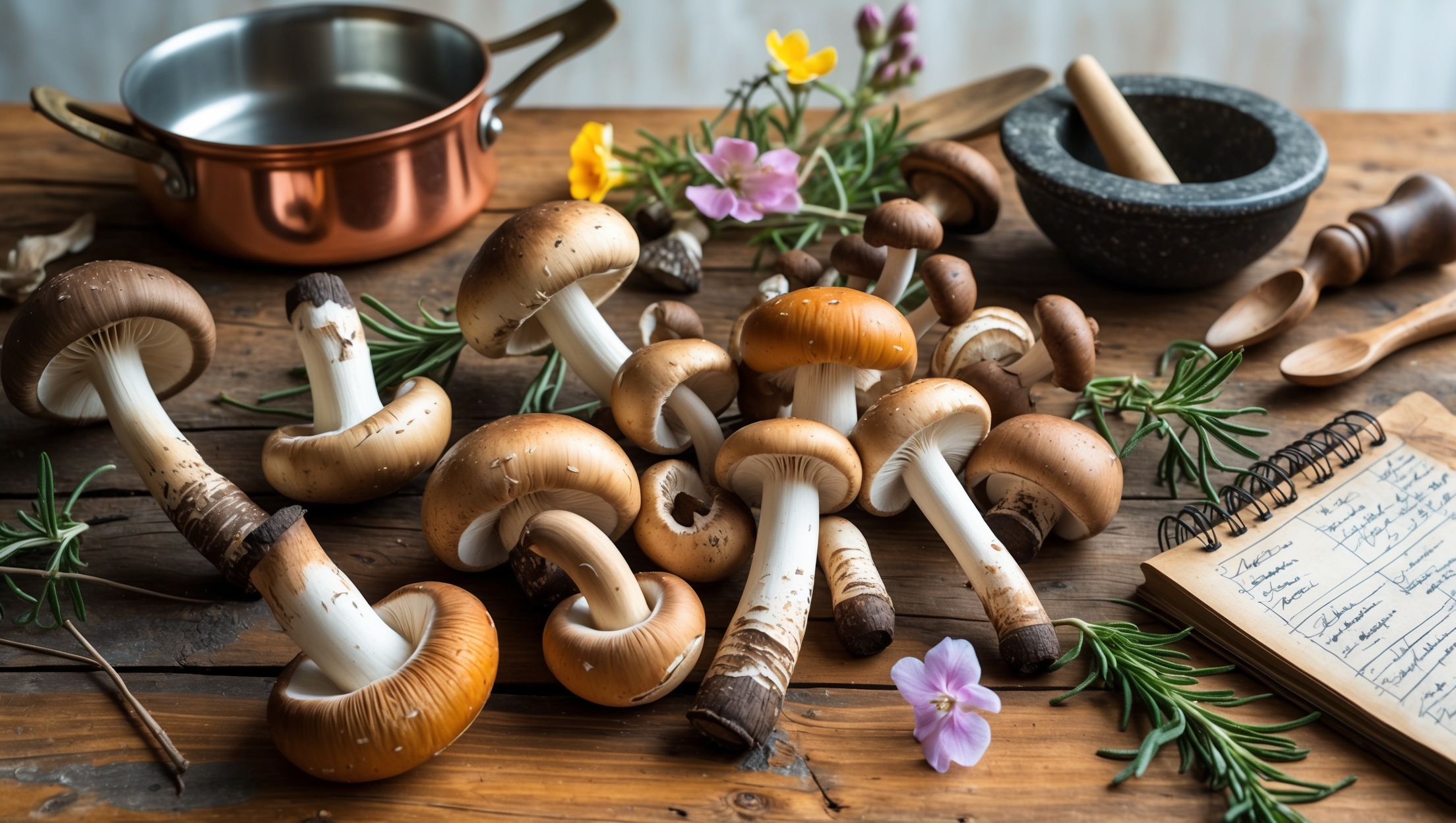
Introduction: The Journey of Wild Ingredients from Forest to Fine Dining
Imagine the thrill of discovering a patch of wild morels beneath a canopy of spring trees, or stumbling upon a field of vibrant wild sorrel after a summer rain. Foraging for wild ingredients is more than a rustic pastime—it’s a culinary movement that bridges the gap between nature and the plate, infusing meals with flavors, textures, and stories unattainable by supermarket fare. As chefs and home cooks alike embrace seasonal wild foods, understanding how to safely, sustainably, and creatively harness these ingredients has become an essential skill in refined culinary culture.
This comprehensive guide unpacks the entire process: from identifying and harvesting wild edibles, to budgeting and sourcing, through to the kitchen tools and techniques that unlock their potential. We’ll address legal and safety considerations, debunk common myths, and offer a step-by-step tutorial on incorporating wild finds into both home and professional kitchens. Whether you’re a seasoned chef or a curious beginner, this post provides practical insights, cautionary tales, and innovative inspirations to transform your seasonal culinary journey.
Understanding Wild Ingredients: The Seasonal Spectrum
What Defines a Wild Ingredient?
Wild ingredients refer to edible plants, fungi, and occasionally animal products that grow or live without cultivation. Unlike farmed produce, they are shaped by untamed environments, resulting in flavors and nutritional profiles that can be strikingly unique. Common examples include wild mushrooms (chanterelles, morels), greens (ramps, nettles, sorrel), berries, nuts, and even aquatic ingredients like wild watercress or sea vegetables.
Seasonality and Regional Variation
- Spring: Ramps, fiddlehead ferns, morels, wild garlic, nettles
- Summer: Wild berries, purslane, sorrel, elderflower
- Autumn: Chanterelles, porcini, wild nuts, rosehips
- Winter: Pine needles, spruce tips (for infusions), overwintered roots
Regional climates dramatically influence what is available. Always consult a local foraging calendar or expert to tailor your search.
Step-By-Step Foraging: Safe, Sustainable, and Rewarding
Essential Foraging Tools and Equipment
- Field guide or foraging app: Reliable identification is crucial.
- Basket or mesh bag: Preserves delicate items and allows spores to disperse.
- Folding knife: For harvesting mushrooms and roots with minimal damage.
- Gloves: Protect hands from stings (e.g., nettles) or thorns.
- Notebook: Record locations, conditions, and yields.
Foraging Safety Checklist
- Never consume any wild ingredient unless 100% certain of its identity.
- Harvest only from unpolluted areas—avoid roadsides, industrial zones, pesticide-treated land.
- Respect legal restrictions: some parks and regions prohibit foraging, or limit quantities.
- Practice sustainable harvesting: take no more than 1/3 of a patch, leaving roots and spores to regenerate.
- Consult local experts or join a reputable foraging group if unsure.
Common Foraging Mistakes (and How to Avoid Them)
- Misidentification: Many edible plants and fungi have toxic lookalikes. Double-check with two sources.
- Overharvesting: Depleting wild stocks is unsustainable. Harvest sparingly.
- Poor storage: Some wild foods spoil rapidly. Plan to process or refrigerate within hours.
The Economics of Wild Ingredients: Cost, Value, and Sourcing
Cost Breakdown: Foraged vs. Commercial Sourcing
At first glance, foraging seems cost-free. However, factor in:
- Time investment: Foraging can require hours per pound of yield, especially for premium finds like morels or chanterelles.
- Travel costs: Reaching remote or clean sites may involve fuel or transport expenses.
- Equipment: Initial investment in books, knives, storage containers.
- Permits: Some public lands require foraging permits, especially for commercial use.
By contrast, purchasing from certified wild food purveyors or farmers’ markets ensures both quality and food safety, but often at a premium. For example, wild morels routinely fetch $30–$50 per pound retail, reflecting scarcity and labor costs.
Budgeting for Culinary Projects with Wild Ingredients
For home cooks, wild harvests can offset specialty grocery costs, but should not be relied upon for bulk staples. For restaurants, wild ingredients are best reserved for specials or high-impact dishes where their unique story and flavor justify the cost. Always:
- Plan menus around peak seasonality for best value.
- Track yield-to-cost ratios for each wild ingredient.
- Build supplier relationships for consistent quality and price.
Legal and Compliance Essentials
Permits and Regulations
Foraging laws vary widely by state, province, and country. Key considerations:
- National/state parks often prohibit foraging or restrict quantities, especially for mushrooms and rare plants.
- Private land requires explicit permission from the owner.
- Commercial foraging (for restaurant or resale) may require inspection and food safety compliance, as well as business licenses.
Traceability and Food Safety in Professional Kitchens
Chefs sourcing wild ingredients must maintain documentation for traceability, especially in regulated regions. Some best practices include:
- Label all wild ingredients with harvest date, location, and forager’s name.
- Store separately from other produce to avoid cross-contamination.
- Work only with certified foragers or suppliers for public service.
Preparation: Unlocking Flavor and Safety
Cleaning and Processing Wild Ingredients
- Brush dirt gently from mushrooms, avoid soaking (can spoil texture).
- Rinse greens in cold water, changing water until clear.
- Discard any parts showing signs of decay or insect infestation.
- For nuts and seeds, dry thoroughly to prevent mold.
Dealing with Toxins and Allergens
Some wild foods require processing to remove toxins (e.g., boiling nettles or acorns). Always research and follow expert guidance for each species. Introduce new wild foods in small quantities to test for allergic reactions.
Kitchen Tools and Techniques for Wild Ingredients
Essential Equipment
- Mushroom brush: For delicate cleaning.
- Dehydrator: Preserves seasonal abundance for year-round use.
- Blanching setup: Large pot and ice bath—vital for greens and ferns.
- Vacuum sealer: Maintains freshness, especially for fragile items.
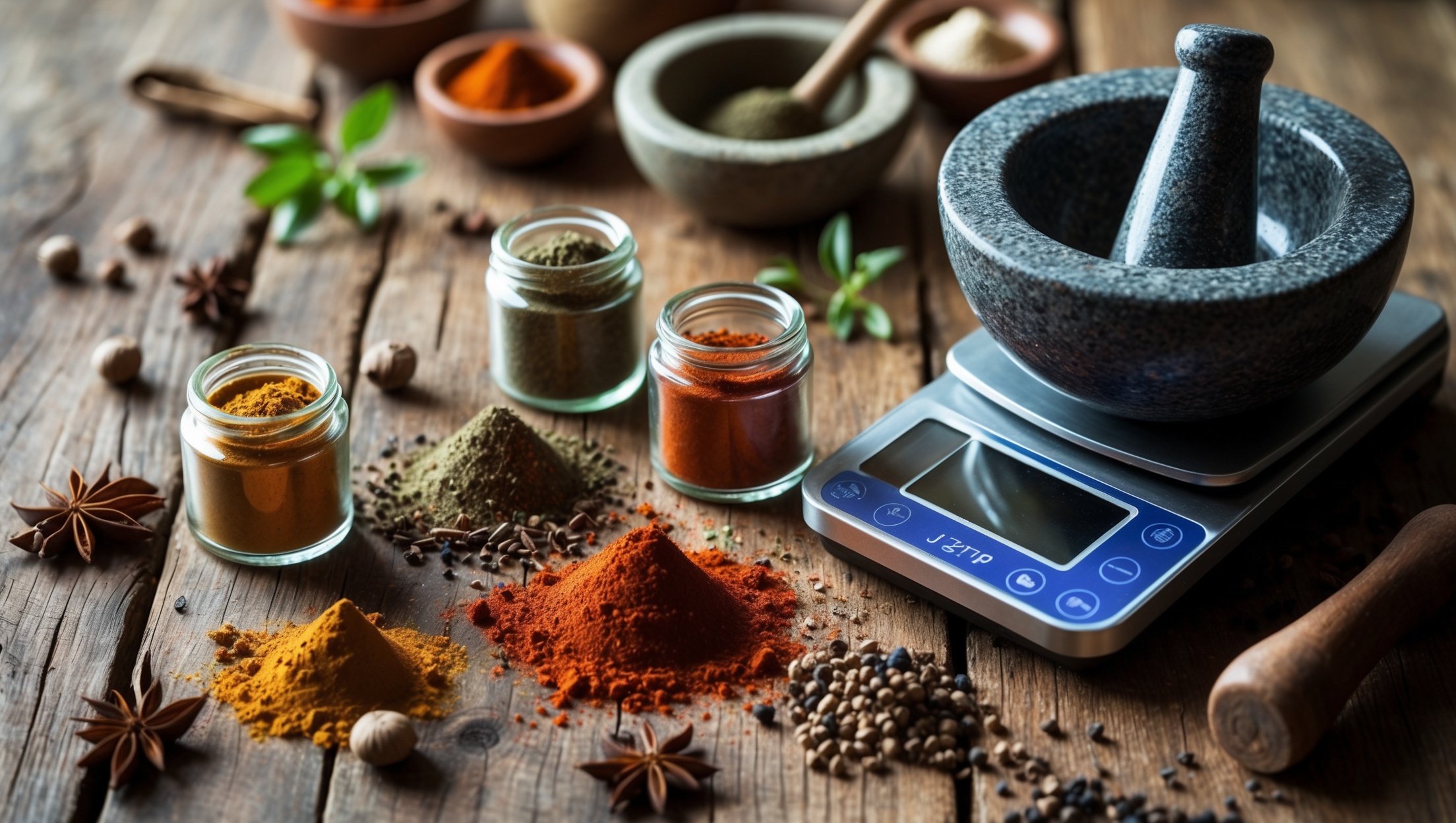
- Mortar and pestle: Ideal for grinding wild seeds, nuts, or dried mushrooms.
Cooking Techniques
- Sautéing: Brings out the umami in mushrooms; pair with aromatics for depth.
- Pickling: Preserves ramps, wild garlic, or onions—adds punch to charcuterie boards.
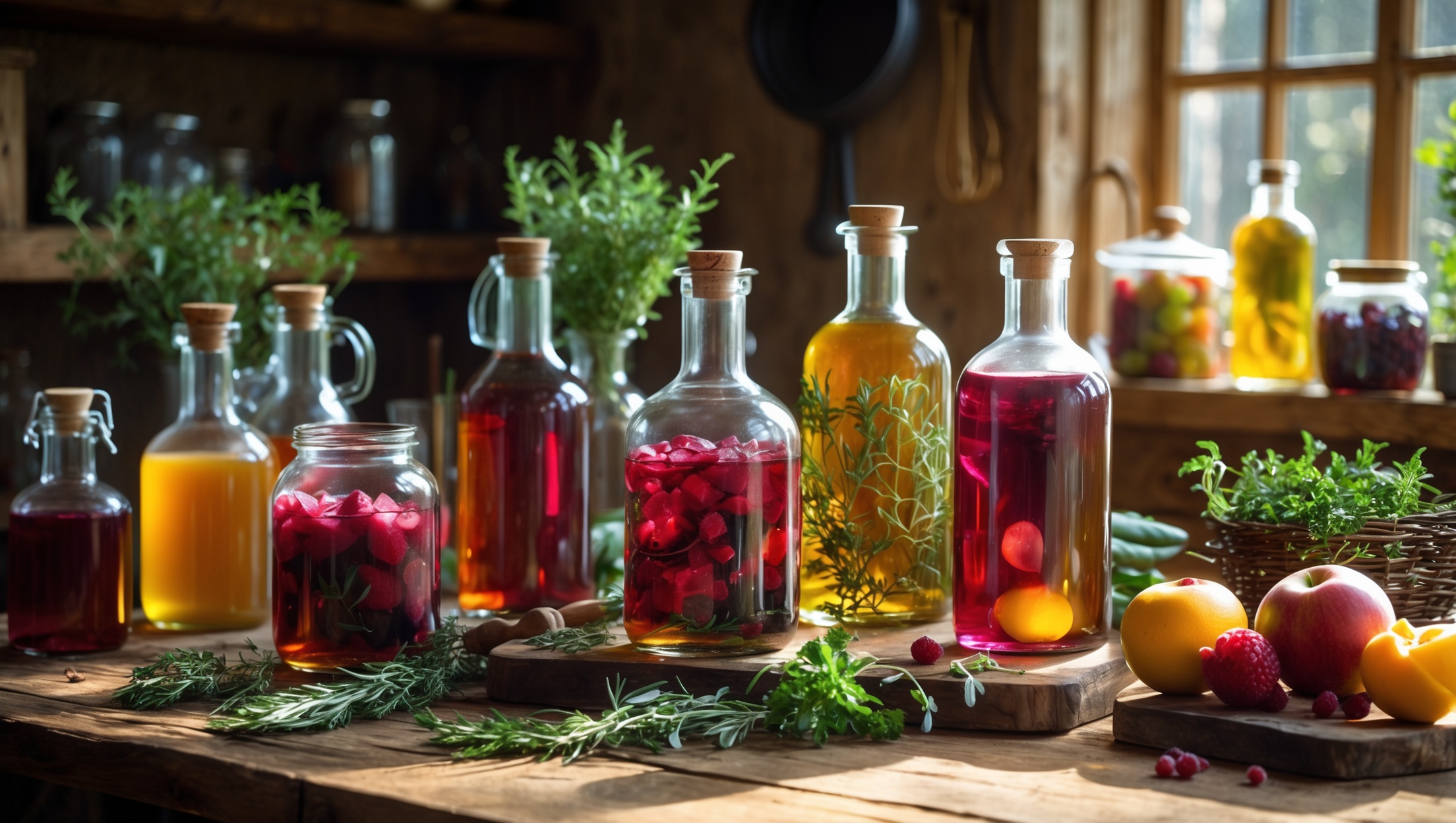
- Infusing: Use wild herbs or flowers in oils, syrups, or spirits.
- Baking: Incorporate wild berries or nuts into breads, scones, or cakes.
- Fermentation: Experiment with wild greens or flowers for unique kimchi or sauerkraut variations.
Culinary Inspiration: Transforming Wild Finds into Refined Dishes
Home Cooking Ideas
- Wild mushroom risotto finished with fresh herbs and a hint of lemon zest.
- Nettle soup with potato, leeks, and crème fraîche.
- Chanterelle and wild garlic tart in a rustic pastry crust.
- Berry compote with elderflower syrup served over yogurt or pancakes.
- Spruce tip shortbread for a piney, citrusy twist on classic cookies.
Restaurant-Quality Plates
- Seared duck breast with wild huckleberry reduction and sunchoke purée.
- Foraged green salad with pickled ramps, toasted wild walnuts, and goat cheese.
- Porcini consommé with handmade wild herb tortellini.
- Smoked trout with watercress, sorrel, and wild fennel pollen.
Preservation for Year-Round Enjoyment
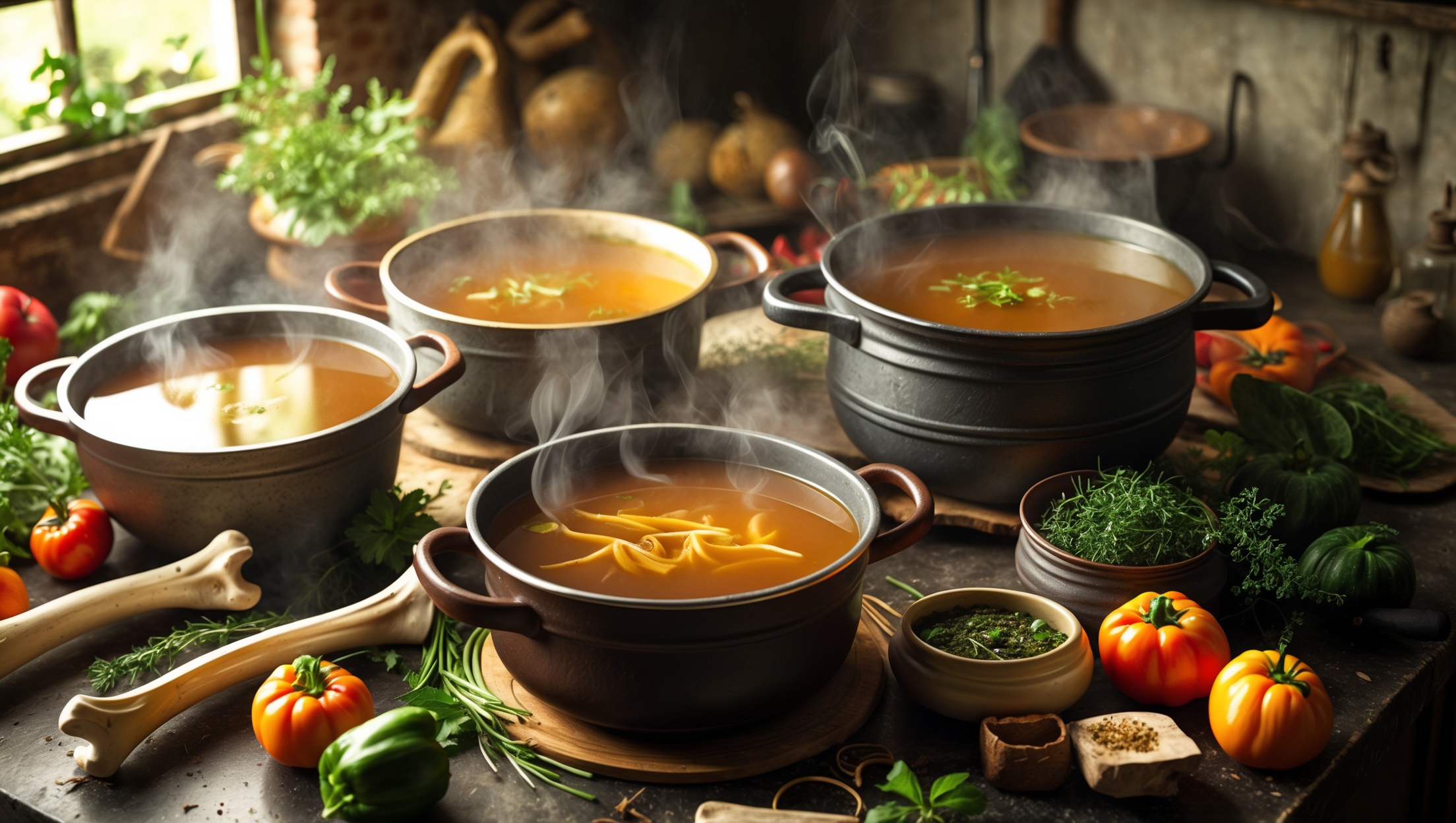
- Dehydrate mushrooms for soups and stocks.
- Can or freeze berry jams and compotes.
- Infuse vinegars or spirits with wild herbs for vibrant dressings and cocktails.
Common Myths About Foraged Foods—Debunked
- “All wild foods are organic and safe.” Not true—environmental pollutants and toxic lookalikes exist.
- “Foraging is free.” Hidden costs in time, travel, and equipment are real.
- “All wild ingredients taste better than cultivated ones.” Some are intensely flavored or require special preparation.
- “Anyone can forage anywhere.” Legal, ethical, and sustainability concerns must always be addressed.
Case Study: Ramps in the Modern Kitchen
Background
Ramps (wild leeks) have soared in popularity in recent years, especially in upscale dining. With their fleeting season and pungent flavor, they exemplify the challenges and rewards of wild ingredients.
Sourcing and Sustainability
Overharvesting has threatened ramp populations in some regions. Responsible chefs now source only from certified sustainable foragers or cultivate ramps under controlled conditions.
Culinary Applications
- Pickled ramps on charcuterie boards
- Ramp pesto tossed with handmade pasta
- Grilled whole ramps as a steak garnish
Marketing Strategies for Wild Ingredient Menus
Storytelling: Connecting Plate and Place
Diners crave authenticity and connection. Highlighting the provenance and seasonality of wild ingredients adds value and intrigue. Use menu notes, social media posts, or tableside explanations to share the journey of each wild ingredient.
Building Partnerships
Collaborate with local foragers, farmers, and parks for both sourcing and educational events. Host seasonal foraging dinners or workshops to engage your community and build loyalty.
Regulatory Messaging
- Assure guests of food safety and sustainable sourcing.
- List ingredient origins and forager/supplier credits where possible.
- Educate staff to confidently answer guest questions about wild items.
Conclusion: Embracing the Wild in Your Culinary Journey
The world of wild ingredients is as rich and varied as the landscapes from which they spring. Whether you’re a home cook seeking adventure or a chef looking to set your menu apart, the process of foraging, preparing, and savoring seasonal finds is deeply rewarding—when approached with knowledge, respect, and creativity. The practical skills outlined here—safe identification, sustainable harvesting, thoughtful budgeting, rigorous food safety, and imaginative cooking—are essential for anyone hoping to integrate wild foods into their culinary repertoire.
Perhaps most importantly, wild ingredients invite us to slow down and reconnect: to the land, to the rhythm of the seasons, and to the stories behind each meal. By honoring both tradition and innovation, you can transform humble wild plants and fungi into dishes that delight the senses and nourish the soul. Whether you are infusing spruce tips into a syrup, crafting a foraged mushroom risotto, or simply enjoying the satisfaction of a well-planned, responsibly sourced meal, the journey from forest to table is an adventure worth savoring—one that brings authenticity, creativity, and a profound sense of place to every plate.
I’m really interested in trying out foraging this spring, but I’m a bit worried about misidentifying edible mushrooms like morels. Could you recommend any reliable beginner tips or safety resources specifically for mushroom identification?
It’s wise to be cautious with wild mushrooms. For beginners, always use a regional field guide with clear photos and descriptions, and consider joining a local mycological society or guided foraging walk to learn from experts. Never eat a mushroom unless you’re 100% certain of its identity, and compare specimens to several reliable sources before harvesting. If in doubt, leave it out.
When incorporating wild finds like wild garlic or sorrel into home cooking, are there recommended kitchen tools or preparation techniques that really help highlight their unique flavors without overpowering the dish?
To bring out the flavors of wild garlic or sorrel, use a sharp knife to finely chop them, which helps preserve their delicate taste. A mortar and pestle is also useful for gently bruising the leaves to release their aroma without breaking them down too much. Adding these ingredients at the end of cooking, rather than early on, keeps their flavors fresh and vibrant.
I noticed the article references budgeting and sourcing for wild ingredients. How do restaurants typically manage the cost and availability of seasonal foraged foods compared to standard produce, especially during off-peak months?
Restaurants manage the cost and availability of seasonal foraged foods by building strong relationships with foragers and local suppliers, allowing them to anticipate what’s available and at what price. During off-peak months, they may adjust menus to feature preserved, pickled, or dried versions of wild ingredients gathered in season. This approach helps maintain consistency and control costs compared to standard produce, which is often available year-round from broader suppliers.
You mention legal and safety considerations for foraging. Are there specific permits or rules I should be aware of before collecting wild ingredients in public parks or forests in the US?
Yes, there are often specific rules for foraging in public parks and forests in the US. Many national and state parks prohibit foraging or require special permits, while some local parks may allow limited gathering of certain plants or mushrooms. Always check the rules for the specific location you plan to visit, as regulations can vary widely. Also, be aware of protected species and never forage on private land without permission.
The article touches on budgeting and sourcing wild edibles—do you have any tips on how chefs or home cooks can accurately estimate costs and quantities when planning to incorporate foraged ingredients into their menus?
When planning to use foraged ingredients, it’s helpful to keep detailed records of past harvests, noting how much you typically collect during each season. Chefs and home cooks should try small test batches first to gauge yield and portion sizes. Also, collaborate with local foragers or join foraging groups to get better estimates of availability and fair market prices, which can fluctuate. This planning will help you forecast quantities and costs more accurately for your menus.
I’m curious how you suggest home cooks approach budgeting when sourcing wild ingredients versus cultivated ones. Are there particular wild edibles that tend to be more cost-effective or easier to find for beginners?
Wild ingredients can be much more affordable if you forage locally and safely, especially for common edibles like wild garlic, dandelion greens, or blackberries. These often grow in abundance and require only your time to gather. For beginners, start with widely recognized, easy-to-identify plants in safe, unpolluted areas. This way, you can supplement your meals with unique flavors without the higher prices of specialty cultivated produce.
Could you elaborate on the budgeting and sourcing aspect you mentioned? I’m curious how professionals weigh the cost and availability differences between foraged ingredients and those sourced from suppliers, especially when planning a seasonal menu.
Professional chefs often balance the unpredictability of foraged ingredients with the reliability of supplier-sourced items. Foraged goods might be less expensive in terms of purchase price but can require more time and labor to source, which affects overall costs. Chefs usually plan menus around what’s reliably available, using foraged items as special features or limited-time offerings, while suppliers provide a stable base. This way, they manage both budget and menu consistency during the season.
You mentioned that identifying and harvesting wild edibles involves certain legal and safety considerations. For someone totally new to foraging in the US, what are some practical steps I should take to make sure I am following the law and staying safe when I go looking for things like ramps or morels?
Before foraging, check local regulations—some parks or public lands prohibit collecting plants or mushrooms. Always get permission if you’re on private property. Go with an experienced forager or join a local group to learn safe identification techniques. Use a reliable field guide, and never eat anything unless you’re 100% certain it’s safe. Also, be mindful of sustainable harvesting—only take what you need and leave plenty behind.
I’ve never foraged before but want to try finding morels this spring like you mentioned. What are the key safety rules for beginners to follow so I don’t accidentally pick something dangerous?
When foraging for morels, always be 100% certain of your identification—never eat anything unless you’re positive it’s a true morel, as false morels can be toxic. Take a guidebook or go with an experienced forager your first time. Only harvest intact mushrooms and avoid those growing in areas that may be contaminated, like roadsides. Finally, cook all wild mushrooms thoroughly before eating. If in doubt, leave it out.
When you mention the safety and legal considerations of foraging, could you clarify what the main laws or restrictions are in the US for gathering wild mushrooms or greens, especially if I want to use them in a home kitchen?
In the US, foraging laws vary by state and even by local parks or public lands. Generally, you need permission to forage on private property, and many public areas restrict or prohibit the collection of wild plants and mushrooms. Picking for personal use in some national forests may be allowed, but commercial use usually requires a permit. Always double-check local regulations, as some species are protected and cannot be collected at all, regardless of intent. For personal home use, be sure you’re not on restricted land and follow safe identification practices.
The article talks about both foraging and sourcing wild foods for the kitchen. For someone just starting out, is it more budget-friendly to try and forage myself, or should I look into specialty markets for wild ingredients?
Foraging can be more budget-friendly since you’re gathering ingredients yourself, but it does require time, research, and knowledge to do safely and legally. Specialty markets are more expensive, but they offer convenience and ensure you’re getting safe, high-quality wild foods. If you’re new, you might want to start by foraging easy-to-identify foods with guidance, or try a mix of both approaches.
The article highlights both home and professional kitchens—can you suggest simple kitchen tools that are especially helpful when preparing wild ingredients like morels or ramps, as opposed to the usual farmed produce?
For wild ingredients like morels and ramps, a few tools can make preparation easier. A soft-bristled brush is great for gently cleaning dirt from delicate mushrooms. A salad spinner works well for thoroughly but gently washing ramps and leafy foraged greens. A sharp paring knife helps trim roots and tough stems precisely. These tools are especially helpful because wild ingredients can be more fragile or have more grit than farmed produce.
The article talks about budgeting and sourcing wild foods—does foraging usually end up being cheaper than buying similar ingredients at specialty markets, or does it depend on the region and what you’re foraging for?
Foraging can definitely be cheaper than buying wild ingredients at specialty markets, but it really depends on your location and what you’re seeking. Some ingredients are plentiful and easy to find in certain areas, making foraging very cost-effective. However, if a particular wild food is rare locally or requires travel, the time and effort could outweigh any savings. Regional availability and your own knowledge both play a big role in the cost comparison.
You mention incorporating wild finds into home kitchens—what are some basic tools or techniques a beginner should invest in to safely prepare things like nettles or wild garlic the first time?
To prepare wild ingredients like nettles and wild garlic safely, start with a good pair of kitchen gloves to protect your hands from stings, especially with nettles. Use a large colander for thorough washing, and consider a salad spinner to dry the greens. Blanching nettles in boiling water for a minute removes the sting, so a stockpot and slotted spoon are handy. A sharp knife and cutting board will help with prep, and basic sautéing or blending techniques work well for both ingredients.
I’m really interested in trying wild foraged foods at home, but with young kids around, I worry about safety. Can you elaborate more on how to confidently identify things like morels or wild garlic and avoid possible lookalikes?
Safety is crucial when foraging, especially with kids. For morels, look for hollow stems and caps with attached edges—avoid false morels, which can be toxic. Wild garlic should smell distinctly garlicky; its lookalikes don’t. Always use a reputable field guide, consult local experts, and if in doubt, leave it out. Involving children in safe identification is a great learning experience, but never eat anything unless you’re completely sure.
Could you share more about which common kitchen tools are most useful when preparing wild ingredients like morels or ramps? I’m mainly cooking at home and want to avoid specialty equipment if possible.
For home cooking with wild ingredients like morels or ramps, you can rely on basic kitchen tools. A good brush or soft cloth helps clean dirt from morels, and a sharp knife is essential for trimming and slicing both morels and ramps. A large skillet works well for sautéing, and a colander is useful for rinsing. You don’t need any specialty equipment—just these everyday items will do the job.
The article talks about budgeting and sourcing wild ingredients. Are there any affordable tools or must-have kitchen equipment you recommend for beginners wanting to start using foraged foods at home without breaking the bank?
For beginners interested in foraged foods, start with a few basic, affordable tools. A sturdy foraging basket or mesh bag, a small field guidebook for identification, and a pocket knife are helpful when gathering. In the kitchen, a good colander for washing, a sharp paring knife, and a cast iron pan or saucepan will cover most simple preparations without a big investment.
The article mentions budgeting and sourcing wild ingredients. For someone new to foraging, how much should I expect to spend compared to buying similar items at a farmer’s market or grocery store, especially for things like morels or wild greens?
When you forage wild ingredients like morels or wild greens, your main costs are time and possibly transportation to safe, legal foraging spots. Financially, foraged items can be nearly free, while morels or wild greens at markets often cost quite a bit—morels especially can be very expensive per pound. However, beginners may not find large quantities right away, so the savings depend on your foraging success. Always factor in your time and any permits needed, but overall, foraging can be significantly cheaper than buying specialty wild foods.
I’m curious, are there any wild ingredients from your seasonal lists—like fiddlehead ferns or wild sorrel—that can be easily preserved or frozen for use during the off-season? Any storage tips for beginners?
Yes, several wild ingredients like fiddlehead ferns and wild sorrel can be preserved for off-season use. Fiddleheads freeze well—just blanch them briefly in boiling water, cool quickly, and store in airtight bags. Wild sorrel can be finely chopped and frozen in ice cube trays with a bit of water or as a pesto. Always label and date your containers, and use within six months for best flavor.
The article mentions infusing with pine needles and spruce tips in winter. Are there any safety tips or preparation steps to ensure these ingredients are safe to consume, especially for home cooks who are new to foraging?
When using pine needles or spruce tips, make sure you positively identify the tree species—some, like yew, are toxic and should be avoided. Always collect from areas free of pesticides and pollution. Rinse the needles or tips thoroughly in cold water before use, and start with small amounts, as the flavors can be quite strong. If you have allergies or sensitivities, try a small portion first to check your reaction.
As someone new to foraging, what are the essential kitchen tools or techniques you recommend for processing ingredients like ramps or morels to ensure both safety and the best flavor when bringing them into a professional kitchen?
For ramps and morels, thorough cleaning is key—use a soft brush and plenty of cold water to remove dirt and insects. A sharp paring knife helps trim roots and tough parts. For morels, slice them in half to spot any hidden bugs. Cooking on high heat, like sautéing, is essential for safety and flavor. Avoid eating these wild ingredients raw, as proper cooking neutralizes potential toxins and brings out their best taste.
I noticed you included pine needles and spruce tips for winter. Are there any special tools or kitchen techniques you recommend for safely preparing these more unusual wild ingredients at home?
When working with pine needles and spruce tips, a sharp pair of kitchen shears or scissors helps snip them cleanly from branches. Rinse thoroughly to remove dirt. For infusions or syrups, use a fine-mesh strainer or cheesecloth to strain out the needles. If blending into recipes, a spice grinder or food processor works well to break them down for smoother textures.
Are there any specific myths about foraging wild mushrooms like chanterelles or morels that people should be especially aware of? I’d love to avoid any common mistakes before I bring anything into my kitchen.
One common myth is that all mushrooms growing near edible species are safe, but many toxic varieties closely resemble chanterelles and morels. Another misconception is that cooking destroys all toxins—this isn’t true for some dangerous mushrooms. It’s crucial to positively identify mushrooms using multiple features, not just color or shape, and never rely on folklore tests like silver spoon or onion tricks.
The article mentions safety considerations when foraging for wild mushrooms like morels and chanterelles. Are there reliable ways for beginners to distinguish these edible varieties from toxic lookalikes, or would you recommend always going with an expert?
Identifying edible wild mushrooms like morels and chanterelles can be tricky, as some toxic species look quite similar. While field guides and apps can help, misidentification is still a risk for beginners. It’s safest to forage with an experienced guide or join a local mycology group until you gain confidence and familiarity with the key identifying features.
When foraging for wild ingredients like morels or ramps, how do you make sure you’re harvesting them sustainably and not harming their natural habitats? Are there specific guidelines or certification programs in the US that can help beginners learn these practices?
To forage sustainably, only take what you need, leave plenty behind to ensure the plants can reproduce, and avoid uprooting entire clusters. For morels and ramps, use a knife to cut rather than pull. Many states offer foraging guidelines, and organizations like United Plant Savers provide resources. In some areas, you can also take workshops or seek guidance from local extension offices for ethical foraging practices.
I love the idea of foraging, but with my busy schedule I rarely have whole afternoons free. Is it realistic for someone with limited time to find and use seasonal wild foods, or would sourcing them from local markets be just as good for home cooking?
It’s definitely possible to enjoy seasonal wild foods even with a busy schedule. Foraging doesn’t always require hours—sometimes quick walks in local parks or green spaces can yield ingredients like wild herbs or berries. However, sourcing these ingredients from farmers’ markets or specialty stores is a great alternative, offering similar freshness and flavor while saving you time. Both options can bring that wild, seasonal touch to your home cooking.
When you talk about the unique flavors and nutritional profiles of wild ingredients like ramps and nettles, how do these compare to their cultivated counterparts? Are there certain wild edibles that just can’t be replicated in taste or nutrition with farmed versions?
Wild ingredients like ramps and nettles often have stronger, more complex flavors compared to their cultivated relatives, which can be milder due to selective breeding and controlled environments. Nutritionally, wild versions sometimes contain higher levels of certain vitamins and minerals, partly because they grow in more challenging conditions. Some wild edibles, like wild garlic or certain foraged mushrooms, have unique tastes and chemical compounds that are very difficult, if not impossible, to replicate fully in farmed varieties.
I noticed you listed a bunch of different wild ingredients by season. Are there certain tools or kitchen techniques that are must-haves for preparing delicate finds like fiddlehead ferns or ramps, especially to bring out their best flavors?
For delicate wild ingredients like fiddlehead ferns and ramps, gentle handling is key. A sharp paring knife helps with precise trimming, while blanching in boiling water followed by an ice bath preserves their texture and color. A fine mesh strainer is useful for draining, and sautéing quickly in olive oil or butter enhances their flavors without overpowering them. Avoid overcooking to keep their unique characteristics.
You mention budgeting and sourcing in the process of using wild ingredients. For those who can’t forage themselves, are there reliable ways to purchase wild edibles without breaking the bank or risking unsustainable practices?
If you can’t forage yourself, try local farmers’ markets, specialty food co-ops, or small-scale producers who focus on sustainably harvested wild foods. Ask vendors about their sourcing practices to ensure they harvest responsibly. Buying in-season ingredients is usually more affordable and supports sustainable gathering. You can also join community-supported agriculture or wild food subscription boxes that emphasize ethical sourcing.
I’m curious about budgeting for wild ingredients versus buying specialty produce from a store. Does foraging for items like morels and ramps tend to be more cost-effective for home cooks, or do the tools and time investment outweigh the savings?
Foraging for wild ingredients like morels and ramps can be more cost-effective since these items are often expensive in stores, sometimes costing upwards of $20 per pound. However, it’s important to factor in the time spent searching, learning safe identification, and possibly investing in basic tools like baskets or guides. If you enjoy the outdoors and already have access to safe foraging areas, the savings can definitely outweigh the costs, especially if you plan to use these ingredients regularly.
I noticed the article lists different wild ingredients for each season. If I wanted to start with something easy and safe for beginners this spring, what would you recommend, and are there any basic kitchen tools I should have before I try cooking with them?
For beginners in spring, wild garlic (also known as ramps) is a great choice—it’s easy to identify, abundant, and has a mild, pleasant flavor. Before you start cooking, basic kitchen tools like a sharp knife, cutting board, and a sauté pan will be very helpful. Always be sure to positively identify any wild plant before harvesting and start with well-known, easily recognized species to stay safe.
When it comes to seasonal availability, how do professional kitchens manage the unpredictability of wild ingredients, such as sudden shortages of morels or wild garlic? Do they tend to preserve or substitute, or are menus adapted week to week depending on what’s found?
Professional kitchens handle the unpredictability of wild ingredients in several ways. Menus are often designed to be flexible, allowing chefs to adapt dishes from week to week or even daily, based on foraged finds. When shortages occur, chefs might preserve wild ingredients in advance—like pickling or drying—or substitute with similar flavors. Adaptation and creativity are key, so guests often enjoy dishes featuring what’s truly in season.
I run a small cafe and have always wanted to introduce more wild ingredients, but I’m worried about the legal and safety aspects mentioned here. Are there specific certifications or suppliers you recommend for small businesses who can’t forage themselves?
If you’re unable to forage ingredients yourself, consider sourcing from reputable wild food suppliers who comply with local food safety regulations. Many areas require suppliers to be licensed and to provide traceability on their products. Look into certifications like Safe Forager or consult with your local health department for approved vendors. Joining local restaurant or chef associations can also help you connect with trusted wild ingredient suppliers.
I run a small cafe and am interested in highlighting wild ingredients like ramps or sorrel on my menu, but I’m concerned about sourcing them legally and sustainably. Could you share some advice for small businesses to ensure we’re following regulations and ethical harvesting practices when working with local foragers?
To source wild ingredients legally and sustainably, start by connecting with experienced, licensed local foragers who follow state and regional foraging regulations. Ask about their harvesting practices—ingredients should be gathered in moderation to protect natural populations. Always verify that foraged items are collected from areas where harvesting is permitted, not protected parks or private land without consent. Lastly, consider building relationships with reputable suppliers who are transparent about their sourcing methods.
When it comes to incorporating wild finds into a professional kitchen as mentioned in your guide, what are some essential kitchen tools or preparations that chefs should have on hand to handle these unique and sometimes delicate ingredients?
Chefs working with wild ingredients should keep a few key tools and preparations ready. Fine mesh strainers and salad spinners help clean small or delicate plants. Sharp paring and foraging knives are useful for precise trimming. A dehydrator or low oven can preserve or intensify flavors. Having basic pickling and fermenting supplies on hand is also valuable for capturing seasonal abundance. Gentle handling and proper storage—like breathable containers or damp cloths—help maintain freshness and texture.
When foraging for wild ingredients like morels and ramps, how do you make sure you’re following local laws and environmentally safe practices? I’m interested in the steps you’d take to avoid over-harvesting or accidentally picking protected species.
To forage responsibly, start by checking your area’s regulations for permits and designated foraging spots. Learn to identify each plant or mushroom confidently, using reputable field guides. Only pick mature specimens and never take more than you need—usually less than a third from a patch. Avoid harvesting rare or protected species and stick to areas where foraging is allowed, steering clear of private or protected lands unless you have explicit permission.
I noticed the article mentions budgeting for wild ingredient sourcing. How do costs typically compare when foraging yourself versus sourcing from specialty vendors, especially for rarer finds like morels or wild garlic?
Foraging for wild ingredients yourself can be very cost-effective, as it usually just involves your time and effort, especially if you already have access to suitable land. However, when it comes to rare finds like morels or wild garlic, sourcing from specialty vendors can be quite expensive due to their limited availability and the labor involved in collecting them. Generally, self-foraging is cheaper but requires knowledge and legal access, while vendor sourcing offers convenience but at a premium price.
You mentioned budgeting and sourcing wild edibles. Is it usually more cost-effective to try foraging ourselves with the right guidance, or do local markets and specialty stores offer wild ingredients at reasonable prices for busy families?
Foraging can be more cost-effective if you have access to safe locations and good guidance, but it does require time and knowledge. For busy families, local markets and specialty stores may have a higher price tag, yet they save time and ensure safety. If you’re short on time, buying from reputable vendors is convenient, while foraging is ideal if you enjoy the process and can commit to learning proper identification.
I’m interested in the legal side of foraging you brought up. Are there specific rules or permits needed for foraging wild ingredients on public versus private land in the US, and how do chefs typically navigate this?
In the US, foraging rules can vary widely. On public land like national or state parks, foraging is often restricted or may require a permit, depending on the location and species. On private land, you must always get the landowner’s permission. Chefs usually build relationships with landowners or work with licensed foragers to ensure they’re sourcing ingredients legally and ethically. It’s best to check local regulations before foraging anywhere.
I noticed you listed pine needles and spruce tips for winter infusions—could you share an example recipe or technique for using those flavors in a home kitchen?
You can make a simple pine needle or spruce tip syrup at home. Rinse and chop about a cup of fresh needles or tips, then simmer them with one cup of water and one cup of sugar for 10 minutes. Let the mixture cool, strain out the needles, and use the syrup to flavor cocktails, sparkling water, or drizzle over pancakes for a unique, woodsy taste.
The seasonal list mentions pine needles and spruce tips for winter infusions. Could you elaborate on what kitchen techniques work best for infusing those into dishes? Are there simple beginner-friendly recipes to try?
Pine needles and spruce tips both bring bright, citrusy flavors to winter infusions. For beginners, try making a simple syrup by simmering them with sugar and water, then straining. This syrup can sweeten teas or cocktails. You can also steep them in cream to flavor custards or whipped cream, or infuse them in vinegar or olive oil for dressings. Always use young, fresh growth for the best flavor and avoid boiling too long, which can make the infusion bitter.
You mentioned the need for safety and legal considerations when harvesting wild edibles. For someone just starting out, what are the key legal restrictions or permits to be aware of in the US, and do these vary a lot between states or types of land?
Legal restrictions for foraging in the US can vary quite a bit by state and the type of land. Generally, foraging is often prohibited or restricted in national parks, protected areas, and private property without permission. Some states or localities may require permits for harvesting certain plants or mushrooms, especially if they are rare or endangered. Always check state and local regulations, and contact land management offices to confirm what is allowed before you start foraging.
I’m interested in getting started with foraging at home, but I’m unsure how to budget for the right kitchen tools and safety gear. Are there essential items you recommend for beginners that don’t break the bank?
For beginners, you can start with a few affordable basics: a sturdy pair of gloves, a small foraging knife, a basket or mesh bag for collecting, and a field guide to local edible plants. For the kitchen, a salad spinner, a basic dehydrator, and some glass jars for storage are helpful but not expensive. Always prioritize safety and identification to ensure what you pick is safe to eat.
When trying to identify edible wild plants like ramps or nettles as a beginner, what are some common lookalike species that people tend to confuse them with, and how can you tell the difference safely?
Ramps are often mistaken for lily of the valley, which is toxic, while nettles can be confused with lookalikes like dead-nettles or even young mint. Ramps have a distinct garlic or onion smell, which lily of the valley lacks. For nettles, true stinging nettles have fine hairs on the stems and leaves that cause a stinging sensation when touched. Always check multiple identifying features and consult a local expert or guidebook before harvesting.
You mention the importance of safety and legal considerations when foraging. Could you clarify what specific regulations a business like mine should be aware of if we want to feature wild-foraged items?
When incorporating wild-foraged items into your business menu, you’ll need to follow strict food safety regulations, which can vary by region. Generally, ensure that your foragers are licensed if required, only collect from approved areas, and keep detailed records of sourcing. Local health departments often require traceability for all ingredients, so labeling and documentation are key. Additionally, check if any foraged species are protected or restricted, and make sure your menu disclosures inform customers about potential allergens or unique preparation needs.
You mentioned budgeting and sourcing wild ingredients—how do costs for foraged foods compare to buying organic produce at the supermarket? Is it actually a money saver or more about unique flavors?
Foraged foods can save money if you gather them yourself, since the cost is mostly your time and effort. However, if you buy wild ingredients from specialty markets or restaurants, they can be more expensive than supermarket organic produce. Many people forage for the unique flavors and connection to nature rather than strictly for savings, though careful foragers can definitely cut grocery costs during peak seasons.
With the article mentioning budgeting and sourcing wild edibles, do you have any tips for saving money when foraging, or is it usually more expensive than just buying specialty produce at a store?
Foraging can actually save money compared to buying specialty produce, especially if you focus on abundant local plants and mushrooms. It’s important to research safe areas to forage and invest in a good field guide, but initial costs are low. Always forage legally and sustainably, and try to collect in season when items are plentiful and at their peak. Over time, foraging can be a cost-effective and rewarding way to add unique flavors to your cooking.
When you mention budgeting and sourcing for wild ingredients, how does the cost of foraged foods compare to buying similar ingredients at specialty markets? Are there any hidden expenses I should keep in mind as a student?
Foraging can seem cost-effective since the ingredients themselves are free, but there are hidden costs to consider, especially for students. You may need to invest in field guides, proper tools, and sometimes transportation to safe foraging locations. In contrast, specialty markets charge for the convenience and curation of wild ingredients, often making them pricier per item but saving you time and effort. Also, if you’re new to foraging, learning to identify edible plants safely is an important investment of time and sometimes money.
You mentioned the importance of legal and safety considerations when foraging. How can beginners find out what’s legal to pick in their area, and are there any easy-to-misidentify wild ingredients beginners should avoid?
To find out what’s legal to forage in your area, check with local parks departments, conservation authorities, or state/provincial websites, as rules can vary widely. Beginners should avoid wild mushrooms, certain berries, and plants like wild parsnip or hemlock, as these are easily confused with toxic lookalikes. Joining local foraging groups or taking guided walks is a safe way to learn.
Could you elaborate a bit more on the legal considerations when foraging wild ingredients, especially for those of us in the US who might want to gather ramps or morels on public land? Are there specific permits or locations beginners should be aware of?
When foraging in the US, especially for popular items like ramps or morels, it’s important to know that regulations can vary widely. On many federal lands, such as national forests, you’re usually allowed to gather small amounts for personal use, but collecting for commercial purposes often requires a permit. Some state parks and local public lands may prohibit foraging altogether or have strict limits. Always check the rules for the exact location you plan to visit, and consider reaching out to the managing agency for guidance. Respecting these rules helps protect both the environment and your own legal safety.
If I’m new to foraging and on a student budget, what are the minimum essential tools I’d need to safely harvest and prepare something like morels or wild berries, and are there affordable options for beginners?
For safe and simple foraging of morels or wild berries, start with a small basket or mesh bag (to let spores spread), a pocketknife or scissors for cutting stems cleanly, and a good field guide to help identify edible species. Also, carry gloves if you want extra protection. These items can be found affordably at outdoor stores or even secondhand. For preparing your finds, a colander and brush for cleaning are all you really need at home.
If I wanted to start offering a seasonal wild ingredient special each month, how far in advance would I need to plan my menu or secure reliable sources, especially for harder-to-find items like chanterelles or wild nuts?
For seasonal wild ingredients, especially rare ones like chanterelles or wild nuts, it’s smart to plan your menu at least two to three months in advance. This gives you time to connect with trusted foragers or specialty suppliers and confirm availability as harvest times can be brief and unpredictable. Consider having backup options in case certain ingredients are scarce that season.
I’m interested in trying to cook with wild ingredients like ramps and morels, but I’m not sure how to properly identify them or avoid any toxic lookalikes. Could you share some reliable tips or resources for safe foraging, especially for beginners?
It’s smart to be cautious when foraging. Start by joining local guided foraging walks or classes, where experts can help you safely identify wild ingredients like ramps and morels. Invest in a reputable regional field guide with clear photos and descriptions. Never eat anything unless you’re 100% sure of its identity, and when in doubt, leave it out. Connecting with experienced foragers or local mycological societies is also a great way to learn and stay safe.
When foraging for wild ingredients like morels or ramps, how do you make sure you’re not accidentally harvesting something that’s unsafe or protected by local laws? Is there a reliable way for beginners to double-check what they’ve found before eating it?
When foraging, always bring a reliable field guide with clear photos, and consider joining a local foraging group or walking with an experienced forager. Double-check your finds by cross-referencing several sources, and never eat anything unless you are completely certain of its identity. To stay within the law, research local regulations on foraging—some areas have restrictions or protect certain species. If in doubt, leave it behind.
You talk about both the legal and safety aspects of harvesting wild foods—could you clarify what kinds of regulations or permits might be required if I want to take my kids out foraging in public parks?
Rules for foraging in public parks can vary a lot depending on where you live. Many city and national parks prohibit collecting any plants or mushrooms, while some areas allow limited foraging with a permit. It’s important to check with your local parks department or land management agency about specific regulations. If foraging is allowed, you might need a permit, and there may be limits on the types or amounts of wild foods you can collect. Always respect posted signs and guidelines to ensure a safe and legal outing with your kids.
You mentioned budgeting as part of the foraging process. Could you explain how foraging wild ingredients compares cost-wise to buying specialty ingredients from stores or suppliers, especially for students or beginner cooks?
Foraging can be much more budget-friendly compared to buying specialty ingredients from stores, as it mostly just costs you time and effort. Students or beginner cooks can save money by gathering free seasonal ingredients, though initial investments like guidebooks or basic gear may be needed. Store-bought specialty items tend to be pricey because of sourcing, packaging, and shipping costs, so foraging is a great option for those on a tight budget.
The article notes that wild and farmed ingredients have different nutritional profiles. Could you elaborate on whether there are any common wild ingredients that should be avoided or prepared in a specific way due to potential toxins or allergens?
Some wild ingredients can pose risks if not properly identified or prepared. For example, wild mushrooms often have toxic look-alikes, so correct identification and cooking are essential. Wild garlic can be confused with toxic plants like lily of the valley. Certain wild greens, such as fiddleheads, must be cooked thoroughly to destroy natural toxins. Always research and positively identify wild foods before consuming them, and when in doubt, consult an expert.
When foraging for wild greens like ramps and nettles, how can beginners be sure they’re harvesting the right plants and not potentially dangerous lookalikes? Are there key markers or resources you recommend for safe identification?
When foraging for wild greens like ramps and nettles, beginners should focus on key identifiers: ramps have broad, smooth leaves with a strong onion-garlic smell, while nettles have serrated leaves and fine stinging hairs. Always use multiple field guides with clear photos, and consider joining a local foraging group or guided walk to learn from experienced foragers. Never eat anything unless you’re absolutely certain of its identity.
I’m really interested in trying some wild ingredients at home, but I’m a little concerned about the safety part you mentioned. Are there simple ways for beginners to make sure they’re not picking something dangerous, especially with mushrooms or wild greens?
Safety is definitely key when foraging, especially with mushrooms and wild greens, since some lookalikes can be toxic. For beginners, it’s best to join a local foraging group or go on guided walks with experts. Always use multiple reputable field guides, and never eat anything unless you’re 100% certain of its identity. If in doubt, leave it out—there are plenty of safe, common species to start with.
When it comes to budgeting and sourcing foraged ingredients like morels or wild sorrel, what are the main cost differences compared to buying specialty produce from suppliers? Is it feasible for a small business to incorporate these regularly?
Foraged ingredients like morels and wild sorrel can be less expensive if you or your staff collect them, but foraging requires time, local knowledge, and legal access to land. Buying from specialty suppliers can be pricier due to their handling and limited availability, but it’s more consistent and reliable. For small businesses, regular use is only feasible if you have reliable foraging sources or a supplier you trust, and you can handle seasonal fluctuations in supply and price.
I am interested in trying wild ingredients at home, but I am concerned about the legal and safety considerations you mentioned. Can you elaborate on what permits or guidelines I should be aware of if I want to forage in my local area?
When foraging, it’s important to check your local regulations, as some areas require permits or restrict the collection of certain plants and mushrooms. Always research which species are protected or potentially toxic in your region. State or municipal park websites often have guidelines about where and what you can collect. If unsure, consider joining a local foraging group or taking a class to learn safe and sustainable practices.
Could you expand more on the legal considerations for foraging? For example, are there permits or specific regulations that someone needs to be aware of when collecting wild plants or mushrooms in public forests versus private land?
When foraging, regulations can vary widely depending on location. In public forests, many places require permits for collecting plants or mushrooms, and there are often limits on what, how much, and when you can harvest. On private land, you must always get the landowner’s permission before foraging. It’s important to research local and regional laws, as protected species and areas may have stricter rules or prohibitions.
Could you expand a bit on how to safely identify wild ingredients like morels or ramps for someone who’s new to foraging? What tools or resources would you recommend so beginners can avoid poisonous lookalikes?
For beginners, it’s essential to use a reliable field guide with clear photos to compare features like color, shape, and habitat. Joining local foraging groups or going on guided walks with experienced foragers is a great way to learn hands-on. Smartphone apps can help, but always double-check with multiple sources before consuming anything wild, as morels and ramps both have toxic lookalikes. Never eat anything you aren’t 100% sure about.
You mentioned kitchen techniques for unlocking the potential of wild finds. Are there certain tools or preparation methods that are essential when working with wild mushrooms or greens, especially for cooks new to foraging?
When working with wild mushrooms, a soft brush or damp cloth is essential for cleaning without waterlogging them. A sharp paring knife helps trim stems and remove dirt. For wild greens, a salad spinner and large bowl for washing are very helpful to remove grit. Blanching is a useful technique for some greens to mellow bitterness. Always cook mushrooms thoroughly to ensure safety. These tools and methods make preparing wild ingredients much easier and safer for beginners.
In the section about legal and safety considerations when foraging, are there any specific US regulations or regional restrictions you recommend looking into before collecting things like ramps or morels? I’ve heard some states have limits but finding details is tricky.
You’re correct—many US states have regulations around foraging wild foods like ramps and morels, especially in public lands and parks. Some states set collection limits or even prohibit gathering certain plants to protect them from overharvesting. It’s best to check with your state’s Department of Natural Resources or local land management agencies for the most up-to-date rules. Also, some national parks and preserves ban any foraging, so always verify guidelines specific to where you plan to collect.
You mention tools and techniques for unlocking the potential of wild ingredients. For a beginner, which basic kitchen tools are most essential when working with delicate things like fiddlehead ferns or ramps to avoid damaging them during prep?
When working with delicate wild ingredients like fiddlehead ferns or ramps, a few basic tools will help preserve their texture. Use a sharp paring knife for careful trimming, and a soft-bristled brush to gently clean dirt without bruising. A salad spinner can help dry them after rinsing. Avoid rough chopping; instead, slice gently on a clean cutting board. These simple tools help keep the ingredients intact and vibrant.
I’m interested in trying out seasonal wild greens like sorrel or nettles in my home cooking. Are there specific kitchen tools or preparation techniques you recommend for beginners to safely clean and prepare these types of ingredients?
For wild greens like sorrel or nettles, use gloves to handle nettles until they’re cooked, since their sting disappears with heat. A large bowl and colander are helpful for soaking and rinsing the greens thoroughly to remove grit or insects. Blanching nettles in boiling water for a minute both cleans and neutralizes their sting. A sharp knife and cutting board will make trimming and chopping easier. Always make sure to identify and clean wild greens properly before cooking.
Your article mentions the importance of legal and safety considerations when foraging. For a small business in a suburban area, what are the main regulations to be aware of before sourcing wild plants or mushrooms, and how do I ensure we’re compliant?
For a small business in a suburban area, you’ll need to check both local and state regulations on foraging, particularly regarding permits and protected species. Make sure you’re not harvesting on private or restricted land without explicit permission. Food safety laws will likely require you to source wild ingredients from approved suppliers or have them inspected before serving. Consulting with local health departments and maintaining clear records of sourcing can help ensure compliance.
If I am new to foraging and want to introduce something like wild sorrel or ramps into my home kitchen, what safety steps or identification resources do you recommend for beginners to avoid mistakes?
When starting out with foraging, it’s essential to use a reputable field guide with clear photos and descriptions, and to cross-reference multiple sources before picking anything. Consider joining a local foraging group or guided walk to learn from experts. Never consume a plant unless you are 100% certain of its identity, as some lookalikes can be toxic. Washing and preparing wild greens thoroughly also reduces any risk of contaminants.
The article lists wild greens like ramps, nettles, and sorrel as spring finds. If I’m planning to use these in a home kitchen, are there specific tools or preparation techniques you suggest for getting rid of grit or bitterness while preserving their unique flavors?
To remove grit from wild greens like ramps, nettles, and sorrel, soak them in a large bowl of cold water and swish gently—repeat with fresh water if needed. For bitterness, blanching briefly in boiling water and then shocking in ice water can help, especially with nettles. Use a salad spinner to dry greens. These steps keep their flavors fresh while making them easy to cook with.
For a small restaurant looking to start featuring wild ingredients like morels and ramps, what are the main budgeting or sourcing challenges we should prepare for, especially since these are so seasonal and can have unpredictable availability?
Sourcing wild ingredients like morels and ramps can be tricky because their harvest windows are short and unpredictable, often affected by weather. Prices can fluctuate a lot, sometimes quite high during peak demand. It’s wise to build relationships with reliable local foragers or distributors early, and consider planning flexible menu items so you can adjust according to availability. Setting aside a contingency budget for price spikes is also recommended.
I’m new to foraging and a bit concerned about identifying edible versus toxic plants and mushrooms. Are there reliable resources or tools you recommend for beginners to avoid common mistakes in the field?
It’s wise to be cautious when foraging. For beginners, field guides with detailed photos and descriptions are very helpful—look for ones specific to your region. Joining local foraging groups or guided walks can offer hands-on experience. There are also plant and mushroom identification apps, but always cross-check with multiple sources. When in doubt, do not eat anything you’re unsure about.
If I’m just starting out foraging and want to try something simple like wild sorrel or ramps, what are some basic kitchen tools or techniques you recommend for making the most of those flavors without overwhelming them?
For wild sorrel or ramps, you’ll want a sharp knife for cleanly trimming and chopping, and a salad spinner or colander to wash them thoroughly. To highlight their flavors, try using them raw in salads or simply wilted with a bit of olive oil and salt. A nonstick skillet is handy for gently sautéing ramps. Avoid strong seasonings at first, so their unique taste shines through.
If I want to start experimenting with wild ingredients like nettles or wild garlic in my dorm kitchen, what basic tools would I need, and are there any specific preparation steps to avoid toxic look-alikes?
To get started with wild ingredients in your dorm kitchen, you’ll need a small saucepan or pot, a sharp knife, a cutting board, a colander, and kitchen gloves (especially for nettles, to avoid stings). Always thoroughly wash your foraged finds. Make sure you positively identify each plant—use a reliable guide or consult an expert, since some toxic plants closely resemble edible ones, like lily of the valley vs. wild garlic. When in doubt, don’t eat it.