
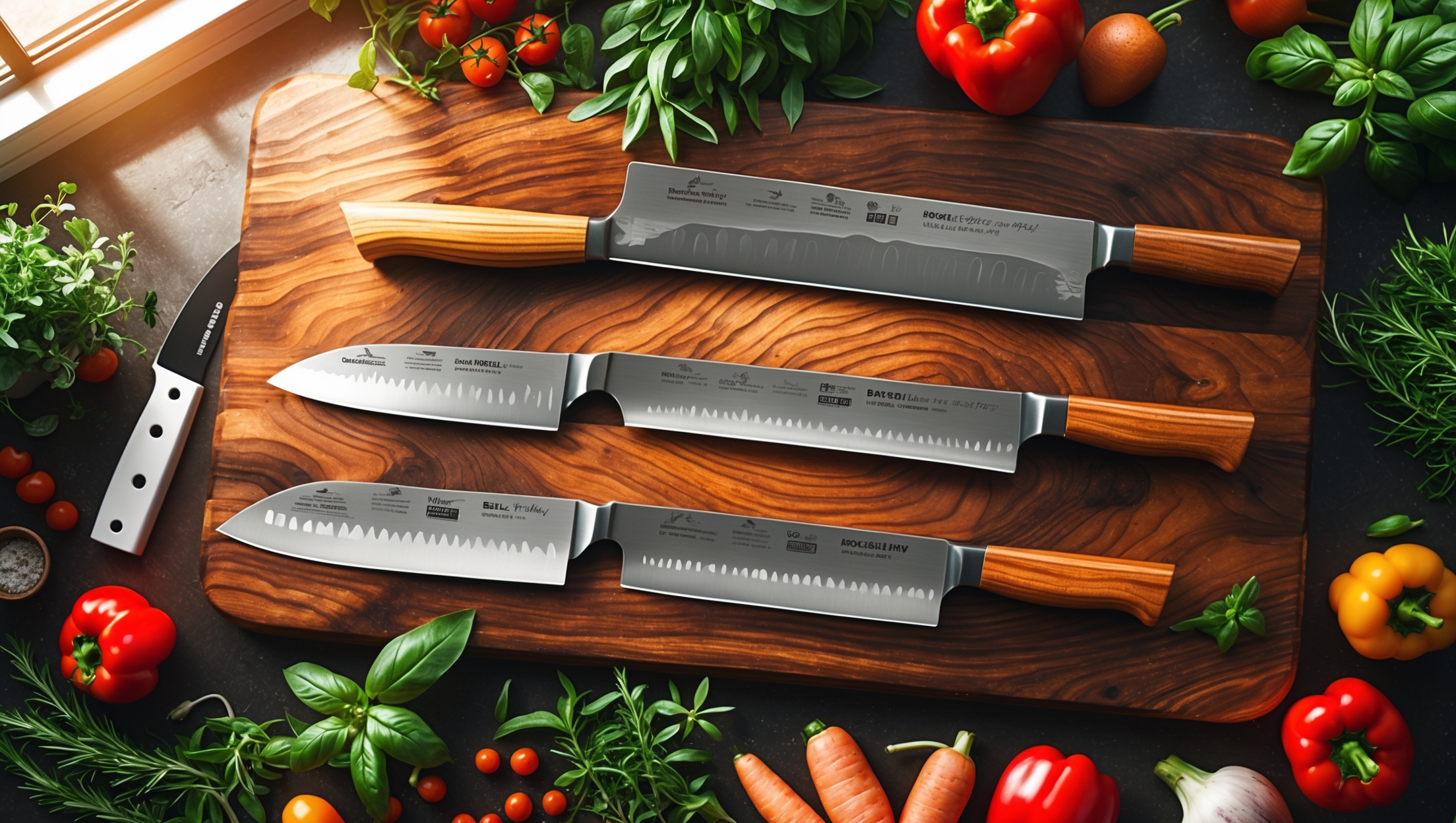
Introduction: The Sharp Edge of Culinary Craft
Every great dish begins before the heat ever touches a pan. It starts at the cutting board, where skill, precision, and the right tool converge. For passionate home cooks and culinary creators, understanding specialty knives isn’t just about collecting shiny tools—it’s about unlocking new techniques, achieving professional results, and ensuring safety and efficiency in your kitchen. From the razor-thin slices of a sashimi knife to the robust chops of a cleaver, each blade tells its own story and serves a unique role. Yet, stepping into the world of specialty knives can feel overwhelming: What makes a boning knife different from a fillet knife? How do you properly maintain a carbon steel blade? Is that expensive santoku really worth it? This in-depth guide will demystify the world of specialty knives, breaking down what you truly need, how to care for your investment, and how to wield each blade like a pro—without breaking your budget. Whether you’re aiming to sharpen your everyday prep or dive into advanced culinary projects, get ready to slice through confusion and elevate your craft.
Understanding Specialty Knives: Types and Uses
Essential vs. Niche: What Counts as a Specialty Knife?
A specialty knife is designed for a specific task beyond the standard chef’s knife. While a chef’s knife is an all-purpose workhorse, specialty knives are tailored—sometimes with extreme precision—for jobs like filleting fish, carving roasts, or slicing bread. Here’s a breakdown of common and less common specialty knives:
- Paring Knife: Small, nimble, perfect for peeling, trimming, and intricate work.
- Bread Knife: Serrated edge for cleanly slicing through crusty loaves and delicate cakes.
- Boning Knife: Thin, flexible blade for separating meat from bone.
- Fillet Knife: Extra flexible, designed for precise, clean cuts through fish.
- Santoku: Japanese all-rounder, versatile but excels at slicing, dicing, and mincing vegetables.
- Cleaver: Heavy, rectangular blade for powerful chopping through bones and tough vegetables.
- Carving Knife: Long, thin blade for slicing roasts and large cuts of meat with precision.
- Utility Knife: Mid-sized, multi-purpose blade for tasks where a chef’s knife feels too large.
- Tomato/Vegetable Knife: Serrated, delicate for slicing fruits and soft-skinned vegetables.
- Cheese Knife: Perforated blade to prevent sticking and specialized shapes for different cheese types.
- Oyster/Clam Knife: Short, stout blade for safely shucking shellfish.
Choosing What You Really Need
Start by evaluating your cooking style and most frequent tasks. If you’re passionate about bread baking, a premium bread knife is essential. Sushi enthusiasts will benefit from a yanagiba or sashimi knife. For most home cooks, a paring knife, bread knife, and boning knife cover 90% of specialty needs. Build your collection slowly—quality over quantity matters here.
How to Choose Quality Knives: Materials, Construction, and Fit
Blade Materials: Stainless vs. Carbon Steel
- Stainless Steel: Resistant to rust and staining, easy to maintain, but may require more frequent sharpening.
- High-Carbon Steel: Holds a sharper edge longer, preferred by professionals for precision, but prone to rust if neglected.
- Damascus Steel: Visually stunning layered steel, combines hardness and flexibility, often more expensive.
For most home kitchens, high-quality stainless is practical. Carbon steel is excellent for committed cooks willing to maintain it.
Knife Construction: Forged vs. Stamped
- Forged Blades: Made from a single piece of steel, heavier and more durable, better balance.
- Stamped Blades: Cut from sheets of steel, lighter and less expensive, but often less durable.
Forged knives are often worth the investment for everyday and specialty use.
Handle Types and Ergonomics
- Wood: Classic look and feel, requires oiling, not dishwasher safe.
- Plastic/Composite: Durable, low maintenance, good grip.
- Metal: Sleek, sturdy, but can be slippery when wet.
Choose a handle that feels comfortable and secure in your hand—it’s critical for control and safety.
Balance and Weight
A well-balanced knife feels like a natural extension of your hand. Test knives (if possible) before buying: the pinch grip at the bolster should feel stable, not handle- or blade-heavy.
Budget Breakdown: What to Expect and Where to Invest
Entry-Level vs. Investment Pieces
- Budget Range ($20–$50): Good for occasional use or trying out new shapes. Look for reputable brands, avoid no-name generic sets.
- Mid-Range ($50–$150): Best balance of quality and affordability. Great for home cooks serious about their craft.
- Premium ($150+): Professional-grade tools, superior steel, craftsmanship, and lasting value. Worth it for your most-used specialty knives.
Where to Splurge (and Where to Save)
- Splurge: Bread, boning, and fillet knives—where sharpness and precision make a difference.
- Save: Cheese and tomato knives—less frequent use and less risk in budget options.
Hidden Costs: Maintenance and Accessories
- Sharpening Tools: Whetstones ($30–$100), honing rods ($10–$40), or professional sharpening ($5–$10 per knife).
- Storage: Magnetic strips, knife blocks, or blade guards ($10–$50).
- Oiling (for carbon steel): Food-grade mineral oil ($5–$15).
Mastering Knife Maintenance: Longevity and Performance
Cleaning Best Practices
- Hand wash knives immediately after use with mild soap; never put quality knives in the dishwasher.
- Dry thoroughly to prevent rust, especially with carbon steel.
- Store in a dry environment, away from moisture and heat.
Sharpening and Honing
- Honing: Realigns the blade edge; should be done every few uses with a steel rod.
- Sharpening: Actually removes metal to restore the edge; use a whetstone, guided sharpener, or have it professionally done every few months, depending on use.
- Test sharpness by slicing through a sheet of paper or a tomato—if it struggles, it’s time to sharpen.
Storing Your Knives Safely
- Magnetic strips keep blades accessible and dry.
- Knife blocks are classic but can dull blades if not used carefully.
- Blade guards are essential for drawer storage to prevent accidents and edge damage.
Knife Skills: Unlocking the Potential of Each Blade
Boning Knife: Precise Protein Prep
Use gentle, controlled strokes to follow the bone’s contour. Keep the blade angled toward the bone to minimize meat loss. Practice on chicken thighs or fish fillets to build confidence.
Bread Knife: The Art of the Serrated Slice
Let the knife do the work—use a gentle sawing motion rather than pressing down. A sharp bread knife will slice cleanly through soft crumb and tough crust alike.
Santoku and Vegetable Knives: Speed and Precision
The straight edge is perfect for push-cutting vegetables. Use the flat of the blade to scoop chopped ingredients. Focus on even, uniform cuts for the best cooking results.
Cleaver: More Than Just Chopping
Don’t fear the weight—let gravity assist when splitting bones or chopping squash. Use the broad side for crushing garlic or transferring ingredients.
Paring and Utility Knives: Intricate Tasks
Ideal for peeling, coring, and detail work. Practice controlled, small cuts and try segmenting citrus or deveining shrimp to hone your technique.
Common Mistakes to Avoid with Specialty Knives
- Using the wrong knife for the task—don’t use a bread knife on meat or a cleaver on herbs.
- Neglecting maintenance—dull knives are dangerous and inefficient.
- Improper storage—throwing knives into a drawer leads to chipped edges and accidents.
- Misusing specialty blades—e.g., using a fillet knife for hard vegetables can bend the blade.
- Over-sharpening—removes too much metal and shortens the knife’s lifespan.
Seasonal Knife Checklist: Keeping Your Kit Ready Year-Round
- Spring: Sharpen all blades, check for rust spots, oil carbon steel knives.
- Summer: Focus on paring and vegetable knives for fresh produce; clean and dry thoroughly after use.
- Autumn: Prepare cleavers and boning knives for hearty roasts and root vegetables.
- Winter: Ensure bread and carving knives are sharp for holiday feasts; revisit storage methods to combat indoor humidity.
Essential Tools & Accessories: Going Beyond the Knife
- Honing Rod: Keeps edges aligned between sharpenings.
- Whetstone or Sharpening System: For restoring sharpness and maintaining blade geometry.
- Cutting Boards: Wood or high-quality plastic—never glass or stone, which dull blades quickly.
- Blade Guards or Knife Rolls: For safe storage, especially when transporting knives.
- Mineral Oil: Maintains carbon steel blades and wooden handles.
Safety Checklist: Handling and Caring for Specialty Knives
- Always cut away from your body and keep your fingers clear of the blade.
- Use a non-slip cutting board and stable surface.
- Keep knives sharp—dull knives are more likely to slip.
- Dry hands and handles to prevent slipping.
- Store knives securely between uses.
- Never try to catch a falling knife.
- Clean knives immediately after use to prevent cross-contamination and corrosion.
Conclusion: Cultivating Culinary Confidence Through the Right Tools
Mastery in the kitchen doesn’t come from owning every gadget or splurging on the latest trends—it’s about understanding your tools and investing in quality where it matters. Specialty knives are more than status symbols; they are extensions of your skill and creativity. By choosing wisely, maintaining diligently, and practicing purposefully, you empower yourself to cook with greater safety, efficiency, and artistry. Remember, a well-cared-for knife becomes sharper with every use and every memory made at your cutting board. Approach your collection as a lifelong journey rather than a race to accumulate. Start with the essentials, add thoughtfully, and treat each blade with respect. As you hone your skills and expand your culinary repertoire, your knives will become trusted partners, helping you transform ingredients and elevate every meal. Happy slicing, and may your edge always stay keen!



As someone who runs a café and often preps large quantities of veggies, how do I decide if investing in a santoku is better than sticking with my chef’s knife? Are the differences significant enough to justify the cost for a small business?
A chef’s knife is highly versatile and handles most prep tasks well, which is why many cafés stick with it. A santoku, however, can be especially helpful if you do a lot of repetitive slicing, mincing, or fine dicing—its lighter weight and thin blade can reduce fatigue and make precise cuts easier. If your current knife feels uncomfortable or slows you down, a santoku could be a worthwhile upgrade, but it’s not essential unless you see clear workflow benefits.
For someone building out their kitchen on a tighter budget, which specialty knife would give the most noticeable improvement in daily meal prep, and are there reliable mid-range brands you would suggest for home cooks?
If you’re looking to make a noticeable upgrade on a budget, a quality santoku or chef’s knife is the most versatile specialty option. It handles slicing, dicing, and mincing with ease. For reliable mid-range brands, consider Victorinox or Mercer—both offer excellent performance without breaking the bank, making them ideal for home cooks who want a solid knife that will last.
Is the santoku knife really worth buying if I already have a decent chef’s knife? I mostly do typical meal prep like chopping vegetables and slicing proteins, so I’m wondering if the differences would actually be noticeable in everyday cooking.
For typical meal prep like chopping vegetables and slicing proteins, a quality chef’s knife covers almost everything you need. A santoku knife can offer a lighter feel and slightly different handling, which some people find more comfortable for repetitive tasks, especially fine slicing. However, if your chef’s knife works well for you, you may not notice a big difference day to day. It’s more about personal preference than necessity.
I’m new to specialty knives and the article mentions both boning and fillet knives for handling meat and fish. Is it really necessary to have both, or could a beginner just pick one to start with and still get good results?
You can absolutely start with just one knife as a beginner. Both boning and fillet knives are designed for specific tasks—boning knives are best for removing meat from bones, while fillet knives are more flexible for delicate fish work. If you mostly prepare meat or fish, choose the knife that matches your usual ingredients. As your skills grow, you might find it worthwhile to add the other for specialized tasks.
The article mentions both boning and fillet knives, and I honestly struggle to tell them apart when prepping family meals. Could you give more practical advice on how to know which one to use when working with different types of meat or fish?
Boning knives are usually stiffer and have a slightly curved blade, making them great for separating meat from bones in chicken, pork, or beef. Fillet knives, on the other hand, are thinner and more flexible, perfect for removing skin and bones from delicate fish. If you’re working with meat that has tough joints or thicker bones, reach for a boning knife. For filleting fish, the flexibility of a fillet knife will help you glide along the bones and skin more easily.
In the article, you touched on the question of whether an expensive santoku is really worth it. Could you share how budget models compare in terms of long-term performance or if there are certain features that justify spending more on this particular type of knife?
Expensive santoku knives often use higher-quality steel, which holds a sharp edge longer and resists corrosion better than budget models. However, many affordable santokus perform well if you maintain them properly. Key features that can justify a higher price include a full-tang construction, precision forging, and comfortable balance, which make a big difference in durability and user experience over time.
I noticed you brought up the cost of some specialty knives like the santoku. For someone on a budget who wants to expand beyond just a chef’s knife, which specialty knife would you recommend adding first for the most versatility?
If you’re looking to add just one specialty knife on a budget, a good-quality paring knife is an excellent choice. It’s versatile for tasks like peeling, trimming, and precise cutting where a chef’s knife might be too large. Paring knives are generally affordable and can cover a wide range of detail work in the kitchen.
The article mentions that choosing the right specialty knife can help with both safety and efficiency in the kitchen. Could you explain how using the wrong type of knife for a certain job might actually increase the risk of accidents or slow you down?
Using the wrong type of knife can definitely make kitchen tasks harder and more dangerous. For example, a chef’s knife is designed for chopping, while a bread knife is made to slice through crusty loaves without slipping. If you use a smooth-bladed knife on bread, it can slip and cause accidental cuts. Similarly, using a paring knife for large items requires more force and control, increasing the risk of slips and injuries, and slowing down your prep work.
If I’m just starting to build my kitchen knife collection on a tight college budget, which specialty knife should be my first priority after a chef’s knife, and why? Does it make more sense to go for a paring knife, or would something like a santoku offer more versatility?
After a chef’s knife, a paring knife is usually the best next step, especially if you’re on a budget. It’s ideal for tasks that require precision, like peeling or mincing small items, which a chef’s knife might be too large for. A santoku is versatile but overlaps with a chef’s knife, so you’d get more unique value from a paring knife at this stage.
I’m just starting to upgrade my kitchen tools and want to avoid overspending. Based on your guide, which specialty knives offer the most value for a home-based food business looking to expand its menu without breaking the budget?
For a home-based food business, investing in a quality chef’s knife and a paring knife delivers the best value—they handle most prep tasks. If you expand your menu to include bread or delicate produce, consider adding a serrated bread knife and a boning or fillet knife for meats and fish. Focus on versatile, mid-range options rather than premium brands to balance performance and budget.
The article distinguishes between essential and niche specialty knives. If I’m on a tight budget and want to start building out my knife collection, which specialty knife would you recommend prioritizing after a chef’s knife, and why?
After a chef’s knife, a paring knife is a smart next choice if you’re budget-conscious. It’s versatile for tasks like peeling, trimming, and detailed work where a chef’s knife feels unwieldy. This makes it highly useful for both everyday cooking and more specialized prep, giving you a lot of value without requiring a major investment.
You talked about getting professional results without breaking your budget, so what would you recommend as a first specialty knife for a college student who mostly cooks simple meals but wants to upgrade? Is there a quality option that’s affordable and versatile?
For a college student cooking simple meals but looking to upgrade, a good quality santoku knife is a great place to start. Santoku knives are versatile enough for chopping vegetables, slicing meat, and even mincing herbs. Many reputable brands offer affordable stainless steel options that hold their edge and are easy to care for, making them ideal for both budget and performance.
I’m really interested in trying out a carbon steel knife, especially since you brought up the maintenance aspect. Could you share any tips or specific routines for preventing rust and keeping these knives in top shape, especially for someone new to carbon steel blades?
Carbon steel knives are fantastic, but they do require a bit more care. Make sure to dry the blade thoroughly after each use, and avoid letting it sit wet or dirty. Applying a light coat of food-safe mineral oil before storing helps prevent rust. Clean with mild soap and avoid dishwashers. Over time, a natural patina will form, which actually protects the blade from further corrosion.
As someone running a small bakery, I’m overwhelmed by the different specialty knives for bread and cakes. Is there a significant performance difference between a classic bread knife and one marketed specifically for pastries, or is that just marketing?
There is a real difference in performance between classic bread knives and those designed specifically for pastries. A classic bread knife, with its long serrated blade, is great for slicing through crusty loaves without crushing them. Pastry knives often have finer, shorter serrations and a thinner blade, which helps make cleaner cuts through delicate cakes and pastries. If you mainly work with soft cakes or laminated pastries, a pastry knife can help you achieve neater slices, but for most bakery needs, a good bread knife will cover many tasks effectively.
With so many specialty knives out there, how do I know which ones are genuinely necessary for someone who cooks family dinners, versus what’s just nice to have? Is there a priority list for upgrading beyond a chef’s knife?
For most family dinners, the essentials beyond a chef’s knife are usually a paring knife (for peeling and small tasks) and a serrated bread knife. These three cover almost all basic needs. If you want to upgrade further, a boning knife (for meat) or a santoku (for vegetables) can be helpful, but they’re more of a bonus than a necessity for everyday cooking.
The article touches on not breaking your budget while building a collection of specialty knives. Do you have any recommendations for quality entry-level brands or tips for prioritizing which specialty knife to invest in first for a home cook?
For quality entry-level specialty knives, brands like Victorinox and Mercer Culinary offer excellent performance at reasonable prices. As a home cook, it’s smart to start with a versatile specialty knife, such as a santoku or a boning knife, depending on your cooking style. Focus on the knife you’ll use most often before branching out into more niche options. Always look for knives with comfortable handles and reliable blade material, even at the entry level.
I run a small café and mostly use chef’s knives, but this article got me thinking—if I only want to invest in one specialty knife to improve prep efficiency, would you recommend a santoku over a paring or boning knife for versatility?
If you’re looking for just one specialty knife to boost prep efficiency in your café, a santoku would likely offer the most versatility. It handles a wide range of tasks like slicing, dicing, and mincing, making it a great complement to your chef’s knife. Paring and boning knives are more specialized for small or precise work, while the santoku covers more everyday prep needs.
You talked about the importance of maintaining a carbon steel blade, but what’s the basic maintenance routine for someone who’s new to specialty knives? Is it a lot more complicated than caring for a regular stainless steel chef’s knife?
Maintaining a carbon steel knife does require a bit more attention than a stainless steel one, but it’s manageable. After each use, wash and dry it immediately to prevent rust. Lightly oil the blade with food-safe oil to protect against moisture. Avoid leaving it wet or in acidic foods. Over time, you might notice a patina forming, which is normal and actually helps protect the blade. Stick to these basics and you’ll keep your carbon steel knife in great shape.
When it comes to maintaining carbon steel blades, are there specific oils or techniques you recommend to prevent rusting, especially for someone who only uses their specialty knives occasionally?
For carbon steel blades, applying a thin layer of food-safe mineral oil after cleaning and drying is a reliable way to prevent rust, especially if your knives aren’t used often. Avoid vegetable oils, as they can go rancid. Store the knife in a dry place, ideally outside of its sheath, and check it periodically to ensure there’s no moisture. This routine will go a long way toward keeping your blade rust-free.
You mention both boning knives and fillet knives, and I sometimes get confused about when to use each. Could you clarify the practical differences in technique or results when using these two types on poultry versus fish?
Boning knives are best for poultry because their sturdy, slightly curved blade is designed to cut through joints and separate meat from bone with precision. Fillet knives, on the other hand, have a thinner, more flexible blade perfect for gliding along fish bones and removing delicate skin. Using the right knife helps you avoid tearing meat on poultry or losing edible portions when filleting fish.
When it comes to buying specialty knives on a budget, are there any particular types you’d recommend prioritizing before others? I want to expand my lineup but can only add one or two new knives right now.
If you’re expanding your knife collection on a budget, consider adding a paring knife or a serrated bread knife. A paring knife is ideal for detailed tasks like peeling and trimming, while a bread knife handles crusty breads and soft fruits effectively. Choose the type that best fits the foods you prepare most often, as these will offer the greatest versatility alongside your chef’s knife.
You mention both boning and fillet knives as specialty options, but as someone who only occasionally prepares meat and fish, would it make sense to buy both, or is one more versatile for a beginner’s kitchen?
If you only occasionally prepare meat and fish, a boning knife is generally the more versatile choice for a beginner. It handles most meat deboning tasks and can manage basic fish filleting as well. Fillet knives are more specialized for delicate fish work, so unless you often prepare fish, starting with just a boning knife should meet your needs.
The article mentions that carbon steel blades need proper maintenance. Can you explain what exactly is required to keep them in good shape, and how much time I should expect to spend on sharpening or upkeep compared to stainless steel?
Carbon steel blades require a bit more attention than stainless steel. To keep them in good shape, you’ll need to dry them thoroughly after each use to prevent rust, and apply a light coat of food-safe oil regularly. They also develop a patina over time, which helps protect against corrosion. Sharpening is needed a bit more often than with stainless blades, depending on use—expect to hone or sharpen every few weeks if you use the knife regularly. Overall, maintenance takes a few minutes after each use, plus occasional sharpening.
When it comes to maintaining carbon steel blades, what routine do you recommend for someone who uses their specialty knives a few times a week? Is there a simple care plan to prevent rust and keep them sharp?
For carbon steel knives used a few times a week, rinse and dry them thoroughly after each use to prevent rust. Apply a light coat of food-safe mineral oil to the blade once a week. Store the knives in a dry place, and avoid leaving them wet or dirty. Sharpen with a whetstone as needed, and use a honing rod before each use to maintain the edge.
I’ve always wondered about the difference between a boning knife and a fillet knife when it comes to breaking down poultry versus fish. Is it really necessary to have both, or can one do double duty if I’m on a budget?
A boning knife and a fillet knife do have some overlap, but their differences matter for best results. A boning knife is stiffer and designed to work around joints and bones in meat and poultry. A fillet knife is more flexible, making it ideal for removing skin and delicate bones from fish. If you’re on a budget, a flexible boning knife can work for both tasks, but if you prepare fish frequently, a dedicated fillet knife offers more precision.
Could you elaborate on how to properly maintain a carbon steel blade versus a stainless steel one? The introduction mentions care and upkeep, but I’m interested in specifics about oiling frequency or storage recommendations for carbon steel.
Carbon steel blades need more attention than stainless steel. After each use, dry the blade thoroughly and apply a light coat of food-safe mineral oil to prevent rust. If you use the knife daily, oil it every couple of days; for less frequent use, oil after each cleaning. Store carbon steel knives in a dry place, ideally in a knife block or on a magnetic strip, but avoid leather sheaths for long-term storage, as they can trap moisture.
I noticed the article talks about maintaining carbon steel blades. Can you offer some specific advice on preventing rust or corrosion for someone who might not have a ton of experience with specialty knives?
To help prevent rust or corrosion on carbon steel knives, always dry them thoroughly right after washing—don’t let them air dry. Wipe a little food-safe mineral oil on the blade after each cleaning. Store the knife in a dry place, and avoid leaving it in damp environments like a sink or dishwasher. If you see any discoloration starting, gently rub it off with a soft cloth before it develops into rust.
You mention that the santoku is a versatile option for slicing and mincing, but is it really necessary to get a santoku if I already have a chef’s knife? Do they overlap a lot in what they can do, or would I notice a big difference in practice?
A chef’s knife and a santoku do overlap in many uses, especially for slicing and mincing. However, the santoku’s flatter edge and lighter, shorter design can make it feel more nimble, especially for precise cuts and quick chopping. If you’re happy with your chef’s knife, a santoku isn’t strictly necessary, but you might notice a difference in comfort and speed with certain tasks if you try one.
The santoku is described as versatile, but is it really necessary to get one if I already have a standard chef’s knife? Does it offer any advantages for home cooks that justify spending extra on another knife?
A santoku and a chef’s knife do have similar uses, so you don’t strictly need both. However, some home cooks find the santoku’s lighter weight and thinner blade more comfortable for chopping vegetables and making precise cuts. Its flat edge also reduces food sticking. If you’re happy with your chef’s knife, it’s not essential, but a santoku can be a nice complement if you do lots of slicing or prefer a different feel.
I noticed the guide talks about maintaining carbon steel blades. Could you explain what specific steps are needed to keep them in good shape, especially for a busy parent who might not have much extra time?
To keep carbon steel knives in good shape with limited time, immediately dry them after washing to prevent rust. Apply a light coat of cooking oil on the blade every few uses. Avoid leaving them wet or soaking. Regularly hone the edge with a honing rod, and sharpen as needed. These simple steps will keep your knife sharp and rust-free without much extra effort.
I see that you’ve listed both boning and fillet knives for different tasks. For someone who only occasionally works with fish or meat, would one of these specialty knives be versatile enough to serve both purposes, or is it really worth having both?
If you only occasionally prepare fish or meat, a flexible boning knife is probably your best bet for versatility. It can handle most filleting tasks with fish and is suitable for deboning meat as well. While dedicated fillet knives offer more precision for delicate fish, you likely won’t miss that unless you work with fish frequently. So, having just a boning knife should meet your occasional needs.
For someone just starting to upgrade from a basic chef’s knife, which specialty knife would deliver the biggest improvement in kitchen tasks without breaking the bank? I want to invest wisely but avoid unnecessary niche tools.
If you’re looking to upgrade from a basic chef’s knife, a good quality santoku or a paring knife is a smart next step. A santoku offers versatility for slicing, dicing, and mincing, while a paring knife excels at precision tasks like peeling and trimming. Either option is useful for a wide range of kitchen tasks and won’t require a huge investment.
I’ve noticed my bread knife gets dull pretty quickly, especially with frequent use for school lunches. Are there specific maintenance steps or sharpening methods you recommend for serrated blades compared to regular kitchen knives?
Serrated bread knives do need a different approach than regular blades. Instead of a standard sharpening stone, use a tapered sharpening rod that matches the size of the serrations. Gently run the rod along each groove, focusing only on the beveled side. For maintenance, always hand wash and dry your knife, and avoid cutting on hard surfaces. This helps keep the serrations sharp longer.
I’m curious about your point on carbon steel knives. Could you explain the maintenance routine for carbon steel compared to stainless steel, especially for someone who might be nervous about rust? How often does it actually need oiling or special care in a typical home kitchen?
Carbon steel knives are more prone to rust than stainless steel, so they require a bit more attention. After each use, wash and dry them thoroughly—never leave them wet. It’s a good idea to wipe the blade with a light coat of food-safe oil every few uses, or at least once a week if you use the knife often. With regular care, rust is easy to avoid, but skipping drying or oiling can lead to quick spotting.
You mention the investment side of specialty knives—how do you suggest prioritizing which specialty knife to buy first for someone on a budget? Are there certain types that offer the most versatility for advanced home cooking?
When choosing your first specialty knife on a budget, a good starting point is the santoku or a chef’s knife with a Japanese profile; both offer versatility for slicing, chopping, and dicing a wide range of ingredients. Next, consider a boning or fillet knife if you prepare a lot of meat or fish. Prioritize knives that suit your most frequent cooking tasks to maximize value and utility as you build your collection.
I noticed the article talks about the santoku knife being versatile for slicing, dicing, and mincing vegetables. For someone on a budget who already owns a good chef’s knife, would investing in a santoku provide any real advantage, or is it more of a personal preference?
If you already have a good chef’s knife, a santoku isn’t strictly necessary, especially if you’re watching your budget. The main differences are the santoku’s lighter weight, straighter edge, and shorter blade, which some people find more comfortable for precise vegetable work. Ultimately, the advantage is subtle and often comes down to personal preference rather than a must-have for most home cooks.
You mention the santoku as an all-rounder, but if someone is on a budget and already has a chef’s knife, is it really worthwhile to add a santoku to the collection, or would that money be better spent on a more specialized blade like a boning or bread knife?
If you already have a chef’s knife and are watching your budget, you’ll get more versatility by investing in a specialized blade like a boning or bread knife. The chef’s knife and santoku have overlapping uses, so a specialty knife will fill a gap and make tasks like slicing bread or deboning meat much easier.
You mention that a santoku is versatile but excels at vegetables compared to a chef’s knife. In your experience, is it really worth buying a santoku if I already own a good chef’s knife, or will the difference be subtle for most home cooks?
If you already have a quality chef’s knife, the difference a santoku makes can be subtle, especially for most home cooking tasks. However, some people find the santoku’s lighter weight, shorter length, and flatter edge better for precise vegetable chopping and fast slicing. Unless you frequently prep lots of veggies or want to expand your knife skills, your chef’s knife will cover nearly all your needs.
I noticed you mentioned the santoku as a versatile Japanese knife. If I already own a traditional chef’s knife, is there a significant advantage to investing in a santoku, or would that be redundant for typical home cooking tasks?
A santoku and a traditional chef’s knife share many functions, but the santoku tends to be lighter, with a shorter, flatter blade. It’s great for precise slicing, dicing, and mincing, especially with vegetables and fish. If you enjoy prepping lots of produce or prefer a knife with a different feel, the santoku can complement your chef’s knife. If you’re happy with your current knife, though, it isn’t strictly necessary for most home cooks.
You talk about maintaining carbon steel blades—could you give some beginner-friendly tips on what ‘properly maintain’ actually involves? I worry about rusting or damaging the blade, so any advice on cleaning or storage would be super helpful.
To maintain a carbon steel blade, always dry it thoroughly after washing—never leave it wet, as carbon steel rusts easily. Wash by hand with mild soap and avoid soaking. After drying, apply a thin layer of food-safe oil to prevent rust. For storage, keep the knife in a dry place, ideally in a knife block or on a magnetic strip, and avoid leaving it in a damp drawer. Regularly sharpen or hone the blade to keep it in top shape.
I noticed the article mentions both boning and fillet knives—can you clarify in which situations each is preferable? For instance, would a boning knife work for filleting fish if I’m trying to stick to a minimal kitchen budget?
Boning knives are designed for separating meat from bones, with a sturdy, narrow blade that’s great for trimming meat and poultry. Fillet knives have a longer, thinner, and more flexible blade, making them ideal for filleting fish. If you need to minimize tools, a boning knife can fillet fish in a pinch, but it may not glide as easily along fish bones or provide the same delicate control as a fillet knife. For best results with fish, a fillet knife is preferable, but a boning knife is a workable compromise on a budget.
Regarding carbon steel blades, you briefly mention maintenance—does that mean they need to be sharpened more often than stainless steel? I’ve been hesitant to buy one because I worry about rust and upkeep. Any tips for someone thinking about upgrading?
Carbon steel blades do tend to need sharpening a bit more often than stainless steel because they’re slightly softer, but they also take a sharper edge. The main upkeep involves drying them thoroughly after each use to prevent rust and occasionally applying a light coat of oil. If you’re comfortable with simple maintenance, carbon steel can be very rewarding for its cutting performance.
When it comes to specialty knives like a santoku or a bread knife, how can I tell if an affordable version will perform well, or if I really need to save up for a higher-end model to notice a difference in my everyday cooking?
Affordable specialty knives can work well if they feel balanced in your hand, have a comfortable grip, and the blade is sharp out of the box. Check that the blade is made of stainless steel or high-carbon steel and that the handle feels sturdy. For everyday home cooking, a well-made budget knife can be perfectly adequate. Higher-end models tend to hold their edge longer and offer better craftsmanship, but you don’t always need to spend more unless you’re cooking frequently or want the absolute best experience.
The article references budget-friendly options for specialty knives. Are there certain types of specialty knives where it’s worth spending more for quality, and others where an entry-level version will perform just as well for home cooks?
For home cooks, it often pays to invest more in specialty knives you’ll use frequently, like a good chef’s knife or paring knife—these benefit from better steel and balance. For less-used types, such as a tomato or cheese knife, entry-level versions usually perform well enough. Focus your budget on knives you’ll reach for daily, and go budget-friendly for the occasional-use specialty knives.
I noticed you mentioned maintaining carbon steel blades. What are the basics for keeping those from rusting, especially if someone in my family frequently forgets to dry the knives right away after washing?
Carbon steel blades need to be dried immediately after washing to prevent rust, so if someone forgets, try to catch it as soon as possible. When you do, dry the knife thoroughly and apply a thin layer of mineral oil or food-safe oil to the blade. Storing the knife in a dry place and avoiding leaving it in damp sinks or dish racks is also important. If you notice any rust, scrub it gently with a little baking soda and water on a soft sponge before oiling again.
I’m on a budget and already have a decent chef’s knife and paring knife. Is there a single specialty knife you recommend adding next that would make the biggest difference for home cooking, especially for someone who cooks for picky kids?
Since you already have a chef’s knife and paring knife, adding a serrated bread knife would be a smart next step. It’s not just for bread—this knife handles tomatoes, sandwiches, crusty foods, and even delicate cakes with ease. The versatility can help meal prep for kids go more smoothly, especially if you make a lot of sandwiches or need to slice produce cleanly.
I noticed you mention both boning knives and fillet knives as tools for working with meat and fish. For a small catering business with limited budget and space, is it possible to get by with just one of these, or are both necessary for quality prep?
You can definitely manage with just one knife if budget and space are tight. A flexible boning knife, for example, can handle most fish filleting and meat deboning tasks fairly well. While each knife is specialized, a quality, medium-flex boning knife offers good versatility for both purposes, making it a practical choice for your catering business.
I’ve always bought stainless steel knives because they seem lower maintenance, but you mention carbon steel blades in the article. What’s actually involved in caring for carbon steel compared to stainless, and is the extra work worth it for a regular home cook?
Carbon steel knives need a bit more attention than stainless steel ones—they’re prone to rust and discoloration, so you’ll want to dry them immediately after washing and occasionally apply a light coat of oil. They can develop a patina over time, which helps with protection. In terms of performance, carbon steel often offers a sharper edge and easier sharpening, but for a regular home cook, stainless is usually more convenient unless you’re seeking the best edge or enjoy the upkeep.
I see you touch on the santoku and chef’s knife, but for someone limited on kitchen space and budget, is there a meaningful difference in versatility between these two, or can one reliably substitute for the other in most home cooking situations?
For most home cooking tasks, either a santoku or a chef’s knife can handle the basics like slicing, dicing, and chopping. The chef’s knife typically has a curved blade, which is better for rocking motions, while the santoku’s flatter profile excels at straight, downward cuts. Both are versatile, so if you’re short on space and budget, you can confidently pick one based on which feels more comfortable in your hand.
I noticed the article mentions both boning and fillet knives as essential specialty tools. Can you elaborate on how to choose between the two if I mostly cook poultry and occasionally fish? Is it necessary to own both for a typical home kitchen?
If you mainly cook poultry and only occasionally prepare fish, a boning knife is probably the more versatile choice for your kitchen. Boning knives are great for removing meat from bones and handling joints, which makes them ideal for poultry. Fillet knives are designed for delicate slicing and precision work with fish, but unless you fillet fish often, you may not need one. For most home cooks, owning just a good boning knife should suffice.
I’m always unsure if I should go for a more expensive santoku knife or just stick with my regular chef’s knife for all-purpose tasks. Can you explain what makes a santoku worth the investment, or if it’s mostly just preference?
A santoku knife has a shorter, thinner blade with a straighter edge compared to a traditional chef’s knife. It excels at precise slicing, dicing, and chopping, especially with vegetables. If you often prepare foods that benefit from this style, a higher-quality santoku could speed up prep and improve results. However, for general tasks, a chef’s knife remains versatile. Ultimately, it comes down to your cooking style and comfort; one isn’t always better than the other.
I’m interested in getting my first specialty knife but I’m not sure whether to start with a santoku or a paring knife. For someone who mostly cooks at home and already has a standard chef’s knife, which would give me the biggest improvement in my everyday prep?
Since you already have a standard chef’s knife, adding a paring knife will likely give you the biggest boost for everyday home cooking. A paring knife handles precise tasks like peeling, trimming, and segmenting fruit, which can be fiddly with a larger blade. The santoku is great, but its overlap with a chef’s knife means you might not notice as much day-to-day improvement.
The article brings up maintaining carbon steel blades. Could you give more advice on how to properly care for these compared to stainless steel, especially for someone who’s new to specialty knives and worried about rust or damage?
Carbon steel knives need extra attention because they’re more prone to rust than stainless steel. After each use, wash the blade by hand, dry it thoroughly, and avoid letting it air dry. It’s helpful to regularly apply a thin layer of food-safe mineral oil to prevent rust. Also, store the knife in a dry place and avoid acidic foods sitting on the blade for long. With consistent care, carbon steel blades develop a protective patina that helps guard against rust over time.
You mention both boning knives and fillet knives, and I’m wondering if there’s a big difference between them for someone who only occasionally preps meat and fish at home. Is it worth having both, or would one be more versatile for a busy home cook?
For occasional home use, you likely don’t need both a boning knife and a fillet knife. A flexible boning knife can handle most tasks for both meat and fish, making it a more versatile choice. While fillet knives are designed specifically for fish and offer more finesse, a boning knife is generally better for all-purpose use if you only want one specialty knife.
You mention that properly maintaining a carbon steel blade is important, but I’m a bit unsure what the regular care routine would look like for someone who only cooks a few times a week. Is there a big difference in upkeep between carbon steel and stainless steel knives?
For someone who cooks a few times a week, carbon steel knives do need a bit more attention than stainless steel. After each use, wash and thoroughly dry the blade right away to prevent rust. Lightly oiling the blade with food-safe oil a couple of times a month helps too. Stainless steel is more forgiving and less prone to rust, so it generally requires less frequent maintenance.
You talk about maintaining carbon steel blades—can you explain what’s involved in that compared to stainless steel? Is there a lot of extra upkeep, or is it manageable for someone not used to specialty knives?
Maintaining carbon steel blades does require more attention than stainless steel. Carbon steel is more prone to rust and stains, so you need to dry it immediately after washing and sometimes oil the blade lightly. Also, a patina will naturally form, which helps protect it. The extra upkeep is manageable—mainly developing good habits—but it’s definitely a bit more involved than with stainless steel knives, which are more forgiving about moisture and slightly less frequent maintenance.
I see a lot of hype around Japanese knives like the santoku. If I mostly cook for myself and don’t have a big knife collection, is it worth investing in a santoku over just sticking with a regular chef’s knife?
A santoku is a fantastic all-purpose knife, especially for slicing, dicing, and chopping veggies, fish, or meats. However, if you already have a good chef’s knife and mainly cook smaller meals, you don’t need to rush out and buy a santoku. The chef’s knife is incredibly versatile and can handle most tasks. If you’re curious, trying a santoku in a store first might help you decide if the lighter feel and flatter blade suit your style.
The article points out that specialty knives are designed for tasks beyond a chef’s knife, but I sometimes find myself using my chef’s knife for almost everything. At what point does it really make a difference to switch to something like a boning or fillet knife?
Using a chef’s knife for most tasks works well, but switching to a boning or fillet knife is really helpful when you need precision, like removing bones from meat or skinning and filleting fish. These specialty knives are designed to maneuver around bones and through delicate flesh, making the process easier, safer, and giving you better results. For general chopping, your chef’s knife is fine, but for detailed work, specialty knives make a noticeable difference.
If I’m on a tight budget and want to start with just one specialty knife beyond my chef’s knife, which type would you recommend for general home cooking? I’m hoping to avoid the mistake of buying something I’ll rarely use.
If you already have a chef’s knife, a paring knife would be a practical next choice for most home kitchens. It’s super handy for peeling, trimming, and other detailed tasks that are tricky with a larger blade. You’ll likely find yourself reaching for it often, making it a smart, budget-friendly addition to your toolkit.
For someone on a budget who wants to try out specialty knives, which types would you recommend starting with first to get the most noticeable improvement in prep work without buying a whole set?
If you’re on a budget and want to see real improvement, start with a good-quality chef’s knife or a santoku knife. Both are versatile and can handle most prep tasks, from slicing vegetables to cutting meat. If you do a lot of bread or tomato slicing, adding a serrated utility knife is also a smart and affordable choice. These two or three knives will cover most needs and make a noticeable difference without the cost of a full set.
I noticed you mention both boning knives and fillet knives, and I’m wondering how to tell when to use one over the other. Are there certain types of fish or meat where the difference really matters, or can they be swapped in a pinch?
Boning knives are designed for separating meat from bones and work well with poultry, beef, or pork. Fillet knives are thinner and more flexible, making them ideal for removing skin and bones from delicate fish. While you can sometimes swap them if needed, you’ll get better results and fewer damaged cuts by using a boning knife for meat and a fillet knife for fish, especially with tasks like filleting thin fish or deboning tough cuts.
You talk about maintaining carbon steel blades in the introduction. As someone just starting out, what are the biggest mistakes to avoid when caring for carbon steel, and does it require a lot more maintenance than stainless steel knives?
With carbon steel knives, the biggest mistakes beginners make are leaving them wet, which can lead to rust, and not drying them immediately after use. Avoid storing them dirty or in damp environments. Compared to stainless steel, carbon steel does require a bit more care, mainly in keeping it dry and occasionally applying a light coat of oil to prevent rust. Once you get into a good habit, the extra maintenance becomes pretty easy.