
Introduction: The Unsung World of Savory Preserves
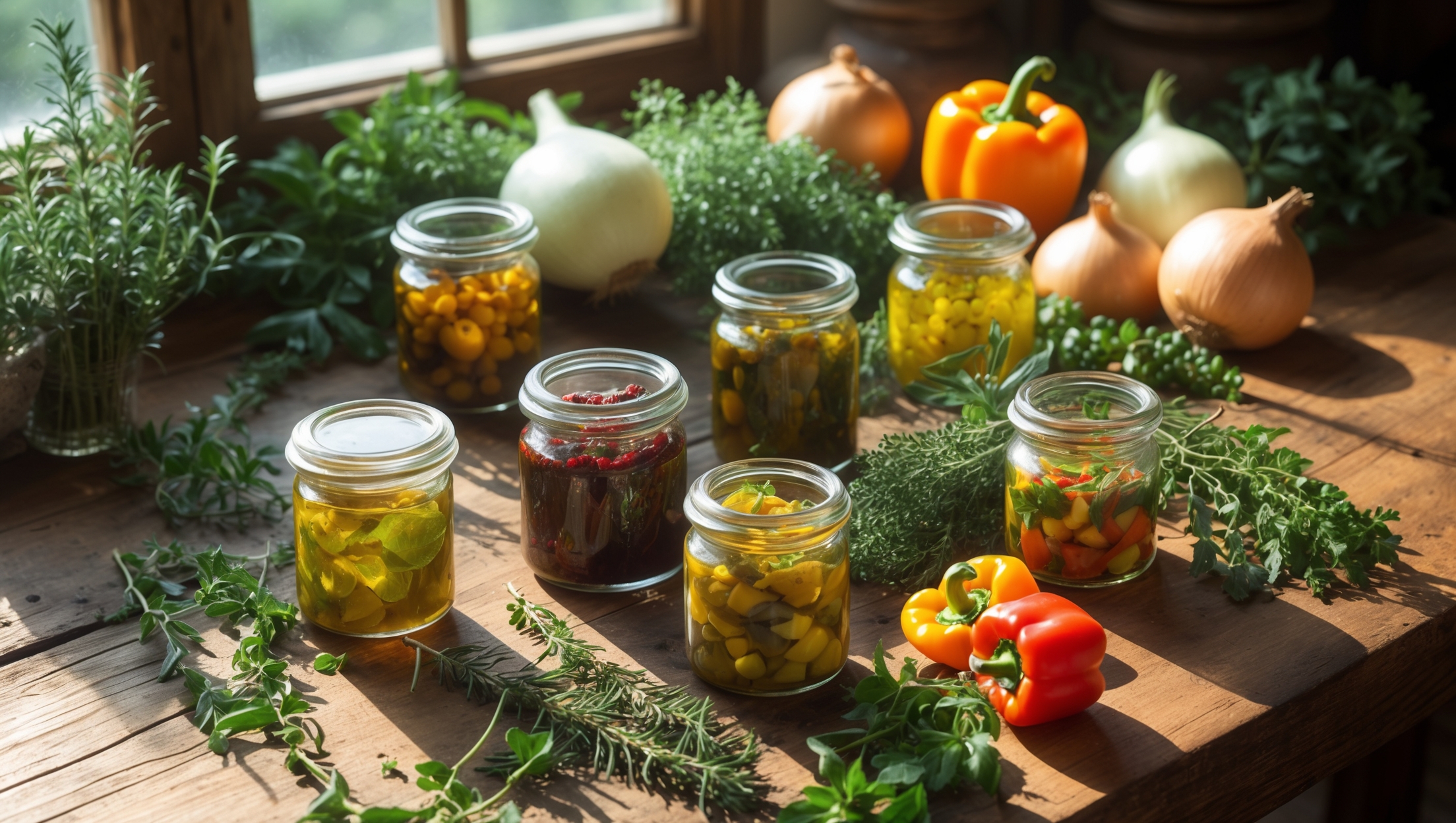
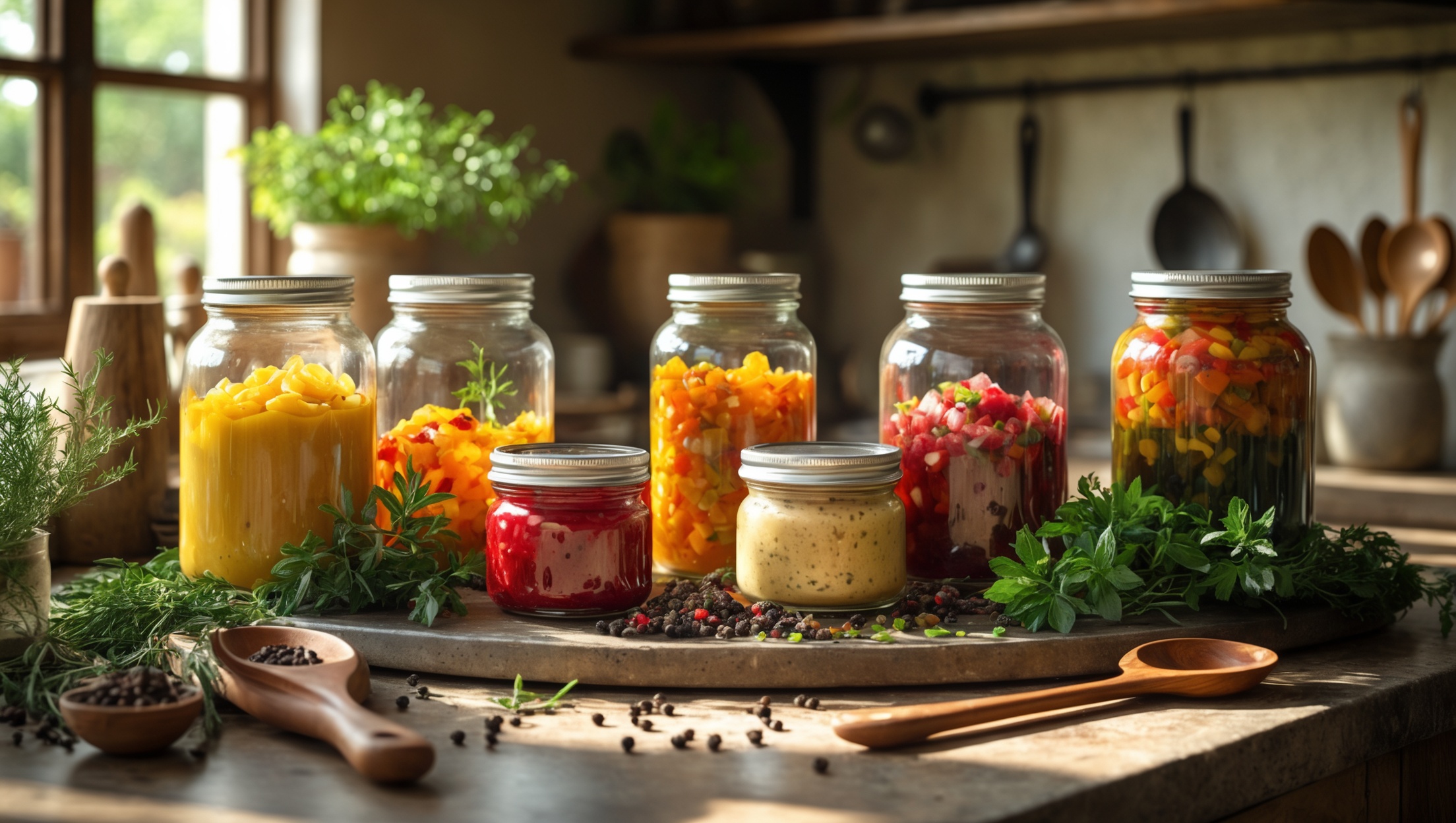
When most people think about home preserves, their minds leap to sweet jams and fruit spreads. Yet, a vibrant and storied tradition of savory preserves exists—one that adds depth, zest, and intrigue to meals throughout the year. From tangy chutneys and aromatic relishes to briny pickled vegetables, savory preserves capture the essence of the season and the spirit of culinary craft. These preserves are far more than condiments; they are layers of flavor, a means of reducing food waste, and a passport to global gastronomy from your own kitchen. Embracing savory preserves invites you into a realm of creativity, mindful sourcing, and refined taste. This guide provides a comprehensive, practical pathway to crafting savory preserves at home, covering essential tools, cost breakdowns, safety best practices, and inspired uses that will elevate your kitchen repertoire. Whether you’re a seasoned home cook or a curious beginner, discover how savory preserves can transform your meals, reduce waste, and celebrate the art of taste and craft.
Why Savory Preserves? Tradition, Taste, and Modern Craft
The Culinary Heritage of Savory Preserving
Long before refrigeration, communities across the globe relied on preserving techniques to extend the bounty of harvests. Savory preserves—think Indian chutneys, Italian giardiniera, or classic French cornichons—have preserved flavors, nutrients, and cultural traditions for generations. These methods not only prevent spoilage but also deepen and develop flavors, turning humble vegetables and aromatics into gourmet staples.
Modern Applications and Lifestyle Benefits
- Zero Waste, Maximum Flavor: Savory preserves are a smart way to use market gluts, garden surpluses, or less-than-perfect produce.
- Versatile Flavor Boosters: Add instant complexity to sandwiches, grain bowls, cheese platters, and roasted meats.
- Culinary Exploration: Explore global cuisines and flavor profiles with every batch.
- Cost-Effective Gourmet: Homemade preserves often cost a fraction of store-bought artisan jars.
Essential Tools & Equipment: Building a Savory Preserving Toolkit
Core Kitchen Tools
- Heavy-Bottomed Saucepan or Preserving Pan: Even heat distribution prevents scorching during long simmers.
- Large Mixing Bowls: Essential for prepping and salting vegetables.
- Sharp Chef’s Knife & Mandoline: Precision slicing ensures even texture and flavor distribution.
- Wooden Spoon & Silicone Spatula: For stirring, scraping, and tasting during cooking.
- Canning Funnel: Keeps jar rims clean and filling neat.
- Ladle: For transferring preserves into jars with minimal mess.
Jars, Lids, and Sterilization Gear
- Glass Jars (Mason or Weck): Choose sizes (4oz to 16oz) based on your consumption and gifting habits.
- New Lids & Bands: Always use fresh lids for a reliable seal.
- Jar Lifter & Tongs: For safe handling of hot jars.
- Large Water Bath Canner or Deep Stockpot: Required for shelf-stable preserves.
- Clean Kitchen Towels: To wipe rims and set hot jars.
Optional but Helpful Extras
- pH Test Strips or Meter: Monitor acidity, especially for creative recipes.
- Digital Scale: For precise ingredient measurements.
- Microplane Grater: For adding citrus zest or finely grated aromatics.
- Labeling Supplies: Mark date and content for easy tracking.
Cost Breakdown: Savory Preserving on Any Budget
Initial Investment: Tools and Gear
- Basic Equipment Set: $40–$80 (saucepan, jars, lids, funnel, ladle, jar lifter)
- Reusable Jars: $15–$30 per dozen (one-time purchase; just replace lids)
- Optional Upgrades: Digital scale ($15–$30), pH meter ($20–$50), mandoline ($20–$40)
Ingredients: Seasonal and Smart Sourcing
- Seasonal Vegetables & Fruits: $5–$20 per batch (cheaper in season or from farmer’s markets)
- Vinegar & Salt: Pantry staples; $2–$5 per batch
- Spices, Sugar, Aromatics: $3–$8 per batch; buy in bulk for savings
Cost-Saving Tips
- Buy produce in bulk or seconds (“ugly” produce is perfect for preserves).
- Share large batches with friends to split ingredient costs.
- Invest in quality jars once; reuse for years.
- Grow your own herbs and select vegetables for even greater savings.
Safety and Compliance: Making Preserves the Right Way
Understanding Acidity and Shelf Stability
The safety of savory preserves rests on two pillars: acidity and processing. Acidic recipes (pH < 4.6) are safe for water bath canning and shelf storage. Vinegar, citrus juice, and salt are the primary acidifying agents. Always follow tested recipes or check acidity if experimenting. If a recipe is low-acid, refrigerate or freeze it, or process in a pressure canner if appropriate.
Sanitizing and Processing
- Wash jars, lids, and utensils in hot soapy water; rinse well.
- Sterilize jars by boiling for 10 minutes or running through a hot dishwasher cycle.
- Keep jars hot until filling to prevent cracking.
- Fill jars, remove air bubbles, wipe rims, and seal with new lids.
- Process filled jars in a boiling water bath for the specified time, adjusting for altitude.
Labeling and Storage
- Label jars with content and date.
- Store in a cool, dark place; use within one year for best flavor.
- Always inspect for signs of spoilage (bulging lids, off odors) before use.
Beginner Mistakes to Avoid: Savory Preserving Pitfalls
- Improper Acidity: Don’t “wing it” with vinegar or citrus quantities; always check trusted sources.
- Skipping Sterilization: Even minor shortcuts can lead to spoilage or unsafe preserves.
- Overcooking Vegetables: Maintain some texture for a more appealing bite.
- Overfilling Jars: Leave recommended headspace to avoid seal failure.
- Ignoring Altitude Adjustments: Higher elevations require longer processing times.
- Neglecting Labeling: Mystery jars are a recipe for wasted effort.
Seasonal Savory Preserves: Inspiration by the Calendar
Spring
- Pickled Asparagus or Radishes: Crisp, tangy, and ideal for salads or cocktails.
- Green Garlic Relish: A punchy spread for toast or grilled meats.
Summer
- Tomato Chutney: Sweet, spicy, and perfect for cheese boards or sandwiches.
- Corn Relish: Bright flavors for tacos or grilled fish.
- Pickled Green Beans: A briny snack or Bloody Mary garnish.
Autumn
- Apple-Onion Chutney: A savory-sweet complement to roast pork or poultry.
- Spiced Pumpkin Relish: A unique burger topper or side for curries.
- Pickled Beets: Earthy and vibrant, beautiful on winter salads.
Winter
- Caramelized Onion Jam: Rich, umami-packed, and excellent with grilled cheese or steak.
- Preserved Lemons: Intensely aromatic and essential in North African stews and salads.
- Celery Root Remoulade Preserves: Tangy, creamy, and refined.
Step-by-Step Setup: Crafting Your First Savory Preserve
1. Choose Your Recipe
Select a tested recipe or use the seasonal inspiration above. For beginners, tomato chutney or pickled green beans are forgiving and versatile choices.
2. Gather and Prep Ingredients
- Wash, peel, and chop vegetables uniformly for even cooking and texture.
- Measure spices, salt, and vinegar before starting.
3. Prepare Jars and Equipment
Sanitize jars and lids. Set up your work area with all tools within reach.
4. Cook the Preserve
- Combine vegetables, vinegar, salt, spices, and sugar (if used) in the pan.
- Bring to a simmer, stirring to prevent sticking.
- Cook according to recipe, tasting and adjusting seasoning as appropriate.
5. Fill and Process Jars
- Using a funnel, ladle hot preserve into jars, leaving recommended headspace.
- Wipe rims, place lids, and screw on bands to fingertip tightness.
- Process in boiling water for specified time.
- Cool jars undisturbed, check seals, and label.
Creative Uses for Savory Preserves
- Sandwich Spreads: Add tang and texture to grilled cheese, burgers, or wraps.
- Cheese and Charcuterie Boards: Pair chutneys or relishes with aged cheeses, pâté, or cured meats.
- Condiment Upgrades: Substitute store-bought mustards or pickles with your own preserves for a gourmet edge.
- Flavorful Toppings: Top grain bowls, roasted vegetables, or baked potatoes for a burst of brightness.
- Marinades and Glazes: Mix chutneys into marinades or brush onto meats before roasting.
- Gifting: Share the craft—homemade savory preserves make thoughtful, elegant gifts.
Maintenance and Best Practices
After Care
- Store sealed jars in a cool, dry, dark place.
- Once opened, refrigerate and use within 1–2 months.
- Check for spoilage before each use.
Cleaning and Reusing Equipment
- Wash jars and tools thoroughly after each use.
- Inspect jars for chips or cracks before reuse.
- Replace lids every time to ensure a proper seal.
Batch Planning
- Plan preserve-making sessions around seasonal produce sales.
- Scale recipes up or down based on your storage and consumption preferences.
Common Myths Debunked
- Myth: “Savory preserves are too complicated for home cooks.”
Reality: With tested recipes and basic equipment, anyone can succeed. - Myth: “All preserves need lots of sugar.”
Reality: Many savory recipes use minimal or no sugar; vinegar and salt do the preserving. - Myth: “Only cucumbers can be pickled.”
Reality: Nearly any vegetable (and many fruits) can be preserved creatively. - Myth: “You need a pressure canner for everything.”
Reality: Water bath canning is safe for high-acid savory preserves; pressure canning is only needed for low-acid recipes.
Conclusion: Embracing the Art of Savory Preserves
Venturing into the world of savory preserves opens doors to culinary creativity, sustainable living, and a richer dining experience. By mastering a few simple techniques and equipping yourself with practical tools, you can transform everyday ingredients into jars of flavor that delight, surprise, and inspire. Savory preserves are more than a preservation method—they are a celebration of seasonality, resourcefulness, and global taste. Whether you’re seeking ways to reduce waste, add gourmet flair to your meals, or explore new culinary traditions, savory preserves offer endless possibilities. Start small, experiment with seasonal produce, and soon you’ll have a pantry lined with colorful, flavor-packed jars ready to elevate every meal. Share your creations, refine your craft, and relish the journey—because in every savory preserve, there’s a story of taste, ingenuity, and passion waiting to be told.
You mention both traditional recipes like Indian chutneys and French cornichons as examples of savory preserves. For a small food business, do you have advice on navigating the labeling requirements or ingredient sourcing when offering international-style preserves locally?
When offering international-style preserves, clear ingredient labeling is essential—list all ingredients in descending order and highlight allergens according to your local regulations. For sourcing, build relationships with reputable suppliers who can provide traceability and necessary certifications. Also, check if any ingredients are restricted or require special approval for commercial use. Staying informed about local food safety standards helps ensure compliance and builds trust with your customers.
I love the idea of reducing food waste with savory preserves, but I’m wondering how much time it usually takes to prep and make them start to finish on a busy evening. Are there certain recipes that are quicker or more beginner-friendly?
Savory preserves like quick pickles or refrigerator relishes can be made in as little as 30–45 minutes, including prep and cleanup, which works well for busy evenings. Beginner-friendly recipes often use common veggies (like cucumbers, carrots, or onions) and don’t require special equipment or long cooking times. Look for small-batch recipes and those labeled as ‘quick’ or ‘refrigerator’ for the fastest results.
I noticed the guide talks about both the essential tools and a cost breakdown for making savory preserves at home. Could you share a rough estimate of the startup expenses for someone with a limited budget, or suggestions for which tools are truly necessary versus nice-to-have?
For a basic setup, you can expect to spend around $30–$60 if you focus on the essentials: a large pot, canning jars with lids, a ladle, funnel, and a jar lifter. These are necessary for safe and effective preserving. Extras like specialized thermometers or fancy jar labelers are helpful but not required to get started. Look for starter kits or secondhand tools to save more.
The article mentions cost breakdowns for the essential tools—could you share an approximate budget range for setting up a small home operation? I’m trying to see if it’s realistic to incorporate savory preserves into my weekend food business.
If you’re setting up a small home operation for savory preserves, you can expect to spend between $100 and $250 on essential tools. This covers jars, lids, a large pot or canner, jar lifter, funnel, thermometer, and basic utensils. The total depends on the brands and quantities you choose, but it’s quite manageable for most small-batch businesses. You might already own some items, which can help reduce costs further.