
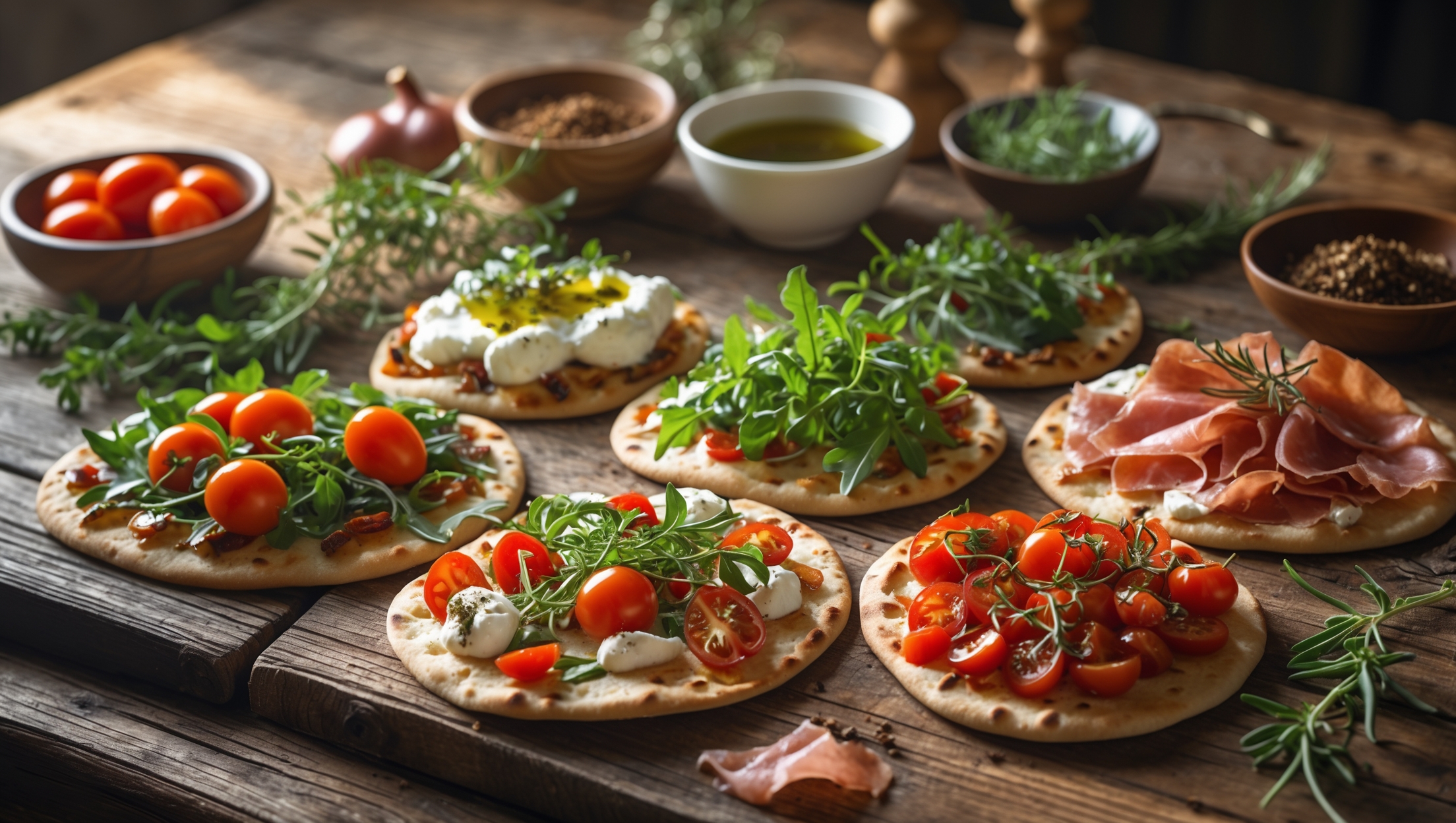
Introduction: The Rise of Gourmet Flatbreads at Home
Flatbreads have emerged as one of the most versatile and approachable canvases for home cooks seeking to elevate their culinary repertoire. From classic Italian focaccia to Middle Eastern manakish, Indian naan, and modern interpretations adorned with seasonal produce, flatbreads offer endless possibilities for flavor exploration and creative craft. Yet, crafting truly gourmet flatbreads at home requires more than just a basic recipe—it demands an understanding of the right tools, an appreciation for seasonal ingredients, and the art of flavor layering that transforms humble dough into a culinary centerpiece.
Far from being a mere vehicle for toppings, gourmet flatbreads celebrate the balance between crisp and chewy textures, the depth of fermented doughs, and the nuanced interplay of fresh, cooked, and preserved elements. This comprehensive guide will walk you through the essential equipment for perfect results, demystify cost-effective ingredient sourcing, and offer a seasonal approach to toppings that keeps your creations fresh and inspired year-round. Whether you’re a curious beginner or a seasoned enthusiast, you’ll discover expert tips, troubleshooting secrets, and flavor combinations that will make your home flatbreads unforgettable.
Essential Tools & Equipment for Home Flatbread Craft
Mixing and Dough Preparation
- Digital Scale: Precision is key. Measuring flour and water by weight ensures consistent hydration and texture—especially important with high-hydration doughs like focaccia or ciabatta-style flatbreads.
- Mixing Bowls: Heavy glass or stainless steel bowls are ideal for dough mixing, autolysing, and bulk fermentation.
- Dough Scraper: Both bench and bowl scrapers help with mixing, portioning, and shaping sticky doughs.
- Proofing Containers: Lidded containers or bannetons for easy monitoring and handling of rising dough.
Baking and Cooking Tools
- Baking Steel or Stone: These tools mimic the intense, even heat of traditional ovens, crucial for achieving blistered, crisp crusts. Choose a steel for fast heat transfer, or a stone for gentler, even baking.
- Pizza Peel: A wooden or metal peel allows you to transfer delicate shaped doughs onto hot surfaces without deflation or sticking.
- Cast Iron Skillet or Griddle: For stovetop flatbreads such as naan, paratha, or manakish, a well-seasoned cast iron surface ensures proper charring and flavor development.
- Rolling Pin: Essential for evenly shaping doughs, especially those that require thinness, such as lavash or tortillas.
Finishing and Serving Accessories
- Pastry Brush: For applying olive oil or infused butters before or after baking.
- Cooling Rack: Prevents sogginess by allowing air circulation after baking.
- Herb Scissors or Microplane: For adding fresh herbs or zest just before serving, enhancing aroma and freshness.
Understanding Flatbread Dough: Techniques and Tips
Choosing Your Flour
Your choice of flour influences both flavor and texture. For chewy, blistered crusts, opt for high-protein bread flour. For softer, more delicate flatbreads, all-purpose or even a blend with whole wheat or spelt can add complexity. Experiment with local heritage grains when possible for enhanced flavor and terroir.
Hydration and Fermentation
Flatbreads range from low hydration (think tortilla or lavash) to high hydration (such as focaccia). Mastering hydration is crucial:
- Low Hydration (50-60%): Easier to handle, ideal for thin, crisp flatbreads.
- High Hydration (70-80%): Yields open crumb and moist interiors—requires careful handling and often a longer ferment.
Fermentation, whether a quick rise with commercial yeast or an overnight cold ferment, develops flavor and texture. Sourdough starters can be used for tangy, complex notes.
Shaping and Docking
Handle dough gently to preserve air pockets. Docking (pricking with a fork or docker) is essential for certain styles (like focaccia or manakish) to prevent unwanted bubbling.
Cost Breakdown: Crafting Gourmet Flatbreads on Any Budget
Ingredient Sourcing
- Flour: High-quality bread flour costs around $2–$4 per kilo. Heritage or stone-ground flours may cost more but deliver exceptional flavor and nutrition.
- Leavening: Commercial yeast is inexpensive; sourdough cultures require only flour and water but need maintenance.
- Oils and Fats: Invest in a good extra virgin olive oil for finishing. For enriched doughs or toppings, use cultured butter or ghee for deeper flavor.
- Toppings: Seasonal vegetables, fresh herbs, and cheeses can be sourced affordably from farmers’ markets or local producers. Preserved items like olives or sun-dried tomatoes add punch without breaking the bank.
Equipment Investment
- Baking Steel/Stone: $30–$70, but will last for years and dramatically improve baking results.
- Cast Iron Skillet: $20–$50, multipurpose for many kitchen crafts.
- Digital Scale: $15–$30, essential for precision.
Batch Cooking for Savings
Prepare multiple doughs at once and freeze par-baked flatbreads for quick weeknight meals. This approach cuts down on energy costs and allows bulk buying of ingredients.
Seasonal Flatbread Inspiration: Toppings and Pairings
Spring
- Green Garlic & Ricotta: Layer sautéed green garlic, fresh ricotta, and a drizzle of lemon oil over an airy flatbread.
- Pea Shoots & Mint: Top with blanched peas, pea shoots, torn mint, and feta for a bright, herbaceous bite.
Summer
- Heirloom Tomato & Basil: Sliced tomatoes, basil leaves, and burrata on a charred base, finished with flaky sea salt.
- Grilled Zucchini & Lemon Labneh: Thinly sliced grilled zucchini, dollops of lemony labneh, and toasted pine nuts.
Autumn
- Roasted Squash & Sage Brown Butter: Roasted butternut or acorn squash, crispy sage leaves, and a swirl of brown butter.
- Wild Mushrooms & Fontina: Mixed sautéed mushrooms, fontina cheese, and a sprinkle of thyme.
Winter
- Caramelized Onion & Blue Cheese: Slow-cooked onions, blue cheese crumbles, and toasted walnuts.
- Potato, Rosemary & Black Pepper: Thin-sliced potatoes, rosemary, cracked black pepper, and sea salt.
Global Inspirations
- Za’atar Manakish: Middle Eastern blend of za’atar spice, olive oil, and sesame seeds.
- Indian Naan with Ghee & Nigella: Brush warm naan with ghee and sprinkle with nigella and cilantro.
- Spanish Coca: Top with roasted peppers, anchovies, and olives for a Catalan twist.
Flavor Layering: The Art of Building Depth
Base Flavors
Infuse your dough with personality from the start. Add roasted garlic, spices like cumin or fennel, or fresh herbs directly into the dough before fermentation for a unique aromatic profile.
Spreadable Foundations
- Herbed Oil: Brush dough with rosemary or oregano-infused olive oil before baking for a fragrant crust.
- Soft Cheeses: Spread a thin layer of whipped feta, goat cheese, or ricotta to anchor toppings and add creaminess.
- Nut Pastes: Try pistachio or hazelnut paste as a savory base for roasted vegetables or cured meats.
Fresh vs. Cooked Toppings
Balance cooked elements (like roasted vegetables or cured meats) with fresh garnishes (herbs, greens, citrus zest) added after baking. This not only preserves bright flavors and colors but also creates contrast in every bite.
Finishing Touches
- Acid: A squeeze of lemon, a drizzle of balsamic, or pickled onions brighten rich toppings.
- Heat: Chili oil, sliced fresh chilies, or Aleppo pepper flakes add zing.
- Crunch: Toasted nuts, seeds, or crispy shallots introduce texture.
Step-by-Step: Crafting Your First Gourmet Flatbread
1. Make the Dough
- Weigh 500g bread flour, 325g water (65% hydration), 10g salt, and 2g instant yeast.
- Mix flour, yeast, and water until just combined. Rest for 20 minutes (autolyse).
- Add salt and knead until smooth. Cover and let rise until doubled (1–2 hours at room temp, or overnight in the fridge).
2. Shape and Preheat
- Preheat oven with steel/stone at 500°F (260°C) for at least 45 minutes.
- Gently stretch or roll dough into desired shape (round or oblong), about 1/2-inch thick.
3. Top and Bake
- Brush with oil or spread base layer (cheese, sauce), then add toppings according to season.
- Transfer to hot steel/stone using a floured peel.
- Bake 8–12 minutes until golden, crisp, and bubbly.
4. Finish and Serve
- Rest briefly on a cooling rack.
- Finish with fresh herbs, zest, or a drizzle of good oil.
- Slice and serve immediately for peak flavor and texture.
Troubleshooting & Maintenance Best Practices
- Dough Too Sticky: Slightly oil your hands or let dough rest a few extra minutes between stretches. Avoid adding excess flour, which can toughen the bread.
- Pale or Underbaked Crust: Ensure oven and steel/stone are fully preheated. Use broiler briefly for extra color if needed.
- Soggy Center: Avoid overloading with wet toppings; par-bake the base if using especially juicy ingredients (like tomatoes).
- Storage: Store leftover flatbreads wrapped in a towel at room temperature for up to 1 day, or freeze for longer keeping. Reheat on a hot skillet or in the oven to restore crispness.
- Cleaning Equipment: Scrape and wipe baking steels/stones after use (never use soap on stones). Season cast iron regularly to prevent rust.
Safety Checklist for Home Flatbread Crafting
- High Heat Handling: Always use oven mitts or heatproof gloves when loading or removing flatbreads from hot ovens or stones.
- Proper Ventilation: Baking at high temperatures may trigger smoke alarms—ensure good kitchen airflow.
- Knife Safety: Use a sharp pizza wheel or chef’s knife for clean slicing; cut on a stable surface.
- Ingredient Allergens: Be mindful of gluten and dairy sensitivities when serving others; offer alternative bases and toppings as needed.
Conclusion: Flatbread as a Canvas for Culinary Expression
Home-crafted gourmet flatbreads are more than just a culinary trend—they are a deeply personal, endlessly adaptable expression of taste, craft, and seasonality. By investing in the right tools, sourcing thoughtfully, and mastering the art of flavor layering, you unlock a world of creative potential in your own kitchen. Whether you lean toward rustic classics or inventive, globally inspired combinations, every flatbread is an opportunity to celebrate what’s fresh, local, and inspiring in the moment.
Over time, you’ll develop a feel for doughs, a knack for balancing textures, and a signature style that reflects your palate and creativity. Don’t be afraid to experiment with heritage grains, wild seasonal greens, or unexpected spreads. Remember: the best flatbreads are those that tell a story—of region, season, and the hands that shape them. With these expert tools, tips, and seasonal inspiration, you’re well on your way to making gourmet flatbreads a cherished part of your home culinary culture.
So preheat your oven, gather your favorite ingredients, and let the humble flatbread become your next masterpiece. The only limit is your imagination—and perhaps the size of your baking stone!

Do you have any tips for sourcing unique or seasonal ingredients for flatbread toppings without spending a fortune? The article mentions cost-effective ingredient sourcing, and I’d love to hear about your favorite tricks for finding quality produce or specialty items locally.
Farmers’ markets are a great place to find fresh, seasonal produce often at better prices than supermarkets. You can also look for local co-ops or community-supported agriculture (CSA) boxes for unique items. Ethnic grocery stores tend to have specialty ingredients at affordable prices. Don’t forget to check out discount bins, and try connecting with local growers or foragers for small-batch, in-season finds.
For someone with limited kitchen space, which tool would you say is the biggest game-changer for homemade flatbreads: a baking steel, a digital scale, or proofing containers? If I can only invest in one, which would make the most noticeable difference in the final result?
If you need to choose just one tool for making great flatbreads in a small kitchen, a baking steel would likely make the most noticeable difference. It helps create a crisp, evenly cooked flatbread by mimicking a professional oven’s heat. While a digital scale and proofing containers are also helpful, the baking steel directly impacts the texture and quality of your final flatbreads.
I run a small café and want to add some flatbreads to our menu, but I have limited kitchen space. Are there any alternative tools or space-saving recommendations if we can’t fit a baking steel or stone in our setup?
If space is tight, you can still create great flatbreads using heavy-duty sheet pans or cast iron skillets, both of which are more compact than baking steels or stones. Preheat them thoroughly before baking to mimic the high, even heat needed for crisp crusts. Griddles or stovetop grill pans are also handy options. Store these items vertically or hang them to save space when not in use.
You mention seasonal toppings keeping flatbreads inspiring all year, but I have trouble sourcing fresh produce in winter. Do you have tips for cost-effective ingredient swaps or preserved elements that still give that gourmet layered flavor?
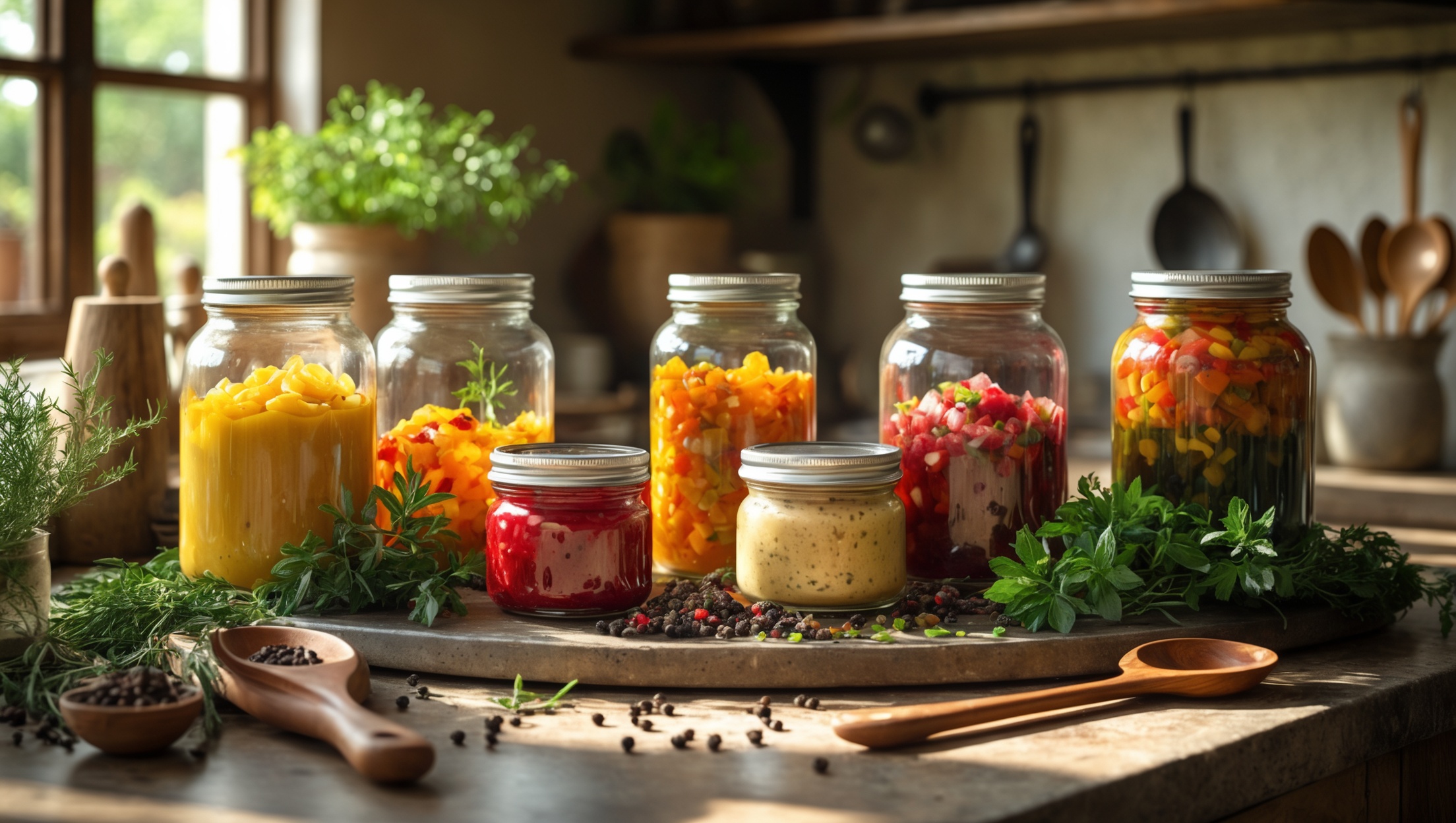
Absolutely, you can still achieve layered, gourmet flavors in winter by using ingredients like jarred roasted red peppers, sun-dried tomatoes, marinated artichokes, or olives. Frozen vegetables, such as spinach or butternut squash, also work well. For depth, try spreading tapenade, pesto, or even a bit of caramelized onion jam as a base. These preserved options are often quite affordable and add plenty of complexity to your flatbreads.
Can you recommend a budget-friendly alternative to a baking steel or stone for someone just starting out? I’m not sure I want to invest in special equipment yet but still want to get a crispy crust on my flatbreads.
You can achieve a great crispy crust by using an upside-down heavy baking sheet as your makeshift pizza stone. Preheat it with your oven so it gets very hot before you slide your flatbread onto it. This method helps mimic the intense, even heat of a stone or steel without any extra expense.
How do you approach sourcing seasonal produce for flatbread toppings on a budget, especially in areas with limited farmer’s markets or specialty stores? Any tips for making gourmet combinations work year-round with supermarket ingredients?
When access to fresh, seasonal produce is limited, focus on supermarket staples that are available year-round like mushrooms, spinach, or cherry tomatoes. Frozen veggies can be a good option too, as they’re picked at peak ripeness. Try mixing canned or jarred items—like roasted peppers or olives—with fresh herbs for added complexity. Rotating cheese types and using spice blends can also keep flavor combinations interesting without stretching your budget.
I’m interested in offering seasonal flatbreads at my cafe, but sourcing fresh ingredients year-round can be challenging and expensive. Do you have tips on how to balance cost-effective ingredient sourcing with keeping the toppings fresh and inspired, as you mention in the article?
One way to balance cost and freshness is to highlight what’s in season locally and design your menu around those ingredients, updating it as the seasons change. You can also use preserved items like roasted vegetables, pestos, or pickled toppings to supplement fresh produce during off-seasons. Building relationships with local suppliers or farmers might also help you secure better prices and fresher options.
If I want to introduce quick-turnaround flatbreads to my lunch menu, which mixing and proofing methods from your article would help streamline prep time without sacrificing quality?
To streamline your flatbread prep for a lunch menu, consider using the no-knead dough method highlighted in the article. This approach relies on a brief initial mix and a shorter proof at room temperature, which saves time while still yielding a soft texture. For even faster turnaround, you can opt for a slightly warmer proofing spot, as suggested, to cut down on rise time without compromising quality.