
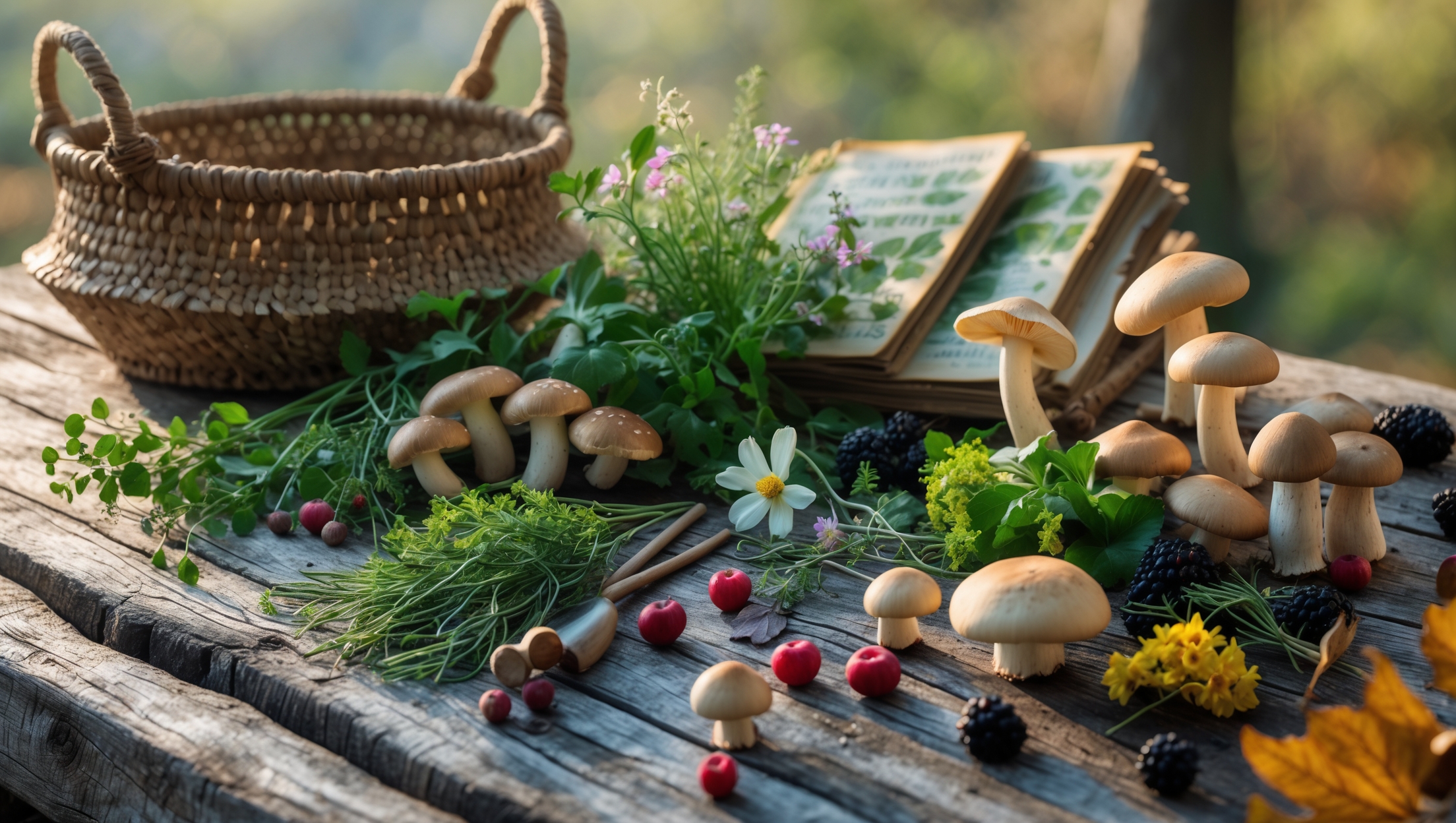
Introduction: Rediscovering the Wild Pantry
In the evolving world of culinary craft, chefs and home cooks alike are turning to an ancient tradition for modern inspiration: seasonal foraging. The wild pantry is brimming with flavors waiting to be discovered—edible greens, mushrooms, berries, nuts, and roots, each with their own story, season, and culinary potential. Foraging is not only a celebration of local terroir, but also a way to connect deeply with nature, reduce food miles, and infuse your kitchen with unique, hyper-seasonal ingredients that supermarkets can’t offer.
However, wild food exploration is a craft that demands respect, preparation, and knowledge. Foraging can open doors to remarkable flavors like wood sorrel’s citrusy tang or the earthy notes of wild morels, but it also comes with challenges—from accurate identification to legal and ethical harvesting. Whether you’re a curious beginner or a passionate cook seeking new culinary inspiration, this comprehensive guide demystifies seasonal foraging, covering essential tools, best practices, safety protocols, and creative ways to bring wild ingredients home to your table.
Let’s embark on a journey through fields, forests, and coastal shores to unlock wild flavors—safely, sustainably, and deliciously.
Why Forage? Culinary and Cultural Benefits
Expanding the Flavor Palette
Wild ingredients offer a spectrum of flavors rarely found in cultivated produce. From the peppery bite of wild garlic mustard to the floral sweetness of elderflowers, foraged foods can transform your cooking. They introduce complexity to sauces, garnishes, preserves, and even desserts, allowing you to craft dishes with truly local character.
Cultural Heritage and Sustainability
Foraging is woven into the culinary traditions of nearly every culture. Rediscovering wild foods means reconnecting with heritage recipes, indigenous knowledge, and the rhythms of nature. Moreover, foraged ingredients, when responsibly harvested, support biodiversity and promote sustainable eating by reducing dependence on industrial agriculture.
Cost-Effective and Eco-Friendly
With basic knowledge and tools, foraging can supplement your kitchen with high-value ingredients at minimal cost. Gathering wild herbs, mushrooms, and fruits reduces packaging waste, food miles, and the carbon footprint of your meals.
Seasonal Checklist: What to Forage, When
Every season brings its own wild bounty. Here’s a breakdown of key foraged foods by season, including prime harvesting times for optimal flavor and safety:
- Spring: Wild garlic (ramps), nettles, morel mushrooms, violets, dandelion greens, fiddlehead ferns, chickweed
- Summer: Blackberries, wild strawberries, elderflowers, purslane, wild sorrel, wild mint, chanterelle mushrooms
- Autumn: Wild apples, rosehips, walnuts, acorns (processed), hawthorn berries, chestnuts, porcini mushrooms
- Winter: Pine needles (for tea), wild rosehips, winter chanterelles, some hardy greens like miner’s lettuce
Always check local guides for regional variations and avoid overharvesting to preserve wild populations.
Essential Tools & Equipment for Safe Foraging
Foraging Basket or Bag
A sturdy, ventilated basket or mesh bag prevents delicate finds from getting crushed and allows spores from mushrooms to disperse, supporting local ecosystems.
Field Guidebooks and Identification Apps
Invest in a region-specific field guide with clear photos and identification keys. Supplement with reputable mobile apps, but never rely solely on digital sources for mushroom or toxic plant ID.
Knife and Scissors
A folding knife or small pair of garden scissors is invaluable for cleanly harvesting mushrooms, herbs, and greens without damaging plants or roots.
Gloves
Gloves protect your hands from nettles, thorns, and potential irritants. Choose a lightweight, flexible pair for dexterity.
Notebook and Pencil
Keep a foraging journal to note locations, habitats, and seasonal observations. This practice sharpens your skills and helps track sustainable harvests.
Mesh Bags for Mushrooms
Mesh bags allow mushroom spores to spread as you walk, supporting the health of local fungi populations.
Magnifying Glass and Small Containers
For fine identification details and for collecting berries or small herbs, these tools are handy additions to your kit.
Personal Safety Gear
Consider a whistle, basic first-aid kit, and tick repellent, especially in dense woods or remote areas.
Safety Checklist: Protecting Yourself and the Environment
- Never eat anything unless 100% certain of its identity. Many edible plants and mushrooms have toxic lookalikes. Use multiple sources to confirm ID and, when in doubt, leave it out.
- Know the habitat. Some wild foods only grow in specific environments. Avoid plants or fungi near roadsides, industrial sites, or areas exposed to pesticides or pollution.
- Harvest ethically. Take no more than you can use. Leave plenty for wildlife and future growth.
- Observe legal restrictions. Many parks, reserves, and private lands prohibit foraging. Always get permission and check local regulations.
- Process and store promptly. Wild foods are often more perishable than cultivated ones. Clean, dry, or refrigerate as soon as possible.
- Be mindful of allergies and sensitivities. Test new foods in small amounts and be aware of possible reactions.
- Protect against ticks and stinging insects. Wear long sleeves, use repellent, and check yourself after outings.
- Keep a record of what you eat. In rare cases of adverse reactions, this helps medical professionals respond quickly.
Legal and Ethical Considerations
Understanding Local Laws
Foraging regulations vary widely. Public lands may allow limited personal foraging, but many parks and nature reserves prohibit it to protect sensitive habitats. Permission is required on private property. Research state, provincial, and municipal guidelines before you forage.
Protected and Invasive Species
Some wild plants and fungi are endangered or protected. Others—like garlic mustard or Japanese knotweed—are invasive and encouraged for harvest. Learn to recognize and distinguish these categories for responsible foraging.
Leave No Trace
Tread lightly: minimize disturbance to soil and plants. Fill any holes, avoid trampling, and take only what you need.
Beginner Mistakes to Avoid
- Overreliance on Apps: Digital foraging apps are helpful but can misidentify. Always cross-reference with field guides and local experts, especially for mushrooms.
- Harvesting the First Specimen Found: Beginners often pick the first edible-looking plant or fungus they spot. Observe several specimens, noting differences in shape, color, and habitat before harvesting.
- Ignoring the “Lookalike” Rule: Many edible wild foods have toxic twins. Learn both what is edible and what is dangerous in your area.
- Harvesting from Polluted Areas: Avoid gathering near roads, industrial sites, or chemically treated landscapes.
- Not Keeping Records: Seasoned foragers keep detailed notes. Tracking what you find, where, and when helps build skill and ensures sustainable harvesting.
- Overharvesting: Taking too much can deplete local populations and harm ecosystems. The golden rule: never take more than a third of what you find, and less for rare plants.
Step-by-Step Foraging Tutorial: From Field to Kitchen
1. Plan Your Outing
- Check the season and local reports for what’s in peak condition.
- Research your destination for legal access and optimal habitats.
- Pack your foraging kit with essentials listed above.
2. Identification in the Field
- Study the plant or mushroom’s key features: cap shape, leaf pattern, stem, color, spore print (for fungi).
- Compare with multiple guidebook entries and images.
- Photograph and note location for future reference.
3. Harvest with Care
- Use a knife or scissors to avoid damaging roots or mycelium.
- Harvest selectively—choose mature specimens, leave younger plants to grow.
- Spread your harvest across an area to prevent local depletion.
4. Post-Forage Processing
- Clean wild foods as soon as possible with cold water.
- Sort and inspect for bugs or signs of decay.
- Store greens and herbs in damp cloths in the fridge; mushrooms in paper bags; berries in shallow containers.
5. Culinary Applications
- Wild greens: Use in salads, pestos, sautéed dishes, or as garnishes.
- Mushrooms: Sauté, grill, dry for later use, or infuse into broths and sauces.
- Berries and fruits: Turn into jams, syrups, compotes, or simply enjoy fresh.
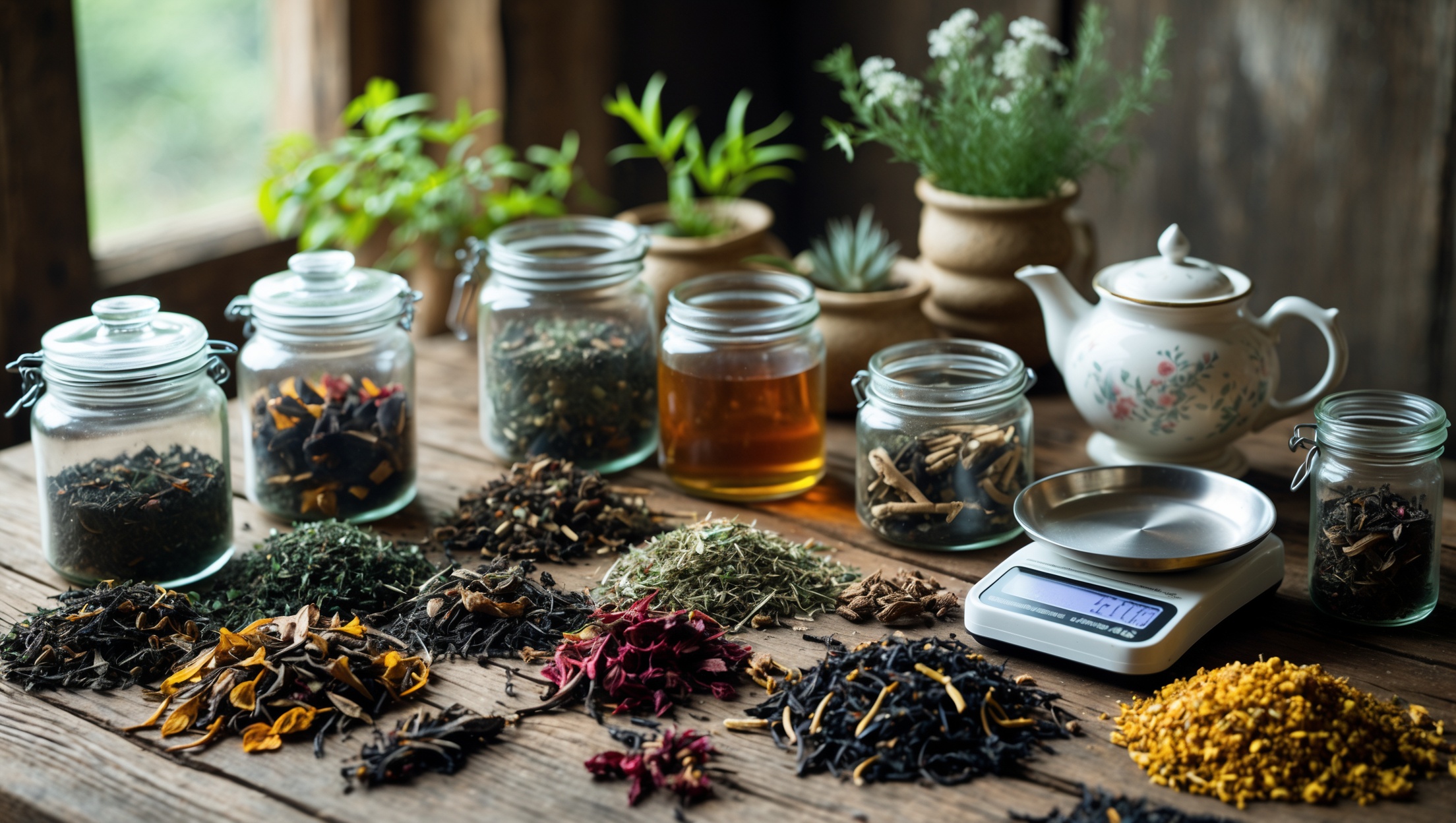
- Flowers and herbs: Infuse into teas, vinegars, or desserts for aromatic complexity.
Maintenance Best Practices: Storing and Preserving Wild Ingredients
Short-Term Storage
Wild greens wilt quickly. Wrap in damp paper towels and store in the fridge for up to three days. Mushrooms last longer in breathable bags; avoid plastic which accelerates spoilage. Berries are best stored unwashed until use to prevent mold.
Preservation Techniques
- Drying: Herbs, flowers, and mushrooms dry well in a low-oven or dehydrator, preserving flavor for months.
- Freezing: Blanch and freeze greens; freeze berries on trays before transferring to bags.
- Pickling and Fermenting: Many wild greens and mushrooms can be pickled or lacto-fermented for unique condiments.
- Infusing: Make wild herb oils, vinegars, or syrups to capture fleeting flavors.
Label everything with date and location—a best practice for both food safety and culinary experimentation.
Common Foraging Myths Debunked
- “If animals eat it, it’s safe for humans.” Many plants and fungi are harmless to wildlife but toxic to people.
- “Cooking removes all toxins.” Some poisons withstand cooking; proper identification is always essential.
- “All mushrooms with white gills are edible.” The deadly Amanita species disproves this myth—never rely on folklore for ID.
- “Foraging is illegal everywhere.” Many areas allow responsible foraging for personal use; always check local laws.
Refined Recipes: Bringing Wild Flavors Home
Wild Herb Pesto
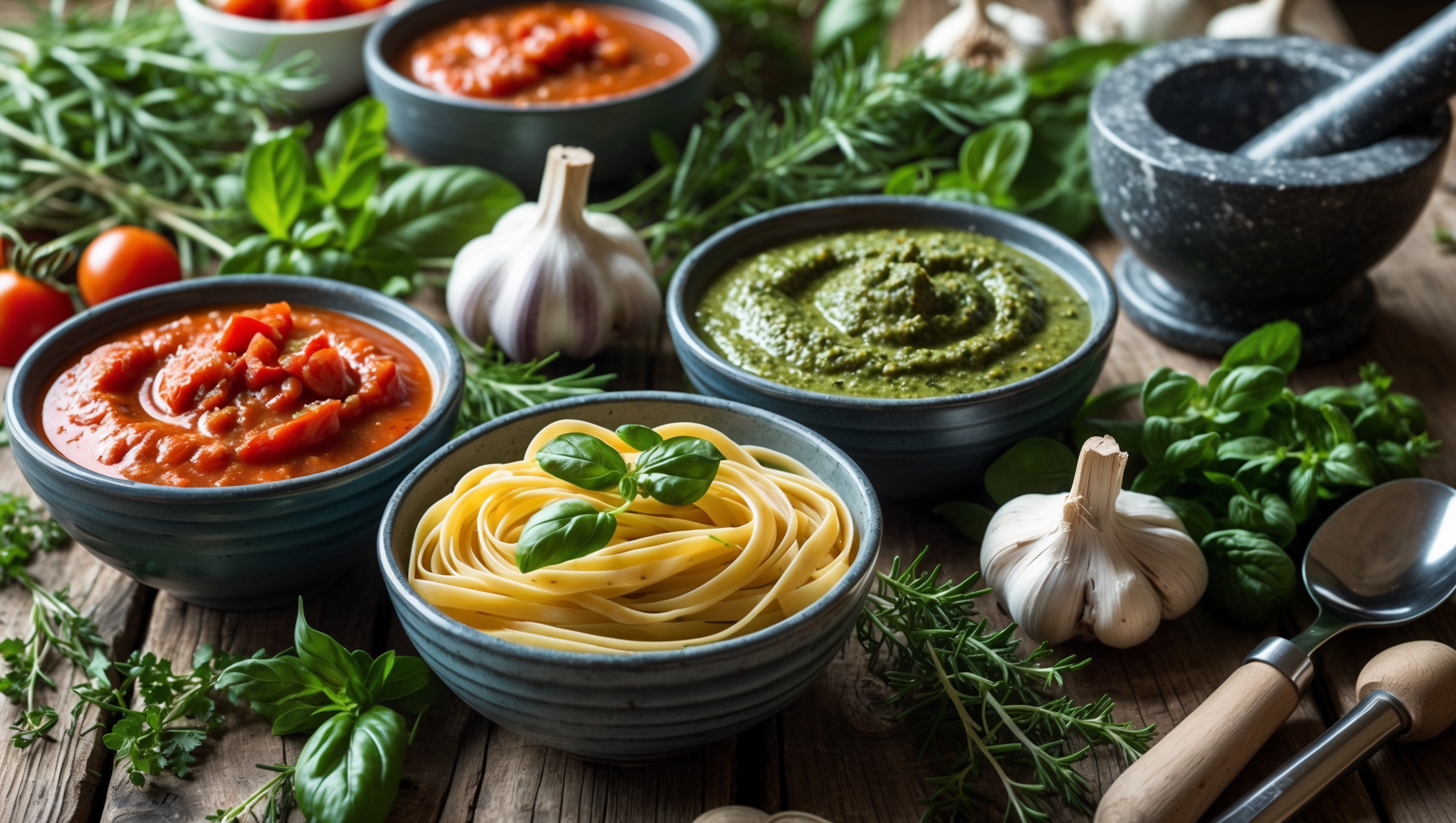
Blitz wild garlic, young nettles (blanched), walnuts, olive oil, and lemon for a vibrant, hyper-seasonal pesto that elevates pasta, sandwiches, or grilled vegetables.
Mushroom Sauté with Garlic and Thyme
Clean and slice assorted wild mushrooms; sauté in butter with garlic, fresh thyme, and a splash of white wine. Serve over toast or as a side to roasted meats.
Elderflower Cordial
Simmer freshly foraged elderflowers with sugar, lemon zest, and water. Strain and bottle for a fragrant syrup perfect for cocktails or desserts.
Foraged Berry Compote
Simmer mixed wild berries with a touch of honey and lemon juice until thickened. Spoon over yogurt, pancakes, or ice cream.
Conclusion: Embracing the Wild with Respect and Creativity
Seasonal foraging is more than a culinary trend; it is a mindful practice that weaves together taste, craft, and culture. By learning to safely identify, harvest, and prepare wild foods, you not only enrich your own palate but also foster a deeper connection to the land and the rhythms of the seasons. Foraged ingredients offer flavors that are impossible to replicate—bright, earthy, floral, and ever-changing with the wild landscape.
However, with this freedom comes responsibility. Ethical foraging ensures that wild populations thrive for generations to come and that you do no harm to yourself or the environment. Take time to learn, observe, and respect both the bounty and limitations of nature. Explore with curiosity, document your findings, and share your discoveries with friends and family.
Incorporating wild foods into your kitchen is a joyful act of creativity and respect—an invitation to taste the world anew, season by season, one foraged treasure at a time.

As someone running a café focused on local, seasonal dishes, I’d love to know how to safely introduce foraged mushrooms or greens onto my menu. Are there specific identification resources or safety guidelines you recommend before serving wild foods to customers?
Introducing foraged foods can be a wonderful way to enhance your café menu, but safety is crucial. Always work with certified foragers or take formal foraging courses yourself. Reliable field guides, local mycological societies, and extension services offer expert identification help. Double-check all foraged items and keep thorough records. Be sure to inform customers about wild ingredients and potential allergens. Proper training and caution are key for serving wild mushrooms and greens safely.
When it comes to foraging along coastal shores, are there extra safety or environmental precautions that differ from those needed in forests or fields? I’m curious about how best practices might change depending on the ecosystem.
Foraging along coastal shores does require some unique precautions. Be aware of tides to avoid being stranded, and watch out for slippery rocks or sudden waves. Certain coastal plants and shellfish can be affected by pollution or harmful algal blooms, so always check local advisories. Harvest responsibly to avoid disturbing sensitive habitats like dunes or tide pools, and follow local regulations, which can differ from those in forests or fields.