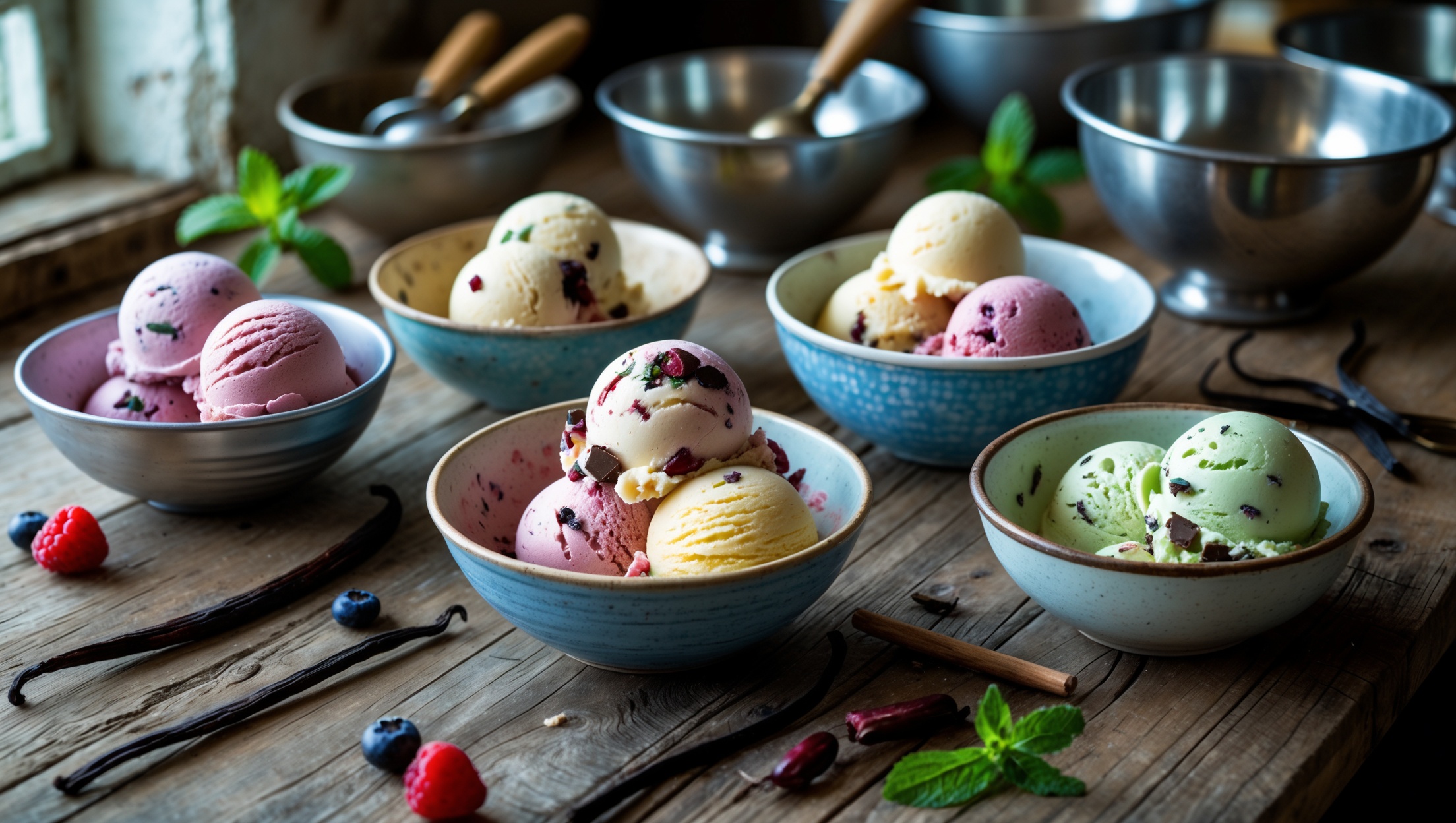
Introduction: The Art of Gourmet Ice Cream at Home
Ice cream is more than a frozen treat—it’s a canvas for culinary creativity and a celebration of quality ingredients. The world of gourmet ice cream is a playground for both the adventurous home cook and the passionate food artisan, blending science and art in every scoop. While store-bought options abound, nothing compares to the satisfaction and taste of crafting your own signature flavors at home. Yet, for many, the process seems daunting: specialized equipment, ingredient costs, and the science of texture and flavor can feel intimidating. This comprehensive guide is designed to demystify the process, equipping you with expert knowledge on essential tools, cost-effective strategies, and the secrets to innovative flavors. Whether you’re a total beginner or a seasoned kitchen experimenter, you’ll discover how to sidestep common pitfalls, make smart investments, and develop a refined palate for truly unique frozen delights. Join us as we scoop into the finer details of homemade gourmet ice cream, from budgeting and compliance to flavor alchemy and kitchen maintenance—no fluff, just practical, palatable inspiration.
Essential Tools and Equipment for Gourmet Ice Cream Crafting
Understanding Your Options: From Hand-Churned to Compressor Machines
The first step in your ice cream journey is choosing the right equipment. The market offers a range of options, each with unique benefits and trade-offs:
- Hand-Cranked Ice Cream Makers: Classic and nostalgic, these require manual effort but offer tactile control. Ideal for small batches and those who appreciate traditional craft.
- Freezer Bowl Electric Machines: Accessible and affordable, these rely on pre-frozen bowls. They’re user-friendly but require pre-planning and limited batch size per freeze.
- Compressor Ice Cream Makers: Preferred by professionals and serious enthusiasts, these have built-in refrigeration, allowing multiple batches and consistent texture. They’re an investment but offer superior results and flexibility.
Must-Have Accessories
- Accurate Thermometer: Crucial for custard bases—prevents curdling and ensures food safety.
- Fine-Mesh Sieve: For straining custards, removing lumps, and achieving a silky-smooth base.
- Mixing Bowls (Stainless Steel or Glass): Durable and non-reactive, essential for even chilling and mixing.
- Whisk and Silicone Spatula: For blending and folding ingredients with precision.
- Ice Cream Storage Containers: Airtight, shallow containers preserve texture and minimize ice crystals.
- Ice Cream Scoops: Invest in a heavy-duty scoop for perfect presentation and portioning.
Optional but Game-Changing Tools
- Stand or Hand Mixer: Speeds up whipping and emulsifying bases, especially for gelato and semifreddo.
- Immersion Blender: Essential for pureeing fruit or incorporating mix-ins evenly.
- Digital Scale: Precision matters for repeatable, balanced recipes.
Budgeting for Homemade Gourmet Ice Cream
Initial Investments: Equipment Cost Breakdown
- Hand-Cranked Machine: $40–$80
- Freezer Bowl Electric Machine: $50–$120
- Compressor Machine: $200–$700 (higher-end models can reach $1,000+ but are rarely necessary for home use)
- Basic Accessories: $30–$75 (for thermometer, sieve, bowls, spatula, whisk, and scoop)
Start small if you’re new. Upgrade as your passion and proficiency grow; many home cooks begin with a freezer bowl model before investing in a compressor machine.
Ingredient Costs: Quality vs. Quantity
- Dairy: High-fat cream and whole milk yield the creamiest texture. Expect $3–$7 per quart batch, depending on source and organic options.
- Eggs: Custard-based recipes require fresh, high-quality eggs—budget $2–$4 per batch.
- Flavorings: Vanilla beans, cocoa, and fresh fruit can add $2–$10 per batch, depending on seasonality and type.
- Mix-ins: Nuts, cookies, and candies range from $1–$5 per batch.
Homemade ice cream typically costs $5–$15 per quart—higher than generic store brands, but a fraction of the price of boutique or artisanal pints. Buying ingredients in bulk and utilizing seasonal produce can significantly reduce costs.
Smart Sourcing Strategies
- Look for local dairy co-ops for fresher, often more affordable cream and milk.
- Visit farmers’ markets for in-season fruit at lower prices.
- Consider online retailers for bulk vanilla beans, chocolate, and specialty mix-ins.
Flavor Innovation: Beyond Vanilla and Chocolate
The Science of Flavor Pairings
Gourmet ice cream shines in its imaginative flavor pairings. Understanding a few scientific principles will set your creations apart:
- Fat as a Flavor Carrier: Cream and egg yolks amplify and mellow flavors. Use this to balance bold spices or tart fruits.
- Salt as a Flavor Enhancer: A pinch of salt can heighten sweetness and complexity, even in fruit or chocolate bases.
- Alcohol and Extracts: A splash of alcohol (bourbon, rum, liqueurs) or extracts (vanilla, almond) adds depth and softens texture—but use sparingly to avoid icy results.
Creative Flavor Ideas and Techniques
- Herb-Infused Creams: Steep basil, mint, or rosemary in hot cream, strain, and use as your base. Pairs exceptionally with citrus or berry swirls.
- Spice Blends: Cardamom, star anise, and cinnamon offer warmth for wintery options, while ginger or chili can add a kick.
- Roasted Fruits and Nuts: Roasting intensifies flavors and reduces water content, preventing unwanted ice crystals.
- Swirls and Inclusions: Add ribbons of caramel, berry compote, or fudge after churning for visual and textural appeal.
- Savory-Inspired Flavors: Goat cheese, olive oil, or black pepper can lend a sophisticated twist.
Balancing Texture and Overrun
Overrun refers to the amount of air incorporated during churning. Too little produces dense, icy results; too much leads to fluffy, insipid ice cream. Home machines typically achieve 20–40% overrun—perfect for a creamy yet satisfying texture. For denser gelato styles, use less cream and churn at a lower speed.
Step-by-Step: Crafting Your First Gourmet Batch
1. Prepare Your Base
Choose your style—Philadelphia (eggless) or French (custard). For French-style, gently heat cream, milk, sugar, and egg yolks to 170–175°F, whisking constantly. For Philadelphia style, simply blend cream, milk, and sugar cold.
2. Infuse or Flavor
Add flavorings at the appropriate stage: infuse herbs or spices in hot cream, fold in extracts or purees once the base cools.
3. Chill Thoroughly
Rapid chilling prevents ice crystal formation. Use an ice bath or refrigerate overnight. The colder the base, the smoother your ice cream.
4. Churn
Follow your machine’s instructions. Add delicate mix-ins (cookies, nuts, swirls) in the last 2–3 minutes.
5. Cure and Store
Transfer to a shallow, airtight container. Press parchment against the surface to reduce ice crystals. Freeze for at least 4 hours—overnight is best for a scoopable, mature texture.
Compliance, Safety, and Storage Best Practices
Kitchen Hygiene and Food Safety
- Always wash hands and sanitize all equipment before starting.
- Use pasteurized dairy and eggs to minimize risk of foodborne illness.
- Heat custard bases to at least 170°F and strain to remove any coagulated egg.
- Store finished ice cream at or below 0°F (-18°C) to prevent spoilage.
Labeling and Allergen Awareness
- If sharing with friends or at events, clearly label flavors and potential allergens (nuts, dairy, eggs, gluten from mix-ins).
Storage and Shelf Life
- Homemade ice cream is best enjoyed within 2 weeks for peak flavor and texture.
- Avoid frequent thawing and refreezing, which causes texture loss and ice crystals.
- For longer storage, use containers with tight-fitting lids. Consider a layer of plastic wrap or parchment directly on the surface.
Maintenance Best Practices for Ice Cream Equipment
Cleaning and Care
- Disassemble machines after each use and clean all parts with warm, soapy water. Rinse and dry thoroughly.
- For compressor units, periodically dust vents and check manufacturer guidelines for deep cleaning.
- Inspect freezer bowls for cracks or leaks; replace if needed to ensure consistent freezing.
- Sharpen or replace churn paddles as necessary for even mixing.
Storage Tips
- Store machines in a cool, dry place. Avoid stacking heavy items on delicate parts.
- For freezer bowl models, keep the bowl in your freezer so it’s always ready to go.
Marketing Your Gourmet Ice Cream: Strategies That Work
Sharing with Your Community
- Host tasting events or ice cream socials to gather feedback and build excitement.
- Collaborate with local food influencers or culinary clubs for exposure.
Showcasing on Social Media
- Share process photos, flavor stories, and behind-the-scenes details on Instagram or TikTok.
- Highlight seasonal flavors and unique mix-ins to pique curiosity.
- Post short tutorials or flavor polls to engage your audience.
Compliance for Small-Scale Sales
- If you plan to sell your creations, research local cottage food laws and permit requirements.
- Consider insurance options for liability coverage if operating as a micro-business.
Conclusion: Elevate Your Frozen Craft
The journey into homemade gourmet ice cream is as rewarding as it is delicious. Armed with the right tools, a thoughtful approach to budgeting, and an adventurous palate, you can transform your kitchen into a personal ice cream atelier. Experimentation is at the heart of this craft—don’t be afraid to push flavor boundaries, try seasonal twists, and refine your technique with every batch. Focus on quality ingredients, maintain meticulous hygiene, and invest in equipment as your skills and passion grow. Whether you’re making small batches for family or dreaming of sharing your creations with a wider audience, the secrets to truly memorable ice cream are now in your hands. Let each pint tell a story of taste, craft, and creativity—a reflection of your unique culinary journey. So, scoop boldly, savor slowly, and inspire others to discover the joy of artisan ice cream at home.