For coffee lovers, the daily ritual of brewing that perfect cup goes far beyond a caffeine fix—it’s an immersive experience that blends taste, craft, and the pleasure of a well-designed space. Imagine starting your day with the aroma of freshly ground beans, the gentle hum of an espresso machine, and the satisfaction of crafting a personalized beverage that rivals your favorite café. Over the past few years, the home coffee bar has evolved from a simple corner with a drip machine to a curated destination within the home, reflecting seasonal inspiration, evolving coffee trends, and the growing desire for both convenience and artisanal quality. Whether you’re a seasoned home barista or just beginning to explore specialty brews, setting up a thoughtfully designed coffee bar can elevate both your mornings and your lifestyle. In this guide, we’ll explore how to create a home coffee bar that’s not only practical and budget-friendly, but also infused with the latest in design and brewing trends. From choosing essential equipment and planning your layout to selecting seasonal ingredients and understanding cost breakdowns, you’ll find actionable advice and inspiring ideas to make your coffee ritual truly exceptional.
Understanding the Home Coffee Bar Movement
The rise of the home coffee bar represents a shift in culinary culture—one that values craftsmanship, personalization, and the aesthetics of daily living. Coffee bars are no longer just about function; they’re a reflection of individual taste, hospitality, and lifestyle aspirations. This movement is fueled by several key trends:
- Third-Wave Coffee Influence: A focus on sourcing, freshness, and artisanal preparation methods.
- Home Entertaining: The coffee bar as a social hub, perfect for hosting friends or family.
- Seasonal and Local Ingredients: Incorporating local roasts and seasonal flavors into daily routines.
- Design-Driven Spaces: Coffee bars that double as stylish focal points in kitchens or living areas.
Planning Your Coffee Bar: Budget and Layout
Setting Your Budget: Cost Breakdown
One of the first steps in creating a home coffee bar is determining your budget. Contrary to popular belief, you can craft a beautiful and functional space at nearly any price point. Here’s a realistic cost breakdown for various setups:
- Basic Setup ($100–$300): Drip coffee maker or French press, manual grinder, basic scale, simple storage solutions.
- Intermediate Setup ($400–$900): Burr grinder, entry-level espresso machine or high-end pour-over gear, gooseneck kettle, digital scale, attractive shelving, milk frother.
- Premium Setup ($1,000+): Prosumer espresso machine, high-end grinder, dedicated sink or water line, custom cabinetry, integrated lighting, temperature-controlled storage for beans and milk.
Include an initial investment for coffee beans, syrups, and accessories. Budget for ongoing costs—beans, filters, maintenance supplies—at $15–$40/month, depending on consumption and preferences.
Choosing the Right Location
Select a spot that’s convenient yet distinct. A countertop corner, kitchen island, or dedicated cart works well. For small spaces, a wall-mounted shelf or compact table can suffice. Consider proximity to water, electrical outlets, and storage.
Essential Tools and Equipment Guide
Core Brewing Equipment
- Brewer: Choose one or two main brewing devices: drip coffee maker, French press, pour-over (Chemex, Hario V60), AeroPress, moka pot, or espresso machine.
- Grinder: A burr grinder is essential for uniform grounds and optimal flavor. Manual grinders are budget-friendly; electric burr grinders offer convenience and consistency.
- Kettle: A gooseneck kettle is ideal for pour-overs, offering precise control. Electric kettles with temperature settings allow greater flexibility for various coffee styles and teas.
- Scale: Accurate measurement is crucial. A digital scale with gram precision ensures brewing consistency.
- Milk Frother or Steam Wand: For lattes, cappuccinos, and other milk-based drinks. Handheld frothers are affordable; built-in steam wands are preferred for espresso machines.
Storage and Organization
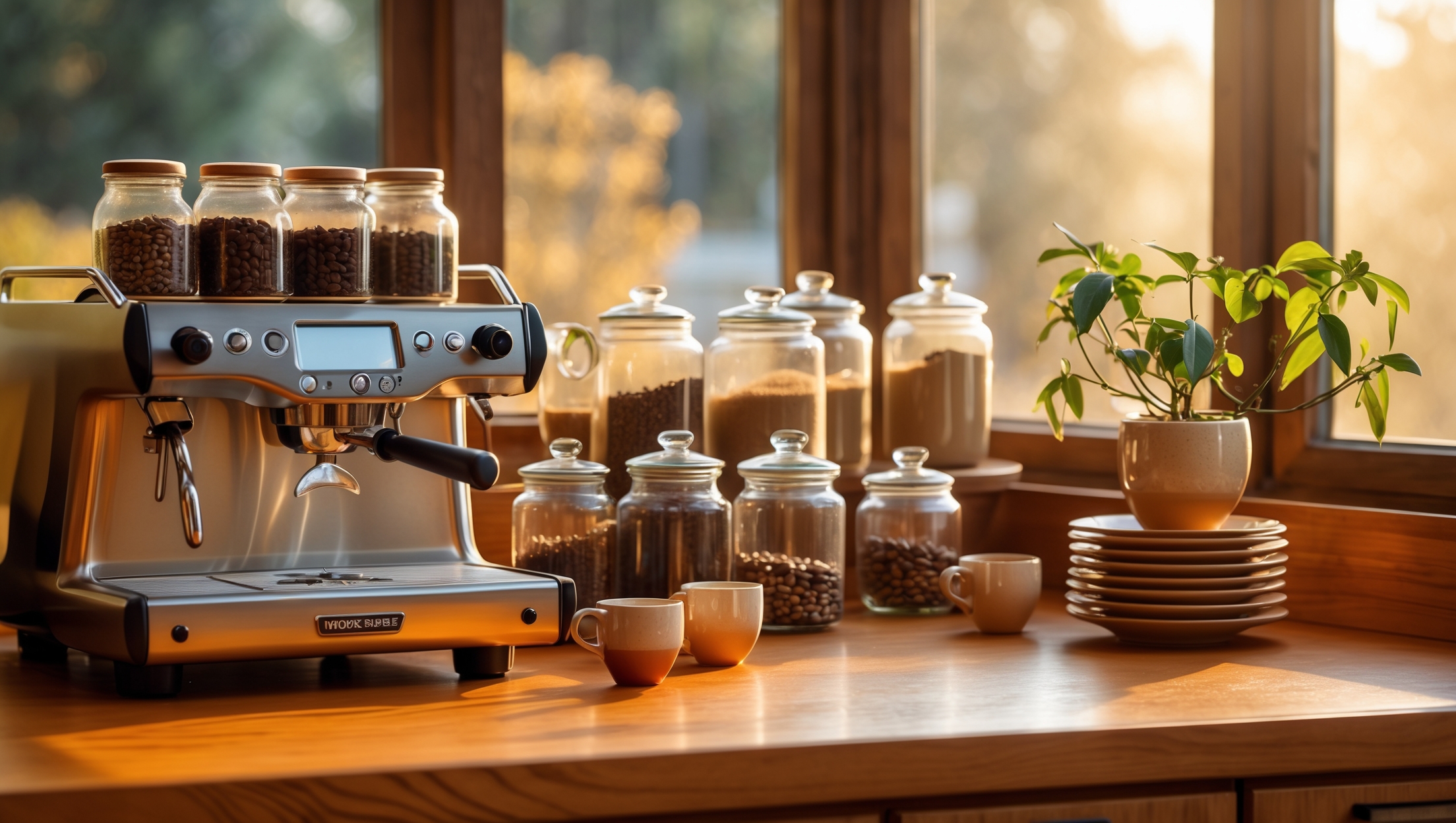
- Airtight Canisters: Keep beans fresh and aromatic. Opt for opaque containers to block light.
- Shelves and Racks: Display mugs, brewing tools, and syrups for easy access and visual appeal.
- Drawer Dividers: Organize spoons, filters, napkins, and cleaning tools.
Serving Essentials
- Cups and Mugs: Offer a selection for different drinks—espresso, cappuccino, latte, and classic mugs.
- Pitchers and Carafes: For serving multiple guests or crafting cold brews.
- Saucers, Trays, and Coasters: Add style and functionality to your setup.
Seasonal Trends and Ingredient Inspiration
Spring & Summer Coffee Bar Ideas
- Cold Brew & Iced Coffee: Invest in a cold brew maker or large French press for smooth, refreshing beverages.
- Flavored Syrups: House-made syrups with seasonal fruits (strawberry, rhubarb, lemon) offer unique twists.
- Herbal Infusions: Add fresh mint, basil, or lavender to cold drinks for a garden-inspired touch.
- Light Roasts: Highlight floral and citrus notes perfect for warmer weather.
Autumn & Winter Coffee Bar Ideas
- Spiced Lattes: Stock up on cinnamon, nutmeg, clove, and homemade pumpkin spice blends.
- Rich Syrups: Caramel, maple, and chocolate syrups complement dark roasts and espresso drinks.
- Hot Chocolate & Mocha Options: Offer cocoa powder, chocolate shavings, and marshmallows for cozy treats.
- Seasonal Decor: Incorporate warm woods, copper accents, and festive mugs for a comforting ambiance.
Designing for Style and Function
Layout Tips
- Workflow: Organize from left to right (grinder – brewer – cups – add-ins) for efficiency.
- Vertical Space: Use wall-mounted shelves or pegboards for mugs and tools.
- Lighting: Under-cabinet or pendant lighting enhances both mood and visibility.
- Personal Touches: Display favorite mugs, local art, or collectibles for a unique character.
Incorporating Sustainability
- Reusable Filters: Cloth or metal filters reduce waste and enhance flavor.
- Compostable Materials: Choose biodegradable cups or stirrers for eco-friendliness when hosting guests.
- Local Roasters: Buy beans from nearby micro-roasters to support community and minimize your carbon footprint.
- Energy Efficiency: Look for coffee machines with auto shut-off features.
Maintaining Your Coffee Bar: Best Practices
Daily and Weekly Routines
- Daily: Empty grounds, wipe surfaces, rinse brewers and frothers, and refill water reservoirs.
- Weekly: Deep clean grinders, descale machines, wash canisters and shelves, and sanitize all tools.
Bean Storage and Rotation
Keep beans in airtight containers away from heat, light, and moisture. Buy in small batches (1–2 weeks’ supply) for maximum freshness. Label containers with roast dates and rotate to use older beans first.
Equipment Longevity
- Descale espresso machines and kettles monthly or as recommended by manufacturers.
- Replace water filters per schedule to prevent mineral buildup.
- Sharpen or clean grinder burrs regularly for consistent grounds.
Safety Checklist
- Ensure all electrical cords are safely positioned to avoid tripping hazards.
- Do not overload outlets; use surge protectors if necessary.
- Keep liquids away from electrical appliances to prevent shocks or short circuits.
- Unplug machines when not in use, especially before cleaning.
- Let hot surfaces cool before handling or storing equipment.
- Store cleaning agents separately from food and drink supplies.
Smart Budgeting: Where to Splurge and Where to Save
Splurge On:
- Grinder: The quality of your grinder can make or break the cup. Invest here if possible.
- Water Quality: Consider a filtration system or bottled spring water for the purest taste.
Save On:
- Accessories: Start with basic cups and gradually upgrade as your style evolves.
- DIY Syrups & Mix-Ins: Homemade syrups are fresher and more affordable than store-bought.
- Secondhand Finds: Quality gear (especially grinders and brewers) can often be found gently used at significant savings.
Marketing Your Home Coffee Craft (For Entertainers & Aspiring Entrepreneurs)
If your home coffee bar inspires you to host pop-up tastings or launch a micro-café, consider these practical marketing strategies:
- Social Media Showcases: Use Instagram or TikTok to share recipes, brewing tips, and seasonal setups.
- Collaborate with Local Artisans: Partner with local bakeries or artists for joint events or limited-edition menu items.
- Offer Classes: Teach friends or neighbors the art of pour-over or latte art for a small fee.
- Gift Sets: Assemble and sell coffee kits with beans, syrups, and recipe cards.
Always check local regulations regarding food sales and hosting events in your home.
Conclusion: Elevating Everyday Rituals
A home coffee bar isn’t just about convenience—it’s about celebrating the artistry of coffee and the pleasures of daily life. By thoughtfully selecting equipment, embracing seasonal trends, and organizing your space for both beauty and function, you create more than just a caffeine station; you create an experience. Whether it’s the joy of a flawlessly pulled espresso shot on a chilly morning, the refreshing delight of a homemade cold brew on a summer afternoon, or the satisfaction of sharing your creation with friends, a home coffee bar enhances every aspect of your culinary and social life.
With careful budgeting, smart tool selection, and a touch of creativity, you can tailor your coffee bar to your unique tastes and routines—no matter your space or skill level. Remember, the best coffee experiences are rooted in experimentation and joy, not perfection. Let your coffee bar evolve with the seasons, your palate, and your lifestyle. Here’s to mornings made more meaningful, gatherings made more memorable, and the ongoing story of taste and craft in your own home.
I’m curious about budgeting for a first home coffee bar, especially since the article mentions breaking down costs. What kind of price range should I expect if I want to get started with good but not high-end equipment and some seasonal ingredients?
For a quality but budget-friendly home coffee bar, you can expect to spend around $150 to $350. This covers a reliable entry-level grinder, a basic espresso or drip machine, a milk frother, and a few seasonal syrups or spices. You might find starter bundles or secondhand equipment to help save even more while still enjoying a great coffee experience at home.
I’m interested in making my coffee bar a focal point for entertaining at home. Are there any design suggestions or essential tools that work well for hosting guests, according to the latest trends you mentioned?
To make your coffee bar a great spot for entertaining, try incorporating a statement backsplash or open shelving to display your mugs and coffee tools—these are both trendy and practical. For hosting, consider having an electric milk frother, a set of syrups, and a serving tray ready. Stylish glassware and a variety of brew methods, like a French press or pour-over, also encourage guests to customize their drinks.
As a café owner looking to refresh our space, I’m interested in the seasonal ingredient aspect you mentioned. Could you give some examples of affordable, locally available ingredients that work well for rotating coffee bar menus?
For a café, you might consider ingredients like fresh mint, local honey, or seasonal fruits such as strawberries in spring and apples in fall. Herbs like rosemary or basil can add unique flavors too. Spices like cinnamon, nutmeg, and even pumpkin puree in autumn are popular and easy to find. Sourcing from local farmers’ markets can keep costs down while showcasing what’s in season nearby.
You talk about creating a coffee bar that’s both budget-friendly and stylish, but I’m not sure how to prioritize spending. Are there certain pieces of equipment you absolutely recommend investing in first if I have a limited budget, or can some things wait?
If you’re working with a limited budget, start by investing in a reliable coffee maker or espresso machine, since that’s the core of your setup. A quality grinder also makes a big difference in flavor and can be worth saving a bit more for. Accessories like decorative jars, specialty mugs, or milk frothers can be added over time, as your budget allows. Focus first on the essentials that impact taste and daily use.
You mention the influence of third-wave coffee and the importance of sourcing fresh beans. How do you suggest beginners find good local roasters or seasonal blends, especially if they don’t live in a big city?
Even if you’re not in a big city, you can often find local roasters by checking farmers’ markets, specialty food shops, or local listings online. Many roasters offer mail-order services, so browsing their websites or social media can help you discover seasonal blends. You might also ask for recommendations in community groups or try subscription boxes that feature small-batch roasters from various regions.
I’m interested in setting up a coffee bar at home, but I’m not sure how to prioritize what equipment to buy first if I’m on a tight budget. Are there certain essential tools that truly make the biggest difference in quality?
If you’re just starting out with a home coffee bar and watching your budget, focus first on a quality burr grinder and a reliable brewing method—like a French press, pour-over, or AeroPress. Freshly ground beans have the biggest impact on flavor. After those basics, you can add extras like a scale, gooseneck kettle, or milk frother as your budget allows.
When it comes to budgeting for a home coffee bar, what are the biggest expenses to prioritize for someone just starting out? Should I invest more in quality beans or equipment if I want both good taste and convenience?
When starting your home coffee bar, your budget should prioritize a reliable grinder and a decent brewing device, since these have the biggest impact on taste and consistency. While quality beans are important, investing in good equipment ensures you can make the most out of any beans you buy. For convenience, consider options like an automatic coffee maker or pod system, but always pair it with a quality grinder for fresh flavor.
The article breaks down cost considerations for setting up a home coffee bar, but how much should I realistically budget if I want decent quality tools without going overboard? Are there specific items worth splurging on?
For a solid home coffee bar setup with good quality tools, budgeting around $200 to $400 is reasonable. Essentials include a burr grinder, reliable coffee maker or espresso machine, and a digital scale. It’s smart to splurge a bit on the grinder and the brewing equipment since they have the biggest impact on coffee quality, while you can save on accessories like milk frothers and glassware.
When planning a home coffee bar on a budget, which essential tools do you recommend prioritizing first, especially for someone who wants to experiment with both espresso and drip methods but can’t buy everything at once?
If you’re starting out and want to try both espresso and drip brewing without buying everything at once, I’d suggest prioritizing a quality burr grinder first, as fresh, evenly ground beans are key for both methods. Next, consider a simple pour-over set or a French press for drip, and an affordable stovetop espresso maker (like a moka pot) as a starter for espresso-style drinks. This way, you can experiment with both styles without overspending early on.
You mention the coffee bar becoming a social hub for entertaining—are there any tips for organizing the layout so that guests can make their own drinks without crowding the space or making a mess?
To keep your coffee bar guest-friendly, set up a clear, linear flow: start with mugs and glasses, then the coffee machine, followed by milk, syrups, and stirring spoons at the end. Use trays or baskets to corral supplies and minimize spills. If possible, leave enough counter space for two people to work side by side, and place napkins nearby for easy cleanup.
The article mentions design-driven spaces and using the coffee bar as a social hub. Do you have tips for organizing a small area so it works for both everyday convenience and entertaining guests when we have limited kitchen counter space?
To maximize a small coffee bar area, use vertical space such as shelves or wall-mounted racks for mugs and jars. Consider a rolling cart that can be moved for gatherings and tucked away daily. Store your most-used items within easy reach, and keep entertaining extras like syrups or special cups in a nearby cabinet. A tray can help keep essentials tidy and portable, making it easy to transform the space for guests.
I’m interested in creating a home coffee bar but want to keep costs manageable. Can you share more details on what the typical upfront investment looks like for essential equipment versus optional add-ons, especially for someone just starting out?
For a basic home coffee bar setup, you’ll typically spend around $100–$200 on essential equipment like a quality drip coffee maker or manual brewer, a grinder, and some basic tools such as a scale and kettle. Optional add-ons—like a milk frother, espresso machine, or decorative storage—can raise your costs significantly, often starting at $50 each and going up from there. If you’re just starting out, focus on the essentials, then add extras gradually as your interest and budget allow.
You mentioned incorporating seasonal and local ingredients into daily routines. What are some practical examples of seasonal flavors or local roasts that work well for home baristas in the US, especially when entertaining guests?
Incorporating seasonal flavors is a great way to impress guests. For fall, try adding pumpkin spice, cinnamon, or maple syrup to lattes. In winter, peppermint or chocolate pair well with coffee. Spring and summer are perfect for drinks with lavender, honey, or citrus zest. For local roasts, look for beans from respected regional roasters—like Stumptown in the Northwest or Counter Culture on the East Coast—to showcase unique flavor profiles from different US regions.
You mentioned using seasonal and local ingredients for a personalized coffee ritual. What are some creative ways students can incorporate seasonal flavors without needing a bunch of expensive syrups or add-ons?
Students can easily add seasonal flavors by using fresh or dried spices like cinnamon, nutmeg, or cloves, which are affordable and last a long time. For fall, try adding a bit of pumpkin puree or apple slices to your coffee or cold brew. In summer, muddle some fresh mint or berries. Even citrus peels or a dash of vanilla extract can provide a unique twist, all without buying pricey syrups.
You mentioned budgeting for essential equipment and cost breakdowns. For a beginner like me who mostly drinks drip or pour-over coffee, what’s a realistic budget to get started without sacrificing too much quality or design?
For a beginner focusing on drip or pour-over, you can expect to spend around $75 to $200 on quality essentials. This includes a good pour-over dripper or a reliable drip machine, a decent burr grinder, a gooseneck kettle, and a basic scale. You don’t need to spend a lot on each item, but choosing reputable brands will help you get both good design and consistent coffee.
You talked about the shift toward stylish, design-driven coffee bar spaces at home. What are some practical layout tips for someone living in a small apartment who doesn’t have a lot of counter space?
For a small apartment, think vertically—use wall shelves to store mugs, beans, and accessories. A compact cart or a narrow console table can serve as your coffee station without taking up much space. Keep only the essentials out and store less-used tools in cabinets. Magnetic strips or hooks can hold spoons and towels, and a tray helps organize everything neatly and makes cleanup easier.
I’m curious about the budgeting aspect—how would you suggest prioritizing between investing in an espresso machine versus getting a high-quality grinder, particularly if I have a limited space and budget?
If space and budget are tight, prioritize a high-quality grinder over an espresso machine. A good grinder has a bigger impact on the taste of your coffee by ensuring consistent grind size, which improves extraction. You can start with a simple brewing method like a French press or Aeropress, then upgrade to an espresso machine later when space and budget allow.
Could you compare some essential tools for beginners versus those for more experienced home baristas? I’m just starting out and want to know which equipment is sufficient for quality coffee without overspending.
For beginners, a reliable burr grinder, a digital scale, a basic pour-over set or French press, and a good kettle are usually sufficient for making great coffee at home. These tools are affordable and easy to use. More experienced baristas often invest in higher-end espresso machines, precision grinders, milk frothers, and specialty accessories for finer control. Starting with quality basics helps you brew delicious coffee without overspending, and you can upgrade as your skills grow.
I’m really curious about how to balance both design and function when setting up a home coffee bar. The article talks about coffee bars as stylish focal points, but are there any layout tips for smaller kitchens where counter space is super limited?
In smaller kitchens, try using vertical space by adding floating shelves for mugs, jars, and coffee supplies above your main prep area. A compact cart or a tray can also help keep essentials tidy and easy to move. Prioritize tools you use daily and store extras elsewhere to reduce clutter, ensuring your coffee bar remains both functional and visually appealing.
The article talks about design-driven spaces and how the coffee bar can be a focal point at home. What are some easy and low-cost ways to make a coffee setup look stylish if you don’t have a big budget or access to fancy fixtures?
You can create a stylish coffee setup on a budget by using items you already have creatively. Try arranging mugs and coffee supplies on a wooden tray or repurposed shelf. Add a small plant or a framed print for a personal touch. Glass jars for beans or sugar are both practical and visually appealing, and grouping everything together gives your space a pulled-together look without expensive fixtures.
Could you offer some specific advice on choosing essential equipment for a coffee bar when working with a limited budget? I want to balance quality with affordability for my home setup.
When setting up a coffee bar on a budget, focus on versatile equipment that delivers good results without overspending. Start with a reliable manual grinder, a quality pour-over dripper or French press, and a basic gooseneck kettle for water control. Skip expensive espresso machines and grinders for now; manual brewing methods offer great coffee and are much more affordable. Look for durable brands known for longevity, and prioritize items that are easy to clean and maintain.
I noticed you mention that design-driven spaces really help a home coffee bar stand out. As a small business owner, what budget-friendly tips do you have for making a coffee bar visually appealing without spending a lot on renovations or expensive decor?
You can create a visually appealing coffee bar on a budget by using items like thrifted mugs, simple floating shelves, or repurposed trays for organization. Consider adding a chalkboard or small art prints for personality. Good lighting—like a small lamp or string lights—can make the space inviting without much cost. Plants or greenery also add a fresh touch and are often inexpensive.
I’m new to making coffee at home and love the idea of a coffee bar that uses seasonal and local ingredients. Could you share some specific examples of easy-to-find seasonal flavors or ingredients for each season, and how to incorporate them without needing too many specialty tools?
Absolutely! For spring, try adding fresh mint or local honey to your coffee. In summer, berries like strawberries or a hint of citrus zest work well. Autumn is perfect for cinnamon or pumpkin spice, while winter calls for a touch of nutmeg or maple syrup. Simply stir these ingredients into your coffee or infuse them in milk—no special tools needed beyond a spoon and your usual coffee maker.
The article talks about essential equipment for a home coffee bar, but I’m on a pretty tight budget. Which tools or gadgets would you say make the biggest difference for a daily coffee routine, and which ones can I skip or upgrade later?
For a daily coffee routine on a budget, a good-quality grinder (manual or electric, depending on price) and a reliable brewing method like a French press or pour-over are the most impactful tools. You can skip extras like milk frothers, scales, or specialty kettles for now and consider upgrading to those as your budget allows. Focus on fresh beans and consistent grinding to get the most flavorful results.
The article talks about the home coffee bar becoming a social hub. Do you have any tips on arranging a small dorm or apartment space so it’s practical for entertaining friends but doesn’t take over the whole kitchen?
To make a small space both practical and inviting, try using a compact cart or shelf to hold your coffee essentials, mugs, and supplies. This keeps everything organized and easy to move if needed. Floating shelves above a counter can save space, and adding a couple of stools nearby creates a cozy spot for friends without needing a big table. Keep decor minimal to avoid crowding, and use stackable or multi-use items where possible.
I’m interested in turning my home coffee bar into a social hub for entertaining friends, like the article suggests. What are some practical layout tips for making sure the space feels welcoming but still functional for everyday use?
To create a social yet functional coffee bar, arrange seating nearby—like stools or a small table—so guests can gather comfortably. Keep your essentials within easy reach, but store less-used items out of sight to avoid clutter. Use open shelving to display mugs or syrups for a friendly, café-style vibe. Make sure the workspace stays clear so you can prep drinks easily, even when hosting.
I noticed you mention both convenience and artisanal quality when setting up a home coffee bar. Can you suggest which equipment strikes a good balance between ease of use and making truly quality coffee, especially for someone just starting out?
A great option for balancing convenience and quality is a good automatic or semi-automatic espresso machine, such as a Breville Barista Express. Pair it with a burr grinder for fresh beans, and you’ll get excellent results without too much fuss. For even more simplicity, consider an Aeropress or a quality pour-over setup, both of which are beginner-friendly and capable of making rich, flavorful coffee.
I noticed the article touches on sourcing local and seasonal ingredients for a home coffee bar. As a small business owner, what are some practical ways to build relationships with local roasters or suppliers, especially when working with a limited budget?
Building relationships with local roasters or suppliers can start with reaching out directly—visit their shops, attend local events, or introduce yourself via email. Many are open to collaborations or bulk discounts for repeat customers. Ask about sample packs or smaller quantities if your budget is tight. Participating in community markets or networking with other small business owners can also help you connect with trusted local sources.
You talk about essential equipment for a home coffee bar, but with so many options out there, what are the absolute basics for someone who wants great coffee but doesn’t want a huge upfront investment?
If you’re aiming for great coffee without spending a lot, start with a reliable burr grinder for even grounds, a pour-over setup or French press for brewing, and a kettle (preferably with a gooseneck spout for control). These basics will give you quality coffee at home without a big initial expense, and you can always expand your setup later.
I’m interested in making my coffee bar a social hub like you mentioned. Are there specific space-saving layout ideas or equipment that work well for entertaining guests in smaller kitchens?
For small kitchens, consider a rolling cart or a compact shelving unit as your coffee bar base—it can be moved or tucked away when needed. Wall-mounted shelves or pegboards are great for storing mugs and accessories vertically. Choose a slim espresso machine or a French press, and opt for stackable cups. A tray for syrups and toppings keeps things organized and makes it easy to serve guests without cluttering your counter.
When budgeting for a home coffee bar, how much should you realistically expect to spend on essential tools if you want a balance between quality and affordability? Are there any starter kit recommendations for beginners?
For a balanced home coffee bar setup, you can expect to spend about $100 to $250 on essential tools like a quality grinder, a basic espresso or pour-over brewer, a kettle, and a scale. Many beginners find starter kits helpful; look for reputable brands that offer bundled sets including a dripper, filters, grinder, and sometimes a kettle. This approach ensures you get reliable gear without overspending.
You mention the coffee bar becoming a social hub for entertaining at home. What are some space-saving layout ideas or must-have tools for someone with limited kitchen space who still wants to host friends for specialty coffee drinks?
For small kitchens, consider using a compact rolling cart or a dedicated shelf as your coffee bar. Wall-mounted shelves can hold syrups, mugs, and beans without taking up counter space. Essential tools that don’t take up much room include a single-serve espresso machine, a handheld milk frother, and stackable glassware. Opt for multipurpose items, like a French press that can brew both coffee and froth milk, and store supplies in baskets or bins under the cart for easy access when friends visit.
Could you clarify which essential equipment is truly necessary for beginners who want to replicate that artisanal café feel at home without overcrowding the kitchen? I’m feeling overwhelmed by all the gadgets out there and need to keep things simple.
To create a café-style coffee experience at home without clutter, focus on these essentials: a quality burr grinder for fresh beans, a reliable brewing device (like a French press, pour-over, or AeroPress), a kettle with temperature control, and a basic scale for measuring coffee and water. These core items cover most drinks and keep your setup streamlined.
The article touches on design-driven spaces for home coffee bars. Do you have recommendations for integrating a coffee bar into small apartments without sacrificing both style and functionality?
Absolutely! For small apartments, try using a slim bar cart or a compact shelving unit as your coffee bar. Wall-mounted shelves above a counter or cabinet can store mugs and beans without taking up floor space. Choose containers, trays, and accessories that match your decor style to keep everything tidy and visually appealing. Multipurpose furniture, like a console table with storage, can also be a smart choice to maintain both style and function.
You mention using seasonal and local ingredients at home—do you have any tips on how to store those ingredients so they stay fresh, especially when I’m only making coffee for myself most days?
Storing seasonal and local ingredients properly can really make a difference. For fresh herbs, try storing them in a glass of water in the fridge with a loose bag over the top. Spices and syrups last longer in airtight containers away from direct light. If you buy small amounts of fruits or dairy, keep them in the coldest part of your fridge and use within a week for best flavor. Freezing extra portions, like pureed fruit or herbs in ice cube trays, is also a great way to minimize waste when brewing just for yourself.
The article talks about coffee bars becoming stylish focal points in the home. Do you have any advice for designing a coffee bar in a smaller space, like a studio apartment, without sacrificing functionality or aesthetics?
For a small studio, try using a compact cart or a slim console table as your coffee bar. Wall-mounted shelves above it can store mugs, beans, and decor without taking up floor space. Choose multi-purpose items, like a French press that can also serve as a carafe. Keep the color scheme simple and add a few decorative touches to blend the setup with your overall room design.
What would you recommend as the best budget-friendly espresso machine for someone setting up their first home coffee bar, especially with all the emphasis on both quality and design in your article?
For a first home coffee bar that balances quality, design, and budget, consider the Breville Bambino or DeLonghi Dedica. Both offer reliable espresso with a compact, stylish look, and are praised for user-friendly features. They let you experiment with espresso drinks without overspending, making them great entry-level options for newcomers.
The article mentions cost breakdowns and budgeting for a home coffee bar, but what are the most important investments for someone starting out who wants a great setup without overspending? Are there any must-have tools you wouldn’t skip?
To start a quality home coffee bar without overspending, focus your budget on a reliable burr grinder and a good coffee maker that suits your preferred brew method—whether that’s a drip machine, French press, or pour-over. These two items make the biggest difference in taste. Other essentials are a scale for accuracy, a kettle (especially for pour-over), and some basic storage for beans. Fancy accessories or high-end espresso machines can wait until later.
I love the idea of incorporating seasonal flavors into my coffee routine, but I’m not sure where to find good local roasts or how to store them to keep them fresh. Any tips for sourcing and storing seasonal beans in smaller towns?
In smaller towns, check out local farmers’ markets, co-ops, or small specialty grocery stores for fresh seasonal beans—sometimes local cafés also sell their own roasts. For storage, use an airtight container kept in a cool, dark place (not the fridge or freezer), and only buy what you’ll use within two weeks to keep flavor at its best.
I love the idea of making the coffee bar a central space for hosting family and friends, but my kitchen is pretty small. Do you have tips on how to create a stylish but efficient setup that doesn’t take up too much space?
You can absolutely create a stylish coffee bar in a small kitchen. Try using a compact cart or a slim wall-mounted shelf to save space. Store mugs on hooks underneath and keep essentials in stackable containers. Choose a few versatile tools (like a French press and a quality grinder) rather than multiple gadgets. Use decorative trays to group items for a tidy and inviting look, making it easy to serve guests without clutter.