
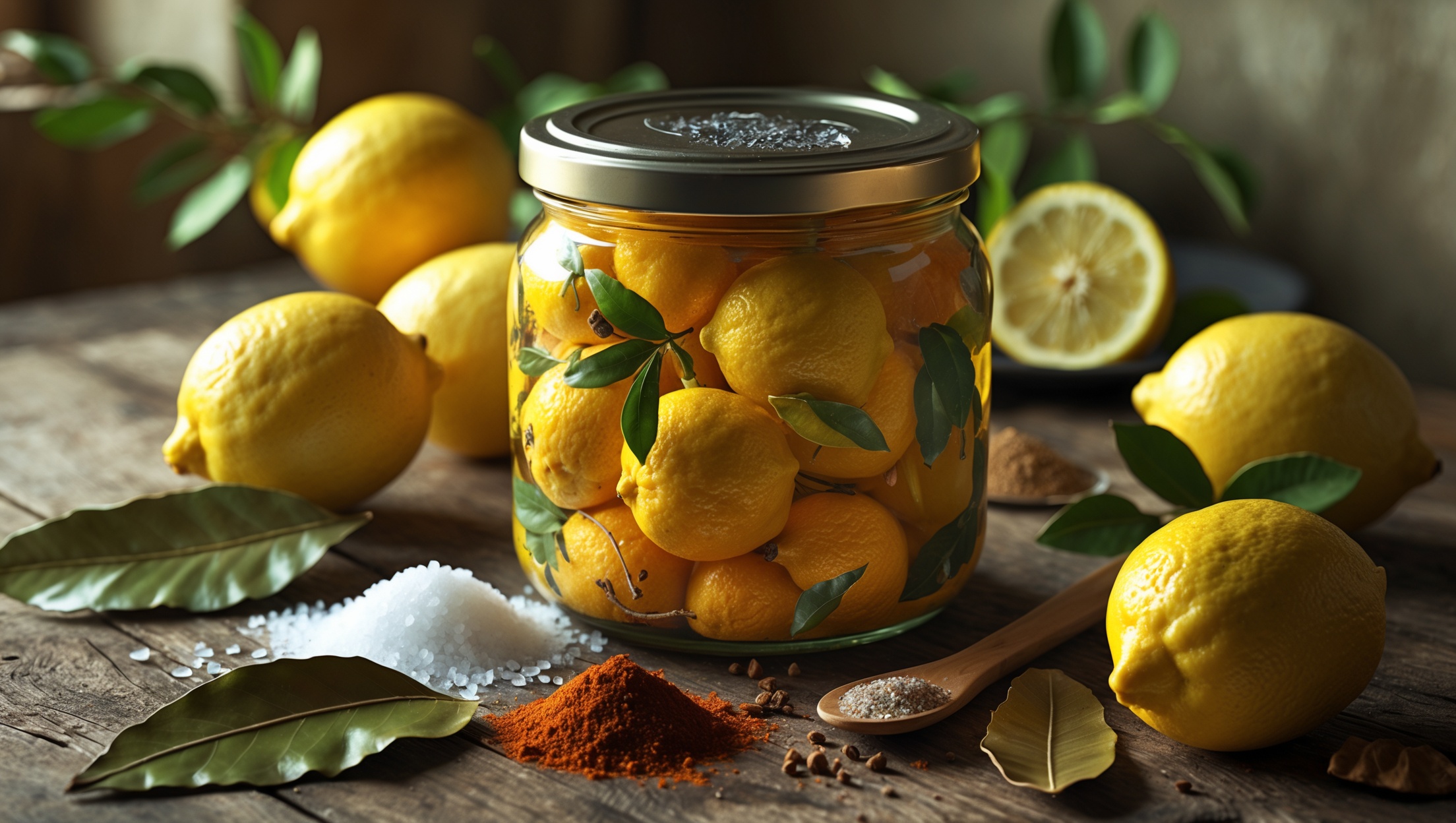
Introduction: The Allure of Preserved Lemons in Culinary Culture
Preserved lemons, a cornerstone of North African and Middle Eastern cuisine, have gained cult status among chefs and home cooks alike. Their complex, mellow tartness and deeply fragrant aroma transform simple dishes into sophisticated creations. Yet, crafting Moroccan-style preserved lemons at home remains a mystery to many, surrounded by myths of complexity and safety concerns. In reality, this ancient preservation technique is accessible, affordable, and deeply rewarding when approached with the right knowledge and tools. Whether you are looking to elevate your tagines, brighten up a salad, or add intrigue to grain bowls, homemade preserved lemons unlock a world of nuanced flavor and culinary creativity. This comprehensive guide will walk you through every step—from sourcing the perfect citrus to troubleshooting fermentation and ensuring food safety—so you can confidently craft this golden ingredient in your own kitchen, regardless of experience level or season.
Choosing Your Citrus: Sourcing and Seasonality
Best Lemon Varieties for Preservation
- Meyer Lemons: Slightly sweeter and thinner-skinned, ideal for a nuanced, less bitter preserve.
- Eureka/Lisbon Lemons: More common, with thick skins and robust acidity. These are the classic choice for North African-style preserves.
- Organic Options: Always opt for organic, unwaxed lemons to avoid pesticide residues and ensure optimal fermentation.
Seasonal Citrus Calendar
The best time to prepare preserved lemons is during peak citrus season (late winter to early spring in most regions). Lemons are at their juiciest, and bulk purchasing can reduce costs significantly. Off-season lemons may be drier and more expensive—plan your preserving accordingly.
Tools & Equipment: The Essential Kit for Preserved Lemons
- Glass Jars: Wide-mouthed, sterilizable jars (1-liter size is ideal). Avoid metal lids unless they are lined, as salt and acid can corrode metal.
- Sharp Knife: For precise, clean cuts that allow salt to penetrate the fruit.
- Citrus Reamer or Juicer: Extracts juice to top off jars and submerge lemons.
- Non-Reactive Mixing Bowl: Glass or ceramic only—avoid aluminum or copper.
- Measuring Spoons: For accurate salt measurement.
- Optional: Fermentation weight or small sterilized glass to keep lemons submerged.
Step-by-Step: The Moroccan-Style Preserved Lemon Process
1. Cleaning and Prepping the Lemons
Wash lemons thoroughly in warm water. Scrub with a vegetable brush to remove any dirt or surface wax. Dry completely to prevent dilution of the salt and juice.
2. The Signature Cut
Trim the ends of each lemon. Slice lengthwise into quarters, but keep the base intact so the lemon opens like a flower, not falling apart. This maximizes surface area for salt while keeping the fruit whole for aesthetic presentation.
3. Salting the Lemons
- Fill each lemon with 1–2 tablespoons of coarse sea salt or kosher salt.
- Rub salt into the cuts and surface.
- Drop each salted lemon into your sterilized jar, pressing down firmly to release juice.
- Add additional salt between layers.
4. Adding Aromatics (Optional, But Recommended)
- Bay leaves, cinnamon sticks, black peppercorns, coriander seeds, or dried chilies add subtle complexity.
- Layer aromatics between lemons, but do not overcrowd.
5. Packing and Juicing
Pack lemons tightly, pressing to squeeze out juice. Add extra freshly squeezed lemon juice to cover lemons completely. Weigh down the lemons with a fermentation weight or small glass. Seal the jar without overtightening, allowing gases to escape during initial fermentation.
Fermentation Fundamentals: Time, Temperature, and Troubleshooting
Ideal Fermentation Conditions
- Room Temperature: 65–75°F (18–24°C) is optimal.
- Duration: Minimum 3–4 weeks. Flavors deepen with time; some prefer 6–8 weeks for maximum complexity.
- Light: Keep jars out of direct sunlight to prevent discoloration and off-flavors.
Signs of Successful Fermentation
- Cloudy brine is normal and desirable.
- Lemons should remain submerged; the scent should be bright, not pungent or rotten.
Troubleshooting Common Issues
- Mold: Remove any small surface mold. If lemons are submerged and brine is clear below, they are safe. Fuzzy, black, or pink mold means spoilage—discard the batch.
- Bitter Taste: Use thinner-skinned lemons (like Meyer) and avoid overpacking. Rinse finished lemons before use if flavor is too strong.
- Insufficient Juice: Add extra lemon juice to keep lemons submerged throughout fermentation.
Safety Checklist: Ensuring Food-Safe Preserved Lemons
- Use only undamaged, fresh lemons—bruises and punctures invite spoilage.
- Sterilize all jars and utensils in boiling water or dishwasher before use.
- Maintain salt-to-lemon ratio; under-salting increases risk of bad microbial growth.
- Check jars regularly for gas buildup; open slightly if necessary to release pressure.
- Store finished preserved lemons in refrigerator after initial fermentation for up to 1 year.
Storage Secrets: Maximizing Shelf Life and Flavor
After Fermentation
- Transfer jars to the refrigerator or a cool cellar.
- Ensure lemons always remain submerged in brine. Top up with lemon juice as needed.
- Use clean utensils when removing lemons to avoid contamination.
Signs of Spoilage
- Unpleasant, rotten smell or brine that is viscous or slimy indicates spoilage—discard entire jar.
- If brine evaporates, add fresh lemon juice to keep lemons covered.
Cost Breakdown: Homemade vs. Store-Bought
Ingredient and Equipment Costs
- Organic lemons: $0.50–$1.00 each (bulk or in-season pricing)
- Coarse salt: $2–$4 per pound (enough for several jars)
- Glass jar: $3–$8 (reusable)
- Optional spices: $1–$3 (per batch)
For a 1-liter jar (7–8 lemons), total cost is typically $6–$10. Store-bought preserved lemons can cost $10–$20 per small jar, making homemade a cost-effective and customizable option.
Myths and Misconceptions: Debunking Preserved Lemon Lore
- Myth: Preserved lemons are unsafe to make at home.
Fact: Proper salt ratio and cleanliness make this a very safe fermentation. - Myth: Only Moroccan cuisine uses preserved lemons.
Fact: Their unique flavor enhances salads, dressings, seafood, roasted meats, and cocktails worldwide. - Myth: You must use exotic lemons.
Fact: Any unwaxed, organic lemon works. Adjust salt and fermentation time for thicker or thinner rinds.
Culinary Inspiration: Using Preserved Lemons in Your Kitchen
Classic and Creative Applications
- Tagines and Stews: Traditional Moroccan lamb or chicken dishes.
- Salads: Finely chopped rind adds brightness to grain, bean, or green salads.
- Dressings and Sauces: Blend into vinaigrettes, pestos, or yogurt dips.
- Seafood: Finely diced with olive oil for a zesty topping.
- Cocktails: Muddle a sliver in gin and tonic for a savory twist.
Pro Tip: Rinse and Separate
Before use, rinse a lemon under cold water to reduce excess salt. Use only the rind for most recipes—the pulp can be blended into sauces or dressings for a more intense flavor.
Maintenance Best Practices: Keeping Your Preserved Lemons Pristine
- Inspect jars monthly for brine level and clarity.
- Always use clean, non-metallic utensils to prevent contamination and off-flavors.
- Label jars with date and variety for easy tracking.
Conclusion: Preserved Lemons as a Gateway to Global Flavor
Crafting Moroccan-style preserved lemons at home is more than a culinary project—it is an invitation to explore a centuries-old tradition that bridges cultures, seasons, and palates. With minimal investment in tools and ingredients, you gain access to a transformative ingredient that elevates everyday meals and inspires creative cooking year-round. The process demystifies itself with each batch, teaching patience, precision, and the rewards of fermentation. By mastering the art of preserved lemons, you join a lineage of cooks who understand that true flavor comes from time, care, and a willingness to experiment. Whether you are a seasoned chef or a curious beginner, this practice will enrich your kitchen with a touch of sunshine and a whisper of distant spice markets. So gather your citrus, salt, and a sense of adventure—the journey to vibrant, unforgettable flavor begins with a single jar.
Since citrus season is late winter to early spring, I’m wondering how long preserved lemons will actually last once I make them. If I prepare a big batch now, will they stay good through the summer, or are there signs I should look out for to know if they’ve gone bad?
Preserved lemons, when stored properly in the refrigerator, often last for six months or even longer, so a batch made now should easily keep through summer. Make sure the lemons remain completely submerged in their salty brine. Discard them if you notice mold, an off smell, or any sliminess—these are signs they’re no longer safe to use.
I noticed you mention using unwaxed, organic lemons for the best results and safety. If I can only find regular supermarket lemons that might be waxed, is there a recommended way to prepare or clean them for preserving?
If you can only find waxed supermarket lemons, you can still use them by removing the wax before preserving. Wash the lemons under hot running water while scrubbing them gently with a clean brush or rough cloth. Some people also briefly dip the lemons in boiling water for a few seconds and then scrub. This should help remove most of the wax and any surface residues, making them safer for preserving.