
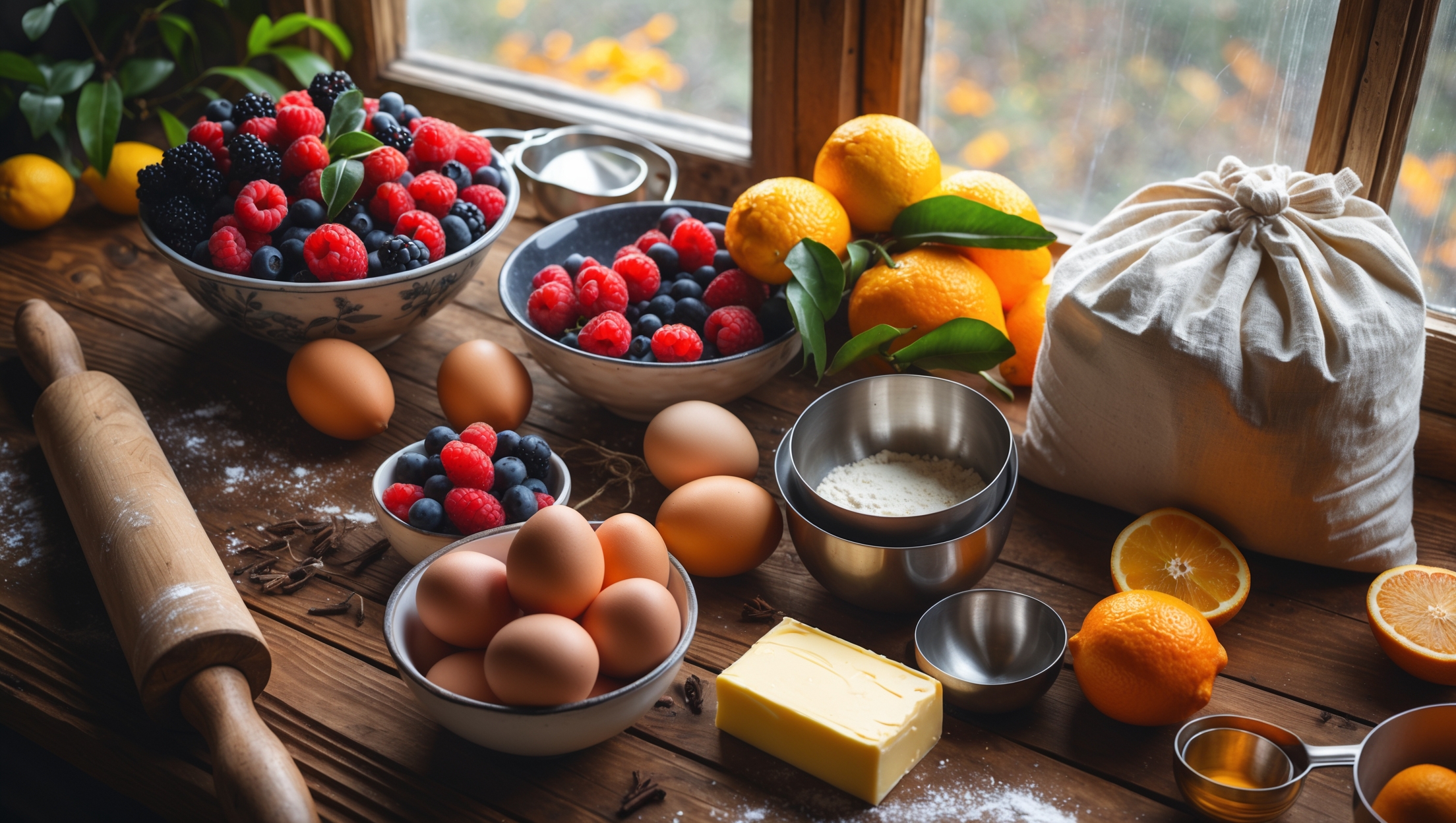
Introduction: The Art and Joy of Seasonal Baking
Every season brings a new palette of flavors, aromas, and inspiration to the kitchen. For bakers—whether you’re a weekend enthusiast or a seasoned pro—harnessing the rhythm of the seasons is more than a culinary trend: it’s a celebration of nature’s bounty and a gateway to deeper creativity. Seasonal baking isn’t just about swapping strawberries for pumpkins as the months shift; it’s a mindful approach that elevates your craft, sharpens your skills, and infuses each bake with a sense of time and place. Yet, even experienced bakers can stumble when it comes to planning, stocking up on the right tools, or making the most of fleeting ingredients. This comprehensive guide delivers a practical, step-by-step checklist to help you bake with confidence all year long. From must-have tools and smart ingredient swaps to storage tips and flavor pairing secrets, you’ll find everything you need to make each season in your kitchen truly extraordinary.
Understanding the Seasonal Baking Mindset
Why Bake with the Seasons?
Baking seasonally offers more than just fresh flavors. It supports local agriculture, reduces costs, and introduces you to ingredients at their peak—when they’re most flavorful, nutritious, and affordable. Seasonal baking also fosters creativity, encouraging you to try new recipes and techniques as the available produce changes. It’s a dynamic, inspiring approach that keeps baking exciting year-round.
The Skills Every Seasonal Baker Needs
- Ingredient Awareness: Knowing what’s in season locally and how to source the best quality.
- Adaptability: Adjusting recipes to substitute ingredients based on seasonal availability.
- Organization: Planning ahead with checklists, prepping your pantry, and scheduling baking sessions.
- Technical Mastery: Understanding how seasonal variations affect baking times, textures, and flavors.
Seasonal Baking Essentials Checklist
1. Pantry Must-Haves for Every Season
- Flours: All-purpose, cake, whole wheat, and specialty grains (rye, spelt) for diverse textures.
- Leaveners: Baking powder, baking soda, yeast—always check expiration dates at the start of each season.
- Sweeteners: Sugar (white, brown, raw), honey, maple syrup, molasses—choose based on flavor profiles.
- Fats: Butter (unsalted for control), vegetable oils, coconut oil—store appropriately for freshness.
- Spices & Extracts: Cinnamon, nutmeg, vanilla, almond extract, cardamom—replace ground spices annually for potency.
- Salt: Fine and flaky varieties for doughs and finishing touches.
- Eggs: Fresh, free-range if possible—store in the fridge, but bring to room temperature before baking.
2. Seasonal Fresh Ingredients
- Spring: Strawberries, rhubarb, citrus, early cherries, edible flowers, fresh herbs (mint, basil).
- Summer: Blueberries, raspberries, peaches, plums, apricots, zucchini, corn, lavender.
- Autumn: Apples, pears, pumpkins, cranberries, figs, walnuts, hazelnuts, warming spices.
- Winter: Citrus (oranges, lemons, grapefruits), dried fruits (dates, raisins), chestnuts, hearty spices (clove, star anise).
3. Essential Baking Tools and Their Seasonal Roles
- Mixing Bowls: Multiple sizes for wet and dry ingredients.
- Measuring Cups & Spoons: Accurate measuring is crucial for consistency, especially with seasonal ingredient variations.
- Scale: For precise flour and fruit weights—important for high-moisture produce.
- Rolling Pin: Indispensable for pies, tarts, and cookies, especially in spring and autumn.
- Microplane/Zester: For citrus zest and grating spices—key for winter and spring flavor.
- Baking Sheets & Pans: A variety of sizes for cookies, cakes, breads, and roasting fruit.
- Cooling Racks: Ensures even cooling—vital for delicate summer bakes and holiday cookies.
- Pastry Brush: For egg washes and glazing seasonal fruits.
- Thermometer: Monitors bread doneness and sugar syrups—especially important for jams and preserves in summer and autumn.
- Storage Containers: Airtight for flour, nuts, and dried fruits; glass for infusions and prepped fruit.
Making the Most of Seasonal Ingredients
Spring: Fresh and Floral
Spring baking is all about renewal. Focus on light textures and bright flavors. Incorporate berries, rhubarb, and delicate herbs. Try a strawberry shortcake, lemon-glazed tea loaf, or rhubarb galette. Edible flowers can be candied or baked into cookies for a stunning presentation.
- Pro Tip: Macerate berries with a sprinkle of sugar and a splash of citrus juice to intensify flavor and minimize excess moisture in cakes and tarts.
- Spring Checklist: Clean and inspect your stand mixer and food processor; check yeast freshness for sweet breads; stock up on parchment paper for sticky fruit bakes.
Summer: Vibrant and Juicy
In summer, the challenge is moisture control. Peaches, plums, and berries can make bakes soggy if not handled correctly. Use a slotted spoon to transfer fruit, pre-bake tart shells, and dust with a thin layer of ground nuts or semolina before filling. Zucchini and corn bring savory notes to muffins and quick breads.
- Pro Tip: Freeze fruit on a tray before baking to help it hold shape and prevent excess juice from seeping into batters.
- Summer Checklist: Sharpen knives for precise slicing; stock up on freezer bags for preserving surplus fruit; check your oven thermometer for consistent bakes in hot weather.
Autumn: Warm and Comforting
Autumn’s harvest is perfect for pies, galettes, and spice-rich treats. Apples and pears can be sautéed in butter to remove excess juice before baking. Pumpkin purée should be drained in cheesecloth for pies and cheesecakes. Toast nuts for deeper flavor in cakes and cookies.
- Pro Tip: Infuse sugar with cinnamon sticks or vanilla pods for a subtle aroma in apple and pear desserts.
- Autumn Checklist: Inspect pie pans for warping; restock on warming spices; organize your pantry for increased holiday baking volume.
Winter: Rich and Festive
Citrus brings brightness to winter. Use zest for maximum punch in cakes and glazes. Dried fruits and nuts add texture to breads and cookies. For celebratory bakes, focus on rich doughs and warming spices: think stollen, panettone, or gingerbread. Store nuts and dried fruit in airtight containers to maintain freshness.
- Pro Tip: Soak dried fruits in citrus juice or spirits before baking for plumper texture and flavor in fruitcakes and stollen.
- Winter Checklist: Test oven calibration; rotate spice stock; inspect baking tins for rust or residue from holiday bakes.
Smart Ingredient Swaps and Substitutions
Adapting Your Favorite Recipes
Even classic recipes can benefit from a seasonal twist. Swap apples for pears, use fresh berries in place of dried fruit, or incorporate grated root vegetables such as carrots or parsnips for moisture and subtle sweetness.
- Replace all-purpose flour with nut flour for added richness in autumn and winter.
- Substitute honey or maple syrup for sugar in spring and autumn for nuanced flavor.
- Use alternative milks (oat, almond) in place of dairy to highlight summer fruits.
Allergy-Friendly and Inclusive Baking
Seasonal baking can be inclusive, too. Experiment with gluten-free flours, vegan butter, or aquafaba in place of eggs. Many fruits and nuts lend themselves naturally to plant-based and allergen-friendly treats, especially when at their peak.
Storage, Preservation, and Waste Reduction
Storing Ingredients for Peak Freshness
- Keep flour, nuts, and dried fruit in airtight containers in a cool, dark place.
- Store fresh fruit in the crisper, but bring to room temperature before baking for best flavor.
- Label and date opened items, and rotate stock at the start of each season.
Preserving Seasonal Bounty
If you find yourself with a glut of summer berries or autumn apples, consider making fruit butters, compotes, or jams. Freeze sliced fruit on baking sheets before transferring to storage bags. Use purees and reductions in off-season baking to infuse flavor year-round.
Minimizing Waste in the Baking Process
- Repurpose bread ends and cake scraps as breadcrumbs or trifles.
- Use citrus peels for homemade extracts or candied garnishes.
- Compost fruit cores and egg shells for a sustainable kitchen cycle.
Advanced Tips: Elevating Your Seasonal Baking
Flavor Pairing Secrets by Season
- Spring: Strawberry + basil, lemon + lavender, rhubarb + ginger.
- Summer: Blueberry + cornmeal, peach + thyme, raspberry + dark chocolate.
- Autumn: Apple + sage, pumpkin + brown butter, pear + hazelnut.
- Winter: Orange + cardamom, chocolate + cinnamon, cranberry + pistachio.
Perfecting Texture and Presentation
Each season brings unique challenges: humidity in summer can make meringues tricky, while winter’s dry air can dry out cakes quickly. Adjust baking times, check dough hydration, and use an oven thermometer for accuracy. For presentation, garnish with fresh herbs, edible flowers, or toasted nuts that reflect the current season.
Building a Seasonal Recipe Arsenal
- Curate a binder or digital folder of go-to recipes for each season.
- Note ingredient sources, substitutions, and results for future reference.
- Rotate in new recipes each year to keep your baking fresh and exciting.
Conclusion: Cultivating a Year-Round Baking Ritual
Seasonal baking is a journey, not a destination. With the right mindset, tools, and a well-stocked pantry, you’ll find endless inspiration in nature’s ever-changing offerings. By planning ahead, exploring new ingredients, and mastering the essentials, your kitchen becomes a canvas for creativity that evolves with the calendar. Embrace the rhythm of the seasons—let spring’s freshness, summer’s abundance, autumn’s warmth, and winter’s comfort infuse every bake with meaning and joy. Whether you’re crafting delicate berry tarts in June or spiced gingerbread in December, each creation becomes a delicious reflection of its time. Use this checklist as your guide, experiment boldly, and savor every flavor. The true magic of baking is not just in the finished product, but in the memories, skills, and seasonal stories you create along the way.
I sometimes struggle with substituting ingredients when a recipe calls for something not in season. Can you provide some examples of smart swaps for common out-of-season fruits or spices, and how to adjust the recipe so the final result still tastes great?
Absolutely! For out-of-season fruits like berries, you can often use frozen versions without much change—just thaw and drain them first. Apples or pears work well in place of stone fruits like peaches. If you’re missing a spice, try using a blend: for example, combine cinnamon and a pinch of nutmeg if you don’t have allspice. When swapping, taste your batter or dough before baking and adjust sugar or spices as needed to balance flavors.
Could you elaborate on how seasonal variations might affect baking times or textures? For example, does higher summer humidity require adjustments in baking methods or ingredient ratios compared to winter?
Seasonal changes, especially humidity and temperature shifts, can definitely impact baking. In summer, higher humidity can cause flour to absorb more moisture, resulting in wetter doughs or batters. You might need to add a bit more flour or reduce liquids slightly. Baked goods can also take longer to dry out, so extending baking times by a few minutes may help. In drier winter air, ingredients lose moisture, so you may need to add extra liquid or watch closely to prevent overbaking. Always check your dough consistency and monitor doneness, adjusting as needed for the conditions.
I’m interested in the adaptability skill you highlighted—specifically when it comes to ingredient substitutions. Could you give an example of how to successfully swap out a summer fruit for a fall alternative in a classic recipe without compromising texture or flavor?
Certainly! If a classic recipe calls for fresh peaches in summer, you can easily swap them with apples or pears in the fall. To maintain texture, slice the apples or pears thinly and briefly sauté them with a bit of sugar and lemon juice to soften before adding to the recipe. This keeps the dessert juicy and flavorful, closely matching the original.
I run a bakery in a small town, and I’m curious how you recommend staying organized with seasonal ingredients when storage space is limited. Do you have any advice on balancing stocking up versus keeping things fresh and minimizing waste?
When space is tight, consider planning your menu around a few key seasonal ingredients to avoid overstocking. Purchase smaller quantities more frequently, prioritizing ingredients with shorter shelf lives. Rotate your stock regularly and label everything with purchase dates. If possible, partner with local suppliers for quick restocks. Using versatile ingredients that can be featured in multiple recipes also helps reduce waste.
You mention that one of the key skills for seasonal baking is organization, especially when prepping your pantry. Do you have sample checklists or suggestions for beginners who want to stay organized across different seasons?
Absolutely, keeping a well-organized pantry is a huge help for seasonal baking. For beginners, it’s smart to make a list of essentials that work year-round, like flour, sugar, and baking powder, and then add seasonal items—think pumpkin puree in fall, or fresh berries in summer. Create a small checklist for each season and update it before you start baking, so you always know what you have and what you need.
I’m really interested in how seasonal variations can affect baking times and textures. Do you have any troubleshooting advice for common issues, like cakes turning out too dense or cookies spreading too much, when using seasonal ingredients?
Seasonal ingredients can definitely change how your baked goods turn out. For example, spring and summer humidity can add extra moisture, making cakes denser or cookies spread more. Try reducing liquid slightly or chilling your dough before baking. Fresh, in-season fruits also have varying water content—pat them dry and adjust flour if needed to prevent soggy textures. Always watch bake times since oven temperatures and ingredient freshness can vary with the seasons.
I’m curious about adapting recipes when certain ingredients aren’t available at their peak. Are there specific guidelines or resources you recommend for substituting out-of-season ingredients without sacrificing texture or flavor in baked goods?
Adapting recipes with out-of-season ingredients can work well if you choose substitutes with similar moisture, sweetness, and structure. For example, apples can often stand in for pears, and frozen berries work in place of fresh. When swapping, keep in mind the water content—sometimes you may need to adjust flour or sugar slightly. The article’s checklist mentions keeping some high-quality canned or frozen fruits on hand, which often preserves flavor and texture for baking when fresh options aren’t at their best.
I’m curious about how baking times or results might be affected by using different seasonal ingredients, particularly with things like fruit tarts or quick breads. Are there general adjustments you recommend for texture or moisture when changing up the produce?
When swapping seasonal fruits in tarts or quick breads, moisture content is the main factor to watch. Juicier fruits like summer berries often make batters wetter, so you might need to reduce other liquids or bake a little longer. For firmer fruits like apples, cut them small or pre-cook to avoid a dense texture. Always check doneness with a toothpick and adjust baking times as needed.
I’m interested in baking with seasonal ingredients but sometimes the options at my local grocery store are limited. Do you have tips for adapting your checklist when you can’t find certain produce or high-quality items in season?
If certain seasonal ingredients aren’t available at your store, try swapping them with similar fruits or vegetables—frozen options can work well too and are often picked at their peak. For items like spices or flours, use what you have on hand or visit local farmers’ markets for fresher choices. The checklist is meant to be flexible, so adapting recipes based on what’s accessible will still give delicious results.
Can you recommend ways to identify what’s actually in season in my local area so I can make better ingredient choices for seasonal baking, especially if I rely mostly on supermarkets?
To find out what’s in season locally, check if your supermarket labels produce with its origin; often, local items are marked. You can also ask staff what’s been delivered fresh from nearby farms. Another option is to look for local farmers’ markets or check regional agriculture websites, which often post seasonal produce calendars. Shopping for ingredients that are abundant and at their peak in your area will help you get the best flavors for your seasonal baking.
I’m trying to get more into seasonal baking, but I always have trouble figuring out what ingredients are actually in season in my area. Do you have any tips or resources for beginners on how to stay organized and keep track of what’s fresh locally each month?
To keep track of what’s in season locally, try printing or saving a regional produce calendar—many state agriculture websites offer monthly guides. You can also visit your local farmers’ market and ask vendors what’s freshly harvested. Keeping a small notebook or using a seasonal produce app can help you plan baking projects around what’s available each month.
The article talks about planning ahead with checklists and prepping your pantry. How far in advance do you recommend stocking up, and are there any pantry items that really don’t keep well from one season to the next?
It’s a good idea to start stocking up on pantry staples about 2–3 weeks before your main baking season. That way, you’ll have time to restock anything you missed. Most dry goods like flour, sugar, and baking powder store well, but items like nuts, whole grain flours, and baking chocolate can spoil or lose freshness over time. Try to buy those closer to when you’ll use them, and store any extras in airtight containers in a cool, dry place.
I like the idea of baking with the seasons, but I’m not sure how to figure out which ingredients are actually in season where I live. Does the checklist include any resources or tips for finding out what’s fresh locally each month?
The checklist in the article suggests focusing on seasonal produce but doesn’t include specific resources for local availability. To find out what’s fresh near you, consider checking your local farmers’ market, co-op, or agricultural extension office. Many regions also have online charts or apps listing in-season fruits and vegetables by month. These can help you plan your baking projects with truly fresh ingredients.
Could you elaborate on how to identify the best quality seasonal ingredients at local stores or farmers’ markets? Are there specific indicators or questions I should be asking when shopping for fresh produce for baking?
When shopping for seasonal ingredients, look for vibrant color, firm texture, and a fresh aroma—these usually mean peak ripeness. At farmers’ markets, don’t hesitate to ask vendors when and where the produce was picked or harvested. You can also ask which varieties are best for baking. If possible, taste a sample. Avoid any items with bruises or overly soft spots, as these may be past their prime.
I noticed you talked about ingredient awareness and knowing what’s in season locally. As a beginner, what’s the easiest way to figure out which fruits or veggies are actually in season in my area before I plan my baking?
A simple way to find out what’s in season near you is to visit your local farmers’ market and see what’s available. You can also check the websites of local farms or community-supported agriculture (CSA) programs, which often list what’s being harvested each month. As you get more familiar, you’ll start to notice patterns year to year, making it easier to plan your baking.
When you mention substituting ingredients based on what’s in season, do you have examples of easy swaps for common kid-friendly recipes like muffins or brownies, especially if we can’t always get certain fruits at our local store?
Absolutely! For muffins, you can swap in grated apples, pears, or even mashed sweet potato if berries aren’t available. For brownies, try adding mashed bananas, zucchini, or even pumpkin puree for extra moisture and sweetness. These alternatives are great for kids and work well when seasonal fruits are limited at your store.
I run a small bakery and often struggle with ingredient swaps when certain fruits or spices go out of season. Could you share some examples of smart ingredient substitutions that won’t compromise taste or texture, especially for classic recipes like muffins or pies?
For muffins or pies, apples can often stand in for pears or berries when those are out of season, while frozen fruit (thawed and drained) works well if fresh is unavailable. For spices, try using a mix of nutmeg and cloves when allspice or cardamom is scarce. If recipes call for fresh citrus zest, a little bottled zest or even a splash of extract can substitute. Always taste and adjust, but these swaps keep the flavor and texture close to the original.
You mention ingredient awareness and making smart swaps depending on what’s in season. Are there any general rules or tips you use when substituting one seasonal ingredient for another without messing up the texture or flavor of a baked good?
When substituting seasonal ingredients, aim to swap items with similar moisture content and structure. For example, substitute apples for pears or blueberries for raspberries in most recipes. If replacing something wetter like pumpkin with sweet potato, adjust liquids slightly. Be mindful of flavor intensity and sweetness, and taste your batter if appropriate. These swaps usually help keep texture and flavor balanced.
If I want to plan ahead and stock my pantry for seasonal baking, what should I prioritize buying in bulk to ensure I’m ready for each season without wasting ingredients?
To prepare for seasonal baking, focus on stocking up in bulk on non-perishable essentials like flour, sugar, baking powder, baking soda, salt, and vanilla extract. These ingredients have long shelf lives and are used year-round. For items like nuts, chocolate, and dried fruits, buy in moderate bulk and store them in airtight containers or freeze them to extend freshness. Rotate your stock regularly to avoid waste and keep an eye on expiration dates.
When it comes to stocking up on baking tools for each season, which essentials should I prioritize if I have a limited budget? Are there certain items that really make a bigger difference in baking with seasonal ingredients?
If you’re on a limited budget, start by prioritizing versatile basics like a sturdy mixing bowl, a good whisk, measuring cups and spoons, and a reliable baking sheet. Items like a silicone spatula and a muffin tin are also helpful for seasonal baking. For summer or fall baking, a pie dish can be a great investment for all those fruit-based desserts. These essentials will let you handle most seasonal recipes without needing more specialized tools.
You talk about planning ahead and scheduling baking sessions to make the most of seasonal ingredients. How far in advance do you usually plan, and do you have tips for keeping track of what’s in season locally, especially if I’m on a budget?
For seasonal baking, planning a few weeks to a month ahead works well, especially if you want to catch ingredients at their best price and quality. To track what’s in season locally, check your area’s farmers market schedules or look for seasonal produce charts from local agricultural extensions. If you’re on a budget, visiting markets near closing time can bring discounts, and signing up for grocery store flyers helps you spot deals on in-season produce.
The article mentions smart ingredient swaps for different seasons. Could you give an example of how you would substitute a summer ingredient, like berries, when baking in the winter? What should I keep in mind so the recipe still works out?
If a recipe calls for fresh summer berries but you’re baking in winter, you can use frozen berries as a substitute—just add them straight from the freezer into your batter to avoid excess moisture. Alternatively, diced apples or pears work well in many baked goods. Adjust any added sugar if your substitute fruit is less sweet, and keep an eye on bake times since extra moisture can affect texture.
The article mentions how baking times and textures can change with seasonal variations. Could you give some practical tips for troubleshooting common issues that come up with things like humidity or ingredient freshness, especially when baking with kids?
When baking during humid weather, try reducing the liquid in your recipes slightly or adding a bit more flour to prevent soggy textures. Store ingredients like flour and sugar in airtight containers to keep them fresh. If your baked goods seem dry, check that your baking powder or baking soda isn’t expired. Involve kids by letting them help measure and adjust ingredients, and remind them that it’s okay to adapt recipes based on how the dough or batter looks and feels.
As someone who runs a small bakery, I like the idea of baking with local, seasonal ingredients, but sometimes it’s hard to predict what will be available week to week. Do you have any tips for planning ahead without overstocking or wasting ingredients?
One practical approach is to create a flexible menu that highlights a few core items and then rotates seasonal specials based on your supplier’s weekly availability. Building good relationships with local farmers or markets can also help you get advance notice about upcoming produce. It may help to keep backups of staple ingredients and use versatile recipes that adapt to different fruits or vegetables, minimizing waste and overstock.
The checklist includes having the right tools year-round. For someone new to baking but on a tight budget, which three tools would you say are absolutely essential for tackling most seasonal recipes without constantly needing to buy new equipment?
For beginners on a budget, I recommend starting with a reliable mixing bowl, a sturdy whisk, and a quality baking sheet. These three basics will let you try a wide range of seasonal recipes—from cookies and cakes to roasted vegetables—without needing a lot of extras. As you gain experience, you can add more specialized tools over time.
You talked about adapting recipes with ingredient swaps depending on the season. Do you have any tips for making sure substitutions won’t mess up the texture or final bake, especially when swapping fruits or flours?
When swapping fruits, try to use ones with similar moisture content and sweetness to avoid unexpected results—like using apples instead of pears. For flours, stick to substitutions with similar protein levels; for example, whole wheat flour can often replace all-purpose, but you may need to add a bit more liquid. If you’re experimenting, start with small batches and keep notes for future tweaks.
As a small business with a tight budget, I worry about stocking up on too many special ingredients for each season. What are the top essentials you always keep on hand that work across most seasonal bakes, so I can limit my inventory and still stay creative?
Keeping versatile basics on hand is a smart strategy. Flour, sugar, baking powder, baking soda, salt, and vanilla extract are essentials year-round. Butter or quality oil, eggs, and milk (dairy or non-dairy) also work for most recipes. Spices like cinnamon and nutmeg add seasonal flair without taking up much space. With just these, you can adapt recipes using seasonal fruits or toppings as they become available, keeping your menu creative without overstocking.
I’m curious how you balance stocking pantry essentials for multiple seasons at once without things going stale, especially for infrequently used specialty flours or spices. Are there specific storage tricks you rely on, or do you keep a more streamlined inventory to stay flexible?
To prevent specialty flours and spices from going stale, I store them in airtight containers, often in the fridge or freezer for flours, and away from light for spices. I also buy smaller amounts of infrequently used items to avoid waste. Keeping a streamlined inventory of versatile essentials helps me stay flexible and reduces the risk of things expiring between seasons.
The article talks about planning ahead with checklists and prepping your pantry for each season. What would you suggest as an efficient process for evaluating and updating inventory to avoid overstocking items that go out of season quickly?
To keep your pantry efficient and avoid overstocking, review your inventory at the start of each season. Note expiration dates and cross-check with your upcoming baking plans. Use a checklist to mark what you have, then only purchase what’s missing for seasonal recipes. Regularly rotate ingredients so older items are used first, and keep a running list of staples that need refilling.
You talk about how seasonal variations can affect baking times and textures. Could you give an example of how you might adjust a classic recipe when switching from summer to winter produce, like strawberries to apples?
Absolutely! If you’re adapting a classic recipe, like a fruit tart, using strawberries in summer and apples in winter, you’ll want to make a few changes. Apples are firmer and release less juice than strawberries, so slice them thinly and bake a little longer to soften. You might also add a touch more sugar or a sprinkle of cinnamon for flavor, and possibly a tablespoon of water or lemon juice to keep things moist.
I noticed the checklist includes organization and scheduling of baking sessions. For a small business with a tight staff, do you recommend batching recipes by similar ingredients or by seasonality, and how far ahead should we plan our orders for seasonal ingredients?
For a small business with limited staff, batching recipes by similar ingredients can streamline prep and reduce waste, making your workflow more efficient. However, also consider seasonality to take advantage of peak ingredient quality and price. Ideally, plan orders for seasonal ingredients at least 2–4 weeks in advance, as supplies can be unpredictable. Combining both strategies ensures smoother operations and fresher products.
As a bakery owner, I’m always trying to streamline my ingredient sourcing. Given your emphasis on ingredient awareness and shopping locally, do you have any practical tips for building relationships with local farmers or suppliers so I can get the best seasonal produce for my baked goods?
Building strong relationships with local farmers can start with visiting farmers’ markets regularly and introducing yourself to vendors. Express your interest in consistent, larger orders and ask about their crop schedules. Consider joining or forming a local buyers’ co-op with other businesses to increase your collective purchasing power. Open, ongoing communication about your ingredient needs and flexibility with seasonal variations will help foster trust and reliability.
When you talk about ingredient awareness and sourcing the best quality, do you have any suggestions for students on a tight budget who still want to bake seasonally? Is it worth getting produce at farmers markets, or are grocery stores just as good for seasonal items?
For students on a budget, grocery stores can be just as good for seasonal baking, especially when they feature local produce in season—it’s often more affordable then. Farmers markets can offer fresher or unique items, but prices vary, so it’s smart to compare. Look for sales or buy in bulk when possible, and consider frozen fruit for some recipes if fresh options are too pricey.
When planning a seasonal baking pantry on a tight budget, which must-have ingredients would you prioritize, and are there any smart swaps that still deliver good results without breaking the bank?
For seasonal baking on a budget, focus on versatile basics like all-purpose flour, baking powder, baking soda, sugar, eggs, and butter or margarine. Spices like cinnamon or nutmeg add festive flavor, but you can choose just one to start. For smart swaps, use vegetable oil instead of butter or try applesauce as a partial fat replacement in some recipes. You can also buy store-brand ingredients, which are often more affordable without sacrificing quality.
Could you elaborate on how to best plan ahead for seasonal baking if you live in a region where local ingredient availability varies a lot from year to year? I’m curious how to stay organized with fluctuating supplies.
To stay organized despite varying local ingredient availability, it’s helpful to create a flexible baking plan. Start by listing your favorite seasonal bakes, then identify which ingredients are essential and which can be substituted. Track local produce calendars or ask local markets about expected harvests each season. Keep a well-stocked pantry of shelf-stable basics, and be open to adjusting recipes based on what’s fresh. This way, you’re ready to adapt your baking projects no matter how supplies fluctuate.
I’m curious about adapting traditional family recipes with seasonal ingredients. If a recipe calls for something out of season, like fresh peaches in winter, what are your favorite swaps that still deliver great results without losing the original flavor profile?
When fresh peaches aren’t available, I recommend using frozen peaches since they’re picked at peak ripeness and preserve much of the original flavor. If you prefer a different fruit, ripe pears or apples can work well in many recipes, especially when paired with a touch of lemon juice or a sprinkle of cinnamon to mimic peachy brightness. Canned peaches (drained and patted dry) are also a solid substitute for baking.
With fluctuating prices at the store, I’m curious how baking with seasonal produce really affects the budget. In your experience, does it make a noticeable difference in grocery costs, or is it more about the freshness and flavor?
Baking with seasonal produce usually has a noticeable impact on your grocery budget. In-season fruits and vegetables are often priced lower because they’re more abundant, so you can save money compared to out-of-season options. The added bonus is that seasonal produce tends to taste fresher and more flavorful, but the cost savings are definitely real, especially if you plan your recipes around what’s currently in season.
I see that organization and pantry prep are highlighted as important for year-round baking. Could you suggest a basic starter list of pantry items and tools that would cover most seasonal recipes without requiring a huge upfront investment?
Absolutely! For pantry basics, consider stocking all-purpose flour, granulated and brown sugar, baking powder, baking soda, salt, vanilla extract, and a neutral oil. For tools, a mixing bowl, whisk, measuring cups and spoons, a baking sheet, and a basic loaf or cake pan can handle most recipes. These essentials will let you try a wide variety of seasonal bakes without a big initial expense.
When you mention ingredient awareness as a key skill, does that mean I need to change all my basic pantry staples throughout the year, or are there some essentials I should always keep stocked regardless of the season?
You don’t need to swap out all your pantry staples every season. Core essentials like flour, sugar, baking powder, and salt should always be on hand. Ingredient awareness means knowing which seasonal items—like fresh fruits or spices—can enhance your baking, but your basic pantry staples remain useful year-round.
The article mentions technical mastery and understanding how seasonal changes can affect textures and baking times. Could you share some practical examples of how, say, summer humidity or winter dryness might impact specific baked goods, and tips for adjusting recipes?
Absolutely! In summer, high humidity can make cookies spread more and yeast doughs rise faster, so you might need a bit more flour or shorter proofing times. In winter, dry air may dry out cakes and breads, so adding a touch more liquid or covering doughs while rising can help. Always keep an eye on consistency, and adjust flour or liquids gradually as needed.
I noticed the checklist suggests keeping a well-prepped pantry, but I’m on a tight budget. How would you recommend prioritizing which baking essentials to buy first if I want to start trying more seasonal recipes without overspending?
If you’re on a budget, focus on core baking staples first: all-purpose flour, baking powder, baking soda, sugar, salt, and eggs. These cover most recipes. Next, choose one or two seasonal ingredients at a time, like canned pumpkin or fresh berries, depending on what’s in season and affordable. As you try new recipes, slowly add items like spices or extracts as needed, rather than buying everything at once.
The article talks about ingredient awareness and sourcing the best quality produce locally. Do you have tips for finding reliable sources for seasonal ingredients if you live in a city with limited farmers’ markets?
If farmers’ markets are limited in your city, consider checking out local co-ops or specialty grocers that focus on regional produce. Some supermarkets highlight seasonal items and may even label where produce is sourced. You can also join a CSA (Community Supported Agriculture) program to receive fresh, seasonal ingredients directly from nearby farms. Connecting with local bakeries or chefs might also lead to recommendations for trusted suppliers.
You mentioned that adapting recipes is key for seasonal baking. Do you have any specific tips for substituting ingredients if I can’t find something fresh and local, especially during winter when produce is limited?
Absolutely, adapting recipes in winter is very doable. If fresh fruit isn’t available, try using frozen or canned versions—just be sure to drain any excess liquid. For herbs, dried ones work, but use about one-third the amount. Root vegetables like carrots or sweet potatoes are great stand-ins for out-of-season produce. Also, consider incorporating warming spices like cinnamon or nutmeg to enhance flavor when fresh ingredients are limited.
You mentioned that baking with the seasons helps support local agriculture and reduces costs. Are there particular resources or strategies you recommend for identifying what’s actually in season in my area, especially for less common ingredients?
One helpful strategy is to visit local farmers’ markets and talk directly with growers—they can tell you what’s in peak season. Many regions have agricultural extension offices or local food guides that share in-season lists, which can be especially helpful for less common ingredients. Keeping an eye on what’s abundant and affordable in stores is also a good indicator of seasonality.
You mentioned that baking with seasonal ingredients can help reduce costs, but I sometimes find local produce a bit pricey depending on where I shop. Do you have any tips for finding affordable, high-quality seasonal ingredients or know which sources are usually the most budget-friendly?
Farmers’ markets are often a good place to find fresh seasonal produce at competitive prices, especially near closing time when vendors may offer discounts. Local farm stands and community-supported agriculture (CSA) boxes can also be affordable options. Checking weekly specials at supermarkets, buying in bulk, or joining a produce co-op are other ways to save. Shopping for produce that’s currently at peak harvest in your area generally means better prices and freshness.
The article mentions ingredient awareness and the importance of knowing what’s in season locally. Do you have any tips for finding out which ingredients are at their peak in my specific region, especially if I don’t have access to a farmers market?
If you don’t have access to a farmers market, you can check the produce section of your local grocery store—look for items on sale or in large displays, as these are often in season. Local extension services, community gardens, or regional agriculture websites often provide seasonal produce calendars. You can also ask store employees or neighbors what’s fresh and local this time of year.
When following your checklist for seasonal baking, how should I prioritize investing in must-have tools versus specialty ingredients, especially if I have a tight budget? Is there anything you consider essential for winter versus summer baking?
When working with a tight budget, focus on investing in versatile, quality must-have tools first—things like a sturdy mixing bowl, reliable measuring cups, and a baking sheet can be used year-round. Specialty ingredients can often be swapped or omitted. For winter, essentials include heavier pans and perhaps a good rolling pin for pastries, while summer baking might call for lighter tools like silicone spatulas and pie dishes for fruit tarts. Prioritize items you’ll use across multiple recipes and seasons.
As a bakery owner, I struggle with planning ahead for ingredient shortages, especially during busy holiday seasons. Do you have any tips on how to build a seasonal ingredient checklist that accounts for unpredictable supply, and how far in advance should I start sourcing specialty items?
Building a seasonal ingredient checklist starts with reviewing past sales and noting which items tend to run low or sell out fastest. Identify key specialty ingredients and estimate increased quantities based on past busy periods. For harder-to-find items, try to source them at least 4–6 weeks in advance, and keep in touch with suppliers about their inventory. Having backup suppliers and considering frozen or preserved alternatives can help you stay flexible if shortages arise.
I like the emphasis on ingredient awareness and sourcing produce at its peak. Do you have any suggestions for keeping track of what’s actually in season in different regions, especially for those of us who don’t live near major farmers’ markets?
One practical option is to check with local grocery stores, which often label seasonal produce. Many regional agricultural extension offices also publish up-to-date charts online showing what’s in season locally. Additionally, keeping a small calendar or list of peak seasonal items for your area—either printed or on your phone—can help guide your shopping decisions even if farmers’ markets aren’t nearby.
I noticed you talked about how seasonal variations can affect baking times and textures. Could you share an example of a recipe that needs major adjustments depending on humidity or ingredient freshness in different seasons? I’ve run into trouble with bread rising in the summer.
A classic example is sourdough bread. In summer, higher humidity and warmth can make dough rise much faster, sometimes leading to overproofing and a dense loaf. You might need to shorten the proofing time or use colder water. Freshness of flour also plays a role—older flour can absorb less water, affecting dough consistency. Adjusting hydration and keeping a close eye on rise times will help you get more consistent results regardless of the season.
The article talks about stocking up on must-have tools for every season. If I’m on a tight budget, which three tools would you consider absolutely essential to get started with seasonal baking, and can I wait on the rest?
If you’re just starting out and need to keep costs down, the three most essential tools for seasonal baking are a sturdy mixing bowl, a reliable whisk (or electric hand mixer if possible), and a good baking pan like a sheet or loaf pan. These basics will cover many recipes. You can definitely wait on specialty items or extras until you see what you use most often.
I want to start baking more with seasonal ingredients, but I’m worried about wasting money on specialty tools or ingredients I might only use once. How can I stock up for seasonal baking without overspending as a beginner?
Focusing on versatile tools and pantry staples is a smart way to begin. Start with a few basic tools like a good mixing bowl, measuring cups, and a sturdy baking sheet—these work for most recipes. When it comes to ingredients, buy only what you need for one or two recipes at a time, and choose seasonal produce that can be used in both sweet and savory dishes. This way, you can experiment without committing to expensive specialty items.
When you talk about adapting recipes based on seasonal ingredient changes, how can beginners like me swap in different fruits or flavors without messing up the texture or baking time? Are there basic guidelines for substitutions in things like muffins or cakes?
Absolutely, swapping fruits or flavors is a fun way to adapt recipes! For muffins or cakes, you can usually substitute fruits like berries, apples, or peaches at a 1:1 ratio by volume. Softer fruits may release more juice, so you might need to reduce other liquid ingredients slightly. If using dried fruit, soak them first or reduce the amount. For spices or flavor extracts, start with small amounts and adjust to taste. Keep baking times similar, but check for doneness with a toothpick since moisture levels can vary.
I see you mention organization and prepping your pantry for each season. Do you recommend a particular method or schedule for updating baking supplies, especially for small businesses trying to avoid waste but still be prepared for seasonal demand?
For small businesses, it’s helpful to review baking supplies at the end of each season, noting what was used most and what went untouched. Rotate stock regularly, label everything with purchase dates, and consider a monthly mini-inventory to avoid over-ordering or running out. Base your restocking on sales trends and upcoming seasonal recipes, so you’re prepared without excess waste.
You mention adapting recipes with smart ingredient swaps based on seasonal availability. Could you give some examples of effective substitutions for common ingredients when certain fruits or nuts are out of season?
Absolutely! For fruits, you can use frozen berries instead of fresh when they’re out of season, or substitute apples or pears for stone fruits like peaches in pies and crisps. For nuts, if walnuts aren’t available, pecans or almonds often work well in most recipes. You can also use sunflower or pumpkin seeds as nut alternatives for both flavor and crunch when baking.
You talk about organizing baking sessions and prepping the pantry. For someone with kids and a limited budget, what are the best essentials to always have on hand so I can bake something seasonal without spending a lot or making extra trips to the store?
You can keep baking affordable and family-friendly by stocking basics like flour, sugar, baking powder, baking soda, and salt. Eggs and butter (or oil) are also staples. For seasonal flexibility, add a few spices like cinnamon and nutmeg, and keep oats or chocolate chips if budgets allow. Supplement these with whatever fruit is in season or on sale—apples, bananas, berries, or even canned pumpkin work well. This way, you can whip up muffins, cookies, or quick breads with minimal extra shopping.
Could you share some tips for organizing a pantry so it’s ready for quick swaps as seasonal produce becomes available? I sometimes struggle to plan ahead and end up missing out on some ingredients at their peak.
To keep your pantry ready for seasonal baking, try grouping staples like flours, sugars, and leaveners together for easy access. Store nuts, dried fruits, and spices in clear containers so you can quickly see what you have. Keep a running list of items running low and update it as you use ingredients. Reserve a shelf or basket for ‘current season’ items to remind you to use them while they’re at their best.
You mention technical mastery and adapting to seasonal variations. Could you explain how things like humidity or temperature differences throughout the year might affect baking times or textures? Are there specific adjustments you’d recommend for common seasonal issues?
Humidity and temperature can really impact your baking. In humid weather, flour and sugar can absorb moisture, making batters wetter and sometimes requiring longer baking times or a bit more flour. Cold kitchens can slow yeast growth, so bread dough may need extra proofing time. In hot weather, butter can soften too quickly, so try chilling it before use. Always check your baked goods a few minutes before the recipe time is up—seasonal changes can speed up or slow down baking.
You talk about how seasonal baking helps keep costs down by using local, in-season produce. Do you have any tips for building relationships with local farmers or sourcing ingredients affordably for a small business, particularly in the off-season months?
Connecting directly with local farmers can be as simple as visiting farmers’ markets regularly, joining a CSA (Community Supported Agriculture) program, or reaching out to farms about buying in bulk. Building relationships takes time, so introduce yourself, be consistent with your purchases, and communicate your business needs. For off-season sourcing, consider freezing or preserving surplus produce when it’s abundant, or collaborate with farmers to access stored crops like apples, squash, or root vegetables. Some farmers also offer discounts to small businesses for bulk or regular orders.
The article discusses organizing and prepping the pantry for seasonal baking. Do you have tips on how to do this efficiently on a tight budget, and which pantry staples offer the most versatility across different seasons?
To organize your pantry efficiently on a budget, start by inventorying what you already have and using up items close to their expiration date. Buy basics like flour, sugar, baking powder, baking soda, and oats in bulk if possible, as these staples are inexpensive and work for recipes in any season. Vanilla extract, spices like cinnamon, and canned fruits are also versatile and useful year-round. Store everything in clear, labeled containers to keep track of what you need.
Supporting local agriculture and saving money both sound appealing, but I often find local, in-season produce is still more expensive than supermarket options. Do you have advice on balancing cost while still making the most of seasonal baking?
That’s a common issue—sometimes local produce does cost more, especially outside of peak harvests. To balance cost, try visiting farmers’ markets near closing time when discounts are more likely, or join a local produce box or CSA for better rates on seasonal items. You can also supplement pricier local ingredients with more affordable supermarket staples, focusing your budget on key flavors for your baked goods.
Could you expand on the smart ingredient swaps you mentioned? For example, if I can’t find fresh berries in winter, what are some reliable alternatives that still give good flavor and texture in cakes or muffins?
Absolutely! If fresh berries aren’t available, frozen berries work really well in cakes and muffins—just use them straight from the freezer to prevent excess bleeding. For a different twist, dried fruit like cranberries or cherries (soaked in a bit of juice or water to plump them up) can add flavor and texture. Apples and pears, when diced and lightly cooked, are also great winter alternatives that keep baked goods moist and flavorful.
The part about flavor pairings caught my attention. Are there any lesser-known combinations you recommend for spring or fall that could help my bakery offer something unique to our customers each year?
For spring, consider pairing rhubarb with rose or cardamom for a floral twist, or try lemon with fresh thyme in scones or cakes. In fall, persimmon goes beautifully with star anise, and roasted pear with hazelnut offers a rich, nutty depth. These combinations stand out and can give your bakery a signature touch each season.
You mention ingredient awareness and smart swaps as key skills. If I’m trying to substitute in-season produce for something a recipe calls for, how do I know the best way to adjust baking times or quantities?
When swapping in-season produce, consider the moisture and density of the substitute. Juicier fruits may require reducing liquids or slightly increasing baking time, while denser ones might cook more slowly. Start by checking for doneness early, and adjust quantities by weight if possible, aiming to match the original ingredient’s amount. Always monitor texture and taste as you go.
I’m still learning about how weather and temperature can affect baking times and textures. When baking in humid summer months versus a dry winter, do you recommend adjusting recipes, or is it more about changing your storage and prep techniques?
Both recipe adjustments and changes in storage and prep can help, but small tweaks to your techniques usually make a big difference. In humid weather, flour absorbs moisture, so you might need to add a bit more flour to your doughs and batters. In dry, cold months, ingredients can dry out faster, so you may want to check for doneness a little earlier and store baked goods in airtight containers. Paying attention to ingredient texture and dough consistency will help you adapt on the fly.
I love the idea of adapting recipes based on what’s in season, but sometimes I struggle to know what local ingredients are actually at their peak, especially at big grocery stores. Do you have any practical tips on quickly figuring this out when shopping?
One practical tip is to look for produce that’s displayed in larger quantities or featured in store promotions—these are often in season. You can also ask a store employee what’s local or freshly arrived. Checking the labels for the origin of fruits and vegetables helps too; local items are usually in season and at their peak.
You mention using smart ingredient swaps when certain items aren’t available. For someone on a budget, which pantry staples would be the most versatile across multiple seasons?
Flour, sugar, baking powder, and baking soda are excellent pantry staples that can be used year-round for a variety of baked goods. Oats, canned fruit, and spices like cinnamon or nutmeg are also versatile and affordable. These basics allow you to adapt recipes easily with seasonal add-ins like fresh fruit or nuts when your budget allows.
I get the appeal of supporting local agriculture and using ingredients at their peak, but sometimes the prices for in-season produce can still be high at my local markets. Any advice for staying on budget while keeping my seasonal baking authentic?
You can try visiting farmers’ markets closer to closing time, as vendors often lower prices to sell remaining stock. Buying in bulk during peak harvest and freezing or preserving for later can also help. Consider using less expensive seasonal fruits, or blending pricier produce with more affordable staples like apples or carrots to keep your baking authentic and budget-friendly.