
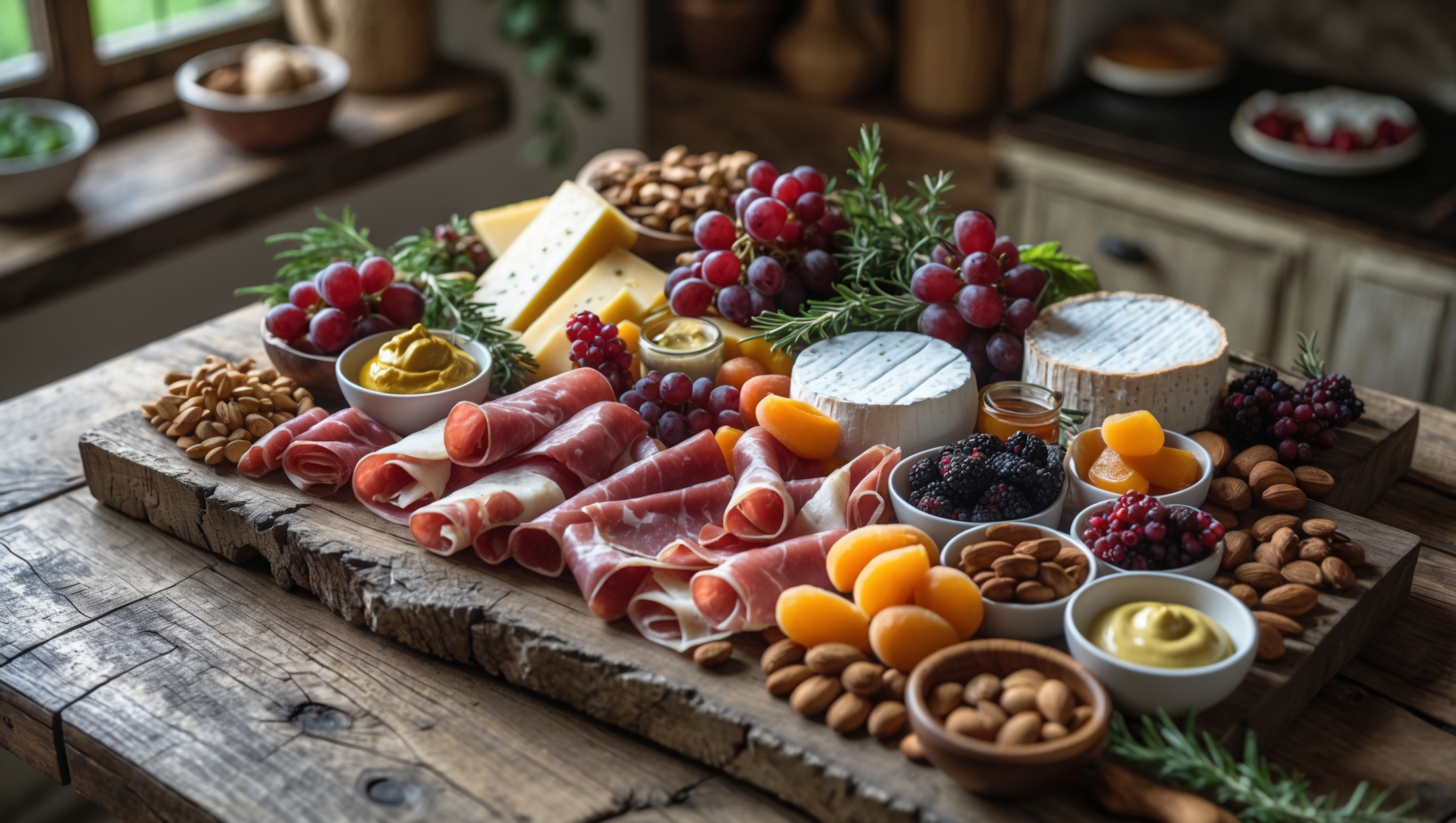
Introduction: The Art and Science of Home Charcuterie Boards
There’s something undeniably alluring about a thoughtfully curated charcuterie board—the interplay of textures, flavors, and colors, all invitingly displayed to spark conversation and delight the senses. Whether it’s for a cozy night in or an impromptu gathering, a well-constructed charcuterie spread transforms simple ingredients into a gourmet experience. Yet, many home cooks feel overwhelmed by the prospect: Isn’t charcuterie expensive? What meats and cheeses should you choose? How do you keep everything fresh and safe? This guide demystifies the craft, offering a step-by-step path to building stunning boards on any budget, with seasonal inspiration and pro-level storage wisdom. By exploring cost breakdowns, pairing strategies, and practical curation tips, you’ll be ready to create a board that’s both delicious and visually striking—no culinary degree required. Let’s dive into the delicious world of charcuterie and discover how to elevate your next spread with confidence, creativity, and a touch of refined flair.
Understanding Charcuterie: Beyond Meat and Cheese
At its heart, charcuterie is the craft of preparing and assembling cured meats and accompaniments. Classic French charcuterie includes pâtés, terrines, and rillettes, but modern boards have evolved to include cheeses, fruits, nuts, pickles, jams, and even chocolate. The goal: a harmonious balance of flavors, textures, and colors that makes each bite an adventure.
- Meats: Cured and smoked sausages, hams, salamis, pâtés
- Cheeses: Soft, semi-soft, hard, blue, and aged varieties
- Accompaniments: Fresh and dried fruits, nuts, honey, jams, pickles, olives, mustards, breads, crackers
Understanding these building blocks unlocks endless creativity while ensuring each board remains balanced and inviting.
Budget Breakdown: Curating a Board for Every Wallet
Strategic Shopping: Where to Invest and Where to Save
Charcuterie can be as affordable or extravagant as you wish. The secret is smart ingredient selection and creative presentation. Here’s how to strike the right balance:
- Splurge: Unique or artisanal cheeses, specialty cured meats, high-quality honey or preserves
- Save: Everyday cheeses like cheddar or gouda, basic salami, seasonal fruits, homemade pickles, bulk nuts
Sample Cost Breakdown (for a Board Serving 4–6)
- Meats (2–3 varieties, 200g total): $8–$14
- Cheeses (2–3 varieties, 250g total): $10–$18
- Fresh Fruit: $4–$6
- Dried Fruit & Nuts: $3–$5
- Pickles/Olives: $3–$5
- Condiments (jams, honey, mustard): $2–$4
- Bread/Crackers: $3–$5
- Total: $33–$57
Tip: Shop at local markets for deals on cheese ends and meat offcuts, or buy bulk nuts and dried fruits to lower costs. Incorporate homemade elements (like quick-pickled vegetables or roasted nuts) for a personal touch and budget boost.
Seasonal Pairings: Inspiration for Every Time of Year
Let the seasons guide your board for optimal freshness, flavor, and visual appeal. Here are ideas to inspire your ingredient choices year-round:
Spring
- Meats: Prosciutto, bresaola
- Cheeses: Fresh goat cheese, young pecorino
- Fruits: Strawberries, radishes, snap peas
- Accents: Edible flowers, herbed honey, lemon zest
Summer
- Meats: Soppressata, mortadella
- Cheeses: Burrata, aged gouda
- Fruits: Peaches, cherries, fresh figs
- Accents: Basil pesto, marinated peppers, grilled zucchini
Autumn
- Meats: Smoked ham, spicy chorizo
- Cheeses: Blue cheese, aged cheddar
- Fruits: Apples, pears, dried cranberries
- Accents: Fig jam, roasted nuts, spiced pumpkin butter
Winter
- Meats: Duck prosciutto, salami
- Cheeses: Triple-cream brie, manchego
- Fruits: Citrus segments, pomegranate seeds, dried apricots
- Accents: Walnut tapenade, pickled onions, rosemary bread
Seasonal produce not only tastes better but is usually more affordable, making it a win for both palate and pocket.
Building Your Board: Step-by-Step Setup Tutorial
1. Choose Your Canvas
Pick a board or platter large enough to accommodate your spread. Wood, slate, and marble are classic choices. For larger groups, use two boards or mix in small bowls and plates to add dimension.
2. Plan Your Layout
- Start with small bowls for wet items (olives, jams, pickles)
- Place cheeses next, spaced apart for easy cutting
- Fan out meats in ribbons or rosettes for visual interest
- Fill gaps with fruits, nuts, and crackers
- Garnish with fresh herbs or edible flowers
3. Portioning: How Much Do You Really Need?
- Meat: 30–50g per person (more if it’s the main event)
- Cheese: 40–60g per person
- Accents: A handful per person for fruits, nuts, and crackers
Err on the side of variety over volume—smaller amounts of more items are visually appealing and reduce waste.
4. Cutting and Serving Tips
- Pre-slice hard cheeses and meats for easy grabbing
- Leave soft cheeses whole with a knife for guests
- Offer a mix of textures: creamy, crumbly, firm, and spreadable
Creative Pairings: Flavor Combinations That Shine
Great charcuterie is about complementary flavors. Here are proven pairings and unexpected ideas to try:
- Brie + Fig Jam + Walnut
- Salami + Manchego + Green Olive
- Prosciutto + Melon + Mint
- Blue Cheese + Honey + Spiced Pecans
- Cheddar + Apple + Grainy Mustard
Don’t be afraid to experiment—spicy meats with sweet jams, creamy cheeses with tart fruits, or savory bites with a hint of bitterness (like radicchio or pickled onions) can be revelatory.
Smart Storage and Food Safety: Keeping Ingredients Fresh
Prepping Ahead
Many components can be prepped the day before:
- Slice hard cheeses and meats, wrap tightly in wax paper and store in airtight containers
- Wash and dry fruits, store separately
- Toast nuts and prepare condiments in advance
Food Safety Essentials
- Keep perishable items refrigerated until just before serving
- Don’t leave meats and cheeses out for more than 2 hours (1 hour if above 85°F/29°C)
- Use separate knives for each cheese to avoid flavor transfer
- Store leftovers promptly; wrap cheeses and meats separately and refrigerate
Smart Storage Tips
- Use parchment or wax paper—not plastic—for wrapping cheeses to prevent sweating and mold
- Store cured meats in their original packaging until ready to serve; rewrap tightly after opening
- Keep nuts and crackers in airtight containers to maintain crispness
- Label and date homemade components like pickles or jams
A little planning ensures your board is both safe and at its flavorful peak when it hits the table.
Maintaining Your Tools and Equipment
Charcuterie boards don’t require specialized tools, but a few essentials make prep easier and elevate presentation:
- Quality Board: Clean with mild soap and water, dry immediately, and oil wood boards regularly
- Knives: Use a variety (cheese knife, paring knife, offset spatula), sharpen regularly
- Small Bowls: For wet or messy items, hand wash and dry thoroughly
Store boards in a dry place; avoid dishwasher cleaning to preserve wood and prevent warping.
Beginner Mistakes to Avoid
- Overcrowding: Too many items can overwhelm; leave space for each element to shine
- Ignoring Texture: Balance creamy, crunchy, chewy, and crisp components for interest
- Stale Accents: Use fresh crackers and nuts to avoid sogginess or staleness
- Flavor Overload: Limit pungent cheeses or spicy meats to avoid overpowering subtler items
- Temperature: Serve cheeses at room temp for best flavor, but keep meats cool until serving
Marketing Your Home Charcuterie (For Entertainers and Aspiring Caterers)
If you’re looking to turn your charcuterie skills into a side business or simply want to impress guests, consider:
- Photography: Capture boards in natural light with close-ups of textures and colors
- Menus: Offer seasonal or themed boards, with custom options
- Packaging: Invest in eco-friendly boxes and clear labeling for take-away boards
- Social Media: Share ingredient stories and pairing tips to engage your audience
Authenticity and attention to seasonality will set your offerings apart in a crowded market.
Conclusion: Elevate Every Gathering with Charcuterie Craft
Charcuterie is far more than a trend; it’s a celebration of taste, craft, and culinary culture that brings people together. By understanding the building blocks, budgeting smartly, embracing seasonal inspiration, and mastering storage and safety, you can create memorable boards that are as practical as they are beautiful. Whether you’re aiming to impress guests, treat yourself, or explore a new creative outlet, the art of charcuterie offers endless variety and satisfaction. Start small, experiment with flavors and textures, and let each board tell its own delicious story. With the tips and strategies in this guide, you’ll be equipped to curate spreads that delight the senses and inspire connection—no matter the season or occasion. So gather your favorite ingredients, trust your palate, and craft your own story of taste and togetherness, one board at a time.


I like the idea of doing a charcuterie board on a budget, but I’m not sure which meats and cheeses to prioritize if I have to keep costs down. Are there any specific types that give the most flavor variety without breaking the bank?
To maximize flavor on a budget, opt for salami, pepperoni, and prosciutto—these are usually affordable and offer distinct tastes. For cheeses, cheddar, gouda, and Swiss are great choices that come in reasonably priced blocks. Mixing one strong cheese, like blue or goat, with milder ones stretches your options and keeps things interesting without a big price tag.
The article emphasizes how charcuterie boards can be crafted on any budget. For someone trying to keep costs down, which meats and cheeses usually offer the best value without sacrificing taste or presentation, especially if shopping at a regular grocery store?
For budget-friendly charcuterie, consider cured meats like salami, pepperoni, or deli-sliced ham, which are usually affordable and flavorful. For cheeses, cheddar, Monterey Jack, and Swiss often offer good value and pair well with different accompaniments. Buying blocks of cheese and slicing them yourself can also save money. These options look appealing on a board and offer a nice variety without overspending.
The article mentions seasonal inspiration for boards, which is great. Could you share some examples of what seasonal fruits or accompaniments work best in winter versus summer charcuterie spreads?
For a winter charcuterie board, try using fruits like pears, apples, pomegranate seeds, dried figs, and cranberries. These pair well with hearty cheeses and spiced nuts. In summer, opt for fresh berries, cherries, peaches, or watermelon. These lighter, juicy fruits complement milder cheeses and cured meats, adding a refreshing touch to your spread.
I noticed the article mentions incorporating seasonal pairings. Can you give a few examples of what to include for a summer versus a winter charcuterie board, especially in terms of fruits and accompaniments?
For a summer charcuterie board, consider adding fresh berries, peaches, cherries, or melon along with crisp vegetables like cucumbers. Light, tangy accompaniments such as lemony hummus, herbed goat cheese, and honey work well too. In winter, opt for heartier options like dried figs, pears, apples, or roasted nuts. Pair these with richer accompaniments such as spiced jams, whole grain mustard, and aged cheeses to create a cozy, seasonal flavor profile.
I noticed you talk about storage tips, which is something I worry about since I don’t want to waste ingredients. If I have leftovers from my first board, what’s the best way to store different meats and cheeses so they stay fresh for a few days?
To keep your leftovers fresh, wrap sliced meats like salami or prosciutto tightly in wax paper or plastic wrap, then store them in an airtight container in the fridge. For cheeses, rewrap each type in wax or parchment paper, then place them in a resealable bag or container to let them breathe but avoid drying out. Avoid storing cheese next to strong-smelling foods to prevent odor transfer. Most meats and cheeses will stay fresh for about 3–5 days after serving.
You mention using both fresh and dried fruits as accompaniments. Is there a rule of thumb for balancing the two based on season or should one be prioritized over the other for certain flavor combinations?
When building your charcuterie board, fresh fruits are excellent in spring and summer for their juicy, refreshing contrast to rich meats and cheeses. In fall and winter, dried fruits shine—they’re sweeter, more concentrated, and readily available. For balance, aim for equal portions if possible. Pair dried fruits with salty, bold cheeses and fresh fruits with milder, creamy options for variety in both flavor and texture.
I’ve always had trouble figuring out how to keep leftover meats and cheeses fresh after putting together a board. Could you share more details on the smart storage tips you recommend, especially if I want to prep ingredients a day or two in advance?
To keep your meats and cheeses fresh, wrap each type separately in parchment or wax paper, then place them in airtight containers or resealable bags. Store them in the coldest part of your fridge. If prepping in advance, slice what you need but keep ingredients wrapped until assembling the board. Hard cheeses hold up well, while soft cheeses may need extra care to stay moist, so check them before serving.