
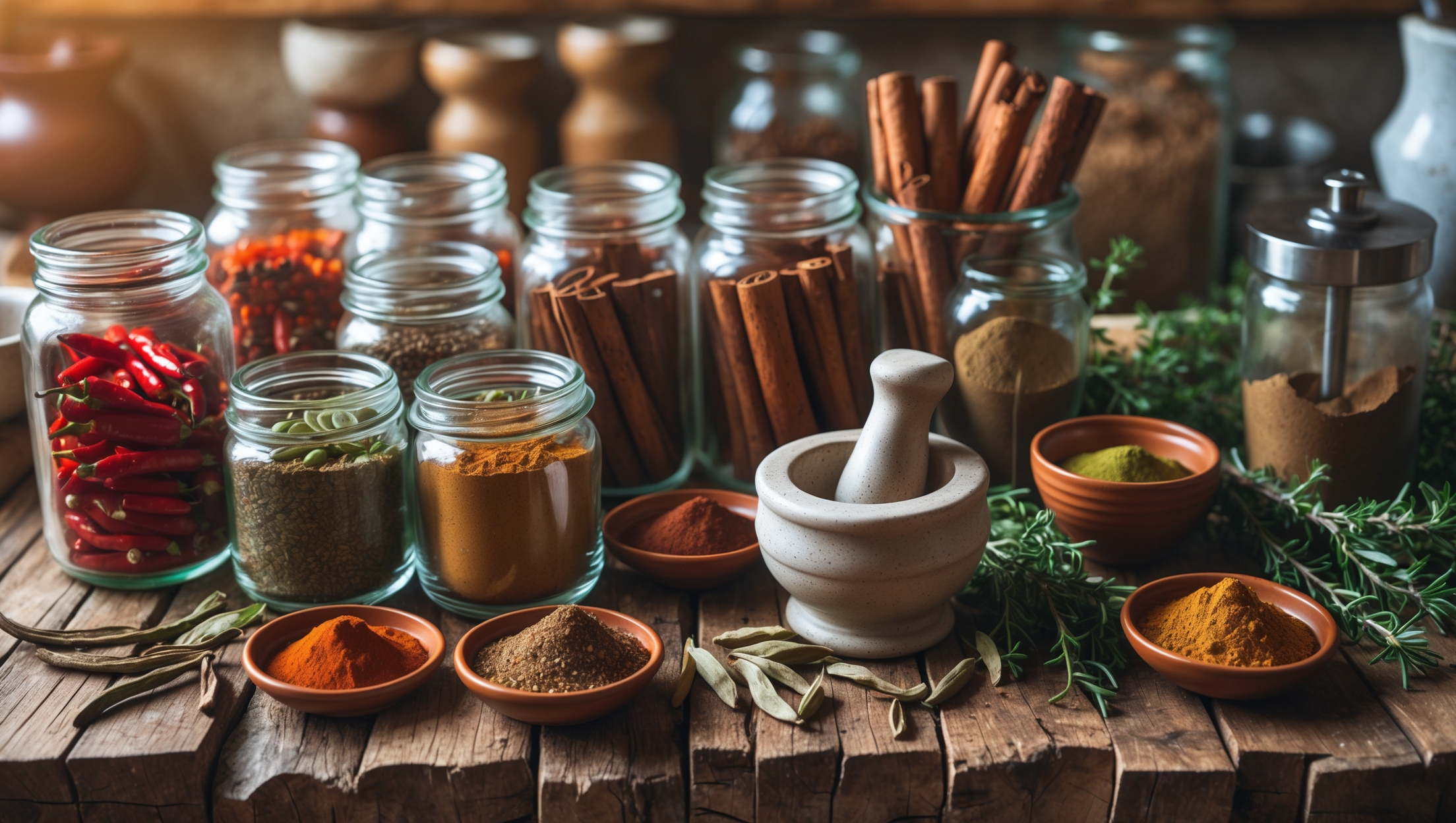
Introduction: The Spice Blend Renaissance
In the world of culinary creativity, few pursuits offer as much sensory reward as crafting your own spice blends. Whether you’re a home cook seeking to invigorate weeknight meals or a serious culinary creator aiming to develop signature flavor profiles, spice blending is the nexus of tradition, innovation, and technique. Unlike store-bought seasonings, custom mixes allow you to control every nuance—aroma, heat, color, and freshness—tailoring each blend to your palate, your menu, and the season at hand. But the art of spice blending is much more than simply tossing a few powders together. It requires an understanding of ingredients, proper tools and storage, budget-conscious sourcing, and an appreciation of how seasonality can influence both flavor and availability. In this comprehensive guide, we’ll demystify the world of spice blending, from essential equipment and cost breakdowns to practical seasonal strategies and advanced tips for maintaining quality. Whether you’re just starting out or refining your craft, discover how to elevate your dishes—and your kitchen culture—through the mindful, flavorful practice of blending your own spices.
Understanding the Foundations of Spice Blending
What Makes a Great Spice Blend?
A great spice blend balances flavor, aroma, and texture. Each ingredient serves a purpose: base spices provide body, accent spices add character, and aromatics lend complexity. Understanding the role of each is crucial—think of garam masala’s warming backbone, za’atar’s herby tang, or the smoky depth of a homemade barbecue rub. The foundation rests on freshness, proper ratios, and mindful layering of flavors.
Common Spice Categories
- Base spices: cumin, coriander, black pepper, paprika
- Aromatic spices: cardamom, cinnamon, cloves, nutmeg
- Heat elements: chili powder, cayenne, mustard seed
- Herbs: dried thyme, oregano, rosemary, sage
- Unique accents: sumac, star anise, fennel, dried citrus peel
Essential Tools and Equipment for Blending Spices
Mortar and Pestle vs. Electric Grinder
A classic mortar and pestle offers tactile control and preserves volatile aromatics, making it ideal for small batches and delicate blends. An electric spice grinder excels at pulverizing tougher ingredients and creating uniform textures for larger batches. For most home blenders, both are useful—start with a mortar and pestle for aromatic spices and finish with a grinder for bulk mixing.
Additional Must-Have Tools
- Fine mesh sieve: For sifting and achieving fine powder consistency.
- Precision scale: Essential for repeatable results and recipe scaling.
- Measuring spoons and cups: For accuracy in mixing.
- Spice jars or tins: Airtight containers to protect blends from light, air, and moisture.
- Label maker or waterproof marker: To date and identify blends easily.
- Small funnel: For tidy transfer of blends into storage vessels.
Optional, But Useful
- Spice roasting pan/skillet: For toasting whole spices to deepen flavor.
- Dehydrator: For making your own dried herbs, citrus peels, or chilies.
- Vacuum sealer: To preserve large batches or seasonal specials.
Breaking Down the Costs: Budgeting for Spice Blending
Initial Investment: Tools and Storage
- Mortar and Pestle: $20–$60 (granite or ceramic recommended)
- Electric Spice Grinder: $15–$40
- Jars/Tins: $10–$30 for a set of 12 (glass with airtight lids)
- Precision Scale: $15–$30
Estimated upfront cost for essential tools: $60–$160, depending on quality and quantity.
Ingredient Sourcing: Whole vs. Pre-Ground
- Whole spices: More cost-effective over time, longer shelf life, superior flavor. Example: 8 oz bulk black peppercorns, $8–$12.
- Pre-ground spices: Convenient but lose potency quickly, higher cost per use. Example: 2 oz ground black pepper, $4–$6.
Bulk buying from reputable spice merchants or ethnic markets can cut costs by 30–50% compared to supermarket jars. Consider splitting bulk orders with friends or culinary groups.
Seasonal and Specialty Ingredients
- Seasonal spices (like fresh dried chilies or citrus peel) may fluctuate in price—plan blends around peak availability.
- Exotic or rare spices (saffron, grains of paradise, true cinnamon) add cost but can be used sparingly for impact.
Ongoing Costs: Maintenance and Replacement
- Spices lose potency after 6–18 months. Budget for periodic replenishment, especially for delicate herbs and ground spices.
- Reuse jars and invest in high-quality tools to minimize long-term expenses.
Crafting Spice Blends: Step-by-Step Guide
Step 1: Sourcing and Selecting Ingredients
Choose whole spices whenever possible. Inspect for freshness: whole seeds should be fragrant, not dusty or faded. Buy from specialty spice shops, reputable online merchants, or international markets to ensure quality and authenticity.
Step 2: Toasting for Depth
Gently toasting spices in a dry pan releases essential oils and enhances complexity. Toast spices individually over medium heat until aromatic—usually 30 seconds to 2 minutes—then cool before blending.
Step 3: Grinding and Sifting
Grind toasted spices using a mortar and pestle or electric grinder. For ultra-smooth blends, sift with a fine mesh sieve. Clean equipment between blends to prevent cross-contamination of flavors.
Step 4: Mixing and Balancing
Measure each spice precisely, mix in a bowl, and taste or smell the blend. Adjust ratios incrementally—small changes can have a big impact. Record your measurements for repeatability.
Step 5: Storing and Labeling
Transfer blends to airtight jars, label with blend name and date, and store in a cool, dark place. Avoid heat and humidity to maximize shelf life.
Seasonal Spice Blending Strategies
Spring Blends
- Herb-forward: Use dried mint, dill, and fennel pollen for light, fresh blends ideal for vegetables, lamb, or fish.
- Citrus accents: Incorporate dried lemon or orange peel for brightness.
Summer Blends
- BBQ rubs: Paprika, chipotle, cumin, brown sugar, and mustard seed for grilling.
- Spicy chaat masala: Amchoor (dried mango powder), black salt, roasted cumin for salads and fruit.
Autumn Blends
- Warming spices: Cinnamon, clove, allspice, nutmeg for baking and stews.
- Za’atar: Toasted sesame, sumac, thyme—perfect on roasted squash or flatbreads.
Winter Blends
- Mulled spice: Star anise, cinnamon, cardamom, black pepper for beverages or braises.
- Berbere: Ethiopian blend of chili, fenugreek, ginger, and coriander for hearty dishes.
Maintaining Spice Quality: Best Practices
Storage Solutions
- Use glass jars with tight-fitting lids; avoid plastic, which can absorb odors and oils.
- Store away from heat and sunlight—pantry shelves or drawers are ideal.
Rotation and Shelf Life
- Label blends with both creation and best-by dates (typically 6–12 months for blends).
- Periodically check aroma and potency by rubbing a small amount between your fingers.
- Compost or discard faded blends; don’t risk lackluster results for the sake of thrift.
Cleaning and Maintenance
- Clean grinders and mortar and pestle thoroughly between blends; use rice to purge lingering flavors from grinders.
- Inspect and replace worn or cracked storage lids promptly to maintain seal integrity.
Advanced Tips: Customization and Inspiration
Developing Signature Blends
Start with classic templates (e.g., curry powder, ras el hanout, herbes de Provence) and tweak one spice at a time. Track your experiments in a kitchen notebook or digital app. Consider creating blends for specific dishes, like a custom rub for your favorite roast or a finishing spice for salads.
Flavor Pairing and Layering
Use complementary spices to build depth—pair earthy cumin with bright coriander, or smoky paprika with sweet allspice. Layering spices during cooking (adding some early, some as a finishing touch) can unlock complex flavors.
Infusing Oils and Salts
Extend your blends by infusing neutral oils or coarse sea salt with your signature mix. These make excellent finishing touches or thoughtful edible gifts.
Experimenting with Whole vs. Ground
For maximum versatility, keep some blends as whole-spice mixes, grinding only as needed. This preserves volatile oils and allows for last-minute customization in both texture and flavor intensity.
Safety and Allergen Considerations
- Always check for potential allergens (mustard, sesame, celery seed, etc.) when sharing blends.
- Clean all tools and storage containers thoroughly to avoid cross-contact if working with allergenic spices.
- Use gloves when handling hot chilies or peppercorns to prevent skin irritation.
Marketing Your Spice Blends: From Hobby to Side Hustle
Packaging and Presentation
- Use uniform, attractive jars with professional labels to enhance perceived value.
- Include ingredient lists and suggested uses for each blend.
Small-Batch Selling Strategies
- Start with farmers’ markets, pop-up food events, or online platforms (Etsy, local food collectives).
- Offer sampler packs or seasonal limited editions to attract repeat customers.
Compliance and Food Safety
- Check local cottage food laws regarding spice blend production and sales.
- Consider insurance and safe labeling practices for public sales.
Conclusion: Elevate Your Kitchen Culture Through Spice Blending
Spice blending is more than a culinary technique—it’s a creative practice that connects you to global traditions, seasonal rhythms, and your own evolving tastes. Whether you’re seeking to craft blends for personal use or dreaming of sharing your signature mixes with a wider audience, the journey begins with quality ingredients, the right tools, and a willingness to experiment. Mastering the basics—sourcing whole spices, investing in proper equipment, and understanding the role of seasonality—sets the stage for limitless exploration. As you refine your palate and develop your own recipes, you’ll discover that the nuances of aroma, heat, and depth can transform even the simplest dishes into expressions of craft and culture. Take time to document your favorite blends, share them with friends, and embrace the joy of discovery that comes with every new batch. With care and creativity, your spice blends will not only elevate your meals but also inspire a richer, more flavorful lifestyle. Welcome to the art—and culture—of blending spices.
You mention that custom spice blends can be more cost-effective than store-bought mixes if sourced carefully. Could you share some specific tips for finding quality spices on a budget in the US, especially for those just starting with basic blends?
Start by checking international or bulk food stores, as they often offer fresher spices at lower prices than typical supermarkets. Buying whole spices and grinding them yourself can save money and boost flavor. Look for deals at farmers’ markets, or consider warehouse clubs for larger quantities. Online spice retailers sometimes have starter packs or discounts for first-time buyers, making it easier to explore new blends affordably.
This is super helpful. For someone just starting out, is it worth investing in a spice grinder right away, or can you get decent results using pre-ground spices and mixing by hand? I’m wondering how much of a difference fresh grinding would really make.
You can definitely start with pre-ground spices and still achieve good results, especially when you’re just learning how to blend flavors. Fresh grinding adds extra aroma and complexity, but it isn’t essential right away. As you get more confident and want to experiment, investing in a spice grinder can take your blends to the next level, but it’s not a must for beginners.
Could you explain more about how seasonality affects both the cost and availability of certain spices when making blends at home? I’m curious if there are specific ingredients that become much pricier or harder to source during certain times of the year.
Seasonality can have a big impact on both the price and availability of spices. For example, spices like cinnamon, cloves, and nutmeg often become more expensive around the winter holidays due to higher demand and limited harvest periods. Fresh herbs such as basil or mint can be harder to find or pricier in colder months when they’re out of season locally. Planning your blends around what’s in season or buying spices in bulk during peak harvest times can help manage costs and ensure freshness.
I see you mention that spice blending lets you control nuances like aroma and heat. I run a small diner and am curious, how long do homemade blends actually keep their peak flavor if stored properly, especially if I want to offer seasonal mixes?
Homemade spice blends generally keep their peak flavor for 3 to 6 months when stored in airtight containers away from heat and light. Whole spice blends last a bit longer, while ground mixes lose potency a bit faster. If you’re offering seasonal mixes, try to make smaller batches that can be used up within a few months to ensure diners enjoy their freshest, most vibrant flavor.
I’m curious how seasonality actually affects the availability and quality of certain spices—are there specific blends or ingredients you avoid during certain times of the year due to freshness concerns?
Seasonality definitely plays a role in spice blending. For example, fresh spices like green cardamom or certain chilis can be harder to source at peak quality during off-seasons, which can affect both flavor and aroma. In those periods, blends that rely heavily on delicate or fresh spices are best avoided, or you might substitute dried versions or adjust quantities. Commonly, blends using dried roots, seeds, or barks—like cinnamon or cumin—are more consistent year-round.
The article talks about proper tools and storage for spice blending. Could you clarify which equipment is truly necessary at the beginning, versus what can wait until business picks up? I’m trying to keep my startup costs manageable.
To start, focus on basic equipment like a reliable spice grinder, mixing bowls, airtight containers for storage, and a digital scale for precise measurements. These essentials will let you blend and store spices safely. Advanced tools such as industrial grinders, vacuum sealers, or specialized packaging equipment can wait until your business grows and production volume increases. Keeping it simple at first helps control costs.
You mention budget-conscious sourcing for spice blending—are there certain spices or tools that are actually worth splurging on, even for a cautious buyer, versus others that can be bought in bulk more cheaply?
Absolutely, some spices and tools are worth the extra investment. Whole spices like saffron, vanilla beans, and high-quality cinnamon or cardamom often deliver much better flavor when you buy top-tier versions. For tools, a sturdy spice grinder or a good mortar and pestle can make a noticeable difference in blending results. More common spices like cumin or coriander can often be bought in bulk without much drop in quality.
I’m interested in the storage aspect you touched on. How long do custom spice blends typically retain their peak flavor, and are there specific storage tools or containers that you suggest for maximizing both freshness and shelf life?
Custom spice blends usually keep their peak flavor for about 6 to 12 months, depending on the freshness of the ingredients you use. To maintain their quality, store blends in airtight containers, preferably made of glass or high-quality plastic, and keep them in a cool, dark place away from direct sunlight and heat. Labeling containers with the blend date can also help you track freshness.
I’m interested in starting to make my own spice blends, but I’m not sure what basic tools are really necessary versus nice-to-have. Could you clarify which equipment you can’t do without if you’re just getting started?
To start making your own spice blends, the essentials are actually quite simple. You’ll need a set of measuring spoons, a mixing bowl, and airtight containers for storage. A basic mortar and pestle or a clean coffee grinder can help if you want to grind whole spices, but you can use pre-ground spices in the beginning. Other tools, like spice funnels or fancy grinders, are helpful but not necessary when you’re just starting out.
You mention that freshness is key for a good spice blend. How do you recommend small businesses source base spices like cumin or paprika in bulk without sacrificing quality or overspending?
Small businesses can maintain freshness and quality by partnering with reputable spice wholesalers who offer smaller minimum order quantities. Look for suppliers that provide harvest dates and airtight packaging. Buying whole spices like cumin seeds and grinding them as needed helps retain flavor. Consider joining a cooperative with other small businesses to split bulk orders, reducing costs and waste.
When sourcing spices in the US, especially for making blends like za’atar or garam masala, do you find it more cost-effective to buy in bulk from specialty stores or online, or is it better to start smaller from the grocery store? Also, how do you avoid waste if you’re experimenting with different blends?
Buying spices in bulk from specialty stores or reputable online retailers is usually more cost-effective, especially if you plan to make several blends. However, for initial experimenting, smaller amounts from the grocery store can help prevent waste. To avoid excess, buy only what you need for small test batches first. Store leftovers in airtight containers away from light and heat to maintain freshness if you do buy in bulk.
I noticed you broke down spice categories and mentioned sourcing with budget in mind. Have you found any particular stores or strategies to get high-quality base spices like cumin and coriander at a reasonable price in the US?
For high-quality base spices like cumin and coriander at good prices in the US, try shopping at local ethnic grocery stores—Indian, Middle Eastern, or Latin markets often have fresher spices in bulk for less. Co-op grocery stores or bulk bins at natural food stores can also offer savings. If you buy online, look for reputable brands or spice shops that sell in larger quantities for better value.
Could you go into more detail on the cost breakdown for building a basic spice blending setup? For a small business just starting out, I want to understand which tools are truly essential versus which are nice-to-have investments.
For a small spice blending business, your essential costs will include a good quality spice grinder (about $50–$200), airtight storage containers ($20–$50 for a starter set), a digital scale ($20–$40), and measuring spoons ($10–$15). Stainless steel mixing bowls ($20–$40) and labels for packaging ($10–$30) are also basic needs. Nice-to-haves like specialized sieves, larger batch mixers, or precision blenders can significantly raise costs, but they’re not necessary at the beginning.
Since the excerpt mentions crafting blends for different seasons, do you have any tips on adjusting recipes if a certain spice becomes unavailable or too expensive at certain times of year? How would you recommend substituting without compromising flavor?
When a specific spice is unavailable or pricey, try replacing it with something that shares similar flavor notes or properties. For example, if cardamom is hard to find, a mix of cinnamon and nutmeg can provide warmth. If you’re missing coriander, try a bit of cumin with a dash of lemon zest. Taste as you go, and adjust quantities gradually to keep the balance and complexity of your blend.
I noticed you mention the importance of both freshness and storage when crafting your own blends. From your experience, is it more cost-effective in the long run to purchase spices whole and grind them as needed, or to buy pre-ground for convenience, especially if I’m making small batches at home?
Buying whole spices and grinding them as needed tends to be more cost-effective over time, especially since whole spices retain their flavor and potency much longer than pre-ground ones. Even if you’re making small batches, you’ll notice better taste and less waste from spoilage. The initial investment in a small grinder pays off, and you can control texture and freshness each time.
I’m a total beginner at mixing my own spices, so I’m curious about the storage part you mentioned. How long do homemade spice blends typically stay fresh if I use regular kitchen jars, and do you have any tips for keeping them from losing flavor too quickly?
Homemade spice blends usually stay fresh for about 6 months if stored in airtight kitchen jars, though some delicate flavors can fade sooner. Keep your jars in a cool, dark place away from heat and sunlight to help preserve the aroma. Make sure the jars are completely dry before use, and label them with the blend date so you can track freshness.
You talk about how seasonality can influence flavor and availability of spices. Are there certain blends you suggest making during specific times of the year when the ingredients are at their peak or more affordable?
Absolutely, tailoring your spice blends to the seasons can really elevate your dishes and save on costs. For example, in spring, blends featuring fresh dill, chives, and mint are vibrant and affordable. Summer is perfect for mixes using basil, cilantro, and coriander seeds. Autumn is ideal for warming blends with cinnamon, clove, and nutmeg when they’re most aromatic, while winter blends often include allspice and dried herbs. Using spices at their peak ensures the boldest flavors and best prices.
The guide mentions essential equipment for blending spices. For someone just starting out, what are the absolute must-have tools versus nice-to-haves, especially if space in the kitchen is limited?
For beginners with limited kitchen space, the must-have tools are a small mortar and pestle for grinding and mixing, and a set of measuring spoons for accuracy. These are compact and versatile. Nice-to-haves include a spice grinder for larger batches and airtight jars for storage, but you can start blending effectively with just the basics.
You talk about how seasonality affects both flavor and availability of spices. Could you give some examples of which spices are noticeably better or worse during certain times of year, and how to adjust blends accordingly?
Certain spices really show their best or worst depending on the season. For example, fresh green cardamom pods are most fragrant after harvest, often in late summer. Cinnamon and nutmeg can lose intensity if stored through humid months, so they’re best purchased just after harvest in the fall. In spring, fenugreek and cumin seeds are fresher and more aromatic. To adjust blends, increase quantities of fresher, in-season spices and reduce or substitute ones that seem dull or stale out of season.
You mention that sourcing spices can be budget-conscious, but I’ve noticed some spices, like cardamom and saffron, can get pretty expensive. Do you have any recommendations for affordable substitutes, or tips on when it’s worth splurging for the real thing in a blend?
You’re right—some spices like cardamom and saffron can be pricey. For cardamom, you might try using a mix of cinnamon and nutmeg as a substitute, though the flavor won’t be identical. Saffron can sometimes be replaced by a small pinch of turmeric for color, but the taste is milder. It’s worth splurging on the real thing when those spices are the key flavor in your blend or dish, but for background notes, substitutes usually work well.
I noticed you mentioned cost breakdowns and budget-conscious sourcing for spices. As a small business owner, what are some practical tips for buying higher-quality spices in bulk without breaking the bank, especially when experimenting with seasonal blends?
To source high-quality spices affordably, try partnering with reputable wholesalers or spice cooperatives that offer discounts for bulk purchases. Buying whole spices and grinding them yourself can also save money and improve freshness. Consider collaborating with other small businesses to split larger orders. When testing seasonal blends, purchase smaller sample sizes first, then scale up once you’ve settled on your recipes. This way, you minimize waste and control costs.
Can you share some tips for sourcing spices on a budget? With base spices, aromatics, and unique accents all suggested, it sounds expensive to stock up—are there certain ingredients that are best to start with for beginners?
Building a spice collection can be affordable if you focus on versatile basics first. Start with essential spices like cumin, coriander, paprika, and black pepper—they work in a wide range of blends. Buy in small amounts from bulk bins or local markets, which often cost less than pre-packaged jars. Whole spices also tend to stay fresh longer, so consider grinding your own as needed. You can gradually add unique accents as you discover your favorite blends.
The article says budget-conscious sourcing is important for spice blending. For a college student on a tight budget, are there any essential tools I can skip or creative ways to source quality spices without spending a lot up front?
You can definitely start spice blending without investing in every tool mentioned. A basic mortar and pestle or even a sturdy coffee grinder can work for most blends. For spices, try buying small amounts in bulk from local markets, or look for international grocery stores where prices are often lower. Sharing purchases with friends can also help keep costs down while letting you experiment with a wider variety.
You mention that custom spice blends allow you to tailor flavors to seasonal ingredients—do you have any tips for adjusting a basic blend depending on what’s available locally during the year? I’m wondering how much the ingredient list should shift from season to season for best results.
Adjusting your spice blends with the seasons is a great way to highlight fresh, local ingredients. In spring, you might add lighter, brighter spices like coriander or dill to complement greens and early vegetables. For summer, try more herbs like basil or mint alongside classic spices. In autumn and winter, warming spices such as cinnamon, nutmeg, or cloves pair well with root vegetables and hearty stews. The ingredient list doesn’t need a complete overhaul—just tweak a few spices to match what’s fresh and in-season.
You mention that custom spice blends are often fresher than store-bought seasonings. How long do homemade spice mixes actually stay fresh, and are there specific storage containers or techniques you recommend to maximize their shelf life?
Homemade spice mixes generally stay fresh for about 6 to 12 months, depending on the spices used. To get the most out of your blends, store them in airtight glass jars or metal tins kept in a cool, dark place, away from heat and sunlight. Labeling each container with the blend and date helps you track freshness. Avoid plastic containers if possible, as they can absorb odors and are less airtight.
You talk about how seasonality can impact both flavor and availability of spices. As a beginner in the US, how would I know which spices are at their peak in different seasons, and does it make a big difference if I use out-of-season spices for my blends?
In the US, peak spice season often depends on harvest times—like fresh herbs in summer or cinnamon and nutmeg in fall. You can check local farmers’ markets or specialty stores to see what’s freshest. Using out-of-season spices is totally fine; just be aware that they might be less fragrant or slightly different in flavor compared to their peak. For beginners, starting with good-quality dried spices works well year-round.
I see that proper tools are important for spice blending. Are there any specific grinders or storage containers you recommend for someone who’s just starting and doesn’t want to over-invest immediately?
For beginners, a basic manual coffee grinder or a small electric spice grinder is a solid choice—they’re affordable and do a good job. For storage, start with small glass jars or repurposed spice containers that seal tightly to keep blends fresh. You can upgrade to specialty tools later as you get more into blending.
I’m just beginning to experiment with different blends, and I’m curious how seasonality actually affects which spices are available in stores. Are there certain times of year when it’s better to shop for specific spices for blending?
Seasonality definitely plays a role in spice availability. Certain spices, like cinnamon and nutmeg, are more abundant and often fresher in stores during fall and winter, as they’re popular in holiday baking. Herbs such as basil and dill are typically fresher in spring and summer due to local harvests. Shopping for blends around these peak seasons can offer better quality and sometimes even lower prices.
Could you elaborate a bit more on the essential tools needed for someone just starting out with spice blending? I want to avoid unnecessary purchases, so I’d love to know which items are truly must-haves versus nice-to-have upgrades.
For beginners, the must-have tools are a good quality mortar and pestle or a small electric spice grinder, airtight containers for storage, and a set of measuring spoons. These basics will cover most blending needs. Nice-to-have upgrades include a spice funnel for easy jar filling and a dedicated spice brush for cleaning grinders, but you can add these later as you get more into blending.
I get how freshness is super important, but does buying whole spices and grinding them myself make a big difference compared to just using pre-ground store-bought ones? If so, are there any tools that are affordable but actually worth investing in for someone just starting out?
Grinding whole spices yourself definitely makes a noticeable difference in both flavor and aroma—freshly ground spices tend to be more vibrant and complex than pre-ground ones, which can lose potency over time. For beginners, an affordable but effective tool is a simple manual spice grinder or a small coffee grinder dedicated to spices. A mortar and pestle is another budget-friendly option and works well for small amounts or coarser blends. Both are great starting points for anyone new to spice blending.
When you talk about budget-conscious sourcing in the article, do you have any tips for finding quality spices at a lower cost, especially for someone just starting their spice collection? Are there particular stores or bulk options you recommend for beginners?
For beginners building a spice collection on a budget, buying smaller amounts in bulk sections at local co-ops or health food stores can help you avoid waste and save money. Ethnic grocery stores also often offer fresher spices at lower prices than standard supermarkets. Look for whole spices, as they tend to last longer and give you more flexibility. Start with a few essentials, and expand as you discover your favorite blends.
You mention how important freshness is for spice blending, but I’m unsure how to tell if my dried herbs and spices at home are still good enough or too old to use for a new blend. Are there any clear signs they’re past their prime, or should I just replace everything before starting?
You don’t always need to replace all your spices before blending. Check each one by smelling it—if the aroma is weak or faded, the flavor will be, too. Visually inspect for discoloration or clumping, which can also signal age or moisture exposure. If you’re unsure, rub a small amount between your fingers; if the scent is flat, it’s best to replace that spice.
I noticed you mention the importance of freshness and proper storage in maintaining spice quality. As a small café owner with limited kitchen space, what practical storage solutions would you recommend to maximize freshness and shelf life for homemade blends?
For a small café with limited space, airtight glass jars or stainless steel containers work well for storing spice blends. Keep them in a cool, dark cabinet away from heat and sunlight, rather than near ovens or windows. Label each blend with its creation date, and make smaller batches more often to ensure peak freshness. Stackable containers or drawer organizers can help save valuable shelf space.
You break down the different categories of spices—like base spices, heat elements, and unique accents. If someone is keeping costs low, which group would you prioritize buying high-quality or whole, and which might be okay to buy pre-ground or in bulk?
If you’re on a budget, it’s wise to prioritize buying high-quality or whole base spices—like cumin, coriander, and pepper—since their freshness strongly impacts flavor and they last longer whole. Heat elements and unique accents, which are often used in smaller amounts, can be bought pre-ground or in bulk without losing too much quality or spending a lot.
I’m just starting to experiment with blending my own spices for my cafe menu. Based on your cost breakdown, what’s the best way to source fresh base spices and aromatics without driving up inventory costs, especially since some blends only use small amounts of pricier spices?
To manage costs while keeping spices fresh, consider buying base spices like cumin, coriander, and paprika in moderate bulk from reputable wholesalers or local markets. For pricier spices that you use in small quantities, source them in smaller packages—even specialty shops or online retailers often offer these. You can also share bulk orders with other local cafes or businesses to minimize waste and expense. Store spices in airtight containers away from heat and light to maximize shelf life.
When making blends that rely on seasonal ingredients, like fresh herbs versus dried ones, how do you adjust ratios or methods to keep the flavor balanced throughout the year?
When using fresh herbs in blends, you’ll generally need about three times more than dried because fresh herbs have higher water content and milder flavor. If a recipe calls for 1 teaspoon dried, use 1 tablespoon fresh. For seasonal changes, taste as you go and adjust other spices to balance. Also, add fresh herbs later in cooking to preserve their flavor, while dried herbs can be added earlier to release their aromas.
You mention that seasonality can influence both flavor and availability of spices. Could you elaborate on practical ways to adjust blends throughout the year based on what’s freshest or most affordable during different seasons?
Absolutely! To adjust your spice blends throughout the year, start by visiting local markets to see which whole spices are freshest and best priced each season. In spring and summer, herbs like basil, mint, and dill might be more vibrant and affordable, so you can incorporate them into lighter blends. In fall and winter, warming spices like cinnamon, cloves, and nutmeg are often more available, making them ideal for heartier blends. Rotating your blends with the seasons not only maximizes flavor but can also help you save money.
For someone just starting out, which of the essential tools for spice blending would you recommend investing in first? Is a mortar and pestle enough, or does a spice grinder really make a big difference for most blends?
Starting with a good mortar and pestle is often enough for most beginners, as it gives you great control over texture and works well for small batches. It also helps you get familiar with how different spices break down. However, if you plan to blend tougher spices or make larger quantities, a spice grinder can save time and effort. Many home blenders or coffee grinders can double as spice grinders if you want to try things out before buying a dedicated one.
When you talk about seasonal strategies, does that mean I should change my spice blends throughout the year? Are there specific blends or ingredients you recommend for summer versus winter cooking for someone just starting out?
Yes, seasonal strategies suggest adjusting your spice blends based on the time of year. For summer, lighter blends using herbs like basil, mint, and coriander work well with grilled or fresh dishes. In winter, warmer spices such as cinnamon, cloves, nutmeg, and allspice can add depth to hearty stews and baked goods. Starting with these simple combinations helps you match flavors to the season and keep your cooking exciting.
The article mentions budget-conscious sourcing for spices, but I’m curious how much initial investment is typical for someone just starting out with the essential tools and a basic spice selection. Could you provide a rough estimate or tips for keeping costs low while still getting good quality ingredients?
Starting out, you can expect to spend around $30 to $60 for a small set of essential spices and basic tools like a mortar and pestle or spice grinder. To keep costs low, choose versatile spices such as cumin, coriander, paprika, and black pepper. Buy small quantities in bulk from local markets or ethnic stores, which often offer better prices and freshness compared to pre-packaged supermarket spices.
You noted the importance of freshness and proper storage for maintaining quality. For someone blending spices in small quantities at home, what are the best storage methods to prevent spices from losing potency too quickly?
To keep your homemade spice blends fresh, store them in airtight containers like glass jars with tight-fitting lids. Keep the jars away from heat, light, and moisture—ideally in a cool, dark cupboard. Label each jar with the blend name and date. Avoid storing spices near the stove or window, and only open containers when needed to reduce exposure to air.
You listed common spice categories, but I’m still a bit unsure about how to balance the ratios for base spices versus aromatics and heat elements. Are there any starting guidelines or formulas for DIYers to avoid overpowering a blend right out of the gate?
Absolutely, a simple guideline is to start with about 60-70% base spices (like cumin or coriander), 20-30% aromatics (like garlic, onion, or herbs), and 5-10% heat elements (such as chili or black pepper). Start with a small batch, taste as you go, and adjust proportions gradually—it’s easier to add more heat or aromatics than to fix an overpowering blend.
When sourcing spices for homemade blends, do you have tips for finding high-quality ingredients without breaking the bank, especially if I want to make larger batches but stay within a budget? I’m particularly interested in how seasonality might affect spice costs.
To source high-quality spices affordably, consider buying whole spices in bulk from reputable ethnic markets or wholesalers, as these often offer better prices than pre-ground options. Seasonality does impact cost, so look for annual sales after harvest times, like late summer for many seeds and spices. You can also join local co-ops or buy with friends to split larger quantities, helping everyone save money while maintaining freshness.
If I want to start creating my own blends but I only have the basics like cumin, paprika, and thyme, which advanced tools or techniques would make the biggest difference as I level up my spice blending?
Upgrading your spice blending can be as simple as investing in a good-quality spice grinder, which allows you to use whole spices for fresher, more complex flavors. Sifting blends with a fine-mesh sieve ensures even texture. Experiment with toasting whole spices in a dry pan before grinding to unlock deeper aromas. As your skills grow, keeping detailed notes on ratios and results will help you refine your blends.
You mention the importance of proper tools for spice blending. For someone just starting out, are there a couple of essential tools you wouldn’t go without, or can you get by with just a mortar and pestle before upgrading?
You can absolutely get started with just a mortar and pestle—it’s a classic tool that works well for most basic spice blends. As you get more into blending, you might want to add a small spice or coffee grinder for finer textures. But in the beginning, a sturdy mortar and pestle is all you really need to experiment and learn.
I see you talk about adjusting blends for different seasons. Could you give some examples of how you change your go-to spice mixes for summer versus winter recipes? I’d love to start planning ahead.
Absolutely! For summer, spice blends often feature lighter, brighter flavors—think citrus zest, coriander, mint, and fresh herbs mixed with spices like cumin or fennel for grilling and salads. In winter, blends tend to be warmer and cozier, using cinnamon, cloves, allspice, nutmeg, and smoked paprika for stews or roasts. Adjust the ratios to highlight either freshness or warmth, depending on the season’s dishes.
I’m curious about the cost breakdown aspect you mention. When sourcing spices on a tighter budget, are there certain ingredients you recommend buying in bulk versus fresh each season to maximize both savings and freshness?
For cost savings and freshness, it’s smart to buy whole spices like cumin, coriander, or black pepper in bulk since they keep their flavor much longer than pre-ground versions. For delicate or seasonal spices, such as fresh herbs or saffron, purchasing small amounts as needed ensures peak freshness. Bulk purchases work best for staples, while fresh, per-season buys suit more perishable ingredients.
When it comes to storing homemade spice blends, do the tools you recommend make a noticeable difference in maintaining freshness and aroma, or are regular kitchen containers good enough? I’m trying to understand what really matters for keeping blends flavorful.
Using airtight containers, like glass jars with tight seals or specialty spice containers, does make a noticeable difference compared to standard kitchen containers. They help keep out moisture, air, and light, all of which can cause your blends to lose flavor and aroma faster. If you don’t have specialty containers, choose jars or tins with secure lids and store them in a cool, dark place for the best results.
When sourcing spices to make blends at home, have you found it more cost-effective to buy in bulk at specialty stores or stick with smaller amounts from regular grocery stores? I’m wondering how the initial investment compares for someone just starting out, and if the freshness trade-off is worth it.
For beginners, buying smaller quantities from regular grocery stores can actually be more practical, even if the price per ounce is a bit higher. This way, you avoid a large initial investment and ensure your spices stay fresh. Bulk buying from specialty stores is more cost-effective in the long run, but only if you use spices frequently enough to avoid spoilage. For most home cooks starting out, freshness and lower upfront cost are usually worth prioritizing.
You mention that tools and storage are important in maintaining the freshness and quality of spice blends. Could you elaborate on the best practices for storing homemade mixes and whether certain containers make a noticeable difference?
Proper storage is key for keeping homemade spice blends fresh and flavorful. Airtight containers, preferably glass or stainless steel, protect against moisture and light, which can degrade spices. Avoid plastic if possible, as it can absorb odors and stain. Store blends in a cool, dark place—away from the stove or sunlight—to maximize shelf life. Label containers with the blend and date to keep track of freshness. These practices really do make a noticeable difference in preserving aroma and potency.
For someone just starting out, how do I figure out the right ratios of base spices versus accent and aromatic spices? Are there any tips for avoiding common mistakes with balance and freshness in beginner blends?
When starting out, try using a basic ratio like 3 parts base spices (such as cumin, coriander, or paprika), 1 part accent spices (like chili, mustard seed, or black pepper), and 1 part aromatics (such as cinnamon, cloves, or cardamom). Taste as you go and adjust in small increments. To maintain freshness, only blend small batches and store them in airtight containers away from heat and sunlight. Avoid overpowering your blend by adding accent and aromatic spices gradually and testing the flavor along the way.
If I’m trying to develop a unique blend for my business, how long does it typically take to perfect the ratios and achieve consistent results? Any tips for speeding up the process without sacrificing quality?
Perfecting a unique spice blend usually takes several weeks to a few months, depending on how many iterations you test and the complexity of the flavors. To speed up the process, document each batch carefully, make small adjustments, and use precise measuring tools. Involve taste testers for feedback and consider working in small batches to minimize waste. Consistency comes from thorough mixing and using the same quality of ingredients each time.
When you talk about using seasonal strategies, does that mean it’s better to use freshly dried herbs from my garden, or are there situations where store-bought dried herbs actually work better for blends?
Seasonal strategies encourage you to use what’s freshest and most flavorful, so freshly dried herbs from your garden are usually preferred for their vibrant taste and aroma. However, store-bought dried herbs can be useful if you need consistency, convenience, or if your garden is out of season. Both can work—choose based on the blend’s purpose and the quality of your available herbs.
You mention that freshness is key for spice blends, but I’m wondering how long homemade mixes actually stay fresh compared to store-bought ones. Are there any specific signs I should look for that mean a blend has lost its quality or potency?
Homemade spice blends usually stay fresh for up to 6 to 12 months, whereas store-bought blends can last a bit longer due to added preservatives. To check if your blend has lost quality, look for faded color, a weaker aroma, or a flat taste. If the spices smell musty or look clumpy from moisture, it’s best to make a new batch.