
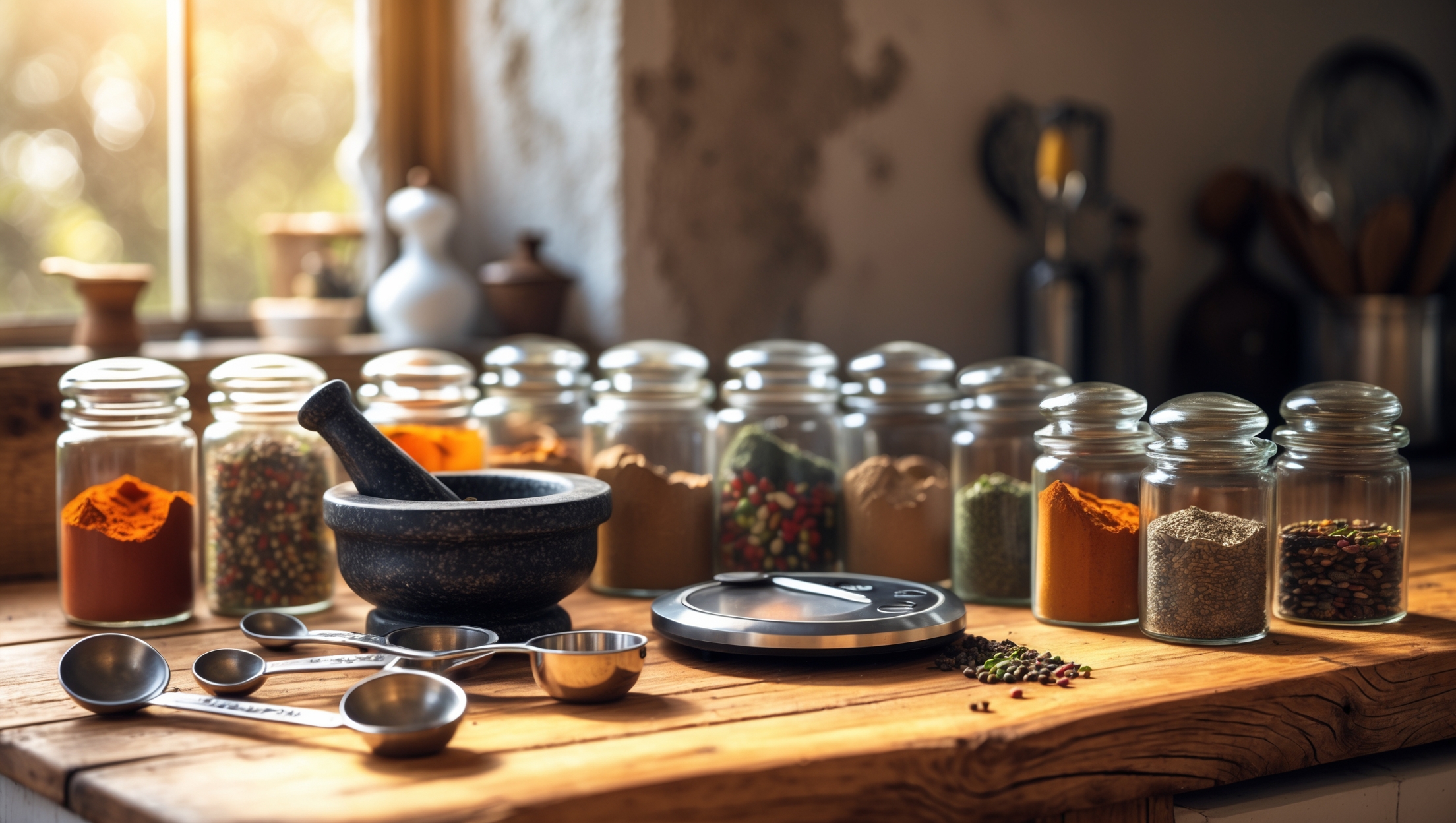
Introduction
Few culinary pursuits offer as much creative satisfaction and sensory reward as crafting your own spice blends. Unlike pre-mixed supermarket jars, homemade blends allow you to tailor flavor profiles, tweak heat and aroma, and connect with global culinary traditions in a deeply personal way. Yet for many home cooks, the world of spice blending can seem intimidating—requiring specialist knowledge, hard-to-find ingredients, and expensive equipment. The truth is far more welcoming. With the right tools, practical techniques, and a thoughtful approach to budgeting, anyone can unlock a world of vibrant flavors and elevate everyday dishes.
This guide is your expert roadmap to the art of spice blending at home. We’ll explore the essential and optional equipment you need, demystify the step-by-step process, offer practical budget strategies, and share maintenance tips so your spices and tools stay at their best. Whether you’re a curious beginner or a seasoned home chef eager to deepen your craft, this post will help you transform humble ingredients into signature blends that enliven your culinary repertoire.
Why Blend Your Own Spices?
Flavor Customization
Custom blending allows you to adjust salt, heat, and aromatics to your personal taste or dietary needs. Love heat? Add extra cayenne. Sensitive to salt? Omit it entirely. The possibilities are endless.
Freshness and Potency
Spices lose flavor rapidly when pre-ground. Blending your own means fresher, more aromatic results, often at a fraction of the cost of store-bought blends.
Culinary Exploration
Homemade blends offer a window into global cuisines. Recreate za’atar, garam masala, or herbes de Provence—then experiment with your own creative twists.
Essential Tools for Spice Blending
Mortar and Pestle
The traditional choice for grinding small batches. A heavy granite or marble mortar provides the best control for crushing seeds and releasing essential oils. Choose a 6–8 inch diameter for versatility.
Spice Grinder
An electric blade grinder (often marketed as a coffee grinder) offers speed and fine consistency. Dedicate one solely to spices to avoid flavor contamination. For larger batches or tougher spices (like cinnamon bark), a burr grinder or high-powered blender can work.
Measuring Spoons and Digital Scale
Precision matters in spice blending—especially when replicating or scaling recipes. Invest in a reliable set of measuring spoons and a digital scale that reads in grams for accuracy.
Sieves and Fine Mesh Strainers
After grinding, sifting removes large husks or unground bits, ensuring a smooth, even blend—especially important for rubs and finishing powders.
Storage Containers
Opaque, airtight glass jars preserve freshness and prevent light degradation. Label each blend with the name and date. Repurposed spice jars work well if cleaned thoroughly.
Optional Extras
- Spice Roaster or Dry Skillet: Toasting whole spices deepens flavor. Any heavy-bottomed dry skillet will do.
- Funnel: For transferring blends into containers without spills.
- Notebook or Digital App: Record ratios and tasting notes for future reference.
Budget-Friendly Sourcing: Getting the Best Bang for Your Buck
Buy Whole, Not Pre-Ground
Whole spices stay potent far longer and are often less expensive per ounce. Purchase in bulk from ethnic grocery stores, online retailers, or local co-ops.
Start Small and Build
Begin with a core set of versatile spices—cumin, coriander, black pepper, cinnamon, cloves, chili flakes, dried herbs. Expand as your repertoire grows.
Price Compare and Avoid Gimmicks
Specialty shops and supermarkets can charge a premium for small jars. Seek out well-reviewed online spice merchants or bulk bins for better value and fresher stock. Avoid “gourmet” branding that doesn’t correlate with quality.
Share and Swap
Pooling resources with friends or family reduces waste and increases variety. Organize a spice swap for a fun, community-minded way to expand your pantry.
Step-by-Step: Crafting Your First Signature Blend
Step 1: Define Your Flavor Profile
Consider the cuisine or dish you want to enhance. Is it smoky, spicy, earthy, floral, or citrusy? Jot down key spices that fit the profile.
- Mexican-Inspired: Cumin, coriander, smoked paprika, oregano, chili flakes.
- Indian-Inspired: Cardamom, cumin, coriander, turmeric, cinnamon, cloves.
- Mediterranean: Oregano, thyme, rosemary, sumac, fennel seed.
Step 2: Toast Whole Spices (Optional but Recommended)
Place whole spices in a dry skillet over medium heat. Stir frequently for 1–2 minutes until aromatic. This step unlocks deeper flavors.
Step 3: Grind
Transfer cooled spices to your mortar and pestle or electric grinder. Pulse or pound until you reach the desired texture—fine for rubs, coarser for stews or pickles.
Step 4: Sift
Pass the ground spices through a fine mesh sieve to remove larger bits. Return any coarse material to the grinder or discard if desired.
Step 5: Blend and Adjust
Combine ground spices in a bowl according to your recipe or taste. Mix thoroughly for even distribution. Smell and, if safe, taste a small amount. Adjust ratios as needed.
Step 6: Store Properly
Transfer your blend to an airtight, labeled jar. Store in a cool, dark place. For best flavor, use within 3–6 months.
Sample Recipe: Simple Garam Masala
- 2 tbsp cumin seeds
- 2 tbsp coriander seeds
- 1 tbsp black peppercorns
- 1 tbsp cardamom pods
- 1 tsp whole cloves
- 2 small cinnamon sticks
Toast, cool, grind, sift, and store as above. Try sprinkling over roasted vegetables or stirring into soups for instant complexity.
Common Beginner Mistakes (and How to Avoid Them)
- Overblending: Grinding too long can generate heat, degrading volatile oils. Use short pulses and avoid overheating your grinder.
- Skipping Toasting: Raw spices can taste flat or bitter. Toasting is a small step that pays big dividends in flavor.
- Improper Storage: Exposure to light, heat, and air rapidly erodes potency. Always choose airtight, opaque containers and a cool storage spot.
- Neglecting Proportions: Some spices (like cloves or nutmeg) are highly potent; use sparingly. Balance bold and subtle elements for harmony.
- Copying Without Tasting: Trusted recipes are a good starting point, but always adjust to your own palate.
Maintaining Your Tools and Spice Collection
Cleaning Grinders and Mortars
After each use, brush out excess spice with a dry pastry brush. For electric grinders, pulse with raw rice to absorb oils and dislodge residue. Wash mortars with warm water and dry thoroughly; avoid soap, which can linger in porous stone.
Rotating Your Collection
Spices lose potency over time. Date each jar and rotate older stock forward. Use up blends within six months for peak flavor.
Contamination Prevention
Label dedicated equipment for spices versus coffee or other uses. Avoid cross-contaminating blends by cleaning thoroughly between batches.
Advanced Tips: Expanding Your Spice Blending Horizons
Exploring Unusual Ingredients
Consider blending dried citrus peel, dried mushrooms, or tea leaves for unique flavors. Experiment with regional peppers, rare seeds, or foraged herbs as you grow confident.
Infused Spice Oils and Salts
Extend your blends by infusing neutral oils or coarse salts. Use as finishing touches on grilled meats, salads, or roasted vegetables for layered flavor.
Document and Iterate
Keep detailed notes on ratios, toasting times, and tasting impressions. Over time, you’ll develop a personalized “library” of blends tailored to your favorite dishes.
Conclusion
Spice blending is more than a culinary chore—it’s an invitation to creativity, tradition, and mindful enjoyment of food. By investing in a handful of essential tools, sourcing wisely, and following a thoughtful process, you can create blends that rival the finest markets of Marrakech, Mumbai, or Mexico City—all from your home kitchen. The money you save by blending in small batches and buying whole spices can quickly offset the initial investment in equipment, while the improvement in flavor is immediate and dramatic.
Perhaps most importantly, homemade spice blends empower you to cook with confidence and curiosity. You’ll find yourself reaching for a custom ras el hanout or chili powder to enliven a weeknight meal, or crafting a special blend for a holiday roast. As your skills grow, so will your appreciation for the nuance, complexity, and sheer joy that fresh spices bring to the table. So gather your tools, pick your favorite flavors, and begin your journey toward a more aromatic, flavorful, and personalized kitchen. The world of spice blending awaits—one jar at a time.
Are there any budget-friendly ways to source high-quality whole spices, especially for blends like garam masala or za’atar, without having to buy large quantities that might lose freshness over time?
To source high-quality whole spices affordably, try visiting international or bulk stores where you can buy small amounts by weight. Farmer’s markets and local cooperatives often have fresher spices in smaller quantities too. You could also split larger purchases with friends, so everyone gets just what they need without worrying about losing freshness.
Could you expand on your budget strategies for sourcing quality whole spices? In my area, supermarket options are limited and specialty stores get pretty pricey, so I’d love some practical tips for keeping costs down without sacrificing freshness.
If local options are limited or expensive, consider buying whole spices in bulk from online retailers or international grocery stores, which often have better prices. Split larger quantities with friends to save even more. Check local farmers markets if available, as some vendors offer fresh spices at competitive rates. Store your spices in airtight containers away from light and heat to maximize freshness and reduce waste.
I love the idea of customizing salt and heat levels in my own spice mixes. For someone with a limited budget, are there certain spices or seeds you recommend buying whole versus pre-ground to get the best value and potency?
Buying whole spices is often more cost-effective and keeps flavors fresher for longer. Great budget-friendly options include cumin seeds, coriander seeds, black peppercorns, and mustard seeds. These are versatile and can be easily ground as needed. Pre-ground turmeric and paprika are usually fine to buy since whole forms can be pricier or harder to process at home.
I get that buying whole spices and making your own blends can be more cost-effective, but are there certain spices that are really worth blending yourself compared to just buying pre-ground? I am trying to stick to a tight budget.
Blending your own spices is especially worthwhile for those that lose flavor quickly when pre-ground, like black pepper, cumin, coriander, and nutmeg. These give you much more aroma and taste when freshly ground. Spices such as paprika or turmeric are fine to buy pre-ground since they’re trickier or less cost-effective to process at home. This way, you maximize both freshness and your budget.
You mention that a heavy granite or marble mortar and pestle is ideal for small batches. For someone just starting out on a budget, is it really worth investing in these materials over more affordable options, or will the difference be minimal for simple blends?
For beginners making simple spice blends, you don’t need to invest in granite or marble right away. More affordable options like ceramic, wood, or even a sturdy spice grinder can work well for small batches. The heavier materials do make grinding easier and more consistent, but the difference is minor for basic blends. You can always upgrade later if you start blending more often or want finer results.
Can you give some tips on how to properly care for and clean both mortar and pestle and electric spice grinders, especially if I’m switching between different spice blends and want to avoid cross-contamination of flavors?
To prevent flavor cross-contamination, wash your mortar and pestle with warm water and a brush after each use, and let it air dry completely—avoid soap on porous stone to prevent residue. For electric grinders, grind plain rice to absorb leftover oils and aromas, then wipe with a dry cloth. Make sure all parts are fully dry before using them with a new spice blend.
When you mention using a heavy granite or marble mortar and pestle for spice blending, is there a significant difference in results or maintenance between those materials, especially for someone planning to use them frequently?
Both granite and marble mortar and pestle sets are effective for spice blending, but there are a few key differences. Granite is generally more durable and can handle frequent, heavy use without wearing down or absorbing odors. Marble is slightly smoother and can be easier to clean, but it may be more prone to staining over time, especially with colorful spices. For frequent use, granite is often recommended for its resilience and ease of maintenance.
When you talk about freshness and potency, how long do homemade spice blends actually retain their flavor compared to store-bought ones? Is there a best way to store blends to keep them tasting fresh for as long as possible?
Homemade spice blends typically retain their peak flavor for about 3 to 6 months, while store-bought blends can sometimes last a bit longer due to added preservatives. To maximize freshness and potency, store your blends in airtight containers, away from heat, light, and moisture—think a cool, dark pantry rather than near the stove. Glass jars with tight lids work very well for this purpose.
I love the idea of making blends like garam masala and za’atar at home, but I’m on a pretty tight budget. Besides the mortar and pestle, are there any affordable tools or methods you recommend for grinding spices that still give good results?
Absolutely, there are budget-friendly options for grinding spices at home. A simple blade coffee grinder is an excellent alternative—just clean it well between uses to avoid flavor mixing. You can also use a rolling pin and a sturdy plastic bag to crush spices, which works surprisingly well for many blends. Both methods are affordable and effective for home spice blending.
Could you provide more details on the maintenance tips for keeping both the spices and blending tools fresh and effective? For example, how often should mortar and pestle or grinders be cleaned to avoid flavor transfer between blends?
To keep your spices fresh, store them in airtight containers away from heat, light, and moisture. For blending tools like mortars, pestles, and grinders, clean them thoroughly after each use to prevent flavor transfer—especially when switching between spice blends. Use a dry brush or cloth for a quick clean, but wash with warm water and dry completely every few uses. Avoid soap for porous materials like stone, as it can absorb flavors.
You mention freshness and potency as big advantages of homemade spice blends. How long do typical homemade blends actually keep their flavor if I store them in airtight containers, and are there any signs I should watch for that mean it’s time to make a new batch?
Homemade spice blends usually maintain their best flavor for about 3 to 6 months when stored in airtight containers away from heat and light. Over time, you may notice the aroma fading or the color becoming dull—these are signs the spices are losing potency. If your blend smells weak or tastes flat, it’s a good idea to create a fresh batch for optimal flavor.
I’m interested in trying some blends like za’atar and garam masala, but I’m worried about wasting ingredients if my first tries aren’t quite right. Any advice on how to test smaller batches or fix blends that don’t turn out as expected?
To avoid waste, start by making small test batches—just one or two teaspoons of each blend. Taste as you go, and keep notes on what you like or want to change. If a mix turns out too strong or unbalanced, you can adjust by adding more of the milder ingredients, like ground coriander or cumin, until you get the flavor you want. This lets you experiment confidently without using up too many spices.
I love the idea of customizing blends for my menu, but I worry about ingredient waste and cost. Any specific tips on buying spices in bulk on a tight budget and making sure they don’t go stale before I use them up?
Buying spices in bulk can save money, but it’s important to buy only what you’ll use within six months to a year, as spices lose potency over time. Consider splitting bulk purchases with friends or family, or shopping at stores that offer spices by weight so you can buy smaller amounts. Store spices in airtight containers away from light and heat to help them stay fresh longer.
When you say that homemade blends are often fresher than store-bought ones, how long do those homemade spice blends actually stay at their best? Are there specific storage methods or containers you recommend to preserve that freshness and potency?
Homemade spice blends usually stay at their best for about 6 to 12 months, depending on the freshness of the spices you use. To keep them flavorful, store your blends in airtight containers, such as glass jars with tight lids, and keep them in a cool, dark place away from heat and sunlight. Avoid plastic containers if possible, as they can absorb odors over time.
I’m curious about maintaining the freshness and potency of spice blends once they’re made. Do you have recommendations for the best types of containers or storage methods to keep homemade blends from losing their flavor over time?
To preserve the freshness and potency of your homemade spice blends, store them in airtight containers made of glass, stainless steel, or high-quality plastic. Keep the containers in a cool, dark place away from direct sunlight and heat sources, as light and heat can degrade flavors over time. It also helps to avoid frequent opening and to label blends with the date so you can use them while they’re at their best.
After blending and using my homemade spice mixes, what is the best way to store both the blends and the tools themselves to ensure they stay fresh and avoid cross-contamination of flavors?
To keep your homemade spice blends fresh, store them in airtight glass jars away from heat, light, and moisture. Label each jar with the blend name and date. For your blending tools, thoroughly wash and dry them after each use to prevent leftover flavors from mixing into your next blend. Storing tools separately, or in sealed containers, also helps avoid cross-contamination and keeps everything ready for your next batch.
I’m really interested in the budget tips you hinted at. Could you share some advice on sourcing quality spices at lower prices or ways to avoid overspending when just getting started with homemade blends?
To source quality spices affordably, try shopping in bulk at local ethnic markets or online, as these often offer fresher spices at lower prices than prepackaged jars. Focus on buying only the key spices you’ll use most often, and buy small amounts to keep them fresh. Also, consider whole spices over ground—whole spices last longer and can be ground as needed. Reusing old spice jars for your blends can also help save a bit more.
I really like the idea of customizing spice blends for dietary needs, but I’m curious—are there any specific spices that tend to be more budget-friendly for experimenting, especially for college students who want to try making their own mixes without spending too much?
Absolutely! For budget-conscious experimenting, start with spices that are both versatile and affordable, like paprika, cumin, chili powder, garlic powder, and dried oregano. These staples are often sold in larger containers at low prices and work well in a wide range of blends. Buying from bulk bins or international markets can save even more. Also, consider splitting costs and sharing spices with friends to try more varieties without overspending.
I’d love some practical advice on sourcing fresh whole spices without breaking the bank. Are there specific local or online suppliers you recommend for small businesses, or tips on buying in bulk and storing for freshness?
For affordable, fresh whole spices, check out local ethnic markets or bulk food stores—they often have good turnover and lower prices. Online, wholesalers like Mountain Rose Herbs or The Spice House offer bulk options suitable for small businesses. Buy what you’ll use within six months, store spices in airtight containers away from heat and light, and consider investing in small glass jars for optimal freshness.
Do you have suggestions for sourcing quality whole spices on a budget in the US? I want to try making my own blends, but I’m not sure how to keep costs down when buying small quantities of different spices.
To find quality whole spices affordably, check out local international grocery stores, especially Indian, Middle Eastern, or Asian markets, as they often sell spices in bulk at lower prices than supermarkets. You can also look for spice sections in natural foods stores that offer self-serve bins, so you can buy small amounts. Online retailers sometimes have sampler packs or smaller bags, which can also help you experiment without overspending.
I noticed you mention that a granite or marble mortar and pestle is best for grinding small batches of spices. Have you found there’s a big difference between those two materials in terms of how well they crush seeds or release essential oils, or is it mostly a matter of preference?
Both granite and marble mortar and pestles are great for grinding spices, but there are a few small differences. Granite is usually heavier and slightly rougher, which can make it more efficient at breaking down tougher seeds and releasing essential oils. Marble is smoother and a bit lighter, so it works well for softer spices but may take a little more effort with harder seeds. Ultimately, both do the job, so it often comes down to your personal preference and which feels better to use.
I’m new to making my own spice blends and was wondering about the best way to store homemade blends so they stay fresh and don’t lose potency too quickly. Do you recommend special containers or is a regular glass jar good enough?
A regular glass jar with a tight-fitting lid works very well for storing homemade spice blends. Just make sure the jars are clean, dry, and kept in a cool, dark place away from heat and sunlight, as light and moisture can shorten the spices’ shelf life. If you want to go a step further, you can use small airtight containers designed for spices, but glass jars are usually sufficient for most home cooks.
You mentioned connecting with global culinary traditions through homemade blends. If I wanted to create a signature blend for my business, what are some good beginner spice combinations that balance versatility and cost-effectiveness?
To create a signature blend that’s both versatile and budget-friendly, consider starting with combinations like all-purpose seasoning (paprika, garlic powder, onion powder, black pepper, and dried herbs), a mild curry blend (turmeric, coriander, cumin, and ginger), or a basic Mediterranean mix (oregano, basil, thyme, and rosemary). These blends work well with various dishes and use common, affordable spices, making them ideal for business use.
I’m interested in creating my own spice blends, but I’m wondering how to store homemade mixes to keep them fresh for as long as possible. Do certain containers or storage methods make a noticeable difference in preserving flavor and aroma?
To preserve the freshness and aroma of your homemade spice blends, store them in airtight containers—glass jars with tight-fitting lids work especially well. Keep the containers in a cool, dark place away from heat and sunlight, as both can degrade flavor. Avoid plastic containers if possible, as they can absorb odors and transfer flavors. Label your blends with the date to track freshness.
When it comes to budgeting for spice blending at home, do you have any tips for sourcing high-quality whole spices at a reasonable price in the US? I sometimes find that supermarket options are overpriced or not very fresh.
Buying whole spices in bulk from local international or ethnic grocery stores can often save you money and provide fresher options than standard supermarkets. Co-ops, spice shops, and online retailers known for quality can also be good sources. Check for freshness by looking for strong aroma and whole, unbroken seeds or pods. Storing spices in airtight containers away from light will help them last longer and retain flavor.
You mention that a granite or marble mortar and pestle is the traditional choice for grinding spices, but is there a big difference in the results between those materials? I’m worried about damaging a countertop or having to buy multiple tools if I start blending more often.
Both granite and marble mortar and pestles work well for grinding spices, but granite is generally more durable and less likely to chip, especially with frequent use. Marble looks elegant but can scratch or stain with some spices. To protect your countertop, place a towel or mat underneath during use. If you plan on blending often, a sturdy granite set should serve you well without needing multiple tools.
I see the article recommends a granite or marble mortar and pestle with a 6–8 inch diameter. Do you think it’s worth investing in stone if I’m only blending small amounts and have limited space, or could I get similar results with something like a wooden or ceramic set?
If you’re blending small amounts and space is tight, a wooden or ceramic mortar and pestle can work, but stone truly excels at crushing tough spices and releasing essential oils. Wood and ceramic may struggle with harder seeds and can be less durable. For occasional, small batches, ceramic is usually fine, but for regular spice blending and best results, stone is still the top choice if you can manage the space.
I love the idea of customizing spice blends to suit my family’s tastes, but I’m short on time during the week. How long does it usually take to make a basic blend from scratch with the tools you recommend, and can I prep a big batch ahead of time?
Making a basic spice blend from scratch with recommended tools like a mortar and pestle or a spice grinder usually takes about 5 to 10 minutes. You can absolutely prep a big batch ahead of time—just store it in an airtight container and it should stay fresh for several months. This way, you’ll have your custom blend ready to go for busy weeknights.
I’m interested in experimenting with global spice blends like garam masala or za’atar from scratch. Do you have any tips for sourcing some of the less common whole spices mentioned, either online or locally, without blowing my student budget?
For less common whole spices, try checking international grocery stores or local ethnic markets—they often have better prices and variety than big supermarkets. Bulk bins at health food stores can also be budget-friendly since you can buy small amounts. Online, look for reputable sellers that offer sampler packs or split costs with friends to save money.
You mention using a granite or marble mortar and pestle for the best control, but as someone with limited kitchen space, I wonder if there are any compact electric grinders you recommend for consistent results, especially for larger batches?
Compact electric spice grinders can be a great space-saving alternative to a mortar and pestle, especially for larger batches. Look for models designed specifically for spices, as they often have durable blades and easy-to-clean parts. Popular options include small coffee grinders with removable bowls, which work well for most spices and fit easily in a drawer or cabinet when not in use.
I’m new to spice blending and curious—roughly how much time does it take to create a basic blend, from gathering ingredients to grinding and mixing? I want to see if I can realistically fit this into my weekly prep.
For a basic spice blend, you can usually expect the whole process to take about 10 to 15 minutes. This includes gathering your spices, measuring them out, and either mixing or grinding them together. Once you get familiar with the process, it often becomes even quicker and can easily fit into a weekly meal prep routine.
You mention that homemade blends are generally fresher and more aromatic than store-bought ones. How long do these DIY blends typically retain their potency, and are there any simple storage tips to help them last longer?
Homemade spice blends usually retain their best flavor and aroma for about 3 to 6 months. To help them last longer, store your blends in airtight containers, away from heat, light, and moisture—think a cool, dark cupboard rather than above the stove. Label your jars with the date mixed so you can track freshness easily.
After making a spice blend, what’s the best way to store it so it stays fresh and potent? I’ve noticed my store-bought spices lose their flavor pretty fast, and I’m worried the same thing could happen with homemade mixes.
To keep your homemade spice blends fresh and flavorful, store them in airtight containers like glass jars with tight-fitting lids. Keep them in a cool, dark place away from direct sunlight, heat, or moisture—your pantry or a cupboard works well. Label them with the date you made them and aim to use most blends within 6 months for best potency.
I’m still pretty new to spice blending—about how long does it take to prepare a basic homemade blend from start to finish, including grinding and mixing, if I’m using the suggested equipment?
For a basic homemade spice blend using the recommended equipment like a spice grinder or mortar and pestle, the whole process usually takes around 10 to 15 minutes. This includes measuring out the spices, grinding them to your preferred consistency, and mixing them together. Once you get the hang of it, you might be even quicker!
The article says homemade blends can help recreate flavors from cuisines like Middle Eastern or Indian dishes. Are there any basic blends you’d suggest starting with for someone who wants to try global flavors but isn’t sure where to begin?
Absolutely, starting with a few basic blends makes exploring global flavors much easier. For Middle Eastern cuisine, try making a simple za’atar (thyme, sumac, sesame seeds, salt) or baharat (black pepper, coriander, cinnamon, cloves, paprika, nutmeg, cumin, cardamom). For Indian dishes, garam masala (coriander, cumin, cardamom, cinnamon, cloves, black pepper) is very versatile. These blends work well in a variety of recipes and are easy to mix at home.
You mention choosing a mortar and pestle with a 6–8 inch diameter for versatility—does the material matter as much as the size? I have a wooden one at home but wonder if investing in granite or marble makes a big difference for grinding spices.
The material of your mortar and pestle does make a noticeable difference for grinding spices. Wooden ones are great for softer ingredients or herbs but can absorb flavors and aren’t ideal for tougher spices. Granite or marble mortars are heavier, non-porous, and provide better friction, making them more efficient for breaking down hard spices and seeds. If you grind spices frequently, investing in granite or marble is worth considering for both performance and durability.
When you’re making your own blends for the first time, how do you figure out the right proportions of each spice—are there recommended ratios to start with, or is it best to just experiment by taste until you get it right?
When starting out with spice blends, it’s helpful to use base ratios as a guide. Many classic blends use a rule of thumb, like 2 parts main spice (for example, cumin), 1 part supporting spices (like coriander), and smaller amounts of stronger spices (such as chili or cloves). Taste as you go, adjust in small increments, and keep notes on what you like—it makes refining future blends much easier.
I’m intrigued by the freshness advantage of making your own spice blends. Once I blend a batch, how long do the homemade blends typically stay potent, and are there specific storage methods you suggest for maximizing their shelf life?
Homemade spice blends usually stay at their best for about 6 months, though some flavors can last up to a year. To keep them potent, store your blends in airtight containers, away from heat, light, and moisture—think a cool, dark pantry. Glass jars with tight lids work especially well. Always use dry utensils when scooping to avoid introducing moisture, which can reduce freshness.
I noticed you mention that a heavy granite or marble mortar and pestle is best for grinding small batches. How does using a mortar and pestle compare to an electric spice grinder in terms of flavor and texture? Are there any blends you feel are better suited to one method over the other?
Using a mortar and pestle releases oils gradually, giving you a coarser, more aromatic blend with a rustic texture. Flavors can be deeper because you control the pressure and grinding process. An electric grinder is faster and produces a finer, uniform powder, which is ideal for blends like curry powder or garam masala. For chunky mixes like dukkah or when making pastes, the mortar and pestle is often preferred. For smooth spice mixes, the electric grinder is more convenient.
You mention making blends like za’atar and garam masala at home. Do you have advice on where to find less common whole spices without breaking the bank? Are there particular stores or online sources you’ve found reliable in the US?
For less common whole spices, international grocery stores like Indian, Middle Eastern, or Asian markets often have great selections at lower prices than typical supermarkets. Bulk food stores or co-ops are also good for buying only what you need. Online, websites like Spice House and Penzeys are reliable, but don’t overlook Amazon or Etsy for harder-to-find spices. Compare prices and reviews, and consider splitting larger quantities with friends to save money.
I love the idea of experimenting with different global blends, but sometimes specialty spices are hard to source affordably in my area. Do you have tips for finding budget-friendly, quality spices, or suggested substitutions that won’t compromise too much on flavor?
One option is to buy spices in bulk from international or local markets, which often lowers the cost per ounce. You can also check for online spice retailers with good ratings and reasonable prices. For substitutions, try mixing common spices you already have—like combining cumin, coriander, and smoked paprika for a basic blend. Toasting spices before grinding can also enhance their flavors, helping compensate if you have to make a substitution.
How long do homemade spice blends usually stay fresh before losing their flavor? The article talks about freshness, but I want to avoid making too much at once, especially since I’m just starting out.
Homemade spice blends typically stay fresh and flavorful for about 6 months if stored in an airtight container, away from light and heat. Whole spices last even longer, but once ground, they lose potency faster. For beginners, it’s best to make small batches—just enough to last a couple months—so you use them up while they’re still vibrant.
I’m new to spice blending and a little nervous about getting the right consistency. The article mentions using a mortar and pestle for better control, but are there specific techniques I should know to avoid over-grinding or ending up with uneven pieces?
Using a mortar and pestle is all about gentle, controlled movements. Start by pressing and twisting the spices rather than pounding them, which helps prevent over-grinding. Work in small batches and check the texture regularly. For even results, move the pestle in a circular motion, scraping the sides as you go. If you’re blending different spices, add harder ones first, then the softer ones. This helps achieve a consistent blend without large or powdery bits.
I love the idea of experimenting with global blends like garam masala or herbes de Provence, but I’m worried about wasting spices if I don’t get the mix right. What’s a good technique for testing small batches before making a larger amount?
A smart way to test spice blends is to start with a small batch—try mixing just one or two teaspoons of each spice in a small bowl. Taste the blend by sprinkling a pinch on a plain base like rice, potatoes, or bread. Adjust the proportions as needed until you’re happy, then scale up the recipe for larger batches.
You mention that freshness is a big advantage of making your own spice blends at home. Once I’ve blended my spices, how long do homemade blends typically stay fresh when stored properly, and are there any tips for maximizing their shelf life?
Homemade spice blends usually stay fresh for about 6 months if stored properly. Keep them in airtight containers, away from heat, light, and moisture, ideally in a cool, dark cupboard. For best flavor, grind whole spices just before blending and label each mix with its date. If the aroma fades or the color dulls, it’s time to make a new batch.
If I want to start blending spices at home but don’t have a lot of storage space or expensive equipment, what’s the minimum setup you’d recommend for a small kitchen, and how can I keep my blends fresh for longer?
For a small kitchen, you just need a few airtight glass jars, a basic mortar and pestle, or a clean coffee grinder for blending. Store your spice blends in a cool, dark place to keep them fresh, and only make small batches so you use them up quickly. This way, you get fresh flavor without needing much space or fancy equipment.
I’m interested in starting to make my own blends, but my kitchen is pretty small and I only have limited space. Between a mortar and pestle and a spice grinder, which would you recommend as the best first investment for someone short on storage and working on a budget?
For a small kitchen and tight budget, a mortar and pestle is your best bet. It takes up little space, is affordable, and can handle a variety of spices and small batches. Plus, it’s easy to clean and doesn’t require electricity. As you get more into blending, you can always add a spice grinder later if needed.
You mentioned using a mortar and pestle for small batches—would an electric spice grinder work just as well for beginners, or does it change the flavor or texture noticeably? I want to make sure I get the process right without unnecessary equipment.
An electric spice grinder is a convenient option for beginners and works well for most spice blends, delivering a fine, even texture quickly. However, it may generate a little heat, which can slightly affect the flavor of delicate spices. A mortar and pestle gives you more control over texture and can help release essential oils differently, offering a subtly enhanced flavor. If convenience is important, the grinder is a good start, but if you want to experiment with flavor nuances, try both methods and see which results you prefer.
Could you share a bit more about budget-friendly ways to source whole spices for beginners? I’ve found some spice jars can get pretty pricey at supermarkets, so any tips for buying in bulk or finding good deals would be really helpful.
Buying whole spices in bulk is definitely more economical. Try shopping at local international markets, especially Middle Eastern, Indian, or Asian grocery stores—they often carry whole spices at much lower prices than regular supermarkets. You can also check the bulk bins at natural food stores. Buying just what you need by weight helps save money. Online retailers sometimes offer good deals, especially if you split larger quantities with friends or family. Store your spices in airtight containers to keep them fresh and flavorful.
I’m new to spice blending and was wondering, if I only have a small mortar and pestle, can I still make larger batches of blends, or is it better to invest in a spice grinder right away?
You can definitely start making spice blends with your small mortar and pestle, but it may take longer and require working in smaller batches to get an even consistency. If you find yourself blending larger quantities often, a spice grinder could save time and effort, but it’s not essential right away. Begin with what you have, and upgrade if you notice the need.
You mention using a granite or marble mortar and pestle for spice blending at home. Is there a big difference in performance or longevity between those two materials, or is it just a matter of personal preference?
Both granite and marble mortar and pestles are excellent for spice blending, but there are a few key differences. Granite is generally rougher and heavier, making it better for breaking down tougher spices and offering more durability over time. Marble is smoother and can look stylish, but it may not grip spices as well. For frequent, heavy use, granite tends to last longer and perform better, while marble works well for lighter tasks and looks great in the kitchen.
How long do homemade spice blends usually stay fresh compared to store-bought ones, and do you have any advice on proper storage to maximize their shelf life?
Homemade spice blends typically stay fresh for about 6 months, while store-bought blends can last up to a year due to added preservatives. To maximize freshness, store your blends in airtight containers, keep them away from heat and sunlight, and avoid moisture by using a dry spoon. Whole spices last longer than ground, so grind as needed for the best flavor.
I’m just starting out and don’t want to invest too much upfront. Which of the essential tools do you think is the most versatile for beginners on a tight budget if I want to try a few blends first?
A simple mortar and pestle is a great starting point for beginners who want to experiment with spice blends on a budget. It’s affordable, doesn’t take up much space, and lets you grind or crush small amounts of spices easily. This tool also gives you good control over the texture, making it versatile for different kinds of blends.
You mention that blending your own spices can be more cost-effective than buying pre-mixed jars. Could you elaborate on budget-friendly ways to source high-quality whole spices, especially if bulk stores aren’t available nearby?
If bulk stores aren’t accessible, consider checking local ethnic markets, which often carry high-quality whole spices at lower prices. Online retailers can be a good option too—search for reputable sellers who offer spices in larger quantities with reasonable shipping. Buying smaller amounts of several different spices can also reduce costs, and storing them in airtight containers will keep them fresh longer. Don’t overlook supermarket sales or store brands, which sometimes offer good value for whole spices.
The article mentions that spices lose flavor rapidly when pre-ground. Once I blend my own mix, how long can I realistically expect the flavors to stay vibrant if stored properly, and what storage tips do you suggest to maximize freshness?
Once you’ve blended your own spices, you can expect the flavors to stay vibrant for about 3 to 6 months if stored properly. To maximize freshness, keep your spice mix in an airtight container, away from heat, light, and moisture. A cool, dark cupboard is ideal, and avoid keeping them near the stove or in direct sunlight. Glass jars with tight lids work very well for storage.
You mention that DIY spice blends can save money and boost freshness compared to store-bought mixes. Are there particular whole spices you’ve found to be especially cost-effective or easy to source on a tight budget for a beginner?
For beginners on a budget, some of the most cost-effective and easy-to-find whole spices are cumin seeds, coriander seeds, black peppercorns, and mustard seeds. These are widely available in most supermarkets, often in bulk or ethnic aisles. Buying them whole and in larger quantities helps them stay fresh longer and lets you grind just what you need for your blends.
I’d love to try creating blends like garam masala or za’atar for my café menu, but sourcing high-quality whole spices at a reasonable price has been tough. Any suggestions on reliable suppliers or bulk buying tips for small businesses?
Finding quality whole spices at good prices can be challenging for small businesses. Consider reaching out to local restaurant supply stores, ethnic markets, or specialty spice wholesalers who often offer discounts for bulk purchases. Online suppliers that cater specifically to small food businesses can also provide fresh spices in manageable quantities. When evaluating suppliers, ask about sample sizes, freshness guarantees, and minimum order requirements to find the best fit for your café.
When experimenting with global spice blends like garam masala or za’atar, how do you make sure you’re getting the right balance of flavors if you’re new to these cuisines? Are there any common mistakes beginners should avoid when trying to recreate these at home?
When starting out with blends like garam masala or za’atar, it helps to follow trusted recipes and measure your spices carefully before adjusting to taste. Toasting whole spices gently can bring out their flavors, but avoid burning them. Beginners often add too much of strong spices like cloves or nutmeg, which can overpower the mix, so use those sparingly. Taste as you go, and remember that spice blends often develop more depth after resting for a day.
About storing homemade spice blends—are there affordable containers or methods you recommend to help keep them fresh longer? I worry about losing that potency you mentioned after all the effort of blending from scratch.
To keep your homemade spice blends fresh and potent, use small glass jars with tight-fitting lids, such as recycled jam or baby food jars, which are inexpensive and widely available. Store them in a cool, dark place away from heat and sunlight. If you’re on a tight budget, clean and reuse spice jars from store-bought blends or even small airtight plastic containers. Always label each blend with the date so you can track freshness.
Once you’ve made a batch of your own spice blend, what’s the best way to store it to maximize freshness and potency, and how long do these homemade blends typically keep their flavor compared to commercial blends?
To keep your homemade spice blends fresh and flavorful, store them in airtight containers away from heat, light, and moisture—think glass jars with tight lids, tucked into a cool cupboard. Homemade blends typically keep their best flavor for about 6 to 12 months, which is a bit shorter than most commercial blends since they don’t contain preservatives. For peak taste, try to use your blends within that first year.