

Introduction: Rediscovering Shrub Syrups in Modern Culinary Culture
Amid the ever-evolving landscape of culinary craft, shrub syrups—tangy, fruit-and-vinegar elixirs once beloved in colonial kitchens—are experiencing a modern revival. These vibrant concoctions, originally prized for their thirst-quenching properties and preservation prowess, now star in the world’s most inventive bars, home kitchens, and gourmet pantries. Whether splashed into sparkling water, shaken into cocktails, or drizzled over roasted vegetables, shrub syrups offer a refreshing, complex flavor profile that bridges sweet, tart, and aromatic notes.
Yet, for the home culinary enthusiast, shrub-making can seem mysterious. Which tools are essential, and which are merely nice-to-have? How do you select the perfect seasonal produce and harmonize flavors? What’s the science behind preservation, and how do you ensure your shrubs remain vibrant and safe for months? This guide demystifies the craft of small-batch shrub syrups, focusing on practical tool selection, creative ingredient pairings by season, and the nuances of storage mastery. Whether you’re a beginner or a seasoned home mixologist, you’ll gain the confidence to craft, enjoy, and store your own shrub syrups with both creativity and safety in mind. Let’s dive into the refreshing world of shrubs, where culinary tradition meets modern taste.
The Shrub Syrup Essentials: Understanding the Craft
What Is a Shrub Syrup?
A shrub syrup is a concentrated mixture of fruit (or vegetables), sugar, and vinegar. The result is a sweet-tart syrup that preserves the essence of seasonal produce and delivers a burst of complex flavor. Shrubs are historically rooted in food preservation, making them a sustainable and creative way to use surplus or imperfect fruits and herbs.
Why Craft Shrubs at Home?
- Flavor Control: Tailor sweetness, acidity, and aromatic notes to your tastes.
- Seasonal Expression: Capture fleeting produce at its peak.
- Versatility: Use in drinks, salad dressings, marinades, or desserts.
- Preservation: Extend the life of fresh ingredients with minimal waste.
Tools & Equipment: Building Your Shrub-Making Arsenal
Core Tools for Consistent Results
- Nonreactive Mixing Bowls: Glass or stainless steel bowls prevent unwanted chemical reactions with vinegar.
- Fine Mesh Sieve and Cheesecloth: For straining syrup to a clear, smooth consistency.
- Sharp Chef’s Knife: For cleanly slicing fruit, vegetables, and herbs.
- Cutting Board: Preferably wood or BPA-free plastic, dedicated to produce.
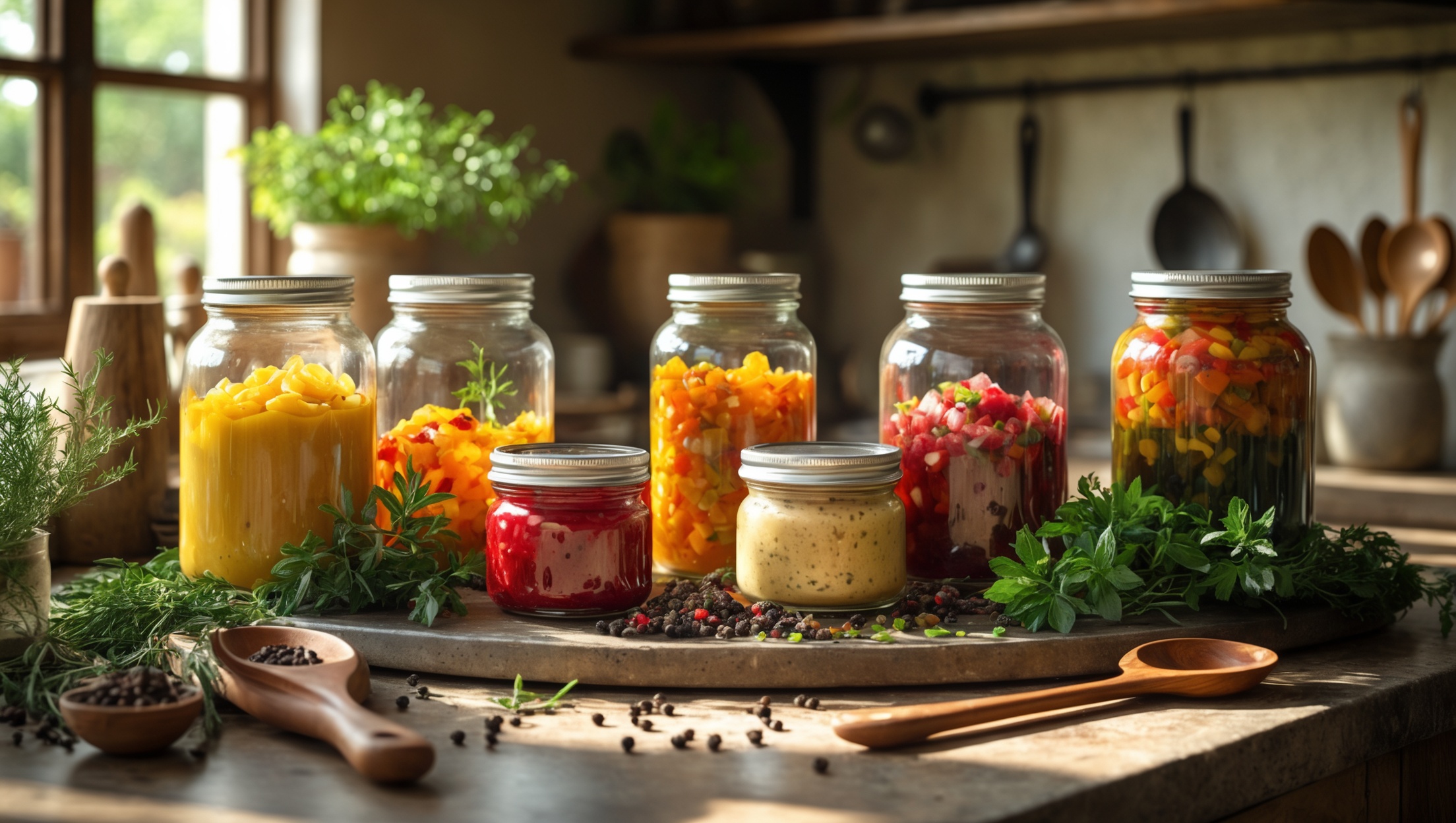
- Kilner or Mason Jars: Wide-mouth jars for easy filling, mixing, and airtight storage.
- Digital Scale: For precise measurement of ingredients, ensuring consistent ratios.
- Funnel: To transfer syrup cleanly into bottles or jars.
- Heatproof Saucepan: Essential if using the hot (cooked) shrub method.
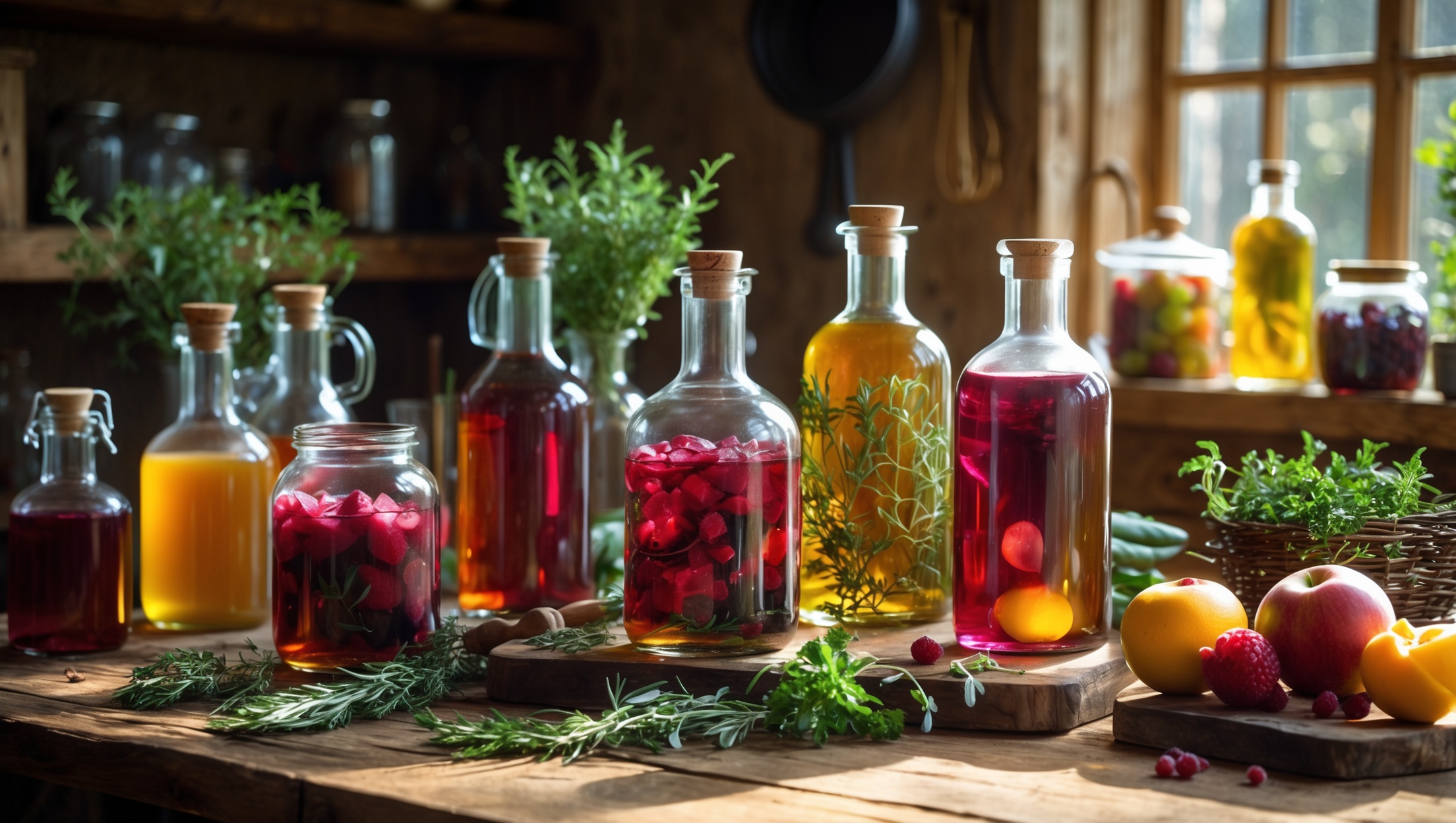
- Glass Bottles with Swing Tops: For stylish, airtight presentation and storage.
- Labels and Marker: Dated, ingredient-labeled bottles are key to tracking freshness.
Optional Tools for Advanced Craft
- Immersion Blender: To puree fruits for more intense flavor extraction.
- pH Strips: For those interested in monitoring acidity for preservation safety.
- Microplane or Zester: Adds zest or spice for aromatic complexity.
Seasonal Ingredient Pairings: Creative Inspiration for Every Month
Spring: Bright, Herbal, and Green
- Strawberry + Basil + White Balsamic: Sweet berries with herbal freshness.
- Rhubarb + Ginger + Apple Cider Vinegar: Tart and spicy, perfect for spritzers.
- Pea Shoots + Lemon Zest + Champagne Vinegar: Savory, grassy, and vibrant.
Summer: Juicy, Floral, and Refreshing
- Peach + Thyme + Rice Vinegar: Stone fruit with subtle herbal notes.
- Watermelon + Mint + White Wine Vinegar: Cooling and ultra-refreshing.
- Blackberry + Lime + Apple Cider Vinegar: Richly colored and tart.
- Cucumber + Dill + Champagne Vinegar: Crisp and garden-fresh.
Autumn: Spiced, Earthy, and Warm
- Pear + Cardamom + White Balsamic: Elegant and aromatic.
- Concord Grape + Rosemary + Red Wine Vinegar: Deep, herbal, and complex.
- Apple + Cinnamon + Apple Cider Vinegar: Classic, comforting, and versatile.
Winter: Citrus, Spice, and Robust Flavors
- Blood Orange + Clove + Sherry Vinegar: Vibrant and warming.
- Cranberry + Allspice + Apple Cider Vinegar: Festive and tangy.
- Pomegranate + Star Anise + Red Wine Vinegar: Exotic and deeply flavored.
Choosing Vinegar: The Flavor Backbone
Each vinegar brings a distinct note—apple cider is fruity and mellow, red wine offers robust depth, rice and champagne vinegars provide subtlety, while balsamic brings sweet complexity. Always opt for high-quality, unpasteurized vinegars for best results.
Methods: Cold vs. Hot Shrub Techniques
Cold Process Method
- Macerate fruit and sugar together for 24–48 hours in the refrigerator to extract juices, then strain and combine with vinegar.
- Yields fresh, bright flavors but requires patience.
Hot Process Method
- Simmer fruit, sugar, and vinegar together, then strain.
- Faster method with deeper, slightly cooked flavors—great for firmer or underripe fruit.
Both methods result in delicious shrubs; experiment to see which suits your ingredients and palate.
Step-by-Step: Crafting a Small-Batch Shrub Syrup
Ingredients (Yields ~500ml)
- 250g seasonal fruit (chopped)
- 200g granulated sugar
- 250ml vinegar of choice
- Optional: fresh herbs, whole spices, citrus zest
Cold Process Method Instructions
- Combine fruit and sugar in a nonreactive bowl. Toss well and cover.
- Refrigerate for 24–48 hours. Stir occasionally until a syrup forms.
- Strain through a fine mesh sieve or cheesecloth, pressing gently to extract juices.
- Whisk in vinegar. Taste and adjust balance to your preference.
- Funnel into clean glass bottles or jars. Label and date.
- Refrigerate. Flavors meld and improve after 2–3 days.
Hot Process Method Instructions
- Combine fruit, sugar, and vinegar in a saucepan. Bring to a simmer over medium heat.
- Cook gently for 5–10 minutes, stirring to dissolve sugar and soften fruit.
- Cool slightly, then strain through a fine mesh sieve or cheesecloth.
- Funnel into sterilized bottles or jars. Label and date.
- Store in the refrigerator. Use within 2–3 months for best flavor.
Storage Mastery: Preserving Freshness and Safety
Choosing the Right Container
- Glass: Nonreactive, easy to sterilize, preserves flavor integrity.
- Wide-Mouth Jars: Simplifies pouring and cleaning.
- Swing-Top Bottles: Airtight closure extends shelf life and looks beautiful for gifting.
Sanitizing Your Equipment
- Wash bottles and jars with hot, soapy water.
- Rinse thoroughly and boil for 10 minutes, or run through a hot dishwasher cycle.
- Let air dry on a clean towel before filling.
Refrigeration and Shelf Life
- Always store shrub syrups in the refrigerator, even if made with high-acid vinegar.
- Properly stored, cold-process shrubs last 2–3 months; hot-process shrubs may last up to 6 months.
- Label bottles with the date and main ingredients for easy tracking.
Signs of Spoilage
- Cloudiness, mold, off smells, or fizzing indicate a syrup should be discarded.
- Always err on the side of caution—high acid inhibits spoilage, but cleanliness is key.
Batch Sizing and Scaling
- Start with small batches to experiment with flavors and ensure freshness.
- Scale up for gifting or events; always maintain proper sanitation practices.
Creative Serving Inspirations: Beyond the Basic Shrub Drink
- Sparkling Shrub Soda: Mix 1–2 tablespoons shrub syrup with chilled soda water and ice for a nonalcoholic refresher.
- Cocktail Booster: Add to gin, vodka, or bourbon cocktails for acidity and fruit complexity.
- Salad Dressings: Whisk with olive oil, salt, and pepper for a vibrant vinaigrette.
- Roasted Vegetables: Drizzle over warm carrots, beets, or squash for a tangy glaze.
- Dessert Accent: Spoon over vanilla ice cream, pound cake, or yogurt for a sophisticated finish.
Maintenance Best Practices: Keeping Your Shrub Craft Pristine
Routine Care
- Inspect bottles for leaks or residue after each use.
- Clean tools immediately after each batch to prevent sugar or fruit buildup.
- Rotate older batches to the front; use up within recommended storage times.
Long-Term Storage Tips
- For extended storage, consider freezing shrub syrup in ice cube trays (use within 1 year).
- Keep stored shrubs away from direct sunlight and temperature fluctuations.
Common Myths Debunked: Shrub Syrup Edition
- “Shrubs are difficult to make.” In truth, they require only basic tools and minimal active time.
- “You need rare or expensive ingredients.” Everyday fruits and pantry vinegars yield delicious results.
- “Shrubs are only for cocktails.” They shine in nonalcoholic drinks, marinades, and desserts, too.
- “Sugar is required in large amounts.” Ratios can be adjusted for taste or dietary preferences.
- “Homemade shrubs spoil quickly.” Properly made and stored shrubs last months in the fridge.
Conclusion: Bringing the Shrub Tradition into Your Culinary Journey
Crafting small-batch shrub syrups at home is a powerful way to capture the fleeting beauty of seasonal produce, reduce kitchen waste, and infuse your drinks and dishes with vibrant, layered flavors. By investing in a few essential tools, respecting the art of ingredient pairing, and following best practices for storage and maintenance, you’ll unlock endless creative potential. Shrubs reward experimentation—whether you’re blending berries and herbs for a summer spritz, simmering pears and spices for a winter cocktail, or simply seeking a new pantry staple that bridges sweet and savory. With each batch, you’re not just making syrup; you’re bottling a story of craft, care, and culinary culture that will inspire your palate and surprise your guests.
Start small, savor the process, and don’t be afraid to innovate. As you build your shrub repertoire, you’ll develop an intuitive sense for balancing flavors, adjusting acidity, and extending the shelf life of your creations. The joy of shrub-making lies in both the science of preservation and the artistry of taste. Welcome to the world of modern shrub syrup craft—where every sip tells a seasonal story.
I noticed the article mentions that shrub syrups can be made with both fruits and vegetables. Are there any specific vegetables you recommend for beginners, and do they require any different preparation or vinegar choices compared to fruit-based shrubs?
For beginners, cucumbers, carrots, and beets are excellent vegetables to use in shrub syrups—they offer bright flavors and are easy to work with. Preparation is similar to fruits; just slice or grate the vegetables to increase surface area for maceration. When choosing vinegar, milder options like apple cider or white wine vinegar complement vegetable flavors well, just as they do with fruits.
I’m curious about the safety part mentioned in the article regarding storage. Are there specific signs I should watch out for to make sure my homemade shrub syrups stay safe and don’t spoil over several months?
To keep your shrub syrups safe over several months, watch for changes in smell, color, or texture—cloudiness, fizzing, or off odors can signal spoilage. If you see any mold on the surface, discard the syrup. Always use clean, sterilized bottles and store your syrups in the refrigerator to extend their shelf life and safety.
When it comes to ingredient pairings by season, do you have suggestions for less common fruit and herb combinations that work well together in shrubs, especially if I’m trying to avoid the usual berries and citrus?
Absolutely! For spring, try rhubarb with tarragon or gooseberry with lemon balm. In summer, apricots pair well with lavender, or try cantaloupe with basil. For fall, persimmon and sage make a unique combo, or pear with rosemary. Winter shrubs can feature pomegranate and thyme or even quince and bay leaf. These less common pairings offer interesting flavors beyond the typical berries and citrus.
I’m curious about the storage aspect you mentioned—how do I know if my homemade shrub is still safe to use after a couple of months in the fridge, especially if it still smells okay? Any warning signs I should watch for?
Even if your shrub still smells fine, there are a few warning signs to check for after a couple of months. Look out for any mold growth, unusual cloudiness, fizzing, or a change in color or texture. If you notice anything slimy or if the taste is off, it’s best to discard it. Always use a clean utensil to avoid introducing bacteria, and keep the bottle tightly sealed in the fridge.
I’m interested in making shrub syrups at home, but I’m worried about how long they actually stay safe to use. Besides keeping them refrigerated, are there any specific signs I should watch out for to know if a batch has gone bad?
Besides refrigeration, keep an eye out for any mold growth, unusual cloudiness, off smells, or fizzing—these can all indicate spoilage. Shrub syrups typically last up to 6 months when stored properly, but if you notice any of these changes, it’s best to discard the batch. Always use clean utensils and bottles to help maximize shelf life.
I’m interested in offering seasonal shrubs using local produce, but how do I figure out which fruit and vinegar combinations work best for our region and clientele? Are there any basic guidelines for balancing flavors when I’m trying out new pairings?
To find the best shrub combinations for your region, start by noting what fruits and herbs are in peak season locally—these will have the freshest flavors and appeal to community pride. For balancing, a good rule is to match equal parts fruit and sugar, then add vinegar slowly, tasting as you go. Milder fruit pairs well with apple cider or white wine vinegar, while stronger berries can handle balsamic or red wine vinegars. Always test small batches and ask for feedback from your clientele before scaling up.