Introduction: The Rise of Boutique Popcorn in Culinary Culture
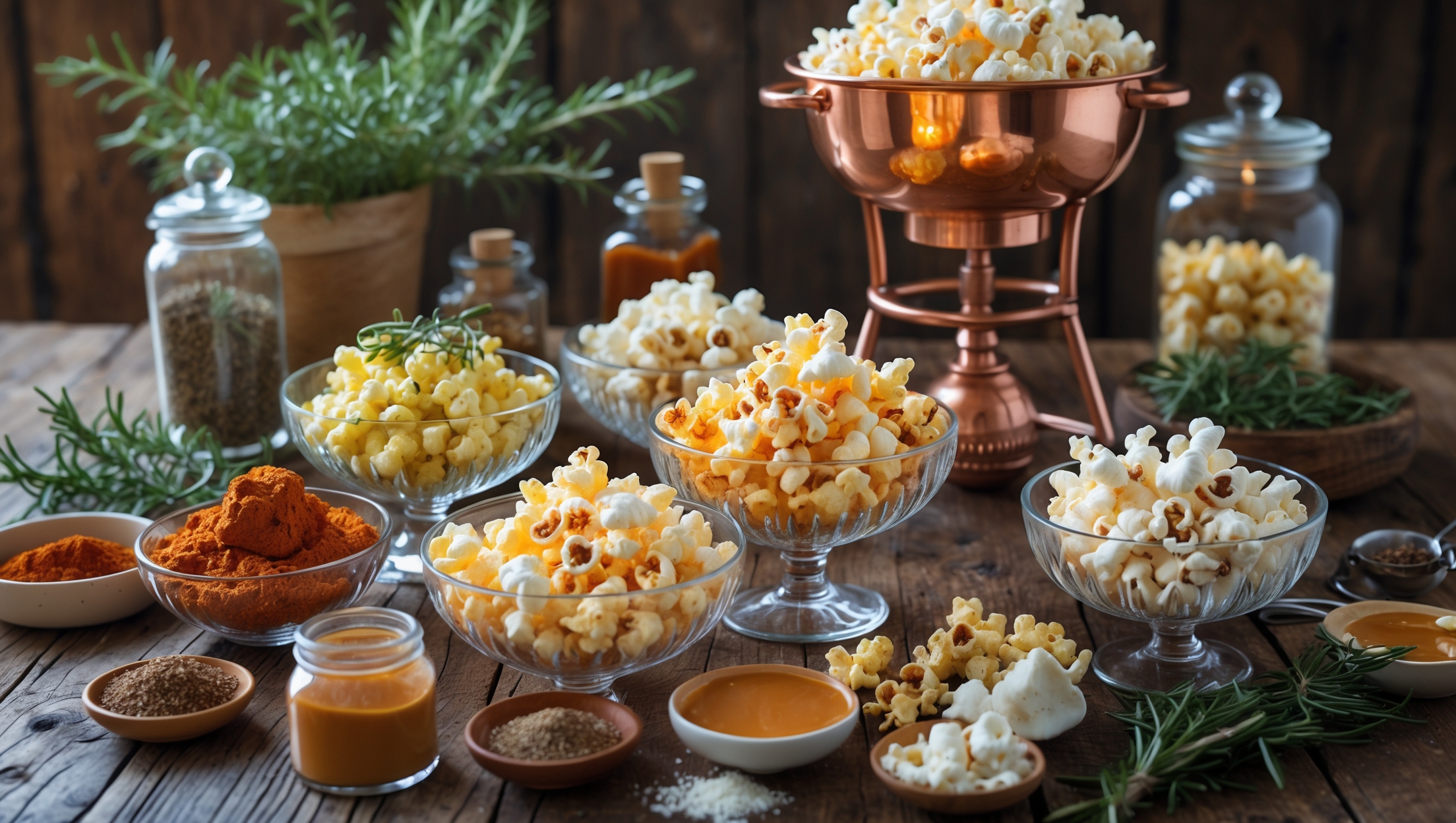
Popcorn has long been a staple snack, beloved for its simplicity and versatility. But in recent years, popcorn has undergone a gourmet renaissance. What was once a humble companion to movie nights has emerged as a canvas for culinary creativity, with boutique popcorn brands elevating this snack to new heights. From truffle oil and black garlic to matcha white chocolate and chili-lime, today’s artisanal popcorn reflects broader food trends—seasonality, global flavors, health consciousness, and Instagrammable presentation. This surge in gourmet popcorn isn’t just a trend; it’s a testament to the evolving tastes of consumers and the ingenuity of culinary entrepreneurs.
But how does one turn a simple kernel into a thriving boutique popcorn brand? This post offers a detailed roadmap, blending case study insights, practical cost analysis, flavor trend research, and the real-world craft behind small-batch popcorn production. Whether you dream of launching your own snack venture or simply want to refine your culinary side hustle, you’ll find actionable advice—no fluff, just the hard-earned lessons and creative strategies that make boutique popcorn pop in today’s market.
Case Study Snapshot: From Kitchen Experiment to Boutique Popcorn Brand
Let’s explore the journey of “Whisk & Kernel,” a hypothetical boutique popcorn brand inspired by real success stories. The founder, a passionate home cook, noticed the growing demand for healthier, flavor-forward snacks at local farmers’ markets. Armed with a stovetop popper and a flair for blending bold flavors, she set out to create a line of gourmet popcorn that balanced culinary adventure with approachable snacking.
In less than two years, Whisk & Kernel moved from small-batch kitchen experiments to a recognized local brand stocked in specialty shops, cafes, and corporate gift baskets. The secret? Meticulous attention to flavor trends, strategic budgeting, savvy equipment choices, and a focus on storytelling at every turn. Here’s how she did it—and how you can adapt these lessons to your own culinary ambitions.
Flavor Trends: Crafting Popcorn That Stands Out
Seasonal and Regional Inspiration
Gourmet popcorn thrives on innovation, but successful flavors often draw from seasonal ingredients and local culture. Whisk & Kernel’s top sellers included:
- Spring: Lemon zest, cracked black pepper, and fresh thyme
- Summer: Sweet corn, lime, and chili powder
- Autumn: Brown butter, sage, and maple sugar
- Winter: Dark chocolate drizzle, sea salt, and candied ginger
These rotating seasonal offerings encouraged repeat business and kept the brand’s menu fresh and exciting.
Global Flavors and Culinary Crossovers
Drawing inspiration from global cuisines helped Whisk & Kernel differentiate itself. Top innovations included:
- Za’atar & Olive Oil: Middle Eastern herbs blended with fruity olive oil
- Kimchi Caramel: Fusion of sweet caramel with spicy, fermented Korean flavors
- Matcha White Chocolate: Japanese green tea powder paired with creamy white chocolate
Health-Conscious Options
With consumers seeking better-for-you snacks, the brand offered air-popped varieties with minimal oil, and experimented with plant-based seasonings. Nutritional yeast, turmeric, smoked paprika, and vegan cheeses became key flavor components.
Cost Breakdown: Budgeting for Boutique Popcorn Success
Startup Expenses
Launching a boutique popcorn brand doesn’t require a massive investment, but smart spending is crucial. Here’s a breakdown based on Whisk & Kernel’s experience:
- Basic Equipment:
- Commercial-grade stovetop popper: $250–$500
- Large mixing bowls: $40–$100
- Digital scale: $40
- Baking sheets & racks: $60
- Sealer for packaging: $80–$150
- Ingredient Costs (Initial Batch, 50 units):
- Non-GMO popcorn kernels: $35
- Oils (olive, coconut, avocado): $20
- Seasonings & mix-ins: $60
- Chocolates, caramels, or specialty items: $40
- Packaging:
- Custom pouches (50): $75
- Labels: $30
- Permits & Insurance:
- Cottage food permit (varies by location): $50–$150
- General liability insurance: $180–$400/year
- Branding & Marketing:
- Logo & design: $100–$400 (DIY or freelance)
- Website setup: $120 (basic hosting + template)
- Social media ads (initial): $75
Total estimated initial investment: $1,200–$2,200
Ongoing Costs and Pricing Strategy
Understanding cost per unit is crucial for pricing popcorn profitably. For a 3-ounce bag, Whisk & Kernel’s cost averaged $1.25 (ingredients + packaging), with a suggested retail price of $5–$6. This allowed for a healthy margin, covering labor, overhead, and reinvestment into new flavors or marketing.
Tools & Equipment: Choosing the Right Gear
Popcorn Poppers: Pros and Cons
- Stovetop Popper: Best for small batches and flavor experimentation. Easy to clean and maintain. Slightly more labor-intensive.
- Air Popper: Ideal for health-focused offerings. Produces light, oil-free popcorn but less suited for caramelization or oil-based flavors.
- Commercial Electric Popper: Higher capacity for scaling up. More expensive, requires dedicated space and power supply.
Mixing, Seasoning, and Packaging
- Mixing Bowls: Stainless steel bowls in various sizes for tossing popcorn with seasonings.
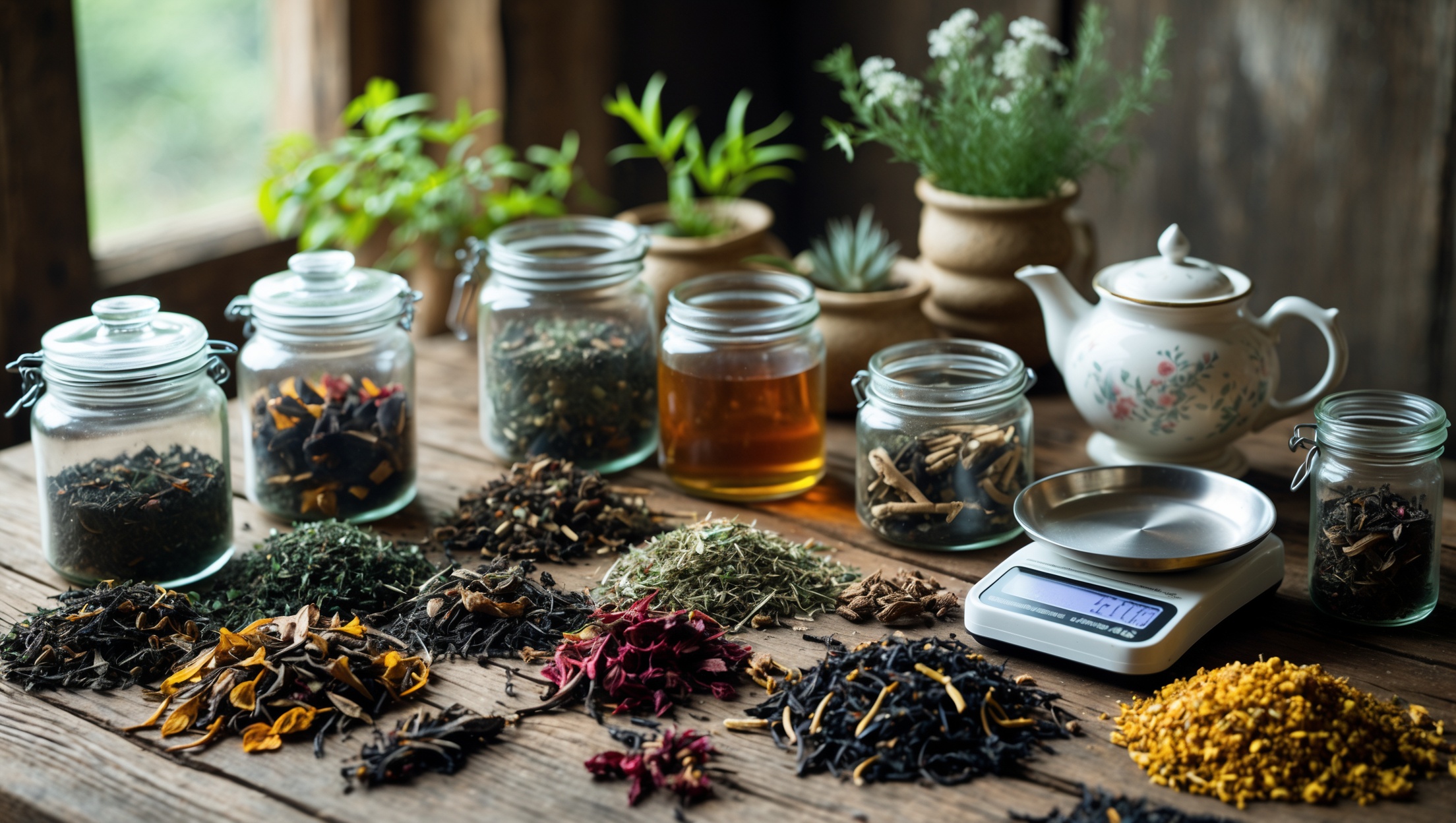
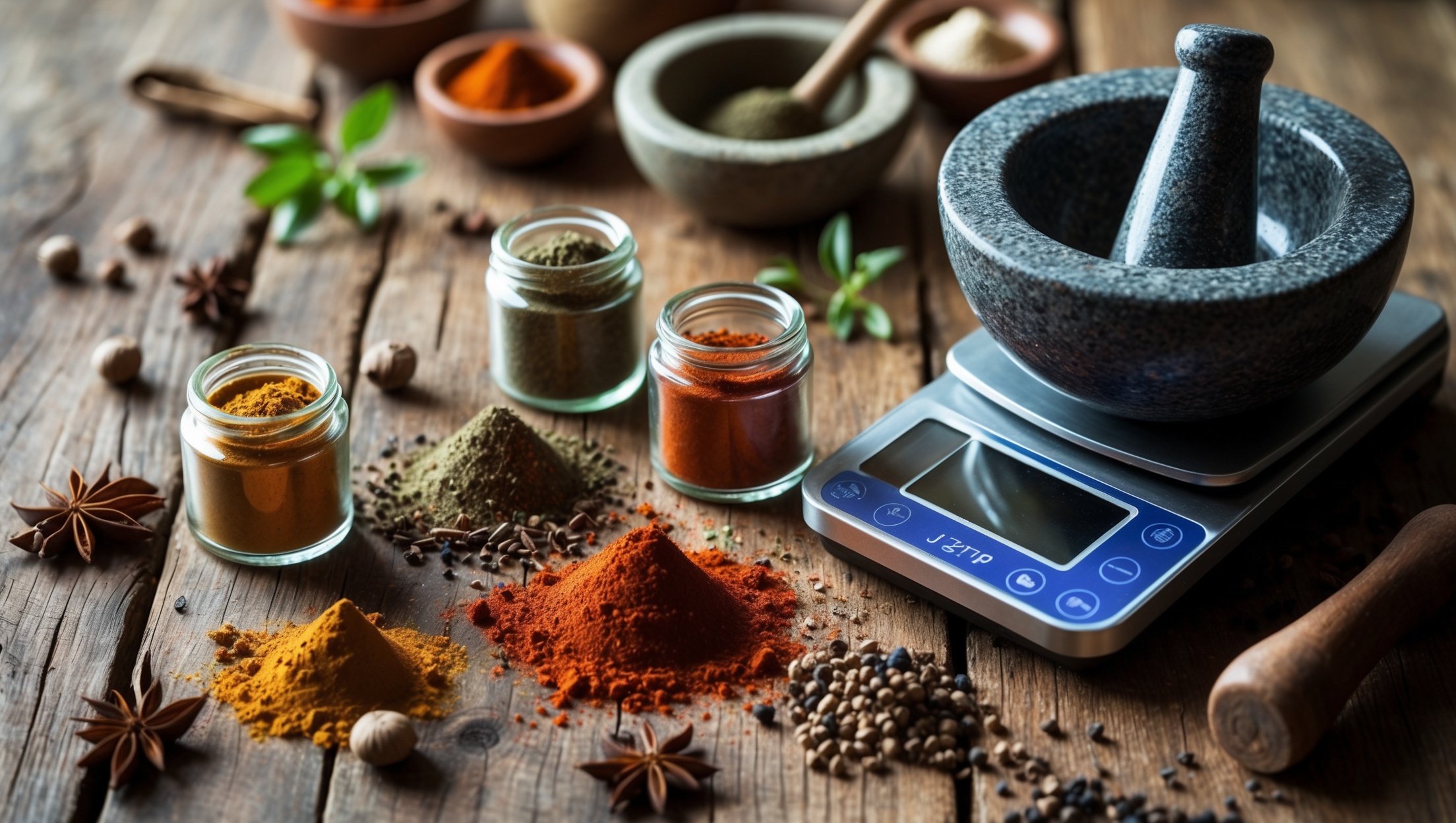
- Digital Scale: Ensures consistency in batch sizes and flavor ratios.
- Baking Sheets & Racks: For cooling and setting flavored or coated popcorn, especially caramel or chocolate varieties.
- Heat Sealer: Essential for packaging freshness.
- Food-Safe Gloves & Scoops: Maintain hygiene and portion control.
Storage and Freshness
- Airtight Containers: Preserve base popcorn and pre-mixed seasonings.
- Humidity Control Packs: Useful for maintaining crispness, especially in humid areas.
Step-By-Step Production: The Craft of Small-Batch Popcorn
1. Sourcing Quality Kernels
Opt for non-GMO, high-expansion popcorn varieties from reputable suppliers. The kernel’s quality directly impacts texture and flavor absorption.
2. Popping Technique
- Preheat the popper with a measured amount of oil (if using).
- Add kernels, ensuring even distribution.
- Agitate continuously for uniform popping and to prevent burning.
- Transfer immediately to a mixing bowl to avoid steam buildup (which softens popcorn).
3. Flavoring and Finishing
- Add dry seasonings while the popcorn is still warm for optimal adhesion.
- For coated varieties (caramel, chocolate), prepare the coating separately, then toss and bake as needed for setting.
- Test and record flavor ratios for consistency.
4. Packaging
- Weigh and portion into food-safe pouches.
- Seal immediately and affix branded labels.
- Store in a cool, dry place until delivery or sale.
Compliance and Permits: Navigating Regulations
Cottage Food Laws and Kitchen Requirements
Many states allow the production of shelf-stable snacks like popcorn under cottage food laws, but requirements vary. Key steps:
- Check your state’s cottage food law for permitted products, labeling rules, and annual sales caps.
- Register your home kitchen or find a licensed commercial kitchen if required.
- Pass any necessary food safety or handling courses.
Labeling and Allergen Disclosure
- Ingredient lists must be complete and clear.
- Highlight allergens (milk, soy, nuts, etc.) as per FDA guidelines.
- Include your business name, address, and production date or best-by date.
Marketing that Pops: Real-World Strategies
Brand Storytelling
Customers crave connection. Share your journey, ingredient sourcing stories, and flavor inspiration on your website and packaging. Whisk & Kernel’s “flavor of the month” series, inspired by local harvests, became a social media favorite.
Sampling and Farmers’ Markets
- Offer free samples at local markets to build buzz and collect feedback.
- Rotate seasonal flavors to encourage repeat visits.
- Display ingredient jars and flavor boards to spark curiosity.
Collaborations and Gifting
- Partner with cafes, breweries, or cheese shops for cross-promotions.
- Create limited-edition gift boxes for holidays and corporate events.
- Leverage local food bloggers or micro-influencers for honest reviews.
Online Presence
- Maintain an easy-to-navigate website with e-commerce capability.
- Use Instagram and TikTok to showcase behind-the-scenes production and mouthwatering close-ups.
- Share customer testimonials and creative recipes using your popcorn.
Maintenance and Quality Control: Keeping Standards High
Batch Testing
- Sample each batch for taste and texture before packaging.
- Maintain a flavor logbook to track feedback and adjust recipes.
Sanitation and Storage
- Sanitize equipment after each use to prevent cross-contamination.
- Monitor humidity and temperature in your storage area.
- Rotate stock using first-in, first-out (FIFO) methods.
Common Myths Debunked
- Myth: Gourmet popcorn is only about exotic seasonings.
Reality: Kernel quality, popping technique, and freshness matter just as much as flavorings. - Myth: You need a commercial kitchen to start.
Reality: Many states allow shelf-stable snacks under home-based permits, though requirements vary. - Myth: Popcorn isn’t healthy.
Reality: When air-popped and lightly seasoned, popcorn is a whole-grain, fiber-rich snack. The health profile depends on ingredients and portioning.
Conclusion: Craft, Consistency, and Community
Building a boutique popcorn brand is more than just popping kernels—it’s about honoring craft, responding to culinary trends, and building a loyal community around your product. The journey from small kitchen batches to a thriving gourmet snack business requires a blend of creativity, precision, and entrepreneurial grit. By understanding cost structures, investing in the right equipment, and embracing regulatory requirements, you lay a foundation for both quality and compliance. But the real magic lies in flavor innovation and storytelling—inviting customers to experience popcorn in new, memorable ways.
Whether you’re experimenting with matcha and white chocolate or crafting a perfect chili-lime blend, let your own taste and curiosity guide you. Stay alert to seasonal ingredients, listen to customer feedback, and never underestimate the power of a well-earned reputation for consistency and freshness. The boutique popcorn scene is dynamic, welcoming, and full of opportunity for those willing to put in the work. So, gather your kernels, prep your popper, and get ready to make popcorn that truly pops—both in flavor and in the hearts of your customers.
Could you elaborate on the budgeting strategy mentioned in the case study? I’d like to know what percentage of startup costs typically goes toward packaging versus ingredients when aiming for an artisanal, Instagrammable product.
In the case study, the budgeting strategy highlights that for an artisanal, Instagrammable popcorn brand, packaging can take up a significant portion of startup costs—often around 30–40%. This is because visually appealing, custom packaging is essential for standing out online. Ingredients generally make up about 20–30% of the initial costs, especially if you’re sourcing high-quality or specialty items. The remaining budget usually covers equipment, licensing, marketing, and other operational needs.
I’m curious about the budget side—how much did the founder of Whisk & Kernel have to invest upfront before seeing any real traction or profit, especially considering the cost of specialty ingredients and packaging?
The article explains that Whisk & Kernel’s founder invested roughly $15,000 upfront. This amount covered initial expenses like high-quality specialty ingredients, branded packaging, equipment, and small-batch production runs. The founder didn’t see real traction or break even until a few months in, as initial costs for premium materials and packaging were significant compared to standard options. A careful approach to batch sizing helped manage costs until sales started to pick up.
Could you share more specifics on how Whisk & Kernel initially researched and decided which flavor trends to pursue? I’m trying to figure out how much effort and cost should go into flavor testing before actually launching a new gourmet popcorn variety.
Whisk & Kernel began by monitoring food trend reports, visiting specialty food markets, and engaging with potential customers through taste tests at local events. They kept initial testing simple and low-cost by making small batches and gathering direct feedback. This approach helped them identify popular flavors before scaling up. For your own brand, consider balancing cost with feedback quality—start with informal surveys and sample tastings before committing to larger production runs.
Could you elaborate on which global flavors turned out to be the most successful for Whisk & Kernel at farmers’ markets? Were there any flavor experiments that did not resonate with your target customers?
For Whisk & Kernel, global flavors like Thai Chili Lime and Truffle Parmesan were standout successes at farmers’ markets, drawing the most interest and repeat purchases. On the other hand, more adventurous options such as Wasabi Seaweed and Tamarind Spice didn’t connect as well with the local customer base and were eventually phased out. Customer feedback played a big role in determining which flavors stayed on the menu.
For someone just starting with small-batch popcorn from a home kitchen, what would you say is the most critical first step—focusing on flavor experimentation or dialing in production costs?
When starting small-batch popcorn at home, it’s most important to focus on flavor experimentation first. Unique and delicious flavors will help your brand stand out and attract early customers. Once you’ve found recipes that people love, you can then work on refining your production process and controlling costs as you scale up.
I’m really interested in how Whisk & Kernel managed pricing, especially when moving from farmers markets to specialty stores and gift baskets. Did their cost per bag increase significantly with upscale ingredients like truffle oil, or did they find ways to keep margins healthy?
Whisk & Kernel did see their ingredient costs rise, especially when using upscale items like truffle oil or artisanal salts. However, as they shifted to specialty stores and gift baskets, they positioned their popcorn as a premium product and were able to charge higher retail prices. This approach allowed them to maintain healthy margins despite the increased cost per bag. They also kept an eye on portion sizes and worked with suppliers for better bulk pricing.
I noticed Whisk & Kernel transitioned pretty quickly from kitchen batches to being in specialty stores within two years. What were the main operational challenges during that jump, especially around maintaining quality and consistency in bigger batches, and how did the founder address those?
When Whisk & Kernel scaled up production, the main challenges were keeping the same artisanal quality and ensuring every batch tasted identical. The founder tackled this by investing in small-batch commercial equipment, standardizing recipes down to precise weights and times, and training staff thoroughly. She also did regular taste tests and quality checks, so even as production grew, the popcorn stayed true to the original kitchen-made version.
The article mentions strategic budgeting as one of the keys to moving from kitchen experiments to being stocked in stores. Could you break down what some of the biggest initial costs were when starting Whisk & Kernel, and how those compared to ongoing expenses later on?
Certainly! For Whisk & Kernel, some of the biggest initial costs included purchasing commercial-grade popcorn machines, securing packaging materials, and covering licensing or health inspection fees. Upfront marketing expenses, like branding and website setup, were also significant. Later on, ongoing expenses shifted more towards ingredient restocking, packaging replenishment, staff wages, and regular store distribution costs. Essentially, the early phase is heavier on equipment and compliance, while operational costs grow as production and distribution scale up.
Do you have any insights on how Whisk & Kernel identified which global flavor trends would actually resonate with their local customers before investing in new recipes? Were there any surprises in what flavors worked or didn’t?
Whisk & Kernel used a mix of customer surveys, local tasting events, and analysis of international snack trends to gauge which global flavors might appeal to their audience. They discovered that while bold flavors like Thai chili were popular in global reports, their customers favored slightly milder twists, such as honey sriracha. A big surprise was the popularity of tangy tamarind, which outperformed expected favorites like matcha or truffle.
You mention that Whisk & Kernel became established in specialty shops and gift baskets within just two years. What were the biggest early hurdles in scaling up from farmers’ markets to retail shelves, particularly regarding packaging and meeting retail requirements?
Whisk & Kernel faced several early hurdles moving from farmers’ markets to retail shelves. Packaging had to be upgraded to meet shelf-life and branding standards, which meant finding suppliers for food-safe, attractive, and tamper-evident packaging. Meeting retail requirements also involved ensuring consistent product quality, proper labeling with nutrition facts, and obtaining certifications. Navigating these regulations and scaling up production while maintaining craft quality were some of the most challenging steps in their early growth.
You talk about practical cost analysis when launching a boutique popcorn brand. Could you give more detail on what the biggest upfront costs are and how long it generally takes to break even for a small-batch operation like this?
The biggest upfront costs usually include equipment for popping and packaging, initial inventory of kernels and flavorings, packaging materials, and necessary permits or certifications. Renting kitchen space or a storefront is another major expense. For small-batch popcorn brands, breaking even can take anywhere from 8 months to 2 years, depending on your sales volume, pricing, and marketing effectiveness. Tracking costs closely and adjusting as you grow can help shorten that timeline.
After getting stocked in specialty shops and cafes, what were the biggest logistical challenges Whisk & Kernel faced with scaling production while maintaining quality, and do you have any advice for handling that transition for other small-batch producers?
Whisk & Kernel struggled most with keeping batch consistency and freshness as orders increased. Sourcing enough high-quality ingredients and upgrading kitchen equipment were also big hurdles. For other small-batch producers, it’s helpful to standardize recipes, invest in scalable equipment early, and establish strong supplier relationships. Regular quality checks at each production stage can prevent issues before they reach customers.
The article talks about moving from farmers’ markets to being stocked in cafes and gift baskets in under two years. What were the most effective steps or partnerships that helped Whisk & Kernel break out of that local farmers’ market stage?
Whisk & Kernel’s most effective steps included partnering with local cafés that valued artisan products and reaching out directly to gift basket companies looking for regional treats. Consistent branding, attractive packaging, and building relationships with café owners played a key role. Their initial focus on limited-edition flavors also helped generate buzz and word-of-mouth, making their popcorn a sought-after item beyond the farmers’ market.
If someone wanted to start their own boutique popcorn brand now, how long would it realistically take to get from kitchen experiments to being stocked in local shops, based on what you outlined in the Whisk & Kernel case study?
Based on the Whisk & Kernel case study, moving from initial kitchen experiments to having your popcorn stocked in local shops could realistically take about 6 to 12 months. This timeline includes recipe development, sourcing ingredients and packaging, meeting food safety requirements, and reaching out to retailers. The process can be faster or slower depending on your resources and how quickly you can scale production.
The article talks about strategic budgeting and practical cost analysis when starting a gourmet popcorn brand. Could you break down some of the main upfront costs to expect if launching at a farmers’ market, especially for small-batch production?
When starting a small-batch gourmet popcorn business for a farmers’ market, expect upfront costs for basic equipment like a popcorn machine, packaging supplies, and ingredient stock. You’ll also need to budget for market stall fees, permits, and initial branding materials such as signage. If you want to offer unique flavors, sourcing premium ingredients may increase your ingredient costs a bit, but it helps set your product apart.
How did Whisk & Kernel figure out which flavor trends to pursue when they were starting out? Did they test different recipes with friends or get feedback at farmers’ markets before committing to a product lineup?
Whisk & Kernel identified flavor trends by researching emerging tastes in the snack industry and keeping an eye on what was popular locally. They did test a variety of recipes with friends and family first, gathering honest opinions. Before finalizing their product lineup, they also brought samples to farmers’ markets, where direct feedback from customers helped them decide which flavors to keep or drop.
The article highlights how Whisk & Kernel grew from kitchen experiments to being sold in local shops. For someone juggling a side hustle, about how long does it typically take to go from farmers’ market sales to getting into retail locations like specialty stores?
Moving from farmers’ markets to specialty retail stores usually takes anywhere from 6 months to 2 years. The timeline depends on factors like your production capacity, how quickly you can meet food safety requirements, branding efforts, and building relationships with store buyers. Many brands spend their first year refining recipes and operations before approaching retailers, so patience and persistence are key.
I’m curious about how the founder of Whisk & Kernel decided which flavor trends to actually invest in for her first few popcorn varieties. Was there a way to test flavors cheaply before settling on a smaller lineup for farmers’ markets?
The founder of Whisk & Kernel used a mix of online trend research and direct, low-cost taste testing with friends, family, and local food groups to gauge initial reactions to flavor ideas. By making small sample batches at home, she was able to collect feedback before committing to larger runs. This approach kept costs low and helped her narrow down the most popular flavors for her first farmers’ market lineup.
With all the artisanal popcorn options out there now, how did Whisk & Kernel manage to stand out at farmer’s markets and get picked up by specialty shops so quickly? Were there particular marketing tactics or partnerships that made the biggest difference in building their local presence?
Whisk & Kernel set themselves apart by focusing on unique, locally inspired flavor combinations and using high-quality, organic ingredients. At farmer’s markets, they offered free tastings and engaging demos, which helped them connect with customers directly. They also collaborated with local coffee shops and breweries to create limited-edition flavors, which generated buzz and led to specialty shops noticing their products. These grassroots partnerships and interactive market experiences played a big role in building their early presence.
You mention that Whisk & Kernel went from kitchen experiments to being stocked in shops within two years. Could you share more about what the biggest budgeting challenge was during that growth period, especially when scaling up from farmers’ markets to retail shelves?
One of the biggest budgeting challenges Whisk & Kernel faced was managing the higher upfront costs of packaging and meeting retailers’ order minimums. Transitioning from farmers’ markets to retail meant investing in branded packaging that met store standards and ordering larger ingredient quantities, both of which tied up more capital. Cash flow planning became crucial, as payments from shops often came weeks after delivery, creating a gap they needed to bridge.
When developing Instagrammable popcorn presentations, did the founder prioritize packaging design or the visual appeal of the popcorn itself? I’m curious what made the biggest impact in catching customer attention at specialty shops.
The founder placed a strong emphasis on both packaging design and the visual appeal of the popcorn, but packaging design had the edge in terms of initial customer impact at specialty shops. Eye-catching packaging helped the product stand out on shelves and attracted people to take a closer look, while the vibrant popcorn colors and creative toppings further encouraged purchases once customers engaged with the product.
How did the founder figure out which flavor combinations, like truffle oil or matcha white chocolate, would actually appeal to customers before making bigger batches? Was there a specific process for testing or gathering feedback?
The founder started by creating small test batches of unique flavors, such as truffle oil and matcha white chocolate. These batches were shared at local markets and pop-up events where customers could sample them. Feedback was gathered directly through tasting, informal surveys, and by noting which flavors sold out quickest. This hands-on approach helped identify which combinations resonated before committing to larger production runs.
Could you share more about how Whisk & Kernel identified which trends to pursue with their flavors? Did they do formal market research, or was it mostly based on personal taste and customer feedback at farmers’ markets?
Whisk & Kernel combined several approaches when deciding which trends to follow for their popcorn flavors. They did some informal market research by observing popular flavors and snack trends, but much of their inspiration came from direct customer feedback at farmers’ markets and their own culinary interests. This blend allowed them to experiment with bold ideas while staying responsive to what their customers enjoyed most.
You mentioned leveraging farmers’ markets as a way to test flavors and build a customer base. From your experience, how long did it take to move from those first market experiments to approaching local shops for wholesale deals?
From the case study, the transition from selling at farmers’ markets to approaching local shops for wholesale deals typically took about 6 to 8 months. This period allowed enough time for the brand to refine flavors, build a following, and gather valuable feedback. Once there was steady demand and positive reviews, it made sense to start pitching to local retailers with proven products and some real customer traction.
When moving from making popcorn at home to getting it into cafes and gift baskets, what were the biggest challenges with meeting food safety requirements or larger batch production? Any advice for navigating those early growing pains?
One of the biggest challenges was adapting home recipes to commercial kitchen standards while ensuring every batch met local food safety regulations. Scaling up meant learning to document every process, maintain strict cleanliness, and invest in proper equipment. My advice is to connect with your local health department early, keep detailed production records, and never skip staff training on safe handling. These steps help smooth out the transition and build customer trust.
You mentioned keeping up with flavor trends like matcha white chocolate and chili-lime. How do you figure out which new flavors are actually worth the investment in production, versus ones that might just be a short-lived trend?
To decide which new flavors are worth investing in, we usually start with small test batches and gather feedback from customers through tastings or online polls. We also track sales data and monitor social media trends to see which flavors have lasting appeal. If a flavor maintains strong interest and sales over a few months, it’s more likely to be worth scaling up for full production.
I noticed that farmers’ markets played a role in the early growth of Whisk & Kernel. For someone just starting, would you recommend focusing on local markets first, or is it better to target direct-to-consumer online sales right away?
Starting at local farmers’ markets can be very effective for building a boutique food brand like Whisk & Kernel. These markets offer direct feedback, help you refine your product, and build a loyal local following. Once you understand your audience and have fine-tuned your offerings, you can expand into direct-to-consumer online sales with a stronger brand and customer base.
Could you share more details about the initial budget for Whisk & Kernel, especially when it came to sourcing quality ingredients for small batches? I want to make sure I’m realistic about up-front costs when starting from my home kitchen.
For Whisk & Kernel, the initial budget for quality ingredients was around $500–$800. This covered small-batch purchases of premium popcorn kernels, oils, seasonings, and packaging. Sourcing from local suppliers and buying in modest quantities helped control costs and minimize waste. It’s wise to allocate extra funds for test batches as you refine recipes, and remember that prices can vary based on region and ingredient choice.
With all the unique flavor trends like truffle oil or matcha white chocolate, how do you decide which new flavors to test without overextending your budget or inventory when first starting out?
When starting out, it helps to test new flavors in small batches and gauge customer interest before committing to larger production. You can also run limited-time promotions to see which flavors resonate most. Focusing on a few on-trend options that align with your brand identity keeps costs manageable and avoids tying up inventory in slow-moving flavors.
For someone looking to follow a similar path, could you share more about the timeline? How long did it take Whisk & Kernel to go from testing recipes at home to landing its first wholesale order, and what were the biggest learning moments during that period?
Whisk & Kernel spent about nine months moving from initial home recipe testing to securing its first wholesale order. The earliest months focused on flavor development and small-scale sampling, followed by refining packaging and branding. Key learning moments included realizing the importance of shelf-life testing, having a reliable supply chain for ingredients, and understanding wholesale pricing. Adapting to feedback from early testers also shaped their final product offerings.
With flavor trends like matcha white chocolate and black garlic gaining traction, how did Whisk & Kernel figure out which flavors would actually sell at local farmers’ markets versus what just sounds trendy on paper? Any tips for testing new flavors before scaling up?
Whisk & Kernel combined market research with hands-on testing to choose flavors. They observed local preferences, talked to farmers’ market customers, and offered small sample batches to gauge reactions. If a flavor got repeat requests or quick sellouts, they considered it for larger production. For your own testing, try limited releases or offer taste tests at events—direct feedback is invaluable before scaling up any new flavor.
After Whisk & Kernel gained traction and started selling in specialty shops and corporate gift baskets, what challenges did they face scaling production without sacrificing quality or the small-batch feel? Any advice for maintaining consistency as a business grows?
Whisk & Kernel faced challenges like sourcing larger quantities of premium ingredients, maintaining strict quality control, and automating some processes without losing their handcrafted touch. To keep consistency, it’s important to document recipes and procedures thoroughly, train new staff carefully, and test batches regularly. Staying transparent about your process and communicating your values to customers can help retain that small-batch appeal even as you grow.
I’m trying to figure out if focusing on global flavors or health-conscious recipes would be a better niche for my own popcorn side hustle. Based on your research, which trend is seeing the most consistent customer demand right now?
Our research shows that while both global flavors and health-conscious recipes are gaining traction, health-conscious popcorn—think low-calorie, organic, or allergen-free options—tends to see steadier demand. Consumers are increasingly looking for snacks that align with dietary needs and wellness trends. However, unique global flavors can set you apart if you can balance taste with healthier ingredients. Blending the two could also be a winning approach.
After Whisk & Kernel secured spots in specialty shops and corporate gift baskets, what were the biggest operational challenges in scaling up from home kitchen batches? I’d love to hear more about any hurdles with packaging, production, or distribution that came up during that transition.
When Whisk & Kernel scaled up from home kitchen batches to supplying stores and corporate gifts, they faced major hurdles with consistent batch quality, sourcing packaging materials in larger volumes, and meeting stricter labeling requirements. Production bottlenecks appeared as equipment and processes had to be upgraded. Distribution also became more complex, requiring reliable logistics partners and better inventory tracking to ensure orders were fulfilled on time.
After establishing Whisk & Kernel in specialty shops and gift baskets, what were the next steps for scaling the business? I’d love to know if there were specific milestones or metrics that signaled it was time to expand beyond small-batch production.
Once Whisk & Kernel gained traction in specialty shops and gift baskets, the focus shifted to tracking demand consistency and sell-through rates. Key milestones included seeing repeated wholesale orders, customer waitlists, and reaching production capacity limits. These signs indicated healthy demand, prompting the team to research larger-scale manufacturing, negotiate with distributors, and invest in automation. Expanding beyond small-batch production was guided by clear sales growth, stable cash flow, and the ability to maintain product quality at higher volumes.
I’m curious about the costing aspect you mentioned. In the early days of Whisk & Kernel, what were some unexpected expenses that came up during small-batch production or farmers’ market sales, and how did the founder manage those costs?
During Whisk & Kernel’s early days, some unexpected costs included higher-than-expected packaging expenses, last-minute ingredient shortages, and booth fees at farmers’ markets. There were also costs for sampling supplies and occasional equipment repairs. The founder managed these by negotiating bulk deals with suppliers, sharing market booth space with other vendors when possible, and closely tracking cash flow to prioritize the most essential expenses.
I’m curious how Whisk & Kernel managed to keep production costs down when using high-quality ingredients like truffle oil and matcha. Was there a specific budgeting strategy or supplier choice that helped balance quality and profitability?
Whisk & Kernel kept production costs manageable by sourcing ingredients directly from specialty suppliers in bulk, which lowered per-unit prices even for premium items like truffle oil and matcha. They also focused on seasonal menu planning to take advantage of better ingredient pricing and worked closely with local partners for freshness and cost efficiency. This strategic supplier selection and careful inventory management helped them maintain both quality and profitability.
I noticed you talked about the shift from small-batch kitchen experiments to being stocked in specialty shops. What were the biggest challenges in scaling up production without losing the artisanal quality of the popcorn?
One of the main challenges was maintaining the handcrafted taste and texture while increasing batch sizes. It meant carefully adjusting recipes, investing in better equipment, and training staff to follow precise methods. Sourcing high-quality ingredients in larger quantities without compromising standards was also tricky. Regular quality checks and small-scale test batches helped ensure that each batch stayed true to the brand’s artisanal roots.
The article mentions balancing global flavors with health consciousness in your popcorn recipes. Have you found certain flavor trends—like chili-lime or black garlic—resonate better with health-focused customers, or does it depend more on how you market them?
Health-focused customers do respond well to certain global flavors, particularly those that feel natural and use clean-label ingredients. Flavors like chili-lime and black garlic tend to resonate if they’re associated with real spices and minimal additives. However, how you communicate the health benefits and authenticity—such as highlighting natural ingredients or low-calorie content—can make an even bigger difference in their appeal.
I’m curious about scaling from making popcorn at home to producing enough for specialty shops and gift baskets. What kind of equipment upgrades or new processes did Whisk & Kernel need as demand increased, and were there any hurdles they didn’t anticipate?
Whisk & Kernel had to move from home kitchen tools to larger-scale equipment like commercial popcorn poppers, industrial mixers for coating, and packaging machines to handle bigger batches efficiently. They also invested in upgraded storage to maintain freshness. One unexpected hurdle was meeting food safety regulations at scale, which required more rigorous processes and certifications than they originally anticipated. Sourcing consistent, high-quality ingredients in larger quantities also proved more challenging than expected.
If I wanted to start with just a couple of unique popcorn flavors and maybe sell at farmers’ markets, what would be the first steps you’d recommend, especially for someone who doesn’t have a background in food production or marketing?
Begin by experimenting with small batches of your chosen flavors at home to perfect your recipes and ensure consistency. Once you’re happy with the results, check local food safety regulations for selling homemade goods at farmers’ markets. You’ll likely need permits or inspections. Next, develop simple but eye-catching packaging, and create a basic cost breakdown so you understand your pricing. Networking with local market organizers can also help you secure a booth and learn best practices from other vendors.
You mentioned strategic budgeting in the cost analysis section. What were some unexpected expenses you faced during the first year of getting your boutique popcorn brand off the ground, and how did you handle them without going over your initial budget?
Some unexpected expenses we encountered included higher-than-anticipated shipping costs, last-minute packaging redesigns due to labeling regulations, and equipment repairs. To handle these without exceeding our budget, we created a small contingency fund from the beginning, prioritized essential expenses, and renegotiated supplier contracts where possible. Careful tracking helped us catch issues early and adjust our spending quickly.
How much time did it actually take for Whisk & Kernel to go from selling at farmers’ markets to getting stocked in specialty shops, and were there any challenges with scaling up production for those larger orders?
Whisk & Kernel spent about 18 months transitioning from local farmers’ markets to being stocked in specialty shops. The biggest challenge with scaling up was adjusting their production processes to handle larger batch sizes without sacrificing quality. They also had to find reliable suppliers and upgrade some equipment to meet increased demand, which took some trial and error before things ran smoothly.
Can you elaborate on the budgeting process described for launching Whisk & Kernel? Specifically, what were some of the biggest unexpected costs that came up when scaling from kitchen experiments to being stocked in local shops?
Scaling Whisk & Kernel from home experiments to local shops brought some surprise expenses. Packaging minimums turned out to be costly, since suppliers often require large orders. Upgrading to commercial kitchen equipment and getting necessary certifications also added to unexpected costs. Additionally, distribution fees and insurance for retail sales were more expensive than anticipated, so those should definitely be factored into your budget early on.
Could you elaborate on how Whisk & Kernel balanced culinary adventure with approachable snacking when crafting their flavor lineup? I’m curious what process was used to test which bold flavors would resonate with a broader customer base, especially in the early farmers’ market phase.
Whisk & Kernel approached their flavor lineup by starting with a mix of inventive and classic options, ensuring there was something for both adventurous and traditional snackers. During the early farmers’ market phase, they offered small-batch samples, gathered on-the-spot feedback, and closely observed customer reactions. This allowed them to fine-tune bold flavors and keep those that appealed to a wider audience, while still experimenting with unique combinations in limited runs.
Once Whisk & Kernel got their popcorn into local cafes and gift baskets, what strategies did they use to keep their snacks fresh and appealing compared to bigger brands with more resources?
Whisk & Kernel focused on small-batch production, which allowed them to keep their popcorn fresher than mass-produced brands. They also invested in high-quality resealable packaging to maintain crispness. To keep their snacks appealing, they regularly introduced seasonal flavors and collaborated with local cafes for exclusive blends, making their offerings feel unique and constantly interesting to customers.
With all these global and seasonal flavors coming into play, how did Whisk & Kernel handle sourcing unique ingredients in smaller quantities without breaking the bank, especially when starting out?
Whisk & Kernel managed sourcing for their unique flavors by partnering with local specialty food suppliers who offered small-batch ingredients. They sometimes collaborated with farmers’ markets and co-ops to buy just what they needed for seasonal batches. This approach helped keep costs down and reduced waste, while also allowing them to experiment with global flavors without committing to large, expensive orders.