
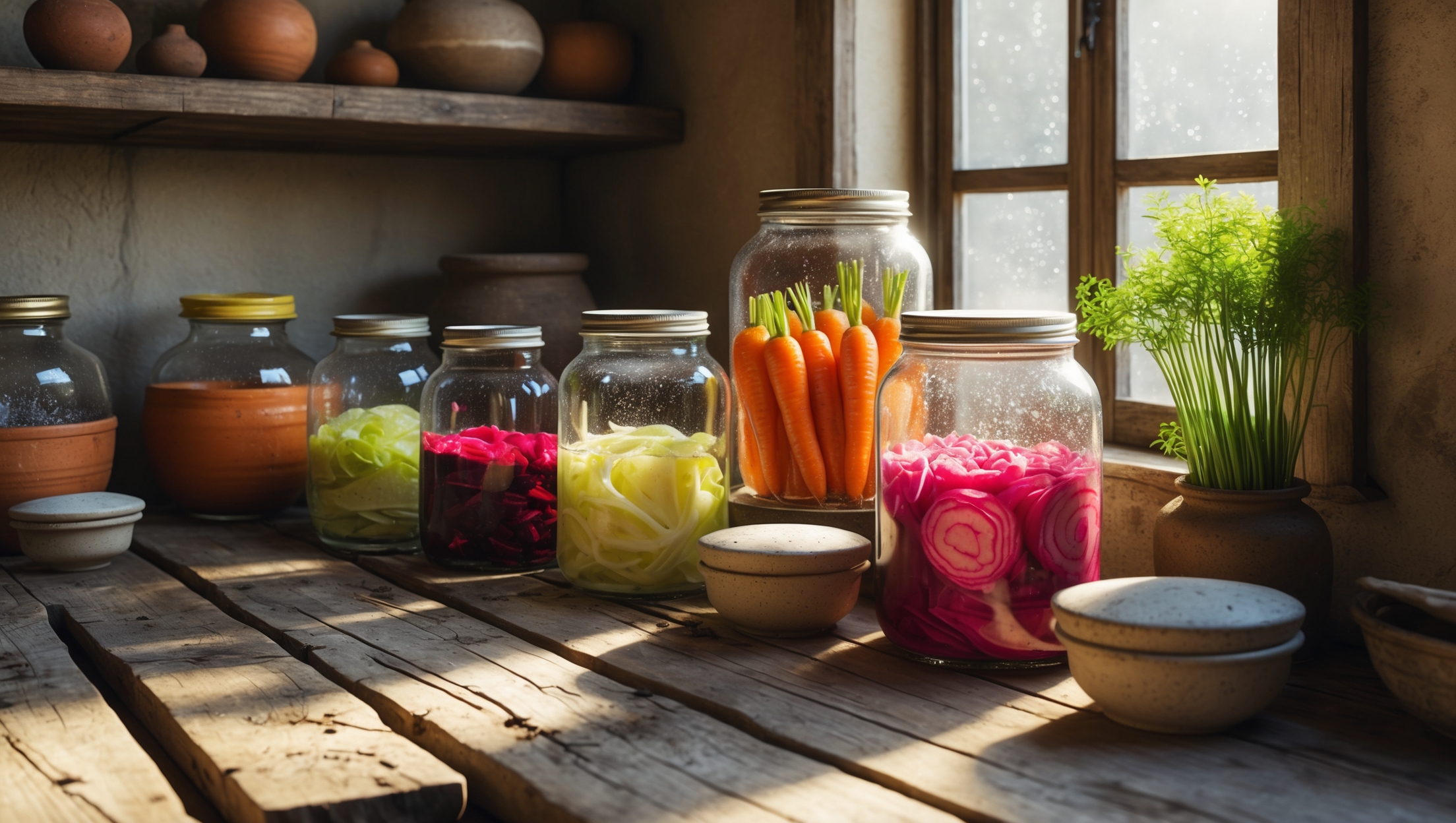
Introduction: The Allure and Challenge of Home Fermentation
Fermentation is more than a culinary trend—it’s a transformative journey that brings together science, tradition, and tantalizing flavor. From tangy kimchi to effervescent kombucha and savory miso, fermented foods offer unique taste profiles and a host of benefits, including enhanced nutrition, probiotics, and preservation. Yet, for many home cooks and aspiring food artisans, fermentation can seem mysterious, even daunting. Stories of failed batches, funky odors, and safety worries often discourage experimentation. But here’s the truth: with the right knowledge, tools, and attention to detail, anyone can master fermentation at home. This in-depth guide explores the most frequent mistakes people make, provides actionable safety tips, and shares secrets for consistent, delicious results. Whether you’re a curious beginner or a seasoned fermenter looking to refine your craft, you’ll discover how to avoid pitfalls and unlock the full potential of this ancient art—turning your kitchen into a fermentation haven while keeping every batch safe and satisfying.
Understanding the Foundations of Fermentation
What Is Fermentation?
Fermentation is a metabolic process where microorganisms like bacteria, yeast, or molds convert sugars and other carbohydrates into acids, gases, or alcohol. This transformation not only preserves food but also develops complex flavors and textures. There are several types of fermentation—lactic acid (used in sauerkraut and yogurt), alcoholic (beer, wine), and acetic acid (vinegars)—each with distinct microbes and characteristics.
Why Ferment at Home?
- Flavor Exploration: Homemade ferments let you control ingredients, flavors, and textures.
- Health Benefits: Live cultures support gut health and digestion.
- Cost Savings: DIY fermentation is often cheaper than store-bought alternatives.
- Connection to Culinary Heritage: Fermentation links you to age-old food traditions from around the world.
The Most Common Fermentation Mistakes (And How to Avoid Them)
1. Using Unclean Equipment
Cleanliness is paramount in fermentation. Residual soap, old food particles, or dust introduce unwanted microbes that can spoil your batch or cause off-flavors. Always wash jars, weights, lids, and utensils thoroughly with hot water. Sterilization isn’t always necessary, but everything should be scrupulously clean and well-rinsed.
2. Ignoring Salt Measurements
Salt acts as a gatekeeper, encouraging beneficial bacteria while deterring harmful ones. Too little salt can allow spoilage organisms to thrive; too much can inhibit fermentation altogether. Weigh your ingredients and use precise salt ratios—generally 2–2.5% salt by vegetable weight for most lactic acid ferments.
3. Poor Ingredient Quality
Fermentation doesn’t fix bad produce. Use the freshest, highest-quality vegetables, fruits, or grains you can find. Avoid bruised, moldy, or overly soft items. Organic and locally grown options are ideal, as they often harbor beneficial native microbes.
4. Skipping the Submersion Step
Most ferments require anaerobic (oxygen-free) conditions. If vegetables or brine are exposed to air, mold and yeast can develop. Always use fermentation weights, cabbage leaves, or food-grade bags to keep ingredients submerged beneath the brine. Check daily for floaters and remove them promptly.
5. Inconsistent Temperatures
Fermentation is temperature-sensitive. Too cold, and the process slows to a crawl; too hot, and undesirable bacteria may flourish. Most vegetable ferments thrive at 65–75°F (18–24°C). Use a thermometer and avoid placing fermenting jars near ovens, windows, or direct sunlight.
6. Sealing Jars Too Tightly
Ferments generate gases. Sealing jars with airtight lids can result in dangerous pressure buildup or burst containers. Use fermentation lids with airlocks, or simply cover jars with a clean cloth and rubber band. If using screw-top lids, “burp” them daily to release gas.
7. Neglecting to Taste and Monitor Progress
Fermentation isn’t a set-it-and-forget-it process. Flavors, acidity, and textures evolve daily. Start tasting after a few days; continue until you find your preferred balance. Monitor for off-odors or visible spoilage, and trust your senses—if something smells truly rotten, discard it.
8. Disregarding Water Quality
Chlorine and chloramine in tap water can inhibit fermentation. Use filtered or dechlorinated water for brines. If you must use tap water, let it sit out overnight to allow chlorine to dissipate, or boil and cool it before using.
9. Overfilling or Underfilling Jars
Leave enough headspace (about one inch) at the top of fermenting jars to allow for expansion and bubbling. Overfilled jars can overflow; underfilled ones may expose ingredients to air. A full but not overflowing jar is the goal.
10. Rushing or Delaying the Process
Every ferment has an optimal window. Rushing to eat it too soon may yield bland results; leaving it too long could lead to mushy textures or excessive sourness. Follow recipes, but also adapt based on your kitchen conditions and taste preferences.
Fermentation Safety: Essentials for Every Batch
Recognizing Safe vs. Unsafe Signs
- Safe: Fizzing, tangy or pleasantly sour aromas, brine bubbles, mild cloudiness.
- Potentially Unsafe: Fuzzy mold (blue, black, pink, orange), strong rotten or chemical odors, slimy textures, visible rot.
White yeast (kahm yeast) is common and usually harmless; skim it off. Mold, however, is a sign to discard the entire batch.
Preventing Contamination
- Sanitize all surfaces before starting a batch.
- Wash hands thoroughly or wear food-safe gloves.
- Store ferments away from garbage cans, compost bins, or dusty areas.
- Label jars with start dates and ingredients for easy tracking.
Food Safety for Special Populations
Immunocompromised individuals, pregnant women, and children should consult healthcare professionals before consuming homemade ferments. When in doubt, pasteurize finished products by briefly heating, though live cultures will be reduced.
Essential Tools for Home Fermentation Success
Must-Have Equipment
- Glass Jars or Ceramic Crocks: Non-reactive, easy to clean, and transparent for monitoring.
- Fermentation Weights: Keep contents submerged in brine.
- Fermentation Lids or Airlocks: Allow gases to escape while blocking contaminants.
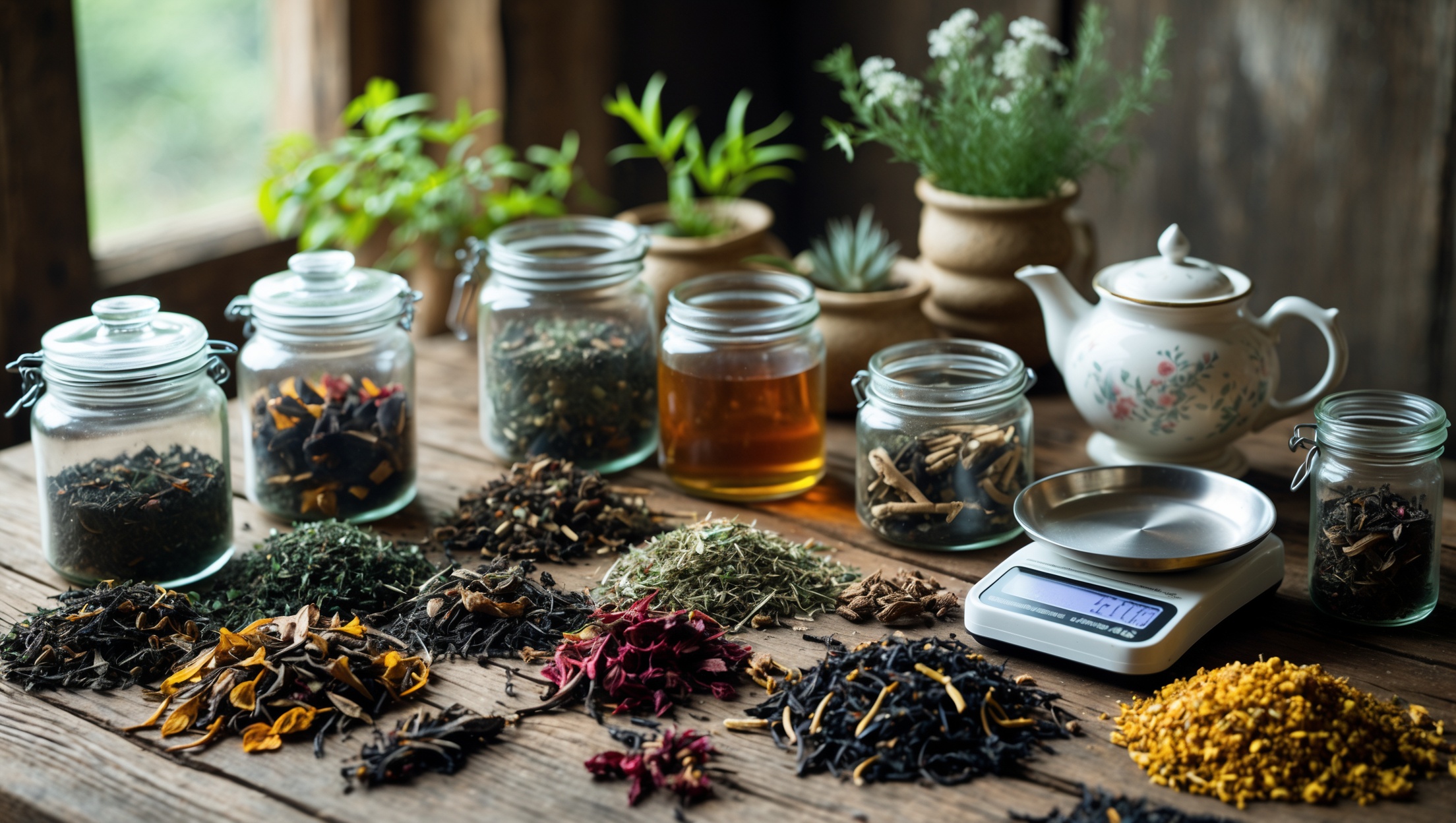
- Digital Scale: For precise salt and ingredient measurement.
- Fine-Mesh Strainer: Useful for removing solids or skimming yeast.
- Thermometer: Ensures optimal fermenting temperatures.
- pH Strips: Optional, but helpful for advanced monitoring of acidity.
Nice-to-Have Upgrades
- Mandoline or food processor for slicing vegetables evenly.
- Labeling supplies for easy batch tracking.
- Dedicated fermentation fridge for consistent temperature control.
Step-by-Step: Troubleshooting and Salvaging Fermentation Mistakes
When You Spot Mold
Surface mold (other than harmless kahm yeast) is a batch killer. Do not scrape off visible mold and consume the rest, as spores and toxins may be present throughout. Discard the batch and sanitize all equipment thoroughly before starting anew.
If Your Ferment Smells Off
Trust your senses. Sulfurous or rotting odors indicate spoilage. Occasionally, certain vegetables (like cabbage) emit strong smells early on, which dissipate. If in doubt, let the ferment progress for another day or two, but never consume anything that smells putrid or chemical-like.
Dealing with Kahm Yeast
Kahm yeast is a white, powdery film that sometimes forms on the surface. It’s not dangerous, but it can affect flavor and appearance. Skim it off with a clean spoon daily, and try to keep the ferment submerged more effectively in future batches.
Fixing Salty or Bland Ferments
- Too Salty: Rinse vegetables before serving, or mix with unsalted, fresh ingredients.
- Not Salty Enough: If caught early, add more brine at the correct ratio.
Mushy Textures
This can result from overfermentation, too much heat, or low salt levels. Use fresher produce, keep temperatures consistent, and stick to recommended fermenting times for future batches.
Crafting Consistency: Secrets to Fermentation Success
Batch Tracking and Documentation
Keep a fermentation journal. Record dates, ingredient weights, salt ratios, temperatures, and daily observations. Note flavor and texture changes, and tweak future recipes based on results. Over time, you’ll develop a personalized fermentation playbook.
Scaling Up Safely
Larger batches require proportionally scaled salt and brine ratios, as well as larger vessels. Monitor big ferments just as closely as small ones, and always err on the side of caution with cleanliness and submersion.
Experimenting with Flavors
- Start with classic recipes (sauerkraut, pickles, kimchi) before branching out.
- Add spices, herbs, or aromatics after mastering the basics.
- Try mixing vegetables for unique blends, but always research compatibility and recommended salt ratios.
Storing Finished Ferments
Once you’ve reached your ideal flavor and texture, move the ferment to cold storage (a fridge or cool cellar). This slows microbial activity and preserves quality. Use clean utensils when serving to prevent contamination.
Fermentation Myths: Debunking Common Misconceptions
- Myth: All fermentation requires starter cultures.
Truth: Many ferments rely on wild, naturally occurring microbes. - Myth: If a ferment looks cloudy or bubbly, it’s gone bad.
Truth: Cloudiness and bubbles are normal signs of active fermentation. - Myth: Homemade ferments are risky.
Truth: When done properly, fermentation is safe and has been practiced for millennia.
Seasonal Fermentation: Harnessing Freshness Year-Round
Spring and Summer
- Best for cucumbers, radishes, spring onions, and soft herbs.
- Fast fermentation due to warmer temperatures; monitor closely.
Autumn and Winter
- Ideal for cabbage, root vegetables, and hearty greens.
- Cooler temperatures mean slower, more nuanced flavor development.
Planning Your Fermentation Calendar
Take advantage of seasonal abundance. Plan ferments when produce is at peak freshness and most affordable. Preserve autumn harvests for winter enjoyment and experiment with new ingredients as they come into season.
Conclusion: Transforming Mistakes into Mastery
Fermentation is a living, breathing partnership between cook, ingredient, and microbe. Mistakes are inevitable—sometimes even serendipitous—but every failed batch brings invaluable lessons. By understanding the most common pitfalls, prioritizing safety, and embracing a spirit of experimentation, you can move from tentative beginner to confident fermenter. Start small, document each attempt, and don’t let a setback discourage you. The satisfaction of cracking open a perfectly tart kraut, sipping a fizzy homemade ginger beer, or sharing a crunchy pickle with friends is well worth the effort. Remember: cleanliness, quality ingredients, meticulous submersion, and patience are your best allies. Stick to these core principles, and your kitchen will soon be brimming with colorful jars, enticing aromas, and the vibrant tastes of successful fermentation. Embrace the process, celebrate your progress, and savor the rich flavors of your own handcrafted culinary culture.
I’m interested in starting to ferment foods in my cafe’s kitchen, but I’m concerned about safety and potential liability. Could you elaborate a bit more on what specific safety steps are non-negotiable when fermenting larger batches for a small business?
When fermenting in a small business setting, key safety steps include sterilizing all equipment, using food-grade containers, monitoring pH levels regularly, keeping ingredients refrigerated before fermentation, and maintaining meticulous records for each batch. Label every batch clearly with dates and ingredients. Ensure staff are trained on cross-contamination prevention and know how to identify signs of spoilage. Consistency and documentation can help with both safety and liability concerns.
For someone who’s messed up a few batches in the past, how do you recommend troubleshooting common issues like surface mold or inconsistent textures, and at what point should you throw a ferment out versus try to salvage it?
If you spot surface mold, it’s usually safest to discard the batch, especially if the mold is fuzzy, colored, or has penetrated below the surface. For inconsistent textures, check your salt ratio, temperature, and whether everything stayed submerged—adjusting these can help in future batches. Trust your senses: if it smells off or unpleasant, don’t risk it. When in doubt, it’s better to start over than risk your health.
I’m hoping to try fermenting veggies like sauerkraut for the first time, but after reading about funky odors and failed batches, I’m nervous. Is there a way to tell if a ferment has gone bad versus just developing strong smells?
It’s normal for fermented veggies like sauerkraut to have a strong, tangy smell, but if you notice any foul, rotten, or putrid odors, that’s a sign something’s wrong. Also, watch for mold on the surface (fuzzy, colorful growth), slimy textures, or unusual discoloration. A successful ferment should smell pleasantly sour, not unpleasant or rotten. If in doubt, it’s safest to discard the batch and try again.
I’m just getting started with fermentation and the idea of things smelling weird or going wrong makes me nervous. How can I tell the difference between normal fermentation odors and signs that my batch might actually be unsafe?
It’s normal for fermented foods to develop strong, sometimes tangy or sour smells, but they shouldn’t smell rotten, putrid, or like something decaying. If you notice mold that’s fuzzy and colored (like pink, black, or green), or if the odor is offensive or makes you gag, it’s best to discard the batch. A healthy ferment usually smells pleasantly sour or yeasty rather than foul.
You mention cost savings as a benefit, but are there any essential tools or materials you always recommend budgeting for when just getting started with home fermentation to avoid common mistakes?
When starting home fermentation, some essential tools are worth budgeting for to help ensure safety and better results. I always recommend getting quality glass jars or fermentation crocks, airtight lids or fermentation weights, and a digital thermometer. A kitchen scale helps with accurate salt measurements, and a pH test strip kit is great for monitoring acidity. These basics can help you avoid common mistakes and give you more consistent, safe ferments.
The article talks about cost savings with DIY fermentation. Can you give an idea of the basic tools or ingredients a beginner would need to invest in, and how much I might expect to spend to start fermenting safely at home?
To get started with home fermentation, you’ll need basic items like glass jars or fermentation crocks (about $10–$30 each), lids or airlocks (around $5–$10), and non-iodized salt. For ingredients, fresh vegetables or fruits and spices are all you need, which typically cost under $10 per batch. Altogether, you can start fermenting safely at home for roughly $20–$50, depending on how many jars and extras you buy.
I noticed that one of the common challenges people face is dealing with funky odors and being unsure about safety. Are there clear signs or simple tests to tell if a batch has gone bad or if it’s just a normal part of the fermentation process?
Unusual odors can be tricky since some strong smells are natural in fermentation, but certain signs suggest spoilage. If you notice a rotten, putrid, or distinctly chemical smell, that’s a red flag. Also, look for visible mold that’s black, pink, or fuzzy, rather than the usual harmless yeast film. If the taste is off or you see sliminess, it’s safest to discard the batch. Trust your senses—when in doubt, it’s better to throw it out.
When starting out with fermentation at home, how important is it to buy special equipment, or can I use basic jars and containers from my kitchen? I want to try making sauerkraut, but I’m not sure if my regular mason jars are safe for fermenting.
You can absolutely start making sauerkraut with regular mason jars from your kitchen. Mason jars are commonly used for home fermentation and are safe as long as they’re clean and in good condition. Just make sure to use non-reactive lids (avoid metal in direct contact with the brine), and check that your jars can be sealed loosely to allow gases to escape. Specialized equipment can help, but it isn’t necessary for beginners.
The article mentions that failed batches and funky odors can discourage people from trying fermentation at home. What are some clear signs that a batch is actually unsafe to eat versus just having an unusual smell that’s normal?
Unusual odors can be part of normal fermentation, but clear signs a batch is unsafe include visible mold (fuzzy, green, black, or pink growth), slimy texture, or any signs of rot. If your ferment smells rotten, putrid, or like sewage, it’s best to discard it. Tangy, sour, or yeasty smells are usually normal. Always trust your senses—if in doubt, throw it out.
I’m interested in trying my first batch of kimchi but am a little concerned about making sure it’s safe to eat. Are there specific signs besides funky odors that home fermenters should look for to spot a genuinely unsafe batch?
Beyond odd or foul odors, watch for visible mold, fuzzy growths, or pink, blue, or black patches on your kimchi—these are clear signs it should be discarded. Also, if you notice sliminess, an unusual texture, or fizzing that seems excessive or unnatural, those are warnings. A healthy batch has a sour, tangy smell and crisp veggies beneath the brine. Trust your senses, and when in doubt, it’s safest to toss it out.
You mention that fermentation offers cost savings compared to store-bought options. For someone just starting out, what are the bare minimum tools I need to safely try my first batch without spending too much upfront?
To start fermenting at home without a big investment, you’ll just need a clean glass jar (like a mason jar), salt, water, and your chosen produce. A simple lid or even a cloth with a rubber band will work for covering the jar. Make sure everything is thoroughly cleaned before use. You don’t need any fancy equipment to safely try your first batch.
I’m interested in adding more fermented items to my menu, but I’m worried about consistency. Are there any routine steps or controls you suggest to make sure each batch comes out with the same flavor and texture every time?
Consistency in fermentation comes from controlling a few key factors: always use the same starter culture and quality ingredients, keep your fermentation temperature steady, and measure salt accurately. Cleanliness is essential—sanitize all tools and containers before use. Keeping a detailed log of your process for each batch helps you spot any small changes that could affect flavor or texture the next time.
You mention cost savings as a benefit to fermenting at home, but are there any must-have tools that are actually worth splurging on, or can I get by with basic kitchen stuff when starting out?
You can definitely start fermenting with basic kitchen items like mason jars, bowls, and clean cloths. However, if you plan to ferment regularly, investing in a good fermentation crock or airlock lids can help prevent mold and make the process easier. These tools aren’t essential right away, but they can be worthwhile upgrades as your interest grows.
I’ve had batches of sauerkraut go bad in the past due to what I think were safety missteps. Could you elaborate on the most common safety mistakes the article refers to, and how to identify early signs that a ferment might be unsafe to eat?
Some common safety mistakes in fermenting sauerkraut include not keeping the cabbage fully submerged under the brine, using unclean equipment, and fermenting at temperatures that are too high or too low. Early warning signs that a batch may be unsafe are a foul or rotten smell, slimy texture, or visible mold (usually fuzzy, black, pink, or orange). If any of these occur, it’s safer to discard the batch.
I’m curious about the cost-saving aspect you brought up. Are there certain types of fermented foods where the DIY approach really saves money compared to buying them at the store, or are some just as expensive to make at home?
Making fermented foods like sauerkraut, kimchi, kombucha, and yogurt at home is often much cheaper than buying them pre-made, especially if you use basic ingredients and reusable equipment. Store-bought versions tend to be more expensive because of packaging and branding. However, some items—like speciality cheeses or miso—can require pricey starters or long aging times, which may make homemade versions just as costly as store-bought, unless you make them in larger batches.
You talk about transforming your kitchen into a fermentation haven, but as someone new to this, what are the absolute essentials I need to get started so I don’t waste time or money on unnecessary tools?
To start fermenting at home, you only need a few essentials: clean glass jars (like Mason jars), non-metal lids or cloth covers, a mixing bowl, and a wooden spoon. For some recipes, weights (like a small jar or a fermentation weight) help keep food submerged. Avoid fancy gadgets at first—focus on high-quality salt and fresh produce. Once you get comfortable, you can explore more specialized tools if needed.
The article talks about the benefits of homemade ferments, including cost savings. Do you have any tips on assembling a basic starter kit with affordable tools and ingredients for someone on a tight budget?
You can start fermenting at home with just a few low-cost items. A clean glass jar (like a recycled pickle or pasta sauce jar) works well, and you can use a kitchen towel or coffee filter with a rubber band as a lid for airflow. For ingredients, basic vegetables like cabbage or carrots and non-iodized salt are inexpensive staples. It’s also helpful to have a wooden spoon and measuring spoons, but you don’t need any fancy equipment to begin.
I’m curious about the different microbes involved in various types of fermentation, such as lactic acid versus alcoholic fermentation. Are there specific safety precautions or environmental conditions that differ between making something like sauerkraut and brewing kombucha at home?
Sauerkraut relies on lactic acid bacteria, while kombucha uses both yeast and acetic acid bacteria. For sauerkraut, it’s important to keep veggies submerged in brine and use clean utensils to avoid mold. Kombucha, on the other hand, needs a breathable cover to allow airflow but should be kept away from contaminants. Temperature is also key: sauerkraut usually ferments best around 65-72°F, while kombucha prefers slightly warmer conditions, around 75-85°F.
You mention that fermentation can be much cheaper than buying products at the store. Do you have an estimate of how much someone might save by making things like yogurt or kimchi at home versus purchasing them premade?
Homemade fermentation can lead to significant savings. For example, making yogurt at home often costs about a third of store prices, especially if you buy milk in bulk. Kimchi is similar—homemade versions can be less than half the price per pound compared to store-bought, depending on the cost of ingredients and the quantity you make. Plus, you can control quality and flavor.
I’m curious about handling failed fermentation batches. If I notice a funky odor but I’m not sure if it’s normal or a sign of spoilage, are there specific warning signs I should look for before deciding to throw it out or keep going?
A funky odor can sometimes be part of the normal fermentation process, but certain signs indicate spoilage. Watch for visible mold (fuzzy patches in colors like white, blue, or black), slimy textures, or strong rotten, sulfuric, or chemical smells. If your batch has these warning signs, it’s safest to discard it. When in doubt, trust your senses—if something seems really off, don’t risk it.
I’m curious about the safety tips mentioned for home fermentation. How can I tell the difference between normal odors during fermentation and ones that might indicate spoilage or something unsafe to eat?
During home fermentation, normal odors often include sour, tangy, or yeasty smells, depending on what you’re fermenting. However, if you notice rotten, putrid, or otherwise foul smells—like rotting eggs, sewage, or anything sharply unpleasant—these can indicate spoilage or unsafe conditions. Always watch for unexpected colors like pink, blue, or black molds, and remember that most fermentations should not smell disgusting or offensive. If in doubt, it’s safest to discard questionable batches.
I saw that you talked about different types of fermentation like lactic acid, alcoholic, and acetic acid. How do you decide which one to start with as a beginner, and is one type usually easier or safer at home than the others?
For beginners, lactic acid fermentation (like making sauerkraut or pickles) is often the easiest and safest to start with. It requires simple equipment and uses salt to prevent unwanted bacteria, making it quite beginner-friendly. Alcoholic and acetic acid fermentations can be more sensitive to contamination and usually need more careful monitoring. Starting with lactic acid fermentation will help you get comfortable with the basics before exploring other types.
The article mentions that DIY fermentation is often cheaper than store-bought, but are there any must-have tools or equipment that are really worth investing in up front for both safety and consistent results, especially for someone new to this?
For beginners, investing in a few key items can make home fermentation safer and more reliable. Glass jars or fermentation crocks are essential, as they don’t react with acidic foods. Airlock lids or fermentation weights help keep air out and prevent mold growth. A food-safe pH meter or strips can also be useful to check acidity. These tools aren’t expensive and can significantly improve your results and confidence as you start fermenting at home.
You mention that fermentation involves different types of microorganisms like bacteria, yeast, and molds. For a beginner at home, how can I be sure that only the beneficial microbes are taking over and not something harmful? Are there clear signs to watch for?
When fermenting at home, cleanliness is key—always use sanitized equipment and follow trusted recipes to help beneficial microbes thrive. Typical signs of healthy fermentation include a pleasant sour or tangy smell and small bubbles. Watch out for bad odors, slimy textures, or unusual colors like pink, green, or black, as these can signal contamination. If you notice anything off, it’s safest to discard the batch and start again.
You mention that fermentation can be cost-effective compared to store-bought options. Roughly how much should a beginner expect to spend on the basic tools and ingredients to get started safely at home?
For home fermentation, beginners typically spend around $30 to $60 to get started safely. Essential tools include glass jars or fermentation crocks, airlocks or lids, and weights, which can often be found in starter kits. Basic ingredients like fresh produce, salt, and water are inexpensive. Once you have the tools, future batches mainly require only the cost of fresh ingredients.
The article talks about cost savings when fermenting at home. For someone just starting, what are the absolute essential tools to buy that will help avoid common mistakes without overspending on unnecessary gadgets?
For getting started with home fermentation, you’ll just need a few basics: clean glass jars with lids (like mason jars), a weight to keep your food submerged (a small, scrubbed stone or a food-safe glass weight works), and a non-metallic utensil for packing. A simple airlock lid or loosely fitted lid helps prevent pressure buildup. Focus on these essentials, keep everything clean, and you’ll avoid most early mistakes without splurging on specialized gear.
You mention that failed batches and off odors can discourage people from trying fermentation at home. How can you tell the difference between a normal smell during fermentation and one that actually signals something has gone wrong or is unsafe to eat?
It’s normal for ferments to have strong, tangy, or even sour smells—especially in the first few days. However, smells like rotten eggs, ammonia, or anything putrid usually indicate spoilage or contamination. Trust your senses: if the odor makes you recoil or seems truly foul, it’s best not to eat it. Also watch for unusual textures, colors, or mold (other than harmless white kahm yeast), as these can be warning signs.
I’m curious about the safety tips for beginners. If I’m just starting out, are there any basic pieces of equipment that are absolutely necessary to avoid mistakes, or can I use things I already have in my kitchen and still keep my ferments safe?
You can absolutely start fermenting with basic kitchen items you already own, such as clean glass jars, lids, and non-metal utensils. However, investing in a few essentials like an airlock lid or fermentation weights can help prevent contamination and make the process smoother. The most important thing is to keep everything very clean and follow safe recipes to reduce risks for beginners.
You touch on how different types of fermentation use different microbes. For someone trying to experiment with both lactic acid and alcoholic fermentation at home, are there any special precautions or equipment needed to avoid cross-contamination?
Yes, it’s a good idea to keep equipment for lactic acid and alcoholic fermentation separate if possible, especially items like jars, airlocks, and utensils. Residual microbes from one process can affect the other, leading to off-flavors or failed ferments. If you must use the same equipment, thoroughly clean and sanitize everything between uses to minimize cross-contamination. Label your containers so you always know which fermentation is which.
The article mentions that common mistakes can lead to funky odors or even failed batches when fermenting at home. Can you elaborate on which off-putting smells are actually normal during fermentation versus which ones should make you concerned about safety?
During fermentation, some sour, tangy, or yeasty smells are completely normal, as are mild vinegar or slightly sulfur-like odors. However, if you notice strong rotten egg (hydrogen sulfide), putrid, or chemical smells, or anything reminiscent of decay or mold, it’s best to discard the batch. These unpleasant odors can signal spoilage or harmful bacterial growth. Always check for visible mold or unusual colors as well, and trust your senses—if something seems very off, it’s safest not to consume it.
You mentioned that funky odors can be a sign of fermentation gone wrong. Are there any specific smells that are normal during the process, and how can you distinguish between a harmless funk and a sign that the batch is unsafe?
During fermentation, it’s common to notice tangy, yeasty, or slightly sour smells, which are usually normal. However, if you detect rotten, putrid, or strongly chemical odors (like nail polish remover), these can indicate spoilage or contamination and the batch should not be consumed. Trust your senses—if something smells unpleasantly strong or off compared to previous ferments, it’s safest to discard it.
I’m interested in trying out homemade sauerkraut, but I’m worried about making mistakes that could affect food safety. Could you explain what visible signs really indicate that a batch has gone bad? I want to make sure I don’t throw out a good ferment by mistake.
When making sauerkraut, keep an eye out for clear signs that it has spoiled: fuzzy mold (green, black, or pink), a strong rotten or cheesy odor, or slimy texture throughout the cabbage. Kahm yeast, which looks like a thin white film, is generally harmless and can be skimmed off. As long as your sauerkraut smells pleasantly sour and looks crisp beneath the brine, it’s likely safe to eat.
You mention that fermentation can seem mysterious and sometimes even intimidating due to safety concerns and funky odors. Could you elaborate on which odors are normal during the initial stages and which ones should signal that a batch has actually gone bad?
During the early stages of fermentation, you might notice sour, tangy, or yeasty smells—these are usually normal and result from healthy microbial activity. However, odors like rotten eggs (sulfurous), putrid, or any strong, unpleasant decay-like smells suggest spoilage or unwanted bacteria. If you notice these bad odors, it’s safest to discard the batch. Always trust your senses—if the smell seems off or makes you feel uneasy, it’s better not to take a chance.
You mentioned that DIY fermentation is usually cheaper than store-bought, but what basic equipment would you recommend to get started without spending a ton of money? Are there any simple kitchen hacks for beginners?
To start fermenting at home without spending much, you only need a few basics: clean glass jars (like old pickle jars), a lid or cloth to cover them, and some weights (even a clean small jar or a zip-top bag filled with water works). For airlocks, you can loosely cover jars or use a balloon over the opening. Make sure everything is sterilized, and you’ll be set to try your first batch!
The article highlights controlling flavors and textures as a major benefit of home fermentation, but I’m wondering about the tools you recommend for beginners. Are there affordable starter kits or must-have equipment that balance cost and safety for someone just getting started?
For beginners, you can start with just a few basics: a wide-mouth glass jar, an airlock lid or simple cloth cover, and non-reactive utensils like wooden spoons. Many affordable starter kits include jars, weights, and airlocks, which help control contamination and ensure safety. You don’t need expensive equipment—just make sure everything is easy to clean and food safe.
You mention that failed batches and funky odors can be discouraging for beginners. What are some clear signs that a ferment has actually gone bad versus just developing normal fermentation smells?
Normal fermentation can produce sour, tangy, or yeasty smells, which are expected. Signs your ferment has actually gone bad include a strong rotting or putrid odor, visible mold in colors like green, black, or pink, or a slimy texture. If you see fuzz, strange colors, or anything that looks dramatically off from the original ingredients, it’s safest to discard the batch.
You talk about beginners sometimes being discouraged by safety worries and failed batches. Could you elaborate on the most common safety mistakes you see with homemade ferments, and how someone can quickly tell if a batch is truly spoiled versus just having a strong odor or appearance?
Some common safety mistakes with homemade ferments include using unclean containers, letting produce stay exposed to air, or not adding enough salt. True spoilage often shows as fuzzy mold, pink or orange discoloration, or a slimy texture—these are signs to discard the batch. Strong odors are typical, but if you smell something truly rotten or putrid, that’s a warning sign. When in doubt, trust your senses—if it smells or looks very off, it’s safest not to eat it.
I’m curious how much of a difference the choice of equipment really makes for home fermentation. Are expensive fermentation crocks and specialty lids necessary to get consistent, safe results, or can I get by with simple jars and basic materials at first?
You can absolutely start fermenting at home with simple jars and basic materials. While fermentation crocks and specialty lids can offer some convenience and may reduce the risk of contamination, they’re not essential for safe, consistent results. The key is to keep everything very clean, use a good-fitting lid or cloth, and monitor your ferments regularly. Many successful home fermenters begin with basic equipment and upgrade only if they want to expand or try more advanced techniques.
The article mentions that some people are worried about safety issues when fermenting at home. What are the main signs that a fermentation has gone wrong or might be unsafe to eat, especially for beginners?
If your fermentation smells strongly rotten, has visible mold (fuzzy spots in green, black, pink, or white), or develops an unusual texture like sliminess or extreme softness, it’s safest to discard it. Also watch for bubbling that suddenly stops early or if the liquid turns cloudy in unexpected ways. A tangy, sour aroma is normal, but anything that smells off or harsh should be treated with caution.
When it comes to the cost savings you highlighted, are there any particular tools or equipment you’d recommend investing in at the start for someone new, or can most things be done with basic kitchen gear?
Most fermentation projects can be started with simple kitchen items like glass jars, mixing bowls, and wooden spoons. However, if you plan to ferment regularly, investing in quality jars with airlock lids, a digital kitchen scale, and fermentation weights can make the process easier and more consistent. These tools aren’t essential at the start but can help streamline your setup over time.
I’ve tried fermenting vegetables at home before but often end up with mushy textures instead of the crunch I want. Based on your experience, what’s the best way to maintain crispness during fermentation, especially for things like pickles or kimchi?
To keep your fermented vegetables crunchy, use the freshest produce possible and avoid overripe veggies. Adding tannin-rich leaves like grape, oak, or cherry leaves to your ferment can also help maintain crispness. Make sure to use the right salt concentration—typically 2–3% by weight—since too little salt can lead to mushy results. Also, ferment at cooler temperatures (around 60–68°F or 16–20°C) to slow down the process and preserve texture.
If I’m new to fermentation and want to start with something simple, which type (like lactic acid, alcoholic, or acetic acid) do you recommend for beginners, and what are some common early mistakes to watch out for?
For beginners, lactic acid fermentation is a great place to start—something like sauerkraut or pickles is both simple and safe. Early mistakes often include using table salt with additives instead of pure salt, not keeping veggies fully submerged in brine, or using unclean jars. Always use clean utensils and follow recipe measurements closely to avoid spoilage.
As someone with a small deli business, I’m interested in adding fermented items like kimchi or sauerkraut to our menu. How do I ensure my home-fermented batches are consistently safe for customers, especially when it comes to avoiding contamination or spoilage?
To ensure your fermented products are consistently safe, start by using sanitized equipment and containers each time. Maintain salt concentrations as recommended in recipes—this discourages unwanted bacteria. Use fresh, high-quality produce, and ferment in a cool, stable environment. Always monitor batches for off smells or mold, and discard any suspicious ones. For selling, check local health regulations for small food businesses so your processes meet required safety standards.
You mention that fermentation involves different types of microbes based on the food, like bacteria for sauerkraut and yeast for kombucha. How can a home fermenter be sure they are encouraging the right kind of microbes for their recipe, especially when starting out?
To encourage the right microbes, start by following a trusted recipe closely, as it will guide you on salt levels, temperatures, and preparation. For fermented vegetables like sauerkraut, salt creates conditions ideal for lactic acid bacteria, while keeping out unwanted microbes. For kombucha, use a proper SCOBY and tea with sugar, which favor yeast and acetic acid bacteria. Keeping your workspace and equipment clean also helps ensure only the right microbes thrive.
I’m interested in trying homemade kimchi, but I’m a bit worried about safety as a beginner. Are there specific tools or equipment you recommend for first-timers that help minimize mistakes or contamination risk?
For beginners making kimchi, it’s helpful to use a large glass jar with an airtight lid or a fermentation-specific vessel with an airlock to reduce contamination risk. A clean mixing bowl, food-safe gloves for handling spicy peppers, and a tamper or spoon for pressing down the veggies are also useful. Make sure everything is thoroughly cleaned and sanitized before starting, and always use fresh, high-quality ingredients to ensure safety.
If a batch is taking longer to ferment than expected, should I be adjusting the temperature or just waiting it out? I’d like some guidance on troubleshooting timing issues, especially for things like sauerkraut or kimchi.
If your sauerkraut or kimchi is fermenting more slowly than usual, check that the temperature is in the optimal range—ideally 65–72°F (18–22°C). Cooler environments will slow fermentation, while warmer ones can speed it up or risk spoilage. If your room is cool, try moving the ferment to a warmer spot. If temperature looks fine, just give it more time, ensuring your brine covers the veggies and there’s no mold.
You mention that fermentation can sometimes result in funky odors and failed batches. For a small café trying to serve its own fermented items, what are some early warning signs that a batch is unsafe to serve versus just having strong aromas typical of fermentation?
In a small café, it’s important to watch for warning signs beyond just strong fermentation aromas. Unsafe batches often have mold growth (fuzzy spots in white, green, black, or pink), sliminess, or off-putting smells like rotten eggs or chemicals rather than tangy, sour, or yeasty scents. Also, look out for unusual texture changes or unexpected fizzing. When in doubt, it’s best to discard the batch to ensure customer safety.
You highlighted the cost savings of DIY fermentation. What basic equipment do I absolutely need to get started safely at home, without spending a fortune on specialized gear?
To start fermenting safely at home on a budget, you’ll need just a few basics: a glass jar (like a large mason jar), a lid or cloth with a rubber band, some weights to keep food submerged (you can use a clean rock or smaller jar), and non-iodized salt. Make sure everything is clean. You don’t need expensive airlocks or crocks to get started—these simple items are enough for safe and successful DIY fermentation.
Can you share more about cost savings? For someone considering making kombucha or yogurt at home, are there notable upfront expenses for equipment or starter cultures, and how do those compare to buying finished products in stores over time?
Making kombucha or yogurt at home does involve some upfront costs. For kombucha, you’ll need a jar, a cloth cover, and a SCOBY starter, while for yogurt, a thermometer and starter culture are common. These items usually cost less than $30-$40 combined. Once you have the basics, ongoing expenses are mainly just tea, sugar, or milk. Compared to buying store-bought kombucha or yogurt regularly, most people find they break even within a month or two and save quite a bit over time, especially if you consume these foods frequently.
The article highlights that fermentation is usually cheaper than buying fermented foods from the store. In your experience, does the cost of getting good quality starter cultures or equipment add up quickly, or can beginners get started successfully with what they have at home?
Beginners can often start fermenting at home with basic supplies they already have, like glass jars and simple kitchen tools. Many ferments, such as sauerkraut or pickles, use just salt and vegetables, requiring no special starter cultures. While certain projects like yogurt or tempeh benefit from purchased starters or specialized equipment, you can achieve good results with minimal investment for most basic recipes.