
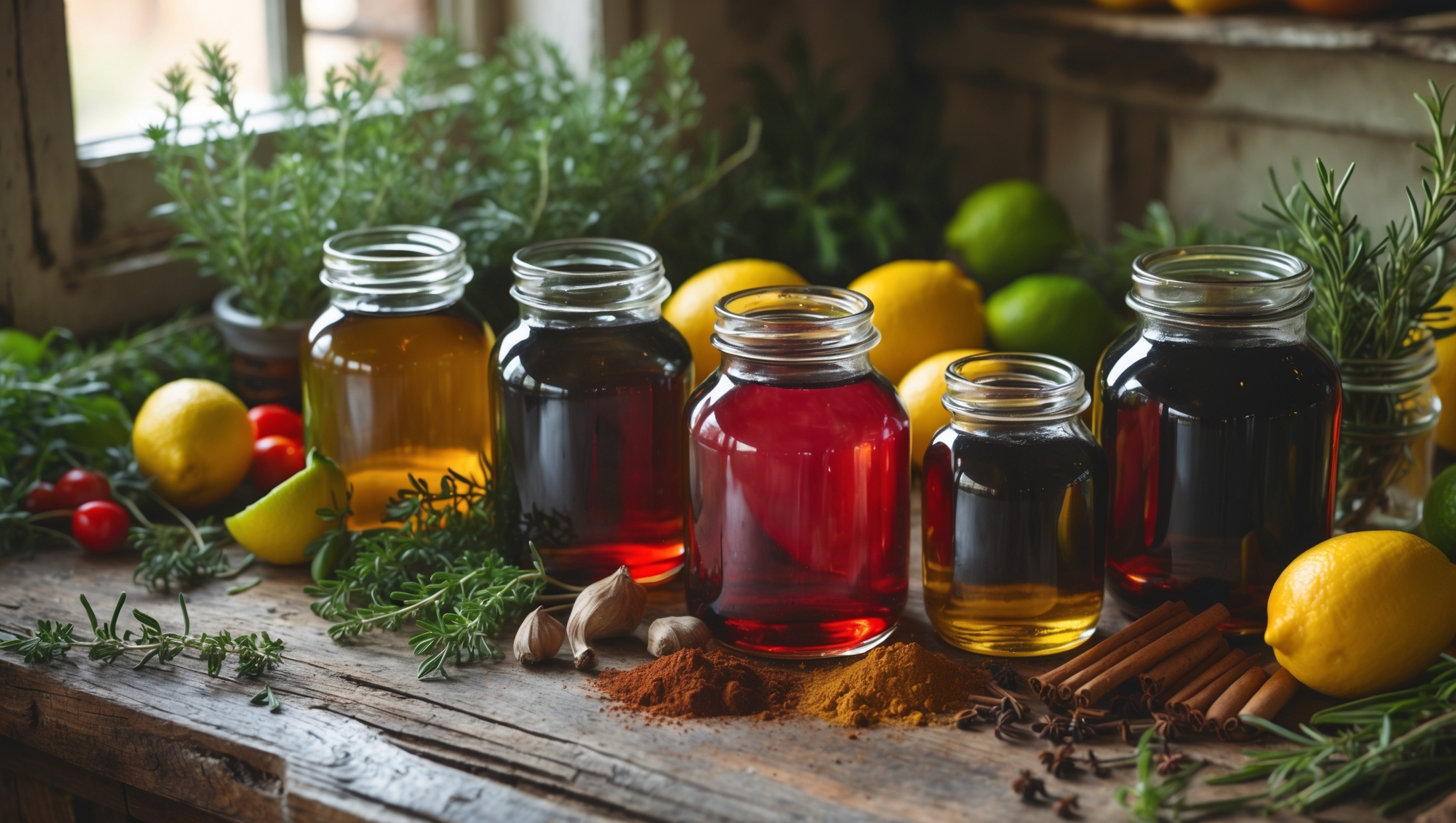
Introduction: Rediscovering Vinegar as a Culinary Canvas
Vinegar is often relegated to the background in kitchens, quietly working its magic in salad dressings, marinades, and pickles. Yet, for those who dare to look deeper, vinegar is a living, breathing ingredient—capable of expressing terroir, technique, and creativity. Artisanal vinegar crafting is gaining momentum among culinary enthusiasts who want to elevate everyday cooking and develop signature flavors. This craft is more than just transforming wine, fruit, or grains into a tangy condiment; it’s about harnessing the natural processes of fermentation, understanding ingredient seasonality, and using specialized tools to coax out complex, nuanced profiles. In this comprehensive guide, you’ll learn how to select the best seasonal bases, master essential equipment, avoid costly mistakes, and experiment with innovative infusions—all while keeping your budget and food safety in check. Whether you’re a curious beginner or an experienced fermenter seeking new challenges, this article demystifies the world of artisanal vinegar, providing practical, step-by-step insights so you can craft vinegars that truly tell a story of taste and place.
Understanding the Foundations: What Makes Vinegar Artisanal?
What Is Artisanal Vinegar?
Artisanal vinegar is a product of controlled fermentation, crafted with intention and care, often in small batches. Unlike commercial vinegars, which are typically produced for consistency and speed, artisanal vinegars focus on unique flavor development, seasonal ingredients, and traditional techniques. Each batch reflects the maker’s choices, from the base ingredient and fermenting vessel to the aging process and final infusion.
Why Craft Your Own?
- Flavor Depth: Homemade vinegars can be tailored to your taste, offering complexity that’s hard to find in store-bought varieties.
- Ingredient Control: Use organic, local, or foraged ingredients for distinctive results.
- Creative Expression: Infuse vinegars with herbs, fruits, or spices for signature blends.
- Low Waste: Transform kitchen scraps or surplus produce into high-value condiments.
Seasonal Ingredient Sourcing: Timing Is Everything
Choosing Your Base: Wine, Fruit, or Grain?
- Wine Vinegar: Use leftover red, white, or rosé wine, ideally from small vineyards or with minimal additives.
- Fruit Vinegar: Apples, pears, berries, stone fruits, and even tropical fruits work beautifully. The key is peak ripeness.
- Grain (e.g., Rice) Vinegar: Start with sake or rice wine for delicate, umami-rich vinegars.
Seasonal Sourcing Checklist
- Spring: Strawberries, rhubarb, early herbs like chives or tarragon.
- Summer: Berries, peaches, tomatoes, basil, oregano.
- Autumn: Apples, pears, plums, grapes, rosemary.
- Winter: Citrus (lemons, oranges), pomegranate, dried spices, hardy herbs.
Plan your vinegar batches around what’s fresh and abundant. Farmers’ markets, foraging, or CSA boxes are ideal sources.
Essential Tools and Equipment: Setting Up for Success
Non-Negotiables for Vinegar Crafting
- Fermentation Vessel: Glass jars, ceramic crocks, or food-grade plastic containers. Avoid metals (except stainless steel) as vinegar is highly acidic.
- Cheesecloth or Fermentation Lid: To allow airflow but keep out insects and debris.
- Mother of Vinegar: A cellulose film containing acetic acid bacteria; can be purchased online or cultivated from unpasteurized vinegar.
- pH Strips or Meter: For monitoring acidity and ensuring food safety.
- Fine Mesh Strainer: For filtering finished vinegar.
- Bottling Supplies: Sterile glass bottles with non-metallic caps/corks.
Nice-to-Haves for the Dedicated Artisan
- Temperature Control: Consistent ambient temperatures (60–80°F/16–27°C) are ideal. A fermentation chamber or seedling heat mat helps in cooler climates.
- Hydrometer: Optional, for measuring alcohol content in your base before fermentation.
- Labeling Supplies: Date and ingredient labels for each batch.
Cleaning and Maintenance
Cleanliness is crucial. Always sanitize vessels and tools before use to prevent unwanted bacteria or mold. Use hot, soapy water or a food-safe sanitizer.
Cost Breakdown: What to Expect When Starting Out
Initial Investment
- Fermentation vessel: $15–$40 (size and material dependent)
- Mother of vinegar: $8–$15
- Bottles and lids: $10–$30 for a set
- pH meter: $15–$35 (or $6–$10 for strips)
- Strainers, cheesecloth, and labels: $10–$20
Total Estimated Startup Cost: $60–$140
Ongoing Costs
- Seasonal produce or wine: Varies ($10–$30 per batch, often less if using scraps or surplus)
- Replacement mother of vinegar (if needed): $5–$8
- Bottle replacement and new infusions: Minimal
Many costs decrease over time as equipment is reused and you propagate your own mother of vinegar.
Step-by-Step Tutorial: Crafting Your First Batch
Step 1: Prepare Your Base
- Wine Vinegar: Use leftover wine. Avoid sulfite-heavy wines, as sulfites inhibit fermentation. Allow wine to breathe for several hours before use.
- Fruit Vinegar: Chop fruit into small pieces. Add to a clean jar with filtered water and a bit of sugar (1–2 tbsp per quart) to kickstart fermentation.
Step 2: Alcoholic Fermentation (for Fruit Bases)
- Allow the sugary fruit-water mixture to ferment for 1–2 weeks, covered loosely with cheesecloth, until it smells boozy (wild yeast will do the work).
Step 3: Acetification
- Once alcoholic fermentation is complete (or if starting with wine), add the mother of vinegar.
- Cover with cheesecloth and secure with a rubber band.
- Keep the vessel in a dark, warm spot (60–80°F/16–27°C).
Step 4: Monitor and Wait
- Check the vinegar weekly. It will begin to smell sharp and tangy.
- Test pH after 3–6 weeks. Safe vinegar has a pH of 3.0 or lower.
Step 5: Strain, Bottle, and Age
- Strain the finished vinegar through a fine mesh or coffee filter.
- Bottle in sterilized containers. Optional: Age for several months for deeper flavor.
Step 6: Infuse and Elevate (Optional)
- Add fresh herbs, citrus peels, whole spices, or berries to bottles for unique blends. Steep for 1–4 weeks, then strain again.
Common Beginner Mistakes (and How to Avoid Them)
- Skipping Sanitation: Always clean and sanitize equipment to avoid spoilage and off-flavors.
- Using Sulfited Wine: Excess sulfites can prevent acetification. Use wines with low or no added sulfites.
- Neglecting Temperature: Too cold or hot environments slow or stall fermentation. Aim for 60–80°F/16–27°C.
- Sealing Too Tightly: Vinegar fermentation requires oxygen. Use breathable covers, not airtight lids.
- Ignoring pH: Without acidity checks, you risk unsafe vinegar. Always verify pH before consuming or gifting.
Maintenance and Mother Care: Keeping Your Culture Healthy
Mother of Vinegar: Reuse and Storage
After each batch, the mother can be reused for future fermentations. If you need to pause vinegar making, store the mother in a small amount of finished vinegar, covered, at room temperature. Replace if it develops mold or an off smell.
Sanitizing Between Batches
Rinse equipment in hot water and sanitize with a food-safe solution to keep wild yeasts and bacteria at bay.
Flavor Innovation: Creative Infusions to Try
Classic Pairings
- Raspberry and tarragon
- Apple and rosemary
- Fig and black pepper
- Peach and basil
- Citrus zest and thyme
Advanced Infusions
- Smoked chiles and garlic (for savory depth)
- Green tea and ginger (for Asian-inspired blends)
- Roasted nuts (hazelnut, walnut) for nutty undertones
- Wild foraged herbs: spruce tips, wild fennel, or juniper
Infuse after the vinegar is fully fermented and strained. Taste frequently to avoid overpowering flavors.
Food Safety and Compliance
pH and Shelf Stability
Ensure your finished vinegar is at or below pH 3.0 for safe storage and culinary use. Store in cool, dark places and use clean utensils to avoid contamination.
Gifting and Selling: Legal Considerations
- Home use: No permits needed, but always label ingredients and dates.
- Selling at markets or online: Check local regulations for cottage food laws. Some areas require testing for acidity and food safety certifications.
Case Study: Seasonal Pear and Sage Vinegar
Batch Profile
- Base: Overripe autumn pears
- Infusion: Fresh sage leaves after fermentation
- Process: Fermented for 6 weeks, aged an additional 2 months
Results: A golden-hued vinegar with floral pear notes, earthy sage aroma, and balanced acidity. This batch became a favorite for vinaigrettes and pan sauces, demonstrating how seasonal inspiration leads to memorable flavors.
Beyond the Bottle: Culinary Uses for Artisanal Vinegar
- Salad dressings: Use as a base for vinaigrettes or drizzle over greens.
- Marinades: Tenderize meats or vegetables with a burst of acidity.
- Deglazing: Add complexity to pan sauces and reductions.
- Pickling: Quick-pickle vegetables for charcuterie boards or sandwiches.
- Finishing touch: A few drops on roasted vegetables or fruit elevate the dish.
Conclusion: Crafting Vinegar, Crafting Culture
Embracing the art of artisanal vinegar making is an invitation to slow down and engage with your ingredients on a deeper level. Each batch is an experiment, reflecting the seasons, the terroir of your kitchen, and your evolving palate. The process fosters patience, attention, and creativity—qualities that extend well beyond the vinegar crock. By mastering the basics of fermentation, understanding the power of seasonal sourcing, and investing in the right tools, you’ll unlock a world of flavor that transforms humble ingredients into culinary gold. Mistakes are inevitable, but each misstep is a lesson on your journey toward mastery. As you refine your technique, you’ll find ways to express your culinary identity through bold infusions, subtle blends, or classic profiles. Share your creations with friends, family, or fellow food lovers, and you’ll soon discover that homemade vinegar isn’t just an ingredient—it’s a story, bottled and ready to inspire. Whether used as a finishing flourish or the backbone of a new recipe, artisanal vinegar adds depth and vibrancy to every dish. So gather your jars, seek out the best of the season, and let your next culinary adventure begin with a splash of something truly unique.
I noticed the article mentions using specialized equipment for crafting artisanal vinegar. For someone starting out on a budget, which pieces of equipment are truly essential and which can be improvised with what I might already have at home?
For beginners on a budget, you only need a clean glass jar or bottle, a breathable cloth (like cheesecloth or a clean kitchen towel), and a rubber band or string to secure the cloth. These let you ferment vinegar safely at home. More advanced equipment like airlocks or oak barrels can be added later, but they’re not necessary when you’re starting out.
After selecting a seasonal base for vinegar, how can I reliably tell when the fermentation has reached the ideal point for maximum flavor complexity without risking food safety?
To determine when your vinegar has reached peak flavor complexity, regularly taste and smell the liquid after the initial few weeks of fermentation. It should develop a pleasant, tangy aroma and flavor without sharp harshness or off-odors. You can also use pH test strips; a reading between 2.5 and 3.5 usually indicates safe acidity. If in doubt, allow the vinegar to ferment a bit longer, but always keep it covered and free from contaminants.
I’m new to making vinegar at home and was wondering, when you mention using seasonal bases, do certain fruits or grains work better for beginners? Are there some ingredients that are easier to ferment successfully than others for a first-timer?
For beginners, apples and grapes are excellent choices because they ferment reliably and produce pleasant-tasting vinegar. Apples (for apple cider vinegar) and grapes (for wine vinegar) both have the right balance of sugar and acidity to help the process go smoothly. Avoid starchy grains or overly fibrous fruits at first, as they can be trickier to ferment and may require more precise conditions.
I’m curious about the mention of food safety while experimenting with innovative infusions—do you have specific guidelines for avoiding contamination or spoilage, especially when using fresh or foraged ingredients in small batches?
When using fresh or foraged ingredients in vinegar infusions, always wash and sanitize them thoroughly to remove dirt and potential microbes. Sterilize all jars and utensils before use. Avoid using ingredients that are bruised or moldy. Keep your workspace clean, and monitor your infusions for off smells or mold growth. If you see cloudiness, unexpected colors, or odd odors, it’s safest to discard the batch. Small batches make it easier to control quality and spot issues early.
The article mentions using specialized equipment for crafting artisanal vinegar. Can you clarify which pieces of equipment are essential for getting started versus optional tools that are more for advanced experimentation?
To start making artisanal vinegar, the essentials are glass or food-grade plastic containers, an airlock or breathable cloth to allow airflow while keeping contaminants out, and a strainer. Optional tools for advanced experimentation include pH meters, oak barrels for aging, and infusion jars for adding flavors. Beginners can begin with just the basics and add specialized equipment as they explore more complex techniques.
You mention that ingredient seasonality is important for crafting artisanal vinegar. Could you give some examples of which fruits or grains work best in different seasons and how that affects the final flavor?
Absolutely! In spring, strawberries or rhubarb are great choices, yielding bright and slightly tart vinegars. Summer is perfect for peaches, cherries, or plums, producing sweeter and richer flavors. In fall, apples and pears work well, adding complexity and warmth. For grains, wheat and barley are typically harvested in late summer to early fall, making them ideal for malty, nuanced vinegars then. Using ingredients at their seasonal peak ensures the most vibrant and aromatic vinegars.
I’d love to experiment with flavor infusions once I’ve got the basics down. Are there certain seasonal ingredients or combinations that you’ve found consistently work well together, or is it mostly trial and error until you find something you like?
Seasonal ingredients can really shine in vinegar infusions, and some combinations reliably work well together. For example, strawberries and basil in spring, peaches and thyme in summer, or apples and cinnamon in autumn all create vibrant flavors. While there is always room for experimentation, starting with classic pairings often yields great results. Taste as you go, and note which flavors complement each other best for your palate.
The article mentions using specialized tools for fermentation. Could you give some examples of what essential equipment a beginner absolutely needs to make vinegar safely at home, and which items are more for advanced experimentation?
For making vinegar safely at home as a beginner, you’ll need a glass or food-grade plastic container, a breathable cloth or paper towel to cover the opening, and a rubber band or string to secure it. A funnel and strainer are helpful for transferring and filtering. More advanced equipment, like oak barrels, pH meters, and temperature control devices, are typically used once you’re ready to experiment with aging, flavor infusion, or precise monitoring.
Could you share more about the specialized equipment mentioned in the article? I’m curious whether there are affordable alternatives for someone just starting out, or if investing in certain tools really makes a noticeable difference in flavor and food safety.
The article highlights items like fermentation crocks, airlocks, and glass jars as specialized equipment for artisanal vinegar. If you’re new to vinegar-making, you can start with affordable glass jars and cheesecloth instead of specialized crocks or airlocks. While professional tools can help with consistency and safety, especially for larger batches, home-scale makers can produce safe and tasty vinegar with basic, sterilized containers and good hygiene practices.
I often cook with kids and food safety is a concern. Are there particular fermentation mistakes or signs of spoilage I should look out for to make sure our homemade vinegar is safe for everyone to eat?
Absolutely, food safety is key, especially with children. When making vinegar at home, watch out for mold growth (fuzzy, unusual-colored spots), unpleasant or rotten odors, or slimy textures—these are signs of spoilage. The vinegar should smell sharp and pleasantly acidic, not foul. Always use clean utensils and containers, and store your vinegar in a cool, dark place with a tight lid. If in doubt, it’s safest to discard any questionable batch.
When it comes to mastering essential equipment for vinegar making, are there certain tools that are truly necessary for food safety, or can beginners start with basic kitchen items without risking the quality of their vinegar?
You can absolutely start vinegar making with basic kitchen items like clean glass jars, a breathable cloth, and a rubber band. The key for food safety is using sterilized, non-reactive containers and keeping everything very clean. Specialized equipment like fermentation locks or pH meters can help fine-tune your process, but they’re not required for safe, high-quality results when you’re just starting out.
I’m new to fermentation and just got interested in making my own vinegar. When picking a seasonal base, is there a big difference in results if I use leftover wine versus fresh fruit? How do you know which base will give you the most interesting flavors?
Using leftover wine as your base will typically give you a more classic wine vinegar flavor, with depth coming from the original wine’s notes. Fresh fruit, on the other hand, lets you experiment with bolder, more complex, and sometimes unexpected flavors, depending on the fruit and its ripeness. If you’re after unique or seasonal tastes, starting with fresh fruit is often more interesting. Try small batches of each to see which style you enjoy most.
When it comes to infusing vinegars with herbs or spices for more innovative flavors, is it best to add these during fermentation, or should they be introduced after the vinegar has finished aging? I’d love to hear what’s worked best in your experience.
For the most vibrant and clean flavors, it’s generally best to infuse herbs or spices after the vinegar has finished aging. Adding them during fermentation can lead to unpredictable results or muddled flavors, since the acetic acid bacteria may interact differently with the botanicals. Once the vinegar is fully matured, you can steep your chosen herbs or spices for a week or two, tasting periodically until the desired intensity is reached.
The article mentions balancing food safety with innovation when infusing vinegars. Are there any specific safety pitfalls to watch out for when adding fresh herbs or fruit, especially if you’re on a tight budget and want to keep it simple?
When infusing vinegar with fresh herbs or fruit, make sure everything is thoroughly washed to remove dirt and bacteria. Avoid using moldy or damaged produce, as it can spoil the vinegar. Use glass containers and sterilize them beforehand by boiling or with hot soapy water. Also, keep your infusions in the refrigerator and consume them within a month to reduce the risk of spoilage. These steps are budget-friendly and help maintain safety.
I love the idea of experimenting with infusions, but I’m worried about off-flavors or spoiled batches. Are there early signs during fermentation that indicate something has gone wrong, or ways to troubleshoot before having to toss a batch out?
When infusing vinegar, watch for signs like unusual odors (musty, rotten, or overly sour), mold growth, or a slimy texture—these can indicate spoilage. A healthy ferment should have a pleasant, sharp aroma without foul smells. If you spot anything odd, remove contaminants if possible and monitor closely. Keeping your equipment clean and ingredients fresh helps prevent problems. Trust your senses—when in doubt, it’s safest not to use questionable vinegar.
You mention food safety while experimenting with innovative infusions. What are the key signs that a vinegar batch has gone wrong or is unsafe to consume, and what steps should someone take if that happens?
If a vinegar batch develops unusual mold (other than the harmless “mother” of vinegar), strange colors, foul or rotten odors, or appears slimy, it’s a sign the batch may be unsafe. Always discard any vinegar that shows these warning signs. Ensure all equipment is cleaned before use, and when in doubt, it’s safer to start a new batch rather than risk consuming spoiled vinegar.
Regarding ingredient seasonality, can you give examples of which fruits or grains make for the most successful vinegar bases at different times of year? I’d love to know how to align my fermentations with what’s freshest at the market.
Absolutely, aligning your vinegar making with seasonal produce can really boost flavor. In spring, try using strawberries or rhubarb. Summer is great for peaches, cherries, and plums. In fall, apples and pears are classic choices, while winter wheat or barley can serve as excellent grain bases. Always choose ripe, high-quality ingredients for the best results.
When experimenting with different seasonal bases for vinegar, do you find there’s a big difference in fermentation time or trouble with some fruits or grains compared to others? I’m especially interested in which ones are most forgiving for beginners.
Fermentation time can vary a lot depending on your base. Apples and grapes are generally the most forgiving and ferment quite reliably, making them ideal for beginners. Berries and stone fruits can sometimes ferment more quickly, but may be prone to mold if not managed well. Grains, like rice or barley, require a bit more care to avoid off-flavors or contamination, so they can be trickier for first-timers.
Could you explain a bit more about how ingredient seasonality really affects the vinegar flavor? For example, would starting a batch with early summer fruits produce noticeably different results compared to fall fruits, and do you recommend any specific pairings for beginners?
Ingredient seasonality plays a big role in vinegar flavor. Early summer fruits like strawberries or cherries usually give lighter, brighter vinegars, while fall fruits such as apples or pears produce deeper, richer flavors. For beginners, pairing apples with cinnamon or pears with a hint of ginger is both easy and rewarding, letting you notice how the characteristics of each fruit shine through.
I’m curious about the equipment side of things mentioned in the article. For someone new to artisanal vinegar-making, are there specific types of fermenting vessels or tools that make a noticeable difference in the final flavor, or can beginners get by with general kitchen gear?
Beginners can absolutely start with general kitchen gear like glass jars or food-grade ceramic containers, as these won’t react with the vinegar during fermentation. However, the article notes that using breathable covers, like cheesecloth, and non-metal utensils is important for the best results. As you gain experience, experimenting with different vessel materials, such as oak barrels, can introduce deeper flavors, but it’s not essential when you’re just starting out.
After the vinegar has finished fermenting, how long should you age it to get those nuanced, complex flavors, and does this aging time vary depending on the base ingredient used?
Once fermentation is complete, aging your vinegar for at least 3 to 6 months helps develop complexity and smoothness. Some makers age vinegar up to a year or longer for deeper flavors. The ideal aging time can vary—fruit-based vinegars often need less time (3–6 months), while stronger bases like wine or malt may benefit from longer aging. Taste periodically to find the perfect balance for your chosen ingredient.
Can you explain a bit more about the specific equipment needed to get started with artisanal vinegar crafting at home? Are there any affordable options for beginners who want to be cautious about their budget but still ensure food safety?
To start making artisanal vinegar at home, you’ll need a glass or food-grade plastic container, a breathable cloth (like cheesecloth) for covering, and a rubber band to secure it. A funnel and bottles for storage are also handy. These basic items are inexpensive and widely available. Make sure all equipment is clean to ensure food safety. You don’t need specialized gear to get started—just focus on cleanliness and use non-reactive materials.
Can you explain the main differences between the flavor you’ll get from homemade artisanal vinegars versus store-bought ones? I’m curious if it’s worth investing extra time to ferment at home when I’m already juggling a busy schedule.
Homemade artisanal vinegars generally have a much more complex and unique flavor profile compared to most store-bought options. Because you can use seasonal fruits, herbs, or even wild yeasts, your vinegar will reflect those personal choices and local ingredients. Store-bought vinegars are typically filtered, pasteurized, and standardized for consistency, so their flavors are more uniform. If you enjoy experimenting and want something truly one-of-a-kind, homemade vinegar is rewarding, but store-bought is definitely more convenient if time is short.
If I wanted to involve my kids in the fermentation process for a fun weekend project, are there safety precautions or steps you recommend for avoiding common food safety mistakes, especially with fruit-based vinegars?
Involving kids in vinegar making can be both fun and educational. Make sure to wash your hands, fruits, and all equipment thoroughly before starting. Use glass or food-grade plastic containers and cover them with a breathable cloth to keep out dust and insects. Check for mold regularly and discard any batch that develops off smells or fuzzy growth. Stick to established recipes and supervise children closely during each step.
You mention that equipment choice is crucial to crafting artisanal vinegar with unique flavor profiles. Could you provide more detail on how different fermenting vessels, like glass versus oak barrels, impact the final taste and quality of the vinegar?
Glass fermenting vessels are non-reactive, so they preserve the pure flavors of the base ingredients, resulting in a cleaner, crisper vinegar. Oak barrels, on the other hand, allow for slow oxygen exchange and infuse the vinegar with subtle woody, vanilla, or smoky notes. Oak can also soften acidity and add complexity, but choosing between them depends on whether you want a straightforward or layered flavor profile.
I’m curious about the equipment part you talked about. For someone on a tight budget, what are the bare minimum tools I need to safely make vinegar at home without sacrificing quality or food safety?
You only need a few basics to start making vinegar safely at home on a budget. Use a clean glass jar or food-grade plastic container for fermentation, a breathable cloth or coffee filter to cover the opening (secured with a rubber band), and a non-reactive spoon for stirring. Make sure everything is thoroughly cleaned before use. That’s enough to maintain quality and food safety as you experiment with artisanal vinegar.
Could you go into more detail about the kinds of specialized tools mentioned for making artisanal vinegar? I run a small farm-to-table café and want to keep my equipment costs low, so I’m curious which tools are truly essential versus which ones are nice but not necessary.
For small-batch artisanal vinegar, the essentials are surprisingly simple: a wide-mouthed glass or ceramic fermentation vessel, cheesecloth or a breathable cover, a rubber band, and bottles for storage. Optional but helpful tools include a hydrometer for measuring acidity, funnels for bottling, and pH test strips. Larger-scale or more refined operations might use oak barrels for aging or stainless steel equipment, but for a café, these aren’t necessary to get started.
If I’m new to fermentation, what are some common mistakes to watch out for with homemade vinegar to avoid spoilage or health risks, especially if experimenting with different infusions?
When making homemade vinegar, be sure to use clean, sterilized equipment and containers to prevent unwanted bacteria or mold. Avoid using metal containers, as they can react with acids. Always cover your vinegar with a breathable cloth to allow fermentation gases to escape while keeping out contaminants. If you’re adding infusions like herbs or fruit, introduce them after the initial fermentation to reduce spoilage risks. Discard any vinegar that develops unusual colors, textures, or smells, as these could indicate contamination.
When selecting seasonal bases for artisanal vinegar, how do you decide which fruits or grains will ferment best at different times of the year? Are there any combinations that tend to be more reliable for beginners?
Choosing seasonal bases for vinegar often depends on what’s freshest and most abundant in your area. In spring and summer, berries, cherries, and stone fruits ferment well due to their natural sugars. In autumn, apples, pears, and even grains like barley are great options. For beginners, apples or pears are very reliable—they ferment consistently and produce pleasant, mellow flavors. Combining apples with a handful of berries can also yield delicious results without much difficulty.
You mention that specialized equipment is important for crafting vinegar at home. What are the absolute essentials someone would need to get started without overspending, and are there any budget-friendly alternatives to traditional fermenting vessels?
To start making vinegar at home without overspending, you’ll need a clean glass jar or food-grade plastic container, a breathable cloth or paper towel with a rubber band (to cover the vessel and keep dust out), and a non-metal stirring utensil. While ceramic crocks are traditional, large glass pickle jars or wide-mouthed mason jars work just as well for small batches and are more budget-friendly. Just make sure whatever you use is thoroughly cleaned and not reactive with acids.
For someone on a tight budget who still wants to experiment with artisanal vinegar, which essential equipment pieces would you consider truly necessary, and which ones can be improvised or skipped without risking food safety?
For budget-friendly artisanal vinegar making, you only truly need a clean glass jar or bottle, breathable cloth or paper towel for covering, and a rubber band to secure it. Skip specialized fermenters or airlocks—just ensure your container is clean and the cover allows airflow but keeps bugs out. Avoid using metal containers, as they can react with the vinegar. A simple strainer can help when bottling, but even this can be improvised with clean fabric. Food safety is all about cleanliness and keeping contaminants out.
When you talk about avoiding costly mistakes during vinegar fermentation, are you referring mostly to ingredient waste, equipment investment, or is it more about losing time to batches that fail? What are some practical ways to keep costs down for someone on a tight budget?
The article refers to all three concerns: ingredient waste, equipment costs, and time lost to failed batches. To keep costs down, start small using basic kitchen tools instead of specialized gear, use seasonal or surplus fruits, and keep fermentation conditions clean and consistent to avoid spoilage. Monitoring your batches regularly also helps catch issues early, preventing larger losses.
I’m new to fermentation and the article mentions using specialized tools. Can you explain what kind of equipment a beginner absolutely needs to make safe vinegar at home versus what is just nice to have for more advanced or creative batches?
To safely make vinegar at home, beginners really just need a clean glass jar, a breathable cloth or coffee filter to cover it, and a rubber band to secure the cover. This setup allows airflow while keeping out contaminants. As you get more advanced, you might want items like pH strips to monitor acidity, dedicated fermentation weights, or even oak barrels for flavor experiments, but they aren’t essential to start.
When experimenting with seasonal bases for artisanal vinegar, how do you know which fruits or grains work best for flavor complexity rather than just producing acidity? Are there any ingredients that beginners should steer clear of to avoid off-flavors or contamination?
To achieve complex flavors, try using fruits with strong, distinctive profiles like apples, pears, or berries, and grains like barley or rice. These tend to add depth beyond just acidity. Beginners should avoid starchy vegetables like potatoes and overripe or moldy produce, as these can cause off-flavors or contamination. It’s also wise to steer clear of ingredients with oils, like avocados or nuts, since they can interfere with fermentation.
I’m really interested in experimenting with seasonal bases for vinegar as you described. Are there certain fruits or grains that are particularly beginner-friendly or less likely to spoil during fermentation, especially if I want to avoid wasting ingredients?
For beginners, apples and pears make excellent bases for vinegar—they’re forgiving, ferment well, and have natural sugars that encourage healthy fermentation. For grains, cooked rice is another stable option. Both are less prone to spoilage if you keep everything clean and use ripe, unblemished produce. Avoid berries at first, as they can mold easily. Starting with these choices can help reduce ingredient waste while you learn the process.
The article talks about using seasonal ingredients for the vinegar base. Could you give some examples of what fruits or grains work best in different seasons, and how their flavors might influence the final vinegar?
Spring is great for using strawberries or rhubarb, which bring bright, tangy notes to vinegar. In summer, peaches, cherries, and berries add sweetness and vibrant flavors. Fall offers apples, pears, or even grains like barley for rich, mellow vinegars. Winter citrus, like oranges or grapefruits, creates a zesty, refreshing base. Each ingredient not only changes the flavor but also the aroma and acidity of the finished vinegar.
For someone who is already comfortable with basic fermentation but wants to try innovative infusions, what are some creative flavor combinations you’ve found to be successful, and are there any infusion ingredients that tend to clash with the vinegar base?
Some creative flavor combinations that tend to work well in artisanal vinegar infusions include blackberries with basil, pear with ginger, or citrus zest with rosemary. Spices like star anise, pink peppercorn, and cardamom can also add unique depth. Ingredients to be cautious with are those that become bitter or overpowering, such as raw garlic (which can dominate the flavor) or overly woody herbs like sage, which sometimes clash with the acidity. Experiment in small batches to find the balance that suits your palate.
When trying to infuse my homemade vinegar with herbs or fruits, I sometimes worry about food safety. Do you have advice on how to avoid common contamination mistakes during these infusion experiments, especially for beginners?
To keep your infused vinegar safe, always use clean, sterilized jars and utensils. Make sure any herbs or fruits are thoroughly washed and dried to prevent mold. Only infuse vinegar with ingredients that are fully submerged to limit exposure to air. Store your jars in a cool, dark place and check regularly for signs of spoilage. If you see cloudiness, off smells, or mold, discard the batch.
Food safety is a big concern for me, especially with kids around. What are some common mistakes first-timers make during the fermentation process, and how can I be sure my homemade vinegar is safe to use?
Common mistakes for first-time vinegar makers include using dirty equipment, skipping sterilization, or not covering the fermenting jar properly, which can allow harmful bacteria or mold to grow. Always clean and sterilize all tools, use fresh ingredients, and cover the jar with a breathable cloth to keep out pests while allowing airflow. Check regularly for any odd smells, colors, or mold—if you spot any, discard the batch to stay safe.
If I want to experiment with infusions to get more complex flavors but keep costs down, what are some budget-friendly ingredients or infusion methods you’d recommend for beginners?
For budget-friendly infusions, try using common kitchen herbs like rosemary, thyme, or basil, and fruits such as apple peels, citrus zest, or berries—these add lots of flavor without much expense. You can simply add them directly to your vinegar during fermentation or after it’s finished, and let them steep for a few days to a week. Start with small batches so you can explore combinations without wasting ingredients.
You mention using seasonal bases to create distinctive flavors—are there particular fruits or grains that work better for beginners, both in terms of flavor and ease of fermentation? I’d love a bit more guidance on ingredient selection for new vinegar makers.
For beginners, apples and pears are excellent fruit choices—they ferment easily and produce reliably tasty vinegar. Grapes also work well and require minimal prep. If you want to try grains, rice is forgiving and popular for making mild vinegars. Start with fresh, ripe produce, and avoid anything overly sweet or starchy until you’re comfortable with the basics. These options will help you get consistent results as you learn.
The article talks about using specialized equipment for vinegar crafting. Are there any affordable tools for beginners that still ensure good results, or is it worth investing in higher-end fermenting vessels from the start?
You can absolutely start vinegar crafting with affordable tools and still achieve great results. Many beginners use clean glass jars or food-grade buckets with airlocks, which are inexpensive and widely available. These work well for small batches. Higher-end fermenting vessels, like ceramic crocks or oak barrels, offer more control and sophistication but aren’t essential when you’re just starting out. It’s best to begin simple, then invest in pricier equipment as your interest and skill grow.
I’m curious about the equipment you mentioned for crafting artisanal vinegar. Are there any budget-friendly recommendations for beginners who don’t want to invest in specialized tools right away but still want to ensure good results and food safety?
You can absolutely start making artisanal vinegar with basic kitchen items. A clean glass jar, a breathable cloth or coffee filter for covering, and a rubber band are all you really need to begin. Make sure to sterilize everything before use to ensure food safety. If possible, use a glass or ceramic container rather than plastic or metal, as acids can react with some materials. This way, you can experiment without significant investment.
I’m curious about your advice on food safety during the fermentation process—what are the most common mistakes beginners make, and how can they be avoided without compromising all that creative flavor experimentation you talk about?
One common mistake is not sterilizing your equipment, which can introduce unwanted bacteria. Always clean and sanitize jars, utensils, and surfaces before starting. Another issue is neglecting to cover the fermenting vinegar with a breathable cloth, which keeps out pests but allows airflow. Beginners sometimes use the wrong containers—avoid metals that can react with acid. Finally, monitor the temperature; too warm or cold can cause spoilage. These steps will keep your experiments safe without limiting your creativity.
I’m curious about balancing creative infusions with food safety. How do you ensure that adding herbs or fruits during the process doesn’t introduce unwanted bacteria or spoilage? Are there best practices or common mistakes to avoid with infusions?
When infusing vinegar with herbs or fruits, always use fresh, high-quality ingredients and sanitize them by thoroughly washing or briefly blanching. Sterilize all utensils and containers before use. Add infusions after the primary fermentation is complete to minimize contamination risk. Store the infused vinegar in the refrigerator and use it within a few months. Avoid adding garlic or fresh roots directly, as these are more prone to bacterial growth.
When experimenting with innovative infusions, are there ingredients or combinations that can compromise food safety? I’m hoping to keep costs reasonable, but I want to make sure I don’t cut corners when it comes to safe fermentation.
Absolutely, food safety is key when infusing vinegar. Avoid adding fresh garlic, fresh herbs, or raw vegetables directly, as these can harbor harmful bacteria like botulism if not handled correctly. Always use thoroughly washed, dried, and preferably dried or cooked ingredients. Also, ensure your vinegar is at least 5% acidity, which helps prevent unsafe microbial growth. Glass containers sterilized before use are best for storage.
I’m completely new to making vinegar and the article mentions using specialized tools for the fermentation process. What are the absolute essentials I need as a beginner to get started without spending a bunch of money, and can I use stuff I already have in my kitchen?
You can definitely start making vinegar with basic kitchen items. All you really need is a clean glass jar or bottle, a breathable cover like a coffee filter or cheesecloth (secured with a rubber band), and a non-metal spoon. Most beginners use what they already have at home. Just make sure your containers are well cleaned and stay away from metal, as it can react with the vinegar.
The article mentions using specialized equipment for vinegar making. If I’m on a tight budget and can’t invest in fancy tools, what are the absolute essentials I need to get started, and are there any safe DIY options for fermenting vessels?
You only need a few basics to start making vinegar at home. A clean glass jar or food-grade plastic container works well as a fermenting vessel—just make sure it’s thoroughly sanitized. Cover the opening with a breathable cloth secured by a rubber band to keep out dust and insects. Other than that, you’ll need your base liquid (like wine or cider) and vinegar mother or starter. No fancy equipment is required, and many home cooks successfully use simple jars or repurposed containers.
When you talk about seasonal bases for vinegar, do you have any suggestions on which fruits or grains are best for beginners to start with, especially if I want to keep costs down and use what’s most available at the local farmer’s market?
For beginners looking to keep costs low and use local produce, apples and pears are excellent choices because they’re widely available at most farmers’ markets and ferment easily. Grapes are also user-friendly if they’re in season. For grains, leftover cooked rice or barley can work well. Start with fruits or grains that are abundant and affordable in your area, as freshness and accessibility make the process simpler and more economical.
When experimenting with seasonal bases for artisanal vinegar, are there certain fruits or grains you’ve found ferment better or produce more complex flavors depending on the time of year? I’d love some tips on selecting ingredients that maximize seasonal character.
Seasonal fruits like summer berries, autumn apples, and late-winter citrus each bring unique flavors and ferment well when used at peak ripeness. Late summer grapes or plums are excellent for richer, deeper vinegars. For grains, fresh-harvested barley in spring or rye in fall can yield nuanced profiles. Always choose locally in-season produce, as fresher ingredients tend to ferment better and deliver the most vibrant, complex flavors.
I’m new to fermentation and a bit worried about food safety. What are the most common mistakes beginners make when setting up their equipment for homemade vinegar, and how can I avoid accidentally ruining a batch or making something unsafe to consume?
When making homemade vinegar, beginners often use containers that aren’t properly sterilized, which can introduce unwanted bacteria. Another common mistake is sealing the jar too tightly—vinegar needs oxygen to ferment, so use a breathable cover like cheesecloth. Make sure your ingredients are fresh and avoid using metal containers, as they can react with the acid. Check for foul odors or mold, and if anything looks or smells off, it’s safest to start over.
As someone who barely has time to cook, I’m curious about the minimum equipment needed to safely start making vinegar at home without spending a fortune. Are there any kitchen tools I probably already own that will work for a beginner batch?
You can definitely start making vinegar at home with just a few basic items you probably already have. All you really need is a clean glass jar, a piece of breathable cloth or paper towel to cover it, and a rubber band. A wooden spoon for stirring and a strainer for bottling later are helpful but optional. No need to buy special equipment—just ensure everything is clean to keep your vinegar safe.
If I want to experiment with infusions or add creative flavors to my homemade vinegar, is it better to do that during the fermentation process or after the vinegar is fully aged? Any safety tips for infusing at home?
It’s usually best to add infusions or flavorings after your vinegar has fully aged. This lets you control the flavor strength and avoids interfering with the fermentation. For safety, always use clean, sterilized jars and utensils. Choose fresh, high-quality ingredients, and avoid anything that could spoil or introduce unwanted bacteria, like garlic in oil. Store your infused vinegar in the fridge if you’re unsure about its shelf stability.
If I want to infuse vinegar with unique flavors as described in the guide, what’s the best way to make sure my infusions are safe to eat, especially since some ingredients can spoil or introduce bacteria?
To keep your vinegar infusions safe, always start with clean, sterilized jars and utensils. Use only fresh, high-quality ingredients and avoid anything that spoils quickly, like garlic or fresh herbs, unless you plan to refrigerate the infusion and use it promptly. Make sure the ingredients are fully submerged in vinegar, as its acidity helps prevent bacterial growth. If you notice mold, cloudiness, or off smells, discard the infusion.
I’m curious about ingredient seasonality when selecting a base for vinegar. Is there a particular fruit or grain that consistently produces good results throughout the year, or does the seasonal aspect really impact the final flavor profile that much?
Seasonality does have a noticeable impact on the final flavor profile of homemade vinegar, especially with fruits. Ingredients like apples and grapes are typically at their best when in season, offering richer flavors and more natural sugars for fermentation. However, apples are often available year-round and tend to produce reliable results regardless of the season. For grains, such as rice or barley, seasonality matters less, as they store well and maintain consistent quality. If flavor complexity is your goal, using peak-season fruits is ideal, but certain staples like apples and grains can deliver good vinegar any time.
You mention mastering essential equipment for vinegar crafting. I’m new to fermentation and not sure if I should start with a specialized crock or if regular glass jars will do the trick. Does the type of vessel make a noticeable difference in the flavor or safety of the finished vinegar?
Both specialized crocks and regular glass jars can be used successfully for vinegar making, especially when you’re just starting out. Glass jars are convenient, easy to clean, and let you observe the fermentation process. While crocks can help maintain even temperatures and block light, the difference in flavor is usually subtle. For safety and good results, make sure any vessel you use is clean, non-reactive, and has a way for air to enter while keeping contaminants out.