Introduction: The Allure of Homemade Artisan Chocolate
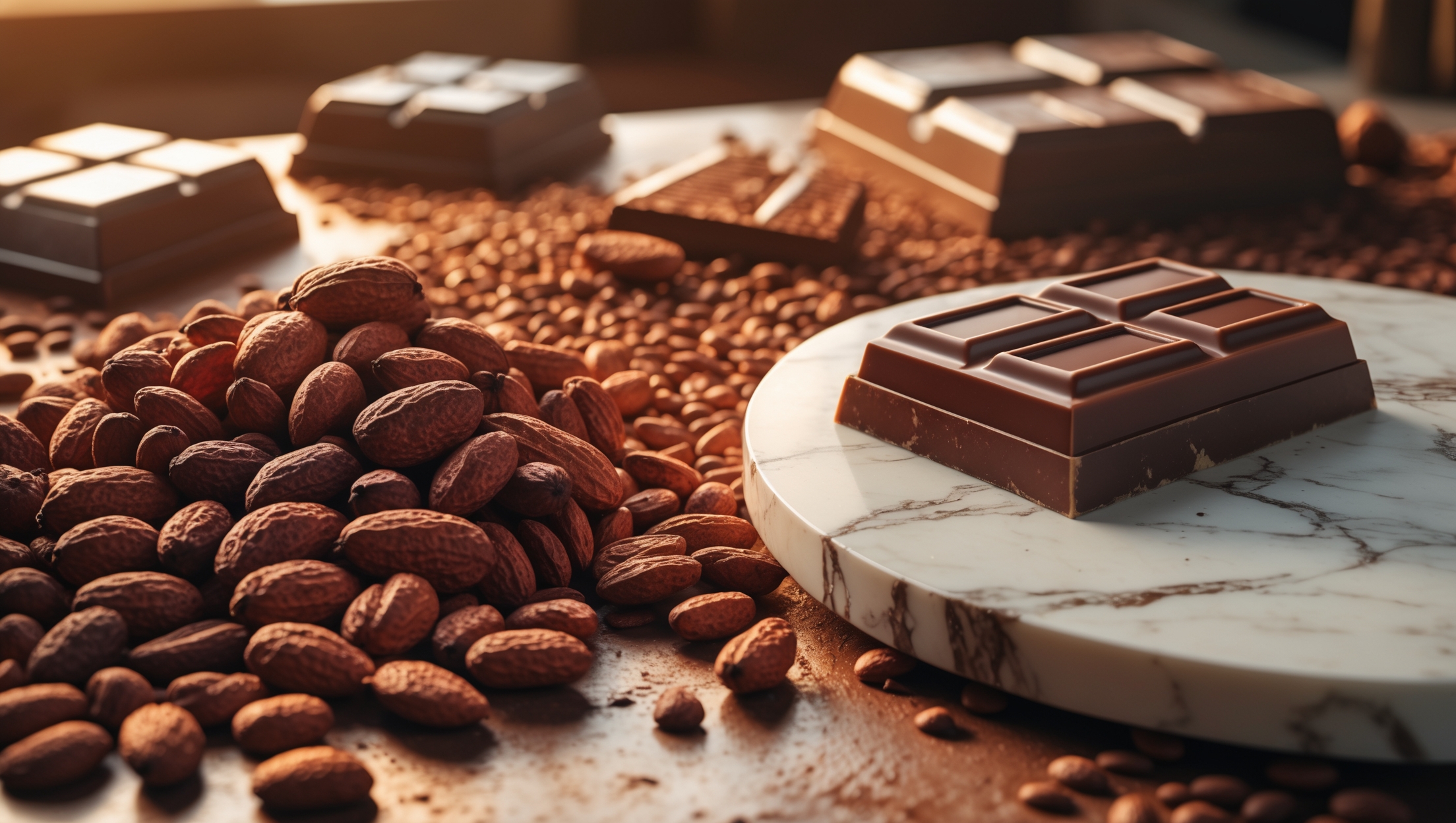
There are few culinary experiences as seductive and rewarding as crafting your own artisan chocolate from bean to bar. For centuries, chocolate has captivated cultures across the globe—its transformation from humble cocoa bean to glossy, melt-in-your-mouth confection is a testament to human creativity and the pursuit of flavor perfection. While mass-produced chocolate is ubiquitous, the world of small-batch, handcrafted bars offers a universe of taste, texture, and storytelling that industrial products cannot match. For passionate home cooks, culinary creators, and flavor explorers, artisan chocolate making is both a delicious hobby and an invitation to master the art of transformation. Yet, the process can seem daunting: sourcing quality beans, investing in the right tools, and navigating temperamental techniques. This guide demystifies each step, balancing practical equipment advice and cost transparency with creative inspiration. Whether you’re aiming for a classic dark bar, a unique inclusion (think candied orange or toasted sesame), or simply want to elevate gift-giving and entertaining, this comprehensive roadmap will help you avoid common pitfalls, make smart investments, and discover the pure joy of bean-to-bar mastery.
Why Make Chocolate at Home? Exploring Taste, Craft, and Customization
Homemade chocolate is about more than flavor—it’s a journey into the heart of culinary craft. Here’s why enthusiasts and professionals alike are drawn to the process:
- Flavor Control: Selecting your own beans and fine-tuning roast profiles allows you to create bars that highlight specific tasting notes—floral, fruity, nutty, or earthy.
- Unique Inclusions: Go beyond store-bought options by incorporating unusual spices, local fruits, or seasonal nuts.
- Transparency: Know exactly what’s in your chocolate—no fillers, artificial flavorings, or excessive sugars.
- Culinary Expression: Each batch is a canvas for creativity, from design to finishing touches.
- Gifting and Entertaining: Impress friends and guests with truly one-of-a-kind, handmade bars.
The Essential Toolkit: Equipment for Artisan Chocolate Making
Investing in the right equipment is critical for quality results and a smooth process. Here’s what you’ll need, from absolute essentials to pro-level upgrades:
1. Cocoa Bean Roaster
- Budget: Home oven, convection oven, or air popcorn popper ($0–$60 if already owned)
- Pro: Dedicated coffee or cocoa bean roaster ($250–$800)
Roasting transforms raw beans, unlocking complex flavors. For beginners, a home oven is sufficient—just monitor temperature closely and stir for even roasting. A dedicated roaster offers precision and consistency, ideal for frequent makers.
2. Bean Cracker/Winnower
- Budget: Rolling pin or mallet, colander, blow dryer ($0–$40)
- Pro: Tabletop cracker-winnower combo ($200–$600)
Cracking separates nibs from husks; winnowing removes unwanted chaff. DIY setups are time-consuming but effective for small batches. Serious hobbyists may prefer an integrated device for speed and efficiency.
3. Melanger (Refiner/Conche)
- Budget: Stone grinder or food processor ($0–$120)
- Pro: Granite stone melanger ($250–$700)
The melanger is the heart of smooth chocolate. Stone grinders produce finer texture and better flavor development than food processors, which can leave a grittier mouthfeel.
4. Tempering Tools
- Budget: Digital thermometer, marble slab, spatula ($40–$100)
- Pro: Automatic tempering machine ($350–$1,200)
Proper tempering yields chocolate that snaps, shines, and melts luxuriously. Manual methods (tabling or seeding) require attention to detail but are accessible. Machines provide consistency and convenience for larger batches.
5. Molds
- Budget: Polycarbonate or silicone bar molds ($10–$40 each)
- Pro: Custom-designed or professional-grade molds ($50–$300)
Molds shape your chocolate and add visual appeal. Polycarbonate molds yield glossy, beautifully defined bars. Silicone is flexible and easy to clean.
6. Additional Supplies
- Stainless steel bowls for mixing and melting
- Fine mesh sieve for sifting ingredients
- Parchment paper or silicone mats for easy cleanup
- Airtight containers for storage
Cost Breakdown: What to Expect When Investing in Chocolate Making
Artisan chocolate making is surprisingly accessible, but costs can vary based on your ambition, batch size, and frequency. Here’s a realistic breakdown for three levels:
Entry-Level (First 2–5 Batches)
- Raw cocoa beans (2 lbs): $28–$40
- Unrefined cane sugar: $2–$4
- Basic tools (reuse kitchen gear): $0–$40
- Basic molds: $20
- Total: $50–$100
Enthusiast (Regular Crafting)
- Raw cocoa beans (5–10 lbs): $70–$180
- Stone melanger: $250–$400
- Precision thermometer: $20–$40
- Quality molds (2–3): $60–$120
- Misc. supplies: $30
- Total: $430–$770
Serious Hobbyist/Small Batch Pro
- Dedicated roaster: $300–$700
- Tabletop cracker-winnower: $250–$500
- Professional melanger: $500–$700
- Tempering machine: $400–$1,200
- Custom molds: $150–$300
- Ingredients (per 10 lbs batch): $160–$250
- Total: $1,760–$3,650+
Remember: Most equipment is a one-time investment; ingredient costs per batch drop with scale. Start small and upgrade as your passion grows.
Step-by-Step: The Bean-to-Bar Process for Home Artisans
Mastering chocolate is all about precision and patience. Here’s a detailed workflow:
1. Sourcing Quality Cocoa Beans
Seek out reputable suppliers who offer single-origin, ethically sourced beans. Pay attention to origin notes (e.g., Madagascar for bright fruitiness, Ecuador for floral complexity). Order small sample packs to learn your preferences.
2. Roasting the Beans
- Preheat oven to 250–300°F (120–150°C).
- Spread beans in a single layer on a baking sheet.
- Roast for 20–30 minutes, stirring every 10 minutes for even heat.
- Sniff for aroma development—notes should shift from raw/green to nutty, chocolatey, or fruity.
- Let beans cool before handling further.
3. Cracking and Winnowing
- Crack cooled beans with a rolling pin or mallet.
- Use a hair dryer on low to blow away husks, separating out the valuable nibs.
- Repeat for thorough winnowing—leftover husk tastes bitter and gritty.
4. Grinding and Refining
- Place nibs in a melanger or stone grinder.
- Process for 12–36 hours, gradually adding sugar (and milk powder for milk chocolate).
- Monitor texture: The longer the grind, the smoother the chocolate.
- Optional: Add a touch of cocoa butter for silkiness.
5. Conching
This stage develops flavor and removes unwanted bitterness. Continue running the melanger, scraping down sides and tasting periodically. The goal: a smooth, aromatic paste.
6. Tempering
- Melt chocolate to 115°F (46°C).
- Cool to 82°F (28°C) using a marble slab or bowl over an ice bath.
- Reheat gently to 88–90°F (31–32°C).
- Test by dipping a spoon—properly tempered chocolate sets glossy and hard at room temperature.
Machines automate this, but manual methods are reliable with practice.
7. Molding and Finishing
- Pour tempered chocolate into clean, dry molds.
- Gently tap molds to remove air bubbles.
- Optional: Sprinkle inclusions (sea salt, candied fruit, roasted nuts) before chocolate sets.
- Chill molds for 10–15 minutes in the fridge (not freezer).
- Unmold and store bars in airtight containers, away from heat and moisture.
Common Mistakes Beginners Should Avoid
- Skipping Proper Roasting: Under-roasted beans taste raw and lack depth; over-roasted beans develop burnt notes.
- Incomplete Winnowing: Residual husks make finished bars gritty and bitter.
- Overloading Sugar: Excess sugar masks the bean’s natural flavor; start with 25–30% and adjust to taste.
- Neglecting Tempering: Un-tempered chocolate looks dull, feels waxy, and may develop white streaks (bloom).
- Using Wet or Dirty Equipment: Moisture seizes chocolate, turning it into a stiff paste.
- Storing in Warm or Humid Conditions: Chocolate is sensitive to temperature swings—store at 60–70°F (16–21°C).
Flavor Innovation: Inspiring Inclusions and Pairings
Once you master the basics, get creative. Here are some crowd-pleasing and unconventional ideas:
- Classic: Toasted hazelnuts, candied orange peel, Maldon sea salt
- Adventurous: Pink peppercorn, freeze-dried raspberries, chili flakes
- Seasonal: Crystallized ginger (winter), dried cherries (summer), edible flowers (spring)
- Local Flair: Vermont maple sugar, Hawaiian black lava salt, Turkish coffee grounds
- Pairings: Serve with dessert wines, aged cheese, or espresso for elevated tasting sessions
Maintenance and Best Practices for Your Chocolate-Making Toolkit
Protect your investment and ensure food safety by following these maintenance tips:
- Clean equipment immediately after use—dried chocolate is difficult to remove.
- Use food-safe detergents and avoid abrasive scrubbers on molds and melanger stones.
- Check wiring and mechanical parts on electric equipment every few months.
- Store molds and tools in cool, dry conditions to prevent warping or rust.
- Replace silicone molds if they show cracks or retain off-odors.
- Keep ingredient storage airtight and away from strong-smelling foods (chocolate absorbs odors easily).
Scaling Up: When to Upgrade and How to Avoid Costly Mistakes
If you find yourself sharing bars with friends, selling at farmers’ markets, or supplying local cafes, consider these strategic upgrades:
- Batch Size: Upgrade to a larger melanger only when your current one is consistently at capacity.
- Workflow Efficiency: Invest in electric winnowers or tempering machines for time savings.
- Branding: Design custom molds and packaging for a professional touch.
- Compliance: Check local cottage food laws and food safety regulations before selling to the public.
- Insurance: Protect your investment and mitigate liability if you sell or distribute chocolate.
Conclusion: The Rewards of Artisan Chocolate Mastery
Artisan chocolate making is a sensory adventure, a labor of love, and a celebration of culinary craft. Each batch is a story—of origin, hands-on transformation, and the personal touch that makes handmade chocolate so memorable. While the initial learning curve may seem steep, the rewards are profound: you’ll gain a deeper appreciation for quality ingredients, hone your technical skills, and discover endless opportunities for creative expression. By understanding the essential equipment, budgeting wisely, and embracing both classic and innovative flavors, you’ll avoid common beginner missteps and ensure each bar is a step closer to perfection.
Whether you’re making chocolate for yourself, as a unique gift, or as the foundation for a future cottage business, the journey from bean to bar is as satisfying as the final product. The tools you choose, the beans you select, and the care you put into each stage will set your creations apart. With every glossy, aromatic bar you unmold, you’ll join a global tradition of makers who celebrate the art, science, and culture of chocolate. So gather your tools, source your beans, and let your imagination shape the next unforgettable batch—one that tells your story, bite by delicious bite.
If I’m interested in trying my hand at a unique inclusion like candied orange or sesame, is there a particular stage in the chocolate-making process when I should add these ingredients to ensure they blend well and don’t affect the chocolate’s texture?
For inclusions like candied orange or sesame, wait until your chocolate is finished tempering and is ready to be poured into molds. Gently mix the inclusions into the tempered chocolate or sprinkle them into the molds before pouring. This approach helps maintain the chocolate’s smooth texture and keeps the inclusions evenly distributed without affecting the temper or consistency.
For someone on a tight budget, do you recommend starting with small-scale batches using more basic kitchen tools, or is it worth saving up for specialized equipment right away? How much does the quality suffer if you go low-tech at first?
Starting with small-scale batches using basic kitchen tools is a great way to learn the process and keep costs low. Many home chocolatiers begin with items like a sturdy bowl for melting, a spatula, and a simple grinder. While specialized equipment helps with consistency and texture, you can still achieve tasty results with low-tech tools, especially as you’re learning. Quality may not match professional bars at first, but it’s often good enough for home enjoyment and experimentation. You can always upgrade equipment as your skills and interest grow.
The article mentions investing in the right equipment and provides cost breakdowns, but are there any tools that can be substituted with common kitchen items for someone just starting out and not ready to buy specialized gear?
Yes, you can substitute several specialized tools with common kitchen items when starting out. For example, a regular hairdryer or heat gun can replace a dedicated chocolate melter for small batches. A sturdy rolling pin or glass bottle can work instead of a professional chocolate grinder. Even a regular baking sheet lined with parchment paper can serve as a molding surface. As you gain experience, you can invest in more specialized equipment.
I’m interested in the process of fine-tuning roast profiles for specific tasting notes like floral or earthy. How long does it take to get the hang of roasting beans at home, and are there any good resources for learning how temperature changes impact flavor?
Roasting beans for specific flavor notes can take a few weeks to a few months of practice, depending on your frequency and attention to detail. You’ll develop a sense for how time and temperature affect flavors through trial and error. Many home chocolate makers keep a detailed roast log to track their experiments. Books on chocolate making and online forums dedicated to craft chocolate are excellent resources to learn about how temperature profiles influence flavor development.
You mention that selecting and roasting your own cocoa beans can really impact the flavor profile of the finished chocolate. For someone just starting out, how do you recommend choosing a bean origin, and are there certain regions that are more forgiving for beginners?
When starting out, it’s a good idea to choose cocoa beans that are known for their consistent quality and balanced flavors—beans from Ghana or Ecuador are often recommended for beginners. These origins are generally more forgiving and easier to work with as you learn the roasting and flavor development process. As you gain confidence, you can experiment with more complex or distinctive origins like Madagascar or Venezuela.
I noticed the article mentions sourcing quality beans as a first step. Are there any tips for finding reputable cocoa bean suppliers in the US, or common pitfalls beginners should watch out for when ordering beans online?
When searching for reputable cocoa bean suppliers in the US, look for companies with transparent sourcing and good customer feedback. Many craft chocolate makers recommend starting with specialty suppliers who focus on quality and ethical sourcing. Be wary of unusually low prices, lack of origin information, or poor packaging, as these can signal low-quality or stale beans. Sampling small amounts first is a good way to test quality before committing to larger orders.
For someone just getting into making chocolate at home, how do you recommend sourcing quality cocoa beans in small quantities without breaking the bank? Are there particular online shops or local options that you think are more reliable for beginners?
When starting out, it’s wise to look for reputable online retailers that specialize in small-batch or home chocolate making, as they often sell high-quality cocoa beans in manageable amounts. Look for shops that offer sample packs or 1–2 pound bags. Some local specialty food stores or co-ops may also carry cocoa beans, so it’s worth checking in your area. Reading recent customer reviews can help ensure reliability before purchasing from any source.
The guide talks about incorporating unique inclusions like candied orange or toasted sesame. Are there any ingredients you’ve found especially challenging to work with when adding them to the chocolate, and do you have tips to avoid common mistakes?
Some challenging ingredients to incorporate are those with high moisture content, like fresh fruits, because they can cause the chocolate to seize or spoil more quickly. For such inclusions, use dried or candied versions. Ingredients with strong flavors, such as spices or herbs, should be added sparingly and mixed thoroughly to avoid overpowering the chocolate. Toasted ingredients like sesame or nuts should be fully cooled before mixing in, as heat can cause chocolate to streak or lose its temper.
I noticed you discuss cost transparency for getting started. Could you give a rough estimate of the total startup cost if I want to make small batches at home without going overboard on equipment?
If you’re aiming to make small batches of artisan chocolate at home without splurging on high-end equipment, you can expect to spend roughly $200 to $400 to get started. This estimate covers essentials like a small melanger, digital thermometer, basic molds, a scale, and quality cocoa beans. Choosing manual or multi-use tools can help keep costs lower while you experiment and learn.
I’m curious about the cost aspect you mentioned. Could you elaborate on the approximate up-front investment for the recommended equipment versus ongoing ingredient costs, especially for someone just starting out with small batches?
Absolutely, here’s a breakdown: For small-batch home chocolate making, up-front equipment costs typically range from $150 to $400, covering a melanger, thermometer, molds, and basic tools. For ongoing ingredient costs, expect to spend around $10 to $20 per batch on quality cocoa beans, sugar, and cocoa butter. Equipment is a one-time investment, while ingredient costs will depend on how often and how much you produce.
I love the idea of customizing bars with unique inclusions like local fruits or spices. Are there any kid-friendly add-ins you’d recommend that are easy to source and work well with homemade chocolate?
There are plenty of kid-friendly add-ins you can try for homemade chocolate bars. Popular and easy options include mini marshmallows, crispy rice cereal, dried cherries, raisins, or colorful sprinkles. Chopped nuts can work too if there are no allergies. All of these are easy to find and mix into your chocolate, adding fun flavors and textures kids will enjoy.
The article talks about customizing flavors and inclusions like spices and fruits. Are there any beginner-friendly combinations you’d recommend for families or kids to start with, especially ones that don’t require hard-to-find ingredients?
Some simple and kid-friendly combinations to try are milk chocolate with mini marshmallows, dark chocolate with chopped dried cranberries, or white chocolate with sprinkles. You could also mix in pretzel pieces or gently toasted coconut flakes for extra crunch. Stick with ingredients you already have at home, like raisins, nuts, or even breakfast cereals for a fun, easy start.
Could you give more details on the specific equipment a home cook absolutely needs versus what’s just nice to have? I’m trying to figure out the minimum investment for someone who wants to experiment before committing to a full setup.
To start making artisan chocolate at home, the bare essentials are cocoa beans, a good hairdryer or heat gun (for winnowing), a basic grinder (like a small food processor or spice grinder), and a simple mold or tray for shaping. Useful extras that make the process easier but aren’t strictly necessary include a dedicated melanger, digital thermometer, and a tempering machine. With just the basics, your initial investment can be kept low while you experiment and see if you want to upgrade later.
Your mention of sourcing quality beans caught my eye. As a small business owner, I’d like to know if you have recommendations for reputable US-based suppliers who offer manageable minimum order quantities for beginners.
For small businesses just starting out, some reputable US-based suppliers to consider are Chocolate Alchemy, Meridian Cacao, and Uncommon Cacao. They each offer a variety of bean origins and will work with lower minimum order quantities, making them accessible for beginners. It’s a good idea to reach out directly to discuss your needs and see which supplier aligns best with your goals.
When incorporating unique inclusions like local fruits or unusual spices, do you recommend adding them during the chocolate-making process or after tempering? I’d love to avoid issues with texture or shelf life as I experiment.
It’s best to add inclusions like dried fruits or spices after tempering, just before pouring the chocolate into molds. This helps preserve the texture and prevents moisture from affecting the chocolate’s shelf life. For fresh fruits or anything with higher moisture, consider drying them first to avoid spoilage and texture issues in your finished bars.
If I want to experiment with unusual inclusions like dried fruit or spices, is there a specific step in the chocolate-making process where it’s best to add those to avoid texture or flavor issues?
To add inclusions like dried fruit or spices without affecting the chocolate’s texture or temper, it’s best to incorporate them after tempering, just before pouring the chocolate into molds. This ensures the chocolate maintains a smooth consistency while the inclusions stay fresh and their flavors remain vibrant. Sprinkle or gently fold them in so they’re evenly distributed.
When selecting cocoa beans for homemade chocolate, what are the key qualities to look for if I want to highlight certain tasting notes like fruity or nutty flavors? Are there particular origins or varieties that are easier for beginners to work with?
To highlight specific tasting notes like fruity or nutty flavors, focus on single-origin cocoa beans, as they carry distinct regional profiles. For fruity notes, beans from Madagascar or Peru are great choices. If you prefer nutty flavors, try beans from Ecuador or Ghana. Beginners often find Trinitario or Forastero varieties easier to work with due to their consistency and forgiving nature during processing. Always look for beans that are well-fermented and evenly dried to ensure the best flavor development.
Regarding the equipment and cost transparency you mention, could you provide a ballpark estimate for the initial investment required to get started with bean-to-bar chocolate making at home? I’m trying to decide if this is feasible for a dedicated hobbyist on a limited budget.
For a dedicated hobbyist, the initial investment to start making bean-to-bar chocolate at home can range from $300 to $800. This includes essentials like a small melanger, a quality thermometer, basic molds, a hairdryer or heat gun, and a grinder. If you opt for more premium or larger-scale equipment, costs can go higher, but starting small is completely feasible on a limited budget.
I’m interested in experimenting with unique inclusions like candied orange or toasted sesame, as mentioned. Are there any tips for making sure these extras mix in evenly and don’t affect the texture or shelf life of the finished chocolate?
When adding inclusions like candied orange or toasted sesame, make sure they are completely dry to prevent moisture from affecting the chocolate’s texture and shelf life. Gently stir them into the chocolate just after tempering, before pouring into molds, to ensure even distribution. Avoid overcrowding with inclusions, as this can cause clumping or uneven setting. Store the finished bars in a cool, dry place to maintain quality.
The article mentions incorporating unique inclusions like local fruits or spices, but I’d love to hear your tips on preventing moisture or flavor clashes when adding these to the chocolate before tempering. Have you found certain ingredients work better than others for beginners?
When adding inclusions like fruits or spices, it’s best to use dried ingredients since fresh ones can introduce moisture and cause chocolate to seize. For beginners, freeze-dried fruits, roasted nuts, candied citrus peel, or whole spices like coffee beans work well and retain their texture. Always add inclusions after tempering, and make sure they’re at room temperature to avoid condensation. This helps prevent flavor clashes and ensures your chocolate stays smooth.
If I want to make chocolate with unique inclusions like candied orange, should I add them during the tempering step or after pouring the chocolate into molds, and are there challenges around getting even distribution or affecting the chocolate’s texture?
For unique inclusions like candied orange, it’s best to add them right after pouring the tempered chocolate into molds, before it sets. This helps maintain proper temper and makes it easier to control distribution. Press the inclusions gently into the chocolate for even coverage. Keep in mind, large or very moist inclusions can affect texture or cause sugar bloom, so use small, well-dried pieces for best results.
Can you give more specifics on the most cost-effective equipment options for someone starting out with small batch chocolate at home? I want to balance quality with budget but still achieve good results, especially in the roasting and refining steps.
For roasting, an oven or a countertop toaster oven works well for small batches and offers good control at a low cost. For refining, a small tabletop wet grinder (like those used for Indian cooking) is budget-friendly and effective for smooth chocolate. You can start with basic digital thermometers and inexpensive molds. This setup balances affordability while still achieving great chocolate texture and flavor.
I’m curious about getting the kids involved in the chocolate-making process—are there certain steps that are safe or particularly fun for children to help with, especially when it comes to adding unique inclusions like fruits or nuts?
Kids can safely join in during the fun stages like breaking up chocolate, mixing in tasty inclusions such as dried fruits, nuts, or even sprinkles, and helping to pour the chocolate into molds. These steps don’t involve hot equipment, so they’re perfect for young helpers. Just be sure to supervise closely if they’re handling ingredients with potential allergens or small pieces.
Could you provide a rough estimate on the total startup cost for sourcing quality beans and basic equipment for a first batch? I’m trying to compare whether it’s more worthwhile to invest up front or stick to high-end finished bars for now.
For a first home batch of artisan chocolate, sourcing quality beans and basic equipment typically costs around $300 to $600. This includes a small melanger, a good thermometer, molds, and about 2–5 lbs of premium cacao beans. If you already have some kitchen tools, costs may be lower. While upfront investment is higher than buying finished bars, making your own gives you control over flavor and ingredients.
The equipment guide mentions investing in tools, but do you think there are any parts of the process where it’s okay to improvise with kitchen basics, especially for someone just starting out? I’m trying to decide where I really need to spend versus where I can save.
Absolutely, you can improvise with some kitchen basics when starting out. For example, you can use a hair dryer instead of a heat gun for melting, a rolling pin to crack beans, and a blender or food processor in place of a melanger for small batches. The main investment should be in a good thermometer and, eventually, a melanger if you want smoother chocolate. Start simple, and upgrade equipment as you get more serious.
I’m really intrigued by the idea of controlling roast profiles like you mentioned for flavor, but how do you recommend beginners actually experiment with different roast levels at home without expensive equipment? Are there signs to watch for so I don’t ruin a batch?
You can experiment with roast levels using a simple oven or even a popcorn popper, rather than pricey roasters. Start with small batches and monitor color and aroma changes closely—light brown for mild, fruity notes and darker for deeper, bittersweet flavors. Listen for popping sounds and watch for a toasted smell, stopping before beans turn too dark or smell burnt. Keep notes on times and temperatures so you can adjust and repeat your favorites.
The article mentions sourcing quality beans for better flavor control. Are there any specific online sources or tips for finding trustworthy suppliers in the US for beginner chocolate makers?
For beginner chocolate makers in the US, it’s best to look for suppliers that specialize in craft or small-batch cacao. Search for reputable companies with transparent sourcing and positive reviews from home chocolate makers. Look for information about bean origin, harvest year, and direct trade practices. Connecting with online chocolate-making communities or forums can also help you find supplier recommendations tailored to beginners.
If I’m interested in experimenting with unique inclusions like candied orange or toasted sesame, are there any techniques or timing tips to ensure these additions don’t cause issues with texture or chocolate tempering during the process?
To add inclusions like candied orange or toasted sesame, wait until your chocolate has been fully tempered and cooled slightly but is still fluid. Gently fold in your inclusions to prevent disrupting the temper. Make sure your additions are dry and at room temperature—moisture or cold inclusions can cause chocolate to seize or bloom, affecting texture. Spread the chocolate quickly after mixing to ensure even distribution.
You mention being able to control the flavor by selecting different beans and roast profiles. For a total beginner, do you recommend starting with certain types of beans or specific flavor profiles that are easier to master at home?
For beginners, it’s often easier to start with beans known for straightforward, well-balanced flavors. Many home chocolatiers start with Forastero or well-fermented Trinitario beans, as they’re forgiving and produce classic chocolate notes. As for roast profiles, aim for medium roasts, which are less likely to result in harsh or underdeveloped flavors. Once you’re comfortable, you can experiment with more complex beans like Criollo or test lighter and darker roasts.
The article mentions sourcing quality beans as a key first step, but I’m wondering where home chocolate makers usually find good beans. Are there specific online retailers or local shops you’d recommend, especially for someone just starting out?
Home chocolate makers often find quality cacao beans through specialized online retailers that cater to small-batch and home producers. Sites like Chocolate Alchemy, Meridian Cacao, and The Cocoa Tree are popular starting points, offering a range of origins and small quantities. Some local specialty food stores or co-ops may also carry raw cacao beans or nibs, but selection can be limited. For beginners, starting with reputable online suppliers ensures you get properly fermented, high-quality beans suitable for bean-to-bar chocolate making.
The article talks about fine-tuning roast profiles for different flavor notes. How do you recommend beginners approach this step without expensive roasting gear, and what signs should I look for to know I’m achieving the right roast during the process?
If you don’t have specialized roasting equipment, you can start with a regular oven or even a popcorn popper. Spread the beans evenly for consistent heat. As you roast, watch for color changes—the beans should shift from pale to medium or dark brown, depending on your flavor goal. Listen for a light cracking sound (similar to popcorn), and smell for aromas turning from raw or grassy to nutty or chocolaty. Roast in small batches, making notes each time, so you can adjust and learn what works best for your taste.
You mention investing in the right tools for small-batch chocolate making. For someone just starting, what equipment is absolutely necessary before upgrading to more specialized gear, and what can be improvised using common kitchen tools to keep initial costs down?
For beginners, the essentials are a reliable digital thermometer, a sturdy mixing bowl, and a good spatula. You can use a regular oven or microwave to roast beans, and a hairdryer or oven for winnowing the shells. A standard rolling pin or mortar and pestle can help crush beans before grinding. For molding, silicone ice cube trays or simple baking molds work well. This way, you can start experimenting without a big investment and upgrade equipment as your skills grow.
You mention that sourcing quality beans is a key first step—do you have any advice on reputable suppliers in the US for beginners, especially those who want to buy in small quantities without breaking the bank?
For beginners looking to source quality beans in the US, there are several reputable suppliers that cater to small-batch chocolate makers. Look for companies like Chocolate Alchemy, Meridian Cacao, or The Cocoa Supply, as they offer sample sizes and fair pricing. You can try a few different origins without a large upfront investment, and many of these suppliers provide detailed bean profiles to help you select what fits your taste and project.
You mention that sourcing quality beans is a crucial part of the homemade chocolate process. Can you recommend reliable places or tips for finding good beans in the US, especially for someone just starting out?
For beginners in the US, it’s best to start with reputable online suppliers specializing in small-batch or craft chocolate making, such as Chocolate Alchemy or Meridian Cacao. These sources offer detailed information about the bean origins and quality. You can also check local specialty food stores or farmers’ markets for unique options. Look for reviews or communities dedicated to home chocolate making for updated recommendations and direct experiences.
You mention the importance of selecting quality cocoa beans and fine-tuning roast profiles. For someone new to this, how do you actually source good beans, and are there recommended suppliers for beginners that balance cost and quality?
To source good cocoa beans as a beginner, look for reputable online suppliers that specialize in craft chocolate or home chocolate making. They often offer sample packs and detailed bean origins. Companies like Chocolate Alchemy or Meridian Cacao are popular starting points because they balance quality and affordability. Always read reviews and start with small quantities so you can experiment with roasting profiles and flavors.
The article talks about mastering roast profiles to bring out different flavors. For someone new to this, how much trial and error does it usually take to get a good result, and are there any beginner-friendly shortcuts or tools for this step?
Getting a good roast profile often takes a few tries, since subtle changes in time and temperature make a big difference in flavor. Beginners can use a simple oven or popcorn popper to start, and keeping notes on each batch helps a lot. Using a basic kitchen thermometer and following recommended starting points for light, medium, or dark roasts can give you more control and reduce guesswork.
When it comes to sourcing quality cocoa beans in the US for homemade chocolate, do you have any tips on finding reputable suppliers that offer small quantities? I’d love to avoid high shipping costs or having to buy huge bulk amounts just to get started.
For small-batch chocolate making, look for suppliers that cater to hobbyists or small businesses. Some US-based companies sell cocoa beans in small quantities, often starting at one or two pounds. Check if they offer flat-rate or local shipping options—some even have pickup locations if you’re nearby. You might also find online forums or social media groups where home chocolate makers share supplier recommendations and sometimes even organize group buys to save on shipping costs.
Could you clarify what types of cocoa beans are easiest for beginners to work with at home? With so much emphasis on flavor control, I’d love some recommendations to avoid sourcing beans that might be challenging for my first batches.
For beginners, it’s best to start with well-fermented, lightly roasted criollo or trinitario cocoa beans, as they’re more forgiving and produce chocolate with balanced flavors. Avoid beans labeled as ‘raw,’ heavily fermented, or with off-putting aromas, since they can be tricky to process and may create unpredictable results. Sourcing from reputable suppliers who cater to home chocolate makers will also help you get consistent, beginner-friendly beans.
When it comes to flavor control, you talk about choosing beans and roast profiles. Is there a good resource or rule of thumb for figuring out which bean characteristics my family might enjoy before I order a big batch online?
A good way to discover flavor preferences is to order small sampler packs from chocolate makers or specialty shops, featuring beans from different origins. Take tasting notes on each: some beans tend to be fruity, others nutty or earthy. Central and South American beans are often fruitier, while West African beans can be more robust. Tasting together as a family and noting everyone’s favorites can guide your larger purchases.
I’m new to making chocolate from scratch and am interested in the equipment guide you mentioned. Is there a minimum set of tools I should start with that balances cost and quality, or are there any pieces of equipment that can pull double duty for beginners on a budget?
To get started making chocolate at home without breaking the bank, focus on the essentials: a good quality food processor or spice grinder (for grinding nibs), a sturdy bowl for melting chocolate, a thermometer, and silicone molds. Some kitchen tools can pull double duty—for example, a standard hair dryer can help with tempering, and a regular baking spatula works for mixing. You can upgrade to specialty equipment later as you gain experience.
Could you expand a bit on the initial investment for the basic equipment to get started? I’d love to try making artisan bars at home with my kids, but I’m trying to keep costs manageable.
Starting out, you mainly need a good quality cocoa bean grinder (about $100–$150), a small melanger (around $200–$400), a digital thermometer (about $15), and some basic molds (usually $10–$25). You can use kitchen bowls and spatulas you already have. Altogether, you can get started for $350–$600, and many people begin even smaller by hand-grinding beans and using homemade molds to keep costs low.
After reading your breakdown on creative inclusions like candied orange or toasted sesame, how do you recommend incorporating them so that the texture and flavor distribute evenly in the bar without interfering with tempering?
To ensure even distribution of inclusions like candied orange or toasted sesame, add them only after your chocolate is fully tempered and slightly cooled but still fluid. Gently fold them in to avoid air bubbles, then pour the mixture into your molds. This approach prevents the inclusions from affecting the temper or causing streaks, while allowing texture and flavors to spread evenly.
Could you clarify what level of investment is needed for the necessary equipment? I’m interested in trying the bean-to-bar process at home but wondering if it’s possible to get started on a tight budget or if certain tools are absolutely essential.
You can start making bean-to-bar chocolate at home with a modest investment, especially if you begin small. The essentials are a good quality grinder (like a small melanger), a thermometer, and basic kitchen tools such as bowls and spatulas. While a melanger is the priciest item, some beginners use a strong blender or food processor until they’re ready to upgrade. Optional extras like a tempering machine or molds can be added later as you get more serious.
I’m interested in controlling the roast profile like you describe for flavor control. Is there a certain roast technique or a starting point you’d recommend for someone who doesn’t have any experience roasting cocoa beans at home?
For beginners, it’s wise to start with a gentle roast to preserve the beans’ original flavors and avoid burning. Try roasting cocoa beans at 250°F (120°C) in a conventional oven for about 20-25 minutes, stirring every 5 minutes. This gives you a baseline to taste and adjust next time. As you get comfortable, you can experiment by altering temperature and time to highlight different notes.
Could you elaborate on the specific equipment needed for first-time home chocolate makers, particularly which items are essential versus nice-to-have for someone on a limited budget?
For first-time home chocolate makers on a budget, the essentials are cocoa beans, a basic oven or hair dryer for roasting, a sturdy grinder (like a coffee grinder), and a bowl with a spatula for mixing. Optional but nice-to-have items include a melanger for smoother chocolate, a thermometer for precise tempering, and polycarbonate molds for a professional finish. Start with the basics, and you can upgrade equipment as you gain experience.
For someone intimidated by tempering and worrying about messing up the texture, are there troubleshooting tips or signs to watch for during the process? Does temperature control really make such a huge difference when working with small batches?
Absolutely, temperature control is key when tempering chocolate, especially in small batches where small fluctuations can have a big impact. Watch for signs like streaks, dullness, or a gritty texture—these usually mean the chocolate isn’t properly tempered. Always use a reliable thermometer and keep your workspace cool and dry. If the chocolate thickens too soon or looks grainy, gently rewarm it to the right temperature and try again. Practice and patience really help build confidence!
You mentioned that investing in the right tools can make a big difference. For someone just starting out and trying to keep initial costs reasonable, which specific pieces of equipment are truly essential versus nice-to-have upgrades?
If you’re just starting out, the truly essential equipment includes a quality grinder or melanger for refining the chocolate, a reliable digital thermometer for temperature control, and simple molds for shaping your bars. Optional upgrades, like a dedicated chocolate tempering machine or stone melanger, can improve results but aren’t necessary at the beginning. Focus on the basics first; you can always add more specialized tools as you gain experience.
I noticed you mention the importance of selecting quality beans and fine-tuning roast profiles for flavor control. How much practice does it usually take to get the hang of roasting beans properly at home, and are there common mistakes beginners should watch out for?
Roasting cocoa beans at home can take a few batches to start getting consistent, satisfying results. Expect a learning curve as you experiment with roast times and temperatures. Common beginner mistakes include roasting too hot (which can burn the beans), not stirring enough for even heat, and skipping cooling right after roasting, which can lead to over-roasted flavors. Keeping notes each time helps you improve quickly.
I noticed you mentioned the ability to control roast profiles for different flavors. For someone who’s never roasted cocoa beans before, do you have any advice on how to avoid common mistakes, or maybe a basic time and temperature guideline to start with?
Absolutely, starting with cocoa bean roasting can be a bit intimidating, but keeping things simple helps. For beginners, try roasting at 250°F (120°C) for about 20–25 minutes, stirring the beans halfway through. Watch out for burning—if the beans start smelling acrid or very dark, lower the heat. It’s better to under-roast than overdo it, as you can always roast a bit more next time. Take notes on your results to refine your process.
The guide notes that controlling roast profiles can highlight different tasting notes. For someone new to this, how much trial and error should I expect before getting a batch I’m proud to sell or gift?
Expect a fair bit of trial and error, as learning to control roasting profiles is a hands-on process. Most beginners find it takes at least 4–8 batches to understand how changes in time and temperature affect flavor. Keep notes for each batch, taste as you go, and don’t get discouraged—each attempt teaches you more about your beans and your equipment.
I noticed the article mentions sourcing quality cocoa beans as the first step, but I’m not sure where home cooks in the US can reliably buy small amounts of good beans. Are there specific online retailers or local shops you’d recommend starting with?
For home chocolate makers in the US, reputable online retailers like Chocolate Alchemy and Meridian Cacao Co. offer small batches of high-quality cocoa beans suited for beginners. Some specialty food stores or local co-ops may occasionally stock beans, but selection can be limited. Checking farmers markets in larger cities is another option, as some vendors specialize in cacao products. Starting with online sources usually ensures better variety and quality control.