
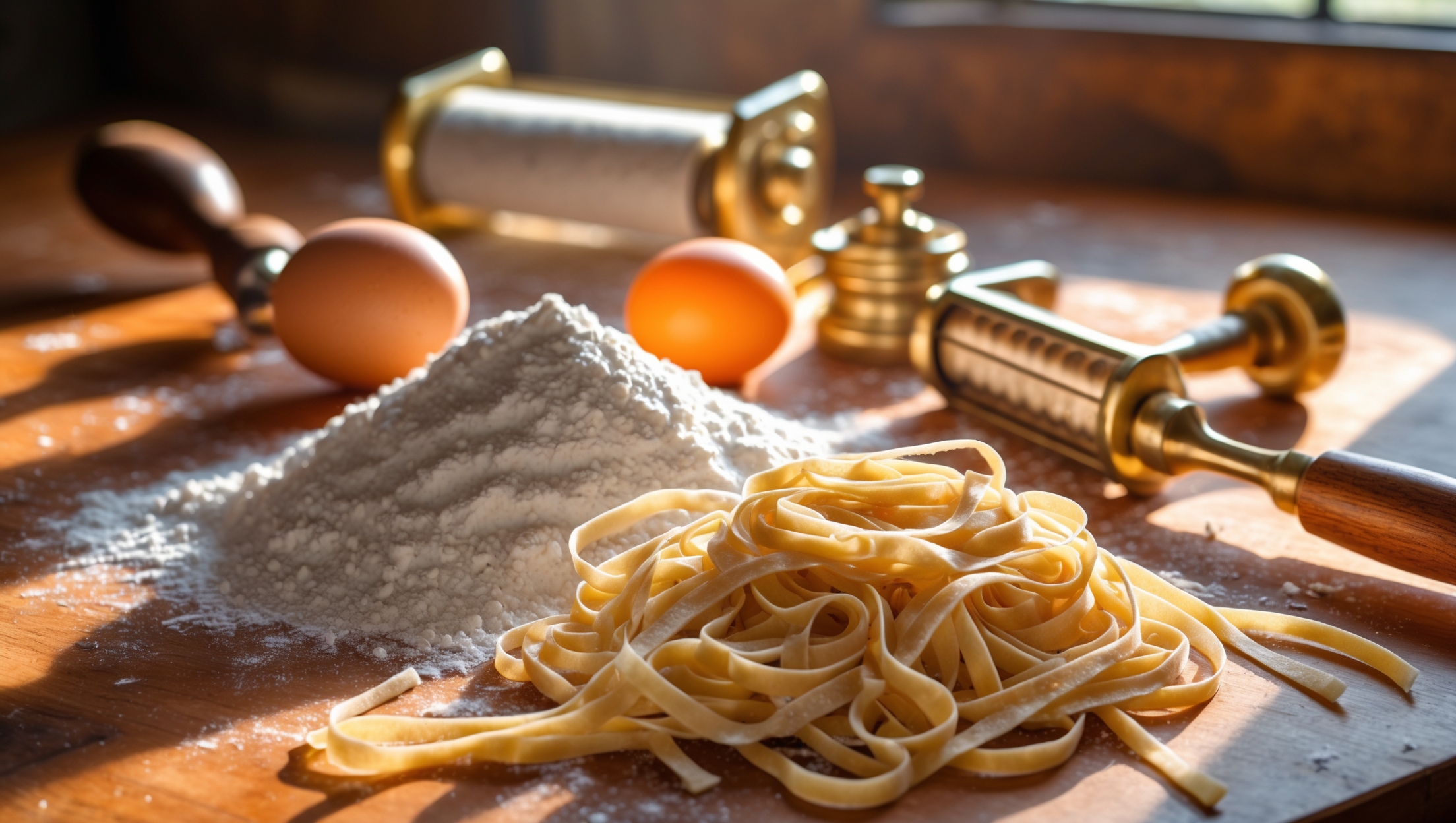
There’s something undeniably magical about transforming humble flour and eggs into silken ribbons of pasta. For home cooks and culinary creators alike, small-batch pasta making offers an accessible yet endlessly rewarding craft—one that blends tradition, creativity, and a tactile connection to your ingredients. But beyond the romance lies a practical question: how do you set yourself up for success, manage costs, and choose the right tools without overwhelming your kitchen or budget?
This guide delves deep into the world of small-batch pasta, focusing on the real-world details that matter. We’ll explore the essential tools (and which gadgets are worth skipping), break down the cost per batch, outline a step-by-step setup for first-timers, and share maintenance practices to ensure your equipment and technique stand the test of time. Whether you’re aiming to impress dinner guests or simply savor the ritual of pasta making, this comprehensive resource is your roadmap to refined, flavorful results.
Why Small-Batch Pasta? The Allure and the Advantages
Handmade pasta isn’t just about taste—it’s about craft. Unlike large-scale production, small batches allow for total control over texture and flavor. You can experiment with flours (semolina, 00, or even ancient grains), adjust hydration, and perfect your shaping technique. This approach is also ideal for modern home kitchens, where counter space is precious and time is often limited.
- Freshness: Small batches ensure your pasta never sits around long enough to lose its character.
- Customization: Easily tweak recipes for dietary needs (gluten-free, vegan) or seasonal inspiration.
- Minimal Waste: Make only what you need—no more stale, forgotten dough in the fridge.
- Enhanced Learning: Smaller amounts mean you can practice and refine your technique without being overwhelmed.
Cost Breakdown: What Does Small-Batch Pasta Really Cost?
Many home cooks assume that artisanal pasta requires a hefty investment. In reality, the costs are modest—especially when compared to premium store-bought fresh pasta. Let’s break it down.
Ingredient Costs per Batch (4 Servings)
- Flour (Type 00 or Semolina): 300g (~2.5 cups): $1.20
- Eggs: 3 large: $1.50
- Olive Oil (optional): 1 tbsp: $0.20
- Salt: 1 tsp: negligible
Total Ingredient Cost: Approximately $2.90 for four hearty servings.
Equipment Costs: One-Time Investments
- Pasta Roller (Manual): $40–$80
- Pasta Cutter/Wheel: $8–$20
- Bench Scraper: $8–$15
- Mixing Bowl: $10–$25
- Drying Rack (optional): $15–$30
Total Initial Setup: $70–$170 (much of which is reusable for years).
Utilities and Hidden Costs
- Energy: Minimal—boiling water and a few minutes of rolling.
- Maintenance: Occasional oiling of rollers and regular cleaning (see Maintenance section below).
Overall, once you invest in a few key tools, ongoing costs are trivial—particularly considering the quality and satisfaction of homemade pasta.
Essential Tools and Equipment: What You Need (and What You Don’t)
The world of kitchen gadgets is vast, but small-batch pasta favors simplicity. Here’s what you truly need, and what’s nice to have but optional.
Must-Have Tools
- Manual Pasta Roller: The backbone of small-batch pasta. Choose one with adjustable thickness and sturdy clamps. Electric rollers are convenient but not essential.
- Bench Scraper: For manipulating dough and cleaning surfaces efficiently.
- Mixing Bowl (or clean work surface): To combine ingredients and knead.
- Pasta Cutter or Knife: A simple wheel or sharp chef’s knife handles most shapes.
- Digital Scale: Precision ensures consistent results, especially with flour-to-egg ratios.
Optional but Useful
- Pasta Drying Rack: Fantastic for long noodles, but a floured kitchen chair works in a pinch.
- Ring Mold or Gnocchi Board: For shaping specialty pastas such as tortellini or gnocchi.
- Fine Mesh Sieve: For dusting flour or sifting semolina.
What to Skip
- Expensive Electric Machines: Overkill for small batches and harder to clean.
- Pasta Extruders: Fun, but not necessary for classic shapes and textures.
- Specialty Drying Cabinets: Not needed unless scaling up to semi-professional production.
Step-by-Step Setup: From Ingredients to Finished Pasta
Ready to begin? Here’s a straightforward workflow designed for the modern home kitchen, emphasizing efficiency, craft, and delicious results every time.
1. Mise en Place: Prep Your Station
- Clear your counter and gather tools: pasta roller, bench scraper, mixing bowl, scale, and cutter.
- Measure out flour and crack eggs into a separate bowl.
- Keep a damp towel nearby to cover dough during resting.
2. Mixing and Kneading
- Pour flour onto your work surface and create a well in the center.
- Add eggs (and a dash of olive oil, if desired) to the well.
- Use a fork or fingertips to gradually incorporate flour into eggs, working from the center outwards.
- When the mixture forms a shaggy dough, switch to kneading by hand. Knead for 8–10 minutes until smooth and elastic.
Pro Tip: If dough feels dry, add a teaspoon of water. If sticky, dust with flour sparingly.
3. Resting
- Wrap dough in plastic or cover with a damp towel. Rest at room temperature for at least 30 minutes. This relaxes gluten and makes rolling easier.
4. Rolling Out
- Divide dough into quarters. Flatten one piece and keep others covered.
- Set roller to the widest setting. Feed dough through, fold in thirds, and repeat twice.
- Continue rolling, reducing thickness with each pass, until desired thinness is achieved (typically setting #6 for tagliatelle, #7 for ravioli).
5. Shaping and Cutting
- Dust sheet lightly with flour. Cut into desired shapes—ribbons, lasagna, or filled forms.
- For noodles: Roll sheets up loosely and slice to width. Unfurl and lay on a floured surface or drying rack.
- For stuffed pasta: Place fillings, fold, and seal edges with a touch of water.
6. Cooking and Finishing
- Boil a generous pot of salted water.
- Fresh pasta cooks in 2–4 minutes—taste for doneness.
- Reserve some pasta water for emulsifying sauces.
Pair with seasonal sauces and finish with high-quality olive oil or freshly grated cheese for a refined touch.
Budgeting and Batch Management: Maximizing Value
Small-batch pasta is inherently cost-effective, but a few strategies can help you get the most from your investment—both in ingredients and time.
Buy Ingredients in Bulk (Selectively)
- Flour: Purchase high-quality flour in 5–10 lb bags for savings—store in airtight containers.
- Eggs: Local sources or farmers markets often offer fresher, more flavorful eggs for a similar price.
Batch Tasks for Efficiency
- Double the recipe and freeze half the dough or formed pasta (especially stuffed shapes).
- Prep sauces or fillings while dough rests to save time.
Waste Not, Want Not
- Trimmings can be rolled into rustic shapes or added to soups.
- Unused dough can be wrapped tightly and refrigerated for up to 2 days, or frozen for a month.
Maintenance Best Practices: Keeping Your Tools in Top Shape
Proper care of your pasta tools ensures longevity and peak performance. Here are maintenance essentials for each key piece of equipment:
Pasta Roller
- Never submerge in water. Instead, brush off excess flour after each use.
- If dough sticks inside rollers, allow it to dry, then chip away with a wooden skewer.
- Apply a drop of food-grade mineral oil to gears every few months.
Bench Scraper and Cutters
- Wash in warm, soapy water and dry thoroughly.
- Avoid dishwasher if wooden handles are present.
Mixing Bowls
- Standard dishwashing is fine, but avoid abrasive pads on glass or ceramic surfaces.
Storage
- Store tools in a dry area to prevent rust.
- Cover rollers with a cloth or store in original box to block dust.
Seasonal Inspiration: Flavor Variations and Creative Pairings
One of the joys of small-batch pasta is its adaptability to the seasons. Consider these ideas as starting points for your own culinary experiments:
- Spring: Add pureed peas or wild garlic to dough; pair with asparagus and lemon zest.
- Summer: Infuse dough with roasted red pepper or basil; serve with cherry tomato confit.
- Autumn: Incorporate pumpkin or sage into fillings; match with brown butter and hazelnuts.
- Winter: Try chestnut flour in dough; finish with porcini cream sauce.
Don’t be afraid to test unusual combinations—small batches make experimentation low-risk and highly rewarding.
Common Beginner Mistakes (and How to Avoid Them)
- Over-hydrating or under-hydrating dough: Add liquid or flour in small increments and trust your hands.
- Skipping the rest period: This leads to tough, hard-to-roll dough—always rest for at least 30 minutes.
- Rolling too thick or thin: Err on the side of thinner sheets for most shapes; use guides on your roller.
- Not flouring enough during rolling: Prevent sticking by dusting lightly and regularly.
- Overcooking fresh pasta: It cooks much faster than dried. Taste after two minutes.
Conclusion: Bringing Small-Batch Pasta into Your Culinary Repertoire
Embracing small-batch pasta making is more than a culinary project—it’s a hands-on journey through the traditions and innovations that define refined home cooking. With a modest investment in tools and a clear understanding of the process, you unlock a world of flavors and textures that far surpass what’s possible with store-bought alternatives. The cost per serving is minimal, the creative opportunities are limitless, and the satisfaction of crafting something truly special—by hand, for yourself and your guests—becomes a highlight of your kitchen routine.
Remember, mastery comes from repetition and curiosity. Each batch is a chance to refine your technique, test new flavor combinations, and develop a deeper appreciation for the simple ingredients at the heart of pasta. Whether you’re shaping silky tagliatelle for a quick weeknight meal or experimenting with seasonal fillings for a celebratory dinner, small-batch pasta offers a perfect balance of tradition, innovation, and everyday luxury.
So clear your counter, dust off your roller, and let the stories of taste and craft begin—one small batch at a time.


You mention breaking down the cost per batch for homemade pasta, but I’m curious how the total expense compares to buying fresh pasta from a grocery store or local market—especially if I only make pasta occasionally. Is there really a significant savings over time?
If you only make pasta occasionally, the cost savings might not be significant compared to buying fresh pasta from a store, especially when considering the initial investment in tools. Homemade pasta usually costs less per batch once you have the equipment, but for infrequent use, you may find store-bought options more convenient and similarly priced overall. The real advantage of making it yourself is the freshness and ability to customize ingredients.
I’m interested in offering gluten-free and vegan pasta options at my small cafe, but I’m concerned about cross-contamination and ingredient costs. Do you have tips for setting up a workflow that keeps things simple and budget-friendly, especially when working in a tight kitchen space?
To minimize cross-contamination, designate a separate prep area and tools for gluten-free and vegan pasta, even if it’s just a dedicated counter and utensils. Store ingredients in labeled, sealed containers. Batch-cook and freeze portions to save on labor and reduce waste. For cost savings, buy core ingredients like gluten-free flour in bulk and focus on versatile, simple recipes that use overlapping components. Regularly train staff on your protocols to ensure everything stays clear and consistent.
If I only have a very small kitchen and limited countertop space, what would be the absolute minimum set of tools you’d recommend to get started, and are there any common kitchen items that can realistically substitute for a real pasta roller?
For a small kitchen, you only need a mixing bowl, a fork, and a clean surface like a cutting board or even a large plate to knead dough. Instead of a pasta roller, you can use a regular rolling pin or even a sturdy wine bottle to roll out the dough. For cutting shapes, a sharp knife works fine. These basics are enough to start making homemade pasta without special equipment.
I’d love to get started with small-batch pasta, but my kitchen space is really limited. Could you elaborate on which tools are absolutely essential for beginners and which ones I can pass on if I don’t want to clutter my counter?
For a small kitchen, you only need a mixing bowl, a fork, and a clean surface or a silicone mat to knead and roll the dough. A rolling pin (or a wine bottle) helps with flattening. Skip the pasta maker, drying rack, or fancy cutters at first. A sharp knife or pizza cutter works great for most shapes. This way, you keep things simple and avoid clutter.
You mention swapping out different types of flour like semolina, 00, or ancient grains for small-batch pasta. Are there any combinations you’ve found that work best for beginners, and do these flours have a big impact on the final texture?
For beginners, a simple mix of all-purpose flour with a bit of semolina works very well—usually about 75% all-purpose to 25% semolina. This combo is easy to handle and gives pasta a nice bite without being too chewy. The type of flour does impact the texture: semolina adds firmness and a yellow color, while 00 flour makes the dough silkier and more tender.
For someone running a small food business out of their home kitchen, which pasta tools would you say are absolutely essential, and which ones are more of a nice-to-have but not necessary? I need to avoid clutter but still want to produce quality pasta.
For a small home-based food business, the essential pasta tools are a quality rolling pin, a bench scraper, and a reliable pasta cutter (either a knife or wheel). A manual pasta machine is also very helpful for consistency and speed but not strictly required. Extras like ravioli molds, drying racks, or specialty cutters are nice-to-haves if you expand, but you can make excellent pasta with just the basics and keep your workspace uncluttered.
You mentioned experimenting with different flours like semolina and 00 for small-batch pasta. How do the costs and results compare if I want to try ancient grains or gluten-free options instead?
Ancient grain flours like einkorn, spelt, or emmer tend to be pricier than semolina or 00, and usually create a nuttier flavor and slightly denser texture in pasta. Gluten-free options, such as rice or chickpea flour, can also be more expensive and may require xanthan gum or eggs for structure. The results with gluten-free flours will differ—they’re often more delicate and less elastic than traditional pasta.
The guide mentions step-by-step setup for first-timers, but I’m curious how long it actually takes to make a small batch from start to finish, including cleanup. Is this a realistic weeknight endeavor, or does it work best on weekends?
Making a small batch of pasta from scratch, including cleanup, typically takes about 1.5 to 2 hours if you’re new to the process. With practice, you might get it closer to an hour. While it’s doable on a weeknight if you have the time and energy, many find it more enjoyable and relaxed as a weekend project.
I have very limited counter space in my apartment kitchen—do you have any tips for setting up an efficient pasta-making area or for drying pasta in a small space without extra gadgets?
To make pasta in a small kitchen, use a large cutting board or a clean tray placed over your sink or stove for extra workspace. For drying, drape noodles over a clean broom handle or rolling pin balanced between two chairs, or hang them on the back of a clean chair. Lay short shapes on a towel-lined baking sheet. No fancy gadgets needed—just get creative with what you have!
I’m usually cooking for one or two people and struggle with kitchen space. Based on your advice, what are the absolute essential tools for making small-batch pasta without cluttering up my counters or spending a lot?
For small-batch pasta, you only need a few essentials: a medium mixing bowl, a fork (for mixing and kneading), a rolling pin or even a wine bottle, and a sharp knife or pizza cutter for cutting the dough. These tools are compact and versatile, so they won’t take up much space or require a big investment.
I’d love more detail on the cost per batch you mentioned. For a home cook on a tight budget, what are the typical expenses for ingredients and essential tools to get started with small-batch pasta?
For small-batch pasta at home, the ingredient costs are quite reasonable. Expect to spend about $1–$2 per batch (serving 2) for flour and eggs. Essential tools include a rolling pin ($10–$15), a mixing bowl, and a knife, all of which are often already in most kitchens. You can skip a pasta machine at first and upgrade later if you enjoy making pasta regularly.
When you talk about experimenting with different flours for pasta, are there any types that are trickier to work with for someone just starting out? I’m a little nervous about trying semolina or ancient grains on my first attempt.
It’s completely normal to feel unsure about which flour to use at first. Semolina and ancient grains like spelt or einkorn can be a bit more challenging because they absorb water differently and make a stiffer dough, which can be tricky to knead and roll out by hand. For your first attempt, starting with standard all-purpose or ’00’ flour is easier—they’re more forgiving and help you get a feel for the dough. Once you’re comfortable, you can try experimenting with other flours.
For someone with very limited counter space in a small kitchen, which essential pasta-making tools would you recommend prioritizing, and are there any common gadgets you suggest skipping so I don’t clutter up my space?
If counter space is limited, prioritize a compact rolling pin (or even a wine bottle in a pinch), a sharp knife or pizza cutter, and a large mixing bowl. These cover the basics for mixing, rolling, and cutting dough. You can skip bulky pasta drying racks or electric pasta machines—hang pasta over a clean chair or towel rack instead and hand-cut shapes for simplicity. This keeps your kitchen uncluttered while still enabling delicious homemade pasta.
I noticed you talk about making small batches to avoid wasting dough and keeping things fresh. In practice, about how much time does it take from mixing the ingredients to actually cooking the pasta, especially for a beginner?
For beginners, making small-batch pasta typically takes about 60 to 90 minutes from mixing the dough to cooking the pasta. This includes 10–15 minutes for mixing and kneading, 30 minutes for letting the dough rest, 20–30 minutes for rolling and shaping, and just a few minutes to cook the fresh pasta. With practice, the process becomes quicker.
You mention that some gadgets are worth skipping when it comes to small-batch pasta. Can you give examples of which tools are truly essential and which ones you’ve found to be unnecessary for a beginner trying to keep costs low?
For small-batch pasta, truly essential tools are a rolling pin (or even a wine bottle), a sharp knife or pizza cutter, and a clean surface for rolling dough. A simple mixing bowl is handy too. Unnecessary gadgets for beginners include pasta drying racks, specialty cutters, and motorized pasta machines. You can always add more tools later, but these basics are all you need to start making delicious pasta at home.
Since space is a concern in many modern home kitchens, would you suggest any particular compact tools or multi-use gadgets that do a good job without cluttering the counter? I’m looking for options that balance functionality and storage for someone just starting out.
For small kitchens, consider a compact hand-crank pasta roller that clamps onto your counter and stores easily in a drawer. A bench scraper can be used for mixing, cutting, and cleaning up dough. A nesting set of mixing bowls or measuring cups saves space too. Multi-use items like a rolling pin that also works as a dough cutter or a colander that fits over your sink can help maximize functionality without clutter.
If counter space is pretty limited in my apartment kitchen, are there any essential pasta tools you suggest prioritizing? Are there specific gadgets you think are really not worth the money for small-batch pasta making?
For a small kitchen, a simple rolling pin and a sharp knife or pizza cutter are really all you need to make small-batch pasta. A large pasta machine or drying rack can take up unnecessary space, so they’re not essential. If you want one specialty tool, a bench scraper is handy and compact for handling dough, but everything else can be improvised.
The article mentions experimenting with different types of flour like semolina, 00, or ancient grains. Could you share which flour yields the best texture for beginners, and whether the cost varies much depending on your choice?
For beginners, using 00 flour is often the easiest way to get a silky, elastic dough that’s simple to work with and results in a tender pasta texture. Semolina creates a firmer, slightly coarser pasta, which is great for shapes like penne but can be trickier to handle at first. 00 flour may cost a bit more than all-purpose flour but is usually similar in price to semolina. Ancient grain flours tend to be more expensive and are harder to find.
Your article talks about maintenance practices for pasta tools. What’s the best way to clean and store a basic pasta roller or cutter so it lasts, and are there common mistakes that first-timers might make that shorten the lifespan of their equipment?
To keep your pasta roller or cutter in good shape, always avoid washing it with water—use a dry brush or cloth to remove flour and dough bits instead. Let any stuck dough dry fully, then gently scrape it off. Store the roller in a dry, dust-free spot. A common mistake is using water or soap, which can cause rust and damage. Also, never force the rollers if dough is stuck—clear it gently to prevent misalignment.
I’m curious about the step-by-step setup for first-timers that you mention. Does this include ways to manage limited counter space, and are there specific techniques or setup tips for those working in particularly small kitchens?
Yes, the step-by-step setup in the article definitely takes small or limited kitchen spaces into account. For tight counters, it suggests prepping ingredients in advance, using nesting bowls, and rolling dough on a large cutting board that can be put away after use. You can also clamp a small pasta maker to almost any table edge. Drying pasta can be managed by using a portable rack or even clean broomsticks balanced between chairs.
The article hints at a per-batch cost breakdown for homemade pasta—could you provide a sample budget for a basic setup, including both starter tools and typical ingredient costs per batch? I’m trying to figure out if this is financially practical for casual use.
Absolutely, here’s a basic budget estimate: For tools, a simple hand-crank pasta machine is around $30–40, a rolling pin about $10, and a bench scraper $5–10. For each batch (serving 2–3), you’ll need about 2 cups flour ($0.60) and 2 eggs ($0.50), totaling roughly $1–1.20 per batch. Your upfront tool investment is about $45–60. For casual use, it’s cost-effective over time, especially if you enjoy fresh pasta regularly.
When breaking down the cost per batch, could you give an example using both standard and specialty flours like semolina or ancient grains? I’d love more insight on how ingredient choices affect my expenses.
Certainly! For a small batch (about 2-3 servings), using standard all-purpose flour usually costs around $0.30-$0.50. If you use semolina or ancient grains like einkorn, the cost can rise to $1.00-$1.50 per batch, depending on the brand and where you buy them. Specialty flours generally cost more per pound, so your ingredient choice can double or even triple the price per batch compared to regular flour.
I’m really interested in the idea of making just enough pasta to avoid leftovers, but I have very limited counter space. Are there specific tools or techniques you recommend for maximizing results in a small kitchen?
Absolutely, making small-batch pasta in a compact kitchen is totally possible. Choose a small mixing bowl and use a fork or your hands to mix dough right in the bowl to avoid flour mess. Roll dough with a short rolling pin or even a wine bottle on a clean cutting board. For cutting pasta, a sharp knife or pizza cutter works well. Hang pasta over a chair back or a clean broom handle to dry. Keeping tools minimal and surfaces clean really helps with limited space.
Could you give a ballpark estimate on the actual cost per small batch, including ingredients and basic equipment? I want to know what I’d be investing upfront before I commit to making homemade pasta regularly.
For a single small batch (enough for 2–3 servings), ingredients like flour and eggs typically cost $2–$4. Basic equipment—rolling pin, mixing bowl, knife, and a drying rack—can be sourced for around $30–$50 total. If you decide to add a pasta machine, that adds about $40–$80. So, the upfront investment ranges from $30 to $130, with each batch afterward costing just a few dollars.
I noticed you mention managing costs per batch—do you have a ballpark estimate for how much it would cost to make a single small batch, including ingredients and a basic set of tools?
For a single small batch of pasta—enough for two people—the ingredients like flour and eggs usually cost around $2 to $3. If you’re starting from scratch, a basic set of tools (rolling pin, mixing bowl, and knife or pizza cutter) can add about $20 to $30 upfront. If you invest in a simple hand-crank pasta machine, expect an additional $30 to $40.
This article talks a lot about essential tools versus optional gadgets for making pasta at home. Can you give specific examples of which tools are really necessary for beginners, especially for someone with a tiny kitchen and tight budget?
For beginners with limited space and budget, start with just the essentials: a large mixing bowl, a fork (or your hands) for mixing dough, a rolling pin (or even a clean wine bottle), and a sharp knife or pizza cutter for shaping. Optional gadgets like pasta machines, ravioli stamps, or drying racks are helpful but not needed at first. You can make excellent pasta using these basic tools.
Could you elaborate on which pasta-making tools are truly essential for a beginner with a tight budget and limited counter space? I’m wondering if a basic rolling pin suffices, or if investing in a hand-crank pasta machine really makes a significant difference in results and ease.
For a beginner with limited space and budget, a basic rolling pin is absolutely sufficient for making pasta. You can roll most doughs thin enough by hand, and cut shapes with a knife or pizza cutter. While a hand-crank pasta machine can help achieve uniform thickness and speed things up, it’s not essential. Many home cooks find hand-rolled pasta just as delicious, though it might take a bit more effort. Start with the rolling pin, and upgrade if you find yourself making pasta often.
The article touches on cost breakdown but doesn’t detail how much a typical small batch really costs per serving. Could you give a ballpark estimate, including the most basic tools and ingredients, for someone just starting out?
For a basic small batch of homemade pasta, you’ll need flour, eggs, and perhaps a pinch of salt. These ingredients typically cost around $1–$2 total for a batch serving 2 people, so about 50 cents to $1 per serving. For tools, if you start with just a rolling pin and a knife—common kitchen items—there’s no extra cost. If you buy an inexpensive pasta roller, that could add $20–$30 upfront, but that’s a one-time purchase.
I noticed the article mentions that some gadgets may not be worth the investment for small-batch pasta making. Could you give specific examples of which tools to skip versus which are truly essential for beginners trying to keep costs low?
For beginners making small batches of pasta, skip expensive gadgets like electric pasta rollers, ravioli presses, or drying racks. These add cost and aren’t necessary at first. Stick to essentials: a mixing bowl, a fork for mixing, a rolling pin or wine bottle to roll dough, and a sharp knife or pizza cutter to shape pasta. A basic pasta roller can be helpful but isn’t required right away.
The article mentions experimenting with different flours like semolina, 00, and ancient grains for pasta. Are there certain flours that are more forgiving for beginners, or should first-timers just stick with a classic type?
For beginners, starting with classic all-purpose flour or 00 flour is often easiest because they yield smooth, elastic dough that’s simple to work with. Semolina gives a firmer texture but can be slightly trickier to knead and shape at first. Ancient grains like spelt or einkorn can behave unpredictably, so it’s usually best to experiment with those after you’re comfortable with the basics.
I’m intrigued by your mention of experimenting with different flours for small-batch pasta. Could you share more about how using something like semolina versus 00 flour affects both the cost and the texture for a beginner?
Semolina flour gives pasta a slightly gritty texture and a deep yellow color, making noodles more robust and chewy—great for shapes like penne. 00 flour is very finely milled, leading to silkier, more delicate pasta, perfect for fettuccine or ravioli. Semolina is usually a bit cheaper, but 00 flour’s cost is only slightly higher for small batches. For beginners, both are easy to use, with 00 flour being more forgiving if you’re rolling by hand.
You mention that making small batches allows for experimenting with different flours like semolina and 00. Does the guide provide advice on how switching flours might affect the overall cost per batch, especially for someone on a tight budget?
The guide highlights the benefits of experimenting with flours such as semolina and 00, but it doesn’t provide a detailed cost breakdown for each type. However, it does suggest that you can easily adapt recipes to use more affordable options like all-purpose flour if budget is a concern, and small batches naturally help keep costs lower when testing new ingredients.
You talk about cost per batch and minimizing waste, but how much does it usually cost to make enough pasta for a family of four? I’d love a rough breakdown of the actual ingredient and equipment costs.
For a family of four, you’ll typically need about 400g (about 3 cups) of flour and 4 large eggs. The flour usually costs around $1–$2, and eggs about $1–$2, depending on quality and local prices. So, ingredients total roughly $2–$4 per batch. For equipment, a basic pasta roller costs $30–$50, but you can also roll by hand with a rolling pin (about $10). These are one-time investments.
You mentioned that small-batch pasta offers better control over texture and flavor, especially with different types of flours. Could you share more about how the choice between semolina, 00, or ancient grains specifically impacts the final result for a beginner?
Certainly! Semolina flour gives pasta a slightly coarse texture and firm bite, making it great for shapes like penne. 00 flour is very fine and makes silky, delicate pasta—ideal for fettuccine or ravioli. Ancient grains like spelt or einkorn add nutty flavors and a heartier texture. For beginners, starting with 00 or semolina is easiest, while ancient grains are fun to experiment with once you’re comfortable with the basics.
For someone completely new to making pasta at home, about how much time should I realistically set aside for a small-batch session from start to cleanup? I’m trying to figure out if this is possible on a weeknight.
For a beginner making small-batch pasta, you should plan on setting aside about 90 minutes from start to cleanup. Mixing and kneading dough takes about 20 minutes, resting the dough 30 minutes (which you can use to prep sauce or sides), rolling and shaping 20–25 minutes, then cooking and cleaning up another 15–20 minutes. With practice, you’ll likely get faster, but for your first few times, 90 minutes is a realistic estimate for a weeknight.
I noticed you mentioned experimenting with different flours like semolina and 00. For someone making small batches at home, is there a noticeable difference in texture or difficulty when switching between these flours, and do they affect the cost per batch much?
Switching between semolina and 00 flour does make a noticeable difference in texture—semolina gives pasta a slightly coarser, firmer bite, while 00 flour makes it silkier and more delicate. In terms of difficulty, both are easy to work with in small batches, though semolina may need a bit more kneading. The cost difference is minimal per batch, especially when making small amounts.
You mentioned experimenting with different types of flours and even making gluten-free or vegan options. Are there certain tools or adjustments needed when making pasta for those dietary needs?
When making gluten-free or vegan pasta, you might need to adjust both your ingredients and your technique. For gluten-free dough, a pasta machine can help since the dough is often more fragile and sticky. You may also need to use extra bench flour to prevent sticking. Vegan dough, without eggs, is usually a bit drier, so adding a little water or olive oil can help achieve the right texture. Rolling pins, cutters, and pasta boards all work as usual for these variations.
The article mentions experimenting with different flours like semolina and 00. Could you clarify how much of a difference these make in flavor and texture, and whether one is better for first-timers on a budget?
Semolina flour gives pasta a slightly nutty flavor and a firmer, more textured bite, which is great for shapes like penne or orecchiette. 00 flour is super fine and produces silkier, more tender pasta—ideal for noodles like tagliatelle. For beginners on a budget, 00 flour can be a bit pricier, but all-purpose flour is a reasonable substitute. Semolina is affordable and easy to work with, making it a good starting point, especially for shaped pasta.
For someone who wants to experiment with different flours for dietary reasons, how much extra preparation or ingredient cost should I expect compared to sticking with regular flour and eggs?
When experimenting with specialty flours like chickpea, rice, or gluten-free blends, you can expect ingredient costs to be 2–4 times higher than regular all-purpose flour. Preparation may take a bit longer, as alternative flours sometimes need extra hydration or resting time, and dough texture can vary. Plan for some trial and error as you adjust recipes for different flour types.
The article mentions experimenting with different flours like semolina and 00. Are there any noticeable differences in the kneading or shaping process when switching between these flours, especially for a beginner?
Yes, there are some differences when working with semolina versus 00 flour. Semolina is coarser and may require a bit more kneading to form a smooth dough, while 00 flour is very fine and tends to come together more quickly. For beginners, 00 flour might feel easier to work with at first because it creates a softer, more pliable dough that’s simpler to shape. With semolina, you might notice the dough feeling a bit firmer and slightly grainy, but this also makes it less sticky. Try both to see which texture you prefer.
I’m interested in making small-batch pasta at home, but my kitchen is pretty limited on space. Which essential tools mentioned in your guide take up the least room but still get the job done well for beginners?
If your kitchen space is tight, focus on a mixing bowl, a fork or small whisk for combining the dough, and a rolling pin or even a sturdy bottle to roll it out. For cutting, a sharp knife or bench scraper works well. You can skip the pasta machine for now—hand rolling and cutting are beginner-friendly and take up minimal space.
how you mention minimizing waste by making only what you need. Do you have suggestions for the best way to store any leftover dough or pasta if I accidentally make too much in a small batch?
If you have leftover pasta dough, wrap it tightly in plastic wrap and store it in the refrigerator for up to two days. For cut pasta, dust it lightly with flour, let it dry for about an hour, then store it in an airtight container in the fridge for up to two days or freeze it for longer storage. Just be sure to use it soon for the best texture and taste.
You mentioned customizing recipes for dietary needs like gluten-free or vegan. Are there certain flours or ingredient combos you’ve found most reliable for consistent results in a small-batch setting?
For gluten-free small-batch pasta, blends of brown rice flour with a bit of tapioca or potato starch work well—start with a 2:1 ratio. For vegan recipes, swap eggs for aquafaba or water with a little olive oil, and use semolina or all-purpose flour as the base. Chickpea flour also holds up nicely and adds protein. Small batches let you experiment, so try different ratios until you get the texture you like.
I’m curious about the step-by-step setup you recommend for someone making small-batch pasta in a really tight kitchen space. Could you elaborate on which equipment truly earns its spot when counter space is limited?
For a tight kitchen, focus on essentials: a medium mixing bowl for dough, a fork or bench scraper for mixing, and a compact rolling pin. Skip a pasta machine if counter space is tight—hand-rolling works fine for small batches. Use a clean, flat surface or even a large cutting board for rolling and cutting. A sharp knife or pizza cutter is enough for shaping noodles. This setup minimizes tools while still letting you make great pasta.
Could you give more detail on the actual cost per batch of homemade pasta? I’d like to understand how the price compares to buying fresh pasta at the grocery store, especially when using specialty flours like 00 or semolina.
For a small batch (about 2-3 servings), making homemade pasta with specialty flours like 00 or semolina usually costs between $2 and $3.50 total, mainly covering flour and eggs. High-quality 00 flour typically costs about $1 per cup, and semolina is similar. Store-bought fresh pasta often ranges from $4 to $7 for a similar amount. So, homemade is generally cheaper per batch, even using premium ingredients, and you get full control over freshness and recipe.
I’m curious about the cost breakdown you mentioned. How much should I actually expect to spend on the essential pasta tools if I want decent quality but not the fanciest gadgets, and which items do you think are truly worth investing in for someone just starting out?
If you’re just starting out and want decent quality tools without going overboard, expect to spend around $50–$100. The essentials are a sturdy rolling pin (about $10–$20), a pasta cutter or knife ($10–$15), and a basic hand-crank pasta machine ($30–$60). I’d recommend investing in the pasta machine and rolling pin as your priority—they make the process much easier and more enjoyable for beginners.
You talked about experimenting with different flours and adjusting hydration. For a first-timer, is there a type of flour that is easiest to work with or more forgiving for getting the texture right?
For your first time making pasta, all-purpose flour is a great choice because it’s easy to handle and gives consistent results. If you want something closer to traditional Italian pasta, try ’00’ flour, which makes a silky dough but can be a bit stickier. All-purpose flour tends to be more forgiving if you’re still learning to judge dough texture.
Could you clarify which specific pasta-making tools you consider essential for someone with very limited kitchen space? Are there certain gadgets you find overrated or unnecessary for small-batch home cooks?
For a small kitchen, the essentials are a mixing bowl, a fork or small whisk for blending dough, a rolling pin, and a sharp knife or pizza cutter for shaping pasta. A pasta machine is nice but definitely optional—rolling by hand works for small batches. Gadgets like ravioli molds, drying racks, or specialty cutters are not necessary and can take up valuable space.
I’m worried about cluttering my kitchen with unnecessary gadgets. Which pasta-making tools do you consider truly essential for beginners, and are there any ‘extras’ that you found weren’t worth the investment?
For beginners, the only truly essential tools are a mixing bowl, a fork or small whisk, and a rolling pin. If you want uniform noodles, a simple pasta cutter or knife works well. Many people find that a pasta machine or drying rack are extras—they’re nice but not necessary when starting out. Stick to the basics, and you can always add more gadgets later if you find you love making pasta regularly.
You mention being able to experiment with different flours like semolina and 00 for small batches. In your experience, is there a noticeable taste or texture difference when using supermarket all-purpose flour versus specialty flours, especially for someone just starting out?
Yes, there is a noticeable difference. Specialty flours like semolina or 00 yield pasta with a different texture—00 gives a silky, delicate feel while semolina adds firmness and a subtle bite. Supermarket all-purpose flour still makes tasty pasta, but it might be slightly softer or less elastic. If you’re just starting out, all-purpose is a great way to practice, but trying specialty flours later can really highlight those differences.
I noticed you talked about experimenting with different flours and adjusting hydration. For someone just starting out, is there a particular flour type or dough formula you recommend to avoid common first-time mistakes, especially if I want to try vegan pasta?
For beginners, starting with all-purpose flour is a safe choice since it’s easy to work with and widely available. If you want eggless (vegan) pasta, try a dough with 200 grams of all-purpose flour and about 90–100 grams of water, adding the water gradually until the dough is smooth but not sticky. Semolina flour is another good option for vegan pasta, giving a firmer texture. Avoid whole wheat at first, as it can be harder to knead and shape.
I’m curious about your suggestion to skip some gadgets. Are there any specific pasta-making tools that seem unnecessary for beginners, and which ones actually provide the best value for someone just starting small-batch recipes at home?
For beginners making small-batch pasta, you can skip gadgets like ravioli molds, specialty cutters, or motorized attachments. A simple rolling pin and a sharp knife are often enough to get started. If you want a little more convenience, a hand-crank pasta machine offers good value and versatility, helping you achieve even sheets and various shapes without too much investment.
The article mentions trying different flours like semolina and 00. How much do those ingredient choices really impact the cost per batch, and is there a big difference in the final texture for a beginner?
Switching between flours like semolina and 00 doesn’t change the overall cost per batch much—usually, it’s just a small difference of a dollar or two, especially for small batches. However, the texture can be noticeably different: semolina makes pasta a bit firmer and slightly gritty, while 00 flour results in a silkier, more tender dough. Beginners can experiment with both to see which texture they prefer without worrying about a big budget impact.
I’m curious about the cost breakdown you referenced for making small-batch pasta. Can you give a ballpark figure for the total cost per batch, including basic ingredients and essential tools, for someone just starting out?
For someone starting from scratch, your upfront investment in essential tools (like a rolling pin, pasta cutter, and large mixing bowl) will likely be around $30–$60, depending on quality and brand. For basic ingredients—flour, eggs, and salt—the cost per batch is generally $2–$4, enough for 2–3 servings. Once you have the tools, future batches will only cost you the price of ingredients, making each meal quite affordable.
You mention that making small batches lets you experiment with different flours like semolina and 00. Could you clarify if certain types of flour are easier for beginners, especially if cooking with kids is involved?
For beginners, especially when cooking with kids, all-purpose flour or 00 flour is usually the easiest to work with. These flours create a softer, more forgiving dough that’s easier to knead and shape. Semolina adds flavor and texture but can make the dough a bit firmer and trickier for little hands. Starting with 00 or all-purpose flour is a great way to build confidence before experimenting with blends.
If I want to try different flours like semolina or ancient grains, are there adjustments I should make to hydration or technique? I’d love some specifics on what changes when experimenting with those flour types in small batches.
Using flours like semolina or ancient grains often requires adjusting hydration. Semolina usually needs a bit more water—start by increasing hydration by about 5–10%. Ancient grains, like spelt or einkorn, tend to absorb water differently, sometimes needing less hydration, so add water gradually. Knead gently, as these flours can develop gluten differently and may make dough feel stiffer or more delicate. Always let dough rest a bit longer to fully hydrate before shaping.
You mention breaking down the cost per batch, but I’m curious if it’s possible to keep the upfront expenses under a certain budget, say $50. What would be the minimum set of tools and ingredients for a cost-conscious beginner?
Yes, you can definitely start small-batch pasta making on a $50 budget. All you really need is a rolling pin, a mixing bowl, a fork, and a knife—no pasta machine required. For ingredients, just get all-purpose flour and eggs. These basics will let you make most simple pasta shapes without extra gadgets, making it a budget-friendly way to begin.