
Introduction: The Art of Seasonal Ingredient Sourcing
In the world of refined cooking and culinary culture, the journey from market to table is a story brimming with adventure, discovery, and craft. Whether you’re a devoted home cook, an aspiring food entrepreneur, or a seasoned chef, mastering the art of sourcing seasonal ingredients can dramatically transform your dishes, your budget, and your connection to food culture. The secret to unforgettable flavor often lies not in rare techniques or expensive gadgets, but in the quality and seasonality of what you bring home. Yet, navigating farmers’ markets, local producers, and specialty shops can feel overwhelming—especially when balancing cost, freshness, and creativity.
This comprehensive guide will take you step-by-step through the strategies and secrets of seasonal ingredient sourcing. We’ll explore where and how to find the best produce, how to build relationships with vendors, budget smartly, store your finds for lasting freshness, and transform your market haul into culinary masterpieces. You’ll also discover common pitfalls to avoid, essential tools for market shopping, and creative ways to use less-than-perfect produce. Whether you’re looking to elevate weeknight dinners or embark on a new food venture, this is your roadmap to making the most of every season’s bounty.
Understanding Seasonality: Why It Matters
The Flavor Advantage
Seasonal produce is harvested at its peak, offering superior flavor, aroma, and texture. Tomatoes in July, asparagus in April, and apples in October each deliver nuances that outshine their out-of-season counterparts. Cooking with what’s at its best elevates even simple recipes, letting nature’s timing do the heavy lifting.
Nutritional Benefits
Freshly harvested produce tends to retain more nutrients than items shipped across continents or stored for months. Vitamins, minerals, and antioxidants are most abundant in fruits and vegetables consumed soon after picking.
Economic and Environmental Impact
Choosing seasonal and local ingredients supports small-scale farmers, reduces transportation costs, and lowers your carbon footprint. It’s a sustainable choice that also often leads to better value for your money.
Where to Source Seasonal Ingredients
Farmers’ Markets
Farmers’ markets are treasure troves for cooks seeking the best of each season. Vendors typically offer produce harvested within days, specialty items like microgreens or heritage grains, and a chance to engage directly with growers. To maximize your visit:
- Arrive early for the freshest picks and rare finds.
- Take a first lap to compare prices and quality before purchasing.
- Engage with growers—ask about varieties, ripeness, and even recipe ideas.
Community Supported Agriculture (CSA) Boxes
Joining a CSA connects you with a local farm, providing regular boxes of seasonal produce. This model ensures freshness, supports farmers, and encourages culinary creativity as you adapt to what’s in each box.
Specialty Grocers and Co-ops
Independent grocers, food co-ops, and ethnic markets often prioritize local and seasonal products. These shops are also good sources for artisan cheeses, cured meats, and pantry staples that complement seasonal produce.
Direct from Farms and Urban Gardens
Many farms welcome visitors for pick-your-own experiences or offer farm stands. Urban gardens and rooftop farms are also gaining ground in cities, providing hyper-local produce and unique varieties.
Wild Foraging (With Caution)
Foraging can yield wild greens, mushrooms, berries, and herbs. If you choose to forage, ensure you’re knowledgeable about plant identification and local regulations to harvest safely and sustainably.
Building Vendor Relationships: The Insider’s Advantage
Why Relationships Matter
Regularly engaging with market vendors and farmers unlocks access to insider tips, first dibs on specialty items, and even discounts. Over time, you’ll develop a rapport that can lead to custom orders or alerts about upcoming harvests.
Questions to Ask Farmers and Vendors
- What’s in peak season this week?
- How was this grown or raised?
- How do you recommend storing or preparing this?
- Do you have any seconds or overripe produce for a discount?
Respect and Repeat Business
Be courteous, patient, and open to trying new things. Loyal customers are often rewarded with samples, recipe cards, or heads-up on exclusive products.
Budgeting for Seasonal Shopping
Understanding Cost Fluctuations
Prices often drop when produce is abundant, but specialty items can fetch a premium. Understanding the season’s arc helps you plan purchases and avoid overpaying.
Smart Market Strategies
- Set a Weekly Budget: Decide how much you’ll spend and bring cash to avoid impulse buys.
- Embrace Imperfect Produce: “Seconds” are often deeply discounted and ideal for jams, sauces, or baking.
- Buy in Bulk (and Preserve): When prices are lowest, stock up for freezing, canning, or pickling.
- Prioritize Splurges: Spend more on signature items (heirloom tomatoes, fresh truffles) and round out meals with affordable staples.
Sample Cost Breakdown
- Leafy greens (per bunch): $2–$4
- Berries (pint): $4–$6
- Root vegetables (per pound): $1–$3
- Specialty mushrooms (per pound): $10–$18
- Cheeses, breads, and eggs: $5–$8 each
These prices vary by region and season; tracking them over time gives you an edge in spotting deals.
Essential Tools for Market Shopping
- Reusable Bags and Produce Sacks: Sturdy, easy-to-carry, and eco-friendly.
- Insulated Cooler Bag: For dairy, meats, or delicate greens in warm weather.
- Small Paring Knife and Cutting Board: Useful for sampling or prepping on the go.
- Notebook or Market App: Track purchases, prices, and vendor recommendations.
- Cash (Small Bills): Some vendors may not accept cards.
Storing and Preserving Your Market Haul
Immediate Post-Market Steps
- Sort produce by type and ripeness.
- Remove greens from root vegetables to prevent wilting.
- Rinse only what you’ll use immediately to avoid premature spoilage.
Optimal Storage Solutions
- Greens: Wrap in a damp towel and store in a breathable bag in the crisper.
- Herbs: Treat like fresh flowers—snip stems and place in a jar of water, covered loosely.
- Berries: Store unwashed in a single layer, in a ventilated container.
- Root Vegetables: Keep in a cool, dark, dry place.
- Tomatoes: Store at room temperature away from direct sunlight.
Preservation Techniques
- Freezing: Blanch and freeze peas, beans, or corn for later use.
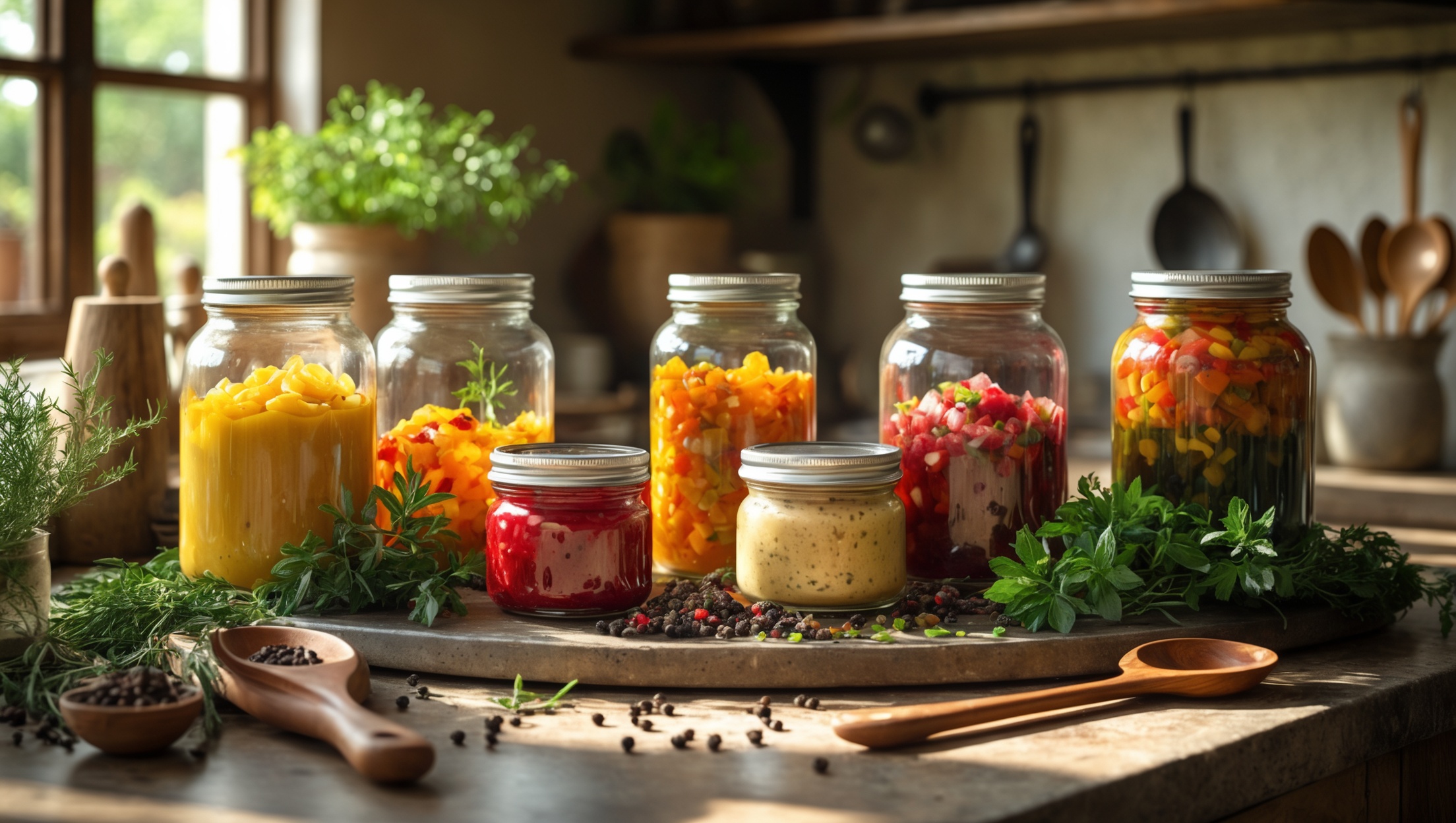
- Canning: Make jams, pickles, and sauces during peak season.
- Drying: Herbs, mushrooms, and tomatoes dry well for long-term storage.
Cooking Creatively with Seasonal Abundance
Menu Planning Around the Market
Start with a flexible shopping list, but let the market offerings inspire your week’s meals. Base core recipes on what’s freshest, then supplement with pantry staples and proteins.
Transforming Gluts and Imperfect Produce
- Soup and Stew Bases: Overripe tomatoes, squash, or greens make excellent bases.
- Pesto and Sauces: Blend herb stems, carrot tops, or beet greens into vibrant pestos.
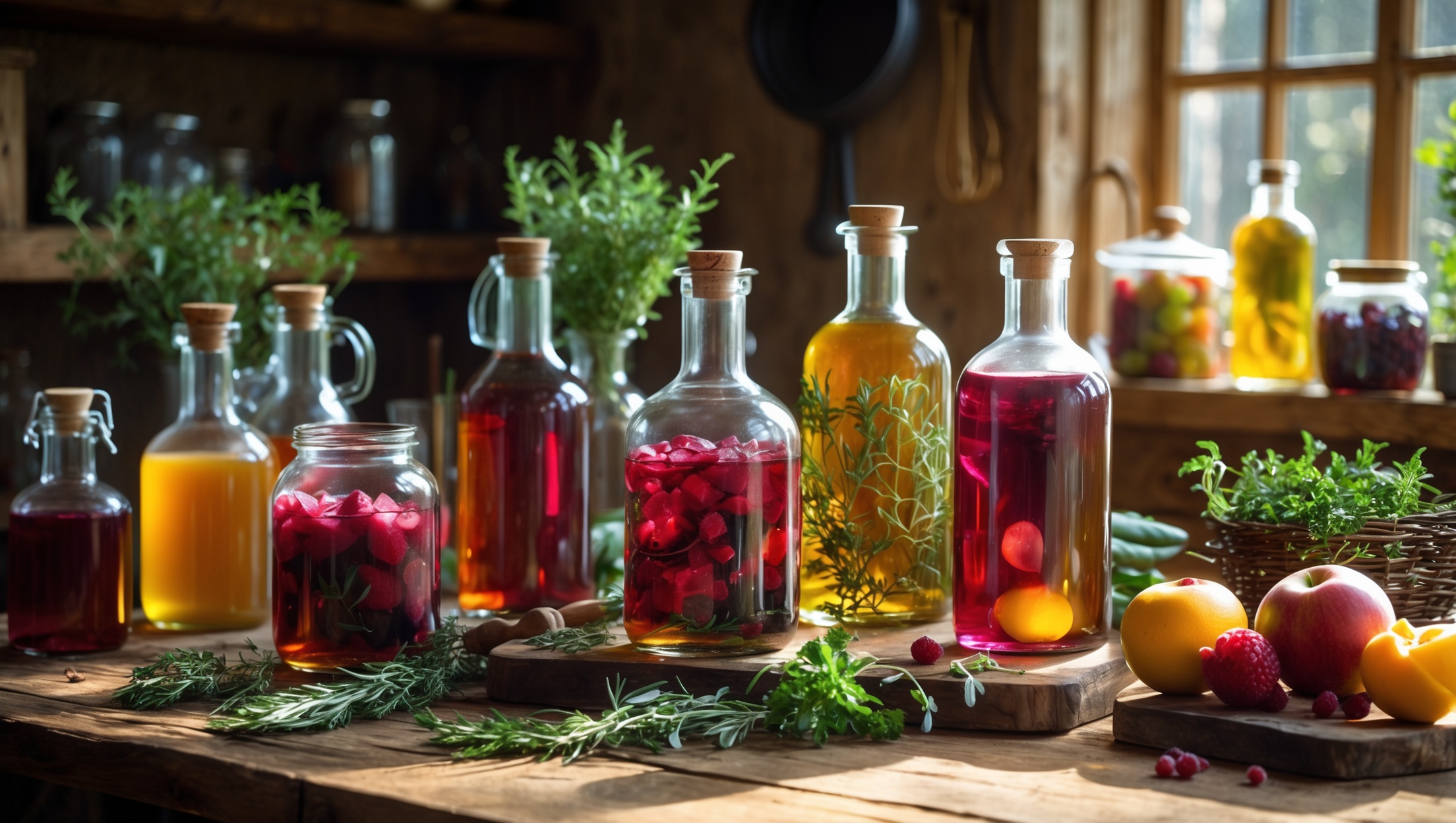
- Quick Pickles: Cucumbers, radishes, and beets can be pickled in under an hour.
- Baking: Bruised fruit shines in crisps, muffins, or compotes.
Signature Seasonal Dishes
- Spring: Asparagus frittata with local goat cheese and chive blossoms
- Summer: Tomato and stone fruit salad with basil and fresh mozzarella
- Autumn: Roasted root vegetable medley with herbed brown butter
- Winter: Braised greens with smoked sausage and heirloom beans
Common Mistakes to Avoid
- Overbuying: Enthusiasm can lead to waste. Plan meals and consider preservation methods before loading up.
- Ignoring Storage Needs: Improper storage is a top cause of spoilage. Review best practices for each item.
- Overlooking “Ugly” Produce: Imperfect items are often tastier, cheaper, and just as nutritious.
- Sticking Only to the Familiar: Try at least one new ingredient each visit to expand your repertoire.
- Shopping Late in the Day: While deals can be found, selection is limited and quality may suffer.
Case Study: A Week of Seasonal Cooking from the Market
Day 1: Market Visit and Menu Planning
Arrive early at your local farmers’ market. Select leafy greens, radishes, strawberries, eggs, and a loaf of sourdough. Chat with a vendor about their favorite way to cook baby turnips. Back home, sketch out a week’s menu based on your haul.
Day 2: Spring Tartine Breakfast
Toast sourdough, top with whipped ricotta, market greens, and a soft-boiled egg. Finish with a sprinkle of salt and peppery radish slices.
Day 3: Strawberry-Arugula Salad
Combine arugula, sliced strawberries, toasted walnuts, and goat cheese. Dress simply with olive oil and balsamic vinegar.
Day 4: Quick Pickled Radishes
Slice leftover radishes and submerge in a vinegar brine with sugar, salt, and fresh herbs. Use as a topping for sandwiches or grain bowls.
Day 5: Vegetable Frittata
Whisk eggs with chopped greens and sautéed turnips. Pour into a skillet and bake until set. Serve with a fresh green salad.
Safety and Quality Checklist
- Inspect for Freshness: Look for vibrant color, firm texture, and pleasant aroma.
- Watch for Mold or Bruising: Small blemishes are fine if you use quickly, but avoid moldy spots.
- Practice Food Safety: Wash hands and surfaces before and after handling produce. Rinse items just before use.
- Store Separately: Keep ethylene-producing fruits (like apples and bananas) away from sensitive vegetables to prevent premature ripening.
- Label and Date: Note when you purchased and prepped items to ensure timely use.
Conclusion: Embracing the Market-to-Table Lifestyle
The art of seasonal ingredient sourcing is more than a shopping routine—it’s a vibrant, ongoing relationship with your local food landscape. By seeking out the freshest produce, engaging with growers, and honing your storage and cooking skills, you deepen your knowledge and appreciation of culinary culture. Every trip to the market becomes an opportunity to experiment, save money, and celebrate the rhythms of the seasons.
Embracing this approach not only elevates your cooking but also connects you to the stories behind your food. You’ll discover new ingredients, forge lasting connections, and create memorable meals that reflect the time and place in which you live. Whether you’re cooking for one or feeding a crowd, let the market inspire you to cook with intention, creativity, and respect for the craft.
As you continue your journey, remember that each season brings its own palette of flavors and possibilities. Equip yourself with knowledge, curiosity, and a dash of adventurous spirit. Your table—and those who gather around it—will be all the richer for it.
I often find myself overwhelmed when choosing between local producers and specialty shops for sourcing seasonal ingredients, especially when trying to balance cost and freshness. Could you share some practical tips for deciding which option is more economical without compromising on quality?
To balance cost and freshness, compare prices and quality by visiting both local producers and specialty shops when a new season starts. Talk to vendors about their sourcing practices and ask for samples if possible. Buying in bulk from local producers can be economical, especially for commonly used items. For rare ingredients, specialty shops may offer the best value. Track your purchases over time to see which sources consistently deliver freshness within your budget.
Could you share some tips for building relationships with vendors at farmers’ markets? I sometimes feel awkward starting conversations and want to know how you suggest approaching them to get better advice or deals on seasonal ingredients.
Vendor relationships often start with simple, genuine interactions. Greet them with a smile and ask open-ended questions about their produce, like how it was grown or what’s freshest this week. Show interest in their expertise and thank them for helpful tips. Regular visits help build trust over time. If you’re buying in larger quantities or are a repeat customer, politely ask if they offer bulk pricing or discounts. Vendors usually appreciate curiosity and loyalty, and you’ll find most are happy to share their insights.
As a parent with a busy schedule, I often have to shop for groceries in the evenings or on weekends. Do you have any tips for identifying the freshest seasonal produce quickly, especially when I don’t have the luxury of chatting with vendors?
When you’re short on time, focus on produce that looks vibrant, firm, and free of blemishes or wilting. Check the scent—ripe fruit often smells fragrant. For leafy greens, pick bunches with crisp leaves and no yellowing. Stick to items displayed prominently at the front of produce sections, as stores usually showcase what’s in season and at its best quality there. If possible, also ask store staff for recommendations on what’s freshest that day.
What are some common mistakes newer shoppers make when trying to store market produce for lasting freshness? Are there particular tools or storage methods you’ve found especially effective for extending shelf life?
Newer shoppers often make the mistake of washing produce before storing, which can lead to excess moisture and spoilage. Another common error is keeping all fruits and vegetables together; some fruits emit ethylene gas that speeds up ripening. Using breathable produce bags, storing leafy greens with a paper towel in an airtight container, and keeping root vegetables in a cool, dark space are all effective ways to extend shelf life.
When budgeting for seasonal ingredient shopping, are there certain types of produce you find consistently more affordable at farmers’ markets compared to grocery stores, or does it really vary by season?
You’ll often find that staple items like leafy greens, tomatoes, summer squash, and root vegetables are consistently more affordable at farmers’ markets during their peak seasons. However, prices can vary depending on the region and the time of year. For specialty items or out-of-season produce, grocery stores may sometimes be more cost-effective. It’s always a good idea to compare prices and keep an eye on what’s abundant each week.
I’m curious about storing market finds for lasting freshness as highlighted in the article. What are some common mistakes people make with storage, and do you have any go-to methods for keeping delicate items like herbs and leafy greens from spoiling quickly?
A common mistake is washing produce before storing—extra moisture leads to faster spoilage, especially for herbs and greens. Also, crowding items in the fridge can cause bruising. For herbs, trim the stems and place them in a glass of water with a loosely fitted plastic bag over the top, storing them in the fridge. Leafy greens do best when wrapped in a dry paper towel and placed in a breathable bag or container.
I’m curious, when it comes to building relationships with vendors at farmers’ markets, do you have any tips for someone who’s new and maybe a little nervous about approaching producers directly for advice or deals?
Start by visiting the market regularly and introducing yourself to the same vendors each time. Express genuine interest in their products and ask open-ended questions about what’s in season or how they grow specific items. Most producers appreciate curiosity and enthusiasm. Don’t feel pressured to negotiate deals right away—focus on building trust first. Over time, as you become a familiar face, many vendors will offer advice and might even share special pricing or recommendations.
The article talks about balancing cost and creativity when shopping for seasonal ingredients. How do you suggest prioritizing purchases when working with a tight budget but still wanting to experiment with new produce each season?
When working with a tight budget, focus on buying a few standout seasonal ingredients that are both affordable and versatile. Choose items that can be used in multiple dishes or paired with pantry staples. Check for deals at local markets and consider buying in smaller quantities to avoid waste. This way, you can still experiment with new produce without overspending.
You mentioned storing market finds for lasting freshness—are there specific containers or storage tips I should use for things like tomatoes or leafy greens to prevent them from going bad quickly? Sometimes I end up wasting produce because I’m not sure how to keep it fresh.
For tomatoes, keep them at room temperature, away from sunlight, and avoid refrigerating unless they’re overripe—store them stem side down to slow spoilage. For leafy greens, remove any ties or rubber bands, wrap them loosely in a damp paper towel, and place them in a breathable container or perforated bag in the fridge’s crisper drawer. These steps help maximize freshness and reduce waste.
When trying to source seasonal ingredients on a budget, is it generally better to visit farmers’ markets, local producers, or specialty shops? I’m curious how price and quality typically compare between these options.
If you’re aiming for the best prices on seasonal ingredients, farmers’ markets and buying directly from local producers often offer better deals than specialty shops. Farmers’ markets can provide very fresh produce at lower prices, especially when items are in peak season. Local producers might even discount excess harvests. Specialty shops typically carry high-quality products but at premium prices, since they source selectively. So for both value and freshness, start with farmers’ markets or contact local growers before visiting specialty stores.
I usually only have time to visit the farmers’ market on weekends, but sometimes the selection isn’t as fresh by then. Do you have tips for finding the freshest produce or specific days when markets are restocked for the best seasonal selection?
Visiting early in the day is key, as vendors typically put out their freshest produce right when the market opens. Some markets receive new shipments or restock mid-week, so asking your favorite vendors about their delivery and picking schedules can help you time your visits. If possible, try smaller pop-up markets on weekdays, as they sometimes have just-picked goods from local farms.
When you mention storing market finds for lasting freshness, are there particular storage methods or tools you’ve found essential for smaller operations that don’t have a lot of refrigeration space? I’m curious how to prevent spoilage when buying seasonal in bulk.
For smaller operations with limited refrigeration, focus on items like breathable produce bags, stacking crates, and cool, dark storage areas for root vegetables and hardy greens. Consider preserving methods like pickling, quick fermenting, or drying herbs and fruits to extend shelf life. Prioritize quick inventory rotation and buy more frequent, smaller quantities if bulk spoilage is a risk. Vacuum-sealing and using moisture-absorbing pads can also help maximize freshness without requiring extra fridge space.
I’m interested in the budget aspect. When balancing cost and freshness, are there certain tools or techniques you recommend for getting the most value without compromising on quality or creativity when sourcing seasonal ingredients?
To balance cost and freshness, consider visiting local farmers’ markets near closing time, as vendors often offer discounts on remaining produce. Building relationships with local growers can sometimes lead to better deals or early access to high-quality ingredients. Using seasonal ingredient calendars helps you plan menus around abundant, affordable produce. Finally, try preserving or freezing surplus seasonal items to use creatively later without losing quality.
Could you elaborate on the best ways to store different types of seasonal produce from the farmers’ market so they actually stay fresh for more than a few days? I always worry about wasting ingredients when I buy too much of something at its peak.
To keep your seasonal produce fresh, store leafy greens and herbs in the fridge wrapped in a damp paper towel inside a breathable bag. Root vegetables like carrots and beets last longer without their tops and stored in a cool drawer. Tomatoes and stone fruits do best at room temperature until ripe, then refrigerate if needed. Berries should be kept dry and refrigerated, ideally in a single layer. Always wash produce just before using, not before storing, to prevent spoilage.
I noticed you mention storing market finds for lasting freshness. Could you share some tips or tools that help prolong the shelf life of highly perishable ingredients, especially when you’re buying in bulk during peak season?
Absolutely—storing highly perishable ingredients well makes a big difference, especially in peak season. For greens and herbs, try wrapping them in damp paper towels and sealing them in airtight containers or bags. Berries last longer if you wash them in a vinegar-water solution, dry thoroughly, and store in a breathable container. Investing in a vacuum sealer can greatly extend the freshness of meats and some veggies. Freezing excess produce at its peak also works wonders for longer-term storage.
When you mention building relationships with local vendors at farmers’ markets, do you have any tips on approaching them for bulk deals or discounts, especially when shopping on a tight budget?
When approaching local vendors for bulk deals or discounts, try visiting near the end of the market day, as they may be more open to negotiating unsold stock. Be friendly, introduce yourself, and explain your needs and budget. Ask if they offer bulk pricing or if they’re open to regular purchases at a discounted rate. Building trust through repeat business and clear communication can also help secure better deals over time.
I totally get overwhelmed at farmers’ markets with so many options and not knowing what’s actually in season or just shipped in. Are there any specific signs or questions you recommend for figuring out what’s truly local and seasonal when talking to vendors?
When visiting farmers’ markets, it helps to ask vendors, ‘Was this harvested this week?’ or ‘Is this grown locally?’ Look for signs like dirt on produce or items that aren’t perfectly uniform, as these often indicate local harvesting. Vendors are usually happy to share which items are in peak season and from nearby farms. Focusing on what’s most abundant and priced reasonably can also be a good indicator of what’s truly local and seasonal.
I often find that even after proper storage, certain market finds lose their freshness quickly. Could you elaborate on specific techniques or tools that help extend the shelf life of highly perishable seasonal produce?
To extend the shelf life of highly perishable produce, consider using breathable produce bags to reduce moisture buildup and slow down spoilage. Keeping herbs upright in a glass of water in the fridge, like flowers, can help them stay fresh longer. For berries, a quick vinegar-water rinse before drying and refrigerating prevents mold. Investing in vacuum sealers or produce saver containers can also make a noticeable difference by minimizing air exposure.
When sourcing seasonal ingredients at local farmers’ markets, how do you recommend building relationships with vendors, especially for someone who’s just getting started? Are there particular questions you find most helpful to ask about freshness or growing methods?
Building relationships at farmers’ markets starts with being friendly and showing genuine interest in the vendors’ produce. Ask open-ended questions like when the item was picked, how it was grown, and if they use any pesticides or specific farming practices. Regularly visiting the same vendors and offering feedback on their products helps build trust. Vendors appreciate when you’re curious about their methods and respectful of their time, so keeping your questions concise and sincere can go a long way.
The article mentions building relationships with vendors at local markets. Could you share some practical tips or examples on how to approach and connect with different producers if you’re new to the scene?
Start by visiting the market regularly and showing genuine interest in what each vendor offers. Introduce yourself, ask thoughtful questions about their produce, and mention your culinary interests. Purchasing small quantities at first and giving feedback later can help build rapport. Respect their time during busy periods, but try to visit when things are quieter for longer conversations. Over time, consistent interactions and honesty about your needs will help develop trust and open up more opportunities to source unique or seasonal items.
Storing fresh market finds for lasting freshness sounds helpful, but what strategies do you recommend for small kitchens with limited refrigeration? Are there certain ingredients that keep better or worse that I should prioritize?
For small kitchens with limited refrigeration, focus on hearty produce like root vegetables (potatoes, carrots, beets) and squashes, which last well in cool, dark spaces. Leafy greens and berries spoil quickly, so use those first. Store herbs like parsley or cilantro in jars of water on the counter. Try pickling or fermenting any surplus, and keep ingredients like onions and garlic in open baskets for airflow.
If I come home with more seasonal produce than I can use right away, what’s the best way to store different types of fruits and vegetables to keep them fresh and avoid waste? Any must-have tools for this?
To keep your seasonal produce fresh, store leafy greens in airtight containers with a paper towel to absorb moisture. Root vegetables like carrots and beets do well in the fridge’s crisper drawer, unwashed and loosely wrapped. Tomatoes and stone fruits should stay at room temperature until ripe. Berries last longer unwashed in a breathable container. Must-have tools include produce storage containers, mesh bags for airflow, and a salad spinner for greens. Always check for signs of spoilage to avoid waste.
The article mentions building relationships with vendors, which sounds helpful. How do you recommend approaching vendor relationships when I can only make it to the farmers’ market occasionally and don’t want to come across as just another rushed shopper?
You can still build meaningful relationships even if you visit infrequently. When you do go, take a moment to introduce yourself and express genuine interest in their products. Ask thoughtful questions about how their produce is grown or harvested. Let them know about your culinary projects, and consider following up with a thank-you or feedback on what you purchased. Consistency in communication, even if not in-person, helps you stand out.
When you talk about storing fresh finds for lasting freshness, are there specific storage methods or tools you recommend for busy parents? Sometimes my produce goes bad before I get to use it, so I’d love advice on making things last longer.
For busy parents, a few simple storage tricks can make a big difference. Use airtight containers or produce-specific storage bags to keep greens and herbs fresh longer. Store root vegetables like carrots in a crisper drawer with a damp towel, and keep fruits like apples and pears separate from more delicate produce, since they release ethylene gas. Prepping and washing produce before storing can also save time and reduce spoilage.
You mention building relationships with vendors to source better ingredients. How can someone who shops irregularly at farmers’ markets start making those connections, especially if they’re not sure what to ask about seasonality?
If you shop irregularly at farmers’ markets, start conversations with vendors by expressing your interest in learning about their produce. Even simple questions like, “What’s best today?” or “What should I look forward to next week?” can open dialogue. Vendors usually appreciate curiosity and will often share insights about what’s in season or coming soon. Over time, these small interactions help build rapport, making it easier to ask about sourcing and seasonality on future visits.
The article mentions balancing cost and creativity, but I always wonder how you budget for higher-quality seasonal ingredients, especially when prices fluctuate at different times of year. Are there certain strategies or tools you use to stay within budget while still getting the best produce?
Budgeting for high-quality seasonal ingredients often involves planning menus around what’s in peak season since those items are usually more affordable and fresher. Many chefs develop strong relationships with local farmers or suppliers to access better prices or early notifications about deals. Some use spreadsheets or budgeting apps to track costs and forecast spending. Flexibility in recipes—substituting ingredients based on weekly market availability—can also help keep costs in check without sacrificing creativity.
I’m trying to stick to a tight budget but want to make the most of seasonal produce. Do you have any advice for planning meals or shopping in a way that balances cost with trying new, fresh ingredients each season?
Shopping for seasonal produce is a great way to keep costs down while enjoying fresh flavors. Start by checking what’s in season locally—these items are usually more affordable. Plan your meals around a few versatile ingredients that can be used in multiple dishes. Visiting farmers’ markets near closing time sometimes yields discounts. Also, consider buying in bulk and freezing or preserving any extras for later use.
I’m a small business owner trying to build better relationships with local vendors as suggested in your article. What are some effective ways to start conversations with farmers at the market and develop trust, especially if I’m new to the scene?
Start by introducing yourself and sharing a little about your business and your interest in their produce. Ask questions about their growing practices or what’s freshest right now—people appreciate genuine curiosity. Consistently buying from them, even in small amounts, can show your commitment. Over time, being respectful, reliable, and giving feedback on their products helps build trust and stronger connections.
You mention that navigating farmers’ markets, local producers, and specialty shops can be overwhelming, especially when balancing cost and freshness. Do you have any tips for beginners on how to prioritize which places to start with if you’re on a tight budget?
If you’re on a tight budget, start with local farmers’ markets toward the end of the day, when vendors often offer discounts to clear stock. Prioritize staple ingredients that are in season, as they tend to be more affordable and fresher. Also, visit small local grocery stores, which sometimes carry regional produce at lower prices. Over time, you’ll discover which spots consistently offer good value and quality.
You mentioned building relationships with vendors as part of successful seasonal ingredient sourcing. Can you share any tips on how to approach farmers or local producers at markets, especially for someone totally new to the scene?
When approaching farmers or local producers for the first time, start by showing genuine interest in their products and asking questions about how they grow or source items. Be respectful of their time, especially during busy market hours, and consider visiting towards the end when they might be less rushed. Consistently buying from them, even small amounts, helps build rapport. Over time, share what dishes you’re making with their ingredients—producers appreciate seeing how their efforts are valued.
Are there certain tools or storage methods you recommend for keeping seasonal market finds fresh longer, especially if I can only shop once a week and want to avoid waste?
Absolutely, keeping seasonal produce fresh for a week is possible with a few methods. Use airtight containers or reusable produce bags to store greens and herbs in the fridge, and wrap them in a damp paper towel to retain moisture. For root vegetables, keep them in a cool, dark place outside the fridge. Investing in a quality produce storage container or a crisper drawer organizer can also help extend freshness and reduce waste.
I often see less-than-perfect produce being discounted at my market, and you mention creative ways to use these. Can you provide some specific recipe ideas or preparation methods that work well for produce that might be bruised or slightly overripe?
Bruised or slightly overripe produce works well in recipes where texture is less important. For example, overripe tomatoes can be simmered into sauces or soups. Soft fruits like peaches or berries are perfect for jams, compotes, or smoothies. Even bruised apples can be baked into crisps or blended into applesauce. Vegetables like zucchini or carrots can be grated into muffins or quick breads. These methods help reduce waste and make the most of discounted market finds.
The article talks about transforming less-than-perfect produce into culinary masterpieces. Could you share some specific examples or recipes where slightly blemished fruits or veggies can really shine, rather than just going into stocks or smoothies?
Absolutely! Slightly blemished tomatoes are fantastic for making rustic tomato sauce or oven-roasted with herbs for a side dish. Bruised apples or pears work beautifully in crisps, compotes, or even baked into cakes where texture matters less. Overripe bananas are ideal for banana bread. Roasting vegetables like carrots, peppers, or zucchini caramelizes their flavors, making minor imperfections unnoticeable. These methods let you showcase the produce’s flavor and creativity rather than just hiding flaws.
I’m interested in the budgeting aspect you mention—could you elaborate on specific strategies for balancing cost and freshness when shopping at farmers’ markets versus local grocery stores? Are there certain ingredients that tend to offer better value during peak season?
Balancing cost and freshness often means prioritizing in-season produce, as both farmers’ markets and local stores typically offer better prices and quality on these items during peak harvests. At farmers’ markets, buying in bulk or near closing time can lead to discounts. Staples like tomatoes, berries, and leafy greens usually give the best value in season. For year-round basics, compare prices at grocery stores, but reserve your budget for standout seasonal finds at the market.
When sourcing seasonal ingredients at farmers’ markets, how do you recommend distinguishing truly local, in-season produce from items that might have been stored for months or shipped in from elsewhere? Are there specific questions I should ask vendors to be sure?
To ensure you’re buying genuinely local and in-season produce, ask vendors where their farm is located and how recently the items were harvested. You can also inquire which produce was picked that week versus stored. Paying attention to what’s abundant at multiple stalls can also hint at what’s truly in season locally. Vendors are usually happy to share these details.
As a small café owner, I love using seasonal produce, but sometimes it’s hard to predict quantities and avoid food waste. Do you have practical tips on storing or preserving extra market finds so they stay fresh as long as possible?
Storing seasonal produce properly can make a big difference. Keep leafy greens and herbs wrapped in damp paper towels in airtight containers, and store them in your fridge’s crisper drawer. For root vegetables, store them in a cool, dark place. You can also pickle, ferment, or freeze surplus fruits and vegetables to extend their shelf life and add variety to your menu later on.
When trying to balance budget with creativity, what strategies work best for sourcing seasonal ingredients without overspending, especially for someone just getting started with market shopping?
Start by planning your meals around what’s most abundant and in-season at your local market, as these items are often more affordable. Get to know your vendors and ask about deals on produce that’s slightly imperfect but still fresh. Buying in bulk and splitting with friends or freezing extras can also help save money while letting you experiment creatively.
The article talks about balancing cost with freshness and creativity when sourcing ingredients. Could you share some tips for budgeting effectively without sacrificing the quality and variety of seasonal produce I can offer in my small café?
To manage your budget while offering fresh, seasonal produce, try building relationships with local farmers or markets, as you may get better prices for bulk or late-harvest items. Plan your menu around what’s abundant each week to take advantage of lower prices. Consider using the same ingredient in multiple dishes to minimize waste. Finally, preserve surplus produce through pickling or freezing, so you can maintain variety even when certain items go out of season.
You mention that connecting with vendors is important when sourcing seasonal ingredients. Do you have recommendations for how to start building those relationships, especially if you’re new to the local market scene and not sure how to approach farmers?
Starting out at your local market can feel overwhelming, but most farmers appreciate curiosity and genuine interest. Try visiting markets early, introducing yourself, and asking about their produce or growing practices. Buying regularly, even in small amounts, helps build rapport. If possible, ask if you can visit their farm or help out at events. Over time, these small gestures foster trust and open up more sourcing opportunities for you.
I love the idea of stretching my budget by using seasonal ingredients, but sometimes the prices at specialty shops or markets seem higher than the supermarket. Could you share some strategies for finding affordable seasonal produce, or tips for shopping smart on a tight budget?
Shopping smart for seasonal produce is definitely possible, even on a tight budget. Try visiting local farmers’ markets near closing time, when vendors often lower prices to clear out stock. Look for imperfect or ‘seconds’ produce, which is usually cheaper but just as tasty. Buying in bulk during peak season and preserving extras by freezing or canning can also help you save money. Lastly, consider joining a local CSA (Community Supported Agriculture) for fresh, seasonal boxes at a better value.
You mentioned budget concerns when sourcing seasonal ingredients. How do you balance buying high-quality, fresh produce with staying within a student budget, especially when prices at specialty shops sometimes seem higher?
Balancing quality and budget can be tricky, but there are ways to manage it. Try shopping at local farmers’ markets near closing time, when vendors often offer discounts. Focus on produce that’s in peak season, as it’s usually more affordable. You can also join a produce co-op or split bulk purchases with friends. Sometimes, supermarkets carry local, seasonal items at lower prices than specialty shops.
I noticed you discussed creative ways to use less-than-perfect produce. Can you share some examples or tips on how restaurants can incorporate blemished or overripe ingredients into their menu items without compromising on presentation or flavor?
Absolutely! Restaurants can use overripe fruits in smoothies, sauces, jams, or baked desserts where texture matters less. Blemished vegetables work well in soups, purees, sauces, or as fillings in savory pastries. For attractive plating, cut away imperfect parts and use the best sections. Pickling or fermenting is another great way to add value and flavor while minimizing waste.
You mention connecting with local vendors for the best seasonal ingredients—do you have any advice on how to start building those relationships, especially for someone who is new to shopping at farmers’ markets and might feel a bit intimidated?
Start by visiting your local farmers’ market regularly and take time to walk around and observe. Don’t hesitate to ask vendors about their products, growing methods, or recommendations—they usually appreciate genuine interest. Buying a small amount and returning as a regular customer helps build familiarity. If you’re unsure how to start a conversation, simple compliments or curiosity about an unfamiliar ingredient can be great icebreakers.
When sourcing seasonal ingredients at farmers’ markets, how do you distinguish between truly local, in-season produce and items that might just be labeled as local but are actually from elsewhere or stored for months? Any practical tips for verifying this in US markets?
At US farmers’ markets, ask vendors directly where and how their produce was grown—genuine local farmers are usually happy to share details. Look for signs of seasonality (like imperfect shapes or dirt on root veggies), and check if the same produce is featured by multiple stalls, which often signals it’s truly in season. Some markets require vendors to post origin information, so check signage, and trust your senses—produce with vibrant color, fragrance, and firmness is often fresher and local.
What do you recommend for storing different types of seasonal produce if I only have a mini fridge in my dorm? Are there tips for making ingredients last longer without a full kitchen or freezer available?
With just a mini fridge, focus on hardy produce like carrots, apples, and citrus, which keep well in cool temperatures. Use airtight containers or reusable bags to prevent moisture loss and odors. Leafy greens can be wrapped in paper towels before storing to absorb excess moisture. Avoid washing produce until you’re ready to use it, as excess moisture speeds spoilage. For items like tomatoes or avocados, keep them at room temperature until ripe, then refrigerate. If possible, buy in small amounts to ensure freshness.
When it comes to building relationships with vendors at local farmers’ markets, do you have any tips on how to approach them respectfully or questions you recommend asking to make sure you’re really getting the freshest seasonal produce?
When approaching vendors, introduce yourself and show genuine interest in their produce—it helps to ask about what’s in season, how recently items were harvested, and if they have any recommendations. Vendors appreciate curiosity about growing practices and freshness. Asking if they allow pre-orders or have suggestions for upcoming seasonal specialties can also build trust and help you access the freshest options.
The article mentions the importance of building relationships with vendors. Can you share more about what that looks like in practice? For someone new to their local market, what’s a good first step to starting a genuine conversation or connection with a producer?
Building relationships with vendors often means showing genuine interest in their products and expertise. When you’re new at a market, start by asking producers about their offerings—what’s in season, how they grow or source items, or even tips for preparation. Consistently visiting their stands, expressing appreciation, and purchasing regularly, even in small amounts, helps establish trust and opens the door to deeper connections over time.
When you mention building relationships with market vendors, are there specific questions or approaches you recommend to ensure I’m consistently getting the freshest and most seasonal ingredients, especially as a home cook who shops infrequently?
When connecting with market vendors, try asking them what’s at its peak right now and when certain items will be their freshest. Let them know you’re a home cook who shops less frequently—vendors often suggest produce that stays fresh longer or share tips on storage. Building rapport by visiting the same vendors and showing interest in their recommendations can ensure you get the best seasonal picks, even if you shop less often.
How do you recommend balancing cost and freshness when shopping at farmers’ markets, especially if you’re on a tight student budget? Are there certain times of day or week when vendors tend to offer better deals on seasonal produce?
To balance cost and freshness at farmers’ markets on a student budget, try shopping closer to the market’s closing time, when vendors may lower prices to sell remaining produce. Midweek markets can also be less crowded, and some vendors may offer deals. Focus on in-season produce, which is usually fresher and cheaper. Don’t hesitate to ask vendors about discounts for bulk buys or imperfect items—they’re often happy to help.
When building relationships with local vendors, what are some effective questions to ask to better understand where their produce comes from or how it’s grown? I want to ensure I’m sourcing ingredients both for freshness and ethical practices.
When talking with local vendors, you can ask where their farms are located and how far the produce travels to reach the market. Inquire about their growing practices—whether they use pesticides, organic methods, or sustainable farming techniques. It’s also helpful to ask if they rotate crops, how they manage soil health, and if they can share information about their workers’ conditions. This kind of dialogue helps you assess both freshness and ethical standards.
When shopping at farmers’ markets, how do you suggest balancing the desire for peak-season flavor with sticking to a reasonable budget, especially when some specialty items can be pricier than supermarket options?
One effective approach is to focus on buying the bulk of your produce from the most abundant and in-season items, as these are usually both freshest and most affordable. For specialty items, consider purchasing just a small amount to highlight in a dish or as a garnish. Also, talk with vendors—sometimes they offer discounts on imperfect or surplus produce. This way, you can enjoy peak flavors without overspending.
The article mentions balancing cost and freshness while sourcing seasonal ingredients. Do you have any practical budgeting tips for someone trying to maximize variety and quality at markets without overspending, especially in pricier urban areas?
To make the most of your budget in urban markets, plan your menus around what’s in peak season—these ingredients are usually both highest in quality and lowest in price. Arrive near closing time for potential discounts, and don’t hesitate to buy in smaller quantities or share bulk purchases with friends. Building relationships with vendors can also lead to better deals or insider tips on upcoming bargains.
Could you share some practical tips for building relationships with farmers or vendors at markets, especially for someone new and a bit shy? I feel like that could really impact the kind of seasonal ingredients I can access.
Start by visiting the same markets regularly and choosing a few stands to visit each time. A simple hello and asking about what’s freshest or how something is grown can start a conversation. Purchasing even small amounts shows genuine interest. Over time, vendors will remember you, and it becomes easier to ask about special arrivals or request specific ingredients. Consistency really helps build trust, even if you’re naturally shy.
I’m new to shopping at farmers’ markets and sometimes worry about going over budget. Do you have any tips for balancing cost while still prioritizing seasonal ingredients, especially when my choices at the market can change so much from week to week?
One helpful approach is to set a specific budget before you head to the market and bring cash to avoid overspending. Focus on staple seasonal items that are typically abundant and priced lower. You can also ask vendors about seconds or slightly imperfect produce, which is often discounted but still great for cooking. Flexibility is key—let what’s freshest and most affordable guide your weekly menu.
I’m curious about building relationships with local producers like the article mentions. What are some practical first steps for someone who’s a bit shy and new to talking with vendors at farmers’ markets?
Start by visiting the market regularly to get familiar with the vendors and their products. A simple hello or complimenting their produce can be an easy way to break the ice. If you’re shy, try going during less busy hours so vendors have more time to chat. Asking straightforward questions like, ‘What’s in season?’ or ‘How do you recommend using this?’ can help start genuine conversations without pressure.
You mentioned building relationships with local vendors at farmers markets for better ingredient sourcing. Are there specific tips for approaching new vendors or questions I should ask to ensure I’m getting the freshest and most seasonal produce?
When meeting new vendors at farmers markets, introduce yourself and share what you’re looking for as a culinary creator. Ask about their harvesting schedule and which items were picked that morning. Inquire about what’s currently in peak season and what will be available soon. Vendors appreciate genuine interest, so asking how their produce is grown or if they recommend anything special that week can help build rapport and ensure you’re getting the best, freshest ingredients.
If I end up with more seasonal produce than I can use right away, what are some recommended storage methods or tips to keep items fresh longer, especially for things like tomatoes or asparagus mentioned in the article?
For tomatoes, store them at room temperature away from direct sunlight, and only refrigerate if they’re very ripe to slow spoilage. Asparagus stays fresher if you trim the ends and stand the stalks upright in a jar with an inch of water, loosely covering the tops with a plastic bag and refrigerating. For most produce, avoid tightly sealed plastic bags, as some airflow helps prevent spoilage.
You mention building relationships with vendors as part of sourcing seasonal ingredients. How do you suggest starting that process if you’re new to a farmers’ market or feel awkward approaching sellers you don’t know?
Starting at a new farmers’ market can feel intimidating, but you can make it easier by showing genuine interest in the products. Begin by asking simple questions about what’s in season or how something is grown. Vendors appreciate curiosity and respect for their craft. Regular visits help build familiarity, and even small purchases or compliments go a long way. Over time, these conversations naturally lead to stronger relationships and useful sourcing tips.
The article mentions building relationships with vendors to get the best ingredients. How do you recommend busy families approach this if they only have time to shop quickly on weekends? Are there shortcuts for connecting with producers without a lot of extra time?
For busy families with limited time, consider visiting the same farmers’ market vendors each week and introducing yourselves briefly—consistency helps build rapport even with short interactions. You might also join a local CSA (Community Supported Agriculture) program, which connects you directly to producers and often allows for convenient pick-up. Some markets even offer pre-ordering online for quick weekend pick-up, saving time while still supporting local growers.
The article mentions building relationships with vendors—what’s the best way to start those conversations when I’m a total beginner and don’t want to come off as annoying or clueless?
Starting a conversation with vendors is easier than it seems. Simply introduce yourself, mention you’re exploring seasonal ingredients, and ask for their recommendations or advice. Vendors appreciate genuine interest and questions, so don’t worry about being new. Showing curiosity and respect for their expertise helps build a positive relationship from the start.
The article talks about transforming market finds into culinary masterpieces and storing them for lasting freshness. Could you elaborate on your favorite storage tools or methods to keep seasonal produce at its peak for longer, especially when buying in bulk for a restaurant?
Storing bulk seasonal produce for restaurants requires reliable tools and methods. I recommend using perforated bins or crates for air circulation, commercial-grade vacuum sealers for freezing, and humidity-controlled refrigeration drawers for greens and herbs. For root vegetables, use cool, dark storage rooms with good ventilation. Label and date everything for optimal rotation, and avoid washing produce until just before use to prevent excess moisture and spoilage.
You touched on storing market finds for lasting freshness—are there specific tools or storage methods you recommend for keeping delicate seasonal ingredients like asparagus or tomatoes fresh for as long as possible?
For delicate ingredients like asparagus, it’s best to trim the ends and stand the spears upright in a jar with a little water, covering them loosely with a plastic bag before refrigerating. For tomatoes, store them stem-side down at room temperature, away from sunlight, until they ripen, then move to the fridge if you need to keep them longer. Using breathable produce bags or containers with ventilation can also help extend freshness for many seasonal finds.
You mention storing market finds to keep them fresh longer. Could you give some practical advice or examples on how to properly store different types of produce, especially for someone who buys in bulk but cooks just a few times per week?
To keep bulk produce fresh, store leafy greens like spinach in a sealed container with a paper towel to absorb moisture. Root vegetables such as carrots or beets last longer in the fridge if kept in a perforated bag. Tomatoes and stone fruits do best at room temperature until ripe, then refrigerate. For herbs, trim stems and store upright in a jar of water, covered loosely. Always separate ethylene-producing produce like apples from others to prevent premature ripening.
You mentioned storing market finds for lasting freshness. Could you share some specific methods or tools that work best for different types of produce? For example, what’s the best way to keep leafy greens or berries from spoiling quickly once I bring them home?
For leafy greens, remove any ties or bands, dry them thoroughly, and store them in a container lined with paper towels to absorb moisture. Keep the container slightly open in the fridge. For berries, avoid washing them until you’re ready to eat them; store them unwashed in a shallow container lined with paper towels, loosely covered. Both methods help minimize excess moisture, which can cause spoilage.
I’m curious how to balance staying within a tight food budget while still prioritizing peak-season ingredients. Are there strategies that work especially well for culinary entrepreneurs who need to keep costs down but still want exceptional flavors?
One effective approach is to establish good relationships with local growers and markets—sometimes, buying directly or in bulk at the peak of a crop’s season can yield discounts. Planning menus flexibly based on what’s abundant and affordable each week helps, too. Preserving or freezing peak-season produce can extend its use and value, letting you offer vibrant flavors year-round without overspending.