
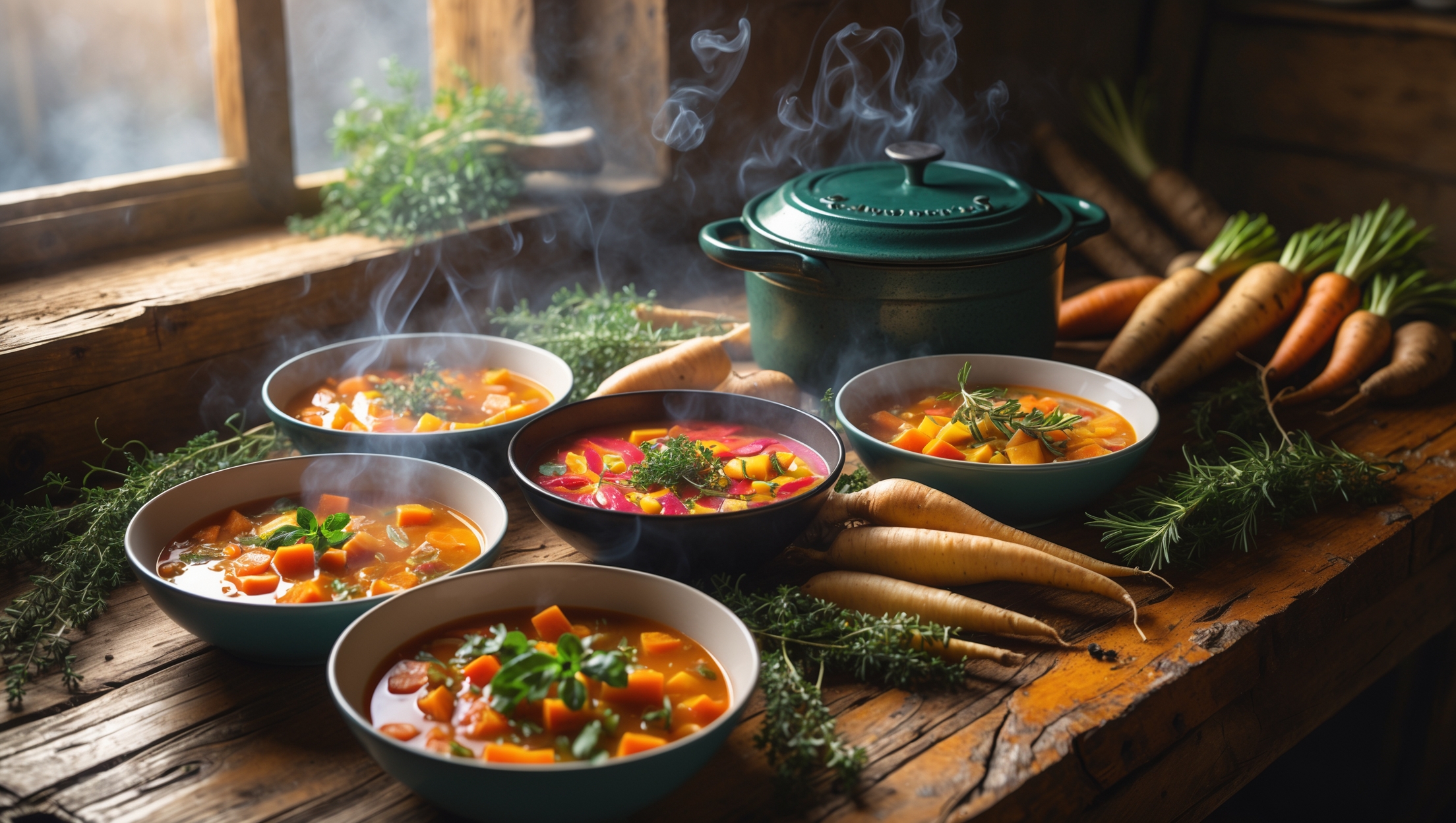
Introduction: The Timeless Appeal of Seasonal Soups and Stews
Few dishes evoke the sense of comfort and culinary satisfaction quite like a steaming bowl of soup or a hearty stew. Across cultures and centuries, these humble yet profound meals have brought people together, celebrated the bounty of the season, and showcased the artistry of resourceful, thoughtful cooking. Today, as more home cooks and culinary creators seek to align their kitchens with the rhythms of the seasons, mastering soups and stews becomes a journey into flavor, nourishment, and creative expression.
But crafting exceptional soups and stews is about more than simply tossing ingredients into a pot. It requires a blend of smart budgeting, understanding which tools make a difference, seasonally inspired ingredient selection, and a keen eye for kitchen safety. Whether you’re a beginner hoping to avoid common pitfalls or a seasoned cook looking to deepen your craft, this comprehensive guide will walk you through every step: from selecting affordable, high-quality ingredients to choosing the right pots and gadgets, and ensuring your kitchen practices support both flavor and food safety. Let’s unlock the secrets behind seasonal soups and stews that warm the body and inspire the soul.
Understanding the Seasonal Advantage
Why Cook with the Seasons?
Cooking seasonally means working with ingredients at their peak—both in flavor and in nutritional value. It’s also a budget-friendly approach, as in-season produce is typically more abundant and affordable than out-of-season imports. By aligning your soups and stews with what’s available at your local market or farm stand, you tap into a world of taste, sustainability, and culinary inspiration.
Key Seasonal Ingredients for Soups & Stews
- Spring: Asparagus, green peas, leeks, young carrots, fresh herbs
- Summer: Tomatoes, zucchini, sweet corn, bell peppers, basil
- Autumn: Squash, pumpkins, root vegetables, cabbage, apples
- Winter: Potatoes, parsnips, onions, kale, dried legumes, preserved meats
Rotating your soup and stew recipes with the seasons not only keeps your menu exciting but also minimizes food waste and maximizes nutrition.
Budgeting for Flavor: Cost Breakdown and Smart Shopping
Understanding the Cost Structure
Soups and stews are famously budget-friendly, but costs can add up if you’re not strategic. Here’s how to break down expenses:
- Base Ingredients: Broth (homemade or store-bought), water, aromatics (onions, garlic, celery, carrots)
- Main Components: Proteins (meat, poultry, legumes), seasonal vegetables
- Flavor Enhancers: Herbs, spices, acids (vinegar, citrus), umami boosters (soy sauce, miso, tomato paste)
- Garnishes: Fresh herbs, croutons, grated cheese, sour cream, toasted seeds
Watch for hidden costs, such as specialty broths, imported spices, or premium meats. Focus your spending on a few quality ingredients, and use budget-friendly fillers like beans, lentils, and seasonal produce.
Smart Shopping Tips
- Buy in bulk when possible, especially for dried beans and grains.
- Choose whole vegetables over pre-cut for better value.
- Explore imperfect produce bins for soup-worthy bargains.
- Build your soup from leftovers and kitchen scraps—homemade broths are virtually free and add depth.
- Plan menus around store specials and farmers’ market deals.
Sample Cost Comparison
Let’s compare a homemade seasonal vegetable soup vs. a store-bought equivalent:
- Homemade (6 servings): Vegetables $4, broth $2, herbs/spices $1, extras $2 = $9 total (~$1.50/serving)
- Store-bought (6 servings): Pre-made soup $15–$18 (~$2.50–$3/serving), often with more sodium and less freshness.
Homemade clearly wins on both cost and quality, especially when you factor in leftovers and customization.
Essential Tools and Equipment for Soup and Stew Success
The Must-Haves
- Large Heavy-Bottomed Pot: Dutch ovens or stockpots (5–7 quarts) distribute heat evenly for slow simmering.
- Sharp Chef’s Knife: Prepping vegetables quickly and safely starts with a well-maintained blade.
- Cutting Boards: Separate boards for vegetables and proteins help prevent cross-contamination.
- Ladles and Wooden Spoons: For stirring and serving, choose sturdy, heatproof options.
- Colander or Fine Mesh Strainer: Useful for rinsing beans, draining stock, or removing aromatics.
Upgrades for the Avid Cook
- Immersion Blender: For creamy soups, purees, and smooth finishes without extra dishes.
- Pressure Cooker or Instant Pot: Cuts down cooking time for beans, tough cuts of meat, and enhances flavor extraction.
- Thermometer: Ensures safe serving temperatures, especially for large batches or reheating.
- Soup Storage: Glass jars, airtight containers, or freezer-safe bags for leftovers and meal prep.
Equipment Care and Maintenance
Maintain your tools for safety and longevity:
- Hand-wash knives and wooden utensils; avoid dishwashers for these.
- Regularly season cast iron or enameled Dutch ovens according to manufacturer instructions.
- Inspect plastic and silicone utensils for wear and replace as needed.
- Sharpen knives monthly, and check cutting boards for deep grooves.
Step-by-Step: Crafting Your Seasonal Soup or Stew
1. Plan with the Season
Start by identifying what’s fresh and available. Build your recipe around a star ingredient—spring leeks, summer tomatoes, autumn squash, or winter beans—then add supporting flavors and textures.
2. Build a Flavorful Base
Sauté aromatics (onions, garlic, celery, carrots) in oil or butter for depth. Allow them to soften and caramelize slightly before adding liquids.
3. Layer Ingredients Thoughtfully
- Add tougher, denser vegetables first (potatoes, carrots), followed by tender or quick-cooking items (greens, peas) near the end.
- For stews, brown meats or mushrooms separately for richer flavor.
- Deglaze with a splash of wine, vinegar, or stock to lift fond from the pot’s bottom.
4. Simmer and Adjust
Bring to a gentle simmer, then cook uncovered for brothy soups or with a lid for stews. Skim foam or fat as needed. Taste and season gradually, adding salt, herbs, or spices in stages.
5. Finishing Touches
- Blend part or all of the soup for a creamy texture (if desired).
- Brighten with acid (lemon juice, vinegar) or fresh herbs just before serving.
- Garnish for crunch, color, or creaminess—think croutons, seeds, yogurt, or cheese.
Safety Checklist: Best Practices for Soups and Stews
Ingredient Handling
- Wash all produce thoroughly, even if it will be cooked.
- Use separate cutting boards for raw meat and vegetables.
- Defrost proteins in the refrigerator, not on the counter.
Cooking Temperatures
- Simmer stews to at least 165°F (74°C) to ensure food safety.
- Use a food thermometer for large batches or when adding pre-cooked ingredients.
- Stir frequently to prevent scorching and ensure even heat distribution.
Serving and Storage
- Serve soups and stews piping hot (above 140°F/60°C).
- Cool leftovers quickly: Transfer to shallow containers and refrigerate within 2 hours.
- Reheat thoroughly to a boil before serving again.
- Label and date leftovers; consume within 3–4 days, or freeze for longer storage.
Equipment Safety
- Check pots for loose handles or cracked enamel before use.
- Be mindful of hot lids and steam when stirring or serving.
- Keep handles turned inward to prevent accidental knocks.
Seasonal Inspiration: Soup and Stew Ideas by Season
Spring
- Green pea and mint soup with lemon crème fraîche
- Chicken and asparagus stew with tarragon
Summer
- Chilled tomato gazpacho with cucumber and basil
- Summer corn and zucchini chowder
Autumn
- Roasted butternut squash soup with sage brown butter
- Lentil and root vegetable stew with smoked paprika
Winter
- Beef and barley stew with mushrooms and kale
- Potato-leek soup with crispy shallots
Use these ideas as a starting point. Swap in local, seasonal produce and experiment with spices to make each bowl your own.
Maintaining Your Soup and Stew Routine: Best Practices
Batch Cooking and Meal Prep
One of the great joys of soup and stew making is the ease of batch cooking. Double or triple recipes, portion into containers, and freeze for busy days. Label each batch with the date and key ingredients for easy meal planning.
Reducing Waste
- Save vegetable trimmings (onion skins, carrot tops) for homemade broths.
- Repurpose leftover grains, meats, or beans by adding them to your next soup.
- Compost what you can’t use in the kitchen.
Keeping Things Fresh
Rotate your repertoire with the seasons. Challenge yourself to try a new ingredient or cooking technique each month. Keep notes on favorite combinations and adjustments for future reference.
Conclusion: Bringing Comfort, Craft, and Community to the Table
Mastering seasonal soups and stews is about more than the recipes—it’s about embracing a lifestyle of mindful cooking, resourcefulness, and genuine connection to the ingredients and people around you. By budgeting wisely, investing in the right tools, and practicing essential food safety, you set the stage for deeply satisfying meals that nourish both body and spirit.
Let the changing seasons guide your creativity. Savor the process of simmering, tasting, and sharing. Whether you’re filling your home with the fragrant steam of a winter stew or serving bright spring soup at a gathering of friends, you’re participating in a rich culinary tradition. As you hone your craft, remember: the best soups and stews are built on care, curiosity, and the joy of sharing something delicious and wholesome. Don’t hesitate to experiment, refine, and celebrate each bowl you bring to the table—knowing that with every simmering pot, you’re weaving together stories of taste, craft, and culinary culture.
I noticed the article talks about essential tools for making soups and stews. If I’m just starting out on a college budget, which items should I invest in first to get the most versatility without spending too much?
To make a variety of soups and stews on a college budget, start with a large, sturdy pot or Dutch oven, as it’s the most versatile for different recipes. A basic chef’s knife and a cutting board are also essential for prepping ingredients. A ladle and wooden spoon round out the basics. With these items, you’ll be able to handle most recipes without overspending.
When it comes to kitchen safety with kids around, what are some practical steps to make sure everyone stays safe while simmering stews or handling hot pots, especially on busy weeknights?
Supervising kids closely is key—keep young ones away from the stove and hot pots, and use back burners whenever possible to prevent accidental bumps. Turn pot handles inward so they don’t stick out. Establish a ‘kid-free zone’ near cooking areas and teach older children to use oven mitts when near hot surfaces. Clean up spills quickly to avoid slips, and make sure pot lids are always handled with care to avoid steam burns.
As a small café owner, I’m curious about adapting your strategy for seasonal ingredient selection on a tight budget. Do you have advice for balancing the cost of in-season vegetables with the need to offer a consistent soup menu throughout the year?
One approach is to create a core group of soup recipes that remain on your menu year-round, featuring versatile, lower-cost ingredients like potatoes, carrots, or beans. Then, rotate a few seasonal soups based on what’s freshest and most affordable from local suppliers. Freezing or preserving excess in-season produce when prices are low can also help maintain consistency and control costs across the year.
The section about kitchen safety caught my eye, especially since I cook big batches for meal prep. What steps should I take to make sure my soups or stews stay safe when cooling and storing, especially if I don’t have a lot of refrigerator space?
To safely cool large batches of soup or stew, divide them into smaller, shallow containers to speed up cooling before refrigerating. If fridge space is tight, cool containers in an ice bath or use freezer bags laid flat to save room. Refrigerate within two hours of cooking and avoid leaving hot food out. This prevents bacteria growth and helps keep your meals safe and fresh.
I love the idea of cooking with the seasons to save on costs and boost flavor, but sometimes certain in-season produce is still pricey at my local market. Do you have suggestions for affordable substitutions that won’t compromise taste in seasonal soups and stews?
Absolutely, affordable substitutions can keep both costs and flavors in check. For example, if fresh greens like kale or spinach are expensive, try using cabbage or frozen spinach, which are often cheaper and still nutritious. Swapping out pricier root vegetables like parsnips with carrots or potatoes works well too. Frozen veggies can also be a budget-friendly option, and they retain much of their flavor and nutrition in soups and stews.
You mention that using in-season produce is both budget-friendly and full of flavor. Could you share some tips for finding the best deals on seasonal ingredients at local markets versus grocery stores?
At local markets, try shopping near the end of the day when vendors might offer discounts to clear their stock. Ask about bulk pricing or seconds—slightly imperfect produce sold at a lower price. At grocery stores, check weekly flyers for sales on seasonal items and look for in-store specials. Comparing prices and shopping in bulk during peak harvest can help you get the most for your money.
I’m new to making soups and stews and sometimes get overwhelmed with which pots and tools I actually need as a beginner. Could you recommend the most essential kitchen tools for someone just starting out, so I don’t overspend on gadgets I might not use?
For starting out with soups and stews, you’ll need just a few basics: a large, heavy-bottomed pot (like a Dutch oven or stockpot), a sharp chef’s knife, a sturdy cutting board, a wooden spoon, and a ladle. These cover almost all your needs, and you can always add more tools as you get comfortable. No need to buy extra gadgets right away.
You list key seasonal ingredients for each time of year, but I often have to plan my menu weeks ahead. How do you suggest balancing cost and freshness when ordering produce in advance for soups and stews?
To balance cost and freshness when planning soups and stews ahead, check which seasonal ingredients store well, like root vegetables or hardy greens, and prioritize those for advance orders. For more delicate produce, consider purchasing closer to when you’ll cook or choose frozen options, which retain nutrients and can be more affordable. Planning flexible recipes that allow ingredient swaps also helps manage both budget and freshness.
I saw that food safety is an important part of the process. Could you explain some basic mistakes beginners make when it comes to safely handling leftovers or storing large pots of soup?
A common mistake is leaving hot soup or stew out at room temperature for too long before refrigerating it. This can allow bacteria to grow. It’s best to cool large pots quickly by dividing the soup into smaller, shallow containers. Also, make sure leftovers are put in the fridge within two hours of cooking and eaten within three to four days. Reheat thoroughly before serving.
I noticed you mentioned both pots and gadgets for making soups and stews. For someone with a busy schedule and limited storage, which one or two kitchen tools should I prioritize to make the cooking process easier without cluttering my kitchen?
If you want to keep things simple and space-saving, a good-quality Dutch oven or large heavy-bottomed pot is the most versatile tool for soups and stews. If you’d like extra convenience, consider an electric pressure cooker (like an Instant Pot), which can speed up cooking and double as a slow cooker, saving both time and storage space.
If I want to start focusing more on seasonal ingredients, how can I plan my soup and stew recipes ahead of time? Do you have any advice on figuring out which produce will be available each month, or ways to substitute if something is not in stock?
Planning your soups and stews around seasonal produce is a great way to keep meals fresh and affordable. Start by looking up a seasonal produce calendar for your region to see what fruits and vegetables are typically available each month. When planning recipes, choose a few flexible base ingredients and be open to swapping out vegetables—if something isn’t in stock, try similar options (like kale for spinach or sweet potatoes for carrots). Farmers’ markets and grocery flyers can also help you anticipate what’s coming into season.
What are the main safety concerns to keep in mind when batch-cooking and storing large pots of soup for the week? I want to make meals ahead, but I worry about food safety, especially with young kids in the house.
When batch-cooking soup, the key safety concerns are cooling and storage. Let the soup cool quickly—divide it into smaller containers and refrigerate within two hours to prevent bacteria growth. Store soups in airtight containers, and use them within three to four days. When reheating, make sure the soup reaches a rolling boil or at least 165°F to ensure it’s safe, especially important for young children.
Can you explain which kitchen tools actually make a difference when cooking large batches of soups and stews? I want to upgrade my setup but need to keep it cost-effective for my small café.
When cooking large batches for your café, a large heavy-bottomed stockpot is essential for even heating and preventing scorching. An immersion blender is handy for pureeing soups right in the pot, saving both time and cleanup. A ladle and a sturdy long-handled spoon help with stirring and serving. If you regularly make huge quantities, consider an electric slow cooker or pressure cooker, but you can start with the basics to keep costs in check.
I’m new to making soups and stews and am a bit overwhelmed by all the different pots and gadgets you referenced. Is there a basic starter tool or pot you’d recommend for someone who only has a regular saucepan right now?
If you’re just starting out, a good-quality 5- to 6-quart Dutch oven or heavy-bottomed stockpot is a great all-purpose choice for soups and stews. It distributes heat evenly and has enough space for most recipes. You can make plenty of delicious dishes with just this and your regular saucepan before considering any extra gadgets.
Could you elaborate on which kitchen tools truly make the biggest impact when preparing soups and stews at home? For someone with a basic setup, I’m interested in knowing which upgrades might be most cost-effective for improving both flavor and safety.
For soups and stews, upgrading to a heavy-bottomed soup pot or Dutch oven is one of the best investments—these distribute heat evenly, prevent scorching, and enhance flavor. A good quality sharp chef’s knife also makes prep safer and quicker. If you blend soups, an immersion blender is cost-effective and helps achieve a smooth texture without transferring hot liquids. These tools offer the most noticeable improvements in both flavor development and kitchen safety.
When cooking large batches of soup or stew to freeze for later, what are some key food safety steps to make sure everything stays fresh and safe for my kids to eat?
To keep soups and stews safe for your kids, cool them quickly after cooking—divide into smaller portions and use shallow containers. Refrigerate within two hours, then freeze promptly. Label containers with the date. When reheating, make sure the food gets hot all the way through, ideally to at least 165°F. Avoid refreezing thawed soup.
When shopping for seasonal ingredients, how can I be sure I’m picking ones that are actually at their peak and not just what the grocery store happens to have? Any tips for selecting the freshest produce, especially in the winter months?
To choose truly seasonal produce, check what’s grown locally during winter, like root vegetables, squash, cabbage, and dark leafy greens. Look for firmness, vibrant color, and avoid items with bruises or wilted leaves. Farmer’s markets are ideal, but if you’re at the grocery store, ask staff about recent deliveries or source labels. Fruits and veggies in peak season tend to look and smell fresher and are usually less expensive, so watch for those signs too.
I’m new to making soups and stews from scratch and wondered if there’s a big difference in taste or nutrition if I buy frozen seasonal veggies instead of fresh ones, especially when the fresh ones are a bit expensive. Will it affect the final result much?
Using frozen seasonal veggies instead of fresh ones often works very well for soups and stews. Frozen vegetables are usually picked and frozen at their peak, so they keep much of their taste and nutrition. While the texture can be slightly softer than fresh, especially for some vegetables, the difference in most soups and stews is minor. It’s a smart and budget-friendly choice when fresh produce is costly.
As a small café owner, I’m curious how to balance buying seasonal ingredients in bulk for soups and stews without risking spoilage. Do you have tips on which veggies hold up best in storage or how to prep them so they last throughout the week?
Root vegetables like carrots, potatoes, and parsnips, as well as hardy greens like kale and cabbage, tend to store well for soups and stews. Store them in a cool, dry place or refrigerate as needed. Prepping by washing, peeling, and chopping in advance can save time, but keep veggies in airtight containers and only prep as much as you’ll use in a few days to maintain freshness.
I noticed the article highlights the importance of kitchen safety along with flavor. Can you elaborate on which safety practices are most important when prepping and storing large batches of seasonal soups?
Some of the most important safety practices when prepping and storing large batches of soups include keeping surfaces and utensils clean, washing your hands frequently, and using separate cutting boards for raw meats and vegetables. When storing soups, cool them quickly—ideally by dividing them into smaller containers—before refrigerating. Always store soups in airtight containers and reheat thoroughly before serving. These steps help prevent foodborne illness and keep your soups safe and delicious.
I noticed the article lists some typical seasonal produce for each part of the year. What would you suggest for someone on a tight student budget if they can’t always find those specific ingredients in season?
If you can’t find certain seasonal ingredients or they’re too expensive, it’s perfectly fine to substitute with affordable staples like potatoes, carrots, frozen vegetables, or canned beans. Many supermarkets offer budget-friendly mixed frozen veggies that work well in soups and stews. You can also use dried herbs instead of fresh, and adjust recipes based on what’s on sale or available at discount stores. Flexibility is key to eating well on a student budget.
I get the idea of cooking with whatever is in season, but sometimes I’m unsure how to switch up classic soup recipes when the main ingredients aren’t available. Could you suggest ways to substitute out-of-season veggies without sacrificing taste or texture?
When a classic soup calls for out-of-season veggies, try swapping them for similar-textured or flavored options. For example, use sweet potatoes or parsnips instead of carrots, or kale in place of spinach. Frozen vegetables are also a good alternative since they’re picked at peak freshness. Adjust cooking times to match the substitute so your soup keeps the right texture.
When selecting the right pots and gadgets for soup and stew making, how do you decide between investing in a slow cooker versus using a traditional Dutch oven, especially if you’re on a tight budget?
A Dutch oven is versatile for both stovetop and oven use, and it lasts for years if cared for, making it a smart one-time investment. A slow cooker is hands-off and energy-efficient, great for busy schedules. If your budget allows just one, consider how you like to cook: choose a Dutch oven for flexibility, or a slow cooker for convenience and set-it-and-forget-it meals.
I love the idea of using seasonal ingredients, but I sometimes struggle with adjusting recipes based on what’s available. Do you have any advice on substituting less common ingredients, like leeks or parsnips, when they’re either too pricey or out of stock?
Absolutely, substituting seasonal ingredients is a great way to stay on budget and make the most of what’s available. If you can’t find leeks, you can use mild onions or shallots instead. For parsnips, carrots or even turnips make good substitutes. Just try to match the texture and general flavor profile of the original ingredient, and your soups and stews will turn out delicious.
You mentioned kitchen safety is important when making soups and stews. Could you explain what some common safety mistakes are and what steps students can take to avoid getting hurt or wasting food during the cooking process?
Common kitchen safety mistakes when making soups and stews include not keeping pot handles turned inward, causing spills, and using dull knives, which can slip and cut you. Students should also avoid overfilling pots to prevent boiling over and burns. To stay safe, always use sharp knives, keep workspaces tidy, and use oven mitts for hot pots. Double-check ingredients and quantities before cooking to avoid wasting food.
You mention choosing the right pots and gadgets for making soups and stews. As a parent with limited kitchen space, which tools would you say are truly essential versus nice-to-have for seasonal cooking?
For a small kitchen, I recommend prioritizing a sturdy medium or large pot, like a Dutch oven or stockpot, because it works well for both soups and stews. A good chef’s knife and a reliable cutting board are also essential. Nice-to-have extras include an immersion blender for creamy soups and a slow cooker or Instant Pot if you want set-it-and-forget-it convenience, but these are optional if space is tight.
I love the idea of using in-season produce to save money and get better flavors in my soups and stews. Do you have tips for storing or preserving excess seasonal ingredients so they don’t go to waste if I buy in bulk?
Storing excess seasonal produce is a smart way to reduce waste and keep your soups tasty year-round. For vegetables, try blanching and freezing them in airtight bags or containers. Herbs can be chopped and frozen in olive oil, or dried and stored in jars. Root vegetables and squash often last weeks in a cool, dark place. Pickling and making jams are also great preservation methods for some ingredients.
I’m curious about budget-friendly protein options for stews, especially when shopping for in-season vegetables at the local farmers market. Are there particular cuts of meat or vegetarian sources you recommend that give a rich flavor but keep costs down?
For budget-friendly stews, consider using tougher cuts like beef chuck, pork shoulder, or chicken thighs—these are usually less expensive and become tender and flavorful when cooked slowly. If you prefer vegetarian options, lentils, chickpeas, and beans are excellent protein sources that add heartiness and absorb the stew’s flavors nicely. Pairing these proteins with fresh, in-season veggies from your farmers market will help you create delicious and affordable meals.
I understand kitchen safety is essential, especially with larger batches for a café. What are some common mistakes to watch out for when preparing and storing seasonal soups and stews to avoid food safety issues?
When making large batches, it’s important to cool soups and stews quickly—never leave them out at room temperature for too long. Use shallow containers so they chill evenly in the fridge. Always use clean utensils to avoid cross-contamination, and reheat leftovers thoroughly before serving. Label containers with dates to track freshness and discard anything that’s been stored too long.
I’m a newbie at making soups and stews, and you mention that the right tools can make a real difference. What would you say is the most essential piece of equipment for a beginner, and is there a budget-friendly option you recommend?
For a beginner, a sturdy soup pot or Dutch oven is the most essential tool—it gives you plenty of space and distributes heat evenly, which helps prevent burning. You don’t need anything fancy; an affordable stainless steel or enameled pot from a budget store will work well for most soups and stews. Just make sure it has a good lid and is large enough for your recipes.
You talk about kitchen safety alongside budgeting and ingredient selection. Are there any common safety mistakes people make when making large batches of soups or stews, and how can I avoid those, especially if I’m prepping meals in advance to save money?
When making large batches of soup or stew, a common safety mistake is letting food cool too slowly, which can lead to bacteria growth. To avoid this, divide big batches into smaller containers before refrigerating. Also, always use clean utensils and wash your hands before prepping ingredients. When reheating, make sure everything reaches a steaming hot temperature throughout to ensure it’s safe to eat.
The guide highlights how cooking with seasonal ingredients can help with budgeting. If I’m trying to stick to a tight grocery budget, which season do you find offers the most affordable and versatile produce for making big batches of soup or stew in the US?
Fall is usually the best season for affordable and versatile produce when making soups and stews in the US. During autumn, items like squash, potatoes, carrots, onions, and various greens are plentiful and at their lowest prices. These ingredients store well and can be combined in many different ways, letting you cook big, satisfying batches without spending much.
You mention that choosing the right pots and gadgets can make a difference when making soups and stews. Do you have any recommendations for budget-friendly tools that actually improve the cooking process, especially for someone just starting out?
For someone just starting out, a sturdy, medium-sized soup pot or Dutch oven is a smart investment—they spread heat evenly and last for years. A handheld immersion blender is another affordable tool that makes it easy to puree soups right in the pot, saving time and cleanup. Also, a basic set of ladles and a sharp chef’s knife can go a long way in making prepping and serving soups and stews more enjoyable.
The section on kitchen safety caught my attention. What are some common safety mistakes people make when prepping or storing soups and stews, especially when cooking big batches ahead during busy weeks?
Common safety mistakes when prepping or storing soups and stews include not cooling large batches quickly enough, which can let bacteria grow, and storing hot soup in deep containers that retain heat. It’s important to divide soups or stews into shallow containers for faster cooling, refrigerate within two hours of cooking, and reheat leftovers thoroughly before eating. Also, always use clean utensils and surfaces to prevent cross-contamination.
I’m really interested in starting to cook more with seasonal ingredients, like you mention with spring asparagus and summer tomatoes. Do you have any tips on storing these seasonal veggies if I buy them in bulk for soups and stews, so I can avoid waste and stick to my student budget?
Storing seasonal veggies for soups and stews is a great way to save money and reduce waste. For asparagus and tomatoes, consider blanching and freezing them in meal-sized portions. Asparagus can be trimmed, blanched briefly, and frozen, while tomatoes can be chopped, stewed, and then frozen or stored as a sauce. Use airtight containers or freezer bags to prevent freezer burn and label them with dates so you use the oldest first.
I’m usually cooking for picky kids and a busy schedule, so could you suggest some quick, budget-friendly seasonal soup recipes that don’t require specialty tools? I’d love ideas that make the most of in-season produce but don’t take hours in the kitchen.
You can make simple, kid-friendly soups like carrot-ginger, potato-leek, or vegetable minestrone using just a pot and basic kitchen tools. Try tossing chopped seasonal veggies (like zucchini, carrots, or sweet potatoes) into broth with pasta or beans—these cook quickly and are filling. Blending isn’t necessary; just chop everything small and simmer for 20–30 minutes for a hearty, budget-friendly meal.
I noticed the article talks about aligning ingredients with the seasons for both flavor and savings. If certain seasonal vegetables aren’t available in my area, what’s the best way to substitute them without sacrificing taste or nutrition in my soups and stews?
If you can’t find certain seasonal vegetables locally, try using frozen versions, as they’re often picked and preserved at peak ripeness. You can also substitute with similar vegetables—like swapping kale for spinach or sweet potatoes for butternut squash. Both choices keep the nutritional value high and maintain great flavor in your soups and stews.
When picking seasonal ingredients for soup, is it better to stick with just a couple items from the same season or mix a variety for flavor? Also, is there a best way to store leftover soup safely to prevent it from spoiling?
Both approaches work well! Using a few seasonal ingredients highlights their fresh flavors, while mixing several can create richer, more complex soups. It depends on your taste and what’s available. For leftovers, cool your soup quickly, store it in airtight containers, and refrigerate within two hours. Most soups keep well in the fridge for up to four days, or you can freeze them for longer storage.
How do I know if my soup or stew is safe to eat if I make a big batch to last the week? Are there specific storage or reheating guidelines I should follow for food safety as a beginner?
To keep your soup or stew safe for the week, cool it quickly after cooking and store it in airtight containers in the refrigerator within two hours. Use it within 3-4 days. When reheating, make sure it reaches a boil or at least 165°F throughout. If you notice an off smell, unusual texture, or mold, it’s best to throw it out. For longer storage, consider freezing portions.
When it comes to ensuring food safety while making large batches of soups or stews, what are your recommendations for cooling and storing them properly? I often worry about leaving food out too long or not reheating it thoroughly the next day.
After cooking a large batch, transfer the soup or stew into shallow containers to help it cool faster, and refrigerate within two hours of cooking. Avoid leaving it at room temperature for too long. When reheating, make sure it reaches a simmer or an internal temperature of 165°F to ensure it’s safe to eat. Divide portions if needed so they cool and reheat evenly.
I love that you mention using affordable, in-season ingredients for soups and stews. Do you have any recommendations on how to store larger batches safely, especially if I’m making enough to last through the week?
Absolutely! For safe storage, let your soup or stew cool to room temperature within two hours, then transfer it into shallow, airtight containers. Store them in the refrigerator if you plan to eat it within 3–4 days, or freeze portions for longer storage—up to 2–3 months. Label containers with the date to keep track, and reheat thoroughly before serving.
As someone running a food truck, I’m always concerned about food safety. Could you share any specific kitchen safety practices or common pitfalls to avoid when making large batches of seasonal soups and stews?
When making large batches, rapid cooling is essential—transfer soups or stews to shallow containers for quicker cooling, and refrigerate within two hours. Always use a food thermometer to ensure safe temperatures (above 140°F hot, below 40°F cold). Stir large pots frequently to prevent uneven heating or burning. Common pitfalls include leaving soups to cool at room temperature, overfilling storage containers, and not reheating leftovers to a safe temperature (165°F). Keeping prep areas and utensils sanitized also helps prevent cross-contamination.
When you mention budgeting for soups and stews, do you have any go-to tips for balancing cost with quality, especially when seasonal produce at my local farmers market seems pricey compared to the supermarket?
Balancing cost and quality starts with flexibility. Consider buying slightly blemished or ‘seconds’ produce at the farmers market, as these are often cheaper but still great for soups. Also, try mixing supermarket staples with one or two fresh, seasonal market finds to boost flavor without overspending. Planning your soups around what’s currently in abundance can help you take advantage of lower prices.
When picking tools for making soups and stews as a beginner, is there a big difference between using a regular stockpot versus a Dutch oven? The article mentions choosing the right pots and gadgets—how much does the type of pot actually affect the flavors or results?
The main difference between a regular stockpot and a Dutch oven is heat retention and distribution. Dutch ovens, usually made of cast iron, hold and spread heat more evenly, which helps with slow simmering and developing deeper flavors. Stockpots are lighter and heat up faster but may not maintain steady temperatures as well. For beginners, either works, but a Dutch oven can give soups and stews a richer, more consistent result, especially for long cooking.
You give examples of seasonal ingredients for each time of year, but I’m wondering how flexible these lists are. If I can’t find something like leeks in the spring, what are some easy and affordable substitutes that won’t affect the flavor too much?
The ingredient lists are meant to be guides, not strict rules. If you can’t find leeks in the spring, you could use green onions, mild onions, or even shallots as affordable substitutes. These options will give a similar flavor and texture without changing your soup or stew too much. Just adjust the quantity to taste, as some substitutes are stronger in flavor.
I love the idea of using seasonal produce to save money, but as a busy parent, I don’t always have time to go to the farmers market. Are there any tips for finding affordable, in-season veggies at regular grocery stores?
Many grocery stores feature in-season produce right at the front or in special sale displays, so keep an eye out for these sections. Check weekly flyers or store apps for deals on fruits and veggies, as they often highlight what’s in season and abundant. Frozen vegetables are also a great time-saver and are usually picked at peak freshness, making them both affordable and nutritious.