

Introduction: Why Home-Crafted Spice Blends Matter
Behind every unforgettable dish lies the transformative power of spices. From the smoky warmth of cumin to the bright punch of coriander, spices have shaped global culinary traditions for centuries. Yet, for many home cooks, spice blends remain a mystery—often relegated to generic store-bought jars or one-size-fits-all seasoning packets. Crafting your own blends at home, however, is not just about flavor—it’s a journey into culinary creativity, ingredient integrity, and refined taste. By mastering the art and science of blending spices, you unlock a world of aromatic possibilities, tailor every dish to your preferences, and elevate even the simplest meal into something extraordinary. This guide covers everything you need: essential tools, proven freshness strategies, and the most common myths debunked. Whether you’re a curious beginner or a seasoned home chef, you’ll discover practical insights and expert tips to help you build a vibrant, personalized spice pantry—and cook with confidence, clarity, and joy.
Essential Tools for Crafting Spice Blends at Home
Mortar & Pestle: The Classic Approach
A mortar and pestle is more than a kitchen artifact—it’s a powerful tool for unlocking the natural oils and aromas in spices. Choose a heavy, unglazed stone or ceramic set for best results. The rough surface helps break down seeds and roots with minimal effort. Use this tool when you want maximum control over texture and the freshest flavor possible, such as for garam masala, za’atar, or dukkah.
Spice Grinder: Consistency and Convenience
For larger batches or hard whole spices, an electric spice grinder (or a repurposed coffee grinder) is indispensable. Look for models with removable stainless steel bowls for easy cleaning. Always grind spices in short pulses to avoid overheating and losing volatile oils. Keep a dedicated grinder for spices—coffee oils can linger and muddle flavors.
Measuring Tools: Precision Matters
Balance is crucial in spice blending. Invest in a set of stainless steel measuring spoons (down to 1/8 teaspoon) and a small digital scale for weighing spices if you want to replicate or scale up your favorite blends. Consistency is key, especially when fine-tuning recipes over time.
Storage Solutions: Preserving Aroma and Potency
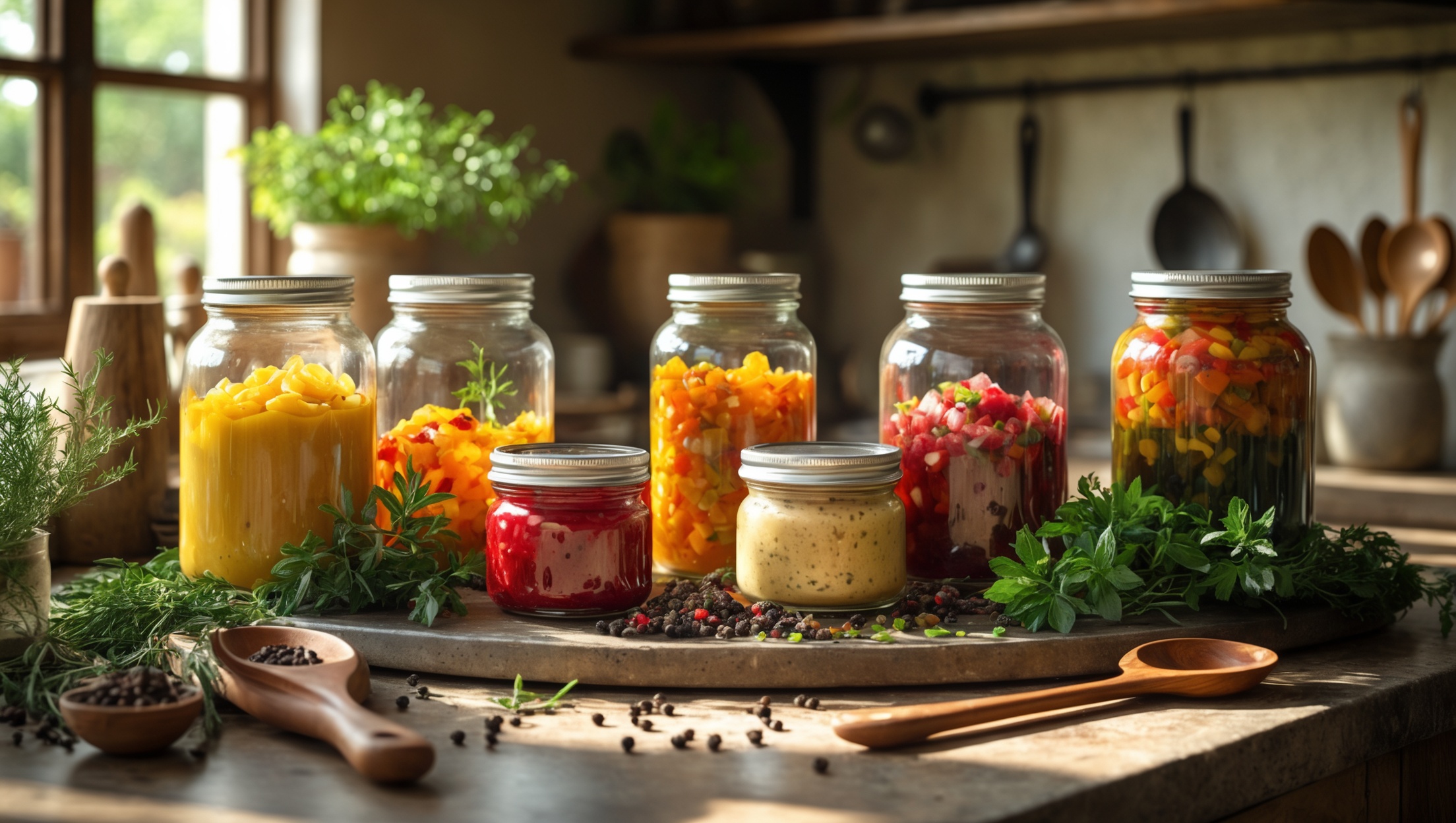
- Glass Jars: Opt for airtight, dark-tinted jars to protect delicate oils from light and oxygen. Mason jars and spice-specific glass containers are ideal.
- Small Batches: Store blends in small quantities to maintain peak freshness and avoid flavor degradation.
- Labeling: Label each jar with the blend name and creation date for easy rotation and freshness tracking.
Optional But Useful Equipment
- Fine Mesh Sieve: For sieving out larger particles for ultra-smooth rubs or powders.
- Spice Roasting Pan: A small, heavy-bottomed skillet or pan for dry-roasting whole spices before grinding to enhance depth of flavor.
Freshness Hacks: Maximizing Aroma and Shelf Life
Buy Whole, Grind Fresh
The single most effective way to guarantee vibrant, aromatic spice blends is to buy whole spices and grind them just before use. Whole seeds, pods, and bark retain essential oils far longer than pre-ground varieties. When possible, source spices from specialty shops or reputable online retailers for superior quality.
Proper Roasting Techniques
Dry-roasting whole spices in a hot, ungreased skillet (30 seconds to 2 minutes, until fragrant) unlocks deeper flavors and removes excess moisture. Stir constantly to prevent burning. Cool thoroughly before grinding and blending.
Optimal Storage Conditions
- Temperature: Store spices in a cool, dark cupboard away from heat sources like the stove or direct sunlight.
- Humidity: Keep spices away from steam (not above the sink or dishwasher) to prevent clumping and mold.
- Air Exposure: Use airtight lids and minimize jar opening to limit oxygen exposure.
Batch Size and Rotation
Blend only what you’ll use in 1–3 months. Regularly rotate jars, moving older blends to the front. Mark each jar with a creation date and use-by period for optimal potency.
Testing for Freshness
- Aroma Test: Rub a pinch of the blend between your fingers—if the aroma is faint, it’s time to refresh.
- Color: Vibrant hues signal potency. Faded spices have likely lost their punch.
Common Myths of Homemade Spice Blending—Debunked
Myth #1: All Spices Last Forever
Contrary to popular belief, ground spices lose their potency rapidly—often within 3–6 months. Whole spices can last 1–2 years if stored properly, but even they eventually degrade. Using fresh, recently ground spices is essential for bold flavors.
Myth #2: Pre-Ground Blends Are Just as Good
Store-bought blends are often made from older, lower quality spices and may contain fillers, anti-caking agents, or excess salt. Crafting your own blends enables you to control quality, flavor intensity, and ingredient purity.
Myth #3: Homemade Blends Require Rare or Expensive Spices
Many versatile blends—such as Italian seasoning, taco mix, or ras el hanout—can be made from everyday pantry staples. Start simple and experiment with what you have; specialty spices can be added as your palate evolves.
Myth #4: Blending Spices Is Complicated
While some blends are nuanced, most can be made with a straightforward ratio of spices. Begin with classic recipes, then adjust to taste. Over time, you’ll develop intuition for balancing sweet, savory, hot, and aromatic notes.
Myth #5: Spices Only Add Heat
Many spices contribute sweetness (cinnamon), earthiness (cumin), or floral notes (cardamom). Blending allows you to layer flavors for complex, multidimensional results—not just heat.
Step-by-Step: Crafting Your First Signature Spice Blend
1. Choose Your Flavor Profile
- Warm & Earthy: Cumin, coriander, smoked paprika, cinnamon
- Bright & Citrusy: Dried lemon zest, sumac, fennel, cardamom
- Herbaceous: Dried thyme, rosemary, oregano, basil
- Hot & Pungent: Black pepper, cayenne, mustard seed, ginger
2. Source and Prepare Ingredients
Buy whole spices when possible. Inspect for freshness—avoid musty or faded specimens. Measure out each component, adjusting ratios to your taste or following a trusted recipe.
3. Toast Whole Spices (Optional, Highly Recommended)
Heat a dry skillet over medium. Add whole spices in a single layer. Stir constantly until fragrant (usually 30–90 seconds). Immediately transfer to a plate to cool.
4. Grind and Blend
Using a spice grinder or mortar and pestle, grind spices to desired texture. Combine ground spices in a bowl, stir well, and taste a tiny pinch. Adjust ratios as needed.
5. Store and Label
Transfer blend to an airtight jar. Label with blend name, creation date, and intended use. Store in a cool, dark place.
Classic Homemade Spice Blend Recipes to Try
1. Classic Garam Masala
- 2 tbsp coriander seeds
- 1 tbsp cumin seeds
- 1 tbsp black peppercorns
- 2 tsp cardamom pods
- 2 tsp whole cloves
- 2 small cinnamon sticks (broken)
- 1 tsp fennel seeds
Toast, cool, grind, and store. Use in curries, stews, or sprinkle on roasted vegetables.
2. Mediterranean Herb Blend
- 2 tbsp dried oregano
- 1 tbsp dried basil
- 1 tbsp dried thyme
- 1 tsp dried rosemary (crushed)
- 1 tsp dried marjoram
Mix well and store. Excellent for pasta sauces, grilled meats, or salad dressings.
3. Smoky BBQ Rub
- 2 tbsp smoked paprika
- 1 tbsp brown sugar
- 1 tbsp chili powder
- 2 tsp ground black pepper
- 2 tsp kosher salt
- 1 tsp garlic powder
- 1 tsp onion powder
- 1/2 tsp cayenne (optional)
Mix thoroughly. Ideal for chicken, ribs, or grilled vegetables.
Advanced Tips for Customizing Your Blends
Balancing Flavors
Start with a base (e.g., coriander, cumin for earthiness), then layer in aromatics (cardamom, fennel), a touch of heat (black pepper, cayenne), and a sweet or tangy note (cinnamon, sumac). Taste as you go and keep notes on ratios that work best for your palate.
Experimenting with Texture
Not all blends need to be powders. Coarse blends create interesting mouthfeel and visual appeal—think dukkah, everything bagel mix, or za’atar. Adjust grinding time and sieve for desired consistency.
Infusing Oils and Salts
Try infusing oil with a tablespoon of your blend for finishing roasted vegetables, or mixing into flaky sea salt for a finishing touch on grilled meats or salads.
Pairing Spices with Ingredients
- Seafood: Citrus zest, dill, fennel seed, sumac
- Red Meat: Black pepper, cumin, coriander, smoked paprika
- Poultry: Sage, rosemary, marjoram, thyme
- Vegetables: Turmeric, mustard seed, chili flakes, fenugreek
Safety and Hygiene in Spice Handling
Preventing Contamination
- Use clean, dry utensils and equipment for each batch.
- Avoid blending spices if they seem damp or moldy—discard immediately.
- Wash hands thoroughly before and after handling spices, especially chili peppers.
Cross-Contact Awareness
If you or your guests have allergies (e.g., mustard, sesame, celery), label blends clearly and prevent cross-contact by using separate tools and containers.
Safe Storage Practices
- Keep blends in airtight jars away from direct heat and light sources.
- Do not store above the stove, dishwasher, or sink where steam and heat can accelerate spoilage.
Spice Blend Maintenance: Keeping Your Pantry Fresh
Regular Audits
Every 3–6 months, inspect your blends for freshness. Discard anything with faded aroma or color. Clean jars thoroughly before refilling.
Record Keeping
Maintain a simple log of blend recipes and creation dates. This helps track which blends you use most and ensures you’re always working with the freshest possible spices.
Repurposing Older Blends
If a blend is nearing the end of its peak, use it for marinades, dry brining, or flavoring stocks and broths—these applications make the most of remaining flavors.
Conclusion: The Joy and Power of Home-Crafted Spice Blends
Crafting your own spice blends is more than a culinary technique—it’s an expression of creativity, curiosity, and care. With a few essential tools, mindful sourcing, and simple freshness strategies, you can transform your pantry into a palette of bold, aromatic flavors, tailored to your tastes and dietary needs. Homemade blends are fresher, more potent, and endlessly customizable, allowing you to sidestep lackluster store-bought options and delight your senses with every meal.
As you experiment and refine your recipes, you’ll gain a deeper appreciation for the role spices play in global cuisine—and in your own cooking journey. From the unmistakable fragrance of freshly toasted cumin to the gentle heat of a custom chili blend, the possibilities are limitless. Remember to start with the basics, debunk the common myths, and trust your palate. Over time, your spice pantry will become a signature feature of your kitchen—a source of inspiration, conversation, and unforgettable taste.
So, gather your tools, stock up on whole spices, and let the blending begin. With each new batch, you’ll not only elevate your dishes but also deepen your connection to the art, science, and joy of home-crafted flavor.
Could you elaborate on how to properly clean and maintain a mortar and pestle, especially when switching between different spice blends? I’m concerned about cross-contamination of flavors when working with very aromatic spices.
To prevent flavor cross-contamination, rinse your mortar and pestle with warm water immediately after use, scrubbing gently with a brush. Avoid soap, especially if it’s porous stone or wood, as it can absorb residues. For stubborn aromas, grind a handful of dry white rice until it turns powdery and discard; the rice will absorb lingering oils. Let your tools air dry thoroughly before storing or using them again.
I like the idea of keeping my blends fresh, but how long do homemade spice mixes actually stay vibrant? Are there storage hacks you recommend for everyday DIYers, like specific containers or locations in the kitchen?
Homemade spice blends usually stay vibrant for about 6 months if stored properly. Use airtight glass jars or metal tins to keep out moisture and air. Store them in a cool, dark place—like a pantry or a cabinet away from the stove or sunlight—to extend their freshness. Labeling jars with the date you made the blend helps you track their age easily.
You mention the importance of ingredient integrity in home-crafted blends. Do you have any advice on where to source high-quality whole spices in small quantities in the US, particularly for cooks on a tighter budget?
For home cooks on a budget, local ethnic markets—especially those specializing in Indian, Middle Eastern, or Latin American foods—often have high-quality whole spices at lower prices and in smaller quantities. You can also check the bulk spice sections in natural food stores, which let you buy just what you need. Buying whole spices in small amounts keeps them fresh and affordable.
Regarding the freshness strategies you alluded to, how long do homemade spice blends typically retain their potency, and are there any specific storage containers or conditions you recommend to maximize their shelf life?
Homemade spice blends usually stay potent for 6 to 12 months if stored properly. To maximize shelf life, keep them in airtight containers like glass jars with tight-fitting lids. Store the jars in a cool, dark place away from heat and sunlight, such as a pantry or cupboard. Avoid plastic containers, as they can absorb odors and allow air in over time.
I’m curious about the best way to store home-made spice blends to keep them fresh. The article mentions freshness strategies, but are there certain types of containers or locations in the kitchen that actually make a noticeable difference in flavor longevity?
Absolutely, the way you store homemade spice blends can make a big difference in how long their flavors last. Airtight glass jars are ideal because they prevent air and moisture from getting in. Keep them in a cool, dark place away from heat and sunlight—so inside a cupboard or pantry is better than near the stove or on an open shelf. This helps preserve their freshness and prevents flavors from fading too quickly.
Could you elaborate on how long homemade spice blends typically maintain their peak flavor if stored properly? I’m wondering about the ideal timeframe for using them up to really maximize their freshness.
Homemade spice blends usually maintain their peak flavor for about 3 to 6 months when stored in airtight containers away from heat and light. While they may still be safe to use after this period, their flavors start to fade. For the best taste, try to make blends in small batches and use them within that 3 to 6 month window.
You mention that a mortar and pestle gives better control over texture, especially for blends like za’atar or dukkah. How critical is it to use unglazed stone or ceramic, and would a wooden or marble set change the results noticeably?
Unglazed stone or ceramic mortars and pestles are popular because they provide a slightly rough surface that helps break down spices more efficiently. Wooden sets can sometimes absorb flavors and may not be as durable, while marble is smooth and easy to clean but might not grip spices as well. For za’atar or dukkah, the type matters less than your comfort and how finely you want to grind the blend, but unglazed stone does offer a bit more control.