

Introduction: The Gourmet Pantry as Culinary Canvas
Every inspired cook knows that a well-stocked pantry isn’t just a storage space—it’s the foundation of culinary creativity. Imagine opening your pantry to discover a curated collection of fine grains, aromatic spices, artisanal oils, and preserved treasures, each ingredient inviting you to craft something extraordinary. A gourmet pantry elevates your home cooking by offering convenience, inspiration, and the means to experiment with global flavors, seasonal trends, and refined techniques. Yet, achieving this level of organization and abundance isn’t about hoarding or clutter—it’s about thoughtful selection, smart storage, and strategic stocking based on seasonality and your personal culinary style.
This guide takes you on a deep dive into building and maintaining the perfect gourmet pantry. We’ll explore essential tools and containers every home chef needs, reveal advanced storage strategies that preserve flavor and prevent waste, and share expert secrets for seasonal stocking to keep your pantry fresh and inspiring all year. Whether you’re a passionate beginner or a seasoned food lover, you’ll find practical advice and actionable steps to transform your pantry into a cornucopia of taste and craft. Let’s unlock the hidden potential of your kitchen, one shelf at a time.
Understanding the Gourmet Pantry: More Than Just Storage
Defining the Gourmet Pantry
A gourmet pantry is a curated space designed to support creative, high-quality cooking. It balances everyday staples with specialty items, local finds, and global flavors. Unlike a basic pantry, which might be stocked with generic ingredients, the gourmet pantry serves as a canvas for culinary exploration and a safeguard against mealtime monotony.
Benefits of a Gourmet Pantry
- Inspiration on Demand: Access to unique ingredients encourages experimentation and expands your cooking repertoire.
- Seasonal Versatility: Strategic stocking allows you to pivot with the seasons, taking advantage of peak flavors and trends.
- Flavor Consistency: Properly stored, high-quality ingredients deliver better, more reliable results.
- Reduced Waste: Smart organization and rotation ensure nothing gets lost or forgotten.
- Saves Time & Money: With essentials on hand, you’ll make fewer last-minute grocery runs and avoid unnecessary purchases.
Essential Tools and Containers for the Modern Gourmet Pantry
Choosing the Right Containers: The Foundation of Pantry Organization
Quality containers don’t just look good—they extend shelf life and protect your ingredients from moisture, pests, and flavor loss. Here’s what to consider:
- Glass Jars with Airtight Lids: Ideal for spices, grains, dried fruit, and nuts. Glass won’t absorb odors or stains and makes it easy to see contents.
- Stackable Food-Grade Plastic Bins: Excellent for bulk items like flour, sugar, and rice. Choose BPA-free options with tight-fitting seals.
- Vacuum-Seal Canisters: For coffee, specialty flours, or anything sensitive to air exposure. Vacuum-sealing extends freshness dramatically.
- Opaque Canisters: Use for light-sensitive items like oils, vinegars, and certain spices to preserve potency.
- Small Tins or Magnetic Spice Jars: Streamline your spice collection and keep lesser-used flavors organized.
Labeling: The Unsung Hero
Invest in a label maker or use erasable chalkboard labels for a flexible, clean look. Always include the purchase or expiration date to aid in rotation and avoid waste.
Specialty Tools for the Gourmet Pantry
- Digital Kitchen Scale: Precision is key for portioning, especially with baking ingredients and expensive spices.
- Humidity Packs: Add these to jars of dried herbs or mushrooms to maintain ideal moisture levels.
- Vacuum Sealer: Essential for bulk buying, portioning, and long-term preservation of dried or frozen goods.
- Spice Grinder: Buy whole spices for maximum flavor and grind as needed.
- Small Funnels & Scoops: Make transferring ingredients spill-free and sanitary.
Strategic Pantry Layout: Optimizing Space and Workflow
Zone Your Pantry
Divide your pantry into functional zones based on how you cook. For example:
- Staples Zone: Grains, legumes, pasta, and baking essentials.
- Flavor Zone: Spices, herbs, vinegars, oils, and condiments.
- Snack & Quick Meal Zone: Nuts, dried fruits, crackers, and meal kits.
- Specialty Zone: Sauces, rare grains, imported products, and infrequently used items.
Accessible Storage Solutions
- Pull-Out Drawers: Ideal for heavy bins, bottled items, or deep shelves; prevent forgotten items at the back.
- Lazy Susans: Make oils, vinegars, or spice jars accessible, especially in corner cabinets.
- Vertical Risers: Double your shelf space and keep small jars visible.
- Door Racks: Store wraps, foils, or extra condiments without sacrificing shelf space.
Lighting and Ventilation
Install soft LED lighting in dark pantries to improve visibility—motion-activated strips are energy-efficient. Ensure your pantry is cool and dry; excess moisture or heat shortens ingredient shelf life and encourages spoilage.
Stocking Your Gourmet Pantry: A Seasonal Approach
The Case for Seasonal Stocking
Seasonal stocking keeps your pantry aligned with nature’s rhythms and market availability. It ensures you’re always working with ingredients at their flavor peak, and often at their best value. Here’s how to create a pantry that evolves with the calendar:
Spring Pantry Essentials
- Legumes and Fresh Grains: For vibrant salads, risottos, and pilafs.
- Lighter Oils: Such as grapeseed or avocado, perfect for vinaigrettes and gentle sautéing.
- Canned or Jarred Spring Vegetables: Like artichokes, asparagus tips, and pickled ramps.
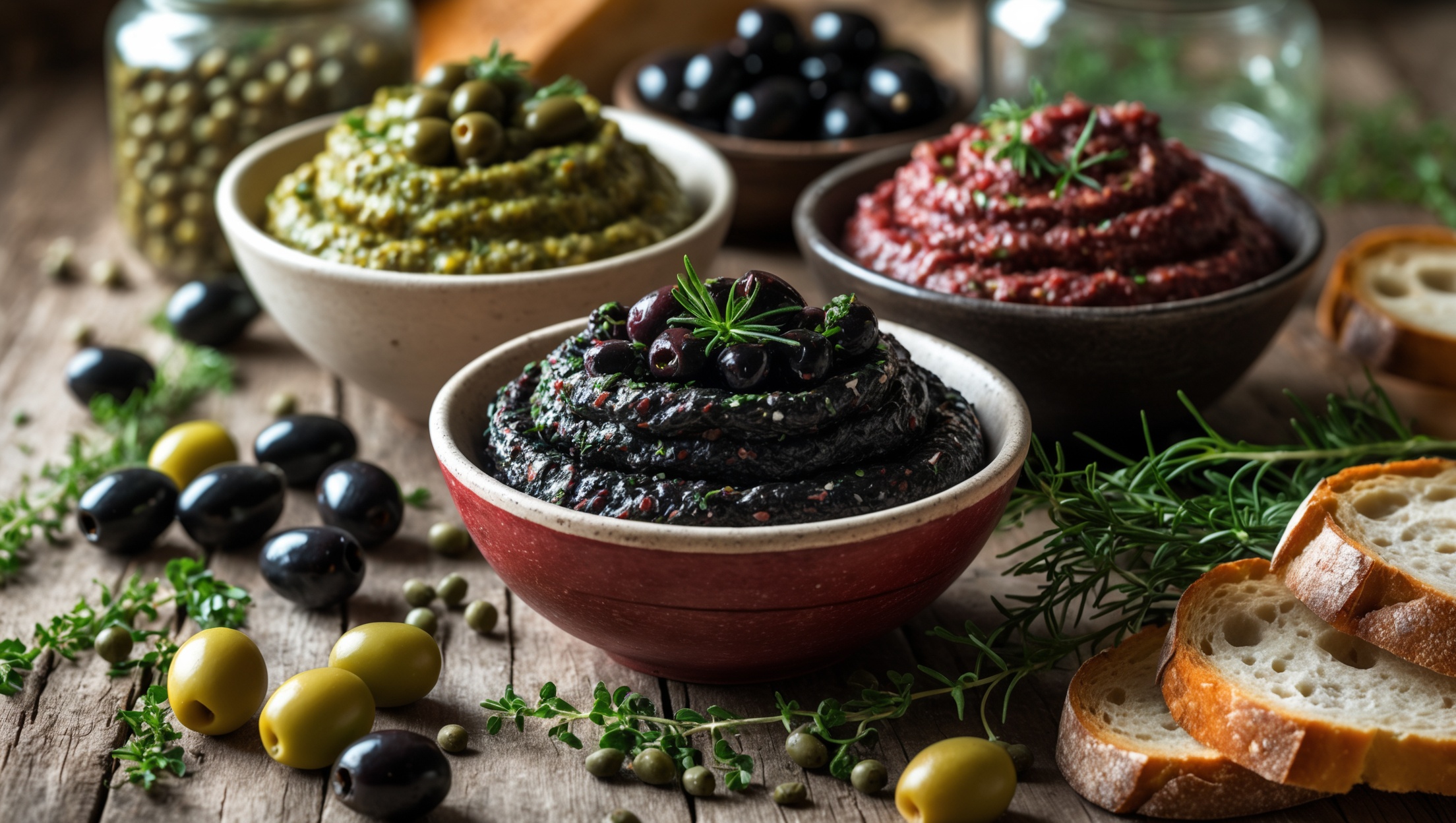
- Herb-Forward Condiments: Green pestos, salsa verdes, and preserved lemon paste.
Summer Pantry Essentials
- Heirloom Tomato Jars or Sauces: For quick pastas or pizza bases.
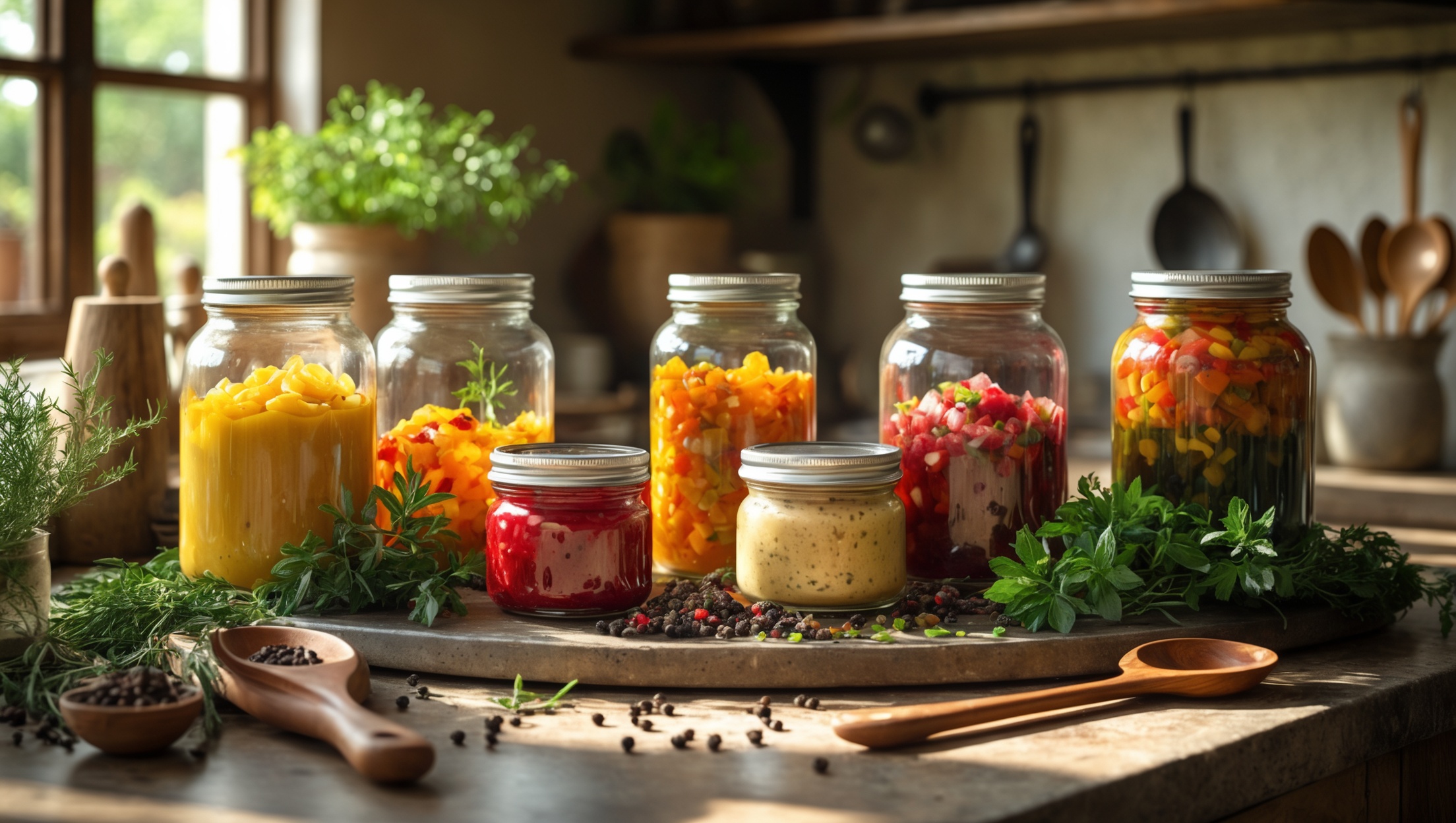
- Fruit Preserves: Jams, compotes, or dried berries for baking and breakfast.
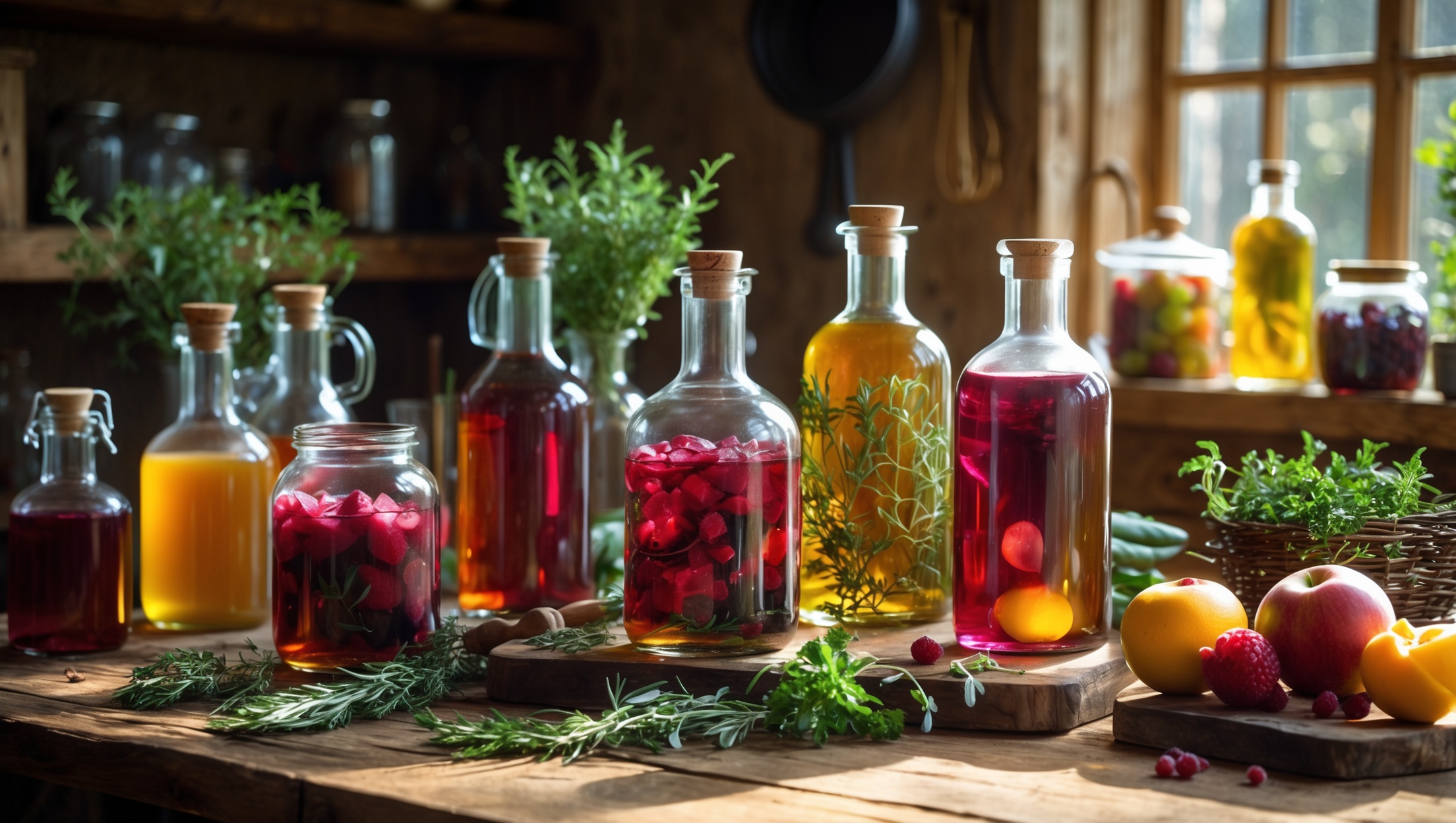
- Infused Vinegars: For bright, acidic dressings and marinades.
- Grilling Rubs and Sauces: Spice blends, dry rubs, and barbecue sauces.
Autumn Pantry Essentials
- Root Vegetable Chips or Crisps: For snacking or garnishing soups.
- Hearty Grains: Farro, barley, wild rice for stews and pilafs.
- Nut Butters and Roasted Nuts: Add depth to sauces or serve as snacks.
- Warming Spice Blends: Pumpkin pie spice, garam masala, or five-spice powder.
Winter Pantry Essentials
- Canned Beans and Tomatoes: For hearty soups and stews.
- Dark Syrups: Maple, molasses, or date syrup for glazing and baking.
- Preserved Citrus: For adding brightness to winter dishes.
- Comfort Grains: Polenta, semolina, or buckwheat for porridge and warm breakfasts.
Year-Round Staples
- Sea Salt and Flaky Finishing Salts
- High-Quality Olive Oil and Neutral Oil
- Soy Sauce, Fish Sauce, and Global Condiments
- Whole Spices and Spice Blends
- Honey and Natural Sweeteners
- Vinegars (Balsamic, Sherry, Rice, Apple Cider)
- Baking Powder, Baking Soda, Yeast
How to Rotate and Refresh
Every season, take inventory. Discard stale or expired products, and plan meals around items nearing their end date. Use this as an opportunity to try new ingredients or flavors, and to stock up on seasonal specialties you’ll use throughout the coming months.
Budgeting for the Gourmet Pantry: Cost-Savvy Craft
Prioritize for Quality Over Quantity
Your budget stretches further when you focus on a few high-impact ingredients—think a bottle of exceptional olive oil, a trio of finishing salts, or a handful of rare spices. Spend where flavor matters most, and opt for store brands or bulk items for basics like flour and sugar.
Smart Shopping Strategies
- Buy in Bulk (But Not Too Much): Purchase grains, beans, and nuts in quantities you’ll use within 3-6 months for peak freshness.
- Leverage Seasonal Sales: Stock up when ingredients are at their cheapest and highest quality.
- Join a Co-op or Online Buying Club: Access specialty or organic items at better prices.
- Shop Ethnic Markets: Find unique condiments, spices, and grains at lower prices and higher turnover.
- DIY When Possible: Make your own spice blends, flavored oils, or granolas to save money and customize flavors.
Tracking Your Pantry Investment
Keep a simple digital inventory with purchase dates and prices. This helps prevent overbuying and highlights which items deliver the most value and flavor impact. Use spreadsheets or pantry management apps to set reminders for rotation and track spending over time.
Best Practices for Pantry Maintenance
Regular Cleaning Routine
- Remove all items every 2-3 months and wipe down shelves with mild soap and water.
- Check for spills, crumbs, or signs of pests. Replace shelf liners if needed.
- Inspect containers for cracks or poor seals and replace as necessary.
Monitor for Pests and Spoilage
- Use Bay Leaves: Place a few in flour and grain containers to deter pantry moths and weevils.
- Store Open Packages in Airtight Containers: Never rely on original packaging for long-term storage.
- Keep a Small Thermometer: Ensure pantry temperature stays below 70°F (21°C).
Shelf-Life Guidelines
- Whole Spices: 2-3 years when kept airtight and away from light.
- Ground Spices: 6-12 months for best flavor.
- Grains and Legumes: 6-12 months; refrigerate or freeze for longer storage.
- Oils: 6-12 months; keep tightly sealed and away from heat.
Advanced Pantry Craft: Ferments, Infusions, and DIY Preserves
Adding a Touch of Artisanal Flair
A true gourmet pantry isn’t static—it evolves with your skills and curiosity. Once the basics are in place, experiment with homemade ferments (kimchi, sauerkraut), infused oils and vinegars, or preserved lemons and jams. These projects add both flavor and pride of craft to your collection, and make thoughtful gifts for fellow food lovers.
Equipment for DIY Preserves
- Fermentation Crocks or Weights: For small-batch pickling and kraut-making.
- Fine-Mesh Strainers and Cheesecloth: Essential for infusing oils or clarifying vinegars.
- Water Bath Canner: For shelf-stable jams, pickles, and preserves.
- pH Test Strips: For food safety when crafting acidic preserves or ferments.
Safety Checklist for Pantry Projects
- Sterilize all jars and utensils before use.
- Label DIY items with preparation and expiration dates.
- Monitor ferments for off-odors or discoloration—when in doubt, throw it out.
Conclusion: Elevate Your Everyday Cooking with Pantry Craft
Transforming your pantry into a gourmet haven is an investment in both flavor and the joy of cooking. It’s not about extravagance, but about intention—choosing quality over quantity, curating ingredients that excite your palate, and creating a space that inspires you every time you open the door. With the right tools, containers, and storage strategies, you extend the life and vibrancy of your ingredients. By aligning your pantry with the seasons, you ensure your meals are always fresh, on-trend, and nutritionally diverse.
Budgeting and maintenance may seem mundane, but they’re the pillars of a truly sustainable gourmet pantry. Smart shopping and regular rotation prevent waste and keep your collection relevant. Embracing DIY projects like ferments and infusions not only enriches your pantry but also hones your culinary skills and deepens your connection to food traditions from around the world.
Ultimately, a gourmet pantry is a reflection of your culinary identity—a living archive of flavors, memories, and inspiration. It empowers you to cook creatively, eat well, and savor the process as much as the result. Start with the basics, experiment with the artisanal, and let your pantry continually evolve alongside your tastes and talents. In doing so, you’ll discover that the path to culinary mastery often begins right behind your pantry door.
The article talks about stocking based on seasonality and personal style. Can you give an example of how you might rotate or swap out pantry ingredients as the seasons change, especially for someone who cooks mostly basic American dishes but wants to branch out?
Absolutely! For spring and summer, you might stock lighter grains like quinoa or couscous and add canned tomatoes, fresh herbs, and light broths for quick salads or soups. In fall and winter, swap in heartier staples like canned beans, brown rice, and baking spices such as cinnamon and nutmeg for stews or baked goods. This way, you can try new recipes while still keeping familiar basics in your pantry.
I’m interested in keeping my small café’s pantry organized and fresh, but sometimes we struggle with ingredients expiring before we can use them. Could you share more about the advanced storage strategies you mentioned to help preserve flavor and prevent waste, especially with specialty oils and spices?
To preserve specialty oils, store them in dark, airtight containers away from heat and light—some cafés even keep them refrigerated if space allows. For spices, use small, labeled jars and buy in quantities you’ll use within a few months. Consider rotating your stock regularly: place newer items behind older ones, and create a simple inventory sheet to track what you have and expiration dates. This can really help minimize waste and keep flavors at their best.
I noticed the article talks about balancing everyday staples with unique global flavors in the pantry. How do you decide which specialty ingredients are actually worth stocking versus what ends up gathering dust?
Choosing which specialty ingredients to stock depends on your cooking habits and interests. Start by reflecting on the global dishes you enjoy making most often. If you use a particular spice, sauce, or grain more than once a month, it’s usually worth keeping on hand. For other items, consider buying in smaller quantities or only when you have a specific recipe planned, to avoid waste and clutter.
For someone just getting started, what would you consider the absolute essentials for a gourmet pantry? Is it better to gradually build up with seasonal finds or make an initial investment in a core set of high-quality staples?
For a beginner’s gourmet pantry, start with a core set of high-quality basics: olive oil, vinegars, sea salt, black pepper, dried herbs, a few whole spices, good pasta, grains like rice or quinoa, and canned tomatoes. It’s best to invest in these essentials first, then gradually add seasonal or specialty items as you cook more and discover your preferences.
When you talk about stocking the pantry based on seasonality and personal culinary style, how often do you recommend rotating or updating those pantry items throughout the year? Are there particular signals or routines you follow?
Rotating pantry items seasonally is a smart habit—generally, a quarterly update works well for most home cooks. Pay attention to changes in local produce, upcoming holidays, and any shifts in your cooking interests or habits. I recommend setting aside time at the start of each season to check expiration dates, use up soon-to-expire staples, and swap in new ingredients that fit your current tastes and the season’s flavors.
I’m interested in building a gourmet pantry but have limited space at home. Are there particular storage solutions or container sizes you would recommend for small kitchens that still allow for a good variety of ingredients?
For small kitchens, using stackable, airtight containers in various sizes can help you maximize space while keeping ingredients fresh. Opt for narrow jars for spices and taller containers for grains or pasta, which can fit neatly on shelves. Door-mounted racks or pull-out cabinet organizers are also great for storing oils, vinegars, and canned goods, making it easier to keep a diverse selection without cluttering your space.
You mention that a gourmet pantry should reflect personal culinary style and seasonality. Could you give some tips on how to swap out pantry staples as the seasons change, especially if you’re shopping at regular grocery stores instead of specialty markets?
Absolutely! As seasons change, try adjusting staples like grains, dried fruits, and spices to match what’s fresh and inspiring. In spring, add ingredients like basmati rice, lentils, or dried peas. For summer, stock up on couscous, sun-dried tomatoes, and lighter olive oils. Fall and winter are great for heartier beans, wild rice, and warming spices like cinnamon and nutmeg. Most of these can be found at regular grocery stores—just shop the international or bulk sections for more variety.
I’m trying to start a gourmet pantry on a tight budget. How do you recommend prioritizing which specialty ingredients or artisanal oils to buy first, especially if I want to avoid clutter but still expand my cooking options?
To get started on a budget, choose a few versatile, high-quality ingredients that can be used in multiple dishes. For oils, extra-virgin olive oil is a great first pick since it works for dressings and cooking. For specialty items, select those you’ll use most often, like a good balsamic vinegar or a favorite spice blend. Build slowly and only add new items as you find recipes that truly require them.
Could you share more details about advanced storage strategies for keeping artisanal oils and spices fresh? I run a small catering business and sometimes my specialty items lose their potency before I use them up.
For artisanal oils, store them in dark glass bottles away from light and heat, ideally in a cool pantry or even the fridge for delicate nut oils. Make sure the caps are tightly sealed after each use. For spices, airtight glass jars are best—keep them in a drawer or cabinet instead of above the stove, as heat and humidity speed up loss of flavor. Consider buying smaller amounts more frequently, or dividing bulk purchases into smaller, sealed containers for long-term freshness.
I love the idea of turning my pantry into a culinary canvas, but I have a pretty small kitchen. Do you have any tips for maximizing space while still keeping things organized and accessible, especially when trying to balance everyday items with more unique or specialty ingredients?
In a small kitchen, using vertical space can make a big difference—think wall-mounted shelves, hanging racks, or even the inside of cabinet doors for spices and small jars. Stackable containers keep shelves tidy and let you see what you have. Try grouping everyday essentials at eye level and stashing specialty items in labeled bins higher up, so they’re handy but not in the way.
If someone is just starting to build their gourmet pantry from scratch, what are the first five essential tools or storage containers you suggest investing in before buying specialty ingredients?
To start your gourmet pantry, it’s smart to invest in five essential items: airtight glass jars for dry goods, stackable food storage containers for bulk items, a sturdy set of measuring cups and spoons, a high-quality spice rack or organizer, and some durable mixing bowls. These basics will keep your ingredients fresh and your workspace organized, making it much easier to build your pantry as you go.
Could you give some specific examples of containers or storage tools that help preserve flavor and prevent waste? I’m not sure whether I should go for glass jars, vacuum sealers, or something else for storing spices and grains.
For spices, airtight glass jars are an excellent choice because they block moisture and odors, preserving freshness and flavor. For grains, food-grade airtight containers made of glass or high-quality plastic keep out pests and humidity. If you buy in bulk, a vacuum sealer can extend shelf life for both spices and grains by removing air. Labeling each container with the purchase date also helps you use items before they go stale.
I’m interested in the seasonal stocking secrets alluded to here. Could you share some examples of how you rotate pantry items based on the time of year to keep ingredients fresh and inspiring?
One approach is to focus on ingredients that complement seasonal produce. In spring, you might stock lighter grains like quinoa and couscous, and fresh herbs like dill or mint. Summer could mean emphasizing pasta for cold salads, pickling spices, and fruit preserves. For autumn, switch to heartier items like wild rice, lentils, and warming spices such as cinnamon or nutmeg. In winter, keep robust stocks, beans, and baking essentials handy. Rotating your pantry this way helps keep meals both fresh and seasonally inspired.
I noticed you mentioned stocking the pantry based on seasonality and personal culinary style. How do you decide what seasonal ingredients are worth buying in bulk versus in smaller amounts for a gourmet pantry?
When deciding what seasonal ingredients to buy in bulk, consider how much you use them in your favorite recipes and how well they store. For ingredients you use often and that have a good shelf life—like certain grains, nuts, or dried fruits—it makes sense to buy more when they’re in peak season. For fresh or highly perishable items, smaller amounts are best to enjoy their quality without waste.
When you talk about seasonal stocking secrets in the article, do you recommend swapping out pantry staples completely each season, or is there a way to layer new seasonal items on top of what you already have without things getting cluttered?
The article suggests layering seasonal items with your existing pantry staples rather than swapping everything out. You can keep core items like grains, oils, and spices year-round, then add seasonally available products—such as specific jams, dried fruits, or specialty baking ingredients—based on the time of year. To avoid clutter, rotate or use up older items and organize your shelves so newer, seasonal additions are easy to access.
Curating a gourmet pantry sounds amazing for creativity, but if I’m just starting out on a tight budget, which essential tools and basic ingredients would you recommend prioritizing first?
Starting with the basics is a smart approach. For tools, prioritize a sturdy chef’s knife, a cutting board, measuring cups and spoons, and a medium saucepan. When it comes to ingredients, focus on quality olive oil, sea salt, black pepper, dried pasta, canned tomatoes, and a few versatile spices like garlic powder and dried oregano. These essentials will let you prepare a variety of flavorful meals without a big investment.
The article mentions smart storage strategies to preserve flavor and prevent waste, but I’m not sure where to start on a budget. Are there specific types of containers or storage solutions you’d suggest for beginners that won’t break the bank?
Absolutely! For beginners on a budget, start with clear, airtight plastic containers or glass jars—they keep ingredients fresh and let you see what’s inside. Mason jars, repurposed food jars, or stackable plastic containers work well. Use small bins or baskets in your pantry to organize similar items together. Label everything clearly to avoid confusion and reduce waste. Even simple resealable plastic bags are a good, affordable option for dry goods or snacks.
You talk about advanced storage strategies to preserve flavor. Can you share specific tips for keeping artisanal oils and spices at their best quality, especially in a busy kitchen environment with fluctuating temperatures?
For artisanal oils, store them in dark glass bottles away from heat sources like stoves and direct sunlight, ideally in a cupboard or dedicated cool drawer. For spices, use airtight containers and avoid keeping them above the stove, as humidity and heat can quickly degrade their flavor. Consider dividing bulk spices into smaller jars for daily use, refilling from a larger, well-sealed container kept in a cooler spot.
I’m interested in the advanced storage strategies you hinted at for preserving flavor and preventing waste. Could you share some specific examples or tools that have made a big difference in your own pantry organization?
Absolutely! One advanced strategy is using vacuum sealers to divide bulk items like grains or nuts into smaller portions, keeping them fresh much longer. Glass jars with airtight seals are excellent for spices and dried herbs, as they protect from light and moisture. I also rely on stackable clear bins to group similar items, which helps me spot what I have and prevents things from getting lost or expiring. Labeling everything with purchase dates is a simple trick that really helps reduce waste.