Introduction: Crafting Your Dream Kitchen Without Breaking the Bank
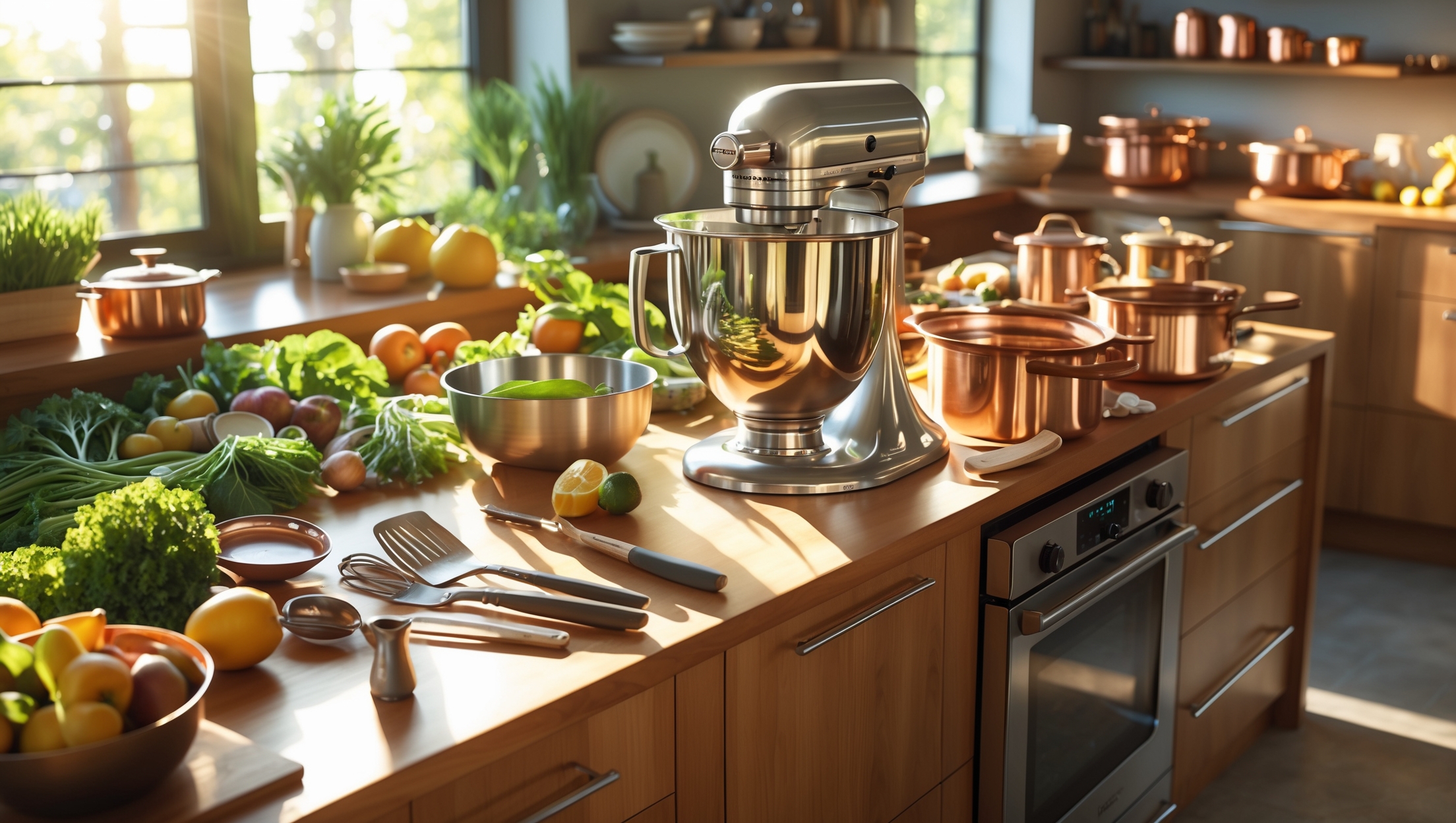
Turning your culinary passion into a reality starts in the kitchen. But for new culinary creators—whether you’re an aspiring food entrepreneur, food blogger, or serious home cook—building a functional, inspiring, and efficient kitchen can feel overwhelming, especially when you’re watching your budget. Professional kitchens sparkle with top-tier gadgets and endless counter space, but the truth is: you don’t need every tool in the catalog, nor do you need to drain your savings to equip your workspace for impressive, creative cooking.
This guide is designed for culinary creators at the start of their journey who want to maximize every dollar. We’ll break down the essential tools that actually matter, share smart strategies for cost savings, and provide tips for building a kitchen that grows with your skills and ambitions. From knowing where to invest (and where to save) to discovering overlooked secondhand gems and seasonal buying tips, you’ll find practical advice to help you balance quality, creativity, and budget. Let’s build the kitchen of your dreams—without the nightmare price tag.
Setting Your Priorities: What Really Matters in a Culinary Workspace?
Defining Your Cooking Style and Culinary Goals
Before you start shopping, clarify your cooking style and goals. Are you focused on baking, world cuisine, plant-based dishes, or classic comfort food? Your priorities will shape your equipment list. Make a short list of your “most-cooked” dishes and the processes you consistently use—this will serve as your compass for smart investment.
The 80/20 Rule for Kitchen Tools
Roughly 20% of your tools will handle 80% of your daily prep. Identify these workhorses before spending on specialty gear. For most, this means knives, cutting boards, a solid pot and pan, and versatile utensils. The rest can be added as your skills and culinary repertoire expand.
Essential Tools: Investing Wisely in Quality and Versatility
The Must-Have Core Tools
- Chef’s Knife (8”): The single most important tool. Invest in quality, as it affects speed, precision, and safety. Look for balance, comfort, and a reputable brand.
- Paring Knife: For delicate tasks—peeling, trimming, and intricate cuts.
- Large Cutting Board: Opt for wood or BPA-free plastic. Size matters for safety and efficiency.
- Stainless Steel or Enameled Cast Iron Skillet: Versatile for sautéing, searing, and oven finishing.
- Heavy-Bottomed Saucepan (2–3 qt): For sauces, grains, reheating, and small-batch cooking.
- Sheet Pan: A workhorse for roasting, baking, and meal prep.
- Mixing Bowls: Stainless steel or glass, in nested sizes, handle everything from batters to salads.
- Measuring Cups & Spoons: Essential for accuracy, especially in baking.
- Heat-Resistant Spatula & Wooden Spoon: For mixing, stirring, and scraping.
- Tongs: Safe, precise handling of hot food.
- Colander: For draining pasta, rinsing produce, and more.
Upgrade Picks (When Budget Allows)
- Immersion Blender: For soups, sauces, and smoothies, without the bulk of a countertop blender.
- Digital Scale: Invaluable for baking, portioning, and consistent results.
- Bench Scraper: Great for dough, chopping, and clean-up.
- Instant-Read Thermometer: Precision for meats, breads, and confectionery.
- Fine-Mesh Strainer: For sauces, stocks, and sifting dry ingredients.
Smart Savings: Proven Ways to Stretch Your Budget
Buy Once, Cry Once: Where to Invest
Some tools are worth the splurge. Knives, a sturdy skillet, and heavy-bottomed pots pay dividends in performance and durability. Cheap alternatives often warp, break, or perform poorly, leading to more replacement costs and frustration. Focus your dollars on these, then round out your setup with cost-saving strategies elsewhere.
Top Tips for Cost-Conscious Culinary Creators
- Shop Secondhand: Thrift stores, restaurant supply auctions, and online marketplaces are gold mines for lightly used cookware, sheet pans, utensils, and even small appliances.
- Seek Out Restaurant Supply Stores: These stores offer durable, no-frills gear at lower prices than boutique retailers.
- Buy Off-Season: End-of-season sales, Black Friday, and holiday deals can yield big savings on high-ticket items.
- Prioritize Multi-Use Tools: Opt for gear that does double (or triple) duty. For example, a Dutch oven functions as a soup pot, roaster, and bread baker.
- Wait and Test: Live with your core setup for a month before adding anything new. This helps you avoid impulse buys for gadgets you’ll rarely use.
- Buy in Sets—But Wisely: Only if every item in a set is useful. Otherwise, buy à la carte.
What to Skip or Delay
- Single-Use Gadgets: Avocado slicers, garlic presses, and egg separators are space-wasters for most cooks.
- Designer Brands (Unless Discounted): Many boutique brands charge high prices for aesthetics. Restaurant-grade gear is more affordable and just as functional.
- Large Appliances: Unless you bake bread daily, you may not need a stand mixer right away. Start with hand tools and upgrade as your needs grow.
Building Your Toolkit: A Step-by-Step Shopping and Setup Guide
Step 1: Inventory What You Already Have
Lay out your current kitchen tools. Compare them to your essentials list. Is anything missing or due for replacement? Don’t overlook hidden gems—a sturdy old pan or inherited utensils may outperform new budget items.
Step 2: Set a Realistic Budget and Timeline
Decide your spending limit for the initial setup and break it into categories—knives, cookware, prep tools, etc. If needed, create a wishlist and tackle it over several months. This approach prevents budget blowouts and lets you take advantage of sales.
Step 3: Research and Compare
- Read reviews from culinary professionals and home cooks alike.
- Compare prices across multiple retailers—including restaurant supply stores and reputable online marketplaces.
- Test in person where possible, especially knives and pans.
Step 4: Source Your Tools
Mix and match sources for best value. Buy new where necessary (knives, non-stick pans for food safety), and hunt secondhand for items like stainless steel bowls, sheet pans, and utensils. Don’t be afraid of minor cosmetic imperfections—they often don’t affect performance.
Step 5: Organize for Workflow
- Arrange tools by frequency of use—keep everyday items within arm’s reach.
- Use drawer dividers, pegboards, or magnetic strips to maximize small spaces.
- Store seldom-used items higher up or in closed cabinets.
Seasonal Strategies: When and What to Buy Throughout the Year
Spring & Summer
- Best for: Grilling tools, salad spinners, canning supplies.
- Tip: End-of-school sales often discount kitchen gear for graduates.
Fall & Winter
- Best for: Bakeware, roasting pans, slow cookers.
- Tip: Black Friday and holiday sales offer deep discounts on small appliances and cookware sets.
Year-Round
- Keep an eye on clearance at big box stores and online flash sales.
- Estate sales are excellent for classic, high-quality cookware and tools.
Maintaining Your Investment: Care Tips for Longevity
Knives
- Hand wash and dry immediately—never put in the dishwasher.
- Hone regularly, sharpen as needed (or have professionally sharpened).
- Store in a knife block, magnetic strip, or blade guard.
Cookware
- Follow manufacturer instructions for cleaning and seasoning (especially cast iron).
- Avoid metal utensils on non-stick surfaces.
- Stack carefully to prevent scratches; use pan protectors if needed.
Utensils & Boards
- Disinfect wooden boards with vinegar or lemon, oil monthly to prevent cracking.
- Replace plastic boards when heavily scarred.
- Inspect tools for wear and replace as necessary—safety first!
Advanced Tips: Going Pro on a Shoestring
DIY Solutions and Upcycling
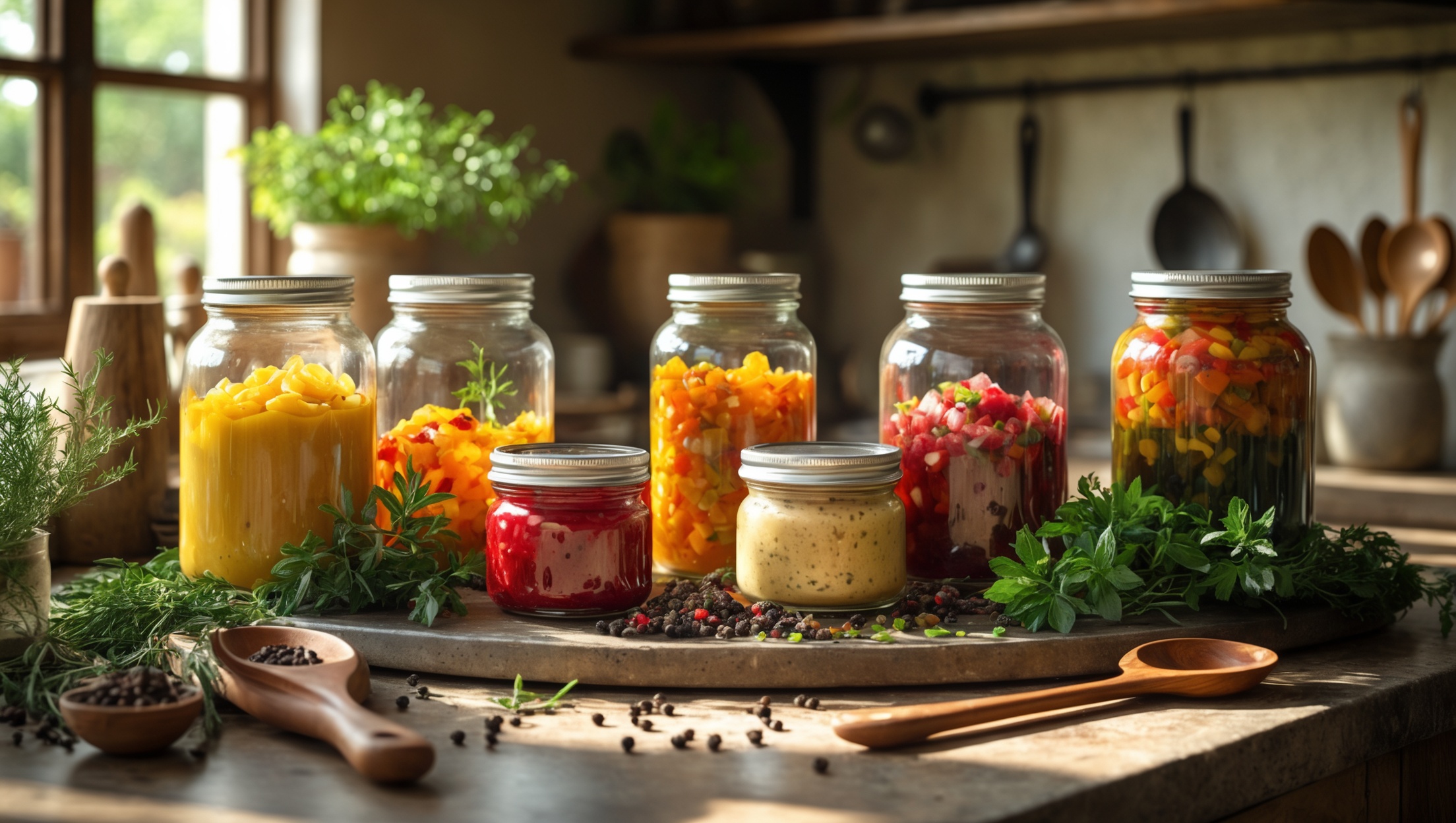
Resourceful culinary creators turn everyday items into kitchen assets. Use mason jars for storage and shaking vinaigrettes. Repurpose a clean paint scraper as a bench scraper. Cut up old linens for kitchen towels or cleaning cloths. Creativity often trumps cost.
Building Relationships with Local Suppliers
Forge connections with local restaurant suppliers and kitchenware shops. Ask about clearance sales or discontinued items. Many offer industry discounts or loyalty programs even to passionate home cooks.
Tool Sharing and Community Kitchens
If specialty gear is required for a single project (like a pasta maker or ice cream machine), borrow from friends or join a community kitchen. This lets you experiment before committing to a purchase—and prevents clutter from unused tools.
Conclusion: Your Creative Kitchen, Your Culinary Story
Building a professional-grade kitchen on a budget isn’t about sacrifice—it’s about making smart, informed choices and embracing the craft of cooking with resourcefulness and intention. By focusing on essential tools that deliver versatility and reliability, you create a foundation for creativity and culinary growth. Strategic spending, savvy sourcing, and thoughtful maintenance ensure your kitchen evolves with you, supporting both everyday meals and ambitious experiments.
Remember, the heart of culinary culture lies not in having the fanciest gadgets, but in the stories you craft through each meal, each technique mastered, and every new flavor discovered. Every scratch on your skillet and every well-worn spoon is a testament to your journey as a creator. With the right approach, your kitchen—no matter the size or budget—becomes a space where taste, craft, and inspiration come alive.
Start where you are, invest in what matters, and let your passion guide your choices. The stories you’ll tell with your cooking will always outshine the price tags on your tools. Happy cooking!
If my biggest goal right now is baking, how might my essential tool list differ from someone focusing more on everyday stovetop meals? I’m worried about buying unnecessary gadgets at the start.
If baking is your main focus, prioritize items like a sturdy mixing bowl, quality measuring cups and spoons, a whisk, a rolling pin, baking sheets, and a reliable oven thermometer. You can skip or delay items like skillets or a saucepan, which are more important for stovetop cooking. Start with these basics and expand as you discover what recipes you’ll make most often.
You talk about finding quality secondhand kitchen tools to save money. Where do you usually look for these deals, and how do you make sure what you’re buying will last?
I usually check out local thrift stores, garage sales, and online marketplaces like Facebook Marketplace for secondhand kitchen tools. When buying, I look for solid materials like stainless steel or cast iron, check for any cracks or rust, and make sure moving parts work smoothly. If possible, pick up items in person so you can inspect them closely before buying.
When figuring out my most-cooked dishes like you suggest, I end up with a pretty scattered list that includes both baking and weeknight meals. Any advice for narrowing down which tools to invest in first when my cooking style isn’t super focused yet?
Since your cooking interests are varied, start with versatile tools that work for both baking and everyday meals. A sturdy chef’s knife, a large cutting board, and quality measuring cups and spoons are great basics. A heavy-bottomed skillet and a rimmed baking sheet also cover a lot of recipes. As your preferences become clearer, you can add more specialized tools tailored to your favorite dishes.
I’m interested in your advice on identifying overlooked secondhand kitchen tools. Are there specific types of equipment or brands you recommend looking for when shopping used, and how do I ensure the quality holds up over time?
When shopping for secondhand kitchen tools, look for items often built to last, like cast iron pans, stainless steel mixing bowls, heavy-duty sheet pans, and sturdy utensils. Brands known for their durability include All-Clad, Le Creuset, Lodge, and Vitamix. To check quality, inspect for rust, warping, chips, or loose handles. Test moving parts and avoid nonstick surfaces with scratches. Buying from thrift stores with return policies can also give extra peace of mind.
After making a list of my most-cooked dishes as suggested, how often should I revisit and update my essential tools as my cooking interests evolve? Is there an ideal timeframe or milestone that signals it’s time to reinvest or upgrade certain kitchen items?
It’s helpful to revisit your list of essential tools every few months, especially if you notice changes in the kinds of dishes you’re preparing or find yourself wishing for specific tools. A good milestone is after mastering a new cuisine or technique, or when you cook a new type of dish regularly. Upgrade or reinvest when your current tools no longer meet your needs, show wear, or limit your progress.
You suggest clarifying your cooking style first—if my interests are kind of all over the place (from baking to stir-fry to trying new cuisines), how would you recommend prioritizing what to invest in initially so I don’t overspend but still stay versatile?
Since you enjoy a range of cooking styles, focus on versatile basics that work across cuisines, like a quality chef’s knife, a sturdy cutting board, and a medium-sized saucepan or skillet. Add a baking sheet and a mixing bowl for baking projects. Start with these core tools, then gradually pick up specialty items as you discover what you use most.
Could you give some advice on which tools to invest in right away versus which ones can wait until my food business starts making a profit? I’m worried about buying things too early that I might not really need.
For starting out, prioritize essential tools like a good chef’s knife, cutting board, basic cookware (saucepans, skillet), mixing bowls, and measuring cups. These will cover most tasks efficiently. Items like specialty gadgets, extra bakeware, or large appliances can wait until you have consistent orders or profits. Build your toolkit gradually by adding equipment as your menu or production expands, ensuring every purchase supports your immediate needs.
What tips do you have for finding quality secondhand kitchen equipment? I’m interested in how to spot reliable used items, especially when it comes to knives or pots, since the article mentions that those are good places to invest without overspending.
When shopping for secondhand kitchen gear, check for sturdy construction—avoid warped pots or pans and make sure handles are secure. For knives, look for blades without chips or deep rust; minor scratches are okay as they can be sharpened. Ask if you can test the items for balance and comfort in your hand. Thrift stores, restaurant supply auctions, and online marketplaces often have great finds if you inspect items closely before buying.
When you talk about finding overlooked secondhand gems, do you have tips for evaluating used cookware or brands that tend to hold up best over time? I’m trying to stretch my budget but don’t want to buy something that will need replacing soon.
When buying secondhand cookware, check for heavy, sturdy construction, especially with pots and pans—warping or thin spots are red flags. Stainless steel and cast iron are great choices since they last decades if cared for. Brands like All-Clad, Lodge, and Le Creuset tend to hold up well over time. Also, avoid anything with deep scratches, loose handles, or damaged nonstick surfaces.
How do you recommend balancing the urge to buy budget items now with the risk of having to replace them soon? Is there a rule of thumb for when to invest in quality versus when it’s ok to go cheaper, especially when starting out small?
When starting out, prioritize spending on tools you’ll use daily, like a chef’s knife or a sturdy pan—these are worth investing in for quality and longevity. For items you’ll use rarely or that don’t affect results as much (like peelers or spatulas), budget options are usually fine. Think about how often you’ll use something, and invest accordingly.
If my cooking style evolves over time, how should I approach updating or expanding my kitchen setup without wasting money on gear I might outgrow? Would you recommend gradually upgrading essentials or waiting for clear gaps in my workflow?
If your cooking style is evolving, it’s wise to gradually upgrade your kitchen essentials as your needs become clear. Focus on replacing or adding tools only when you notice a recurring gap in your workflow. This way, you invest in gear you’ll actually use and avoid spending on items that might not suit your future cooking preferences.
I like the 80/20 rule you mentioned for kitchen tools. Could you give some specific examples of what you would consider the top five “workhorse” items for someone who mostly cooks simple weeknight dinners? I’m worried about accidentally buying things that end up collecting dust.
Absolutely, focusing on a few reliable tools makes a big difference. For simple weeknight dinners, the five workhorse items I recommend are: a chef’s knife, a sturdy cutting board, a large nonstick skillet, a medium saucepan, and a silicone spatula. These cover chopping, sautéing, boiling, and basic prep—most everyday meals can be made with just these essentials.
When you mention seasonal buying tips for kitchen tools, could you share some examples of which items tend to go on sale at certain times of year? I’m hoping to plan my purchases efficiently and would love to know if there are patterns to watch for.
Absolutely, there are definite patterns when it comes to kitchen tool sales. Small appliances like blenders and mixers often go on sale during Black Friday and around the holidays. Cookware sets and utensils are typically discounted in January (post-holiday clearance) and during back-to-school season in August. Spring is a great time for deals on grilling tools and outdoor cookware. Planning purchases around these times can help you save significantly.
If my main goal is cooking plant-based meals, are there any specific tools beyond the basic knives, cutting boards, and pots that you’d suggest prioritizing as I build my kitchen setup on a budget?
For plant-based cooking, consider adding a good blender or food processor—they’re invaluable for making things like sauces, dips, and nut butters. A steamer basket is a budget-friendly way to cook veggies while preserving nutrients. Also, a microplane or grater helps with zesting citrus and grating ingredients like ginger or garlic. These tools are especially helpful and versatile for plant-based recipes.
If someone is just starting out and their cooking style isn’t fully defined yet, do you have suggestions for a basic tool list that covers a range of techniques without overspending or cluttering the kitchen?
Absolutely! For a versatile starter kit, aim for a chef’s knife, paring knife, cutting board, medium-sized saucepan, large skillet, baking sheet, colander, wooden spoon, tongs, measuring cups and spoons, and a mixing bowl. These essentials let you tackle most basic techniques without extra gadgets, helping you keep costs and clutter low while you explore your cooking style.
I noticed you recommend identifying the 20 percent of tools that do most of the work in your kitchen. Do you have any advice for figuring out which specific items to prioritize if you cook a mix of cuisines and aren’t sure what you’ll be making most often?
When you cook a variety of cuisines, focus on versatile tools that suit many techniques. Prioritize a good chef’s knife, a sturdy cutting board, a saucepan, a large skillet, and basic utensils like tongs and a spatula. These cover most cooking styles. As you discover which dishes you make most, you can add specialized tools as needed.
I’m curious about your advice on buying secondhand kitchen tools. Are there certain items you definitely wouldn’t recommend buying used due to safety or performance issues?
Some kitchen tools are better bought new for safety and performance reasons. I’d avoid buying used nonstick pans (the coating can degrade or flake), knives (they may be overly worn or damaged), plastic utensils (they can harbor bacteria or absorb odors), and appliances with electrical components (for safety and reliability concerns). Stainless steel or cast iron cookware, glass mixing bowls, and metal utensils are usually safe secondhand buys if they’re in good condition.
The article talks about using the 80/20 rule to figure out which kitchen tools get used the most. For someone who mostly cooks plant-based meals, would you suggest any particular must-have tools that might be different from a standard list?
For plant-based cooking, some tools become more useful than the standard essentials. In addition to basics like sharp knives and cutting boards, a high-powered blender is great for smoothies, soups, and sauces. A food processor is handy for chopping, mixing, and making things like veggie burgers or nut butters. Also, a steamer basket and a good nonstick skillet can really help with preparing vegetables and plant-based proteins.
The article mentions scoring secondhand gems to save money. Do you have suggestions for which specific items are safe or smart to buy used and which ones you should always buy new for safety or performance?
Buying used cookware can be a great way to save money. Durable items like stainless steel pots, cast iron pans, mixing bowls, and utensils are generally safe to buy secondhand if they’re in good condition. However, always buy items like nonstick pans, knives, and small appliances (like blenders or food processors) new, since their coatings, blades, or motors can wear out or pose safety risks when bought used.
I like the idea of using the 80/20 rule for kitchen tools, but as a small food business owner, how can I tell when it’s truly worth upgrading to a higher-end item versus sticking with entry-level equipment?
For a small food business, consider upgrading when an entry-level tool is slowing you down, affecting consistency, or requiring frequent replacements. If a higher-end item will save significant time, improve results, or handle larger volumes reliably, it’s often worth the investment. Track how often you use each tool, and prioritize upgrades for those that are used daily or are crucial to your main menu.
When deciding where to invest versus where to save, how do you determine if a secondhand item will still provide high enough quality for daily use? Are there certain kitchen tools you’d never recommend buying used?
When considering secondhand kitchen tools, focus on items made from durable materials like stainless steel or cast iron—these usually withstand years of use. Check for cracks, rust, and functionality before buying. Avoid buying used nonstick pans, knives, and small appliances with electrical parts, as wear or hidden damage can affect safety and performance. For those items, investing in new is generally safer and more reliable for daily use.
You mention the importance of investing in a few high-quality essentials like knives and a solid pot or pan. For someone just starting out, do you have tips for balancing upfront costs with quality when shopping for these basics?
Focus on buying just one or two key pieces at first—a chef’s knife and a sturdy pan are good starting points. Look for reputable brands that offer basic models without extra features, which often keeps costs down. Shopping at restaurant supply stores or during sales can help you get quality for less. It’s better to start with fewer, reliable tools than to buy a full set of lower-quality items.
As someone who’s just launching a small food business, I’m curious how to decide which tools to invest in right away versus which ones I can safely wait on. Are there any warning signs that a tool might seem essential, but ends up barely being used?
When starting out, focus on tools that you’ll use daily, like quality knives, cutting boards, and basic cookware. Hold off on specialized gadgets or appliances unless your menu relies on them. If a tool has only one purpose or duplicates something you can do by hand, it’s often not essential at first. Keep track of what you actually reach for—unused tools are a good sign you could have waited.
I’m curious about the seasonal buying tips you mentioned. Do certain times of year really make a difference in price for kitchen essentials, or is it better to buy secondhand year-round?
Seasonal sales can make a big difference, especially during holiday weekends like Black Friday, Memorial Day, or back-to-school season, when retailers often discount kitchen essentials. However, if you’re open to buying secondhand, you might find great deals all year, especially at thrift stores or online marketplaces. It really depends on whether you’re looking for specific new items or just want the best value regardless of timing.
the advice about planning purchases around your most-cooked dishes. Could you share examples of how to set priorities if my cooking interests shift seasonally or if I want to experiment with different cuisines?
Absolutely! If your cooking interests change with the seasons or you like exploring new cuisines, start by identifying core tools used across many dishes, like a good chef’s knife and sturdy cutting board. For seasonal cooking, add items like a grill pan for summer or a Dutch oven for hearty winter meals. When trying different cuisines, buy versatile basics first and add specialty items only as you actually need them for a new recipe. This way, you build your collection gradually without overspending.
If I start with just the basics listed here, how soon do most people find themselves needing to expand their toolkit—are there signs that it’s really time to add another specialty item, or is it better to wait until a specific need comes up?
Most people find that starting with the basics can take them quite far in daily cooking. You’ll know it’s time to add a specialty item when you repeatedly run into a task that’s hard or inefficient with your current tools—like slicing bread cleanly or making pasta. It’s usually best to wait until a specific need arises, so your purchases are thoughtful and truly useful for your style of cooking.
When you mention looking for secondhand kitchen tools, do you have tips on where to reliably find high-quality used items? I’ve checked local thrift stores but sometimes worry about missing key flaws or wear on things like knives or pots.
For high-quality used kitchen tools, try restaurant supply auctions, estate sales, or online platforms like local classifieds. When checking items in person, inspect knives for chips, rust, and loose handles, and pots for warping or deep scratches. If buying online, request close-up photos and ask about the item’s history. Sometimes, gently used professional gear comes from restaurants upgrading equipment, offering great value.
The article mentions using the 80/20 rule to focus on essential tools. For someone who mostly cooks plant-based meals, what specific go-to utensils or equipment would make the biggest impact on daily prep without going over budget?
For mostly plant-based cooking, a few key tools can really streamline your prep. A sharp chef’s knife and sturdy cutting board are essential for chopping lots of veggies. A good nonstick or cast iron skillet and a medium saucepan handle most cooking needs. Consider a microplane for zest and grating, and a food processor if you prep large batches. These basics cover most tasks without stretching your budget.
Do you have any tips for finding reliable secondhand kitchen tools, especially for items like knives or pots? I’m trying to stretch my budget and want to avoid buying cheap gear that won’t last.
For reliable secondhand kitchen tools, check out local restaurant supply stores that sell used equipment—they often have durable, commercial-grade items. Thrift stores and estate sales can also offer quality finds if you inspect items closely for damage. For knives, look for brands with solid reputations and avoid nicks or warped blades. For pots, choose those with heavy, sturdy bottoms and tightly fitting lids. Always test handles to ensure they’re secure before buying.
I’m trying to figure out my own 80/20 essentials for starting out, but there are so many options for things like knives and pans. Are there specific brands or materials you recommend for beginners who want decent quality without overspending?
For knives, a good starter option is a stainless steel chef’s knife from brands like Victorinox or Mercer—they’re affordable and reliable. For pans, a heavy-bottomed stainless steel skillet and a nonstick pan work well; look at Tramontina or Cuisinart for quality without a high price. Start with just a couple of versatile pieces, and you can always upgrade or add more later as you discover your preferences.
You mention that about 20 percent of tools will do 80 percent of the work in a kitchen. Can you give specific examples of which brands or types of knives and pans are both reliable and budget-friendly for someone just starting out?
For a starter kitchen, a chef’s knife and a paring knife cover most cutting tasks. Victorinox and Mercer are well-known for offering sharp, reliable knives at a reasonable price. For pans, a heavy-bottomed nonstick skillet (like T-fal or Tramontina) and a stainless steel saucepan (Cuisinart is a good choice) are both durable and affordable. These basics should handle most beginner cooking needs without breaking the bank.
The article highlights seasonal buying tips for kitchen equipment. Do you have suggestions on the best times of year to find deals on key tools or appliances, especially for those on a strict budget just starting out?
You’ll often find the best deals on kitchen tools and appliances during major sales events like Black Friday in November, post-holiday clearances in January, and back-to-school promotions in late summer. Spring sales, when new models arrive, can also mean discounts on last year’s items. Watching for these periods and planning purchases around them is a great way to stretch your budget when starting out.
Do you have any suggestions on how to find reliable secondhand kitchen tools, especially things like knives and pots? I want to follow your tip about overlooked gems, but I’m not sure what to look for to make sure the tools will last.
When searching for reliable secondhand tools, check local thrift stores, restaurant supply auctions, or community marketplaces. Look for brands known for durability and inspect items for signs of damage, like chips in knife blades or warped cookware bases. Stainless steel and cast iron pots often withstand years of use. For knives, test the handle for a secure grip and see if the blade is straight. Buying from sellers who allow you to inspect or ask questions can help ensure quality.
I’m just starting out with a limited budget and want to avoid wasting money. Can you share some specific examples of secondhand kitchen gear you’ve found to be reliable, and any red flags I should watch out for when buying used?
Buying secondhand can really stretch your budget! Sturdy items like stainless steel mixing bowls, cast iron pans, metal baking sheets, and chef’s knives often hold up well when purchased used. Avoid nonstick pans if their coating is scratched or peeling, and check appliances like blenders or stand mixers for odd noises or missing parts. Always inspect for cracks, rust, or deep dents, and if possible, test electrical items before buying.
I’m just starting to figure out which tools I’ll actually use most. How can I avoid spending on specialty gear I might not need yet, and is there a way to test out less common tools before committing to a purchase?
Focusing on versatile basics like a good chef’s knife, cutting board, and sturdy pans is the smartest way to start. Hold off on specialty items until you find yourself wishing you had them for specific recipes. To try out less common tools, consider borrowing from friends, checking local libraries with kitchen tool lending programs, or even renting from community centers if available. This way you can experiment without the upfront cost.
I’m just starting to build my kitchen and feel overwhelmed by all the options. When you mention finding ‘overlooked secondhand gems,’ could you give examples of which tools are actually safe and worth buying used versus those I should always buy new for safety or quality reasons?
It’s normal to feel overwhelmed starting out! Safe, worthwhile secondhand finds include stainless steel mixing bowls, cast iron pans, Dutch ovens, wooden spoons, and baking sheets—these are durable and easy to clean. However, avoid used nonstick cookware (coating may be damaged), plastic utensils (may harbor bacteria), knives (worn or hard to sharpen), and small appliances like blenders unless you can test them thoroughly. Prioritize buying those new for hygiene and performance.
I like the idea of focusing on the 20% of tools that do most of the work in the kitchen. Do you have any suggestions for affordable brands or specific models of knives and pans that offer solid quality for someone just starting out?
For affordable yet reliable kitchen knives, Victorinox and Mercer Culinary are both excellent choices for beginners, offering good quality at reasonable prices. For pans, consider Tramontina or T-fal for nonstick and stainless steel options—they strike a nice balance between cost and performance. A chef’s knife, paring knife, and a sturdy skillet will cover most needs when you’re starting out.
I’m just starting to cook more at home, but I’m torn between buying a few higher-end essentials versus getting a whole set of cheaper tools. Based on the 80/20 rule you mentioned, which route is actually smarter for someone on a tight student budget?
If you’re on a tight student budget, focusing on a few high-quality essentials is usually the smarter move. The 80/20 rule suggests that you’ll use a small number of tools for most of your cooking, so investing in durable basics like a good chef’s knife, a sturdy pan, and a reliable cutting board will make your experience better and save money in the long run, instead of buying a large set of lower-quality items you might rarely use.
I’m a parent trying to set up a small kitchen for my teen who loves to cook, but I don’t want to overspend on unnecessary items. Could you give some clear examples of those 20% workhorse tools you mention, especially for someone just starting out?
Absolutely. For a beginner kitchen, focus on versatile basics that get daily use: an 8-inch chef’s knife, a sturdy cutting board, a medium saucepan, a nonstick skillet, a baking sheet, a mixing bowl, measuring cups and spoons, and a spatula. These cover almost all starter recipes and let your teen cook confidently without crowding the kitchen or stretching your budget.
You mention finding secondhand kitchen gems as a cost-saving strategy. Are there certain types of tools or brands that tend to hold up better when buying used, or any pitfalls to watch out for?
Stainless steel cookware, cast iron pans, and sturdy utensils from reputable brands like All-Clad, Le Creuset, or Wüsthof often hold up very well when bought secondhand. Avoid nonstick pans, as their coatings tend to wear down. Always check handles for tightness and look for excessive rust or cracks. Electrical appliances should be tested first, as repairs can get costly.
You mention that about 20% of kitchen tools will be used for most daily prep. For someone planning to focus on baking and some light meal prep, could you share more specifics about which brands or types of essential tools are worth investing in versus what could be bought secondhand?
For baking and light meal prep, it’s smart to invest in a sturdy stand mixer (KitchenAid is popular), quality silicone spatulas, and reliable measuring cups and spoons—these get daily use and last if bought new. Sheet pans, mixing bowls, and rolling pins are often found secondhand in great condition. For knives, one good chef’s knife (like Victorinox or Wüsthof) is worth a new purchase, but items like whisks or glass bakeware can be thrifted safely.
You mention that roughly 20 percent of kitchen tools will handle 80 percent of daily prep, so if I’m just starting out, which specific utensils or brands would you recommend investing more money in versus going cheap or secondhand?
Focusing your budget on a quality chef’s knife, a sturdy cutting board, and a reliable skillet is a smart move, since these get near-daily use. Reputable brands like Victorinox or Wüsthof for knives, and Lodge or All-Clad for skillets, are worth the investment. For items like measuring cups, spatulas, and peelers, affordable or secondhand versions usually work just fine.
I love the idea of the 80/20 rule for kitchen tools, but I’m wondering, are there any specific brands or types of knives and pots that balance quality and affordability for someone just starting out?
For beginners looking for reliable yet affordable knives, Victorinox and Mercer Culinary are often recommended for their balance of quality and price. For pots and pans, brands like Cuisinart and Tramontina offer sturdy options without breaking the bank. Focusing on a good chef’s knife, a saucepan, and a skillet from these brands will cover most cooking needs while sticking to a budget.
If my main focus is on baking rather than cooking meals, would your list of essential tools shift at all, or do the 80/20 rule basics still apply to a baker’s kitchen too?
If baking is your main focus, the 80/20 rule still applies, but your essential tools will shift a bit. Instead of chef’s knives and sauté pans, prioritize a sturdy stand mixer or hand mixer, quality baking sheets, mixing bowls, measuring cups and spoons, and a silicone spatula. These core items will help you tackle most baking recipes without cluttering your kitchen or breaking your budget.
When prioritizing kitchen tools based on the 80/20 rule, how do you suggest handling specialty items that are required for only one or two favorite dishes? Is it better to invest upfront or wait until those dishes become more frequent in your routine?
For specialty tools that you’ll only use for a couple of favorite dishes, it’s usually wise to wait before investing. See if those dishes become regulars in your routine first. In the meantime, look for creative ways to substitute with tools you already have or borrow from a friend. That way, you avoid clutter and save your budget for tools you’ll truly use often.
I’m just starting to build my kitchen for plant-based cooking, but I’m not sure where to draw the line between essentials and nice-to-haves. Do you have tips for avoiding overspending on specialty tools early on?
When starting out with plant-based cooking, focus on versatile essentials like a good chef’s knife, sturdy cutting board, basic pots and pans, and a blender or food processor if you make a lot of sauces or smoothies. Hold off on single-use gadgets or specialty items until you know you’ll use them often. This way, you cover your core needs without overspending.
How quickly can a new home cook realistically build up a solid collection of kitchen essentials without overspending? Is there a suggested timeline or order you’d recommend for gradually upgrading equipment as skills improve?
A new home cook can build up a solid set of essentials in just a few months by focusing on the basics first—think chef’s knife, cutting board, and a couple of good pans. Start with what you’ll use daily, then add tools as new recipes or techniques come up. Upgrading as your skills grow keeps spending manageable and ensures you only buy what you truly need.
I noticed you suggest focusing on just a handful of essential tools that do most of the work. For someone on a really tight budget, do you have advice on which specific items to prioritize buying new versus hunting for secondhand, especially when it comes to knives and pans?
For someone on a tight budget, it’s wise to buy a good chef’s knife new, since sharpness and safety are crucial and quality varies widely secondhand. For pans, sturdy items like cast iron or stainless steel skillets are often great finds at thrift stores or online marketplaces. Nonstick pans are best bought new unless you can closely inspect them, as coatings can wear down over time.
When you mention focusing on the 20 percent of tools that do 80 percent of the work, could you list which specific pots and pans you’d recommend as the absolute basics for a new cook on a tight budget? I’m worried about spending on the wrong things.
Absolutely, for a beginner on a budget, I recommend starting with just three core pieces: a medium (3-quart) saucepan, a 10 or 12-inch skillet (nonstick or stainless steel), and a large (5-6 quart) pot or Dutch oven. These cover boiling, sautéing, frying, simmering, and even making soups or stews. With these, you can handle most recipes without unnecessary extras.
You mention that identifying your most-cooked dishes helps set priorities. How do I rethink my essential tool list if my cooking interests shift over time? Is there a smart way to keep my kitchen adaptable without overspending?
If your cooking interests change, try building your kitchen tool collection in stages. Start with versatile basics, then add specialized tools only as you find yourself regularly needing them. Consider multi-purpose items, and keep track of what you actually use over a few months. For tools you rarely touch, try borrowing or buying secondhand before committing to new purchases. This approach keeps your kitchen flexible and budget-friendly.
I’m curious about your tip on buying secondhand kitchen tools for savings. Are there specific items you’d avoid getting used for safety or quality reasons, or is it generally safe to shop thrift for anything on the essentials list?
While secondhand shopping can save money, there are a few kitchen tools best bought new for safety and hygiene. Avoid used nonstick pans (coatings can degrade), wooden utensils (which can harbor bacteria), plastic items (may have hidden cracks or stains), and anything with worn electrical parts like blenders or toasters. Stainless steel, glass, or cast iron tools are usually safe to buy used if they’re in good condition.
You mention looking for secondhand kitchen gems. Are there specific tools you recommend always buying new versus ones that are safe (and cost-effective) to get used? I’m a little worried about safety or missing accessories when shopping secondhand.
It’s smart to be cautious with secondhand kitchen gear. Items like knives, pots, pans, and mixing bowls are usually safe to buy used if they’re in good shape. However, it’s better to buy new when it comes to blenders, food processors, nonstick pans, and any electrical appliances, as these can have hidden faults or missing parts. Always check secondhand items closely for damage and cleanliness before buying.
You mention the importance of identifying which tools make up the essential 20 percent for most kitchens. Are there any specific brands or types of knives and pans you would recommend that balance both good quality and affordability for someone just starting out?
For knives, brands like Victorinox and Mercer offer reliable chef’s knives and paring knives at reasonable prices. For pans, consider Tramontina or Cuisinart for stainless steel sets, or Lodge for affordable cast iron skillets. These options provide dependable performance without a big investment, making them solid choices for new cooks building a quality foundation.
You talk about finding secondhand kitchen gems and the best times to buy new, but is there a way to tell if used equipment is still safe or worth the investment, especially when buying online or at local sales?
When buying used kitchen equipment, always check for rust, cracks, and missing parts—photos should be clear and recent. Ask sellers about the item’s history, like how often it was used and if it was ever repaired. For appliances, see if you can test them before buying or request a short video showing them in action. Avoid items with frayed cords or strong odors, and stick to known brands for better durability.
I love the idea of building a kitchen that grows with your skills, but how do I decide what to invest in now versus what can wait, especially if I don’t know exactly how my cooking style will evolve? Any tips for setting a starter budget?
When starting out, focus on versatile basics like a good chef’s knife, a sturdy cutting board, and a reliable skillet. These will support almost any cooking style. For your budget, set a maximum amount you’re comfortable spending now, then prioritize tools you’ll use most often. As your interests develop, gradually add specialized items. It’s perfectly fine to wait on gadgets until you know you’ll use them regularly.
You mention tailoring your equipment to your cooking style and making a list of your most-cooked dishes. Could you share examples of how that list might influence your first purchases, especially for someone still figuring out their signature style?
Certainly! If your list shows you cook a lot of stir-fries, a good nonstick skillet or wok would be a priority. If you often bake, mixing bowls and a reliable sheet pan might top your list. For those still exploring, picking versatile basics like a chef’s knife, cutting board, saucepan, and skillet covers most needs until your preferences become clearer.
I noticed you emphasize starting with core workhorse tools and building up from there. How do you recommend deciding when to invest in more specialized kitchen gadgets as your skills develop, versus sticking with basic versatile items?
As your cooking skills grow, it’s best to let your needs guide your purchases. Stick with versatile basics until you find yourself consistently wishing for a specialized tool while making certain dishes. For example, if you often bake bread, a stand mixer might become worth it. Prioritize gadgets that will genuinely save you time or noticeably improve your results, rather than items that only get occasional use.
If someone is starting from scratch and wants to outfit their kitchen on a limited budget, could you suggest a realistic spending range for those essential ‘workhorse’ tools you highlighted, like knives and pans?
For a basic but reliable starter set, plan on spending around $100 to $200 for essential workhorse tools like a chef’s knife, paring knife, cutting board, skillet, saucepan, and baking sheet. Sticking to trusted budget brands or shopping sales can help you stay within this range while still getting quality items that will last as you build your kitchen.
When you mention focusing on your ‘most-cooked’ dishes to guide tool choices, do you have tips for someone who cooks a wide variety of things but isn’t sure which tools will actually get used the most?
If you cook a wide range of dishes, try tracking which tools you reach for most often over a couple of weeks. Notice which pans, knives, or gadgets regularly land in the sink for washing. This helps highlight your true essentials. Versatile tools—like a sturdy chef’s knife, a reliable skillet, and a cutting board—tend to serve many purposes and are safe investments if you’re unsure.
When you mention finding overlooked secondhand gems, do you have tips for what to look for or avoid when buying used kitchen equipment? I’m always nervous about wear and tear, especially with things like pans or knives.
When shopping for secondhand kitchen gear, check for sturdy construction and minimal rust, chips, or deep scratches, especially on pans and knives. Avoid nonstick pans if the coating is peeling or scratched, as this affects safety and performance. For knives, look for blades without major dents and handles that feel secure. Give everything a thorough clean before use, and if possible, test moving parts like lids and handles to ensure they’re solid.
I like your idea of focusing on the 20 percent of tools that do most of the work, but could you give more details on which brands or types of knives and pans actually provide the best quality for a tight budget? I want something that lasts, but I don’t want to overspend.
For budget-friendly, reliable knives, look into brands like Victorinox or Mercer—both offer sharp, durable chef’s knives under $50. For pans, Tramontina and T-fal are great choices, with sturdy nonstick and stainless steel options that hold up well. A basic 8-inch chef’s knife and a heavy-bottomed skillet from these brands can cover most needs without breaking the bank.
Could you share more about seasonal buying tips? I often see sales pop up but never know if the savings are actually worth it or if I should wait for certain times of year to invest in pricier kitchen essentials.
Seasonal sales can definitely help you save on kitchen essentials! Typically, the best times to buy pricier items like cookware or appliances are during major holiday weekends (Black Friday, Memorial Day, Labor Day) and in January when retailers clear out inventory. New models often release in spring, so previous versions may be discounted then. If you spot a sale outside these windows, compare prices online for a few weeks to see if it’s truly a good deal before purchasing.
For someone on a tight budget, is it more cost-effective to invest in one high-quality chef’s knife or buy a value set with multiple types of knives? I’m not sure where it makes the most sense to spend versus save.
If your budget is tight, investing in one high-quality chef’s knife is often the best choice. A good chef’s knife can handle most kitchen tasks and will last much longer than a set of lower-quality knives. You can add specialty knives as needed over time, but starting with a reliable chef’s knife gives you the most value for your money.
When you talk about finding secondhand kitchen tools as budget-friendly options, do you have any tips for avoiding items that might not be safe or could wear out quickly? I want to save money, but I’m worried about quality with used gear.
That’s a valid concern. When shopping for secondhand kitchen tools, check for rust, cracks, or loose handles, especially in knives and cookware. Avoid nonstick pans with scratched coating and always test electrical items before buying. Opt for brands known for durability, and if possible, buy stainless steel or cast iron, which tend to last longer. Clean items thoroughly before first use.
When you mention the 80/20 rule for kitchen tools, do you have recommendations on which brands or types of knives, pots, and utensils give the best value for new cooks trying to avoid overspending?
Focusing on value, for knives, brands like Victorinox or Mercer offer affordable, reliable chef’s knives ideal for beginners. For pots and pans, Tramontina and Cuisinart make sturdy starter sets without the high price tag. For utensils, OXO and KitchenAid provide well-made basics that last. Prioritize one or two good knives, a saucepan, a skillet, and essential utensils to get the most out of your budget.
If my cooking style shifts over time, like moving from basic comfort food to more international dishes, do you have tips on gradually upgrading the kitchen without overbuying or wasting money on specialty gadgets too soon?
Absolutely—you can upgrade your kitchen in stages by first focusing on versatile, high-quality basics like a chef’s knife, sturdy cutting board, and heavy-bottomed pan. As your interests shift, add only the tools required for new cuisines, such as a microplane for zest or a wok for stir-fries. Borrow or buy secondhand for specialty gadgets until you’re sure you’ll use them often.
I love the suggestion to prioritize the 20 percent of tools that get the most use, but I get overwhelmed figuring out what counts as essential for someone who mostly cooks plant-based meals. Can you give examples of the workhorse tools you’d choose for that style?
For mostly plant-based cooking, a good chef’s knife, a sturdy cutting board, and quality pans (like a nonstick skillet and a sheet pan) are must-haves. I’d also recommend a food processor, a silicone spatula, and a large pot for soups or stews. These cover most prep and cooking needs, letting you handle veggies, grains, legumes, and plant-based proteins with ease.
You mentioned looking for secondhand gems and timing purchases seasonally for better deals. What are some specific places or times of year you’d recommend for finding quality used kitchen equipment in the US?
Some great places to find quality used kitchen equipment in the US include local thrift stores, restaurant supply auctions, garage sales, and online marketplaces like Facebook Marketplace or Craigslist. For the best deals, try shopping during spring cleaning season (March to May) and after holidays like New Year’s, when people often declutter or when stores clear out inventory. Restaurant auctions often happen at the end of the year or after a business closes, so keeping an eye on local auction sites can be worthwhile.
I noticed you mention the importance of prioritizing tools based on how often they’re used, like the 80/20 rule. Do you have specific recommendations for brands or material types that balance durability and affordability for these everyday essentials?
For everyday essentials like knives, cutting boards, and pans, look for trusted brands such as Victorinox for knives and Cuisinart or Tramontina for cookware. Stainless steel and high-carbon steel are good choices for knives, while stainless or hard-anodized aluminum works well for pans. Wooden or thick plastic cutting boards are both durable and cost-effective. These options usually offer a strong balance between durability and price.
What are some tips for finding quality secondhand kitchen equipment? Are there any common pitfalls I should watch out for when buying used pots, pans, or knives to stick within a tight budget?
When shopping for used kitchen equipment, check thrift stores, restaurant supply auctions, and online classifieds for quality brands. Inspect items closely for warping, deep scratches, or rust—especially on pots, pans, and knives. With knives, ensure the blade isn’t chipped and the handle feels sturdy. For cookware, avoid nonstick surfaces that are peeling. Always ask about the item’s age and previous use to avoid surprises.
I’m trying to balance buying quality essentials without overspending upfront. Do you have specific tips on which items are worth splurging on right away for a new home cook, versus which can wait until later as skills improve?
For a new home cook, it’s wise to invest right away in a good chef’s knife and a sturdy cutting board, since you’ll use them almost every meal and quality here makes a difference. Decent pots and pans are also important, but you don’t need an entire set—just a skillet and a saucepan to start. Items like specialty gadgets, extra bakeware, and high-end appliances can definitely wait until you know your cooking style better and your skills grow.
You mention the 80/20 rule for kitchen tools, but as a new home cook, I’m not totally sure how to prioritize within that 20 percent. Could you give more specific examples of which kinds of knives or pots are worth investing in first?
Focusing on the 20 percent of tools you’ll use most, I recommend starting with a good chef’s knife and a small paring knife—these cover most cutting tasks. For pots, a medium-sized saucepan and a large, heavy-bottomed skillet (nonstick or stainless steel) are great basics. If you want to expand, a Dutch oven or stockpot is very versatile for soups, stews, and braises.
I’m at the point where I need to prioritize my kitchen purchases, and I want to avoid buying stuff I won’t use. Could you give more examples of those ‘workhorse’ tools you talked about, especially for someone who cooks a lot of plant-based meals?
For plant-based cooking, some real workhorse tools include a sharp chef’s knife, a sturdy cutting board, a large nonstick or stainless skillet, a medium saucepan, a good vegetable peeler, a microplane or box grater, a colander, and a silicone spatula. A sheet pan is also incredibly useful for roasting veggies. If you bake often, a blender or food processor can help with purees and doughs. These basics cover most plant-based recipes without cluttering your kitchen.
If my cooking interests change over time, do you have tips for building a kitchen setup that can adapt without having to rebuy everything? How can I future-proof my tool choices on a tight budget?
Focus on buying versatile, high-quality basics like a chef’s knife, sturdy cutting board, and a set of stainless steel pans that work for multiple cuisines. Avoid single-use gadgets and choose tools with multiple functions, like mixing bowls that also serve as storage. Modular, stackable storage and universal lids can also help your setup adapt as your interests shift, saving you money in the long run.
You mentioned looking for secondhand kitchen equipment as a way to save money. Are there any particular types of tools or appliances you think are safer or better to buy used versus new, especially for someone starting out?
Some kitchen items are generally safer and better to buy used than others. Durable items like stainless steel mixing bowls, cast-iron pans, baking sheets, and utensils usually hold up well over time and can be excellent finds secondhand. Appliances like blenders or mixers can be good deals if you can test them first to make sure they work. For anything electrical, always check cords and functionality. However, avoid buying used nonstick pans, knives, and plastic items, as they wear out or can harbor bacteria.
I want my kitchen to grow as my skills develop, like you mentioned. Should I buy a few quality basics now and add others gradually, or is it better to get a starter set even if it’s lower quality? Curious how this approach affects long-term savings.
Investing in a few quality basics now is usually the smarter path for both your cooking experience and long-term savings. High-quality essentials like a sturdy chef’s knife, a good pan, and reliable cutting board last longer and perform better, so you won’t need to replace them as quickly. Starter sets may seem cheaper, but they often require upgrading sooner, costing more over time. Gradually adding new tools as your skills and needs grow is both budget-friendly and practical.
If I mostly cook simple weeknight dinners but want to try more baking, how should I balance my kitchen investments between basic equipment and specialty baking tools without going over budget?
Since you mainly cook simple meals but want to explore baking, focus on versatile basics like a sturdy baking sheet, a reliable mixing bowl, and measuring cups—these work for both cooking and baking. Hold off on pricier specialty items like a stand mixer or tart pans until you bake more often. Start small, and add specialized tools gradually as your interest grows, making sure each new purchase will get real use.
If someone mostly cooks plant-based dishes but occasionally bakes, how would you recommend prioritizing their initial tool investments based on the 80/20 rule you described?
For someone focusing on plant-based cooking with occasional baking, the 80/20 rule suggests investing first in versatile tools you’ll use most often. Start with a quality chef’s knife, cutting board, sauté pan, and a blender or food processor for prepping veggies and making sauces. For baking, basic items like a mixing bowl and a baking sheet should suffice at first. You can expand your baking tools later as needed.
I noticed you recommend making a list of “most-cooked” dishes to guide which tools to buy first. Do you have any tips for how to actually narrow that list down, especially for someone still figuring out their cooking style and preferences?
Try tracking what meals you naturally gravitate toward over a couple of weeks, even if they’re simple. Note which recipes excite you or fit your routine best, and see if there are common ingredients or techniques. This can help you spot patterns and narrow your list. Also, consider what types of cuisine you most enjoy eating out—this can hint at what you’ll likely cook most often at home.
When prioritizing kitchen purchases on a tight budget, is it more cost-effective to invest in one high-end multipurpose piece (like a Dutch oven) or buy several mid-range basics first?
If you’re just starting out and have a tight budget, buying several reliable mid-range basics is generally more practical. This approach covers more cooking methods and recipes, making your kitchen versatile from the start. A Dutch oven is fantastic, but unless you cook a lot of stews or braises, you might find yourself needing other essentials like a skillet, saucepan, or baking sheet more often.