
Introduction: The Blossoming World of Edible Flower Cuisine
Edible flowers have graced the plates of royalty and culinary visionaries for centuries, but in recent years, home cooks and gourmet creators have rediscovered their allure. Whether it’s the peppery bite of nasturtiums, the gentle perfume of violets, or the citrusy brightness of calendula, edible flowers offer an exciting palette of colors, flavors, and textures to modern kitchens. Yet, entering the world of edible flower cuisine is about much more than simply sprinkling petals on a salad. It’s a craft that blends horticulture, culinary technique, and food safety, while inviting creativity and refinement into everyday meals.
This guide goes beyond basic recipes. You’ll learn how to safely source or grow edible flowers, select the right tools for harvesting and preparation, manage costs, and master the art of seasonal menu planning. We’ll debunk common myths, tackle beginner mistakes, and deliver actionable tips to elevate your home-cooked dishes from the ordinary to the extraordinary. Whether you’re an adventurous home chef, a gardener looking for new inspiration, or someone curious about plant-forward cuisine, this comprehensive resource will help you turn your garden (or local market finds) into gourmet masterpieces—one petal at a time.
Understanding Edible Flowers: Safety First
What Makes a Flower Edible?
Not all beautiful blooms are safe to eat. Edible flowers are specific plant varieties that are non-toxic and have a pleasant flavor or aroma. Popular examples include nasturtiums, pansies, violets, calendula, borage, chive blossoms, and certain rose petals. Always confirm edibility using reputable sources before consumption; misidentification can lead to serious health risks.
Avoiding Common Safety Pitfalls
- Pesticide-Free Only: Never consume flowers treated with pesticides, fungicides, or herbicides.
- Correct Identification: Use botanical guides or consult experts to ensure accurate identification.
- Allergy Awareness: Introduce new flowers in small amounts and monitor for adverse reactions.
- Harvesting Location: Avoid roadside flowers or those from florists (often treated with chemicals).
Essential Tools and Equipment for Edible Flower Craft
Harvesting and Sourcing Tools
- Garden Scissors or Snips: Precision tools for clean cuts without crushing delicate stems.
- Harvesting Baskets: Shallow, ventilated baskets prevent bruising and wilting during collection.
- Field Guide or Plant ID App: For cross-checking identification in the garden or wild.
Kitchen Preparation Essentials
- Fine-Mesh Sieves: For gently rinsing petals and removing debris.
- Salad Spinners: Quickly dry flowers after washing to prevent sogginess.
- Paring Knife and Tweezers: For precise trimming and plating.
- Small Bowls and Trays: Staging and organizing petals for use in recipes.
- Dehydrator or Silica Gel (optional): For preserving excess blooms.
Cost Breakdown: Budgeting for Edible Flower Cuisine
Home-Grown vs. Store-Bought
Growing your own edible flowers is the most cost-effective option. A packet of organic seeds (e.g., nasturtiums, calendula, borage) typically costs $3–$6 and can yield months of harvest. Starter plants are slightly pricier ($4–$10 each), but offer faster results. If you lack garden space, consider window boxes or vertical planters.
Store-bought edible flowers, often found in specialty grocers or farmers markets, cost $5–$10 per small clamshell (usually 20–30 blooms). While convenient, this route is best for occasional use or when seeking exotic varieties.
Equipment Investment
- Garden snips or scissors: $10–$20
- Harvesting basket: $10–$25
- Fine-mesh sieve: $8–$15
- Salad spinner: $15–$30
- Paring knife and tweezers: $10–$20 (set)
Most tools are one-time purchases and serve multiple kitchen and garden purposes. Budget-conscious cooks can start with basic kitchen tools and upgrade as their craft evolves.
Seed-to-Table Cost Example
- Initial investment: $50 (basic tools, seed packets, soil amendments)
- Ongoing seasonal cost: $10–$20 (replacement seeds, organic compost)
Compared to store-bought edible flowers, a modest home setup pays for itself in a single season, especially for frequent users.
Seasonal Guide: Sowing, Harvesting, and Menu Planning
Spring: Awakening Flavors
Early spring brings violets, chive blossoms, and pansies—ideal for salads, compound butters, and garnishes. Sow seeds indoors or in protected outdoor beds as soon as the last frost passes.
Summer: Peak Color and Variety
Summer is the prime season for nasturtiums, calendula, borage, and daylilies. These robust, heat-loving flowers thrive in well-drained soil and full sun. Harvest in the morning after dew evaporates for best flavor and texture.
Autumn: Late Blooms and Preservation
As temperatures cool, marigolds and some late-blooming edible mums offer vibrant color. This is also the time to preserve surplus flowers by drying or pressing petals for off-season use.
Winter: Planning and Indoor Growth
Winter is ideal for planning next season’s garden, ordering seeds, and experimenting with microgreens or indoor edible flowers like nasturtiums and violas in sunny windows.
Beginner Mistakes to Avoid
- Misidentifying Flowers: Never consume a flower unless you are 100% certain of its identity.
- Over-Harvesting: Pick only what you need. Over-harvesting can harm plant health and reduce future yields.
- Improper Washing: Avoid soaking or rough handling, which damages petals and dilutes flavor.
- Using the Wrong Parts: Some flowers have edible petals but toxic calyxes or stamens (e.g., daylilies—only use petals and young buds).
- Poor Storage: Edible flowers wilt quickly. Store in a single layer on damp paper towels in an airtight container and use within 2–3 days.
Curating Edible Flower Dishes: Techniques and Inspirations
Flavor Pairing Fundamentals
- Nasturtiums: Peppery, pairs well with soft cheeses, salads, and open-faced sandwiches.
- Violets and Pansies: Delicate, slightly sweet, ideal for desserts and cocktails.
- Calendula: Mildly tangy, adds color to rice, soups, and egg dishes.
- Borage: Cucumber-like, perfect for chilled soups, drinks, and fish.
- Chive Blossoms: Oniony, elevate salads, omelets, and compound butters.
Simple Edible Flower Recipes for Home Cooks
- Herbed Butter with Chive Blossoms: Mix softened butter, finely chopped chive blossoms, lemon zest, and a pinch of salt. Shape into a log, chill, and slice for steaks or bread.
- Nasturtium Salad: Toss mixed greens, toasted nuts, goat cheese, and nasturtium petals. Dress with a light vinaigrette.
- Violet Syrup: Steep violet petals in hot water, strain, add sugar, and simmer to create a floral syrup for cocktails or desserts.
- Calendula Rice: Fold calendula petals into cooked rice with a drizzle of olive oil and fresh herbs.
Plating and Presentation Tips
- Use tweezers for precise placement of petals.
- Combine colors and shapes for visual impact.
- Layer flowers with complementary ingredients for balance.
- Garnish just before serving to preserve texture and freshness.
Myths and Misconceptions About Edible Flowers
- Myth: “All flowers are edible.” Fact: Only select varieties are safe to eat.
- Myth: “Edible flowers are flavorless.” Fact: Many offer distinct flavors, from spicy to sweet and citrusy.
- Myth: “They’re only for decoration.” Fact: Edible flowers can be integral to a dish’s flavor and aroma profile.
- Myth: “You need a big garden to grow them.” Fact: Many edible flowers thrive in containers or window boxes.
Maintenance Best Practices: Growing and Storing Edible Flowers
Garden Care
- Plant in well-drained soil with full sun to partial shade, depending on variety.
- Water at the base to prevent fungal diseases.
- Deadhead spent blooms to encourage continuous production.
- Rotate crops annually to minimize pests and diseases.
Harvest and Storage
- Harvest flowers in the morning after dew has dried but before midday heat.
- Use sharp scissors for a clean cut.
- Store unwashed in a breathable container lined with damp paper towels.
- Rinse gently and dry just before use.
Preservation Techniques
- Drying: Spread petals in a single layer on a screen in a cool, dry place.
- Freezing: Place petals in ice cube trays with water for drinks or decorative use.
- Candying: Brush petals with egg white and dust with sugar, then dry for stunning dessert decorations.
Case Study: Transforming a Backyard into a Gourmet Flower Kitchen
Consider the journey of a home chef who converted a modest backyard into a flourishing edible flower haven. Starting with a handful of seed packets and basic gardening tools, she experimented with soil amendments, companion planting, and organic pest control. Within one season, her kitchen brimmed with nasturtiums, calendula, and borage. Cost savings were immediate—no more pricey store-bought blooms—and the creative possibilities multiplied. Her guests marveled at vibrant salads, floral butters, and dazzling desserts, all sourced from steps away. This case illustrates how a small investment and a bit of curiosity can yield a gourmet lifestyle upgrade, inspiring countless home cooks to follow suit.
Conclusion: Elevating Home Cuisine with Edible Flowers
Edible flower cuisine is much more than a fleeting trend—it’s a timeless celebration of nature’s diversity, color, and flavor. By embracing this craft, home cooks join a lineage of culinary innovators who understand that beauty and taste are inseparable. The journey starts with learning which flowers are safe and delicious, gathering a few essential tools, and experimenting with flavors and plating. As you master the seasonal rhythms of sowing, harvesting, and preserving, you’ll find your kitchen transformed—not only in the dishes you serve, but in the inspiration you draw from your own garden or community.
Perhaps most rewarding is the creative freedom edible flowers offer. With each bloom, you unlock new possibilities for flavor pairing, presentation, and celebration. Whether you’re crafting a simple salad, an elegant dessert, or an entire menu around the colors of the season, edible flowers invite you to slow down and savor the artistry of cooking. Begin with caution, curiosity, and care, and you’ll cultivate both a flourishing garden and a refined culinary repertoire. In a world of ever-evolving food trends, edible flower cuisine stands apart as a personal, sustainable, and endlessly inspiring craft.
I’m interested in growing edible flowers at home, but with kids and pets around, I worry about accidentally picking something unsafe. Do you recommend any beginner-friendly flowers that are both easy to identify and safe to grow in a family garden?
Absolutely, there are several edible flowers that are safe for family gardens and easy to recognize. Marigolds (calendula), nasturtiums, and pansies are all beginner-friendly choices—they’re non-toxic, simple to grow, and their bright colors make them easy to distinguish from other plants. Always supervise harvesting and teach kids not to eat any plant unless you’ve identified it together.
I’m wondering how much it typically costs to get started with growing your own edible flowers at home, including the basic tools and seeds. Do you have any tips for someone who’s on a tight budget but still wants to try edible flower cuisine?
Getting started with growing edible flowers at home can be budget-friendly. Basic seeds often cost $2–$5 per packet, and simple hand tools like a trowel and gloves might total $10–$20. Many edible flowers can grow in small pots or recycled containers, saving money on planters. For those on a tight budget, start with easy-to-grow varieties like nasturtiums or calendula, and use compost from kitchen scraps to enrich your soil.
I noticed you mention food safety and the importance of correct flower identification. Are there reliable resources or training programs you recommend for small business staff to get confident with edible flowers?
For staff training, consider local extension offices or botanical gardens, as they sometimes offer workshops on edible plants and food safety. The National Restaurant Association’s ServSafe program also covers general food safety, though not flower-specific. For identification, reliable field guides and professional horticulturists can help. Pairing formal food safety certification with hands-on identification practice is a strong approach for building staff confidence.
You mention that misidentifying flowers can be a serious health risk. For someone just starting out, what are your top recommended resources or guides to help ensure correct identification, especially for people without a botany background?
For beginners, I recommend starting with a reputable field guide to edible flowers specific to your region. Local botanical gardens or university extension services often offer free identification workshops. There are also mobile apps like PictureThis or PlantNet, which can help with initial identification, but always cross-reference with trusted books or experts before consuming any wild flower. When in doubt, consult with a local horticulturist or gardening club to confirm your findings.
You mentioned that edible flowers can really elevate a dish, but I’m curious about cost. For someone just starting out, what are the most budget-friendly edible flowers to grow at home in the US, considering both plant price and how easy they are to maintain?
Some of the most budget-friendly and low-maintenance edible flowers you can grow at home in the US include nasturtiums, calendula (pot marigold), and pansies. These flowers are inexpensive from seed, germinate easily, and thrive with basic care. Chive blossoms and violets are also great choices—they’re hardy and spread well year after year, giving you more value from your initial investment.
You mention the importance of using pesticide-free flowers, but is there a good way to clean store-bought edible flowers safely before using them in recipes? I want to make sure I’m serving food that’s safe for my family.
Absolutely, cleaning store-bought edible flowers is important for food safety. First, gently shake off any dirt or insects. Rinse the flowers under cool, running water, being careful not to bruise the petals. You can also briefly soak them in a bowl of cold water, then lay them on a paper towel to air dry. Avoid using soap or harsh chemicals. This gentle process helps ensure the flowers are safe and ready for your recipes.
For a busy parent with limited gardening space, is it more practical cost-wise to grow a few edible flowers at home or just purchase them when needed? Any tips for keeping things budget-friendly but still fresh and high quality?
If your space and time are limited, buying edible flowers when needed is often more practical and cost-effective, since seeds, soil, and maintenance can add up. To keep things budget-friendly and fresh, buy small amounts from local farmers’ markets or specialty stores. If you do want to grow your own, choose easy, compact varieties like nasturtiums or violets in pots—these require little space and effort.
When sourcing edible flowers from a local market instead of growing them at home, what are the best ways to make sure they haven’t been treated with pesticides, especially if the vendor doesn’t label them clearly?
When buying edible flowers at a market, ask the vendor directly if they’re safe for consumption and whether they were grown without pesticides or chemicals. Look for flowers sold specifically for culinary use, not just decoration. If labeling isn’t clear and the vendor can’t guarantee their safety, it’s best to avoid those flowers to prevent any risk from pesticide residues.
I saw the warning about using pesticide-free flowers. If I only have access to grocery store flowers, is there any reliable way to know if they’re safe for eating, or should I try to grow everything myself instead?
Most grocery store flowers are not grown with food safety in mind, and they may be treated with pesticides or preservatives. There’s usually no way to reliably confirm if they’re safe for eating unless they are specifically labeled as edible or organic and intended for consumption. For the safest results, try growing your own flowers or look for edible flowers at farmers’ markets or specialty food stores.
I’m planning to try edible flowers in my cooking this spring. How far in advance do I need to plant most edible varieties, and are there any quick-growing options if I want to enjoy homegrown petals earlier in the season?
For most edible flowers, it’s best to start seeds indoors about 6–8 weeks before your last expected frost date, then transplant them outside once the weather warms. If you’re looking for quick-growing options, nasturtiums and calendula are great choices—they typically germinate fast and can produce blooms in as little as 6–8 weeks after sowing. This way, you’ll have homegrown petals to enjoy earlier in the season.
In your section about food safety, you stress using pesticide-free flowers and proper identification. For small business owners like myself who might buy flowers in bulk, what are the most reliable ways to vet commercial suppliers for both safety and freshness?
To vet commercial suppliers, ask for certification that their flowers are grown without pesticides or harmful chemicals—organic certification is a strong indicator. Request documentation on harvesting and handling practices, and check if the supplier specializes in edible flowers. Inspect samples for freshness and proper labeling, and consider visiting their operation if possible. Building a strong relationship with reputable suppliers helps ensure consistent quality and safety for your business.
As a small café owner thinking about adding edible flower dishes, I’m curious about how to estimate the costs of sourcing versus growing flowers myself. Do you have any tips or real-world numbers on how much initial setup and ongoing maintenance might run for each option?
Sourcing edible flowers typically costs $15–$30 per pound from suppliers, plus shipping, with minimal setup beyond storage. Growing your own may require $200–$500 initially for seeds, soil, pots, and basic tools, with ongoing costs for water, fertilizer, and occasional pest control—usually $10–$30 monthly. While growing offers freshness and variety, it requires time and space, so consider your café’s capacity and seasonal needs when deciding.
I’m curious about your tips for managing the cost of incorporating edible flowers into seasonal menus, especially for a small café. Are there particular flowers that offer the best value in terms of yield and versatility throughout the year?
Managing costs can be easier if you focus on flowers that are both prolific and versatile, such as nasturtiums, calendula, and violas. These can be grown efficiently, often bloom over several months, and work well in both sweet and savory dishes. Growing your own is often more cost-effective than buying, and staggering plantings can ensure a steady supply throughout the season.
I’m curious about the seasonal menu planning mentioned here. If I want to use flowers from my own garden, how do I figure out which edible blooms will actually be available during different times of the year in a typical US climate?
To plan your seasonal menu around edible flowers from your garden, start by noting the blooming periods of each flower type you grow. In a typical US climate, many edible flowers like violets and pansies bloom in spring, while nasturtiums and calendula appear in summer and fall. Check local gardening resources or extension offices for bloom calendars specific to your region. Keeping a simple garden journal each year can also help you track when your flowers are at their peak.
I noticed the article mentions using the right tools for harvesting and preparing edible flowers. Could you give examples of essential tools a beginner would need, and do these tools differ depending on the type of flower you’re working with?
For beginners, the essential tools include sharp scissors or garden snips for cleanly harvesting flowers, a small basket or tray to collect them, and a soft brush or tweezers for gently cleaning petals. A salad spinner or colander helps with washing. Generally, these tools work for most edible flowers, but if you’re picking delicate flowers like violets, using fine-tipped tweezers can help avoid bruising. Hardier flowers, like squash blossoms, can be handled with regular scissors and hands.
The piece talks about the risks of misidentifying flowers for consumption. For a busy kitchen staff with limited botany knowledge, is there a practical way to train employees or a simple identification tool you recommend to minimize mistakes?
For a busy kitchen, using a reputable edible flower guidebook with clear photos can be very helpful. You might also consider labeling trays and storage clearly, and only sourcing flowers from trusted suppliers. Regular, brief staff trainings on specific flowers you’ll use most often can boost confidence and safety without requiring deep botany knowledge.
You mention managing costs for edible flower cuisine. Roughly how much can I expect to spend upfront on tools and seeds if I want to start growing and using a few varieties at home, and are there any budget-friendly tips for beginners?
You can expect to spend about $30 to $70 upfront for basic tools such as hand trowels, gloves, and starter pots, plus $2 to $5 per seed packet for common edible flowers like nasturtiums or violets. To keep costs down, try using recycled containers for planting, buy seeds in small quantities, and start with just a couple of versatile flower varieties that grow well in your region.
I run a small bakery and am interested in adding edible flowers to some of our seasonal pastries. Could you share more about the initial investment for the recommended harvesting and preparation tools mentioned in the article, and whether there are affordable starter options?
For a bakery starting out with edible flowers, the main tools you’ll need include pruning shears, a gentle salad spinner for washing, tweezers for handling delicate petals, and airtight containers for storage. Initial investment can be quite reasonable—basic versions of these tools typically total $40 to $80. You can find affordable options at garden centers or kitchen supply stores, and even repurpose kitchen tools you already have for some tasks.
When planning a seasonal menu with edible flowers, how do you handle situations when the flowers you want aren’t in season or are hard to find locally? Do you recommend preserving them in any way or swapping with other ingredients?
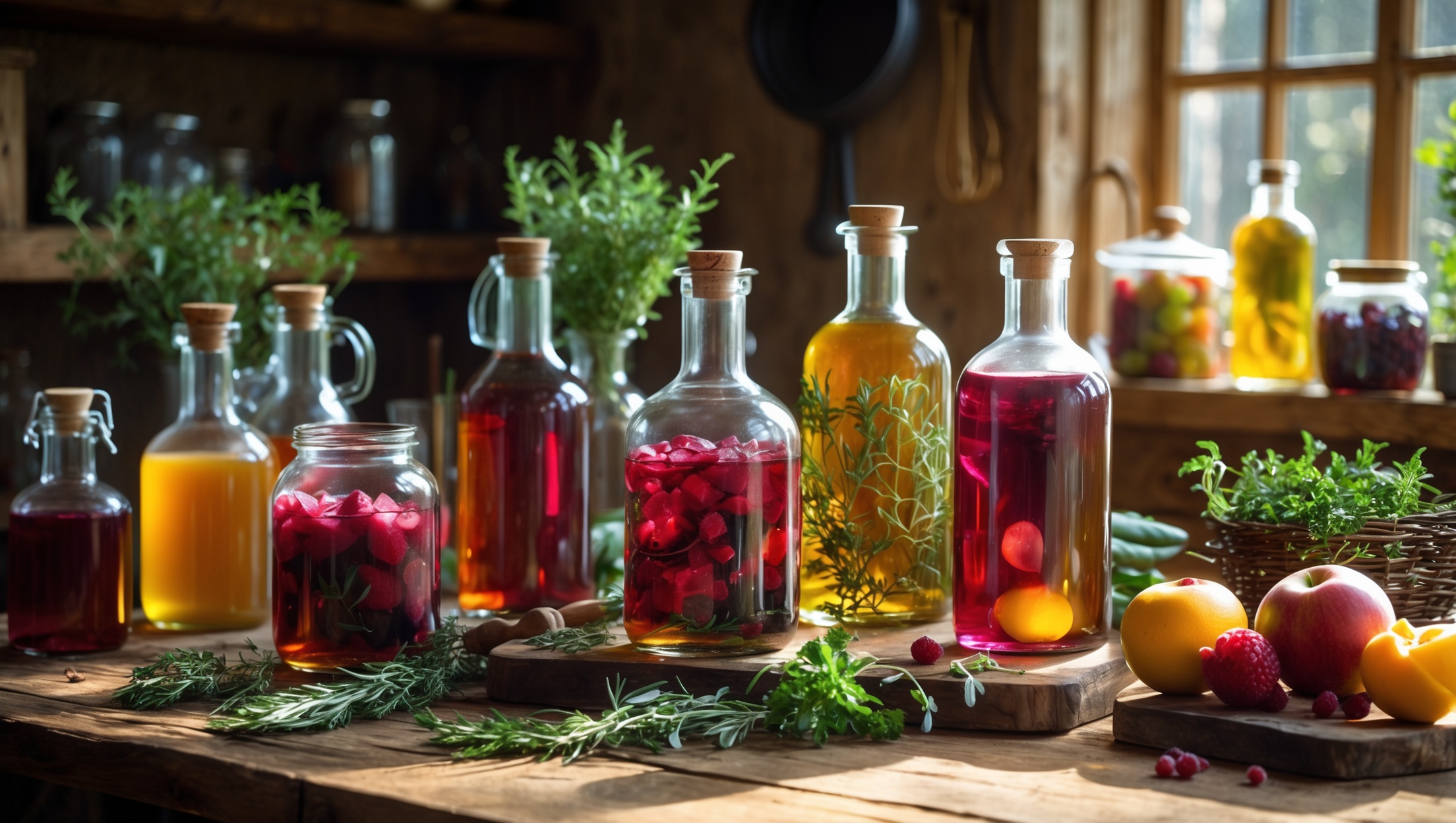
If your preferred edible flowers aren’t in season or are difficult to source, it’s practical to either substitute with available, safe edible flowers that have a similar flavor or color, or to use preservation methods. You can dry or candy edible flowers, or infuse them into syrups and vinegars when they are abundant. These preserved forms can add floral notes to dishes even when fresh blooms are out of season.
You mention the importance of pesticide-free flowers, but I’m wondering if there are certain organic pest control methods that are still considered safe for edible flowers, or if it’s best to avoid any treatments entirely. What has worked for you in your garden?
Using organic pest control is generally safe for edible flowers, but it’s important to choose methods that don’t leave harmful residues. In my own garden, I rely on hand-picking pests, encouraging beneficial insects like ladybugs, and using gentle sprays such as diluted neem oil or insecticidal soap, applied early in the season and well before harvesting. Always wash flowers thoroughly before using them, and avoid treating blooms close to harvest time to ensure they’re safe to eat.
The article mentions that it’s important to identify edible flowers carefully and avoid using those treated with pesticides. How can someone who shops only at regular grocery stores be sure the flowers they buy are safe and truly edible?
If you’re shopping at regular grocery stores, it’s safest to look for flowers specifically labeled as edible and intended for consumption. Standard floral bouquets are often treated with chemicals and aren’t meant to be eaten. Ask store staff if the flowers are food-grade, or consider purchasing edible flowers from the produce section, farmers’ markets, or specialty food stores that can guarantee their safety for eating.
As someone who runs a small café, I’m interested in incorporating edible flowers into our seasonal menu. Could you clarify which flowers have the most reliable availability at local markets throughout the year, especially during winter months?
For year-round availability, especially in winter, pansies and violas are usually the most reliable edible flowers found at local markets. Nasturtiums and marigolds often have a shorter season and may be harder to source in colder months. You might also find calendula and certain types of edible chrysanthemums, as they tolerate cooler temperatures. Cultivated microgreens with edible flowers can be an off-season option as well.
I know some edible flowers have really delicate petals that wilt quickly after harvesting. Could you share any tips or tools for keeping flowers fresh from the garden to the kitchen, especially during the warmer months?
To keep delicate edible flowers fresh, pick them early in the morning when temperatures are cooler. Place the flowers gently in a shallow container lined with damp paper towels, and avoid stacking them. Cover loosely and refrigerate as soon as possible. If you need to transport them, a small cooler with ice packs underneath (not touching the flowers) helps maintain freshness during warmer months.
I’m curious about seasonal menu planning with edible flowers. Are there certain varieties that are easier to grow or find year-round in the US, or will I need to change my offerings with the seasons?
Some edible flowers like nasturtiums, pansies, and violas can be grown indoors or in mild climates, making them more available year-round. However, most varieties, such as squash blossoms and lilacs, are strictly seasonal. You’ll likely need to adjust your menu offerings as the seasons change, using heartier or greenhouse-grown flowers in cooler months and expanding your selection in spring and summer.