

Introduction: The Art and Impact of Zero-Waste Cooking
Zero-waste cooking isn’t just a trendy buzzword—it’s a transformative culinary movement that blends sustainability, resourcefulness, and creativity. As food costs rise and environmental concerns deepen, home cooks across the globe are reimagining their kitchens as spaces of both delicious innovation and mindful stewardship. Imagine turning vegetable peels into rich broths, stale bread into gourmet croutons, and every overlooked scrap into a building block for something new. Zero-waste cooking empowers you to make the most of every ingredient, slashing your grocery bill while reducing your ecological footprint. But where do you start? Many passionate home cooks feel overwhelmed by the idea of ‘using it all’ or worry that zero-waste means sacrificing flavor or convenience. This guide demystifies the process—breaking down actual costs, outlining must-have tools, and offering proven seasonal strategies to help you craft meals that are as economical as they are delectable. Whether you’re a beginner seeking practical tips or an experienced chef looking to refine your approach, this comprehensive resource will help you turn kitchen scraps into culinary gold, one meal at a time.
Understanding the True Costs: Zero-Waste Cooking by the Numbers
Initial Investment vs. Ongoing Savings
Many aspiring zero-waste cooks worry about the upfront costs of new tools or specialty ingredients. The truth is, most zero-waste strategies require minimal investment and pay off quickly through reduced food waste and smarter shopping. Let’s break it down:
- Reusable Containers: $20–$60 for a set of glass jars and storage boxes. These last for years and eliminate the need for plastic wrap or disposable bags.
- Compost Bin: $30–$100 for a countertop or backyard bin. Composting reduces trash output and can improve garden yields if you grow your own food.
- Blender or Food Processor: $50–$200. Essential for transforming scraps into soups, sauces, or pestos.
- Reusable Produce Bags: $10–$20 for a set of mesh or cloth bags for shopping and storage.
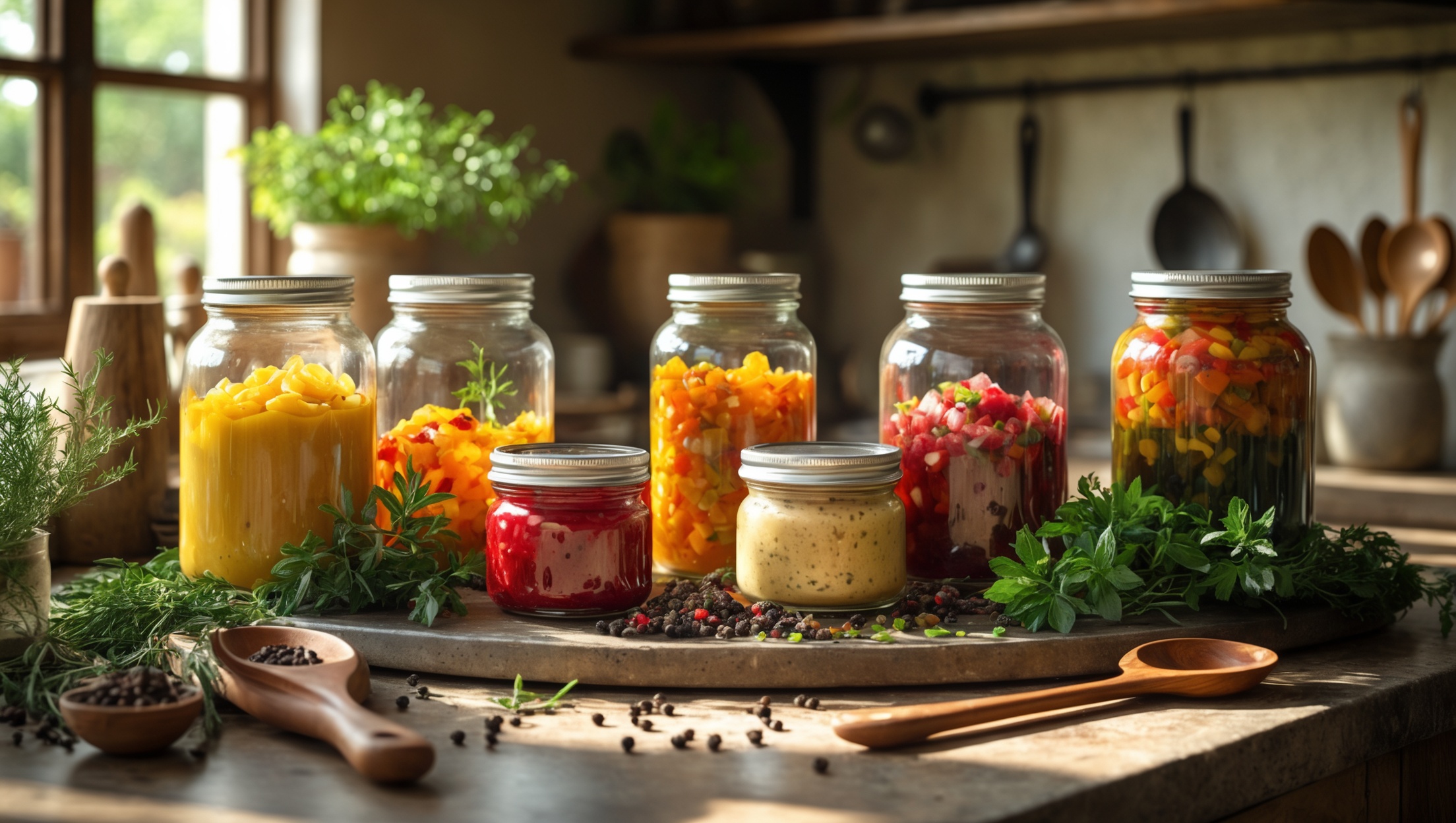
- Preservation Tools (optional): $25–$75 for fermentation crocks, canning jars, or dehydrators. Useful for extending the life of surplus produce.
Within the first few months, most home cooks recoup these costs by reducing the amount of food they throw away—studies suggest the average American household wastes $1,500 worth of food annually. Strategic zero-waste practices can cut that figure in half or more.
Budgeting for Zero-Waste: Practical Steps
- Track Your Waste: Spend one week collecting and analyzing all the food you throw away. Note the type, amount, and reason for disposal.
- Plan Menus Around What You Have: Before shopping, inventory your fridge and pantry. Base your meals on perishable items and leftovers.
- Shop Smart: Buy loose produce, bring your own containers, and avoid pre-packaged items. Purchase only what you can use before spoilage.
- Embrace Imperfect Produce: Many stores now offer discounted “ugly” fruits and vegetables—perfect for soups, sauces, and baking.
Essential Tools for Zero-Waste Home Cooking
Storage Solutions
Proper storage is the cornerstone of zero-waste cooking. Investing in the right containers keeps food fresher longer and makes it easier to organize your kitchen. Consider the following:
- Glass Jars: Ideal for dry goods, leftovers, and bulk pantry items. Clear sides help you see what you have at a glance.
- Silicone Lids and Beeswax Wraps: Flexible, reusable alternatives to plastic wrap for covering bowls and wrapping produce.
- Stackable Storage Boxes: Great for maximizing fridge space and keeping prepped ingredients visible and accessible.
Prep and Preservation Tools
- Sharp Chef’s Knife: Efficient prep minimizes waste and maximizes yield from every ingredient.
- Microplane or Grater: Zest citrus, grate cheese rinds, or finely shred veggie scraps for maximum flavor extraction.
- Blender or Immersion Blender: Transform trimmings into sauces, smoothies, or soups with ease.
- Fermentation Jar or Crock: Perfect for pickling odds and ends, preventing spoilage, and adding probiotics to your diet.
- Baking Sheet and Dehydrator: Dry out fruit peels, herb stems, or bread for future use in teas, stocks, or breadcrumbs.
Composting Solutions
Not all scraps are edible, but almost all can be composted. Countertop compost bins are odor-resistant and easy to empty into a larger outdoor pile or municipal collection. If you have a garden, compost enriches your soil and closes the food loop at home.
Seasonal Strategies: Crafting Zero-Waste Meals Year-Round
Spring: Harnessing Fresh Greens and Early Harvests
Spring brings tender greens, herbs, and the first flush of radishes and peas. Zero-waste strategies for the season include:
- Greens Stems: Don’t discard kale, chard, or beet stems; sauté them with garlic or blend into pesto.
- Herb Stems: Parsley, cilantro, and dill stems add flavor to stocks or compound butters.
- Root Tops: Carrot and radish greens make vibrant pestos or salad additions.
- Early Fruit Surplus: Use slightly bruised strawberries or rhubarb in compotes, jams, or baked goods.
Summer: Bountiful Produce and Creative Preservation
Summer’s abundance can quickly become overwhelming. Prevent waste and preserve flavors with these tips:
- Quick Pickles: Cucumbers, green beans, and even watermelon rinds can be brined in minutes for tangy snacks.
- Freezer Prep: Chop and freeze surplus tomatoes, berries, or corn for winter use.
- Herb Infusions: Wilted basil or mint? Infuse them in oil, vinegar, or water for later use.
- Fruit Leather: Puree overripe fruit and bake or dehydrate into homemade snacks.
Autumn: Root Vegetables and Comfort Foods
Hearty squashes, apples, and root vegetables dominate the autumn table. Zero-waste ideas include:
- Peels and Cores: Apple and pear peels can be simmered into syrup or dried for tea; squash skins become crispy snacks when roasted.
- Soup Stocks: Collect onion skins, carrot ends, and celery leaves for rich, flavorful broths.
- Bread Rescue: Stale bread is perfect for stuffing, croutons, or bread pudding.
- Preserved Harvest: Can or ferment surplus produce for winter enjoyment.
Winter: Making the Most of Pantry Staples
Winter is the season to lean on your zero-waste pantry and preserved goods. Tips for minimizing waste:
- Bone Broth: Leftover poultry or beef bones simmer into hearty, nourishing stock.
- Citrus Zest: Zest lemons, limes, or oranges before juicing; freeze for later use in baked goods or vinaigrettes.
- Vegetable Odds: Combine small amounts of leftover vegetables into frittatas, stir-fries, or savory pies.
- Repurpose Leftovers: Transform roasted vegetables into soups, grain bowls, or fillings for savory pastries.
Step-by-Step Setup: Building Your Zero-Waste Kitchen Workflow
1. Audit Your Waste
Start by keeping a food waste diary for one week. Note every item discarded and why—spoilage, overcooking, poor storage, etc. This reveals patterns and top improvement areas.
2. Set Up Your Storage System
Organize your fridge and pantry with clear containers. Label and date leftovers. Store herbs upright in water, and use paper towels to wick moisture from greens. Dedicate a bin or bag for scraps destined for stocks or compost.
3. Plan Menus with Intention
Write weekly menus that prioritize perishable items and leftovers. Use apps or a simple whiteboard to track what needs to be eaten first. Batch-cook components that can be mixed and matched throughout the week.
4. Prep Ingredients Efficiently
When prepping, save all edible trimmings—carrot tops, broccoli stems, herb stems—for later use. Chop and freeze excess aromatics like onions or garlic for quick meal starters. If you have children, involve them in sorting and storing scraps, making it a family affair.
5. Integrate Preservation Techniques
Set aside time each week to preserve surplus produce. Quick-pickle, freeze, or ferment items before they spoil. Experiment with dehydration for herbs, citrus, or even mushrooms.
6. Establish a Compost Routine
Make composting easy by keeping a small bin on the counter. Empty it into a larger pile or municipal bin regularly to prevent odors. Use finished compost in houseplants or garden beds.
Maintenance Best Practices: Keeping Zero-Waste Habits Sustainable
- Regular Audits: Revisit your waste diary monthly. Adjust shopping and cooking habits as needed.
- Rotate Stock: Practice FIFO (First In, First Out) in your pantry and fridge to use older items first.
- Label Everything: Date all leftovers and preserves to avoid mystery containers and accidental waste.
- Community Sharing: If you have surplus you can’t use, swap with neighbors or use local food-sharing apps.
- Stay Inspired: Regularly try new recipes and techniques to keep zero-waste cooking exciting and satisfying.
Safety Checklist: Ensuring Food Quality and Wellness
- Know Safe Storage Times: Use resources like FDA guidelines for how long you can safely store different foods.
- Recognize Spoilage Signs: Don’t use items with off-smells, slimy textures, or visible mold (except in cases like blue cheese or certain ferments).
- Sanitize Tools and Surfaces: Prevent cross-contamination, especially when reusing scraps or prepping for preservation.
- Compost Wisely: Avoid composting meat, dairy, or oily foods in a home bin to prevent pests and odors.
- Follow Preservation Protocols: When fermenting, canning, or dehydrating, always use trusted recipes and sterilize equipment.
Common Myths Debunked: Zero-Waste Cooking Edition
- Myth 1: Zero-Waste Means Bland Meals
Zero-waste cooking is a catalyst for creativity, not a limitation. Many classic dishes—stocks, pestos, bread puddings—were born from the need to use everything. - Myth 2: It’s More Time-Consuming
With an organized system, zero-waste cooking often saves time. Prepped ingredients and batch-cooked bases streamline weekday meals. - Myth 3: You Need Fancy Equipment
Most zero-waste strategies rely on basic kitchen tools. Start with what you have, and invest gradually as you discover your favorite methods. - Myth 4: Composting is Messy and Smelly
Modern compost bins are designed to be odor-resistant and easy to maintain. With regular emptying and proper balance of green and brown materials, composting is clean and simple.
Conclusion: Transforming Your Culinary Culture, One Scrap at a Time
Zero-waste cooking is more than a collection of tips—it’s a mindset shift that celebrates ingenuity, respect for ingredients, and a commitment to a healthier planet. By analyzing your habits, investing in a few essential tools, and embracing seasonal strategies, you can dramatically reduce food waste without compromising flavor, nutrition, or convenience. The journey isn’t about perfection; it’s about progress. Each peel you save, each broth you simmer, and each meal you craft from leftovers is a step toward a more sustainable (and delicious) home kitchen. Over time, you’ll find that zero-waste cooking isn’t a chore but a source of daily satisfaction—a way to honor the farmers, the planet, and your own creativity. As you refine your approach, consider sharing your successes and discoveries with friends, neighbors, or your local community. Collective action multiplies impact, and together, we can reshape our culinary culture for the better. Whether you’re just beginning or looking to deepen your practice, zero-waste cooking offers endless rewards: fuller plates, lighter footprints, and a renewed sense of culinary adventure. Start today—your taste buds, wallet, and the earth will thank you.



I’m interested in starting zero-waste cooking, but the initial costs of things like glass containers and a compost bin make me hesitate. About how long does it typically take for the savings from reduced food waste to outweigh the upfront investment?
You can generally expect to recover the initial investment for items like glass containers and a compost bin within 3 to 12 months. This depends on your household size and how much food you typically waste. Many people find that by planning meals carefully and storing food properly, the reduction in spoiled or unused food quickly adds up, offsetting those upfront costs within the first year.
Could you share some suggestions for zero-waste strategies that work well during the winter when fresh, seasonal produce is limited? I’m curious how cost savings and scrappy cooking change throughout the year.
In winter, zero-waste strategies often focus on using root vegetables, winter squashes, and preserved foods like canned or frozen produce. Scrappy cooking might involve using peels for broths, turning stale bread into croutons, or creatively using leftovers in soups and stews. While fresh produce options narrow, prices may rise, so planning meals around what’s available and buying in bulk can help maintain savings. Freezing or preserving autumn harvests also reduces waste and costs during the colder months.
I’m interested in the seasonal strategies you mentioned for zero-waste cooking. Could you give an example of how your approach changes in winter versus summer, especially when certain ingredients aren’t as fresh or available?
In winter, I focus on using root vegetables, winter squash, and hearty greens, which store well and are widely available. I make soups, stews, and roasted dishes, using scraps to make broths. In summer, I shift to fresh produce like tomatoes, zucchini, and herbs, making salads and lighter meals, and preserving any surplus by freezing or pickling. The key is to adapt your meals to what’s freshest and create minimal waste by using as much of each ingredient as possible.
You mention using scraps to make broths and croutons, but I’m wondering how you handle picky eaters or kids who don’t always go for those creative uses. Are there any kid-friendly zero-waste recipes or strategies you recommend?
Absolutely, getting kids on board with zero-waste cooking can be a challenge, but it helps to involve them in the process. Try making veggie scrap muffins or frittatas, where you can blend scraps into batters or eggs so the textures aren’t as noticeable. Homemade pizza is another hit—chop up leftover veggies very finely and mix them into sauce or toppings. Letting kids choose and help prepare ingredients often makes them more willing to try new things.
If I wanted to start implementing some of these zero-waste techniques in my business kitchen, how long does it usually take to see noticeable savings on food costs after the initial setup?
You can typically start noticing savings on food costs within one to three months after introducing zero-waste practices in your business kitchen. The timeline depends on how quickly your staff adapts and how consistently the new methods are applied. Initial setup like training and organizing tools may take some effort, but regular tracking of waste and costs will help you see measurable improvements fairly soon.
Could you elaborate on which zero-waste strategies work best in apartments or smaller kitchens, especially for those of us who may not have space for a backyard compost bin?
In smaller kitchens or apartments, focus on strategies like meal planning to minimize food waste, using airtight containers for leftovers, and embracing creative use of scraps—such as turning vegetable peels into broths. For composting, consider a small countertop compost bin or an electric composter, which many apartment dwellers find convenient. Freezing food scraps for later use and buying in bulk to reduce packaging waste are also practical approaches for limited spaces.
I see you mention the initial cost of things like glass containers and compost bins. If I’m on a tight budget, which of these items would you recommend prioritizing first to see the quickest impact on reducing waste and costs?
If you’re on a tight budget, start by reusing any jars or containers you already have for food storage before investing in new glass containers. This helps reduce food waste right away. As for composting, you can begin with a DIY compost bin using a simple bucket or container, which is often free or low-cost. Focus on storage first to keep food fresh, then add composting as you’re able.
Could you share any tips for making the most out of composting if you don’t have a backyard? I’m interested in the countertop compost bin you mentioned but not sure how to handle compost in a small apartment.
If you don’t have a backyard, a countertop compost bin is still a great way to collect food scraps in your apartment. Look for a bin with a charcoal filter to minimize odors. Once full, you can drop off your scraps at local community gardens, farmers markets, or city composting programs. Some cities also offer curbside compost pickup. Just be sure to only add approved items, mainly fruit and vegetable scraps, to avoid attracting pests.
You brought up using stale bread and veggie peels for new dishes. Are there any common scraps you’ve found surprisingly tricky to reuse or that just never worked out as planned?
Potato peels can be surprisingly tricky to reuse, especially if they’re thin or blemished—they often don’t crisp up as well as other veggie skins. Citrus rinds are another challenge; they can be bitter and tough, so using too much can overpower a dish. Avocado skins and pits are best avoided for cooking, as they’re not edible and don’t break down easily.
If I want to start implementing zero-waste strategies without investing in a blender or food processor right away, what are some effective alternatives for turning scraps into meals using basic kitchen tools?
You can make great use of basic kitchen tools for zero-waste cooking. A sharp knife and cutting board allow you to finely chop vegetable scraps for soups, stir-fries, or fritters. Use a box grater to shred stems, peels, or hard vegetables for slaws or baking. A potato masher works well for mashing cooked scraps into patties or spreads. Even a fork can help break down soft ingredients for pestos or dips, making it easy to start zero-waste meals without special appliances.
I’m curious about the balance between upfront costs and ongoing savings you mentioned, especially for students on a tight budget. How soon can you realistically expect to see a difference in your grocery expenses after investing in the basic zero-waste tools?
For students on a tight budget, the upfront investment in basic zero-waste tools—like reusable containers, produce bags, and a compost bin—can be kept minimal. Most people start noticing savings within a month or two as they waste less food and buy fewer single-use items. Batch cooking and shopping for unpackaged, seasonal produce also help bring grocery costs down fairly quickly.
The article breaks down the ongoing savings of zero-waste cooking really well, but how soon can someone realistically expect to see lower grocery bills after starting these strategies at home or in a small café?
Most people notice modest savings on their grocery bills within the first month or two of adopting zero-waste cooking, especially as they waste less food and rely more on leftovers. In a small café, the impact can be even quicker if you track inventory closely. The biggest savings come after a few months, once you get used to meal planning, bulk buying, and using up ingredients creatively.
You mention that the initial investment in tools like glass jars and compost bins can be offset by long-term savings through reduced food waste. Could you share any data or estimates on how long it typically takes for a household to recoup these upfront costs?
Based on various cost analyses, most households can recoup the upfront investment in zero-waste tools like glass jars and a compost bin within 6 to 12 months. This estimate assumes an average reduction in food waste of about 30%, translating to monthly savings of $20–$40, depending on your grocery spending. Actual payback periods may vary depending on family size and local prices.
The article breaks down some initial costs for things like reusable containers and a compost bin. If I’m on a tight budget, which tool would you recommend prioritizing first to make the biggest impact on reducing both waste and weekly grocery expenses?
If you’re working with a tight budget, start by prioritizing a set of reusable containers. They help you store leftovers, buy in bulk, and keep produce fresh, which directly cuts down on both food waste and grocery spending. Compost bins are helpful too, but containers will have a more immediate impact on saving food and money week to week.
I see you mention reusable containers and compost bins with a range of upfront costs. As a parent with a tight grocery budget, how soon would I realistically start to notice savings after buying these zero-waste tools?
If you start using reusable containers and a compost bin, you could notice some savings within a month or two. Reusable containers help by reducing your need for plastic wraps and disposable bags right away, while composting can lower your trash volume, potentially saving on waste fees if you pay by the bag. Over time, these tools also help keep food fresher, so there’s less spoilage and waste, which translates into more savings on groceries.
You mentioned that the initial investment in reusable containers and compost bins pays off over time, but how long does it usually take for the savings from reduced food waste to make up for those upfront costs?
The time it takes to recoup the cost of reusable containers and compost bins depends on your household size and how much food waste you typically have. On average, most people see a return on their investment within 6 to 12 months. This is because reducing food waste lowers your grocery bills, and reusable items eliminate the need to keep buying disposables.
Could you provide more detail on the ‘proven seasonal strategies’ mentioned? I’m curious how zero-waste cooking methods shift throughout the year, especially when certain produce is out of season.
Seasonal strategies in zero-waste cooking focus on using what’s freshest and most abundant at different times of the year. For example, in summer, you might preserve excess tomatoes or berries through canning or freezing, while in winter, root vegetables and squashes take center stage and can be stored in cool, dark places to last longer. When produce is out of season, zero-waste methods include relying on preserved goods like pickles, jams, or frozen vegetables, and using every part of stored staples such as carrot tops or beet greens.
I’m interested in the seasonal strategies you referenced for reducing waste, but how can I plan my weekly grocery shopping to take real advantage of what’s in season without ending up with extra food that I might not use?
To make the most of seasonal produce and avoid extra waste, start by checking what’s in season locally each week. Plan your meals around those ingredients, and make a detailed shopping list based on your recipes. Buy only what you know you’ll use within the week, and consider prepping or freezing leftovers if you have any surplus. This way, you maximize freshness and minimize unused food.
The article mentions that most zero-waste strategies require only a minimal investment upfront. Could you elaborate on how long it typically takes for the savings from reduced food waste to outweigh the initial costs for tools like jars, compost bins, and a blender?
For most households, the savings from reduced food waste can begin to outweigh the initial investment in tools like jars, compost bins, and a blender within three to six months. This depends on how much food you previously wasted and how consistently you use your new tools. Many people notice a reduction in grocery bills fairly quickly as they repurpose leftovers and store food more efficiently.
The article mentions reusable containers as a must-have tool for zero-waste cooking, but I’m on a college budget and those sets can get pricey. Are there any affordable alternatives, or tips for getting started without investing too much money upfront?
You don’t have to spend a lot to start zero-waste cooking. Clean and reuse jars from pasta sauce, peanut butter, or salsa for storage. Repurpose yogurt or takeout containers for leftovers. Thrift stores can be a great place to find inexpensive glass or plastic containers. Starting with what you already have at home can help you get going without a big investment.
I’m new to composting and a bit overwhelmed by the choices. Is there a big difference between a countertop compost bin versus an outdoor one in terms of convenience and results, especially for someone living in an apartment?
For apartment living, a countertop compost bin is usually more convenient since it’s compact and easy to manage indoors. It mainly serves as a place to collect scraps before transferring them to a larger composting facility or community drop-off. Outdoor bins are better for those with garden space as they allow you to compost fully at home. For now, focus on a simple countertop bin, and check if your city offers a compost pickup or nearby drop-off.
The article mentions that reusable containers and compost bins are part of the initial investment, but do you have any advice for students on a really tight budget who can’t buy everything at once? Which essentials should come first if I’m just starting out with zero-waste cooking?
If you’re just starting zero-waste cooking on a tight student budget, focus first on what will make the biggest difference for daily use. Start by saving and reusing jars or containers you already have from food purchases. For composting, you can use a simple bowl or old container to collect food scraps until you can access a composting facility or community garden. Over time, you can gradually add purpose-built items as your budget allows.
Can you give more detail on which reusable containers hold up best for everyday use, especially with high-traffic kitchen staff? I want to make sure I invest in storage that won’t need constant replacing for my café.
For a busy café, stainless steel containers are a top choice—they’re extremely durable, resist staining, and can handle frequent washing. Glass containers with silicone lids are also reliable, though they can be heavy and break if dropped. High-quality BPA-free polycarbonate containers are popular in commercial kitchens for their resilience and clear visibility, but they may scratch over time. Look for containers with well-sealing lids and reinforced edges to withstand daily use.
I’m interested in the seasonal strategies mentioned. Does zero-waste cooking become significantly easier or cheaper during certain seasons because of produce availability, or are the savings pretty consistent year-round?
Zero-waste cooking can definitely become easier and more cost-effective during peak harvest seasons, especially in late spring through early fall. Local produce is often more abundant and less expensive when in season, making it simpler to plan zero-waste meals and reduce costs. During winter, options are more limited and prices can go up, so savings may not be as dramatic year-round.
I see you mention compost bins costing anywhere from $30 to $100. For someone with a small apartment and no outdoor space, do you have recommendations for affordable countertop compost options, and are they worth it for people who can’t garden?
For small apartments without outdoor space, compact countertop compost bins are a great choice. Bokashi bins and vented compost pails with charcoal filters usually range from $20 to $60. Even if you don’t garden, composting helps reduce food waste—many cities offer drop-off points or compost pickup services, so your compost can still be put to good use.
As a parent trying to keep both costs and kitchen chaos under control, I’m curious how much extra time zero-waste cooking typically adds to meal prep, especially with kids around. Any advice on balancing convenience with these eco-friendly changes?
Zero-waste cooking can add 10–20 extra minutes to meal prep, especially at first as you adjust to new routines like sorting scraps or planning meals around leftovers. Involving kids can help—let them help wash veggies or portion snacks. Batch prepping ingredients on weekends and using simple, seasonal recipes can also save time while keeping things manageable and eco-friendly.
I see you’ve listed a wide price range for blenders and food processors. For someone mainly interested in zero-waste cooking at home, is it necessary to invest in a high-end model, or will an inexpensive one do the trick for most tasks?
For most zero-waste cooking tasks at home, a basic blender or food processor is usually sufficient. Inexpensive models can handle common jobs like blending soups, making smoothies, and processing vegetable scraps. Higher-end models offer more power and durability, but unless you’ll be using them very frequently or for tougher ingredients like nuts, a budget-friendly option should work well.
When calculating ongoing savings, how quickly do most people see a return on the initial investment for things like compost bins and food processors? Is there a rough timeframe where the lowered grocery bills offset these upfront costs?
Most people start to notice savings from zero-waste cooking tools like compost bins and food processors within 6 to 12 months. The actual timeframe depends on how often you cook at home and use these tools. For frequent cooks, the reduced food waste and smarter grocery use can help offset upfront costs fairly quickly, sometimes in as little as half a year.
You break down initial investments like glass containers and blenders, but I’m wondering how soon you’d actually start to see savings on your grocery bill if you’re just starting out. Is it realistic to break even within a few months?
You can realistically start seeing savings within a few months, especially if you consistently use what you buy and cut down on food waste. The initial investment in tools like containers and a blender usually pays off as you store leftovers, prep in bulk, and avoid buying extra packaged goods. Most people notice a difference in their grocery bills within two to four months, depending on how much waste they previously had and their meal planning habits.
You mention turning veggie peels into broth and stale bread into croutons. Are there any seasonal ingredients that are especially easy for beginners to work with as they get started with zero-waste cooking?
Absolutely, some seasonal ingredients are very beginner-friendly for zero-waste cooking. In spring, asparagus ends and pea pods can be used for flavorful stocks. Summer is great for tomato tops or corn cobs, which add sweetness to broths. In fall, apple peels and squash seeds can be roasted for snacks, while winter root vegetable peels are excellent for hearty soups. These options are easy to handle and help you get comfortable with the process.
Could you elaborate on the best ways to use seasonal strategies for zero-waste cooking, especially when certain produce isn’t available year-round? How do you adapt recipes or sourcing to maintain variety without increasing costs?
Using seasonal strategies means planning meals around what’s freshest and most affordable locally. When certain produce is out of season, you can adapt by swapping in similar vegetables or fruits that are available. Preserving extras during peak season—by freezing, pickling, or canning—lets you enjoy them later. Try flexible recipes like stir-fries or soups, which work well with various ingredients, to maintain variety. Shopping at farmers’ markets or joining a CSA can also help keep costs down while supporting zero-waste goals.
I’m interested in starting zero-waste cooking at home, but I’m not sure if I need to buy both a compost bin and a blender right away. For someone on a tight budget, which of these investments do you think would be most impactful to start with?
If you’re prioritizing impact while on a tight budget, a compost bin is generally the better first investment for zero-waste cooking. It lets you divert food scraps from the landfill right away, reducing waste even as you learn new cooking habits. A blender is useful but not essential at the start—you can always add one later as your zero-waste journey progresses.
The article breaks down costs for tools like a blender or food processor. How quickly have you found that the savings from less food waste actually offset these upfront expenses in practice? Are there specific dishes that helped you notice the cost difference faster?
In practice, many people see the upfront investment in tools like a blender or food processor balanced out within a few months, especially if they’re regularly using scraps for soups, sauces, or smoothies. Dishes like vegetable stock, pesto from carrot tops, and blended soups really help maximize leftovers, making the cost difference noticeable after about two to three months of consistent zero-waste cooking.
I’m interested in the cost breakdown you mentioned—how quickly do most households actually see savings after investing in items like reusable containers and a compost bin? Does payback typically happen within a few months, or does it take longer?
Most households start seeing savings within 4 to 8 months after investing in reusable containers and a compost bin. The biggest upfront costs are usually the initial purchase of quality containers and the compost setup. However, these are often offset fairly quickly by reduced spending on disposable items, less food waste, and sometimes lower trash collection fees. The exact timeline can vary, but many people notice a difference in under a year.
You mentioned turning vegetable peels into broths and stale bread into croutons as examples of using kitchen scraps. Are there any ingredients or scraps that actually shouldn’t be reused for safety or quality reasons, especially for someone just starting out?
Yes, there are some scraps best avoided. Avoid reusing moldy or spoiled produce, as well as potato peels from green or sprouting potatoes—they may contain toxins. Onion skins and corn husks are tough and not ideal for broths. Also, skip citrus peels that aren’t organic, as they might have pesticide residues. For beginners, start with clean, fresh scraps and always wash them well before use.
You mention that buying a set of glass jars and containers costs between $20 and $60 as an initial investment. In your experience, is it worth spending more on certain brands or types, or do the cheaper options hold up just as well for zero-waste cooking?
In my experience, the cheaper glass jars and containers often work perfectly fine for zero-waste cooking, especially for dry goods and leftovers. However, spending a bit more on reputable brands can mean better seals, sturdier glass, and longer durability, which is helpful if you plan to use them daily or for liquids. If your budget allows, investing in a few high-quality containers for frequent use and supplementing with budget-friendly options works well for most people.
Do the article’s seasonal strategies change much depending on where you live in the US, or are they pretty universal? I want to make sure I’m investing in the right tools and planning meals that actually match what’s available in my region.
The article’s seasonal strategies are meant to be flexible, but what’s in season can definitely vary depending on your region. It’s a good idea to check what local farmers’ markets or produce stands have throughout the year. This way, you can better plan your meals and choose tools that fit the actual ingredients available in your area.
I’m worried about convenience—are there any quick seasonal success strategies you use for zero-waste meals when you’re short on time during a busy weeknight?
Absolutely, convenience is key on busy nights. One strategy is to prep versatile ingredients like roasted seasonal veggies or cooked grains in advance—they can be tossed into salads, stir-fries, or wraps quickly. Also, keep a few zero-waste staples like beans or chickpeas on hand for fast meals. Planning a weekly menu around what’s in season and using leftovers creatively helps keep things quick, fresh, and low-waste.
When starting out, does the article suggest any specific seasonal strategies that are easiest for beginners? I’m interested in learning which times of year offer the most cost-effective ways to experiment with zero-waste cooking.
The article highlights that beginners often find it easiest to start zero-waste cooking during peak harvest seasons, like late spring through early fall. These times offer an abundance of affordable, fresh produce, making it simpler to plan meals around what’s in season and reduce waste. The article suggests focusing on local farmers markets and creating flexible recipes that adapt to whatever produce is most plentiful at the moment.
The article mentions turning things like vegetable peels and stale bread into new dishes. Do you have any specific tips for storing scraps safely throughout the week until I have enough to use them, especially without fancy equipment?
To store vegetable peels and bread scraps safely, keep them in sealed containers in your fridge. A simple reusable container or even a zip-top bag works well. For things like bread, make sure it’s completely cool and dry before storing to prevent mold. If you won’t use the scraps within a week, you can freeze them in labeled bags until you’re ready to cook.
For someone living in a small apartment without a garden, do you think it’s still worthwhile to invest in a compost bin? Are there affordable options for countertop composting that really work, or should I focus on other zero-waste strategies instead?
Even in a small apartment, a countertop compost bin can be worthwhile if you want to reduce food waste. There are affordable, odor-controlling bins designed for small spaces, and some cities offer drop-off sites for your compost. If composting feels impractical, focusing on other zero-waste actions like meal planning, careful food storage, and reusing scraps in recipes can also make a big impact. It depends on what fits best with your lifestyle.
I’m interested in zero-waste cooking but I’m worried about the initial cost. About how long does it usually take for the savings from reducing food waste to outweigh the investments in tools like jars or a compost bin?
The payback period for zero-waste cooking tools like jars or a compost bin typically ranges from a few months to a year, depending on your household size and how much food you previously wasted. Most people start to notice savings within six months, especially if they consistently use up leftovers and preserve food. Simple tools can be bought gradually to spread out the initial cost.
I noticed the article mentions that most zero-waste strategies require minimal investment, but could you elaborate on how long it typically takes to recoup the upfront costs of essentials like reusable containers and a compost bin through grocery savings?
Reusable containers and a compost bin often pay for themselves within a few months to a year. The savings mainly come from buying less packaged food, preserving leftovers, and reducing food waste. For example, if you spend $40–$80 on containers and a basic compost bin, you might save $10–$20 per month by wasting less food and buying in bulk, so the initial cost is typically recovered in four to eight months.
You mentioned using a blender or food processor to turn scraps into soups and sauces, but I don’t have either appliance yet. For someone on a tight budget, is there a cheaper tool you recommend to achieve similar results, or should I wait and save up for a quality blender?
If you’re on a tight budget, a sturdy hand (immersion) blender is usually much cheaper than a countertop blender or food processor and can handle soups and sauces quite well. Alternatively, you can finely chop or mash cooked veggies with a potato masher or fork, though results will be chunkier. Over time, saving up for a quality blender can be worthwhile, but these budget options work in the meantime.
Do the seasonal strategies you mention require different tools or approaches in winter versus summer, or is there a set of core items that work year-round for zero-waste cooking?
There is a core set of tools—like airtight containers, compost bins, and a good chef’s knife—that work year-round for zero-waste cooking. However, some seasonal strategies might call for extra items. For instance, in summer you might use more equipment for preserving surplus produce, like canning jars or dehydrators, while winter could involve more batch cooking with larger pots. Most basics remain useful all year, with a few seasonal adjustments.
For renters or people with limited space, do you have any suggestions for composting options besides the $30–$100 countertop or backyard bins described in the article?
If you’re tight on space or renting, consider options like community compost drop-off programs, which many cities offer for free or very low cost. You could also try vermicomposting with a small DIY worm bin, which can fit under a sink and be made from inexpensive materials. Some people freeze food scraps to bring to farmer’s markets or local gardens that accept compost.
When you mention the initial investment for tools like glass containers and compost bins, do you feel these costs actually balance out in savings over a few months, or does it take longer to notice a real difference in the family grocery budget?
The initial investment in tools like glass containers and compost bins usually takes several months to a year to noticeably impact your grocery budget. While you may not see immediate savings, over time you’ll waste less food, store leftovers more effectively, and possibly reduce purchases thanks to better meal planning. The savings become more apparent as food waste decreases and you reuse containers instead of buying disposables.
I’m curious how much time it typically takes to see noticeable grocery savings after investing in the basic zero-waste tools outlined here. Are there any benchmarks or examples you could share from your own experience?
You can usually start noticing grocery savings within the first month or two after adopting zero-waste tools and practices, especially if you’re consistently meal planning and using up leftovers. In my experience, households often see about a 15–25% reduction in grocery costs within three months. The key is sticking with your new habits, like using storage containers for produce and buying in bulk, to really maximize those savings over time.
The article suggests using a blender or food processor as essential tools. If I only have room in my budget for one, is there a way to decide which is most versatile for zero-waste recipes, or are there alternatives you can suggest for tight budgets?
If you need to choose between a blender and a food processor, think about what recipes you make most often. A food processor is generally more versatile for zero-waste cooking since it can chop, slice, shred, and blend, which is great for using up scraps in soups, veggie patties, or pestos. For tight budgets, a sturdy box grater or a mortar and pestle can handle many tasks, though they’ll require more manual effort.
When you break down the costs for tools like blenders and compost bins, what is the typical timeframe before you notice significant savings on your grocery bill? Is there a way to track or estimate this as you begin implementing zero-waste strategies?
Most people notice substantial grocery savings within 3 to 6 months after investing in tools like blenders and compost bins, since these let you make use of food scraps and reduce waste. To track your savings, compare your grocery bills and food waste amounts each month before and after starting zero-waste habits. Keeping a simple spreadsheet can help you estimate payback time for your tool investments as your waste decreases.
I’m curious how quickly the ongoing savings from zero-waste cooking typically offset the initial investment in tools like compost bins and storage jars. Are there any numbers or timeframes for when most people start to see a difference in their grocery bills?
Most people who start zero-waste cooking notice small savings on their grocery bills within the first month, mainly from reduced food waste. Depending on the initial cost of tools like compost bins and storage jars, it usually takes 3 to 6 months to fully offset those expenses. This timeframe can vary based on your household size and how much food you were wasting before. After that, the savings continue to add up.
You talk about using seasonal strategies for zero-waste cooking, but could you give some examples of what that would look like in winter versus summer? I am curious about how the process changes with what is available.
In winter, zero-waste cooking often involves root vegetables, winter squash, and hearty greens. You might use vegetable scraps for broths or roast peels for snacks. In summer, there’s more fruit and tender vegetables, so you could make quick pickles with cucumber ends or turn berry leftovers into compotes. The key is adapting your techniques to what’s fresh and abundant each season.