
Introduction: Elevate Your Kitchen into a Tea Atelier
In today’s culinary culture, tea is undergoing a renaissance that extends far beyond the classic teapot. For passionate home cooks and aspiring artisans, transforming your kitchen into a true tea atelier—where experimentation, craft, and sensory delight converge—is both a rewarding journey and a refined lifestyle choice. Unlike the routine steep-and-sip, a home tea atelier invites you to explore a world of single-origin leaves, creative seasonal infusions, and the subtle interplay of temperature, timing, and terroir. The result? Personalized blends, signature flavors, and a deeper connection to both tradition and innovation.
But where to begin? While coffee culture has long focused on gadgets and beans, tea artistry calls for its own set of tools, mindful ingredient sourcing, and a nuanced approach to flavor. From choosing the right water filter to assembling a library of botanicals, every detail matters. And with modern interest in wellness, sustainability, and global flavors, mastering home tea craft means embracing both the science and soul of the world’s most enduring beverage.
This in-depth guide will walk you through the essential tools, seasonal ingredient sourcing, and advanced infusion techniques needed to establish your ultimate home tea atelier. Whether your goal is to host an elegant tasting, perfect your morning ritual, or develop signature blends, you’ll find actionable steps and expert insights to unlock your full tea potential—right from your own kitchen.
Essential Tools for a Home Tea Atelier
1. Kettles: Precision and Performance
- Variable-Temperature Electric Kettle: For green, oolong, and white teas that require specific temperatures (often between 65°C–90°C), a variable-temp kettle is essential. Look for accurate digital controls and quick heating.
- Stovetop Kettle: A classic choice, especially for black teas and herbal blends requiring boiling water. Thick-bottomed models retain heat well.
2. Brewing Vessels: Matching Tea to Method
- Gaiwan: Best for delicate green and oolong teas. The lidded bowl allows for nuanced control and multiple short infusions.
- Teapots: Choose unglazed clay (Yixing) for bold, single-type teas as it develops a seasoning, or glass/porcelain for versatility and visual enjoyment.
- Tea Press or Infuser Mug: Practical for solo brewing and daily routines.
3. Strainers, Filters, and Accessories
- Fine Mesh Strainer: Essential for filtering loose leaves and botanicals.
- Tea Filters or Infuser Baskets: Useful for blending ingredients without residue.
- Tea Scoops and Spoons: For precise portioning and consistency.
- Timers: Prevent bitterness and ensure optimal extraction.
- Digital Scale: For accurate measurement—especially important for signature blends and repeatability.
4. Water Filtration
Water makes up 99% of your cup. Invest in a filtration system (activated carbon, reverse osmosis, or mineral balancing) to remove chlorine and off-flavors while preserving natural minerals crucial for flavor development.
5. Storage Solutions
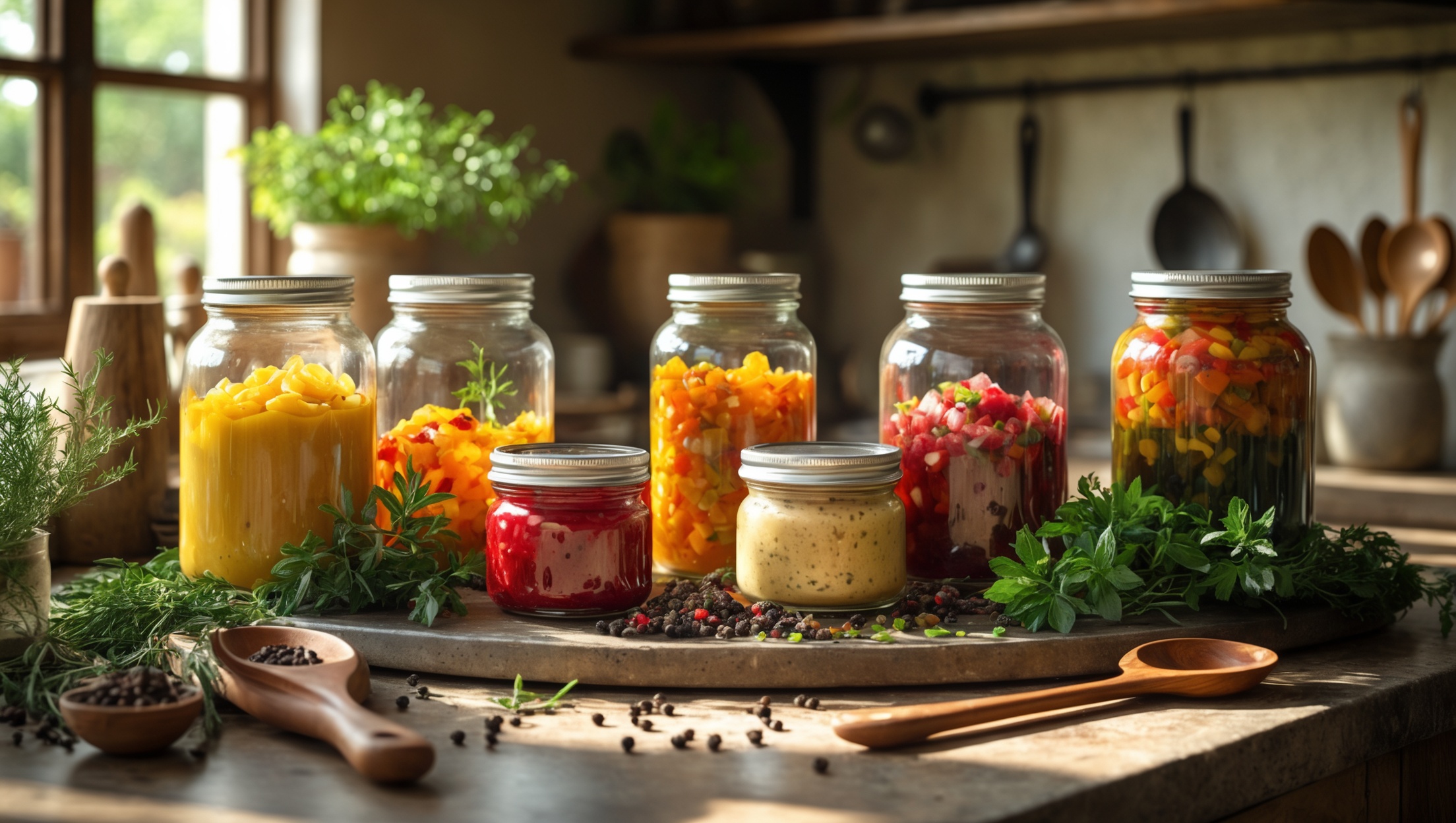
- Airtight Tins or Glass Jars: Shield leaves from light, air, and moisture.
- Humidity Packs: Help maintain optimal moisture for premium teas.
- Labeled Containers: For easy rotation and freshness tracking.
Seasonal and Ethical Sourcing: Tea Leaves and Beyond
Understanding Tea Harvest Seasons
Tea leaves are as seasonal as produce. The timing of harvest—first flush, second flush, or autumnal pick—affects flavor, aroma, and body. For example:
- Spring (First Flush): Light, floral, and delicate—ideal for green and white teas.
- Summer (Second Flush): Robust, malty, often with fruit notes—excellent for black and oolong teas.
- Autumn: Earthy, mellow, and smooth—great for pu-erh and aged teas.
Where and How to Source
- Specialty Tea Shops: Prioritize sellers who detail origin, harvest date, and processing method.
- Direct Trade: Seek out direct-from-estate options for transparency and ethical sourcing.
- Local Farmers’ Markets: Increasingly, small growers offer herbal and botanical blends—think lavender, mint, or lemon verbena.
- Online Communities: Engage in forums or tea clubs for rare finds and group buys.
Botanicals, Herbs, and Seasonal Ingredients
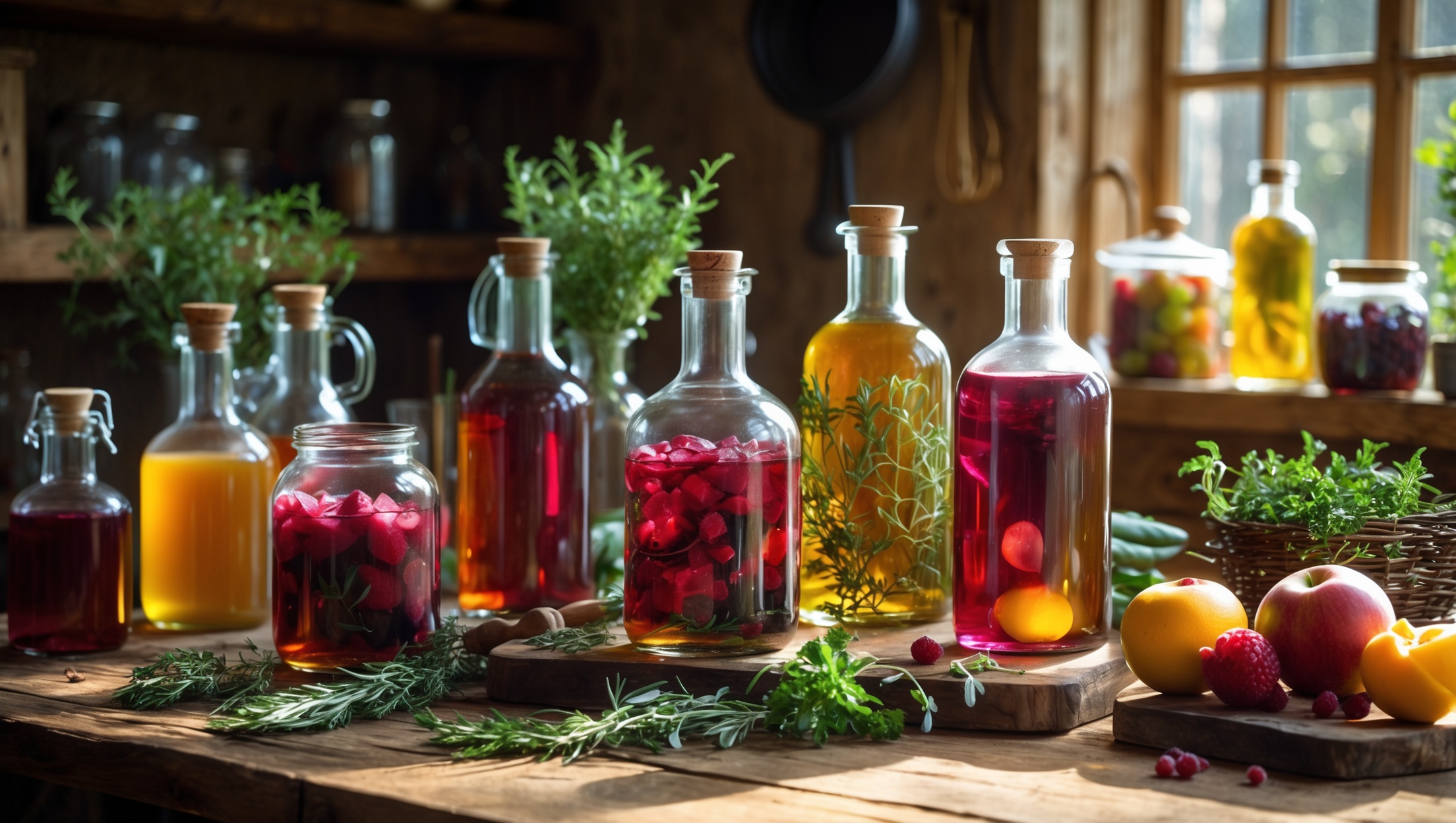
Beyond Camellia sinensis (the true tea plant), a home atelier thrives on botanicals and fresh ingredients. Consider these seasonal ideas:
- Spring: Sakura (cherry blossoms), jasmine, rose petals, lemon balm.
- Summer: Fresh mint, citrus peels, elderflower, berries.
- Autumn: Apple slices, cinnamon, ginger, marigold petals.
- Winter: Star anise, cardamom, dried citrus, cloves.
Ethics and Sustainability
Look for certifications (Organic, Fair Trade, Rainforest Alliance) where possible. Support small farmers and wild-crafters who use regenerative practices. Avoid overharvested wild botanicals, and opt for cultivated or local alternatives to minimize your footprint.
Infusion Techniques: From Classic to Creative
Understanding Infusion Variables
Mastering tea is about controlling variables:
- Temperature: Each tea type has an ideal range (e.g., green: 70–80°C, black: 90–100°C).
- Time: Over-steeping leads to bitterness; under-steeping produces weak flavor. Use a timer for consistency.
- Leaf-to-Water Ratio: Typically 2–3g per 200ml, but adjust for taste and infusions involving botanicals.
Multiple Infusions and Gong Fu Style
Gong fu brewing (using lots of leaf and short, repeated infusions) reveals a tea’s evolving flavor profile. Try this with oolongs or aged pu-erh, increasing steep time by 10–15 seconds each round.
Cold Brewing
Cold infusions create smoother, naturally sweet flavors. Combine loose leaves and cold filtered water (about 1g per 100ml), refrigerate for 6–12 hours, and strain. Experiment with cold-brewing botanicals like cucumber, lemongrass, or berries for summer refreshment.
Layered and Flavored Infusions
- Basic Method: Steep tea leaves first, then add delicate botanicals in the final 1–2 minutes.
- Sequential Steeping: Infuse robust ingredients (ginger, cinnamon) first, strain, then add tea leaves to the hot, flavored water.
- Simultaneous Steeping: For well-matched blends (e.g., black tea and dried orange peel), steep together for a unified flavor.
Keep detailed notes on combinations, ratios, and times to refine your signature blends.
Cost Breakdown and Smart Budgeting for Tea Craft
Initial Investment
- Kettle: $50–$150 for a quality variable-temp model.
- Brewing Vessels: $15–$60 per piece; start with a versatile glass teapot and add specialty items as your palate evolves.
- Strainers and Accessories: $5–$30 each.
- Storage Jars: $10–$40 for a starter set.
- Water Filter: $30–$100, depending on system.
Total starter setup: $120–$350, with most items lasting years.
Ongoing Costs
- Loose-Leaf Tea: Premium teas range from $0.30–$2.00 per cup when purchased in bulk.
- Botanicals: $5–$15/month for rotating seasonal ingredients.
- Water Filters/Replacement: $20–$50/year.
Budget Tips
- Buy sample sizes before committing to large quantities of unfamiliar teas.
- Join tea clubs or group buys for discounts on rare or premium leaves.
- Grow your own herbs—mint, lemon balm, and chamomile are easy and productive.
- Repurpose glass jars for storage to save on upfront costs.
Maintaining Your Tea Atelier: Best Practices
Cleaning and Upkeep
- Rinse brewing vessels and strainers promptly after use to prevent tannin stains and lingering aromas.
- Descale kettles monthly using a vinegar-water solution or citric acid, especially in hard water areas.
- Wipe storage jars and tins with a dry, clean cloth between refilling; never use soap that could leave residues.
Storage and Rotation
- Store teas and botanicals in a cool, dark, and dry place away from spices and strong odors.
- Label containers with purchase and opening dates to monitor freshness.
- Rotate stock seasonally—use delicate green and white teas within 6 months; oolongs and blacks last up to a year if properly stored.
Consistent Sourcing
- Build relationships with reliable suppliers; subscribe to harvest alerts or newsletters for the best seasonal picks.
- Document preferred sources and harvest notes in a dedicated tea journal.
Step-by-Step: Creating a Signature Seasonal Infusion
Ready to blend your own? Here’s a practical tutorial to craft a spring-inspired infusion—perfect for entertaining or everyday indulgence.
Ingredients
- 2g first-flush green tea leaves
- 3–5 fresh mint leaves
- 2–3 dried rose petals (food-grade)
- 1 thin slice of organic lemon peel
- 200ml filtered water (heated to 75°C/167°F)
Method
- Measure and Prep: Weigh tea leaves, rinse botanicals, and slice lemon peel thinly to avoid bitterness.
- Heat Water: Bring filtered water to 75°C using a variable-temp kettle.
- Infuse Tea: Place green tea leaves in a gaiwan or glass teapot. Pour hot water over, cover, and steep for 2 minutes.
- Add Botanicals: Add mint, rose, and lemon peel for the last 30 seconds of steeping. Swirl gently.
- Strain and Serve: Pour through a fine mesh strainer into a warmed cup. Inhale the aroma before sipping.
- Notes: Adjust botanical ratios to taste. For iced tea, double the quantity and chill before serving.
Safety, Allergens, and Compliance Considerations
Food Safety
- Always source botanicals from food-safe suppliers; avoid decorative flowers or herbs treated with pesticides.
- Wash all fresh ingredients before use.
Allergen Awareness
- Clearly label homemade blends if sharing or gifting; common allergens include chamomile (ragweed family) and citrus.
- Test new ingredients in small quantities before making large batches.
Legal and Compliance
- If you plan to sell or gift blends commercially, research local regulations regarding food preparation, labeling, and permitted ingredients.
- Maintain batch records and ingredient sourcing for traceability.
Conclusion: The Ongoing Journey of Tea Craft
Curating your own home tea atelier is more than a hobby—it’s an invitation to slow down, savor, and express creativity with every cup. As you experiment with tools, seasonal sourcing, and innovative infusions, you’ll discover that tea is as much about the process as the product. The tactile pleasure of measuring leaves, the subtle shifts in aroma with each infusion, and the satisfaction of crafting a blend that’s uniquely yours all contribute to a lifestyle of refined, mindful enjoyment.
Moreover, the world of tea is vast and ever-evolving. Keep exploring new origins, techniques, and botanicals as your palate matures. Share tasting sessions with friends, document your favorite recipes, and embrace the seasonal rhythms of tea harvests and herbal growth. With the right foundation—a well-equipped atelier, thoughtful sourcing, and a spirit of curiosity—your kitchen becomes a laboratory of taste, tradition, and innovation.
Whether you crave the bright freshness of a spring blend, the cooling comfort of a summer cold brew, or the spiced warmth of a winter infusion, your tea atelier is limited only by your imagination. So heat the water, gather your tools, and let every steep be a celebration of craft, culture, and the simple joy of a well-made cup.
When it comes to sourcing seasonal botanicals for infusions, do you have any recommendations for finding quality ingredients outside of farmers markets, especially during the off-season? I’m curious if online shops or local co-ops can really match the freshness needed for nuanced blends.
For off-season sourcing, reputable online shops specializing in herbs and botanicals can be excellent if you look for those that list harvest dates, origin, and offer small-batch options. Local co-ops are also worth exploring, as many maintain relationships with regional growers and may offer fresher stock than large retailers. For nuanced blends, prioritize suppliers focused on organic and wildcrafted products, and always check reviews or ask for sample sizes before committing to larger purchases.
I’m interested in developing my own signature tea blends for my cafe, but I’m not sure how to balance traditional single-origin flavors with more creative seasonal infusions. Could you offer some advice on combining these approaches or suggest resources for experimenting with flavor pairings?
Combining single-origin teas with creative infusions is a great way to develop unique blends. Start by tasting your base teas to understand their main notes, then experiment by adding small amounts of seasonal herbs, fruits, or spices that complement rather than overpower them. Use a tasting notebook to track combinations. You might also hold tasting sessions with friends or staff to get feedback. Books on tea blending and culinary pairing guides can be helpful resources as you explore.
I love the idea of having a home tea atelier, but as a parent with limited counter space and time, what are the absolute must-have tools for a beginner who wants to get started without a huge investment?
You can start your home tea atelier with just a few essentials: a small kettle, a simple teapot or infuser mug, a teaspoon for measuring, and a few airtight jars for storing teas. These take up minimal space, are affordable, and make it easy to brew both loose and bagged teas. As your interest grows, you can add more tools, but these basics cover most tea rituals.
You mentioned the importance of water filters as part of the essential tea tools. Are there certain types of filters or filtration methods that noticeably affect the taste of delicate teas like white or green? I’ve noticed flavor differences with tap water and wondered what you recommend for best results.
You’re right that water quality can make a big difference, especially with delicate teas like white and green. For best results, use a carbon block filter or a reverse osmosis system, as these remove chlorine and impurities without stripping too many minerals. Avoid distilled water, since some minerals actually enhance the tea’s flavor. Bottle spring water can also work well if your tap water isn’t ideal.
You mention the importance of variable-temperature electric kettles for different tea types. Could you recommend a reliable model for someone just starting out that doesn’t break the bank, or are there specific features to prioritize if I’m on a budget?
If you’re just starting out and want good value, look for variable-temperature kettles with presets for green, oolong, and black teas. Models by brands like Cosori and Hamilton Beach are reliable and often reasonably priced. Key features to prioritize on a budget are accurate temperature controls, a clear display, and automatic shutoff for safety. You don’t need smart app features or fancy designs to get started.
I’m trying to put together a basic setup for my first home tea atelier and I’m a bit confused about whether I really need both a variable-temperature electric kettle and a stovetop one, or if one could cover all the bases for different tea types.
You don’t need both a variable-temperature electric kettle and a stovetop kettle for your home tea atelier. A variable-temperature electric kettle is the most versatile choice, since it lets you heat water to the precise temperatures needed for different teas like green, white, or oolong. If you get a good one, it’ll cover all your tea-making needs without the need for a separate stovetop kettle.
I’m just getting into sourcing my own botanicals for seasonal blends. Do you have tips for finding reliable suppliers or farmers’ markets in the US, or any red flags to watch out for when picking out ingredients for advanced infusions?
When sourcing botanicals in the US, look for farmers’ markets that feature certified organic vendors or herbalists—many are happy to share info about their growing practices. For online suppliers, check for third-party lab testing and transparent sourcing details. Watch out for herbs that look discolored or have unusual odors, which could signal poor handling. Always verify that ingredients are food-grade and intended for consumption, especially when experimenting with more advanced blends.
As someone who mostly drinks tea bags but wants to start blending my own infusions, what’s the first essential tool I should invest in to get started without feeling overwhelmed by all the choices?
A simple yet high-quality infuser or tea strainer is the best first tool for getting into blending your own infusions. It lets you steep loose leaves and herbs without a big investment or complicated equipment. Once you have a good infuser, you can start experimenting with small batches using ingredients from your kitchen or local store.
I’m curious about assembling a library of botanicals as mentioned here. For someone on a tight budget, what are the best starter herbs or flavorings to buy first that offer the most versatility for experimenting at home?
For a budget-friendly start, consider versatile botanicals like dried mint, chamomile, and lemon balm—they work well alone or blended. Rose petals and citrus peels (which you can dry yourself) add bright notes to many infusions. These options are affordable, widely available, and let you explore both classic and creative tea blends at home.
Can you recommend some good sources for high-quality single-origin teas or botanicals that are both sustainable and suitable for small-scale home blending, especially for someone just getting started with a home tea atelier?
For starting your home tea atelier, look for reputable specialty tea shops that emphasize direct trade and organic practices. Local herb shops and farmers markets can be great for fresh, small-batch botanicals. Some online retailers offer sustainably sourced, single-origin teas and botanicals in sample sizes—ideal for blending experiments. Choose suppliers that provide transparent sourcing information and small minimum orders to keep things approachable as you learn.
When it comes to sourcing seasonal ingredients for infusions, do you have any tips for finding quality botanicals locally in the US? I’d love to try making my own blends but I’m not sure where to start looking beyond grocery stores.
For finding quality botanicals locally, consider visiting farmers’ markets, which often have fresh, locally grown herbs and edible flowers. Co-ops and health food stores sometimes offer bulk dried herbs and teas. If you have any nearby herb farms or botanical gardens, they may sell seasonal ingredients directly. Also, community-supported agriculture (CSA) boxes can introduce you to new botanicals you might not find in regular stores. Always ensure what you pick or buy is food-safe and unsprayed.
Could you share a bit more about assembling a ‘library of botanicals’? Do you have recommendations for how to organize and store different infusions and add-ins, and any advice on which ones are the most versatile for beginners experimenting with their own blends?
Building a library of botanicals is a fun way to personalize your tea blends. Start with small glass jars or tins, labeling each with the ingredient and date purchased. Store them in a cool, dry place away from sunlight. For beginners, try versatile basics like dried citrus peels, rose petals, lavender, chamomile, and mint. These pair well with many teas and offer a range of flavors to experiment with as you develop your own blends.
The article talks about creating signature tea blends at home. I’m wondering, what are some common mistakes people make when first blending their own flavored infusions, and how can I avoid overpowering the natural taste of the tea itself?
One common mistake when blending your own teas is using too many or overly strong ingredients, which can easily mask the tea’s natural flavor. Start with small amounts of herbs, spices, or fruit, and always add gradually, tasting as you go. Focus on complementary flavors and let the tea be the base, not just a background. Also, avoid using artificial extracts, as they can dominate the blend.
When experimenting with personalized blends and signature flavors, how do you track your infusion timings and temperature adjustments to refine your recipes over time? Do you use a specific journal or digital tool for this process?
To keep track of infusion timings and temperature adjustments, many tea enthusiasts find it useful to maintain a dedicated journal—either a classic notebook or a digital document. Some prefer using tea-specific apps or spreadsheets for recording each blend’s details and results. The key is consistency: note the tea type, weight, water temperature, steep time, and tasting notes for every trial. Over time, this makes it easier to tweak and perfect your signature blends.
I’m curious about timing and temperature—how strict do I need to be when making different teas at home? If I don’t have a variable-temp kettle yet, are there some simple tricks to estimate water temperatures accurately for green or oolong teas without special gear?
Being precise with timing and temperature can really improve the flavor of your teas, especially for green and oolong varieties. If you don’t have a variable-temperature kettle, you can use visual cues: let boiling water cool for about 2 minutes for green tea (around 175°F), or about 1 minute for oolong (around 195°F). You can also listen for gentle bubbling instead of a rolling boil. These small adjustments should help you brew a better cup without special equipment.
The article talks about seasonal ingredient sourcing for infusions. Could you share some practical tips on how to find high-quality, fresh botanicals in the US, especially if you don’t have access to a specialty tea shop nearby?
If you don’t have a specialty tea shop nearby, try local farmers’ markets for fresh herbs and flowers; many vendors grow them organically. Community-supported agriculture (CSA) programs can also provide seasonal botanicals. Forage in your own garden or neighborhood, but make sure you correctly identify plants and avoid areas treated with pesticides. Reputable online retailers can be a good source—look for vendors that specify harvest dates and sourcing regions for freshness.
For someone on a tight budget, which essential tools from your list would you consider non-negotiable for starting a home tea atelier, and which ones can be added later without compromising too much on flavor or technique?
If you’re starting a home tea atelier on a tight budget, focus on a kettle for heating water and a reliable infuser or strainer—these are the essentials for preparing quality tea. You can enjoy a great tea experience with just these. Items like a dedicated teapot, temperature-controlled kettles, or specialty cups can be added later as you expand your setup.
You mentioned assembling a library of botanicals for seasonal sourcing. Do you have suggestions on where beginners can find high-quality, sustainably sourced botanicals, especially if local options are limited?
If local sources are scarce, reputable online retailers specializing in organic herbs or botanicals are a good place to start. Look for companies that provide sourcing details and certifications like organic or fair trade. Farmers markets, natural food stores, and co-ops sometimes stock seasonal dried botanicals as well. When starting out, smaller sampler packs or curated blends can be a great way to try new ingredients without committing to large quantities.
If I’m on a tighter budget, which of the essential tools should I prioritize first to really improve my home tea experience, and are there any DIY alternatives for the more expensive equipment?
To enhance your home tea experience on a budget, start with a quality kettle for precise water temperature and a basic tea infuser or strainer. These make the biggest difference in flavor. For DIY options, you can use a clean mason jar as a teapot and cheesecloth or a fine mesh sieve as a strainer. Many tea tools can be improvised from common kitchen items without sacrificing the enjoyment of your brew.
When experimenting with single-origin tea leaves and variable-temperature kettles, how do you track your infusion experiments and flavors? Do you use a tasting journal, or is there some specific method or tool that helps you refine your signature blends over time?
A tasting journal is a fantastic tool for tracking your tea experiments, especially when using single-origin leaves and precise temperatures. Many tea enthusiasts keep detailed notes on leaf type, water temperature, steeping time, and tasting impressions. Some also use spreadsheets or tasting apps to compare variables and outcomes. Over time, these notes help you identify patterns, refine your blends, and recall what works best for your palate.
When it comes to assembling a library of botanicals for seasonal infusions, do you have suggestions for a few easy-to-find ingredients to start with, especially for someone on a budget?
For a budget-friendly botanical library, start with ingredients like dried chamomile, peppermint, and hibiscus, which are often available at grocery stores or bulk bins. You can also add simple spices like cinnamon sticks and ginger. These staples are versatile for seasonal infusions and affordable, letting you experiment without a big investment.
For someone just getting started with signature blends, could you share some basic guidelines on balancing flavors—like how much herbal or floral component to add without overpowering the main tea leaves?
When creating your own tea blends, start with a base of about 70–80% tea leaves and 20–30% herbal or floral elements. This helps the main tea flavor remain prominent. Add herbs and florals gradually, tasting as you go, since some—like lavender or rose—can quickly become overpowering. Adjust amounts to your taste, but keeping them as subtle accents often works best.
You mention that every detail, like water filtration and tool selection, matters in crafting the perfect tea. How should a beginner prioritize investing in equipment if they’re on a budget but still want to experience noticeable improvements in their tea quality?
If you’re starting out with a limited budget, focus first on water quality—an affordable water filter can make a big difference. Next, invest in a decent kettle for consistent water temperature. Finally, choose a basic but good-quality infuser or teapot. Prioritize these before exploring more specialized tools, as they’ll have the biggest impact on your tea experience early on.
The guide talks about both science and soul in tea crafting. For someone interested in hosting tasting events, what are some good starter practices or essential tools for creating a memorable experience for guests?
For hosting memorable tea tastings, start by offering a range of teas that show different styles or origins. Use clear glass teapots so guests can appreciate color and infusion changes. Provide tasting cups, a good temperature-controlled kettle, and filtered water. Encourage guests to note flavors and aromas, perhaps with tasting cards. Sharing stories about each tea’s background and seasonal sourcing will also add a unique, personal touch to the experience.
You mention the subtle interplay of temperature, timing, and terroir. If I’m just starting to develop my palette, what’s a practical way to record or track these variables for personal blends? Are there any tools or templates you’ve found useful for logging these kinds of experiments in a home tea atelier?
A simple way to start is by keeping a dedicated tea journal or notebook. For each blend, jot down details like water temperature, steeping time, tea origin, and your tasting notes. Some tea enthusiasts use printable tasting sheets that provide checkboxes and sections for each variable. There are also mobile apps designed for tea logging, but pen and paper can be just as effective and personal in tracking your journey.
I’m interested in assembling a ‘library of botanicals’ as described here. Could you share some tips on seasonal sourcing that ensure freshness and quality, especially for those of us in areas without many specialty tea shops?
To build a botanical library with fresh, high-quality ingredients, try sourcing from local farmers’ markets during peak seasons for herbs and flowers. If specialty shops are limited, consider online retailers that ship directly from growers. Growing a few basics like mint, chamomile, or lemon balm at home also ensures freshness. Always store botanicals in airtight containers, away from heat and light, to preserve their quality over time.
When sourcing seasonal ingredients for creative infusions as mentioned in the article, do you have recommendations for US-based online retailers or farmer’s markets that offer high-quality, organic botanicals? I want to make sure I’m using safe and ethical ingredients in my blends.
For safe, high-quality organic botanicals, consider online retailers like Mountain Rose Herbs and Starwest Botanicals, both known for rigorous quality standards and ethical sourcing. For fresher options, look up your local farmers’ markets or community-supported agriculture (CSA) programs—many now offer organic herbs, flowers, and fruit. Always check for certifications like USDA Organic and ask about growing practices to ensure you’re using safe, ethically produced ingredients.
Once I’ve sourced single-origin leaves and invested in some of the essential tools you list, what’s the best way to start developing my own signature blends without overwhelming myself or risking wasted ingredients?
Start by blending just two or three ingredients at a time, using small test batches. Begin with a base tea you enjoy, and add one floral, herbal, or citrus note, tasting as you go. Keep notes on each combination for future reference. This gradual approach helps you discover what works without using up too many ingredients or feeling overwhelmed.
When assembling a library of botanicals for infusion, do you have recommendations on where to source high-quality, seasonal ingredients in the US, particularly for someone interested in both sustainability and unique flavors?
For high-quality, seasonal botanicals in the US, consider visiting local farmers markets and food co-ops, where you can often find fresh, sustainably grown herbs and flowers. Specialty spice shops and small herbal apothecaries are also excellent sources for unique or rare botanicals. If you prefer online shopping, look for reputable companies that certify organic practices and transparent sourcing, such as Mountain Rose Herbs or small regional growers. Choosing seasonal, locally grown options not only supports sustainability but also ensures vibrant, fresh flavors in your infusions.
You mention experimenting with single-origin leaves and developing signature blends as part of the tea atelier experience. Could you share advice on how to begin blending teas at home without overwhelming the original flavors, especially for those new to infusions and sourcing unique ingredients?
Starting with blending at home is easiest if you use high-quality single-origin teas as your base and add just one or two complementary ingredients at a time, such as fresh herbs, dried fruit, or spices. Taste as you go, keeping additions subtle so they enhance rather than mask the tea’s natural character. Begin with familiar flavors like mint or citrus peel, and gradually explore more unique ingredients as your confidence grows.