
Behind every inspired kitchen lies a hidden engine room: the pantry. More than simple storage, a thoughtfully curated pantry is the foundation for culinary creativity, streamlined workflow, and cost-effective meals. Yet, many home cooks overlook the impact of smart storage and seasonal rotation. Ingredients languish past their prime, flavor potential is lost, and precious time is wasted hunting for essentials. Whether you’re a passionate hobbyist or an aspiring professional, mastering your pantry transforms how you cook, what you cook, and how much you enjoy the process. This comprehensive guide dives deep into the art and science of pantry success: from choosing the right storage solutions and organizing for efficiency, to building a rotating selection of essential ingredients that flex with the seasons. You’ll learn practical strategies to keep your pantry fresh, flavorful, and ready for anything your culinary imagination craves. Let’s unlock the full potential of your pantry—and your cooking.
Understanding the Modern Pantry: Purpose and Potential
The word “pantry” conjures visions of old-world larders, but today’s home pantry is far more dynamic. It serves as:
- Storage for dry goods and staples—grains, legumes, spices, baking essentials.
- Staging area for perishables—root vegetables, onions, garlic, seasonal produce.
- Flavor library—sauces, condiments, vinegars, and preserved items ready to elevate any meal.
- Budget control hub—buying in bulk, minimizing waste, and stretching food dollars further.
But a pantry’s true value is realized when its contents are organized, accessible, and tailored to your cooking style and seasonal availability.
Assessing Your Pantry Space and Needs
Step 1: Take Inventory
Before revamping, conduct a full inventory:
- Remove everything from shelves.
- Group by category: grains, legumes, canned goods, spices, baking supplies, snacks, etc.
- Check expiration dates and quality.
- Note duplicates, unused items, and ingredients you consistently run out of.
Step 2: Measure and Map
Record the dimensions of your pantry or storage area. Identify:
- Deep shelves (for bulk and backup items)
- Eye-level shelves (for everyday essentials)
- Drawers, baskets, or pull-outs
- Dark, cool spots (for sensitive items)
Step 3: Identify Your Culinary Priorities
Reflect on your cooking habits:
- Do you bake often?
- Love global cuisines?
- Have dietary restrictions?
- Cook mostly plant-based meals?
Your answers will inform your essential ingredient list and storage layout.
Smart Storage Solutions: Organization and Freshness
Choosing the Right Containers
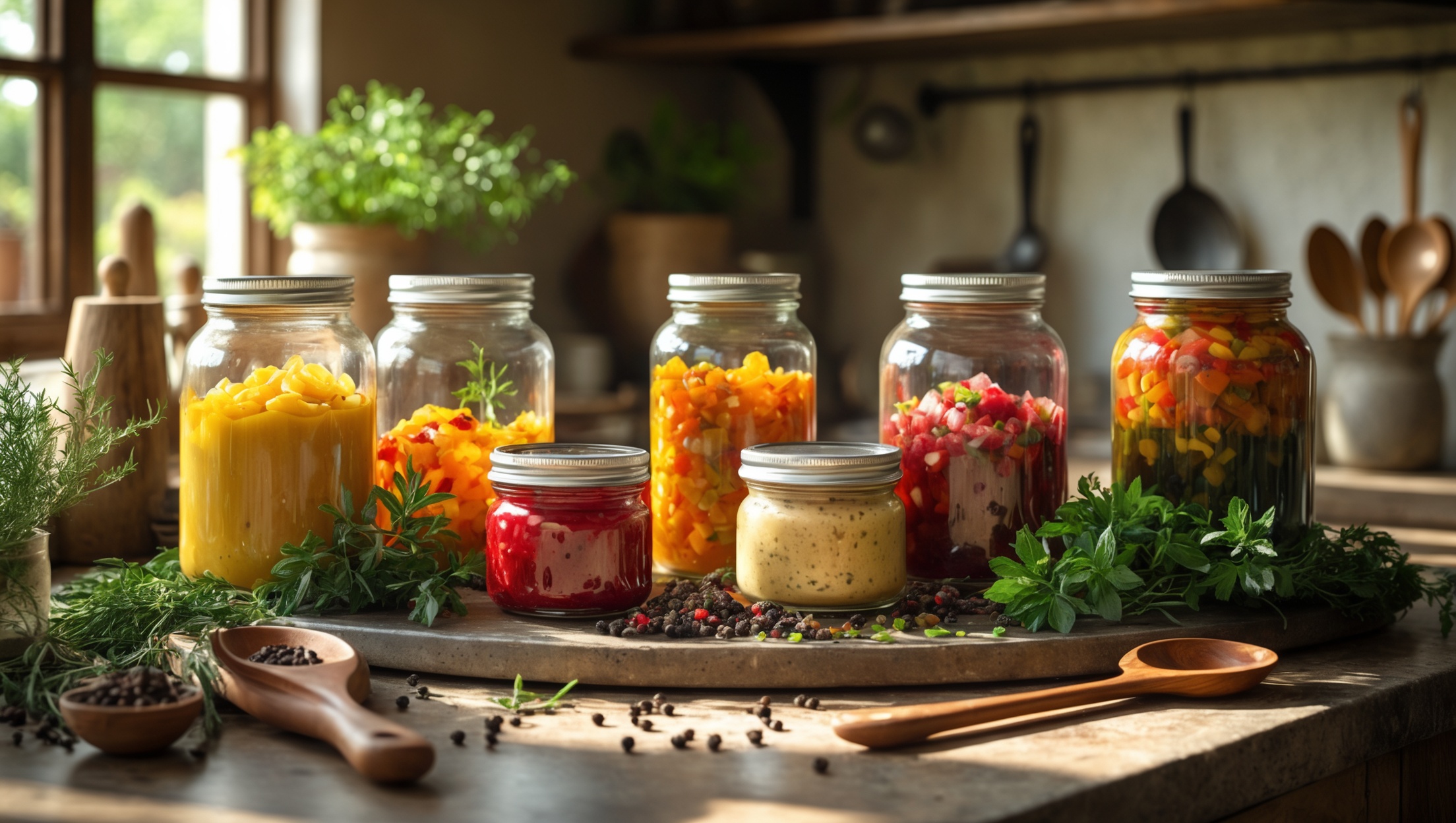
- Glass jars with airtight lids: Ideal for grains, legumes, flours, and dried fruit. Prevents pests and keeps contents visible.
- Stackable acrylic bins: Great for snacks, pasta, or packet items. Maximizes vertical space.
- Wire baskets: Useful for root vegetables, onions, and potatoes—allows airflow and reduces spoilage.
- Vacuum-sealed bags: For long-term storage of bulk grains, nuts, or flours.
Labeling for Clarity
Consistent labeling prevents confusion and waste. Use:
- Removable chalkboard or whiteboard labels for reusable containers
- Include purchase date and expiration date
- Optional: Cooking instructions or water-to-grain ratios for bulk items
Optimizing Shelf Placement
- Frequently used items: Eye-level and within easy reach.
- Bulk and backup items: Lower or higher shelves, clearly marked.
- Fragile or specialty items: In drawers or protected bins.
- Spices: Drawer inserts, tiered racks, or magnetic strips for visibility and freshness.
Smart Tech for Pantry Maintenance
Consider:
- Bluetooth temperature/humidity sensors—track optimal conditions for sensitive items.
- Inventory management apps—scan barcodes and track what you have, reducing overbuying.
Building a Foundation: Essential Pantry Ingredients
A well-stocked pantry balances versatility with personal taste. Here’s a framework for curating your essentials:
Grains and Pasta
- Rice (short-grain, long-grain, arborio, or wild)
- Pasta (variety of shapes—short, long, whole grain)
- Quinoa, farro, bulgur, couscous, barley
- Oats (rolled, steel-cut)
Legumes and Pulses
- Chickpeas, lentils (brown, green, red), black beans, cannellini, split peas
- Dried and/or canned for quick meals
Spices and Seasonings
- Salt (kosher, flaky, sea)
- Black peppercorns (whole and ground)
- Core spices: cumin, paprika, chili powder, cinnamon, coriander, turmeric, nutmeg, cloves
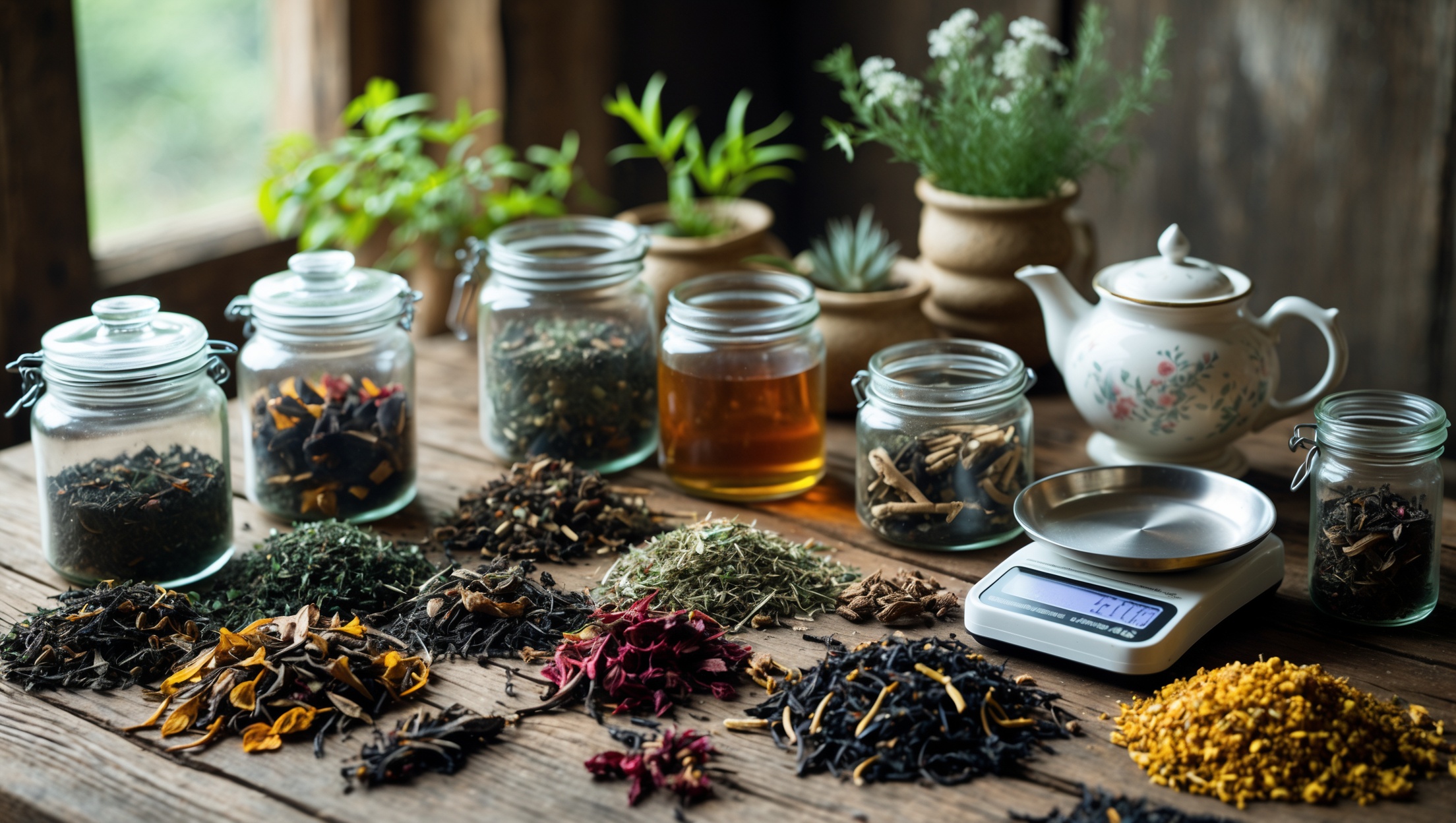
- Herbs (dried oregano, thyme, basil, bay leaf, rosemary)
Baking Essentials
- All-purpose flour, whole wheat flour
- Baking powder, baking soda, yeast
- Sugar (granulated, brown, confectioners’)
- Honey, maple syrup, molasses
Condiments and Sauces
- Olive oil, neutral oil (sunflower, canola), toasted sesame oil
- Vinegars (red wine, apple cider, balsamic, rice)
- Soy sauce, hot sauce, mustard, mayonnaise
- Tomato paste, canned tomatoes, coconut milk
Canned and Jarred Goods
- Beans, tuna, sardines, artichoke hearts, roasted red peppers, pickles, olives
Nuts, Seeds, and Dried Fruit
- Almonds, walnuts, cashews, sunflower seeds, pumpkin seeds
- Raisins, cranberries, apricots, dates
Storage for Fresh Pantry Staples
- Potatoes, onions, garlic, shallots—store in cool, dark baskets with airflow
- Seasonal squash or hardy root vegetables (beets, turnips, carrots)
Seasonal Pantry Rotation: Maximizing Freshness and Flavor
Why Rotate?
Even shelf-stable ingredients lose aroma, flavor, and nutritional value over time. Seasonal rotation ensures ingredients are used at their peak and makes room for new culinary adventures.
Establishing a Rotation System
- FIFO (First In, First Out): Always move older stock to the front, place new purchases behind.
- Quarterly Reviews: At the start of each season, review and reorganize. Use up or donate soon-to-expire items.
- Seasonal Shopping Lists: Align your pantry with upcoming produce and cooking trends—lighter grains and condiments for summer, heartier stocks and baking staples for winter.
Adapting to the Seasons
- Spring: Focus on lighter grains (quinoa, couscous), floral spices (fennel, dill), and fresh vinegars.
- Summer: Stock up on grilling rubs, pickling spices, and quick-cooking grains.
- Autumn: Emphasize baking staples, warm spices (cinnamon, clove), and dried fruit.
- Winter: Prepare for hearty stews with beans, root vegetables, rich stocks, and robust sauces.
Specialty Ingredients: When and How to Add Them
Choosing Specialty Items
Not every pantry needs truffle oil or black garlic, but specialty ingredients can inspire creativity. Consider:
- Small jars of unique spice blends (za’atar, ras el hanout, furikake)
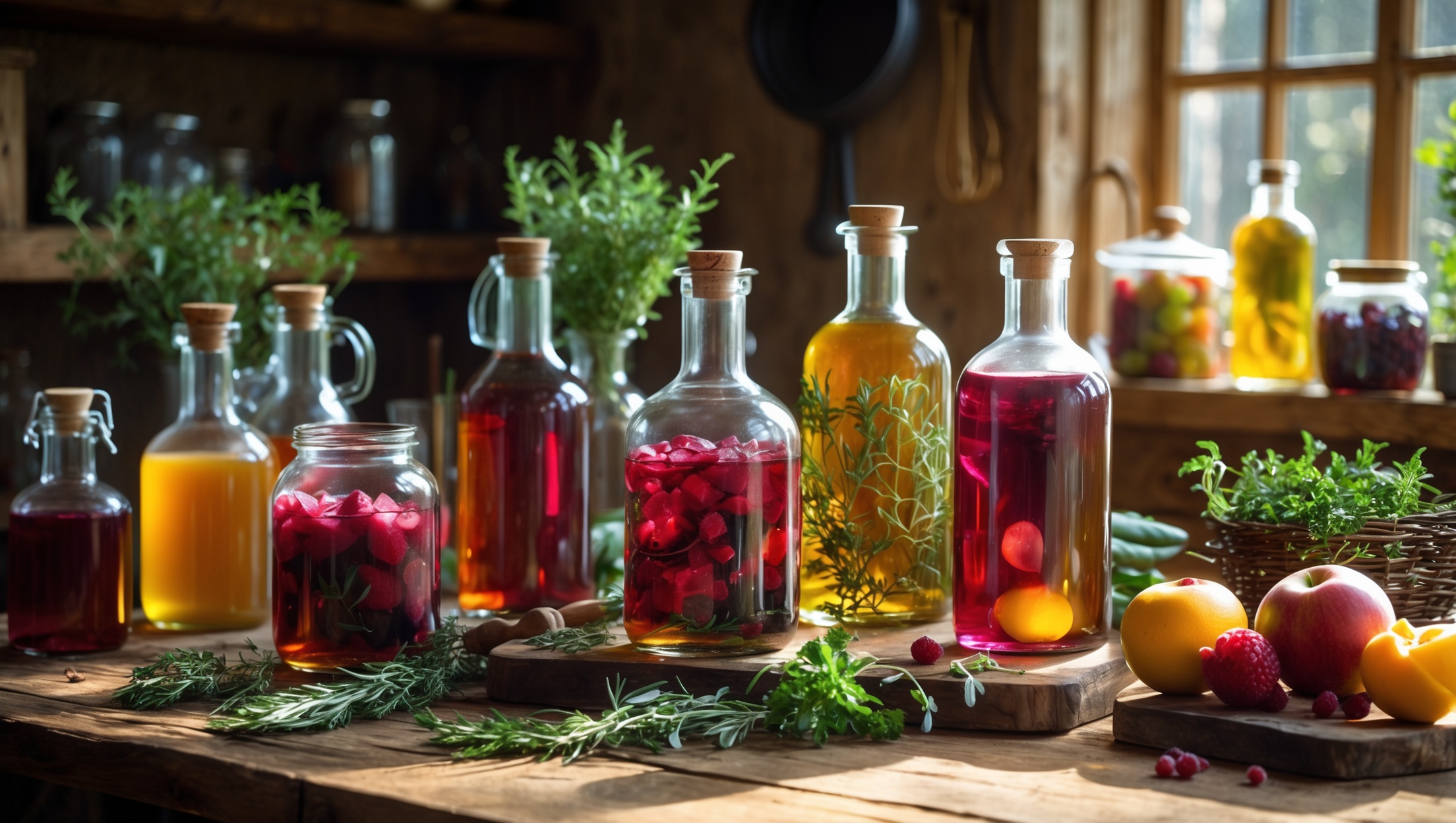
- Artisan vinegars or infused oils
- Uncommon grains (freekeh, teff, black rice)
- Exotic jams or preserves
Buying Smart
- Purchase in small quantities to avoid waste
- Store in smaller containers to protect from light and air
- Record purchase dates—many specialty items have shorter shelf lives
Pantry Budgeting: Cost Control Without Compromise
Bulk Buying vs. Small Batches
Bulk can mean savings—but only if you use ingredients before they expire. For solo cooks or small households:
- Buy bulk for high-use items (rice, flour, beans)
- Purchase small amounts of specialty or less-used items
- Share bulk orders with friends or neighbors to split costs
Minimizing Waste
- Keep a running list of items running low
- Plan meals to use up soon-to-expire items
- Freeze excess (nuts, flours, even some dried fruit) to extend shelf life
Tracking Pantry Spending
- Set a monthly pantry budget
- Review receipts and ingredient usage quarterly
- Invest in quality where it counts (olive oil, spices, vinegars)
Pantry Safety and Maintenance Checklist
- Store food off the floor to avoid pests
- Check for leaks, standing water, or excess humidity
- Inspect for signs of pantry moths or rodents regularly
- Clean shelves and containers quarterly
- Use food-safe cleaners—avoid strong chemical odors around food
- Keep a fire extinguisher accessible (especially if pantry stores oils)
Case Study: From Chaos to Culinary Confidence
Profile: The Aspiring Dinner Party Host
Jasmine, a home cook with a passion for global flavors, struggled with a cluttered, uninspiring pantry. She often bought duplicate spices, let grains expire, and wasted time searching for ingredients. After a full pantry overhaul, Jasmine:
- Invested in glass jars and stackable bins
- Labeled everything with purchase dates
- Created a seasonal rotation system, swapping out specialty oils and vinegars each quarter
- Built a core list of essentials tailored to her dinner party menus
- Cut her food waste by 40% and gained new confidence in improvising weeknight meals
Her friends now marvel not just at her food, but at her organized, inspiring pantry—a true reflection of her culinary vision.
Conclusion: Your Pantry, Your Creative Engine
Far more than a storage closet, your pantry is the silent partner in every great meal. Its organization and contents influence everything from daily convenience to your ability to improvise bold, memorable dishes. By prioritizing smart storage, strategic rotation, and a solid foundation of essential (and seasonal) ingredients, you create a space that supports both efficiency and inspiration. Remember: a great pantry doesn’t mean endless abundance—it means having what you need, when you need it, and knowing how to use it. As seasons shift, let your pantry evolve alongside your tastes, culinary ambitions, and lifestyle. Invest in maintenance, embrace the occasional overhaul, and don’t be afraid to experiment with specialty ingredients in small doses. The journey to pantry mastery is ongoing, but every step brings new flavors, less waste, and deeper enjoyment of the craft of cooking. Start today, and let your pantry become the creative engine that powers your culinary story.
You mention buying in bulk as a way to save money, but how do you prevent bulk ingredients from going bad before you can use them? Is there an ideal timeframe for using up staples like rice or flour to keep everything fresh?
To keep bulk ingredients fresh, store them in airtight containers in a cool, dry place. For staples like rice or flour, aim to use them within 6 to 12 months. Label containers with the purchase date, and rotate older stock forward so you use it first. If you have extra, consider freezing portions of flour or grains to extend their shelf life.
Could you dive a bit deeper into how a well-managed pantry helps control the budget? For someone on a tight grocery allowance, what are the most important organizational changes that actually make a difference in reducing waste and saving money?
A well-managed pantry helps you avoid buying duplicates and prevents food from expiring unnoticed, which directly saves money. Prioritize organizing your pantry so older items are used first (first in, first out). Group similar foods together and make a habit of checking your supplies before shopping. Keeping an updated inventory and planning meals around what you already have can reduce impulse buys and food waste, helping you stick to your budget.
I’m trying to minimize food waste while sticking to a pretty tight budget—do you have any tips on how to prioritize which pantry items to buy in bulk versus which ones are better to only buy in small amounts?
For minimizing waste and saving money, consider buying in bulk only those pantry items you use often and that have a long shelf life, like rice, pasta, dried beans, or oats. Spices, specialty sauces, and anything with a short expiration date are best bought in smaller amounts. Always check your current inventory before shopping and store bulk items in airtight containers for freshness.
When doing a full inventory as suggested, what’s the best way to decide which items are worth keeping if they’re close to or just past their expiration date? Is there a rule of thumb for what’s still safe or useful?
When checking items near or past their expiration date, look for changes in smell, color, or texture—if anything seems off, it’s best to toss it. For shelf-stable goods, ‘best by’ dates often refer to quality, not safety, so unopened dry items may still be usable. Canned goods are usually safe if the can isn’t bulging or damaged. When in doubt, safety comes first, so discard anything questionable.
When you talk about rotating pantry items with the seasons, do you have any tips for actually tracking what needs to be used up first? I find that I buy new ingredients but forget about what’s in the back, especially with spices and grains.
To keep track of pantry items, try grouping ingredients by type and arranging them with the oldest in front. Use small labels or stickers with the purchase or expiration date, especially for spices and grains. A simple inventory list on your phone or a notepad can help you remember what you have and what needs to be used soon. Setting a reminder to review your pantry every month can also prevent things from getting forgotten in the back.
The guide talks about building a rotating selection of essential ingredients that change with the seasons. How often should I go through my pantry to swap out seasonal items, and what are some signs that an ingredient is past its prime even if it’s not expired yet?
Swapping out seasonal pantry items usually works best at the start and end of each season, so about four times a year. Even if ingredients aren’t expired, watch for changes in smell, texture, color, or flavor—like spices losing aroma, nuts tasting stale, or flour developing off odors. These are signs they aren’t at their best anymore.
When you talk about a pantry being a ‘budget control hub’, what are some practical ways to set up storage or organize items to actually help stretch my food budget, especially as a college student with limited space?
To use your pantry as a budget control hub, group similar items together so you can see what you have before shopping. Use clear containers or bins to make leftovers and staples visible, which helps prevent buying duplicates. Place soon-to-expire foods at the front, and keep a running list on the door to track what needs restocking. For small spaces, stackable shelves or hanging racks can maximize vertical storage. These strategies make it easier to meal plan and avoid food waste, which directly helps your budget.
When you talk about rotating pantry staples with the seasons, how would that work for someone who has a really small storage space? Are there certain ingredients you recommend prioritizing or swapping out as the weather changes?
With limited storage, focus on versatile staples that suit multiple seasons, like rice, pasta, canned beans, and dried herbs. As the weather changes, swap out heavier items like canned soups and hearty grains in winter for lighter staples such as couscous or canned tomatoes in summer. Prioritize ingredients you use most often, and try to use up seasonal items before restocking to keep your space manageable.
After taking everything out and grouping by category as you suggest, I always get stuck deciding what to actually keep versus toss—especially with spices and baking supplies. Any advice on how ruthless I should be when clearing things out, or what really never goes bad?
When sorting spices and baking supplies, check for expiration dates, but also use your senses—if spices have no aroma or look faded, it’s time to toss them. Baking powder and soda lose potency after 1–2 years. Whole spices last longer than ground ones, sometimes up to 3–4 years. As a rule, keep items that are fresh, smell right, and that you realistically use. Anything with unclear labeling or that you can’t remember buying is usually safe to discard.
When organizing a pantry with both dry goods and perishables like onions and garlic, do you recommend specific containers or storage zones to prevent spoilage and keep everything accessible? I’m curious how to avoid issues like odors or cross-contamination.
To store dry goods and perishables like onions and garlic, use separate zones: airtight containers or bins for dry goods, and ventilated baskets or mesh bags for onions and garlic. Keep onions and garlic in a cool, dark part of the pantry, away from potatoes and dry goods to prevent odors and excess moisture. This helps minimize spoilage and cross-contamination while keeping everything easy to reach.
Could you give more details about the best storage solutions for small apartments where pantry space is limited? I’d love to know how to maximize efficiency without spending a lot on new containers.
For small apartments, focus on vertical storage by using shelves or stacking racks inside cabinets. Repurpose jars, boxes, or baskets you already have to keep items organized. Door-mounted organizers and hanging baskets can create extra space. Labeling helps keep track of ingredients, and rotating items ensures nothing gets lost at the back. These ideas will help maximize efficiency without requiring expensive new containers.
I’m curious about organizing perishables like onions and root vegetables within the pantry. Are there any storage solutions that help prevent spoilage or make it easier to see when something’s about to go bad?
For onions and root vegetables, consider using ventilated bins or baskets which allow air circulation—this helps prevent mold and soft spots. Store them in a cool, dark area of your pantry. You might also use clear containers or wire baskets so you can easily spot anything that’s starting to spoil. Labeling the baskets by purchase date can also remind you to use older items first.
You mention grouping items by category while taking inventory. Do you have any advice for how often to do a full pantry inventory to avoid things expiring, or is there a good routine to keep everything fresh year-round?
Doing a full pantry inventory every three to four months works well for most households. This lets you catch items nearing expiration and adjust your shopping habits. A quick monthly check of frequently used or perishable items is also helpful. Keeping a visible list of expiration dates and rotating older products to the front keeps your pantry organized and ingredients fresh all year.
I noticed you recommend doing a full inventory and grouping by categories like grains and legumes. Do you have tips for small kitchens where pantry space is really limited, especially for storing bulk items without creating clutter?
For small kitchens, use stackable or clear containers to maximize vertical space and keep items visible. Try using under-shelf baskets or door organizers for extra storage. Buy bulk items in smaller quantities and refill as needed to avoid overcrowding. Group similar items together in bins or baskets—this helps maintain order even in tight spaces.
Could you give some examples of how seasonal rotation actually works in practice? Like, how often do you swap out certain ingredients, and what would a typical rotation look like through the year for pantry staples?
Seasonal rotation means adjusting pantry items based on what’s fresh and commonly cooked each season. For example, in winter, you might stock more canned tomatoes, beans, and hearty grains. As spring arrives, you’d use up winter stocks and bring in lighter items like couscous, dried herbs, and pickled veggies. Typically, review your pantry at the start of each season, swapping out or using up ingredients that won’t be needed again until their season returns.
You mention taking a full inventory and grouping everything by category. After that, what’s the most efficient way to reorganize things so that it’s easy to find what I need day to day, especially for someone with a small kitchen?
Once you’ve grouped everything by category, prioritize placement based on how often you use items. Keep daily essentials like oils, spices, and grains at eye level or within easy reach. Place rarely used or bulky ingredients on higher or lower shelves. Use clear, labeled containers to quickly spot what you need, and stack or use risers to maximize vertical space. Reserve a dedicated bin or basket for small or loose items to avoid clutter.
When you’re organizing your pantry for seasonal rotation, how do you keep track of which ingredients need to be used up first versus which can stay longer? Do you recommend any low-tech or DIY labeling systems that have worked for you?
To keep track of what needs to be used first, arrange pantry items by expiration date, with soonest-to-expire products at the front. A simple DIY solution is to use masking tape or sticky notes to write the purchase or expiration dates directly on each package. You can also color-code labels: for example, red for ‘use soon’ and green for ‘long shelf life.’ This makes it easy to spot what to reach for next when cooking.
With food prices rising, I’m trying to use my pantry for more budget control like the article suggests. How do you decide which basics to keep in bulk versus what to buy as needed, especially if storage space is limited?
When storage space is tight, focus on stocking in bulk only the items you use most often and that have a long shelf life, like rice, pasta, canned tomatoes, or beans. Keep smaller amounts of specialty or perishable goods and buy those as needed. Check your regular recipes and meal habits to decide what goes quickly, and organize your pantry so older items are used first to cut waste and save money.
After taking inventory and organizing everything by category like you suggested, how often should I do a full pantry reset to keep things efficient and prevent stuff from expiring? Is this something you find most people do monthly, quarterly, or just once a year?
A full pantry reset is most effective when done quarterly. This schedule strikes a good balance between catching items before they expire and not feeling overwhelmed by constant reorganizing. Some people might opt for a deeper clean once or twice a year, but quarterly checks let you stay on top of expiration dates and seasonal changes without too much hassle. Monthly mini-checks for quick tidying or restocking are helpful too.
The article touches on buying in bulk as a way to control your budget, but how do you balance that with the risk of ingredients going stale or expiring? Any recommendations for optimal quantities to buy based on typical home use?
Balancing bulk buying with freshness is all about knowing your household’s usage patterns. For items like rice, pasta, or canned goods, buying larger quantities makes sense if you use them regularly. Spices, nuts, and flours should be bought in smaller amounts since they lose flavor or spoil faster. A good rule is to buy enough to last one to three months based on your cooking habits and storage space.
When you mention grouping pantry items and removing duplicates during inventory, what’s the best way to keep track of what I have over time? Are there any simple systems or tools that work well for families who shop in bulk but have limited storage space?
To keep track of pantry items over time, many families use a simple spreadsheet or a magnetic whiteboard on the pantry door. List items by category and update quantities after shopping or restocking. Apps designed for home inventory or grocery management can also help, letting you scan barcodes and set reminders for low-stock items. These methods make it easy to avoid duplicates and stay organized, even with bulk shopping and limited space.
After assessing my pantry and getting rid of expired or unused ingredients, what are some practical storage solutions for making things more accessible on busy weeknights when I need to find dinner ingredients fast?
Try using clear, stackable containers for dry goods so you can quickly see what you have. Label everything with names and expiration dates. Group similar items—like grains, canned goods, or spices—together on dedicated shelves or bins. Place the ingredients you use most often at eye level or in easy-to-reach spots, and consider using a lazy Susan or sliding drawers for deep shelves to make grabbing things quicker on busy nights.
The article mentions minimizing waste and stretching food dollars. What are your go-to bulk ingredients that offer the best shelf life and versatility for someone trying to build a budget-friendly but creative pantry lineup?
Some of the best bulk ingredients for a budget-friendly and creative pantry are dried beans, lentils, rice (especially brown and white), rolled oats, and pasta. These staples last for months or even years if stored properly, and you can use them in a wide range of dishes. Canned tomatoes, shelf-stable bouillon, and various whole grains like quinoa or barley are also great for both shelf life and versatility.
You mention using the pantry as a ‘flavor library’ with sauces and condiments. How do you prevent half-used jars and bottles from getting lost or wasted, and do you recommend any specific storage containers or organizers for these items?
To keep half-used jars and bottles visible and fresh, group them by category on a turntable or lazy Susan so nothing hides in the back. Clear bins or shelf risers also help you see what you have at a glance. Make sure to keep the oldest items in front and label opened jars with the date, so you use them before they expire.
You mention the importance of taking inventory and checking for duplicates or unused items. Do you have practical suggestions for busy parents on how often to do a full pantry check, and what’s a realistic system to make it manageable throughout the year?
For busy parents, doing a full pantry check every 2-3 months is usually manageable. To make it easier, keep a small notepad or digital list on hand to jot down items as you run out. You can also set a reminder at the start of each season to review contents, remove duplicates, and donate unused foods, which helps keep things organized without getting overwhelming.
When it comes to rotating pantry staples with the seasons, do you have any tips for figuring out which ingredients to swap out first? I sometimes get stuck with a lot of leftover grains or spices that I rarely use.
To decide which pantry staples to rotate out first, check expiration dates and prioritize items that are getting close. For grains and spices, try making a meal plan that features those ingredients or batch-cook recipes that use them up. You can also keep a small inventory list to track what you have, so you’re reminded to use less common items before they linger too long.
You mention building a rotating selection of essential ingredients based on seasonal availability. Could you give examples of what specific staples you swap out as seasons change, and how you store items that might not be in use for a few months?
For example, in spring and summer, I keep lighter grains like couscous and quinoa, plus canned tomatoes and chickpeas for salads. In fall and winter, I swap in heartier staples like farro, lentils, and canned pumpkin. Out-of-season dried goods are stored in airtight containers in a cool, dark pantry. Any surplus herbs or nuts can be frozen to extend their shelf life until they’re needed again.
Can you recommend practical storage solutions for a small kitchen pantry? I struggle with finding space for bulk items while still keeping everything organized and visible like the article describes.
For a small pantry, try using clear, stackable containers for bulk items so you can see what you have at a glance. Install tiered shelf organizers or pull-out baskets to maximize vertical space. Use the inside of pantry doors for hanging racks or spice shelves. Label everything clearly and group similar items together. Rotating your stock regularly will also help keep things organized and prevent clutter.
I’m interested in tips for organizing a small pantry without much shelf space. The article mentions maximizing efficiency, but could you suggest specific storage solutions that work well for limited areas, especially for keeping grains and spices easy to access?
For a small pantry, use stackable clear containers for grains to save space and help you see contents at a glance. Magnetic spice racks or tiered spice shelves can be attached to the inside of cabinet doors or narrow wall space to keep spices organized and accessible. Consider using baskets or bins for grouping similar items and a lazy Susan for small jars. These solutions help you make the most of limited shelf space and keep everyday staples within easy reach.
I get overwhelmed by all the different storage solutions out there. How do you decide between glass jars, plastic containers, or just keeping things in their original packaging when organizing staples like flour, rice, and spices?
Choosing storage depends on your needs and the ingredient. Glass jars are great for items like flour, rice, and spices because they’re airtight and let you see what’s inside, helping prevent pests and staleness. Plastic containers are lighter and less likely to break, making them good for larger quantities. Original packaging works if it’s resealable and you’re rotating stock quickly. Consider your space, how often you use each ingredient, and how airtight the container is.
After taking a full inventory and removing everything from the shelves as suggested, what’s the best way to determine which items should be restocked versus donated or discarded, particularly for rarely used spices or specialty ingredients?
Sort your items into three groups: frequently used, rarely used, and expired or damaged. For spices and specialty ingredients, check their expiration dates and smell or taste them if you’re unsure about freshness. If you haven’t used something in the last year and don’t see upcoming recipes needing it, consider donating unopened, unexpired items. Discard anything past its prime or with compromised packaging.
When doing a full pantry inventory like you described, is there a quick way to check if spices or baking supplies are still good without having to taste everything? I worry some of my older items might be past their best but not sure what to look for.
You can quickly assess spices by checking their color and aroma—if the color has faded significantly or the scent is weak or musty, it’s likely time to replace them. For baking supplies like flour or baking powder, look for clumping, discoloration, or off smells. Baking powder can be tested by adding a bit to water; if it fizzes, it’s still active.
When organizing pantry staples like grains and spices, is there a storage solution you find works better for small kitchens—clear bins versus stackable containers, for example? I want to maximize efficiency but avoid overcomplicating my setup.
For small kitchens, stackable containers are usually the best choice because they let you use vertical space efficiently and keep everything neat. Go for clear stackable containers if you want a quick visual of what you have and how much is left. Labeling the containers can also help avoid confusion without adding complexity to your setup.
I’m curious about best practices for rotating pantry items with the seasons. How do you decide which ingredients to swap out as the weather changes, and are there any staples that you recommend keeping year-round regardless of season?
When rotating your pantry with the seasons, focus on ingredients that complement seasonal produce—lighter grains and canned beans for spring and summer salads, heartier grains and canned tomatoes for fall and winter recipes. Herbs and spices may also shift with seasonal dishes. However, some staples like rice, pasta, olive oil, salt, and basic spices are worth keeping year-round since they’re versatile and form the base of many meals no matter the season.
When grouping pantry items by category during an inventory, do you suggest any specific order or layout for the shelves themselves? For example, should snacks and baking supplies always go on the same shelf, or is it better to adjust based on how often I cook certain types of meals?
It’s best to organize your shelves based on your personal cooking habits and how often you use certain items. Frequently used items, like snacks or daily staples, should go on easily accessible shelves. Baking supplies or less-used items can be stored higher up or further back. Adjust the layout so your pantry supports your routine, making it easier to find what you need quickly.
The article mentions using the pantry as a budget control hub by buying in bulk. Do you have suggestions for storing bulk items in a smaller kitchen without sacrificing accessibility or risking spoilage?
For smaller kitchens, airtight containers are your best friend—transfer bulk items like grains, flours, and beans into stackable, labeled containers to maximize shelf space and keep food fresh. Use under-shelf baskets, cabinet risers, or even clear bins under the bed for overflow storage. Keep a small portion in easy-to-reach spots, refilling from bulk storage as needed. This setup helps maintain order and prevents spoilage.
When you mention organizing ingredients for efficiency, do you have suggestions for someone with a very small pantry space? I’m worried about keeping things accessible without it getting cluttered, especially since I like to try new recipes and have lots of different staples.
For a small pantry, consider using clear, stackable containers to save space and easily see what you have. Arrange items by category—grains, spices, baking essentials—so you can quickly find what you need. Store the most-used items at eye level or up front, and rotate newer purchases to the back. A door-mounted organizer or tiered shelf can help make use of vertical space and keep things tidy, even as you add new staples for recipes.
If my pantry is pretty small and I can’t really buy in bulk, what strategies would you suggest for organizing and stocking essentials without wasting money or letting things go stale?
With a small pantry, focus on buying smaller quantities of versatile essentials like rice, pasta, and canned goods that you use often. Use stackable containers or bins to maximize vertical space and keep items visible so you don’t forget what you have. Rotate older items to the front and always check use-by dates. Planning meals around what’s already in your pantry will help avoid waste and unnecessary purchases.
When organizing your pantry for efficiency, do you recommend investing in specific types of storage containers or labeling systems, especially for spices and bulk items? I’m curious if certain methods really make a difference in minimizing waste.
Investing in airtight containers for spices and bulk items can make a significant difference in keeping ingredients fresh and minimizing waste. Transparent containers help you quickly see what you have, while a consistent labeling system ensures you can identify everything easily. Labeling with purchase or expiration dates is especially useful for rotation, so you use older items first. These methods not only keep your pantry organized but also help reduce food spoilage.
I’m a college student on a tight budget, so I’m curious about your recommendations for building an essential pantry without overspending at once. What are the best starter ingredients to focus on if I want meals that are still flexible and flavorful?
To build a budget-friendly pantry, start with versatile staples that work across many recipes. Go for dried pasta or rice, canned beans, basic spices, cooking oil, canned tomatoes, and a few long-lasting vegetables like onions and garlic. These basics let you make a variety of meals, and you can gradually add items like flour, broth, or frozen veggies as your budget allows.
How often should I actually be rotating or updating the seasonal ingredients in my pantry so things don’t go bad, and are there signs besides expiration dates that I should look out for?
It’s best to rotate seasonal pantry ingredients every 2 to 3 months, or whenever the season changes, to keep things fresh and prevent spoilage. Besides checking expiration dates, watch for changes in color, smell, texture, or the presence of bugs or mold. If something looks or smells off, it’s safest to discard it even if it’s still within date.
Could you share some specific storage solutions that work well in smaller kitchens? My pantry space is really limited, so I’m always hunting for smart ways to keep things both organized and accessible, especially for items I use every day.
In small kitchens, clear stackable containers can help maximize shelf space and keep staples visible. Magnetic spice jars on the fridge or inside cabinet doors free up counter space. An over-the-door organizer works well for snacks or small packets. Pull-out baskets or bins let you easily access items stored deep in cupboards. Using risers or tiered shelves creates levels for cans and jars, so nothing gets lost in the back.
I’m interested in building a rotating selection of essential ingredients that change with the seasons, as you suggest. How do you recommend tracking what needs to be used up first without losing track of what’s currently in stock?
To keep track of your rotating ingredients and ensure nothing goes to waste, try labeling items with purchase or expiry dates and arranging them so older items are at the front. A simple inventory list or a whiteboard near the pantry can help you log what you have and what needs to be used soon. Updating it as you add or use items makes seasonal rotation much easier to manage.
When it comes to rotating pantry items with the seasons, do you have any practical tips for tracking what needs to be used up first? I often lose track of expiration dates when switching between winter and summer staples.
To keep track of what needs to be used first, try placing newly purchased items behind older ones on your shelves. Use sticky notes or erasable labels on pantry doors to jot down items nearing expiration. A simple spreadsheet or a chalkboard list can also help you monitor which ingredients are seasonal and prioritize those with the earliest expiration dates as you transition between winter and summer staples.
For someone on a tighter budget, what are the most impactful storage upgrades you’d recommend to start organizing a small pantry more efficiently? Are there affordable containers or systems that make a big difference without a major investment?
For a small pantry on a budget, clear plastic bins or glass jars from discount or dollar stores can make a huge difference. Repurpose containers you already have, like coffee cans or sturdy food jars. Use stackable baskets for snacks or produce. Adding shelf risers or tension rods can double your space with minimal cost. Label everything so you can see what you have at a glance, which also helps prevent waste.
You mention grouping pantry items by category during inventory checks. For a small food business with limited space, do you recommend clear containers, labeled shelves, or another system for making sure nothing gets forgotten or expires at the back of a shelf?
For a small food business with limited space, a combination of clear containers and labeled shelves works very well. Clear containers let you see contents and quantities at a glance, while labels (with expiration dates if possible) help keep things organized by category. Arrange frequently used items at eye level and place newer stock behind older ones to encourage proper rotation.
You mentioned building a rotating selection of essential ingredients with the seasons. How often should I plan to refresh or swap out pantry staples to keep things fresh without creating unnecessary waste?
For most pantry staples, reviewing and updating your selection every 2–3 months aligns well with seasonal changes and helps prevent waste. Focus on using up items before they expire and swapping in ingredients that highlight the new season’s flavors. Try to finish open packages before buying new ones, and keep an inventory to avoid overstocking or letting items go stale.
I have a small pantry and struggle with keeping things from expiring or getting lost in the back. Are there specific storage solutions or organization tips that work best in tight spaces to make seasonal rotation easier?
For a small pantry, try using clear, stackable containers and tiered shelves so you can see everything at a glance. Lazy Susans work well for corners, and over-the-door organizers can hold spices or small items. Keep seasonal or soon-to-expire foods in a dedicated basket up front to remind you to use them first. Regularly check and rotate items as you restock to minimize waste.
I like the idea of doing a full pantry inventory, but I always seem to lose track again after a few weeks. Do you have any practical tips or routines to help maintain pantry organization long term?
Maintaining pantry organization can be much easier with simple routines. Try setting a recurring reminder—weekly or biweekly—to quickly scan your shelves and update your inventory. Use clear bins or labels so items are easy to spot and return to their place. When you unpack groceries, take a moment to rotate older items forward and add new ones to your list. These small habits can help keep your pantry tidy and organized over time.
If I’m starting with a small kitchen and limited shelving, which pantry essentials would you prioritize for someone who cooks most meals at home but doesn’t want to overspend or waste food?
For a small kitchen with limited space, focus on versatile staples that have a long shelf life and can be used in many dishes. Prioritize basic grains like rice or pasta, canned beans, cooking oils, salt and pepper, a few dried herbs or spices, flour, and shelf-stable proteins like lentils. Include tomato paste or canned tomatoes for sauces. Buy in modest quantities so you replenish only as needed, which helps minimize waste and keeps your pantry manageable.
Could you elaborate on which bulk purchases actually make sense for a smaller household? I want to minimize waste but still benefit from budget savings—are there specific staples that stay fresh long enough to justify buying in larger quantities?
For smaller households, buying in bulk works best for items with long shelf lives and versatile uses. Think dry goods like rice, dried beans, pasta, oats, and flour, as well as canned tomatoes and legumes. Cooking oils, sugar, and salt also store well. Just ensure you have airtight containers for storage. Avoid bulk purchases of items prone to spoilage, like large bags of nuts or whole grains, unless you use them often or can freeze portions.