

Introduction: The Art and Culture of Home-Infused Spirits
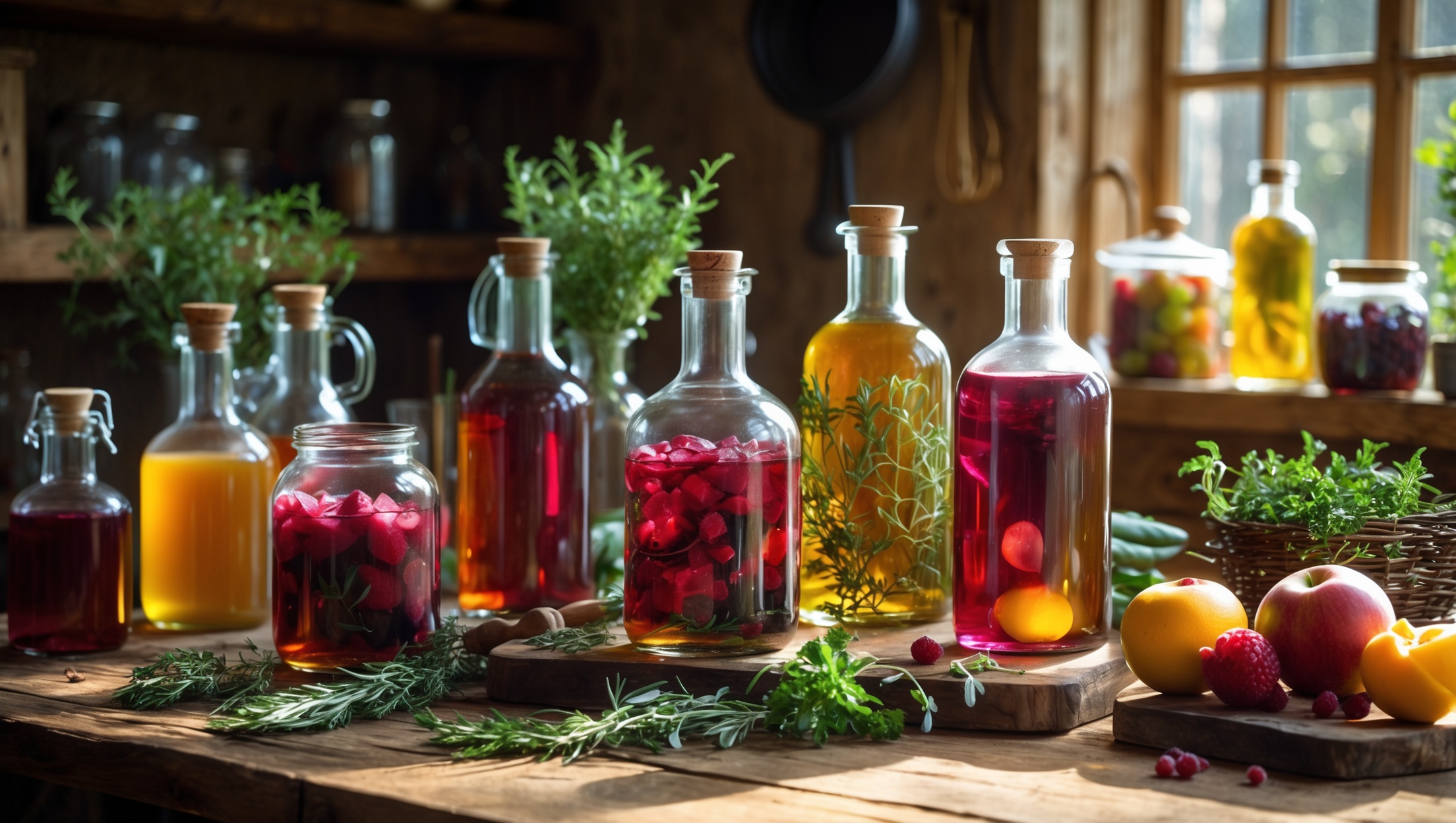
There’s a quiet revolution taking place in the world of craft beverages: the home infusion of spirits. Once the guarded secret of master mixologists and boutique distilleries, the practice of flavoring vodka, gin, whiskey, rum, and even tequila with botanicals, spices, fruits, and beyond has migrated into the kitchens of adventurous home cooks and cocktail enthusiasts. Home infusion isn’t just about making a unique bottle for your bar cart; it’s about exploring the intersection of creativity, culinary craft, and scientific precision. It’s a process that invites experimentation, rewards attention to detail, and yields results that delight the senses—whether you’re mixing the perfect cocktail or crafting a bespoke gift. In this guide, we’ll unlock the practical secrets behind successful home infusions, from selecting the right tools and base spirits to mastering safety, storage, and flavor pairing. We’ll also break down costs, debunk common myths, and provide a seasonal infusion checklist to keep your creations fresh and inspiring all year round.
Essential Tools and Equipment for Home Spirit Infusion
The Must-Have Gear
- Glass Infusion Jars: Choose wide-mouth, non-reactive glass jars with airtight lids. Mason jars (16-32 oz) are ideal for small batches.
- Fine Mesh Strainers: Two sizes: one for coarse straining (removing large botanicals), one ultra-fine for final clarity.
- Cheesecloth or Coffee Filters: For ultra-clear infusions, especially when using fine botanicals.
- Funnel: A stainless steel or silicone funnel minimizes spills during bottling.
- Labeling Supplies: Waterproof labels and a fine-tip marker for tracking dates and ingredients.
- Measuring Tools: A kitchen scale (for botanicals) and measuring cups or graduated cylinders (for spirits).
- Storage Bottles: Swing-top glass bottles or clean repurposed spirit bottles for finished infusions.
Nice-to-Have Extras
- Vacuum Sealer: For infusing under vacuum, which accelerates the process and intensifies flavors.
- Sous Vide Circulator: Allows for low, controlled heat infusions for certain ingredients.
- Mortar & Pestle: For gently bruising spices or herbs to release oils without pulverizing.
- pH Test Strips: Useful when working with acidic ingredients for safety monitoring.
Choosing the Right Base Spirit
Spirit Selection Fundamentals
The base spirit is the canvas for your infusion. Choose one that complements, not overpowers, your chosen botanicals and flavors:
- Vodka: Neutral, versatile, and ideal for showcasing delicate flavors.
- Gin: Already infused with botanicals; best for layering complementary flavors (e.g., citrus, extra juniper, floral notes).
- Whiskey/Bourbon: Rich, with caramel and vanilla undertones. Pair with spices, dried fruit, or smoke.
- Rum: Light or dark—excellent with tropical flavors, spices, and coffee.
- Tequila/Mezcal: Earthy, vegetal, or smoky—great with citrus, chili, or herbs.
Quality vs. Cost
Choose mid-tier spirits: not bottom shelf (harsh or off-flavors), but no need for premium bottles. Infusions highlight the spirit’s character but can’t mask poor quality.
Flavor Pairing Mastery: Building Balanced Infusions
Classic Pairings
- Vodka + Cucumber + Dill: Clean, refreshing; ideal for summer cocktails.
- Rum + Pineapple + Clove: Tropical warmth with subtle spice.
- Whiskey + Orange Peel + Cinnamon: Aromatic, perfect for winter sipping.
- Gin + Lavender + Lemon Zest: Floral and bright.
- Tequila + Jalapeño + Lime: Vibrant with a spicy kick.
Creative Seasonal Inspirations
- Spring: Fresh strawberries, basil, rhubarb, green tea.
- Summer: Blueberries, mint, watermelon, hibiscus.
- Autumn: Pear, figs, allspice, rosemary.
- Winter: Cranberries, ginger, vanilla bean, star anise.
Infusion Ratios and Layering Techniques
- Botanical-to-Spirit Ratio: Typical starting point is 1 cup chopped fruit or 1/4 cup dried botanicals per 750ml spirit. Adjust to taste.
- Layering: Infuse base flavors first (e.g., fruit), then add potent spices or herbs for the last 24–48 hours to avoid overpowering.
Step-by-Step Home Infusion Process
Preparation
- Sanitize: Thoroughly wash and sterilize all jars, lids, and utensils.
- Prep Ingredients: Wash fruits/herbs; peel or zest as needed. Lightly crush spices for optimal extraction.
Infusing
- Place botanicals in the glass jar.
- Pour in the base spirit, ensuring all ingredients are submerged.
- Seal tightly and label with date and ingredients.
- Store in a cool, dark place. Shake gently once daily.
- Taste after 24–48 hours (herbs/spices) or 3–7 days (fruits). Remove botanicals when desired flavor is achieved—over-infusion can cause bitterness or off-notes.
Straining and Bottling
- Strain through a fine mesh strainer to remove solids.
- For crystal-clear infusions, strain again through cheesecloth or a coffee filter.
- Transfer to a clean storage bottle; label with flavor and date.
Cost Breakdown and Smart Budgeting
Ingredient and Equipment Costs
- Base Spirit: $12–$30 per 750ml bottle (mid-range quality).
- Glass Jars/Bottles: $2–$4 each (reusable).
- Botanicals/Spices: $1–$8 per batch, depending on seasonality and rarity.
- Optional Equipment: Vacuum sealer (~$40), sous vide circulator (~$80+).
Batch Cost Example
Infusing a bottle of vodka with citrus and rosemary:
- Vodka (750ml): $18
- Organic lemons: $2
- Fresh rosemary: $1
- Jar & bottle: $5 (reusable)
- Total: $26 (yields ~12 cocktails at $2.15 per serving)
Safety, Storage, and Shelf Life
Food Safety Essentials
- Sanitation: Prevent contamination by sterilizing all equipment.
- Alcohol Content: Use spirits above 40% ABV (80 proof) to inhibit microbial growth. Avoid infusing low-proof liqueurs with fresh produce.
- Acidic Ingredients: Citrus peels are safe; avoid infusing dairy or perishable items unless consuming immediately.
- Allergens: Clearly label potential allergens (nuts, certain spices).
Shelf Life and Storage Best Practices
- Cool, Dark Storage: Store finished infusions away from heat and sunlight.
- Label and Date: Track batch information for quality and safety.
- Typical Shelf Life: 3–6 months (high-proof, strained infusions); discard if color, aroma, or clarity changes.
- Refrigerate: For infusions with fresh fruit or herbs, refrigerate and use within 1–2 weeks for best quality.
Common Mistakes to Avoid
- Over-Infusing: Leaving botanicals in too long leads to bitterness or harsh flavors.
- Insufficient Straining: Residual solids cloud the spirit and can accelerate spoilage.
- Low-Quality Ingredients: Off flavors in produce or spices are amplified in alcohol.
- Ignoring Alcohol Content: Using low-proof spirits risks spoilage and food safety hazards.
- Poor Record-Keeping: Forgetting to label or date batches limits repeatability and troubleshooting.
Seasonal Infusion Checklist
Spring
- Strawberry & basil gin
- Rhubarb vodka
- Mint-infused rum
Summer
- Blueberry-lavender vodka
- Watermelon-mint tequila
- Cucumber-dill gin
Autumn
- Pear-ginger bourbon
- Apple-cinnamon whiskey
- Fig-rosemary rum
Winter
- Cranberry-orange vodka
- Vanilla-chai whiskey
- Cardamom-clove gin
Debunking Myths About Home Spirit Infusion
- Myth: “Infusing spirits is only for professionals.”
Fact: With basic tools and attention to detail, anyone can achieve excellent results at home. - Myth: “You need expensive equipment.”
Fact: Most infusions require only glass jars and strainers; advanced tools are optional. - Myth: “Infusions last forever.”
Fact: Even alcohol-based infusions degrade over time—proper storage is crucial. - Myth: “Any ingredient is safe to infuse.”
Fact: Some ingredients (dairy, eggs, fresh garlic) carry food safety risks—stick to proven, shelf-stable botanicals.
Case Study: Crafting a Signature Citrus-Herb Vodka
Inspiration and Setup
Seeking a bright, versatile spirit for summer cocktails, we set out to create a citrus-herb vodka. The goal: a balanced infusion with lively lemon, herbal backbone, and minimal bitterness.
Process
- Ingredients: 750ml mid-range vodka, zest of 2 organic lemons, 6 sprigs fresh thyme, 2 sprigs fresh rosemary.
- Infusion Time: Zest and herbs added to sanitized jar. Infused for 4 days, tasting daily.
- Straining: Fine mesh followed by coffee filter for clarity.
- Result: Vibrant citrus aroma, rounded herbal finish; excellent in martinis and spritzers.
- Cost: $21 total, yielding 13 servings; no specialized equipment needed.
Maintenance and Batch Consistency Tips
- Track Variables: Record ingredient weights, infusion times, and tasting notes for future reference.
- Maintain Cleanliness: Rinse and sterilize all tools before each batch.
- Rotate Seasonal Ingredients: Adjust infusions to match what’s fresh and available.
- Monitor Storage: Periodically check for clarity, aroma, and taste; discard if signs of spoilage appear.
Conclusion: Elevate Your Culinary Culture with Home-Infused Spirits
Infusing spirits at home is much more than a trend—it’s a hands-on journey into the heart of culinary creativity and flavor exploration. Whether you’re an aspiring mixologist, a food lover seeking unique gifts, or a home entertainer aiming to impress, the process of crafting your own infusions invites you to experiment with flavors, embrace seasonality, and develop a refined palate. With just a handful of accessible tools, a dash of patience, and a willingness to learn from each batch, you’ll discover that the possibilities for personalized spirits are virtually limitless. Remember to prioritize food safety, keep meticulous notes, and above all, allow your taste buds to guide you. As you build your portfolio of infusions, you’ll not only elevate your cocktails but also deepen your appreciation for the craft and culture that define the world of fine food and drink. Cheers to your next infusion adventure—may it be as rewarding as it is delicious.
Can you recommend any specific kid-safe ways to store infused spirits at home? I want to experiment with different flavor pairings, but I’m concerned about keeping the bottles out of reach and labeled well, especially with a busy household.
To keep infused spirits safe in a busy household, consider using lockable liquor cabinets or lockable boxes specifically designed for bottles. Store your spirits on higher shelves, well out of reach of children. Always use sturdy, clearly labeled bottles—preferably with tamper-proof tops. You can even color code labels or use large, bold print for easy identification. These steps help ensure your infusions stay both secure and organized.
When it comes to labeling supplies, do you recommend any specific waterproof label brands that hold up well if the bottles are kept in a damp environment, like a basement or fridge?
For bottles stored in damp places like basements or fridges, look for waterproof labels made from vinyl or polyester. Brands like Avery and Online Labels offer durable options designed to withstand moisture and condensation. Just make sure to use waterproof ink or a laser printer for best results, since regular ink can still smudge if exposed to water.
I’m curious about the cleaning process for all the equipment, especially the fine mesh strainers and cheesecloth. Do you have advice on the best way to thoroughly sanitize these tools at home to prevent any off flavors or spoilage in the final infusion?
To thoroughly sanitize fine mesh strainers and cheesecloth, first wash them with hot, soapy water right after use to remove any residue. Rinse well, then soak in a mixture of one part white vinegar to four parts water for a few minutes. For extra sanitation, you can also boil them for 5–10 minutes. Let all tools air dry completely before storing or reusing to prevent any unwanted flavors or spoilage.
When it comes to labeling your infusions, do you recommend noting just the date and main ingredients, or should we include more specific details like proportions and infusion times for future reference?
Including more specific details on your labels, like ingredient proportions and infusion times, is very helpful for tracking what works best and repeating successful infusions. While the date and main ingredients are essential, having all the details makes it much easier to refine your recipes and share them with others later. Even a quick note about your process can make a big difference for future batches.
For someone new to home infusing, how long does it usually take to achieve noticeable flavor with common ingredients like citrus peel or vanilla beans? I’m trying to plan infusion batches around my business openings and would appreciate any rough timelines.
With common ingredients like citrus peel or vanilla beans, you’ll usually notice a good amount of flavor after 3 to 5 days. For a lighter infusion, 2 days may be enough, but for a bolder taste, you can let it go up to a week. Just remember to taste daily after day 2, so you can catch your preferred intensity before it gets too strong.
If I want to try home-infusing spirits but only have the basics in my kitchen, like regular jars and basic strainers, do I really need all the special gear you listed, or can I get away with what I have for my first few tries?
You absolutely can start infusing spirits at home with just regular jars and basic strainers. The special gear mentioned in the article can help refine the process or make it easier, but for your first few tries, your basic kitchen tools are more than enough. Just make sure your jars seal well and your strainer is fine enough to catch small bits from your infusion.
You mentioned the importance of using mason jars and proper labeling. Is it okay if I reuse old spirit bottles for storage, or could that affect the flavor or safety of my infusions?
Reusing old spirit bottles for storing your infusions is generally safe as long as you clean them thoroughly before use. Make sure to wash out any residue and let them dry completely. However, some bottles may still retain strong odors from previous contents, which can influence the flavor of your new infusion. Also, be sure to relabel the bottles clearly to avoid any confusion.
I noticed the article suggests using mason jars for infusing spirits, but I already have some glass jars from store-bought sauces. Would those be safe to use, or could leftover odors or residues affect the flavor of my infusion?
Using clean glass jars from store-bought sauces can work for infusing spirits, as long as they’re thoroughly washed and have no lingering odors or residue. Any leftover smells or flavors could impact your infusion, so double-check by sniffing the jars and lids. If you detect any scent, try soaking them in a baking soda solution, then rinse well before use.
You mention cheesecloth and coffee filters for ultra-clear infusions, especially with fine botanicals. Is there a risk of losing flavor or essential oils when using these finer filters, and how do you decide when they’re necessary versus just using a fine mesh strainer?
Using cheesecloth or coffee filters can sometimes trap tiny flavor particles and a small amount of essential oils, leading to a slightly lighter taste compared to a fine mesh strainer. Finer filters are best when clarity is important—if your infusion uses powdery or very fine botanicals, like ground spices or tea, they help remove cloudiness. For most fruit or herb infusions, a mesh strainer is usually enough and preserves more flavor.
Could you explain how to effectively scale up from small-batch home infusion to larger quantities without sacrificing flavor quality or running into safety concerns? I want to offer several varieties in my shop and need to make sure I’m not missing any important equipment or steps.
To scale up your spirit infusions, use food-grade, sanitized containers like stainless steel or glass carboys. Maintain the same ingredient-to-spirit ratio as your small batches, and weigh ingredients for consistency. Monitor infusions daily; flavors can extract faster in large batches. Always label and date each batch, and filter thoroughly before bottling. Ensure your workspace is clean to avoid contamination, and check local regulations about selling infused spirits to stay compliant.
You mention that the guide will break down costs, but I’m curious about the budget side of starting out. Are any of the must-have tools for home infusion especially worth splurging on, or are there reliable budget alternatives for beginners?
You don’t need to splurge to get started with home infusion. Most essential tools like glass jars, fine mesh strainers, and funnels have reliable budget versions that work just as well as pricier ones. While items like high-end infusion kits or specialized filtering systems can be nice, they’re not necessary for beginners. Focus on quality base spirits and fresh ingredients, and upgrade tools only if you find yourself infusing frequently.
When it comes to using glass infusion jars, does the shape or size beyond 16-32 oz make a noticeable difference in the flavor extraction process, or is it more about the convenience of batch size?
For most home infusions, the shape and size of glass jars within the 16-32 oz range mainly affect how much you can make at once rather than the flavor itself. As long as your ingredients are fully submerged and there’s enough room for them to move, the extraction process will be consistent. Larger jars are really only necessary if you want to make bigger batches.
When it comes to glass infusion jars, is there a significant difference in results between using a standard mason jar versus a specialty jar made specifically for infusing spirits? Wondering if spending more on the latter is worth it for someone just starting out.
For most home infusions, a standard mason jar works very well and won’t impact your results compared to a specialty infusion jar. Specialty jars may offer extras like built-in strainers or spouts, but these aren’t necessary for beginners. If you’re just starting out, a mason jar is perfectly fine and budget-friendly. You can always upgrade later if you decide you want those added features.
The guide mentions a breakdown of costs and essential tools, but as a college student on a budget, what’s the minimum gear I should invest in to get started with infusing spirits at home without compromising quality or safety?
To start infusing spirits on a budget, you only need a few basics: a clean glass jar with a tight lid, a fine mesh strainer or coffee filter, and a funnel for easy pouring. These items are inexpensive and ensure your infusions are both safe and tasty. You can always scale up with specialty tools later if you want.
I usually only have time to do quick projects in the kitchen, so I’m curious: about how long does a typical home spirit infusion take, and are there any flavor combos that reach a good taste faster than others?
Most home spirit infusions take anywhere from a few hours to a few days, depending on the ingredients and intensity you want. Quick infusions, like citrus peels, fresh herbs, or berries, often yield noticeable flavor within 2 to 6 hours. Strong spices and dried ingredients usually need at least a day. For speed, try lemon and basil with vodka or jalapeño with tequila—they infuse quickly and create bold flavors in just a few hours.
Is there an ideal amount of time to let different infusions sit? For example, how long would you infuse something potent like chili peppers versus something more subtle like citrus peels to avoid overpowering the spirit?
Infusion times can vary depending on the ingredient’s strength. For potent flavors like chili peppers, start with a short infusion—about 1 to 3 hours—then taste and remove the peppers once it reaches your desired heat level. More subtle ingredients like citrus peels typically need longer, around 3 to 5 days, to fully impart their flavor. Always taste your infusion periodically to ensure the balance stays just right.
You mention using both cheesecloth and coffee filters for ultra-clear infusions, especially with fine botanicals. Is there a reason to prefer one over the other, or do they each work better for certain ingredients?
Cheesecloth and coffee filters both help clarify infusions, but they have different strengths. Cheesecloth is best for straining out larger particles and is faster, making it a good first step. Coffee filters remove finer sediment and produce ultra-clear results, but they work more slowly and can clog with thicker mixes. For fine botanicals, starting with cheesecloth and finishing with a coffee filter gives you the best clarity.
I love the idea of infusing spirits at home, but as a parent with very little counter space, I’m wondering which of the must-have tools mentioned are absolutely essential for a first attempt and which ones I could skip or substitute.
For a first attempt, you really only need a clean jar with a tight lid and a fine strainer or coffee filter for separating the solids. You can skip specialized funnels, infusion bottles, or labels at the start. If you don’t have a strainer, a clean cloth or even a mesh sieve will work as a substitute.
I’m on a college budget and want to try making smaller batches. Besides mason jars, are there more affordable tools or DIY alternatives for beginners who may not have a kitchen scale or fancy funnel?
You can absolutely start infusing spirits with what you have on hand. Instead of mason jars, any clean glass jar with a tight lid—like a pasta sauce or pickle jar—is perfect. For straining, use a coffee filter or clean cloth over a regular kitchen strainer. To measure ingredients, regular spoons work fine, and you can use a rolled piece of paper as a makeshift funnel. No need for special equipment at all!
Your article mentions a seasonal infusion checklist. Could you share an example or guidance on pairing specific fruits or botanicals with different spirits depending on the season, particularly for someone who wants to create gifts throughout the year?
Certainly! For spring, try infusing gin with fresh strawberries or cucumber. Summer pairs well with vodka and ripe peaches or watermelon. In autumn, bourbon and apples with cinnamon make a cozy combo. Winter infusions like rum with cranberries or clove are wonderful for gifting. Select ripe, in-season fruits or herbs, and match them to the spirit’s character for the best results all year.
When you mention using mason jars as infusion vessels, is there a particular size or brand that holds up best over time? Also, do the lids ever start to rust with frequent use, and are there alternatives if that happens?
For infusing spirits, wide-mouth mason jars in the 16 to 32-ounce range work well since they’re easy to fill and strain. Ball and Kerr are trusted brands known for durability. Metal lids can eventually rust, especially with repeated exposure to alcohol. If that happens, consider switching to plastic screw-on lids or silicone-sealed lids, which are available and resist both rust and odor retention.
Can you talk a bit more about measuring botanicals accurately? I’ve found that herbs and spices can have really different weights and densities, so do you recommend measuring by weight with a scale, or is volume good enough for most home infusions?
Measuring botanicals by weight using a kitchen scale is the most accurate method, especially since herbs and spices vary so much in density and moisture. For delicate ingredients like dried flowers or leafy herbs, volume might work if you’re consistent, but for consistent results—especially with potent spices—weight is the way to go. Start with small test batches and keep notes so you can adjust future infusions as needed.
The article talks about labeling supplies and tracking dates, which makes sense for storage and safety. Is there a general rule for how long homemade infusions stay safe and flavorful once they’re bottled, especially if you’re using fresh versus dried ingredients?
Homemade infusions using spirits generally stay safe and tasty for several months if stored in a cool, dark place. Infusions with fresh ingredients, like fruit or herbs, should be strained and used within 1 to 3 months since they may spoil faster. Dried ingredients usually last longer, up to 6 months or more. Always check for off smells or cloudiness before using.
When it comes to storage after infusing, do you find swing-top bottles are noticeably better than repurposed spirit bottles in terms of maintaining freshness, or is one mainly a style preference?
Swing-top bottles can provide a tighter seal than many repurposed spirit bottles, which helps preserve the freshness and aroma of your infused spirits over time. However, if your repurposed bottle has a good, snug-fitting cap, it can work well too. The main difference is indeed a mix of function and style, but freshness is generally better maintained with a solid seal, like most swing-tops provide.
The article says a kitchen scale is essential for measuring botanicals. If I’m just starting out and want to keep costs low, are there any tools I can safely skip, or is precise measurement really that critical for a good infusion?
For beginners, you can often get by without a kitchen scale, especially if you’re experimenting with small batches and common ingredients. Just use measuring spoons or estimate amounts to start. Precise measurement becomes more important if you’re trying to replicate results or use potent botanicals, but for most early infusions, a little flexibility won’t ruin your results.
Could you elaborate on the best way to label and track multiple infusion experiments at once? I want to avoid mix-ups, especially since some batches sit for weeks. Any tips for organizing or suggested label details you find essential?
To avoid confusion with multiple infusions, use waterproof labels on each jar or bottle. Write the spirit type, ingredients, start date, and planned end date. Number each batch and keep a matching logbook or spreadsheet with extra notes about flavor ideas or adjustments. This way, you can track progress and results even if labels fade over time, making it easy to repeat your favorites.
Could you provide some more detail about the seasonal infusion checklist mentioned in the article? I’m interested in how seasonality affects ingredient choices and infusion timing, particularly for someone trying to plan infusions throughout the year on a budget.
The seasonal infusion checklist in the article helps you match fresh, affordable ingredients to the time of year. For example, spring is great for berry or herb infusions, while fall lets you use apples, pears, and spices. Shopping in season usually means lower prices and better flavors. The checklist also suggests ideal infusion times, which can range from a few days for delicate herbs to a couple of weeks for heartier ingredients. Planning ahead using this guide helps stretch your budget and ensures the best taste.
I noticed you mention using mason jars between 16-32 oz for small batch infusions. Is there a recommended minimum or maximum batch size that’s ideal for beginners, especially when first experimenting with flavor combinations to avoid wasting ingredients?
For beginners, starting with 16-ounce (about 2 cups) mason jars is a smart choice. This size makes it easy to experiment without using too much alcohol or ingredients, so you can test different flavors with minimal waste. Avoid going smaller than 8 ounces, as very small batches can be tricky to strain and measure. Sticking to 16-32 ounces keeps things manageable and lets you learn what works before scaling up.
You mention using mason jars as ideal infusion containers, but are there any specific types or brands you recommend for best results, especially if I’m worried about odors getting trapped between infusions?
For infusing spirits, look for mason jars with high-quality, airtight lids—preferably with silicone or rubber gaskets to seal in flavors and prevent odors. Brands like Ball and Kerr are reliable and widely available. To avoid odors between infusions, use glass containers rather than plastic, and always wash jars thoroughly with hot, soapy water and let them air dry completely before your next batch.
When infusing spirits at home, how do you determine how long to let botanicals or spices steep before straining, especially for ingredients with strong flavors? Are there any guidelines to avoid bitterness or overpowering notes?
The steeping time depends on both the spirit and the strength of your chosen ingredients. Strong flavors like cinnamon, cloves, or chili can become overpowering or bitter if left too long—often just a few hours to a day is enough. Milder botanicals may need several days. Taste your infusion every 12-24 hours; once the desired flavor is achieved, strain immediately to prevent bitterness or excessive strength.
You mention breaking down costs in the article—could you give some guidance on the average upfront investment needed to get all the essential tools for a beginner, especially if I’m starting with small batches?
For small batch infusions, you can keep your upfront investment quite reasonable. Basic essentials include a few glass jars or bottles ($10–$20), a fine mesh strainer or cheesecloth ($5–$10), a funnel ($5), and measuring tools ($5–$10). Altogether, you can expect to spend around $25–$45 for the initial setup. If you already have some kitchen equipment, your costs may be even lower.
I’m curious about storage: after bottling my infused spirits in swing-top glass bottles, how long do they typically keep their flavor, and do you recommend refrigeration for any specific types of infusions?
Infused spirits generally keep their flavor for several months when stored in tightly sealed glass bottles in a cool, dark place. For infusions with fresh ingredients like fruit, herbs, or dairy, refrigeration is a good idea to prevent spoilage and preserve freshness. Infusions using only dried spices or botanicals are more shelf-stable and don’t require refrigeration, as long as they’re kept away from heat and direct sunlight.
If I’m trying to do this on a budget, are there any affordable alternatives to the mason jars and swing-top bottles mentioned, or do those really make a difference in the final result?
You can definitely infuse spirits on a budget without needing mason jars or swing-top bottles. Clean, empty glass jars or bottles from store-bought sauces and beverages work just as well—just be sure to sterilize them thoroughly. As long as the containers seal tightly to prevent leaks and contamination, the flavor outcome will be just as good.