

Introduction: The Art and Impact of Homemade Condiments
In today’s culinary landscape, the humble condiment has undergone a renaissance. No longer relegated to a supporting role, sauces, spreads, pickles, and infused oils now star as the finishing touch that distinguishes a memorable dish. For home cooks and culinary artisans alike, crafting your own condiments opens a world of creative flavor combinations, ingredient control, and elevated taste experiences. Whether it’s a smoky chipotle mayo, a fragrant basil pesto, or a homemade fermented hot sauce, every jar tells a story of taste, craft, and culinary culture.
But what does it really take to master the craft of homemade condiments? Beyond recipes, success depends on understanding essential tools, navigating costs, and exploring innovative flavor strategies. This guide delivers practical, in-depth knowledge to help you transform your kitchen into a condiment atelier. From cost-efficient sour pickles to luxurious truffle-infused oils, you’ll uncover everything you need to start, refine, and expand your condiment-making repertoire. Prepare to discover why the condiment revolution is as much about personal expression as it is about taste—and how you can join it, one jar at a time.
Essential Tools for Crafting Gourmet Condiments at Home
Must-Have Equipment for Every Condiment Artisan
- Blender or Food Processor: For smooth sauces, pestos, and spreads. High-speed blenders yield silkier textures; food processors offer chunkier results.
- Mortar and Pestle: Ideal for grinding spices, crushing garlic, or making small-batch pastes and aiolis with traditional texture.
- Non-Reactive Mixing Bowls: Stainless steel, glass, or ceramic bowls prevent unwanted chemical reactions, especially with acidic condiments like vinaigrettes or pickles.
- Fine Mesh Strainer or Cheesecloth: For clarifying infused oils, straining sauces, or removing solids from jams and syrups.
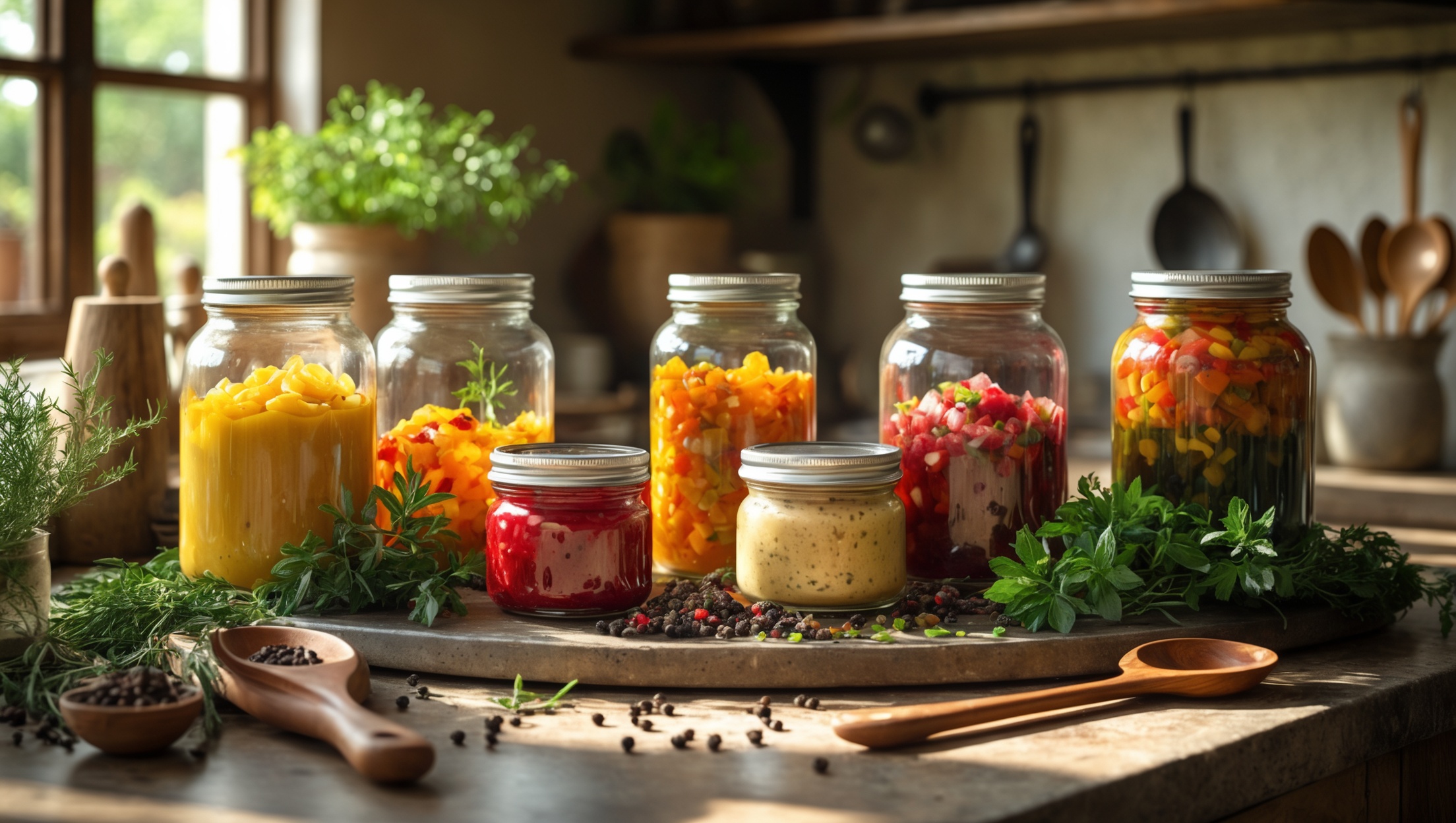
- Glass Jars with Tight Lids: Essential for storage, fermentation, and gifting. Opt for wide-mouth jars for easy filling and cleaning.
- Digital Scale: Ensures precise measurements, crucial for balanced flavors and successful fermentations.
- Thermometer: Important for temperature-sensitive processes, such as mayonnaise or hot sauce pasteurization.
- Spatulas and Funnels: Silicone spatulas prevent waste; wide-mouth funnels make jar-filling mess-free, especially for thicker or chunky condiments.
Optional Upgrades for the Enthusiast
- Vacuum Sealer: Extends shelf life and preserves freshness for sauces and pickled items.
- Fermentation Weights and Airlocks: For making kimchi, hot sauce, or preserved lemons with consistent results and minimal risk.
- Dehydrator: Enables you to create custom spice blends or dry aromatics for unique condiment bases.
- Immersion Blender: Perfect for emulsified sauces like aioli or vinaigrette, especially in small batches.
Cost Breakdown: Making Condiments at Home vs. Store-Bought
Startup and Ongoing Expenses
- Basic Equipment Investment: Expect to spend $50–$150 on quality essentials such as jars, blender, and utensils. Many home cooks already own several items.
- Ingredient Sourcing: Initial outlay depends on the type of condiments—herbs, oils, vinegars, spices, and fresh produce. For a basic batch of three condiments, anticipate $20–$40.
- Specialty Ingredients: Items like truffle oil, rare chilies, or imported spices range from $5–$30 per jar, but small amounts go a long way.
- Ongoing Costs: Once equipped, your routine costs drop to just ingredients, averaging $3–$5 per small jar compared to $6–$15 store-bought.
- Time Investment: Simple condiments take 10–20 minutes; fermented or complex varieties may require days to weeks (mostly passive time).
Batch Sizing and Cost Efficiency
Making condiments in small batches ensures freshness and allows you to experiment with flavors. However, scaling up for gifts or long-term use lowers per-jar costs due to ingredient and time efficiencies. For example, doubling a batch of chili oil or pickled onions often only increases costs by 30–40% while yielding twice the quantity.
Budgeting Tips for Flavorful Savings
- Buy in Bulk: Purchase base ingredients like vinegar, oil, and salt in larger quantities for significant savings.
- Seasonal Produce: Take advantage of local, seasonal fruits and vegetables for jams, relishes, and chutneys. Prices drop when produce is abundant.
- Grow Your Own: Even a small windowsill herb garden can supply fresh basil, dill, or cilantro for pestos and chimichurri year-round.
- Repurpose Scraps: Use citrus peels for infused oils or leftover herbs for compound butters—minimizing waste and maximizing value.
Flavor Innovation: Building Signature Condiments
Understanding the Elements of Flavor
Exceptional condiments balance the five core tastes—sweet, sour, salty, bitter, and umami. Successful recipes layer these elements with texture, aroma, and color to create crave-worthy results. Consider these building blocks:
- Sweetness: Honey, maple syrup, fruits, or caramelized onions.
- Sourness: Vinegars, citrus juice, fermented bases (like lacto-fermented hot sauce).
- Saltiness: Sea salt, miso, soy sauce.
- Bitterness: Mustard seeds, certain herbs, dark greens.
- Umami: Sundried tomatoes, parmesan, anchovies, mushrooms.
Creative Combos and Modern Twists
- Global Inspiration: Try Japanese yuzu kosho, Moroccan chermoula, or Korean gochujang for vibrant, authentic flavors.
- Fermentation: Experiment with lacto-fermentation for hot sauces, pickled relishes, or even ketchup—achieving complex, probiotic-rich flavors.
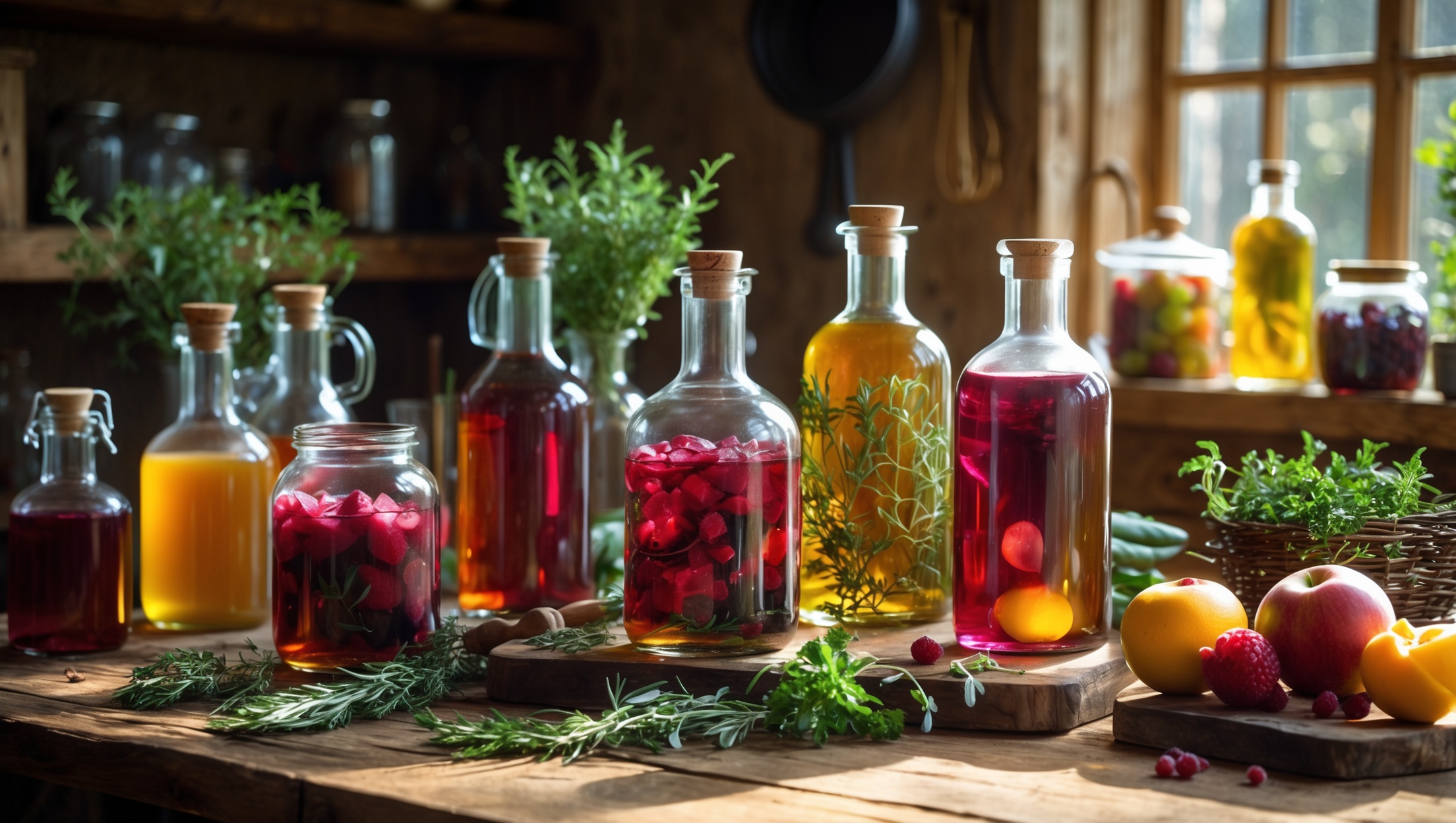
- Infusions: Elevate oils and vinegars with garlic, chilis, fresh herbs, or even citrus zest for custom finishing touches.
- Smoked Ingredients: Use smoked salt or infuse oils with smoked paprika for depth and intrigue.
Signature Recipe Concepts
- Maple-Sriracha Mustard: Blend equal parts Dijon, real maple syrup, and sriracha; season with rice vinegar and black pepper.
- Herb-Infused Olive Oil: Gently heat olive oil with sprigs of rosemary and thyme, strain, and use as a finishing drizzle.
- Quick Pickled Red Onions: Soak thinly sliced onions in a mix of vinegar, sugar, and salt for 30 minutes—bright, tangy, and versatile.
Step-by-Step Tutorial: Crafting Three Essential Condiments
1. Classic Basil Pesto
- Ingredients: 2 cups fresh basil, 1/2 cup olive oil, 1/3 cup pine nuts (or walnuts), 2 garlic cloves, 1/4 cup grated parmesan, salt & pepper.
- Process:
- Pulse basil, nuts, and garlic in a food processor.
- With the motor running, slowly add olive oil until smooth.
- Stir in parmesan, season with salt and pepper to taste.
- Store in a sanitized jar, topped with a thin layer of oil.
2. Fermented Hot Sauce
- Ingredients: 2 cups mixed hot peppers, 2 garlic cloves, 2 tsp salt, 1 1/2 cups water.
- Process:
- Slice peppers and garlic; pack into a jar.
- Mix salt and water, pour over peppers to submerge.
- Weigh peppers down and cover with a fermentation lid or cloth.
- Ferment at room temperature for 7–10 days, then blend and strain.
- Store in the fridge for up to 3 months.
3. Quick Lemon-Garlic Aioli
- Ingredients: 1 large egg yolk, 2 tsp lemon juice, 1 cup neutral oil, 1 garlic clove, salt to taste.
- Process:
- Whisk egg yolk and lemon juice until combined.
- Slowly drizzle in oil while whisking vigorously to emulsify.
- Add minced garlic and salt; adjust lemon juice as desired.
- Use immediately or refrigerate for up to 3 days.
Best Practices for Storage, Shelf Life, and Safety
Sanitation and Handling
- Always sterilize jars and utensils before use—boil for 10 minutes or run through a dishwasher cycle.
- Wash hands thoroughly and avoid cross-contamination, especially with raw ingredients.
- Label jars with dates and contents for optimal tracking.
Storage Guidelines
- Refrigerate fresh condiments like aioli, herb butters, or yogurt-based dips.
- Acidic and fermented condiments (pickles, hot sauces) can often be stored at room temperature, but refrigeration extends their shelf life.
- Infused oils should always be refrigerated and used within 7–10 days to prevent botulism risk.
Shelf Life Reference Table
- Pesto: 5–7 days refrigerated.
- Fermented Hot Sauce: 2–3 months refrigerated.
- Infused Oils: 7–10 days refrigerated.
- Pickles and Chutneys: 1–3 months refrigerated.
- Aioli and Mayo: 3–5 days refrigerated.
Creative Uses and Pairings: Elevate Every Meal
Transformative Applications
- Dressings and Marinades: Thin pestos or chutneys with a bit of vinegar and oil for instant dressings or flavor-packed marinades.
- Sandwiches and Wraps: Swap store-bought mayo for zesty aioli or spicy mustard blends—instantly gourmet.
- Grains and Bowls: Drizzle infused oils or hot sauces over rice, quinoa, or roasted veggies for bold flavor boosts.
- Cheese and Charcuterie Boards: Pair tangy pickled onions or fruit chutneys for balance and contrast.
- Breakfast Upgrades: Stir jams or flavored butters into oatmeal, yogurt, or atop pancakes for a morning treat.
Conclusion: The Joy and Value of Homemade Condiments
Embarking on the journey of homemade condiments is more than a kitchen experiment—it’s an invitation to creativity, thrift, and deeper culinary appreciation. Every jar represents a unique blend of your favorite flavors, a chance to control quality, and a way to reduce waste by repurposing ingredients and minimizing packaging. The tools and methods may seem specialized at first, but with a modest investment and a spirit of experimentation, you’ll soon find that homemade sauces, spreads, and pickles become as routine as salt and pepper in your kitchen.
Perhaps most importantly, homemade condiments spark conversation and connection—whether you’re gifting a jar of spicy hot sauce to a friend or sharing a family batch of pesto at the dinner table. As you refine your techniques and explore new flavor territories, you’ll gain not only practical skills but also a deeper understanding of the culinary cultures and traditions that shape our tastes. So gather your jars, sharpen your palate, and start crafting condiments that tell your story—one spoonful at a time.
With ingredients like truffle oil or high-quality nuts driving up costs, are there budget-friendly ingredient swaps that still deliver a gourmet outcome when experimenting with new condiment flavors?
Absolutely, there are several budget-friendly swaps you can try. For truffle oil, consider using a touch of toasted sesame oil or infused olive oil to add depth. Instead of expensive nuts like pine nuts, try sunflower seeds or toasted pumpkin seeds for a rich, nutty flavor. Fresh herbs and roasted garlic also boost complexity without a high price tag, keeping your homemade condiments gourmet yet affordable.
I’m curious about ingredient sourcing for small batch condiment production. Does the article have any tips on finding specialty items like truffles or avoiding high costs, especially for someone just starting out?
The article suggests starting with local farmers’ markets and specialty food stores to find unique ingredients like truffles. It also mentions connecting with online communities or co-ops, where you might find better prices or bulk-purchasing options. For those just beginning, the article notes that substituting with more accessible alternatives can help manage costs while still experimenting with flavors.
As someone with limited kitchen space, can you suggest which tools from your list are the most essential to start with for beginner condiment makers? I want to get the basics without cluttering my cabinets.
For a beginner with limited space, focus on a sturdy mixing bowl, a good whisk or spoon for mixing, and a small blender or immersion blender if you want smoother condiments. Measuring spoons and small jars for storage are also useful and don’t take up much room. These basics will let you make most simple condiments without crowding your kitchen.
You mention that high-speed blenders can create smoother textures while food processors result in chunkier condiments. For someone new to making sauces and spreads, is it worth investing in both, or is one tool better for versatility and cost savings?
If you’re just starting out, a high-speed blender is typically more versatile for sauces, dressings, and smooth spreads. Food processors are better for chunky dips or salsas, but many basic tasks can be handled with a blender alone. For cost savings, start with a blender, and consider adding a food processor later if you find yourself wanting chunkier textures.
When it comes to fermenting condiments like hot sauce or pickles, how do you decide between using glass jars versus ceramic crocks for small batches? Are there safety or flavor reasons to pick one over the other in a home kitchen setup?
Both glass jars and ceramic crocks work well for fermenting small batches at home, but there are differences. Glass jars are easy to find, non-reactive, and let you monitor the process visually, which is helpful for beginners. Ceramic crocks are also non-reactive and maintain temperature well, but can be harder to clean and sometimes more expensive. For safety and flavor, both are reliable as long as they’re food-safe and free from cracks. Choose based on your budget, space, and comfort with the materials.
You mention glass jars with tight lids for storage and fermentation. Are there specific types or brands you recommend for safely fermenting items like hot sauce at home, and what signs should I watch out for to avoid spoilage?
For fermenting hot sauce at home, look for glass jars with airtight, non-reactive lids—mason jars are a popular and reliable choice. Brands like Ball or Kilner are widely trusted. Make sure the jars are properly sterilized before use. During fermentation, watch for off smells, unexpected colors (like pink or fuzzy mold), and bubbling that seems excessive or stops abruptly. If you notice these, it’s best to discard the batch.
I noticed the article mentions both blenders and food processors for making condiments. Is there a big difference in the results between using these two tools, and do I really need both if I’m just starting out?
Blenders and food processors can both help you make condiments, but they shine in different areas. Blenders are great for smooth sauces and dressings, while food processors handle chunkier mixes like pestos or salsas. If you’re just starting, you don’t need both. Choose the one that best matches the condiments you want to make most often.
I noticed the article mentions both blenders and food processors for making smooth or chunky condiments. If I only have room for one, which is more versatile for a beginner trying different types of homemade condiments?
If you’re choosing between a blender and a food processor for homemade condiments, a food processor is usually more versatile for beginners. It can handle both chunky and smooth textures, making it great for salsas, pestos, dips, and even some sauces. Blenders are better for liquids and ultra-smooth sauces, but food processors give you more options for experimenting with different condiment styles.
I’ve never made my own condiments before, so I’m curious about the part where you mention cost-efficient sour pickles versus luxurious truffle-infused oils. Can you give a ballpark idea of what a basic setup for pickling would cost for a beginner?
Starting out with pickling is quite affordable. For basic sour pickles, you’ll typically need jars, vinegar, salt, and some spices, which together can cost around $20 to $30. Many of these items, like jars and spices, are reusable or last for several batches, so your ongoing costs will be even lower after your initial setup.
When it comes to making fermented hot sauce or pickles at home, the article mentions glass jars with tight lids for storage and fermentation. Is there a specific jar size or style you would recommend for best results, especially for someone just starting with small batches?
For small batch fermentation, wide-mouth glass jars between 16 and 32 ounces (about 500 to 950 ml) are ideal. They’re easy to fill, clean, and fit most fermentation weights or airlocks if you decide to use them. Mason jars are a popular style because their lids seal well and they come in a variety of sizes, making them great for beginners.
Could you elaborate on what you mean by ‘navigating costs’ when it comes to homemade condiments? As a small business, are there certain tools or ingredients you’ve found to be the best balance between quality and affordability?
When we talk about ‘navigating costs’ for homemade condiments, we mean finding ways to keep expenses reasonable without sacrificing quality. For a small business, investing in essentials like a good food processor and reusable glass jars strikes a solid balance. For ingredients, buying basics like vinegar, mustard seeds, and oils in bulk can lower costs while still ensuring freshness and consistency in your condiments.
For busy weeknights, which condiment recipes from the guide can be prepped in advance and stored for a while, and do you have any advice on maximizing their flavor over time?
Several condiments from the guide, like classic pesto, pickled onions, and homemade ketchup, can be prepared ahead and kept in the fridge for up to a week or more. To maximize flavor, use fresh, high-quality ingredients, and let flavors meld by refrigerating overnight. For sauces like pesto, adding a thin layer of olive oil on top helps preserve freshness. Always store condiments in clean, airtight containers to extend their shelf life.
If I want to start experimenting with unique ingredient combinations—like truffle-infused oils or chipotle mayo—how do you suggest approaching flavor innovation without ending up with a lot of wasted ingredients?
To minimize waste while experimenting, start by making small test batches—just a few tablespoons at a time. Use tasting spoons to adjust flavors gradually. Keep notes on ratios and combinations so you can replicate successes. Also, try using leftover ingredients in other dishes or as marinades to get more mileage out of them.
When it comes to the initial investment in tools like non-reactive mixing bowls and high-speed blenders, what should a beginner budget for a balanced toolkit without overspending? Are there any specific brands or material types you recommend for durability?
For a beginner, budgeting around $80 to $150 can get you a solid, balanced toolkit. Look for stainless steel or glass mixing bowls, which are durable and non-reactive—brands like Pyrex or OXO are reliable. For blenders, you don’t need to splurge right away; models from Ninja or Hamilton Beach offer good performance at a reasonable price. Focus on quality over quantity, gradually adding specialty tools as you gain experience.
When starting out making homemade condiments, is it necessary to invest in both a high-speed blender and a food processor, or can one of these tools handle most beginner recipes? I want to avoid unnecessary costs if possible.
You don’t need to buy both a high-speed blender and a food processor when starting out with homemade condiments. For most beginner recipes, either tool can handle the basics. A blender is great for smooth sauces and dressings, while a food processor is better for chunkier mixes and pastes. If you already own one, use it first and see if it meets your needs before considering another investment.
I’m curious about ingredient costs for homemade condiments. For a busy family on a budget, are there specific types of condiments from your list, like pickles or pestos, that tend to be more affordable to make in bulk compared to buying them ready-made?
Pickles and basic vinaigrettes are generally the most affordable homemade condiments when made in bulk, especially if you use seasonal or discounted produce. Pestoss can be pricier due to nuts and cheese, but swapping in seeds or skipping expensive ingredients can help. Homemade ketchup and mayonnaise are also cost-effective, particularly if you already have staple ingredients on hand.
As someone running a small food business, I’m curious about the equipment costs—are there any recommended affordable brands or ways to source quality blenders and jars without breaking the bank for small-batch condiment production?
For small-batch condiment production, consider brands like Ninja or Oster for blenders—they’re reliable and cost-effective for business use. For jars, look for bulk purchases at restaurant supply stores or check local wholesalers and online marketplaces. Sometimes, local canning clubs or co-ops offer group deals on jars at lower prices. Buying lightly used equipment from trusted sources can also help you save while maintaining quality.
The guide touches on both cost-efficient and more luxurious options like truffle-infused oils. Could you share a rough estimate of what it might cost to get started with all the essential tools listed, assuming I’m starting from scratch?
If you’re starting from scratch, basic essential tools like mixing bowls, whisks, measuring spoons, a blender or food processor, and storage jars typically add up to $60–$150, depending on quality and brand. If you opt for higher-end items or specialized tools, the initial cost could reach $200 or more. This estimate covers just the essentials, not the specialty ingredients.
I noticed the article highlights both high-speed blenders and food processors for making smooth or chunky condiments. For someone starting out with a limited budget, is there a specific type of blender or processor you’d recommend that balances quality and affordability?
For beginners on a budget, a compact food processor is a great choice since it offers versatility for both smooth and chunky condiments. Brands like Hamilton Beach or Cuisinart have reliable models under $50. Look for a processor with at least a 3-cup capacity and simple controls. If countertop space is tight, an immersion blender is also a solid, affordable option for most condiment recipes.
I’m interested in the cost-efficient options for making pickles and sauces at home. Can you share any tips for sourcing affordable, good-quality glass jars and lids for storing condiments safely, especially for larger batches?
For affordable, quality glass jars and lids, consider buying in bulk from restaurant supply stores or checking local hardware and farm supply shops, which often carry canning supplies at lower prices. You can also reuse jars from store-bought products, just make sure to sterilize them thoroughly and check that lids still seal well. Always avoid using jars with cracks or rusted lids to ensure food safety.
I noticed the article mentions both high-speed blenders and food processors for making condiments. If I’m just starting and want to keep costs low, is one more versatile than the other for different types of sauces and spreads?
If you’re aiming to keep costs low and want versatility, a food processor is generally the better choice for making a wide variety of sauces, spreads, and dips. It can handle chunky mixtures and doughs as well as purées, whereas high-speed blenders excel mainly at smooth textures. A food processor gives you more flexibility when just starting out.