
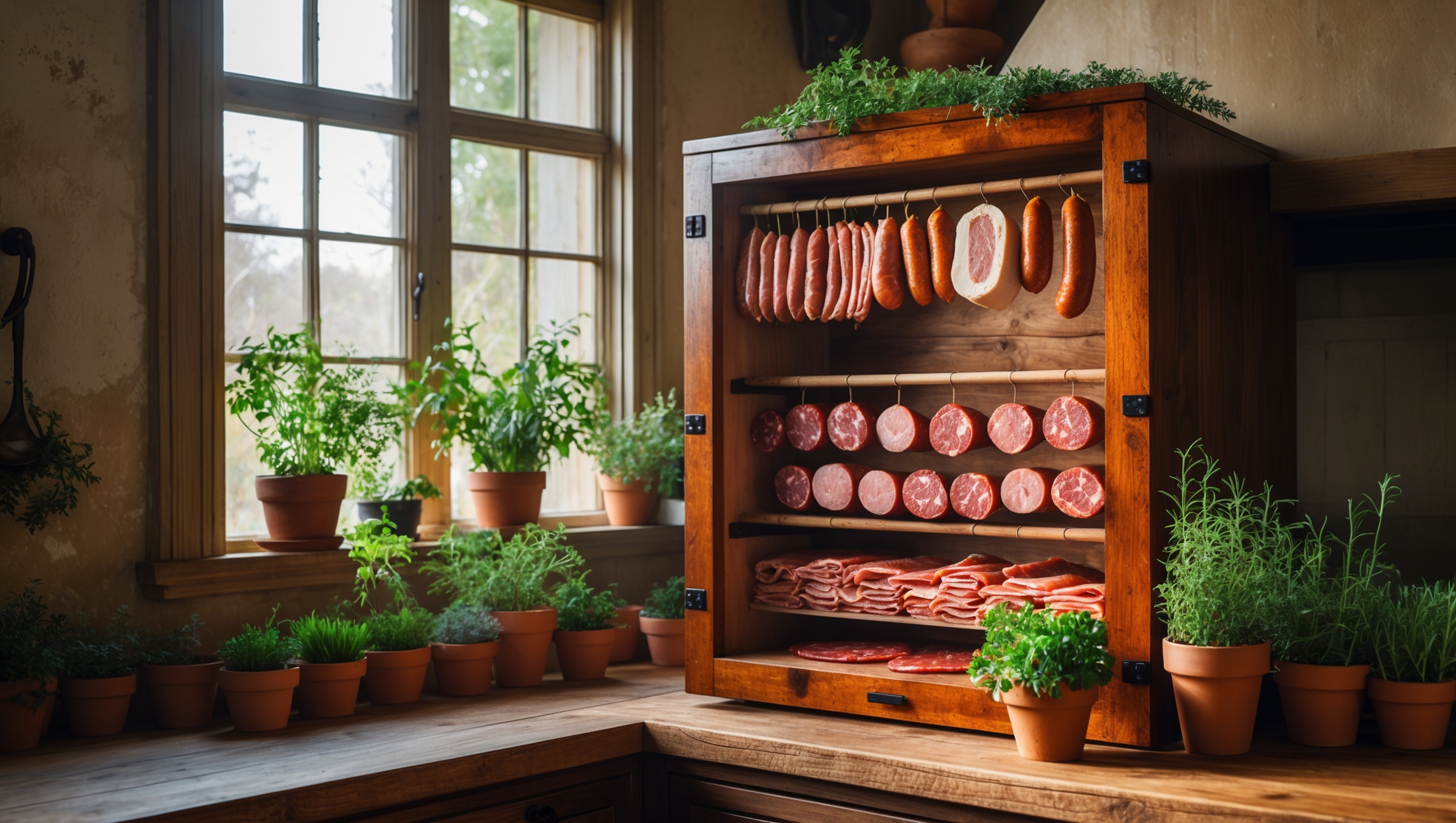
Introduction: The Rise of Home Curing & Charcuterie Culture
From bresaola to pancetta, home-cured meats have quietly claimed a place among the most rewarding culinary crafts. The growing interest in charcuterie culture isn’t just about indulging in rich flavors or artisanal tradition—it’s a creative journey that blends precise technique, deep respect for ingredients, and a keen sense of seasonality. For passionate cooks and culinary creators, few projects deliver as much satisfaction as crafting your own prosciutto, coppa, or duck breast, aged to perfection in a dedicated curing cabinet.
However, home curing is not simply a matter of hanging meat in the cellar and hoping for the best. Achieving safe, consistent, and delicious results requires a controlled environment—one that mimics the temperature, humidity, and airflow of traditional European curing spaces. Enter the home curing cabinet: a specialized setup that empowers you to craft charcuterie year-round, regardless of your local climate.
This comprehensive guide will walk you through the essential tools and materials for setting up a home curing cabinet, outline key safety and food science principles, and highlight seasonal charcuterie projects to inspire your culinary creativity. Whether you’re a curious beginner or an ambitious home chef, discover how to elevate your kitchen craft and savor the stories behind each slice.
Why Build a Home Curing Cabinet?
Beyond the Refrigerator: The Art of Controlled Aging
Traditional charcuterie relies on precise environmental conditions to ensure that meats cure safely and develop their signature flavors and textures. While refrigerators are excellent for keeping food cold, they’re far too dry and cold for proper curing. Specialized curing chambers (or cabinets) allow you to fine-tune humidity (70–80%), temperature (50–60°F/10–16°C), and airflow—key variables that influence both safety and gastronomic outcome.
- Consistent Results: Minimize spoilage and off-flavors with stable conditions.
- Year-Round Curing: Forget seasonality constraints and unpredictable weather.
- Creative Freedom: Experiment with regional styles, spice blends, and ingredient pairings.
- Food Safety: Reduce the risk of harmful bacteria or mold growth.
- Showcase Craftsmanship: Impress guests with authentic, hand-crafted charcuterie boards.
Essential Tools and Equipment for a Home Curing Cabinet
The Cabinet or Chamber: Picking Your Foundation
Your curing cabinet can take several forms, but the most popular (and cost-effective) option is a repurposed upright refrigerator or wine cooler. These units offer good insulation and are readily available second-hand.
- Size: Choose a unit large enough to hang several pieces of meat without touching.
- Sealing: Ensure the door seals tightly to maintain internal conditions.
- Interior Space: Remove shelving and add food-safe hooks, rods, or stainless racks.
Temperature Control: Precision is Key
Most refrigerators chill far below the optimal curing range, so you’ll need an external temperature controller. These plug-and-play devices let you set your desired temperature, cycling the fridge on and off as needed.
- Digital Temperature Controller: (e.g., Inkbird ITC-308) with probe sensor.
- Thermometer/Hygrometer: For internal monitoring (digital or analog).
Humidity Control: Achieving the Goldilocks Zone
Maintaining 70–80% relative humidity is critical; too little and meat dries out, too much and you risk unsafe mold. This is usually achieved by adding a small humidifier (ultrasonic is best for precise control) and, if needed, a dehumidifier or desiccant packs for damp climates.
- Humidifier: Small, adjustable unit inside the cabinet.
- Humidity Controller: (e.g., Inkbird IHC-200) to automate the humidifier.
- Desiccant Packs or Mini-Dehumidifier: Optional, for high-humidity environments.
Air Circulation: The Unsung Hero of Curing
Good airflow prevents moisture pockets and discourages undesirable mold. A small, food-safe fan (think: computer fan with a low-voltage adapter) is ideal for gentle, continuous circulation. Avoid direct blasting on meats.
- Low-Speed Fan: Small, energy-efficient, and quiet.
- Timer or Manual Switch: For periodic operation if needed.
Food-Grade Hardware: Hanging and Shelving
Stainless steel hooks, S-hooks, and rods are ideal for hanging. Avoid galvanized or painted metals, which may corrode or leach chemicals. Shelving should be removable and easy to sanitize.
- Stainless Steel Hooks/Rods: For hanging larger cuts.
- Plastic or Stainless Trays: For smaller items or catching drips.
Sanitation Supplies and Monitoring
- Food-Safe Sanitizer: For prepping the cabinet and hardware.
- Spray Bottles: For misting surfaces and maintaining humidity.
- pH Meter/Test Strips: Optional, for advanced safety monitoring.
Building Your Curing Cabinet: Step-by-Step Setup
1. Sourcing and Cleaning Your Cabinet
Start by sourcing a suitable upright refrigerator or wine chiller. Clean thoroughly with a food-safe sanitizer—don’t forget seals and crevices. Let dry completely before installing equipment.
2. Installing Temperature and Humidity Controllers
Mount both controllers externally. Run the temperature probe inside (usually through the door seal or a drilled hole, sealed with food-grade silicone). Place the humidity probe at meat level, away from direct airflow or humidifier output for accurate readings.
3. Setting Up Humidification and Airflow
- Position the humidifier on the cabinet floor, with the nozzle angled away from meat.
- Add a drip tray or absorbent mat under to catch spills.
- Place the fan in a corner or mount on the side wall for gentle circulation—test with a strip of tissue to ensure airflow is mild.
4. Installing Hanging Hardware
Mount stainless rods or removable racks at the top of the cabinet. Space hooks well apart to prevent meats from touching. For small items, add wire baskets or trays below.
5. Power and Safety Considerations
Ensure all devices are plugged into a surge-protected power strip outside the cabinet. Check cords for wear and avoid overloading circuits. Keep all electronics above floor level to prevent water damage from spills or condensation.
6. Initial Testing: Empty Run
Before introducing any food, run the cabinet for at least 48 hours. Monitor temperature and humidity, making adjustments until you consistently hit:
- Temperature: 50–60°F (10–16°C)
- Humidity: 70–80%
Log readings every few hours to establish baseline stability. Fine-tune controller setpoints and fan cycles as needed.
Food Safety: Best Practices and Safety Checklist
Understanding the Risks
Curing meat at home is safe—provided you control for temperature, humidity, and airflow. The greatest risks are pathogenic bacteria (like Listeria or Salmonella), unwanted molds, and excessive drying.
Critical Food Safety Steps
- Source Meat Responsibly: Choose fresh, high-quality cuts from reputable suppliers.
- Use the Right Curing Salts: Curing salts (e.g., Prague Powder #1 or #2) inhibit bacterial growth and are essential for most recipes. Follow dosage instructions exactly.
- Maintain Clean Hands and Work Surfaces: Sanitize all surfaces, tools, and your hands before handling meat.
- Monitor Cabinet Conditions: Check and log temperature/humidity daily. Invest in a backup thermometer/hygrometer for peace of mind.
- Inspect Regularly for Mold: White, powdery mold is generally safe and can be wiped away with vinegar. Green or black mold means you must discard the affected meat.
- Weigh Meats Before and During Curing: Most cured meats are ready when they’ve lost 30–40% of their initial weight.
- pH Testing: For fermented sausages, test pH to ensure it drops below 5.3 within 2–3 days.
Home Curing Safety Checklist
- ✔ Cabinet cleaned and sanitized before use.
- ✔ Controllers and probes properly installed and calibrated.
- ✔ Humidifier and fan placed away from meat, not blowing directly.
- ✔ All meat surfaces checked for spoilage or unusual odors before and during curing.
- ✔ Daily environmental monitoring.
- ✔ Immediate removal of any meat showing green/black mold.
- ✔ Proper use and storage of curing salts and spices.
- ✔ Accurate record-keeping (dates, weights, conditions).
Seasonal Charcuterie Projects: Inspiration Throughout the Year
Spring and Early Summer
- Lonzino (Cured Pork Loin): Delicate and lean, ready in 1–2 months—perfect for spring gatherings.
- Cured Duck Breast (Magret de Canard Séché): Quick and elegant, finished in just a few weeks.
- Spiced Coppa: Begin in cool spring; ready for summer antipasti boards.
Late Summer and Autumn
- Bresaola: Beef eye of round cured with juniper, rosemary, and red wine; ideal for end-of-summer picnics.
- Chorizo Seco: Spicy Spanish sausage that bridges summer grilling and autumn stews.
- Salumi di Fegato: Liver-enriched sausage cured as the weather cools.
Winter Projects
- Pancetta: Cured pork belly rolled with black pepper and herbs, ready for hearty winter pasta dishes.
- Guanciale: Cured pork jowl, a must for authentic carbonara and amatriciana.
- Spiced Venison Salami: Ideal for hunters; cure during the coldest months for best results.
Pairing and Serving Ideas
Once your charcuterie is ready, showcase it with seasonal accompaniments: fresh figs or pickled vegetables in summer, roasted nuts and dried fruit in winter, and crusty artisan breads year-round. A well-curated home curing cabinet lets you tailor your boards to the seasons, local markets, and your own creative influences.
Maintenance and Troubleshooting: Keeping Your Cabinet in Top Form
Routine Cleaning
- Sanitize all internal surfaces and hardware between batches.
- Check for and remove any condensation buildup.
- Clean humidifier reservoirs weekly to prevent biofilm and mineral deposits.
Periodic Calibration
- Verify thermometer and hygrometer accuracy monthly using calibration kits or salt tests.
- Recalibrate controllers as needed for precision.
Common Issues & Solutions
- Humidity Too Low: Add a larger humidifier, increase setpoint, or use water trays.
- Humidity Too High: Open the door briefly to vent, add desiccant packs, or run a mini-dehumidifier.
- Temperature Fluctuations: Check door seal, controller placement, and ambient room temperature.
- Unwanted Mold: Improve airflow, increase cleaning frequency, and check for spoiled meat.
- Stale or Off Odors: Clean cabinet thoroughly, ensure meat is fresh, and avoid overcrowding.
Conclusion: Savoring the Craft—Your Home Curing Journey
Building and maintaining a home curing cabinet is a rewarding intersection of science, tradition, and culinary artistry. Beyond the technical details, it cultivates patience, attention to detail, and a deeper appreciation for the stories embedded in every slice of cured meat. With the right tools, a steadfast commitment to safety, and a willingness to experiment, home charcuterie becomes more than a hobby—it’s a creative outlet that connects you to centuries of food culture and the rhythms of the seasons.
As you explore new recipes and perfect your technique, you’ll find every batch tells a story: of the cut you selected at the market, the blend of spices you chose, and the care you took in monitoring your cabinet’s delicate balance. Sharing your creations with friends and family elevates even ordinary gatherings into memorable feasts, while your knowledge of the craft inspires others to discover the joys of slow food and handmade flavor.
Whether you dream of replicating the robust salumi of Italy, the smoky sausages of Spain, or developing your own signature style, a home curing cabinet opens doors to culinary adventures limited only by your imagination. With each successful project, you become part of a living tradition—one that marries science, seasonal inspiration, and the pleasure of the table. Here’s to your next curing season, and to the stories you’ll create, cure, and savor.



Once you have your curing cabinet set up and dialed in, how do you monitor the safety of your meats throughout the curing process? Are there specific signs to watch for beyond just temperature and humidity readings?
Along with watching temperature and humidity, pay close attention to the appearance and smell of your meats. A healthy cure should develop a white, powdery mold on the surface—anything green, black, or fuzzy is a warning sign of unwanted mold. Also, if you notice off smells like sourness or rotten odors, that’s a red flag. Checking weight loss is another good safety indicator; most cured meats need to lose 30–40% of their starting weight. Regular visual and olfactory checks are key throughout the process.
I’m interested in trying home curing, but as a busy parent, I worry about the maintenance aspect of a curing cabinet. How much hands-on time does it typically require to keep temperature, humidity, and airflow in the right range?
Home curing cabinets are designed to automate much of the temperature and humidity control, so once everything is set up, daily hands-on time is usually minimal—often just a few minutes to check readings and make small adjustments if needed. You might spend 10–15 minutes once or twice a week cleaning the cabinet and monitoring airflow. Setting up a reliable system upfront makes ongoing maintenance much easier for a busy schedule.
I’m new to home curing and a bit concerned about food safety. What are the most common mistakes beginners make with temperature or humidity in curing cabinets, and how can I avoid them?
A common mistake is letting the temperature or humidity fluctuate outside safe ranges. Too high a temperature can cause spoilage, while too low humidity can dry the outside of meats too fast, trapping moisture inside. Aim for 55–60°F and 70–80% humidity. Use reliable digital sensors, check your cabinet daily, and calibrate equipment regularly to avoid issues.
For someone on a budget who’s interested in starting with smaller charcuterie projects, are there ways to modify an old fridge or do you recommend investing in a dedicated curing cabinet from the start?
Repurposing an old fridge is a practical and budget-friendly way to start small-scale charcuterie. You can add a temperature and humidity controller, a small fan for air circulation, and a hygrometer to monitor conditions. This setup works well for beginners and avoids the cost of a dedicated curing cabinet, which is more of an investment for advanced or larger projects.
For those of us interested in building a curing cabinet on a budget, are there any DIY solutions or lower-cost alternatives to specialized curing chambers that still maintain the right conditions for charcuterie?
Absolutely, there are budget-friendly DIY options for a home curing cabinet. Many people repurpose old refrigerators or wine coolers, adding a temperature controller and a small humidifier to maintain the right environment. A digital thermometer and hygrometer help you monitor conditions. These modifications can create a safe and effective curing space without the expense of specialized equipment, as long as you regularly check and adjust temperature and humidity.
The article mentions that a curing cabinet can let you do charcuterie year-round regardless of climate. Are there any specific seasonal meats or recipes you’d recommend for beginners to try first as the seasons change?
For beginners, starting with pancetta or bresaola in the cooler months is a good idea, since these cuts are more forgiving and require less complex seasoning. As the weather warms, you might try coppa or simple salamis, which benefit from the precise humidity control of a curing cabinet. Seasonal herbs like rosemary in winter or wild garlic in spring can add a nice touch to your recipes as the year progresses.
You mention the importance of maintaining temperature and humidity between 50–60°F and 70–80%. What do you suggest for monitoring and controlling these in climates where weather can be pretty unpredictable, especially during summer heat waves?
In unpredictable climates, using a dedicated curing chamber or cabinet with an insulated, sealed environment is your best bet. Equip it with a digital temperature and humidity controller connected to a small fridge or cooling unit, and a humidifier or dehumidifier as needed. Place a reliable hygrometer and thermometer inside to monitor conditions closely, and adjust settings as outdoor weather shifts. This setup keeps the internal environment stable even during extreme weather.
For someone new to charcuterie, are there any warning signs or common mistakes to watch out for when starting out with home curing cabinets to ensure food safety? I’d love a checklist or tips for spotting early issues.
Absolutely, food safety is key when using a home curing cabinet. Watch for these signs: off smells (sour or rotten), unusual colors (green, black, or fuzzy mold), excess moisture, and sticky or slimy textures. Always monitor temperature and humidity closely, and use only trusted recipes with proper salt and curing agent levels. If you notice any of these warning signs, discard the product to avoid health risks.
Once you have your curing cabinet set up and running, how often do you need to check on the meats or adjust settings to make sure things are aging safely and correctly? I work long hours and don’t want to miss anything important.
Once your curing cabinet is running, it’s best to check on your meats and monitor the cabinet’s temperature and humidity at least once a day, especially in the first week. After that, if everything remains stable, you can check every couple of days. Investing in a digital monitor with alarms can help you stay on top of changes remotely, so you won’t miss anything even with a busy schedule.
Could you shed a bit more light on airflow in the curing cabinet? I get that temperature and humidity are key, but I’m not sure how much air movement is too much. Do you recommend a specific type of fan or method to avoid drying out the meat edges?
Airflow in a curing cabinet should be gentle and consistent—not strong enough to create drafts that dry out the meat edges, but enough to prevent stagnant air. A small computer or muffin fan running at low speed is ideal. Set it up to circulate air gently throughout the cabinet without blowing directly onto the meats. This helps maintain even humidity and temperature, reducing the risk of case hardening while supporting safe curing.
I see that controlling humidity and temperature are crucial for safe home curing. Could you recommend specific brands or models of humidity and temperature controllers that work well for beginners building their first curing cabinet?
For beginners setting up a home curing cabinet, the Inkbird ITC-308 is a popular choice for temperature control because it’s easy to use and reliable. For humidity, the Inkbird IHC-200 is also widely recommended. Both models have clear instructions and are well-suited for small DIY curing setups. Make sure to pair these controllers with a good-quality humidifier and dehumidifier as needed for best results.
What are the main food safety risks to watch out for when curing meats at home, especially if I’m starting this project in a more humid climate? Any advice on avoiding common beginner mistakes?
When curing meats at home, humidity can increase the risk of unwanted mold, spoilage, and harmful bacteria growth. It’s important to monitor both temperature and humidity closely; aim for 55–65% humidity and 55–60°F. Use a reliable hygrometer and thermometer in your curing cabinet. Avoid overcrowding, ensure good air flow, and always use curing salts as directed. Beginners often forget sanitation—always sanitize equipment and your hands, and check your meats daily for any off smells or slimy textures.
You mentioned that traditional charcuterie spaces have certain airflow needs. Is there a simple way to create this kind of airflow at home, or do I need to invest in something special beyond a modified fridge and humidifier?
You don’t need to make a huge investment to achieve proper airflow at home. A small, low-speed computer fan inside your modified fridge can help circulate air gently, which is usually enough for most home curing projects. Just be sure the airflow is not too strong, as that can dry out the surface of your meats too quickly. Monitor regularly to ensure even conditions.
You talk about the importance of temperature and humidity control for successful curing, but is there a significant difference between using a modified fridge versus building a curing cabinet from scratch? Would one give noticeably better results or be easier for someone on a budget to set up?
Using a modified fridge is typically easier and more budget-friendly, since you’re starting with an insulated, sealed space and only need to add a temperature and humidity controller. Building a curing cabinet from scratch offers more flexibility in size and features but usually costs more and takes more effort. Both methods can yield great results if you manage the environment precisely, so for most beginners or budget-conscious hobbyists, modifying a fridge is often the best choice.
Could you break down what essential tools and materials I should invest in first when setting up a home curing cabinet? I want to get started but am trying to stick to a reasonable budget as I test things out.
To get started on a budget, focus on the basics: a dedicated fridge or wine cooler for your cabinet, a reliable digital temperature and humidity controller, and a small fan for air circulation. Invest in a good hygrometer-thermometer combo to monitor conditions. For curing, you’ll need stainless steel hooks or racks, food-safe trays, and non-reactive containers for brining or marinating. These essentials will let you begin safely and effectively without overspending.
You mention that seasonality and precise control over the curing environment are key to successful charcuterie at home. Are there particular types of meats or charcuterie projects you would recommend starting with during specific seasons, especially for someone who’s just setting up their first curing cabinet?
Starting out, winter and early spring are ideal for beginners since cooler, more stable temperatures make it easier to control the curing environment. Consider simple whole muscles like pancetta or coppa in winter, as they require less humidity management. In summer, try faster-cured sausages like saucisson sec, but monitor humidity closely. Begin with smaller cuts and short curing times to build confidence as you learn how your cabinet responds to seasonal changes.
For those of us dealing with fluctuating home temperatures and humidity between seasons, do you recommend any particular strategies or equipment to keep a curing cabinet stable, especially during hot and humid US summers?
To keep your curing cabinet stable during hot and humid summers, consider using a dedicated temperature and humidity controller paired with a small refrigeration unit and a humidifier or dehumidifier. Insulating the cabinet helps reduce outside fluctuations. Regularly monitor conditions with accurate sensors to ensure your charcuterie cures safely and consistently all year round.
The article touches on the importance of airflow for safe and flavorful curing. Could you explain a bit more about the type of fan setup or ventilation that works best inside a DIY curing cabinet, and how you avoid over-drying the meat?
Inside a DIY curing cabinet, a small, low-speed computer or muffin fan is often used to promote gentle air circulation. The key is to avoid strong airflow directly on the meat, which can cause over-drying. Mount the fan so it moves air around the cabinet, not across the surface of the charcuterie. For ventilation, a few small holes or adjustable vents allow for fresh air exchange without creating drafts. Regularly monitor humidity and adjust airflow as needed to maintain the ideal environment.
Could you clarify what specific safety tools or monitors are must-haves for beginners starting out with their first curing cabinet? I want to be sure I’m not missing any basic equipment to prevent spoilage or unsafe results.
For beginners, the essential safety tools for a curing cabinet are a reliable digital thermometer and a hygrometer to track temperature and humidity. An accurate temperature controller and humidity controller help keep these levels steady. It’s also wise to use a small fan for air circulation and consider a basic mold inhibitor spray for surface safety. Regularly check your equipment to ensure accurate readings and prevent spoilage.
The difference between regular refrigerator storage and a curing cabinet makes sense now, but I’m wondering—once you’ve built the cabinet, how much daily attention or maintenance does it require, especially for someone who has never cured meat before?
Once your curing cabinet is up and running, it does require a bit of daily attention, but it’s manageable even for beginners. You’ll need to check temperature and humidity levels each day to make sure they stay within the safe range, and inspect your meats for any unusual mold or odors. Other than that, general cleaning and occasional adjustments to the settings should keep your cabinet working smoothly.
If I want to start curing something basic like pancetta, how long does the process usually take in a home curing cabinet, and should I adjust the settings for different seasons or projects?
Curing pancetta at home generally takes about 2 to 4 weeks in a curing cabinet, depending on thickness and desired texture. You’ll want to keep the temperature around 55-60°F (13-16°C) and humidity at 60-70%. For different seasons or types of meats, minor adjustments to humidity and airflow might be needed to account for changes in ambient conditions or specific project requirements.
The article alludes to seasonal projects with a home curing cabinet. Are there certain types of charcuterie that are better suited to different times of year, and how do changes in ambient climate or ingredient availability affect your approach?
Yes, different types of charcuterie can be better suited to certain seasons, even with a curing cabinet. For example, heavier, spiced sausages or whole muscle cures are often made in cooler months when ingredients like game or winter spices are fresh. In warmer seasons, lighter cured meats might be preferred, especially when herbs and fresh produce are abundant. Changes in ambient climate can influence your cabinet’s settings, so you may need to adjust temperature and humidity controls more often depending on the season. Ingredient availability can inspire which recipes you tackle throughout the year.
You mentioned seasonal charcuterie projects as inspiration. Does the optimal humidity or temperature change much depending on the season or the type of meat you are curing, or is the cabinet environment about the same no matter what and when you’re curing?
The optimal humidity and temperature for curing do stay relatively consistent, regardless of season, because you want to create a stable environment inside your cabinet. However, the specific type of meat can require slight adjustments. For example, whole muscles often prefer slightly lower humidity than sausages. Always check recommended ranges for each meat, but your cabinet should mostly maintain the same core conditions year-round.
The article mentions that achieving the right humidity and temperature is crucial for safe home curing. What are some affordable tools or devices you’d recommend for accurately monitoring and controlling these conditions inside a curing cabinet?
For accurate monitoring, you can use a digital hygrometer-thermometer combo, which tracks both temperature and humidity inside the cabinet and is usually quite affordable. To control humidity, consider a small ultrasonic humidifier and a basic humidity controller that allows you to set a target range. For temperature, a mini fridge with an external temperature controller can help maintain stable conditions. These tools together should give you both control and peace of mind during curing.
I see that traditional charcuterie relies on specific temperature and humidity ranges, but what happens if the humidity drops below 70% for a few days? Is that a big safety issue, or just a minor setback in terms of flavor?
If humidity drops below 70% for a few days, it’s usually not a major safety issue, but it can cause the outer layer of the meat to dry too quickly, creating a hard ‘case’ that can trap moisture inside. This can affect texture and slow the curing process. As long as the temperature stays in the safe range and you restore humidity quickly, it’s more a minor setback for flavor and texture than a significant safety risk.
You mention that controlling humidity and temperature is crucial for safe home curing. Could you elaborate on what types of affordable humidity and temperature controllers work best for a DIY curing cabinet setup?
For a DIY curing cabinet, many hobbyists use digital humidity controllers like the Inkbird IHC-200 and temperature controllers such as the Inkbird ITC-308. These devices are affordable, reliable, and easy to set up with standard household appliances. Plug your humidifier or dehumidifier into the humidity controller, and your fridge or heater into the temperature controller. This setup helps you maintain consistent curing conditions without breaking the bank.
I’m interested in trying my first batch of pancetta, but I’m worried about safety. Are there specific signs or smells I should look out for during the curing process that indicate something is going wrong?
When curing pancetta, watch for any unusual colors like green, black, or pink fuzzy spots—these could indicate mold or spoilage. A sour, rotten, or ammonia-like smell is also a red flag. The pancetta should have a salty, meaty aroma throughout. If you notice anything off, it’s safest to discard it. Always keep your cabinet clean and monitor humidity and temperature closely for the best results.
If someone is just starting out with home charcuterie, what are the most common safety mistakes to watch out for in the first few batches, especially regarding airflow and preventing spoilage?
When starting out, it’s common to overlook consistent airflow, which is crucial to prevent mold and uneven drying. Make sure your cabinet allows gentle, steady airflow to avoid stagnation. Another mistake is not monitoring humidity and temperature closely—too high and spoilage bacteria thrive, too low and meats dry too quickly. Always use a curing salt properly and keep your equipment and hands clean to minimize contamination risk.
The article mentions that traditional refrigerators aren’t suitable because they’re too cold and dry for curing meat. Is it possible to modify a standard fridge to create those ideal conditions, or is building a separate cabinet really necessary?
You can modify a standard refrigerator for meat curing, but it requires some adjustments. You’ll need to add a temperature controller to keep it within the 50–60°F range, and a humidity controller with a humidifier to maintain 70–80% humidity. Proper airflow is also important, so a small fan helps. While this setup works for many people, building a dedicated curing cabinet gives you more control and space tailored specifically to charcuterie needs.
I’m curious about the seasonal aspect mentioned in the article. Are there certain types of charcuterie that are easier or safer to start with during different parts of the year, especially for someone living in a humid climate like the Southeast?
Absolutely, the humidity and temperature shifts in the Southeast can affect charcuterie projects. In warmer, humid months, it’s safer to start with faster-curing or cooked products like pancetta or cooked hams, since they’re less prone to spoilage. Save longer-fermented items like salami for cooler, drier months, or rely on a well-controlled curing cabinet with good airflow and humidity regulation to manage year-round projects.
You talked about crafting charcuterie year-round by mimicking traditional European curing spaces. If I want to try seasonal projects like duck breast in winter and coppa in summer, are there different settings or safety considerations I should keep in mind for each season?
Yes, different meats and seasons call for some adjustments. Duck breast (like duck prosciutto) in winter often benefits from cooler, less humid settings—around 55°F and 65–70% humidity. Coppa in summer may need even tighter humidity control and good airflow to prevent spoilage, since higher temperatures can speed up unwanted bacterial growth. Always monitor temperature and humidity closely, and use reliable curing salts for safety.
For beginners who might be on a tighter budget, are there any specific home curing cabinet setups or essential tools you would recommend starting with that balance safety and cost? Or is there a thriftier way to adapt a standard fridge for curing meats?
If you’re just starting and want to save money, you can convert a regular fridge into a curing cabinet with a few additions. Use a temperature controller to keep things steady, add a small humidifier controlled by a humidity controller, and use a fan for air circulation. These basic tools will help you balance safety and cost, and you can often find inexpensive versions online or at thrift stores.
I noticed you talked about controlling temperature and humidity for seasonal charcuterie. Are there affordable options or starter kits recommended in the guide for beginners who want to try a few projects before investing in a full setup?
Yes, the article highlights some budget-friendly ways to start curing at home. For beginners, it suggests using a modified mini fridge with a basic temperature controller and a small humidifier, which is a more affordable setup than buying a dedicated curing cabinet. You can also find starter kits with essential equipment like hygrometers and curing salts at many specialty food shops. This approach lets you try out a few charcuterie projects and see if you enjoy the process before making a bigger investment.
You mention that home curing cabinets are needed to control temperature and humidity for safe charcuterie, but what are the simplest or most affordable solutions for someone just starting out? Is it possible to modify a standard fridge, or are specific components necessary to achieve reliable results?
You can definitely start by modifying a standard fridge or even a wine cooler to create a home curing cabinet. The simplest setup involves adding an external temperature controller and a plug-in humidifier or dehumidifier to maintain ideal conditions. Some people also use small fans for air circulation. With these basic components, you can achieve the temperature and humidity control needed for safe charcuterie without investing in expensive, specialized equipment.
I’d love to start home curing, but I’m on a tight budget. Do you have suggestions for essential tools that are truly necessary for a beginner, and which pieces of equipment can be added later as I get more experience?
For beginners on a budget, start with the true essentials: a reliable fridge or an old wine cooler for your curing cabinet, a simple digital thermometer and hygrometer to monitor temperature and humidity, basic racks or hooks for hanging meat, and a small fan for air circulation. You can add extras like humidity controllers, fancy curing chambers, and advanced monitoring equipment as you gain more experience and want to refine your setup.
The idea of making charcuterie throughout the year is really appealing, but I’m wondering about the electricity costs and space needed for a dedicated curing cabinet. How large does a home setup typically need to be for a beginner, and are there compact options that still maintain safe curing conditions?
For beginners, a compact curing cabinet can be as small as a modified mini-fridge, which uses relatively little electricity and fits easily in most homes. These can comfortably cure small batches without taking up much space. Just make sure your setup allows for good airflow, stable temperature, and humidity control to ensure safety. Many hobbyists start this way before moving on to larger cabinets if needed.
I’m interested in trying seasonal charcuterie projects but have a fairly limited space and budget. Are there any cost-effective materials or essential tools you would recommend prioritizing for someone just starting to build their first curing cabinet?
Starting with a limited space and budget is absolutely doable for a curing cabinet. Focus on essentials like a small, secondhand fridge for the cabinet, a digital temperature and humidity controller, and a basic hygrometer/thermometer combo. Shelving can be made from inexpensive wire racks or food-safe plastic. These basics will help you control the environment without a big investment, and you can expand your setup over time as you gain experience.
For someone with a busy schedule, how long do typical seasonal charcuterie projects take from start to finish using a home curing cabinet? I’d love to try, but I’m not sure how much ongoing attention the process requires.
Most seasonal charcuterie projects, such as making dry-cured sausages or whole muscle cuts, generally take anywhere from three weeks to several months to complete in a home curing cabinet. The hands-on work is mostly at the beginning—preparing and hanging the meat—then regular but brief check-ins (once or twice a week) to monitor humidity, temperature, and progress. So, it’s quite manageable for a busy schedule, as the curing cabinet handles the environment for you.
The article mentions different meats like bresaola and pancetta—does your cabinet setup change much depending on which charcuterie you’re making? For someone just starting, is it better to stick with one type to dial in the cabinet, or can you experiment with a few at once?
The basic cabinet setup—temperature, humidity, airflow—should work for most types of charcuterie, but some meats may need slight adjustments. For example, larger cuts like coppa might need cooler temps or more humidity than thinner ones like bresaola. If you’re just starting out, focusing on one type at a time makes dialing in the cabinet easier, but once you’re comfortable, experimenting with a few at once is certainly doable.
I’m curious about the safety principles touched on here. Are there specific signs or warnings to watch out for that indicate something has gone wrong during the curing process, like unwanted molds or off smells?
Absolutely, there are a few key signs to watch for when curing at home. Unwanted molds are usually green, black, or fuzzy instead of the desired white powdery mold. Any strong, unpleasant, or sour smells—rather than a clean, meaty aroma—can also signal spoilage. If you see slimy textures or notice any sticky residue, it’s best to discard the product. Always err on the side of caution to ensure safety.
The article mentions the importance of achieving 70–80% humidity and temperatures around 50–60°F for safe curing. Could you provide more detail on how to monitor and maintain these levels precisely, especially for someone new to setting up a DIY curing cabinet?
To monitor humidity and temperature precisely, use a digital hygrometer and thermometer inside your curing cabinet. For humidity control, a small ultrasonic humidifier or a container of saturated salt solution can help raise moisture, while a dehumidifier or extra ventilation can lower it. Temperature can be regulated with a fridge modified with an external thermostat controller. Check readings daily, adjust equipment as needed, and make small changes rather than big swings for the best results.
I’m curious about what seasonal charcuterie projects you’d recommend for beginners using their first curing cabinet. Are some meats or recipes better suited for starting out, especially considering safety and likelihood of success?
For beginners using a curing cabinet, I suggest starting with whole muscle meats like duck breast (duck prosciutto) or pork loin (lonzino). These are simpler and safer than ground meats because there’s less risk of contamination. Coppa and bresaola are also good options. Try these during cooler months, as moderate temperatures support even drying. Always use reliable curing salts and monitor humidity closely to help ensure safety and success.
You mentioned the importance of replicating traditional European curing conditions. How big a difference does it make if my cabinet’s temperature or humidity fluctuates outside the 70–80% and 50–60°F ranges for short periods? I’d love to know how strict those guidelines need to be for beginners.
Short-term fluctuations outside the ideal 70–80% humidity and 50–60°F ranges usually aren’t a disaster, especially for beginners. Brief variations won’t ruin your charcuterie, but consistent extremes can cause issues like case hardening or spoilage. Aim to stay in range as much as possible, but don’t stress over minor, short-lived changes. Just monitor your cabinet regularly and make adjustments as needed.
I’m curious about the airflow part you mentioned when setting up a curing cabinet. How do you usually control or measure airflow inside a DIY setup to make sure it’s safe for different cuts like pancetta or duck breast?
To manage airflow in a DIY curing cabinet, many people use a small computer fan or similar low-speed fan to keep air circulating gently. Position the fan so air moves around the meats but doesn’t blow directly on them. To monitor airflow, some use an anemometer or simply check that humidity stays consistent throughout the space. For pancetta or duck breast, aim for gentle, even airflow to avoid drying out the surface too quickly.
I noticed you talked about seasonality in charcuterie projects. Does the type of meat or recipe you choose have to change throughout the year if you are using a curing cabinet, or does the cabinet make seasonal adjustments less important?
When using a well-controlled curing cabinet, seasonality becomes much less of a concern because you can set ideal temperature and humidity levels year-round. This means you aren’t limited by the weather outside and can try a variety of meats and recipes whenever you like, rather than adjusting your projects based on the season.
When it comes to food safety, what are the warning signs to watch for during the home curing process, especially for people who are new to it? Any tips for troubleshooting if something smells or looks off before serving homemade charcuterie to family?
During home curing, it’s important to watch for warning signs such as strong ammonia-like odors, fuzzy mold that is green, black, or pink, and slimy or sticky textures on the meat. White powdery mold is normal, but anything else should be treated with caution. If you notice unusual smells or discoloration, do not taste the product—it’s safer to discard it. Always use a reliable thermometer and hygrometer to monitor temperature and humidity in your curing cabinet. If in doubt, err on the side of caution to keep your family safe.
The article mentions fine-tuning airflow for safe and flavorful curing. Could you explain what kind of fans or air circulation setups work best in a small-scale home curing cabinet, and how often you should be checking or adjusting this?
For a small-scale home curing cabinet, a simple computer fan or a small clip-on fan usually works well to keep air moving gently. Position the fan so it circulates air without blowing directly on the meat. Check airflow daily during the first week, and adjust the fan speed or placement if you notice damp spots or uneven drying. After things stabilize, check a couple of times per week to ensure conditions remain consistent.
The article mentions seasonal charcuterie projects—do certain meats or recipes work better in a curing cabinet during particular times of year, or does the cabinet environment make it possible to cure anything year-round regardless of climate?
A well-designed curing cabinet controls temperature and humidity, so you can cure most meats and recipes year-round, regardless of the climate outside. However, some traditional charcuterie recipes were developed for certain seasons to take advantage of natural conditions, and you may still find that certain flavors or textures suit cooler or warmer months. Ultimately, with a good cabinet setup, you have the flexibility to experiment with a wide variety of projects at any time.
I noticed the article mentions controlling both humidity and temperature in a curing cabinet. What specific tools or devices would you recommend for someone on a college student budget who wants to set up these controls effectively?
For a college student budget, consider using an old dorm fridge as your curing cabinet. To control temperature, a plug-in temperature controller (like an Inkbird or similar brand) is affordable and effective. For humidity, a digital hygrometer allows monitoring, and a basic ultrasonic humidifier can be controlled with a humidity controller. These tools offer reliable control without a big investment.
I noticed you mention that a curing cabinet keeps humidity around 70–80% and temperatures between 50–60°F. In your experience, how sensitive are meats like duck breast or pancetta to minor fluctuations outside these ranges? Have you ever had a batch go wrong because of a short-term spike or dip?
Meats like duck breast and pancetta are fairly forgiving when it comes to brief fluctuations in temperature or humidity, especially if the dips or spikes are minor and short-lived. A quick increase or decrease over a few hours usually won’t ruin a batch. Problems typically arise if the environment stays out of range for days, which can cause spoilage or unwanted mold. Keeping an eye on the cabinet and correcting issues quickly is key.
I noticed you mentioned that regular refrigerators are too dry and cold for curing meats. Is it possible to modify an old fridge to create the right environment, or is it better to build a cabinet from scratch? I’d love to know what’s most cost-effective for someone just starting out.
You can definitely modify an old refrigerator for curing meats, and it’s often more cost-effective than building a cabinet from scratch. You’ll need to add a temperature controller and a humidifier to maintain the ideal curing environment. Many beginners find this route easier since fridges are well-insulated and seal tightly. Just make sure to regularly monitor conditions inside to avoid spoilage.
If I’m totally new to curing meats at home and want to try something like bresaola, is there a particular season that’s safest to start, or does the cabinet setup make it possible to experiment year-round regardless of outside weather?
With a properly set up curing cabinet that controls temperature and humidity, you can cure meats like bresaola any time of year, regardless of the weather outside. The cabinet creates a stable environment, so even beginners can confidently experiment year-round. Just be sure to monitor your cabinet’s conditions and follow recommended safety practices throughout the curing process.
After reading about seasonal charcuterie projects, I’m wondering how often you need to adjust the temperature or humidity settings throughout the year for different meats. Is there a general schedule you follow, or does it depend more on the specific recipe?
Adjusting temperature and humidity in your curing cabinet usually depends more on the specific recipe and the type of meat rather than following a fixed yearly schedule. While seasonal changes can affect your environment, most recipes will specify the ideal conditions needed. It’s best to monitor and tweak your cabinet settings for each project, ensuring you match the requirements for safe and flavorful curing.
My kids are pretty adventurous eaters and love trying different meats, but I’m worried about safety. Can you explain more about how to make sure the meats actually cure safely in these cabinets? Is there a checklist or device you always use?
To make sure meats cure safely in a home curing cabinet, always monitor temperature and humidity closely; aim for 55-60°F and 70-75% humidity. Invest in a reliable hygrometer and digital thermometer, and check them daily. Good airflow is important, so use a small fan if your cabinet allows. Also, keep the inside scrupulously clean and weigh your meats regularly to track moisture loss. Using curing salts as recommended in recipes is essential for safety.
I noticed you mention the importance of airflow and seasonal conditions inside the curing cabinet. Could you clarify how to adjust airflow if I live in a region with big swings in humidity throughout the year?
When dealing with big swings in humidity, it’s helpful to use a combination of adjustable vents and a small fan inside your curing cabinet. During humid periods, increase airflow by opening vents and running the fan more often to prevent excess moisture. In dry conditions, reduce airflow to help retain moisture. Using a hygrometer will let you monitor conditions closely and make adjustments as needed to keep your curing environment stable.
Once the curing cabinet is set up with the right humidity and temperature controls, what are the early signs that something might be going wrong with the curing process, like spoilage or off-flavors? Any troubleshooting tips for beginners?
Once your curing cabinet is running, watch for unwanted mold (especially green, black, or fuzzy types), off smells like rotten eggs or ammonia, slimy or sticky surfaces, and unusual color changes. These are early signs of spoilage. For troubleshooting, make sure airflow is steady, humidity and temperature stay within safe ranges, and use quality meat. If you spot issues, remove the affected item, clean the cabinet, and double-check your controls before trying again.
Could you elaborate on the types of humidity and temperature controllers that work best for maintaining those 70–80% humidity and 50–60°F temperature ranges you mentioned? Are there affordable options that are reliable for a beginner setting up their first curing cabinet?
For maintaining 70–80% humidity and 50–60°F in a curing cabinet, look for digital temperature controllers like the Inkbird ITC-308, which are budget-friendly and reliable. For humidity, a digital humidity controller such as the Inkbird IHC-200 works well for beginners. Both plug into your fridge and humidifier, automating the process and making it easier to keep stable conditions without constant monitoring.
Could you clarify how seasonal changes outside the home affect the curing process inside the cabinet? For example, does high summer humidity in certain regions require any adjustment to the typical setup?
Seasonal changes outside can definitely influence your curing cabinet, especially if your region experiences high humidity in the summer. Even though the cabinet is sealed, increased ambient humidity and temperature can make it harder for the cabinet to maintain stable conditions. You may need to adjust your dehumidifier and cooling settings, and check seals to prevent outside air from seeping in. Monitoring with reliable sensors is important during these periods.
The article touches on the importance of seasonal charcuterie projects. Are there certain types of meats or recipes that are easier or safer for beginners to start with at different times of the year?
Yes, certain meats and recipes are more beginner-friendly and can be safer depending on the season. In cooler months, whole muscle cuts like pancetta or bresaola are ideal because lower temperatures reduce risks of spoilage. For warmer months, consider quick-cure projects like duck prosciutto or smaller salamis that require less time in the curing cabinet. Always start with trusted recipes and ensure good temperature and humidity control, regardless of the season.
For someone living in a place with big seasonal temperature swings, does a home curing cabinet need any extra insulation or equipment compared to milder climates, or can the standard setup handle those changes?
In areas with significant seasonal temperature swings, it’s a smart idea to add extra insulation to your curing cabinet. Standard setups might struggle to maintain consistent temperature and humidity in extreme conditions. Consider using thicker insulation panels and possibly upgrading heating and cooling elements to better regulate the internal environment. This will help protect your charcuterie from unwanted fluctuations year-round.
You mention the importance of airflow in the curing process—could you explain how to achieve optimal airflow in a home curing cabinet without risking the meat drying out too quickly or developing unwanted mold?
To achieve optimal airflow in your home curing cabinet, use a small computer fan set on a low setting to gently circulate air around the meat without blowing directly on it. Place the fan so it creates consistent movement but doesn’t cause drafts. Monitor humidity closely (ideally 70–80%) with a hygrometer to prevent the meat from drying out too fast. Regularly check for mold—white mold is generally safe, but black or green mold should be removed immediately.
The article highlights the importance of safety and food science in home curing. Are there specific signs to watch out for to ensure my charcuterie isn’t developing harmful bacteria during the process?
Absolutely, monitoring your charcuterie closely is key to safe curing. Watch for unwanted mold, especially colors like green, black, or pink—white mold is generally safe, but colored molds can indicate spoilage. A sour, ammonia-like, or rotten smell is a warning sign, as is any slimy or sticky texture developing on the surface. If you notice these, it’s safest to discard the product. Regularly check temperature and humidity, and always follow recommended guidelines for salt and curing agents.
The article touches on seasonal charcuterie projects. Are there certain meats or techniques you’d suggest starting with during hotter summer months versus winter, especially if my house isn’t as well insulated and temperatures fluctuate a bit?
During warmer summer months, it’s best to focus on quicker-curing meats like thin sausages or small whole muscles that mature rapidly, as high and fluctuating temperatures can spoil slower cures. In the colder winter months, you can try larger cuts like coppa or prosciutto, since steady cool temperatures are safer for long cures. Always monitor humidity and temperature closely, regardless of the season, and consider using a temperature controller if your cabinet is in a less insulated space.
I noticed you mentioned that refrigerators are too cold and dry for curing meat. Is it possible to convert an old fridge into an effective curing cabinet, and if so, what modifications would be absolutely essential to ensure food safety?
Yes, it’s possible to convert an old fridge into a curing cabinet, but you’ll need to address both temperature and humidity. Install a temperature controller to keep it around 55°F (13°C), and a humidity controller with a humidifier to maintain 70–80% relative humidity. Ensure good airflow with a small fan, and regularly monitor conditions. Cleanliness is essential to prevent mold and bacteria growth.
You mention that refrigerators are too cold and dry for proper curing. Are there any affordable ways to retrofit a regular fridge into a curing cabinet, or does creating a controlled cabinet always require dedicated equipment?
It is possible to retrofit a regular fridge for curing without expensive, specialized equipment. Many people use a digital temperature controller to manage the fridge’s cooling cycles and a small humidifier inside to boost humidity. You’ll also need a hygrometer and thermometer to monitor conditions. With these additions, you can create a suitable curing environment at a fairly low cost.
If someone lives in a place where the seasons shift quickly, what would you recommend for keeping the cabinet’s environment stable day-to-day? Do fluctuations outside the recommended 50–60°F and 70–80% humidity range ruin the batch, or is there some wiggle room?
Rapidly changing seasons can make it tricky to keep a curing cabinet stable, but using a combination of a thermostat, a humidifier, and a dehumidifier can help maintain consistent temperature and humidity. While brief fluctuations outside the ideal 50–60°F and 70–80% humidity aren’t usually disastrous, it’s best to avoid large or frequent swings to prevent uneven curing or spoilage. There’s a little wiggle room, but try to correct conditions as soon as you notice them drifting.
If someone wanted to build a basic home curing cabinet on a tight budget, what are the absolute essential components they should prioritize, and are there any affordable hacks for things like humidity control or airflow?
For a budget home curing cabinet, prioritize an old fridge or freezer (to act as the chamber), a hygrometer/thermometer combo for monitoring, and a small fan for gentle airflow. For humidity, a simple humidifier or even trays of salted water can work as affordable hacks. Use a basic inkbird-style controller to automate humidity or temperature if needed. Always ensure the space is clean and well-ventilated to keep things safe.
I’m a beginner and interested in building my own curing cabinet, but I’m a little confused about how to control humidity and temperature accurately. What are some affordable tools or devices you recommend to monitor and adjust these conditions inside the cabinet?
For beginners, a digital hygrometer/thermometer combo is a reliable and affordable way to monitor both humidity and temperature. To control humidity, a simple humidifier or dehumidifier, paired with an external humidity controller plug (like the Inkbird controller), works well. For temperature, a mini fridge with an external temperature controller can help you dial in the right conditions. These tools give you hands-on control without costing too much.
If I want to cure different types of meats at the same time—like both whole muscles and sausages—how do you handle the varying ideal conditions for each in a single cabinet? Is there a risk of cross-contamination or off-flavors developing?
Curing different meats together does pose challenges, since whole muscles and sausages often need slightly different temperature and humidity levels. If you must cure them together, try to group similar products, use racks to separate items, and leave space for airflow. To minimize cross-contamination or off-flavors, avoid direct contact and consider using separate trays. Be extra careful with hygiene and monitor for any unwanted mold. Ideally, cure similar products at the same time or use separate batches for best results.
For someone starting out with limited space and budget, what would you recommend as the most essential tools to prioritize when setting up a home curing cabinet? Are there any safety features that are absolutely non-negotiable for beginners?
If you’re starting out with limited space and budget, focus first on a reliable digital temperature and humidity controller, a small fridge or insulated cabinet, and a simple hygrometer/thermometer combo. For safety, it’s absolutely essential to monitor temperature and humidity closely to prevent spoilage and bacterial growth. A dedicated curing cabinet should also seal well to maintain conditions, and always clean and sanitize all surfaces before use.